Wind, Wave and Wall Work Around Corpus Christi Bay
Corpus Christi Bay covers roughly 192 square miles and averages close to 10 feet deep. Mustang Island shields it from the Gulf, and water moves in and out through Aransas Pass. Nueces Bay opens to the west, Oso Bay to the south, and Redfish Bay lies past a chain of islands to the southeast. Portland sits on a bluff between Nueces and Corpus Christi bays, Ingleside lines the north shore near La Quinta Channel, and a dredged ship channel cuts across the bay to the Port Aransas jetties.
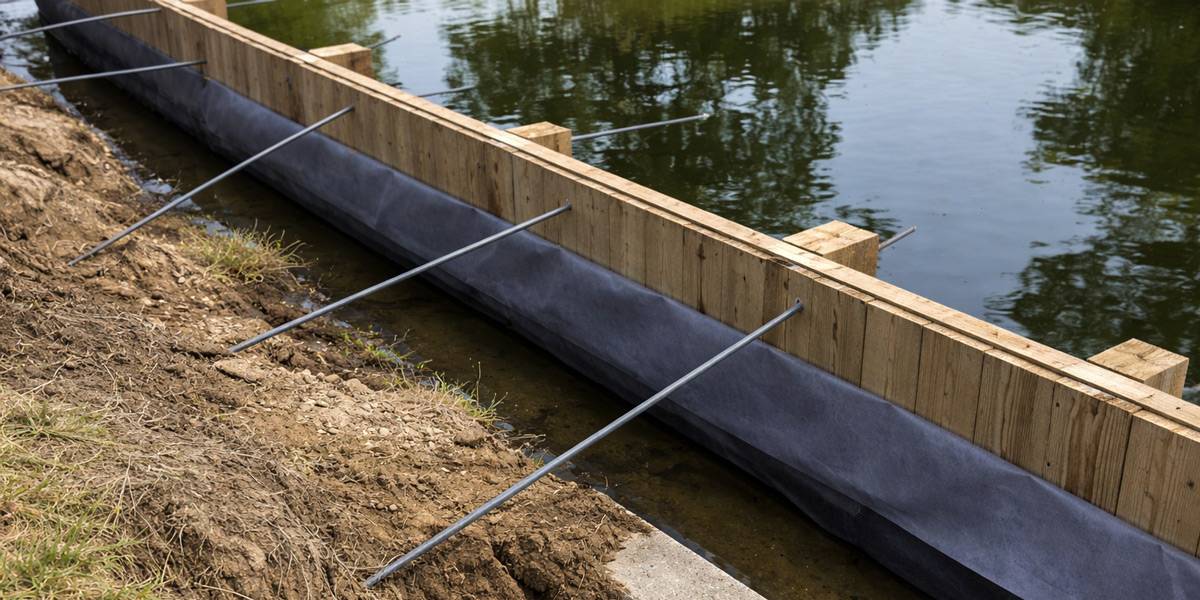
Wind is the daily load here. Southeast wind dominates, April averages just over 14 mph, and spring gusts above 40 mph are fairly common, so waves have miles of open bay to build before reaching a north or west shore. The city itself sits behind a seawall that runs from Emerald Cove to the Industrial Canal. Private walls on exposed frontage need strong toe protection, and dock decks need fastening that resists uplift.
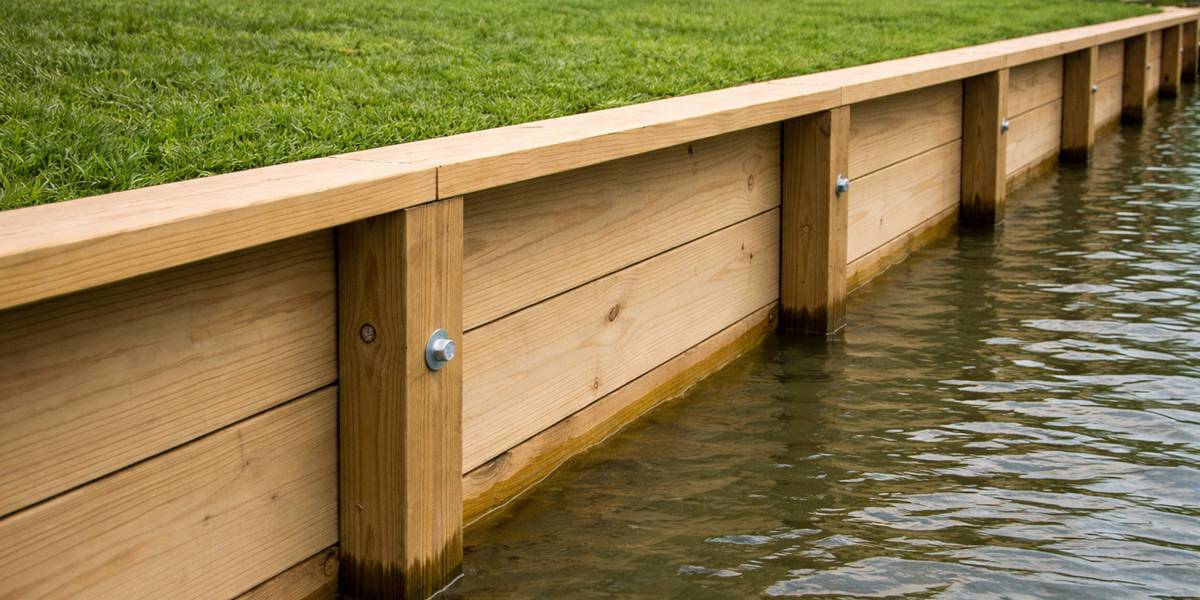
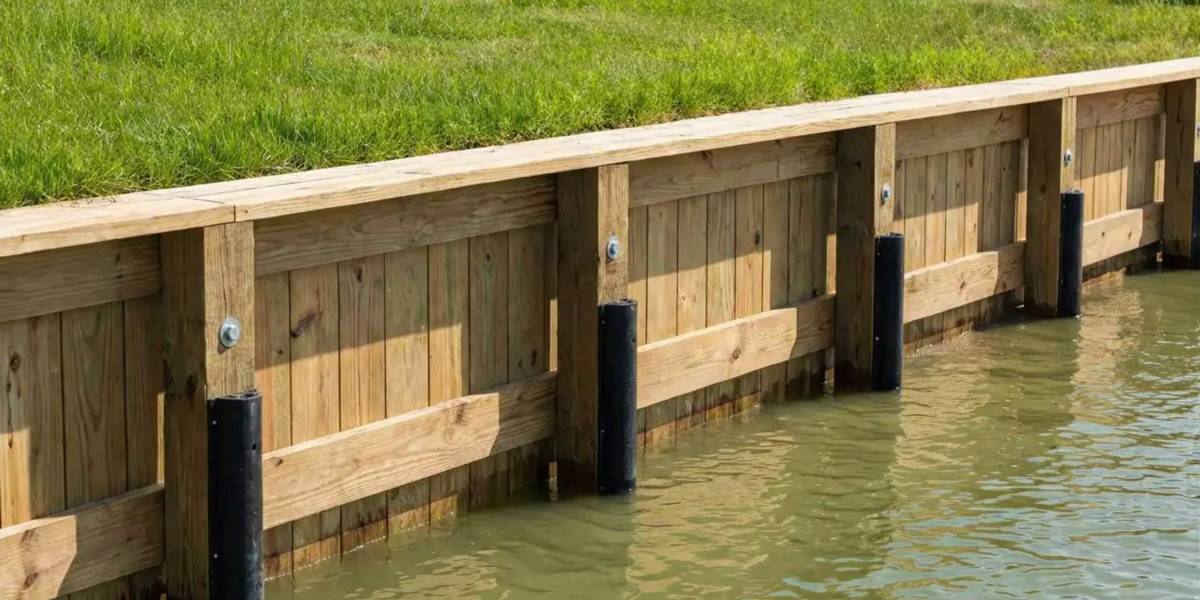
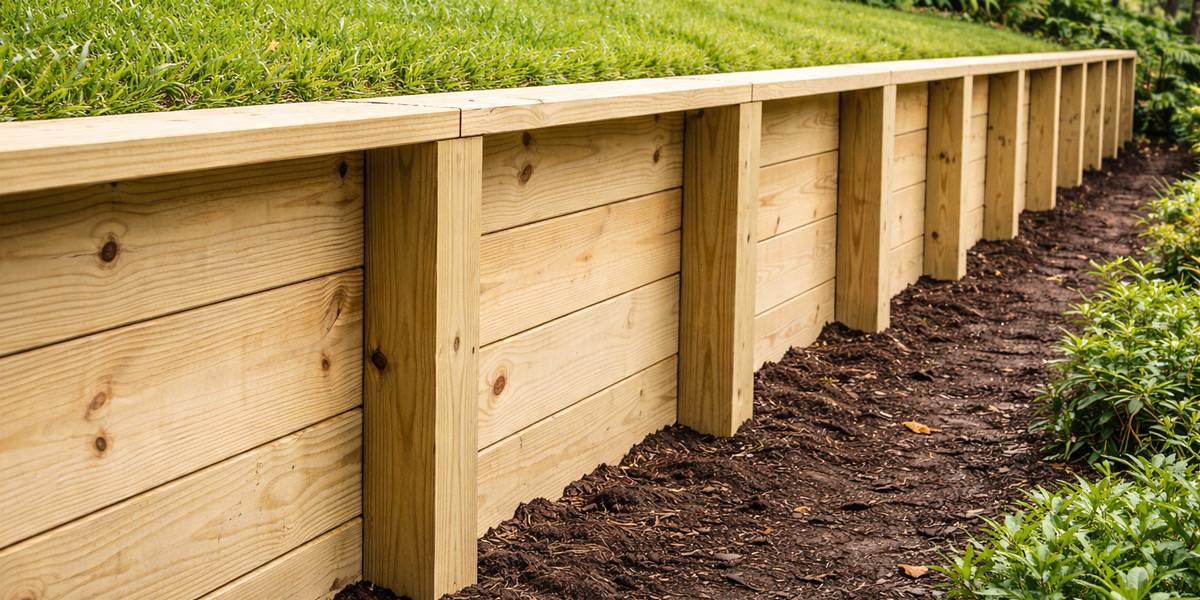
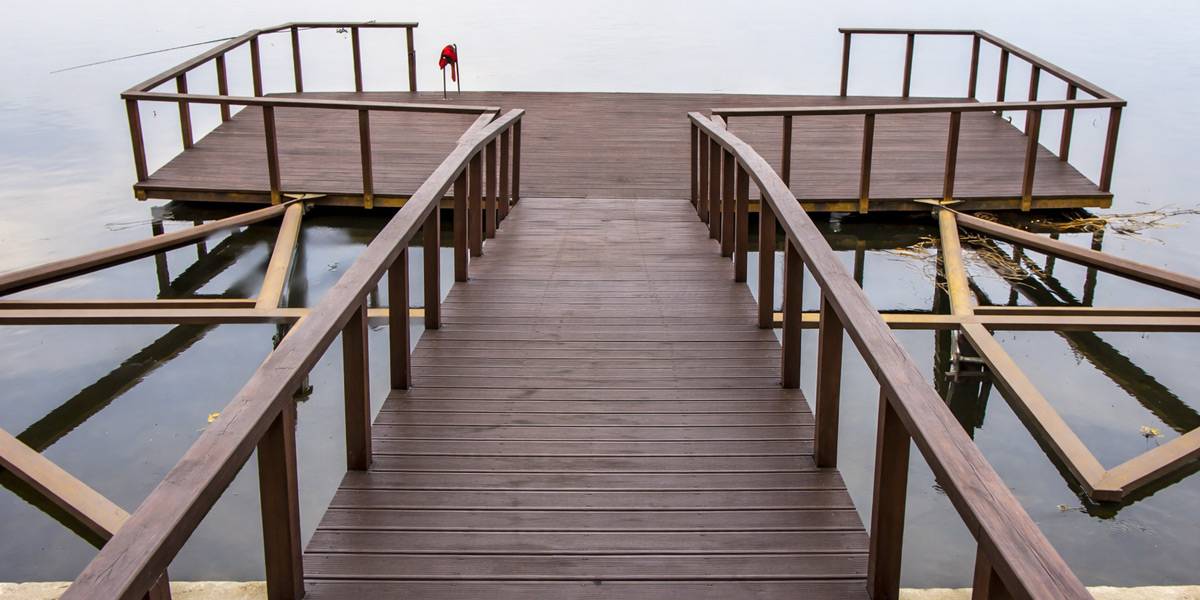
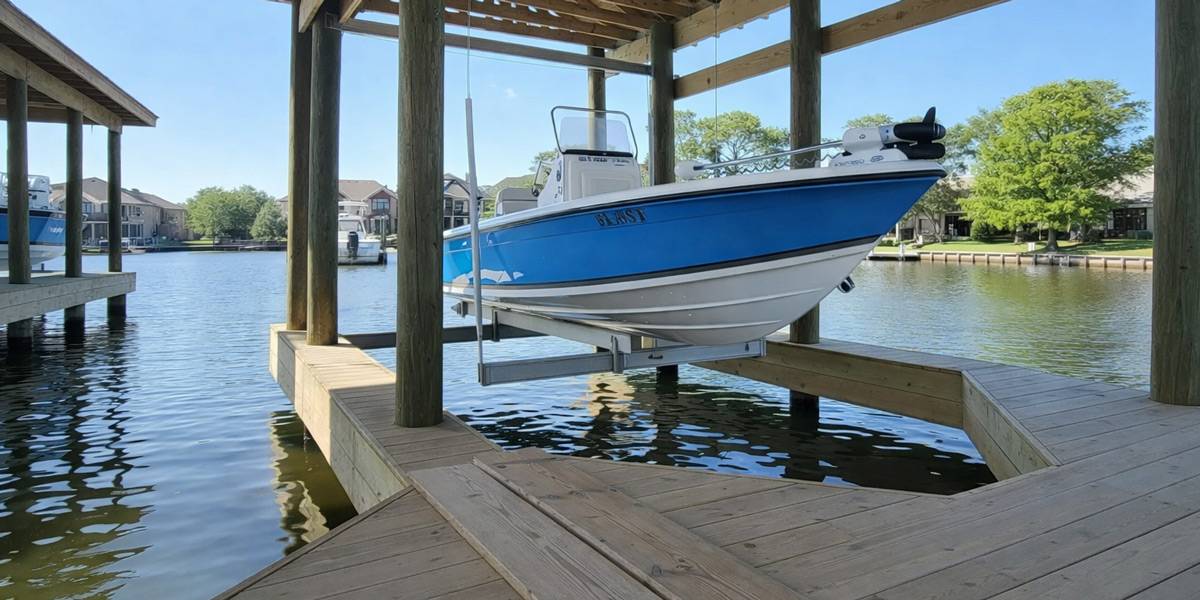
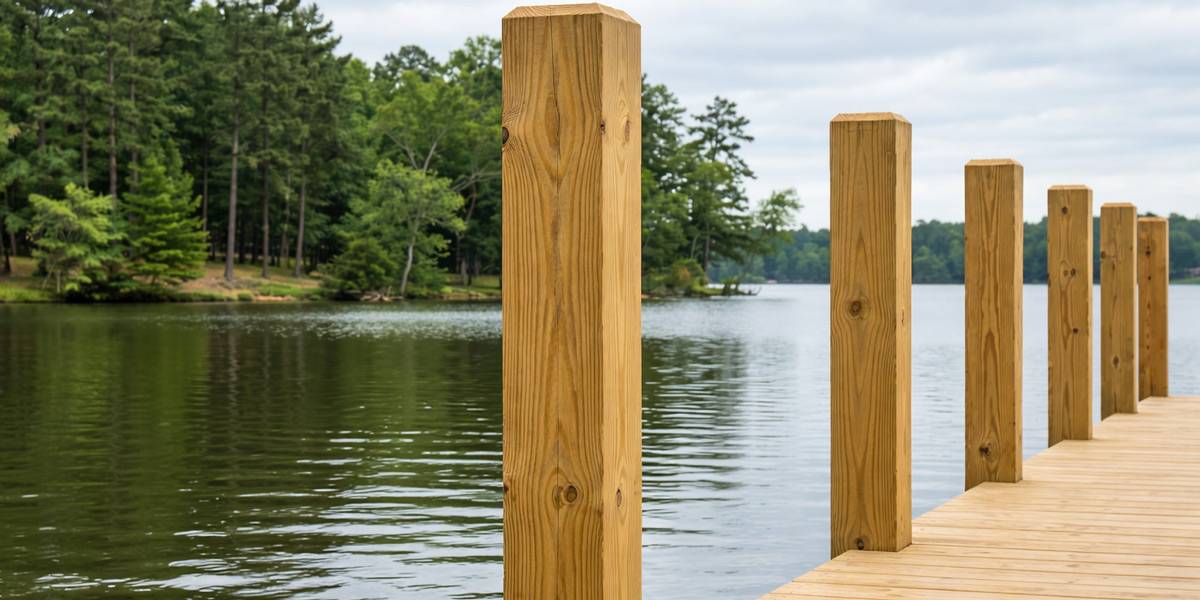
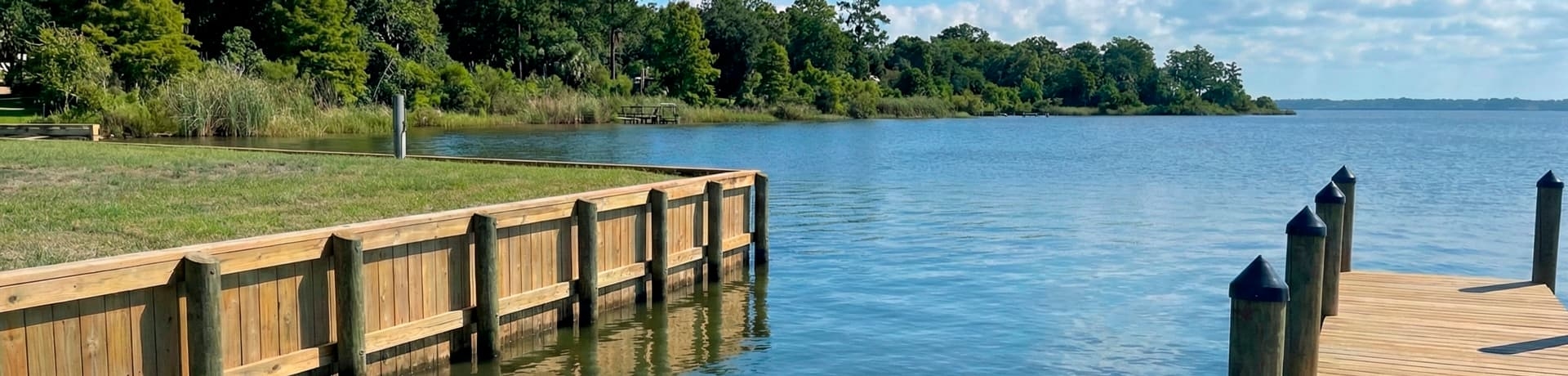
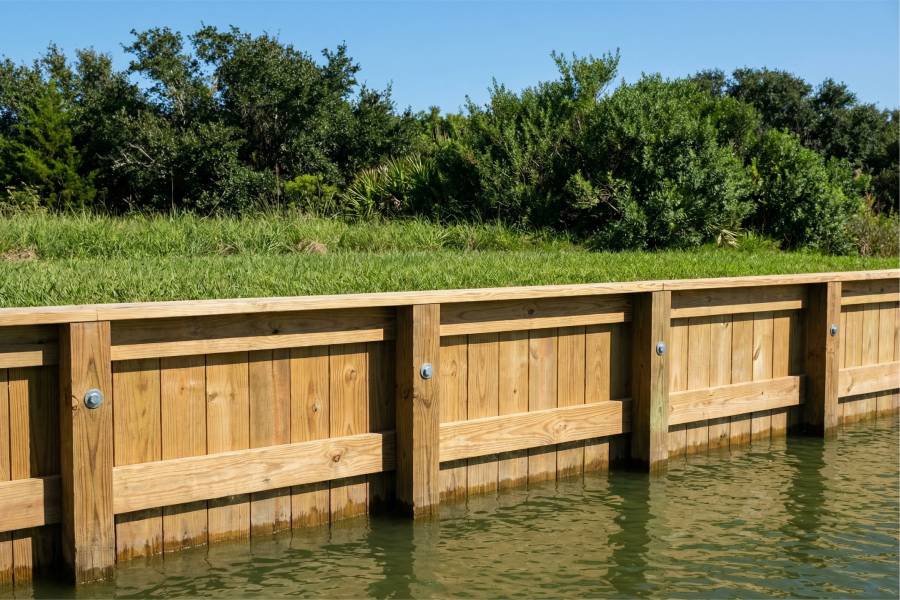
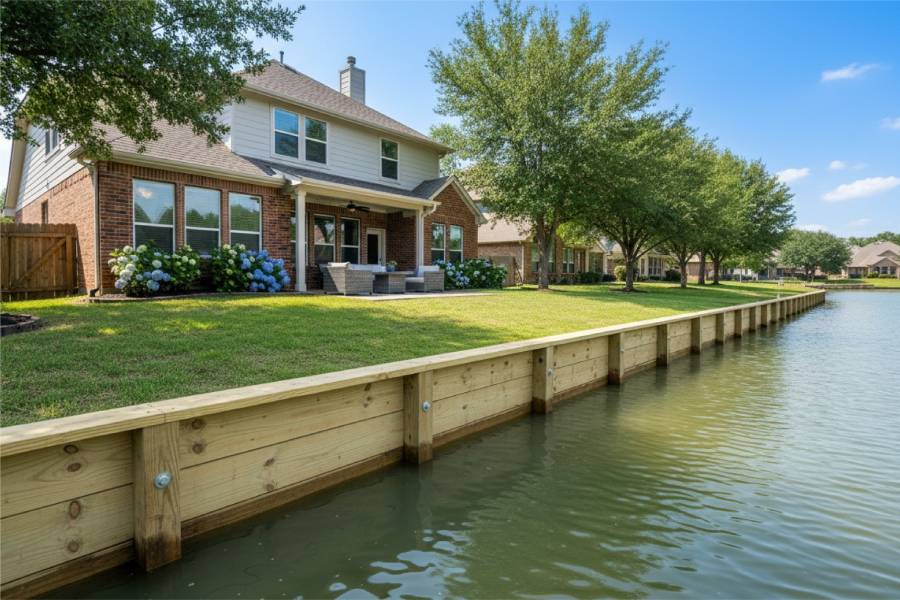
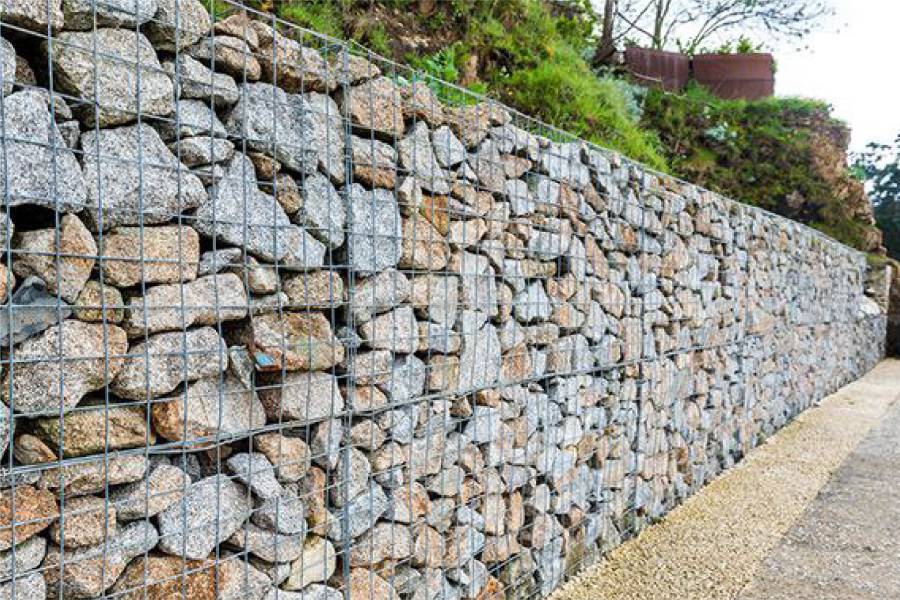
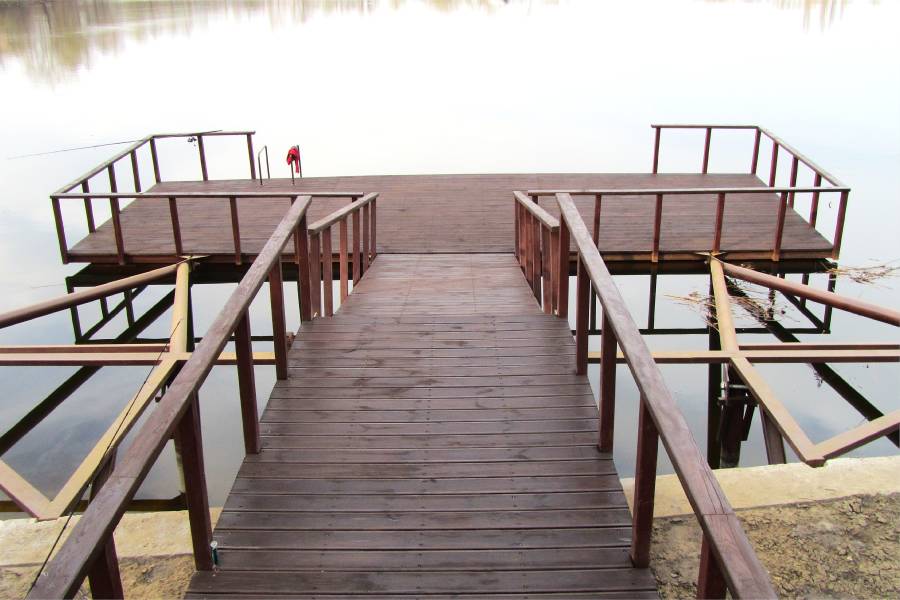
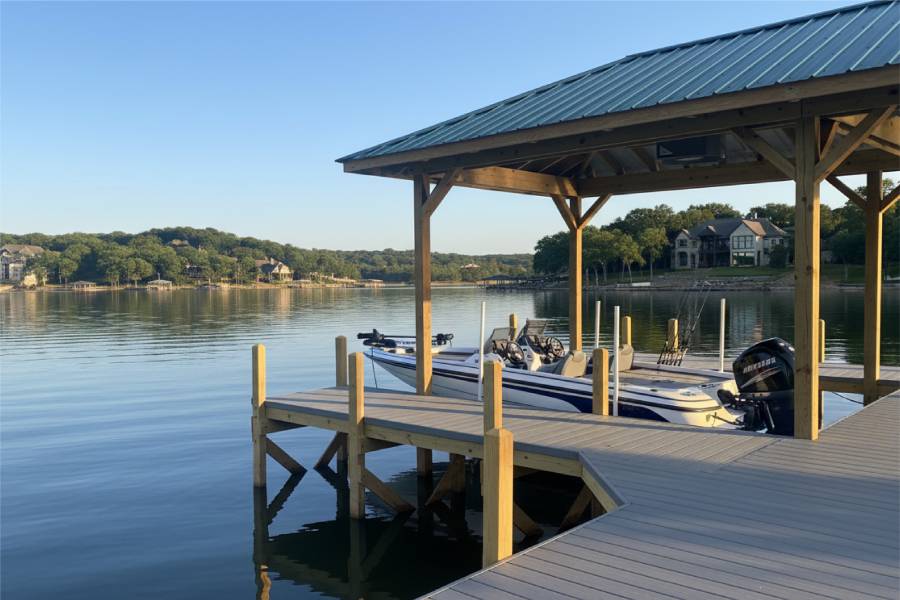
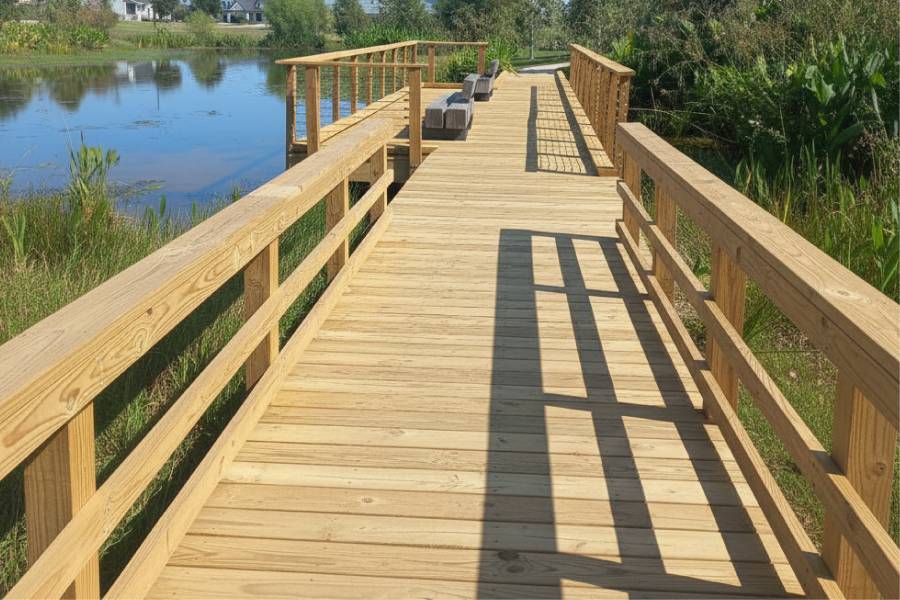
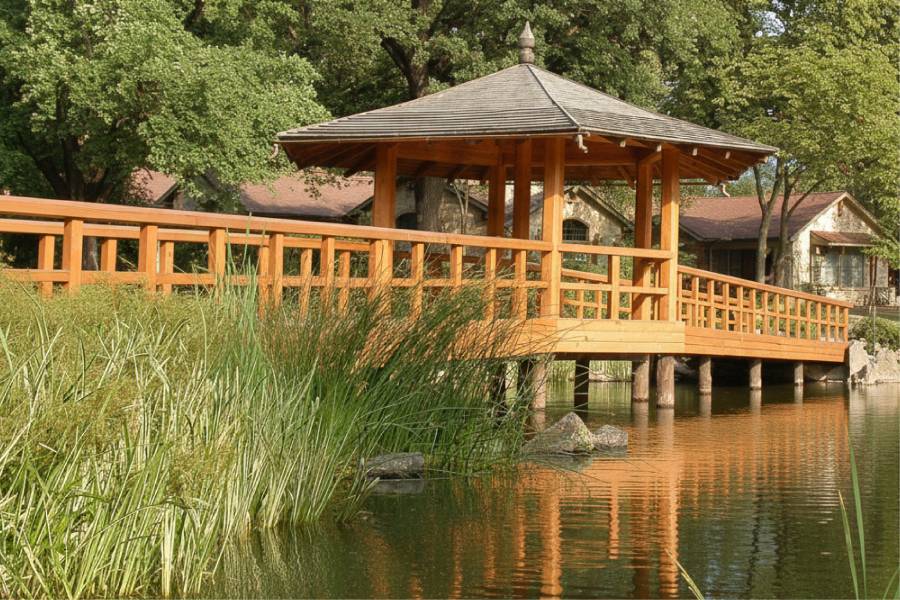
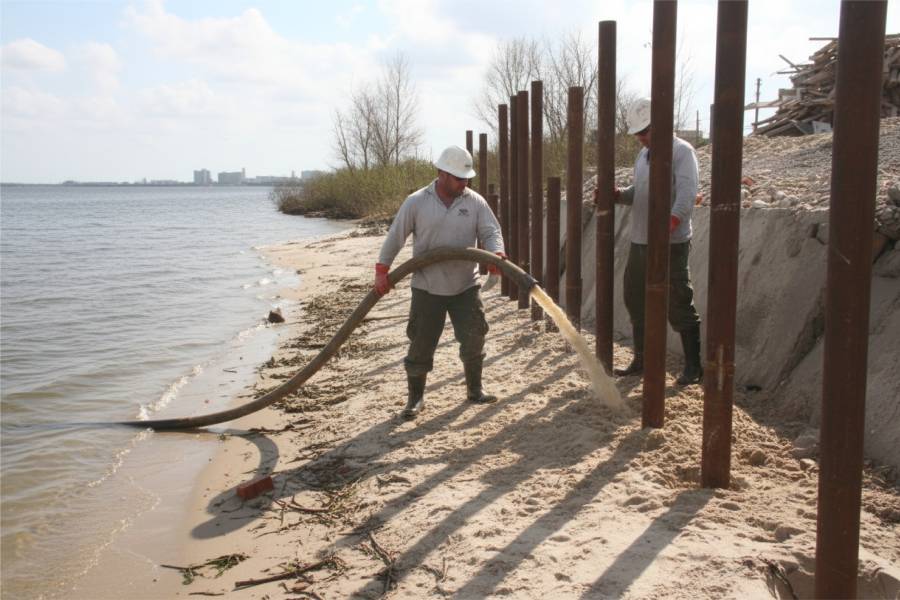
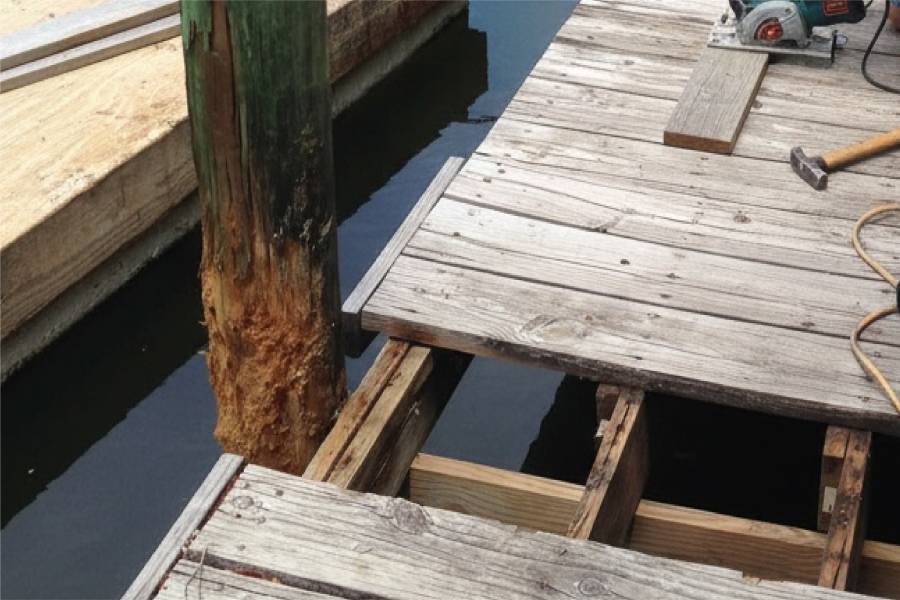
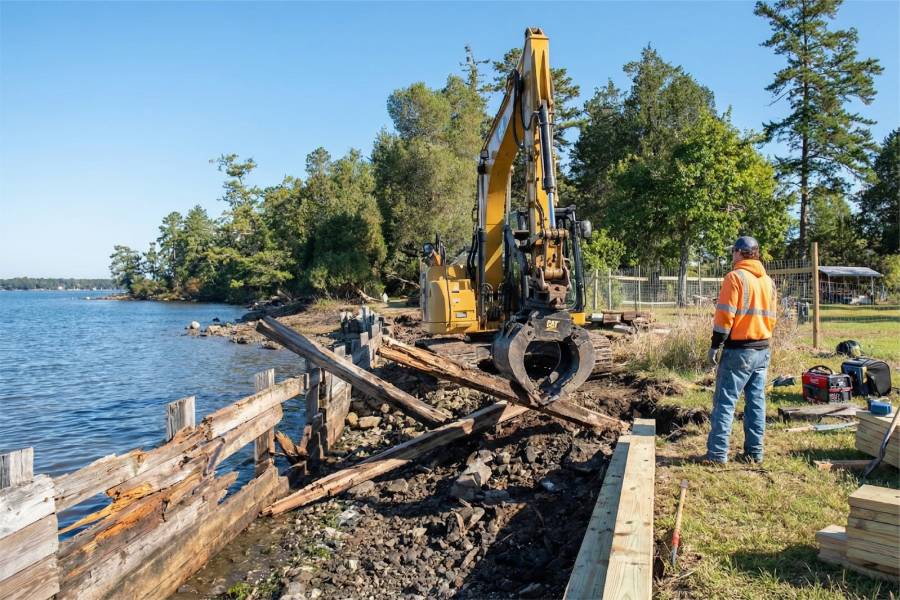
Bulkheads, seawalls, retaining walls, marine pilings, piers, docks and boat slips all fall within our Shoreline Stabilization Services in Corpus Christi Bay, TX, as does repair work on existing structures.
Drop us the property location with a few clear pictures. A free preliminary estimate comes next.