Barge Wake and Bank Work Along the Texas Intracoastal Waterway
The Gulf Intracoastal Waterway runs about 426 miles along the Texas coast, from Sabine Pass to the Brownsville Ship Channel at Port Isabel. In most places it is dredged to 12 feet deep and 125 feet wide. It links the Houston Ship Channel, the Sabine-Neches Waterway and the Arroyo Colorado, and passes near ports such as Freeport, Port Lavaca-Point Comfort and Corpus Christi. Most of its Texas cargo has moved between Houston and Beaumont-Port Arthur.
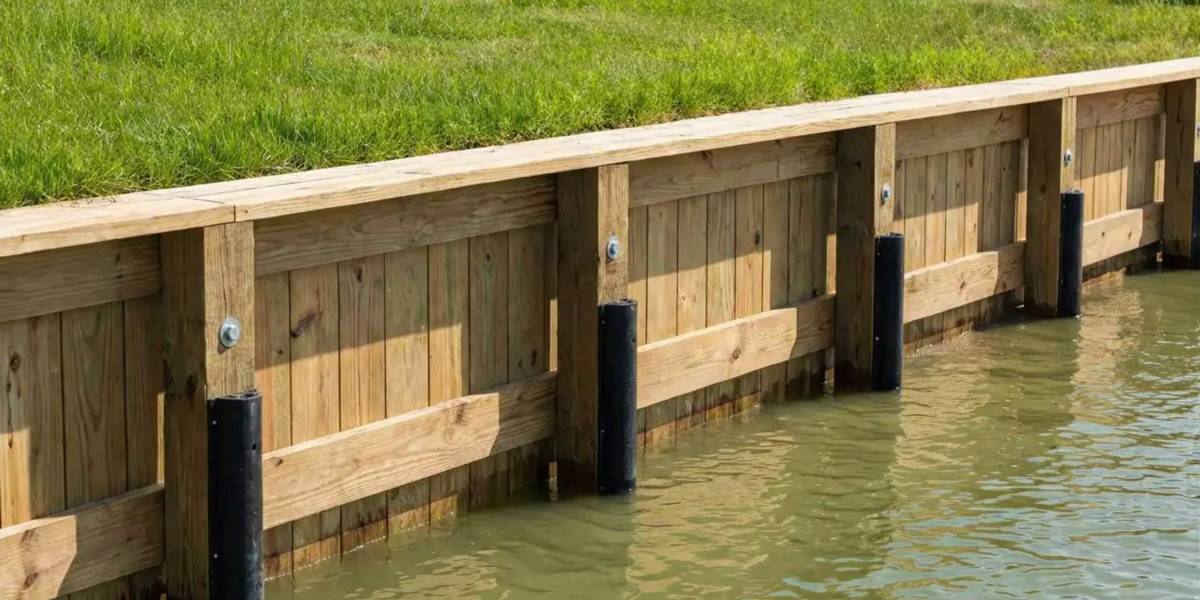
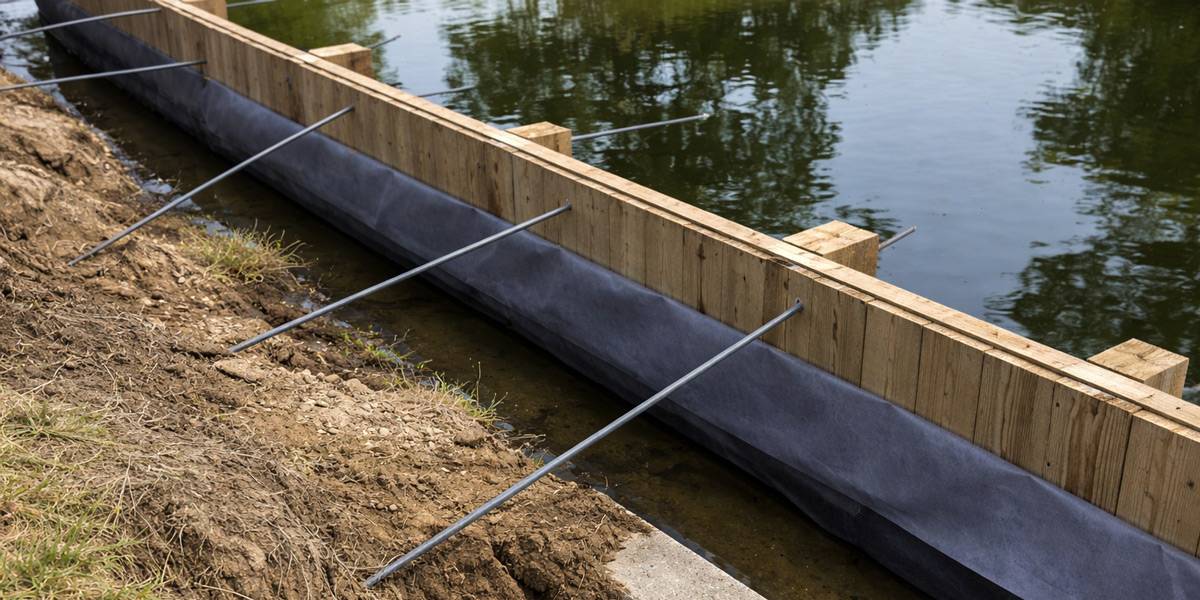
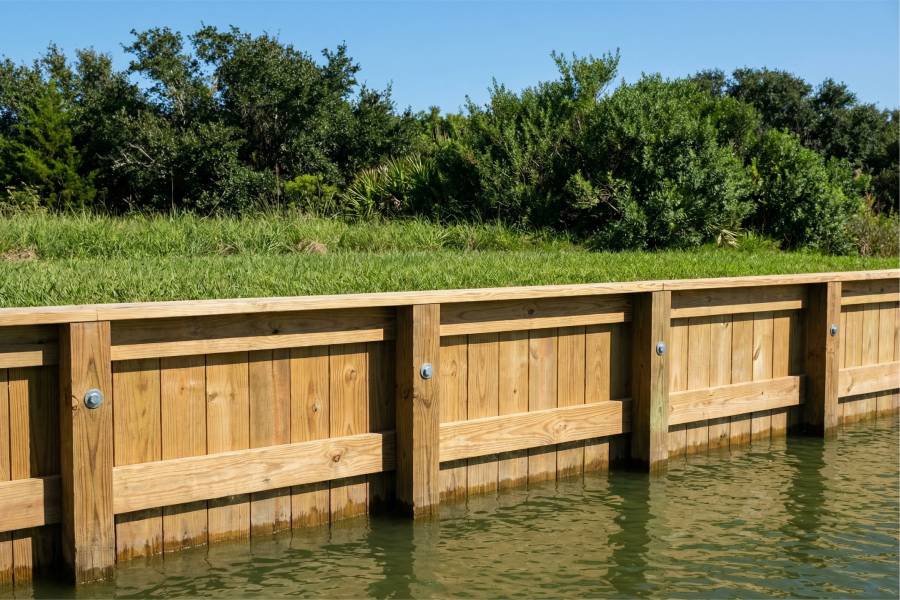
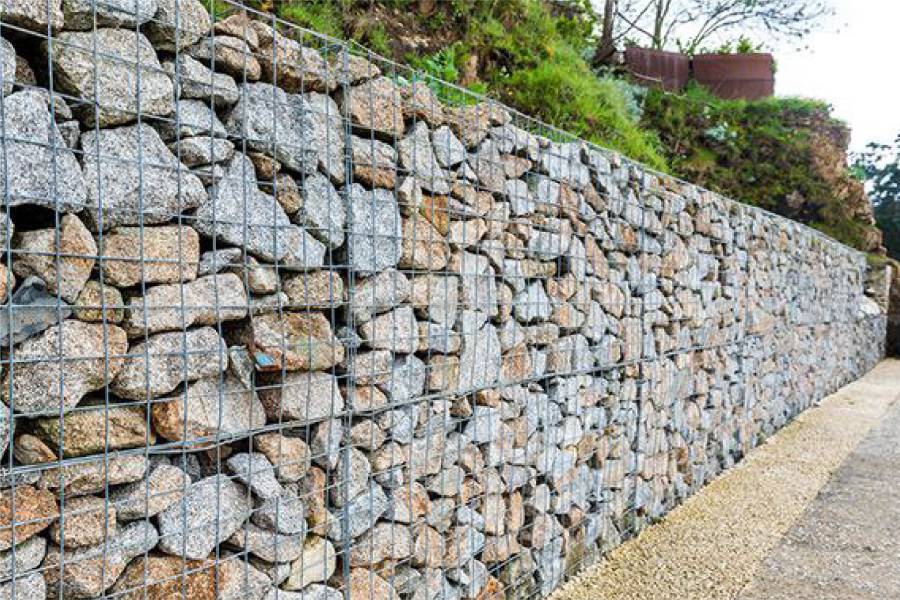
This is a working channel, and its banks feel it. A Texas A&M water resources report cited a study finding that barge and tug traffic puts roughly 20 times more energy into the water than natural wind and waves. The same report described marsh near the Aransas National Wildlife Refuge losing up to 3 feet a year. Repeated drawdown and wash from tows pull sand out from behind weak walls and through open joints, so we favor tight sheeting, filter fabric and rock at the toe.
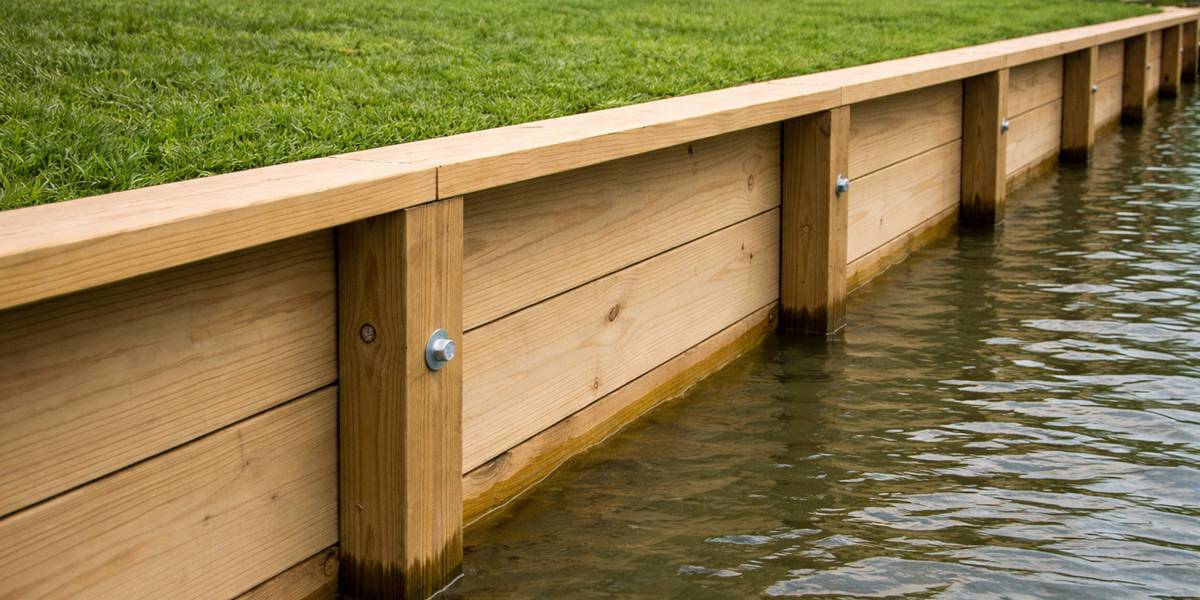
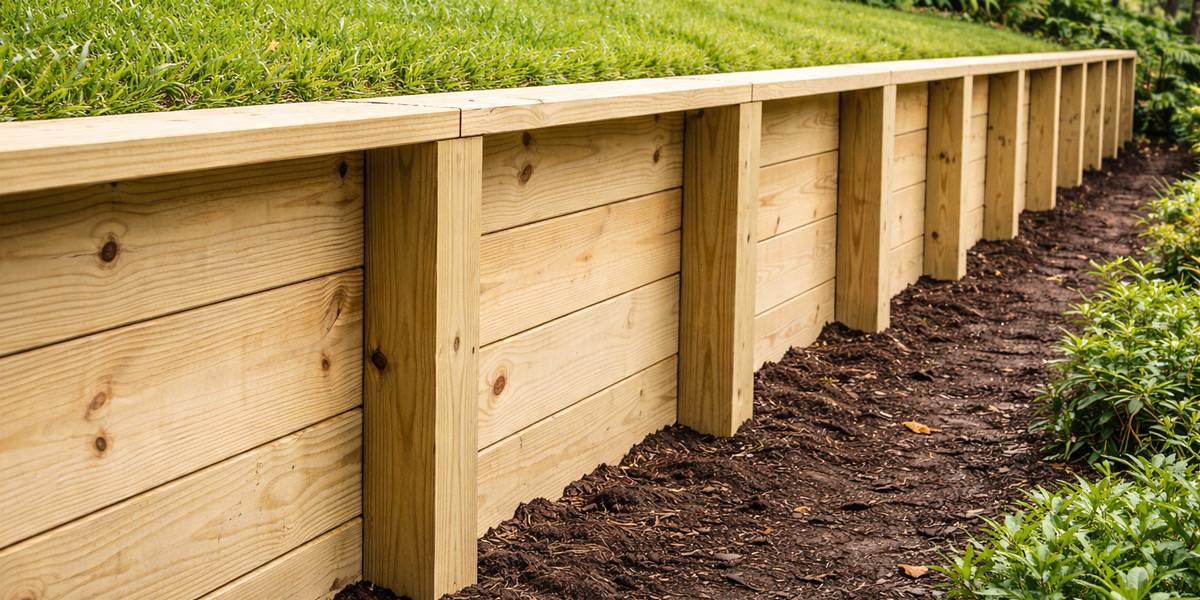
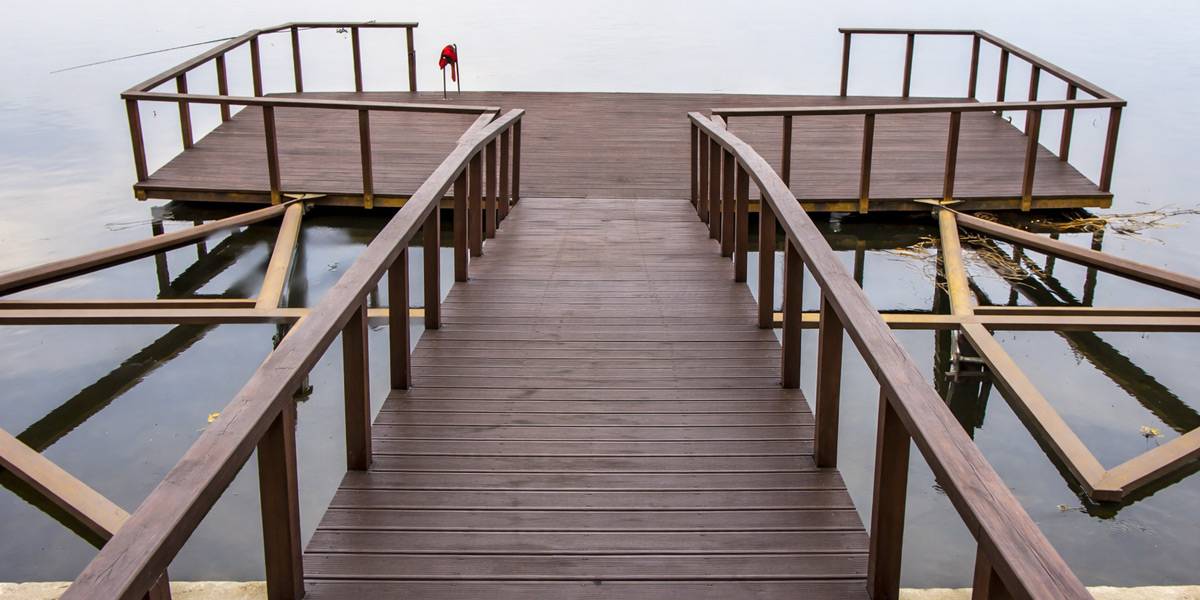
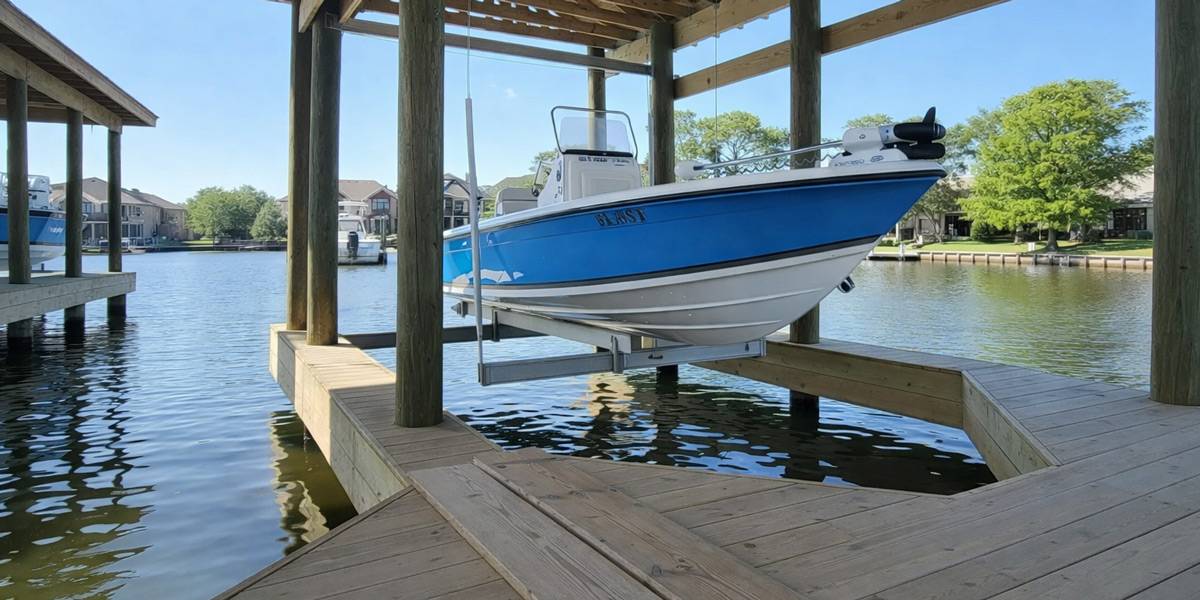
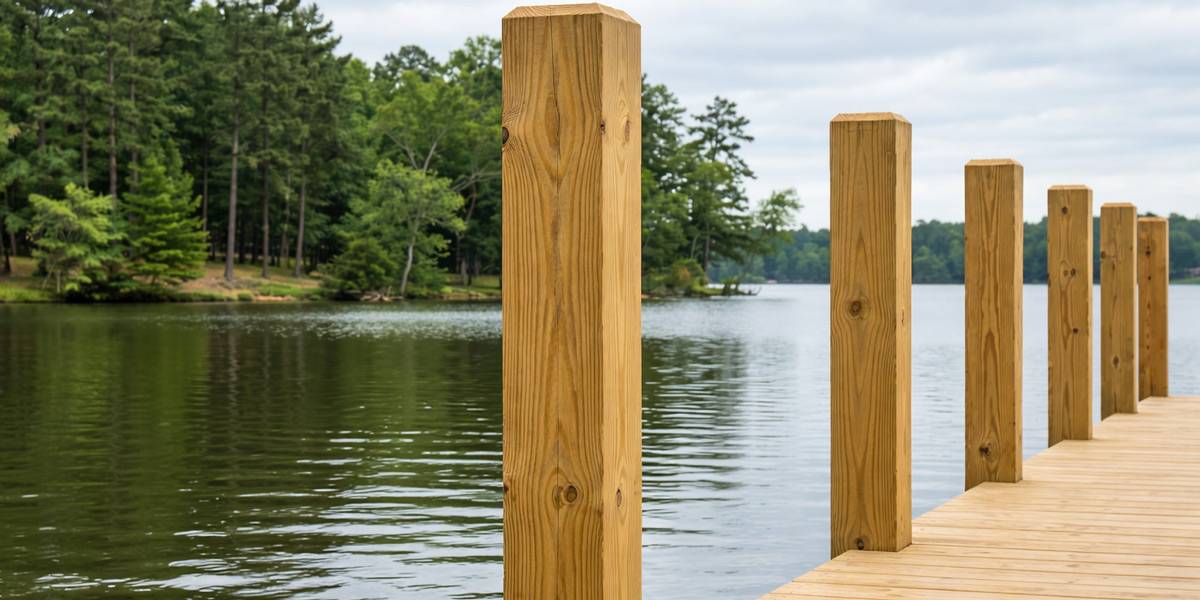
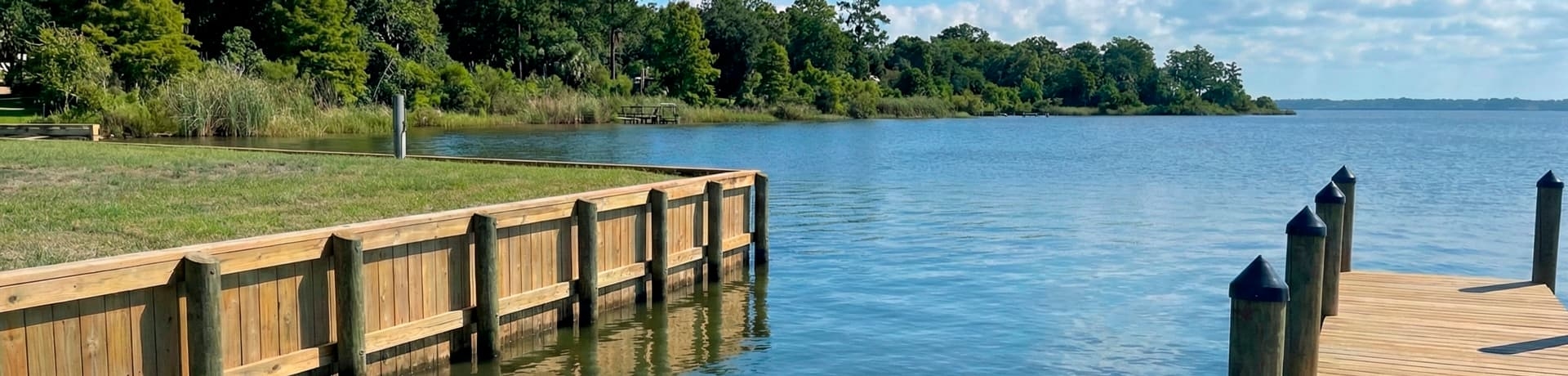
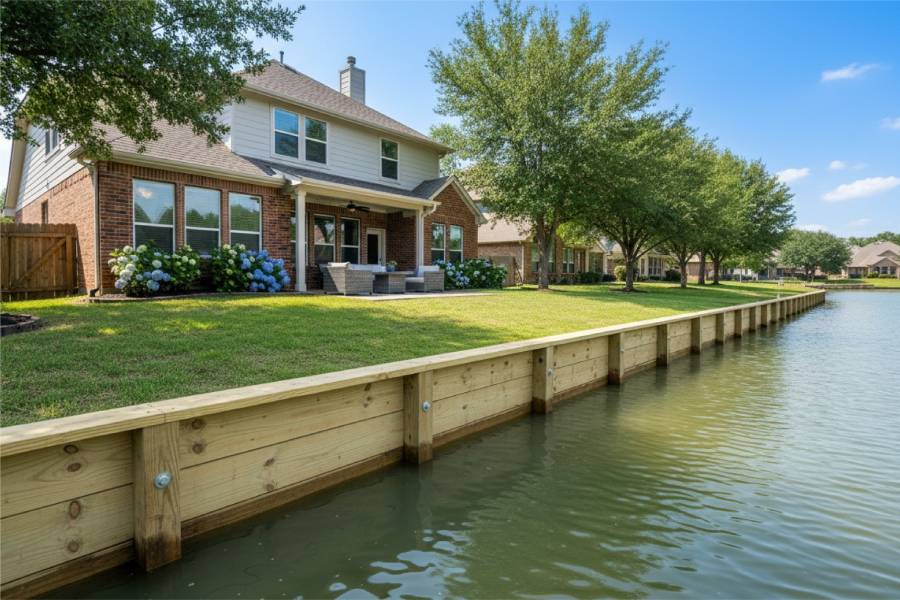
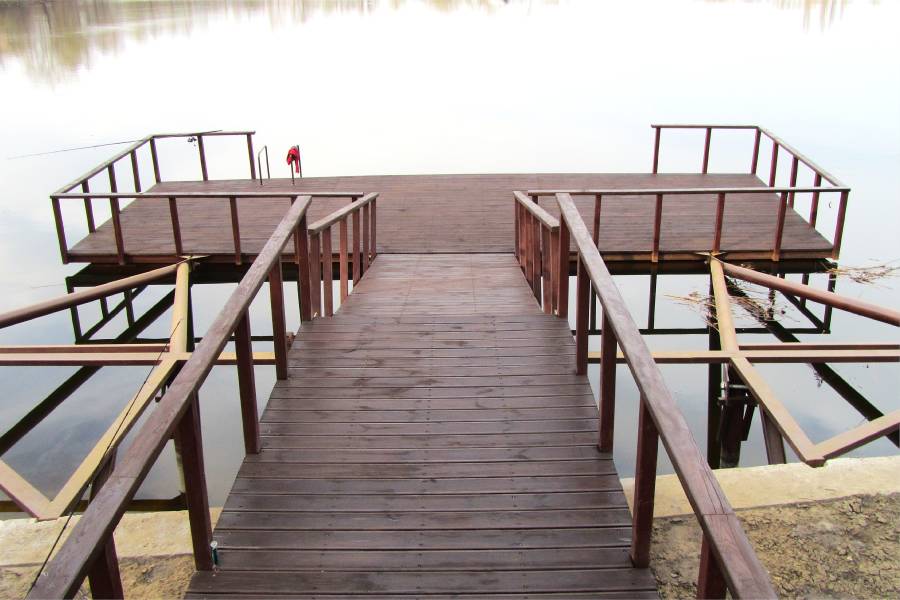
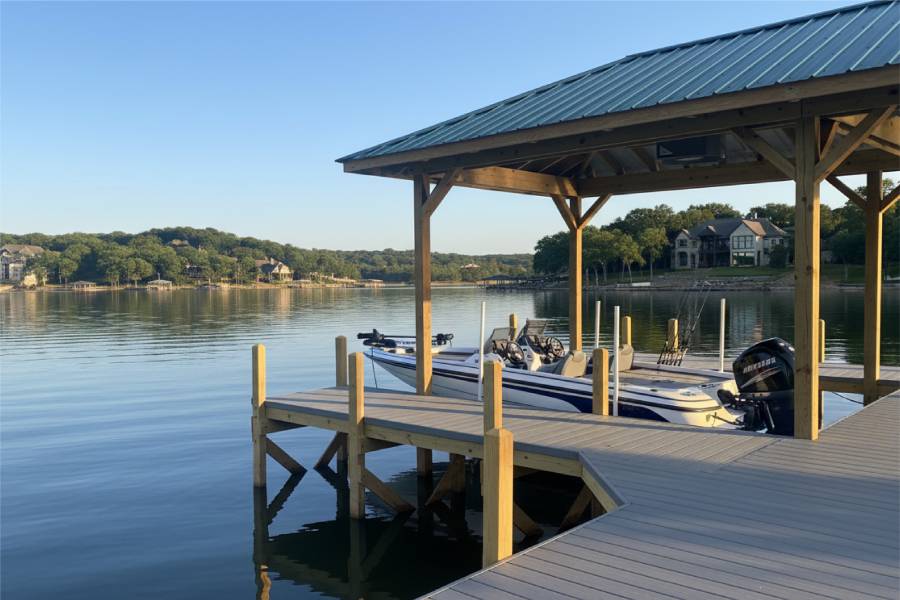
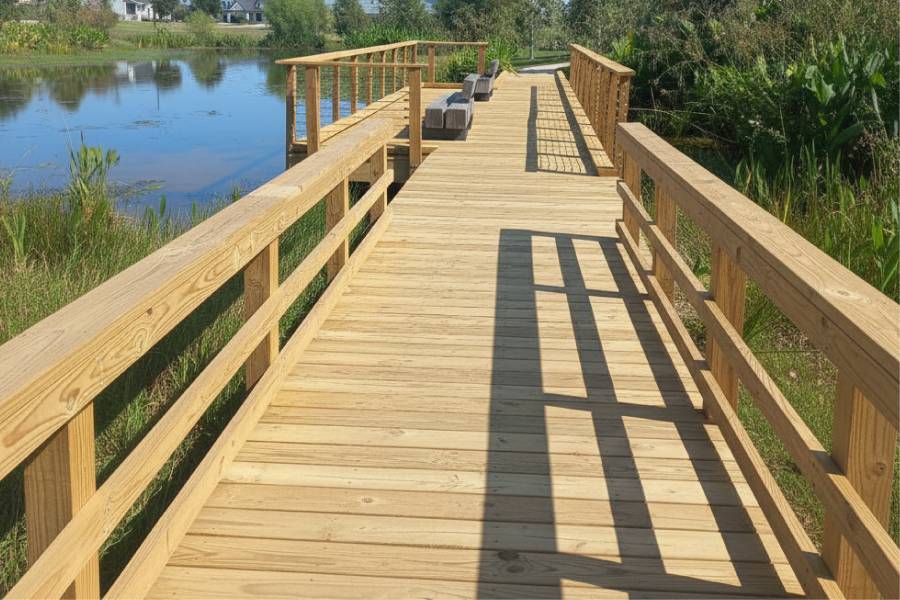
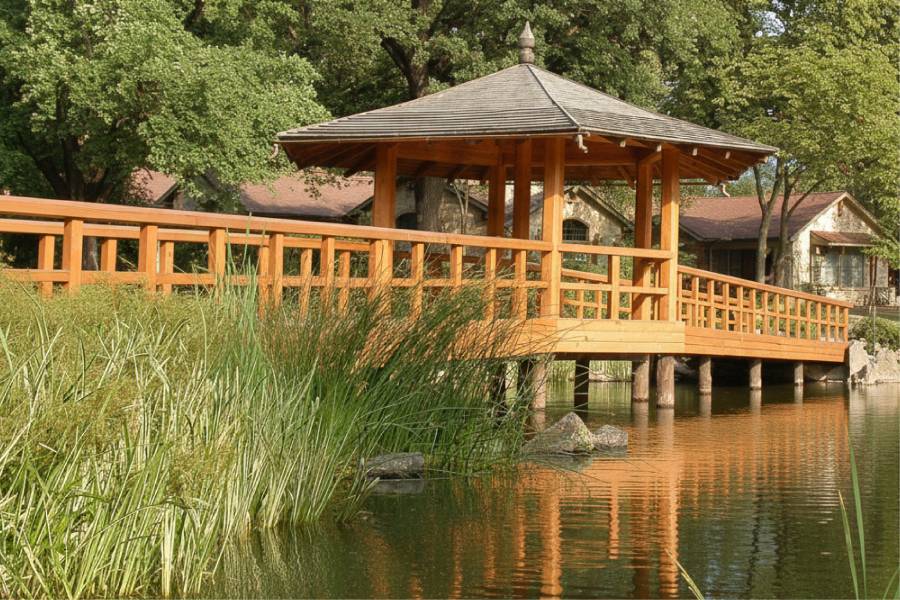
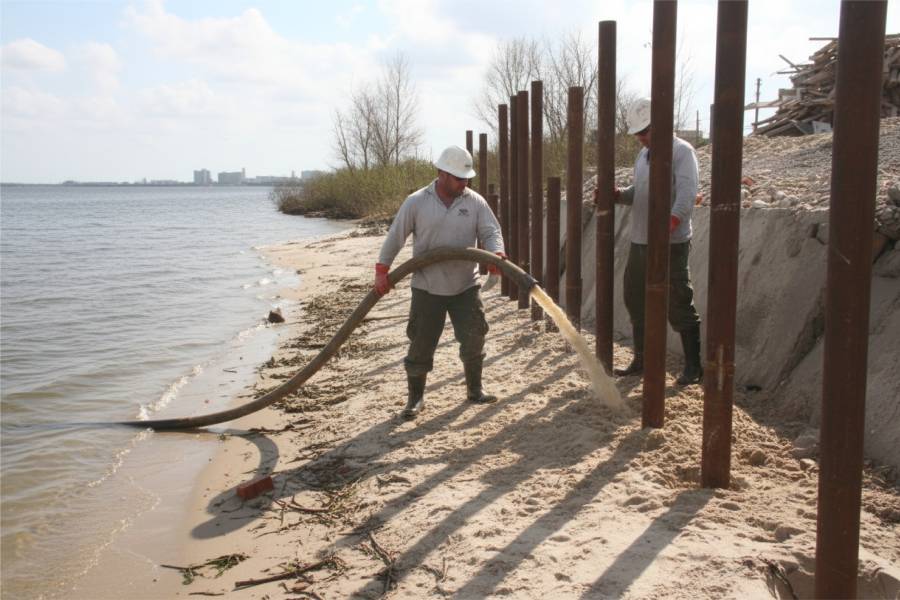
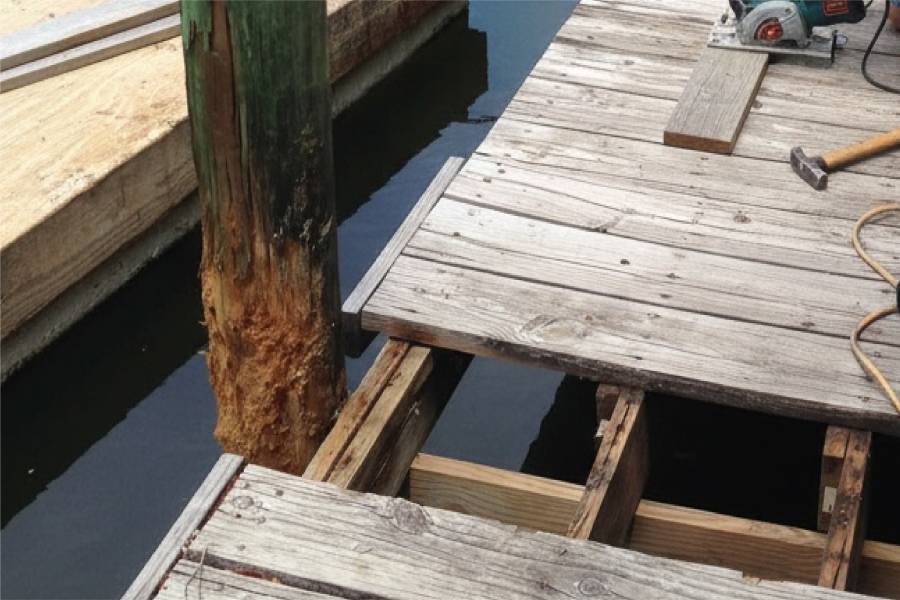
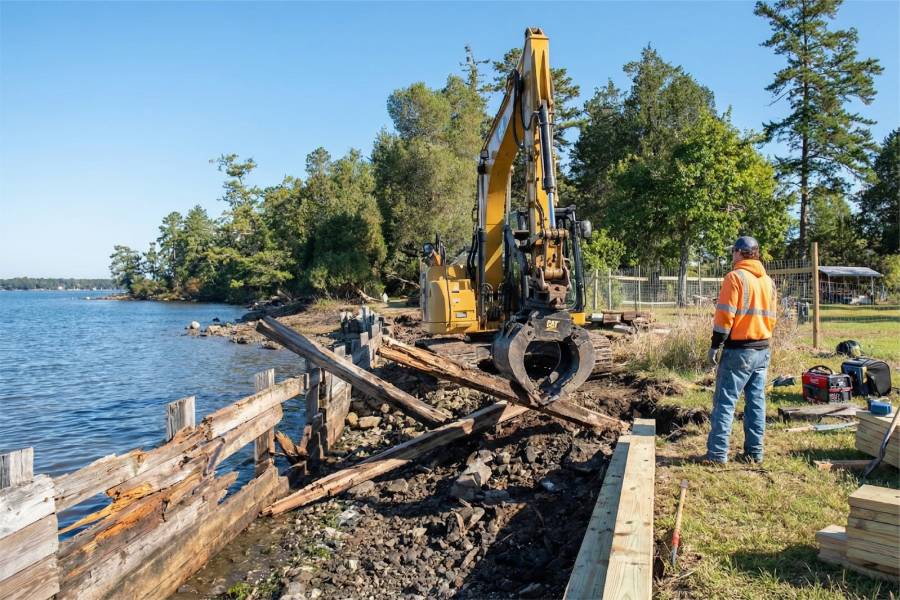
Bulkheads, seawalls, retaining walls, pilings, piers, docks, boat slips and repairs are all part of our work as Shoreline Contractors in Gulf Intracoastal Waterway, TX. We plan mooring so boats stay clear of the main traffic lane.
Give us your waterway mile marker or address and send a few photos. You will receive a free preliminary estimate.