Building Along the Concrete-Lipped Shore of Lake Woodlands
Lake Woodlands sits in the middle of The Woodlands, between Woodlands Parkway and Research Forest Drive. Much of its basin was excavated: crews removed about 750,000 cubic yards of soil to make a lake roughly eight feet deep, about two miles long and at least 400 feet wide at its narrowest. The 200-acre lake is held by a dam at Woodlands Parkway, and paddle craft from Riva Row Boat House share it with The Woodlands Waterway.
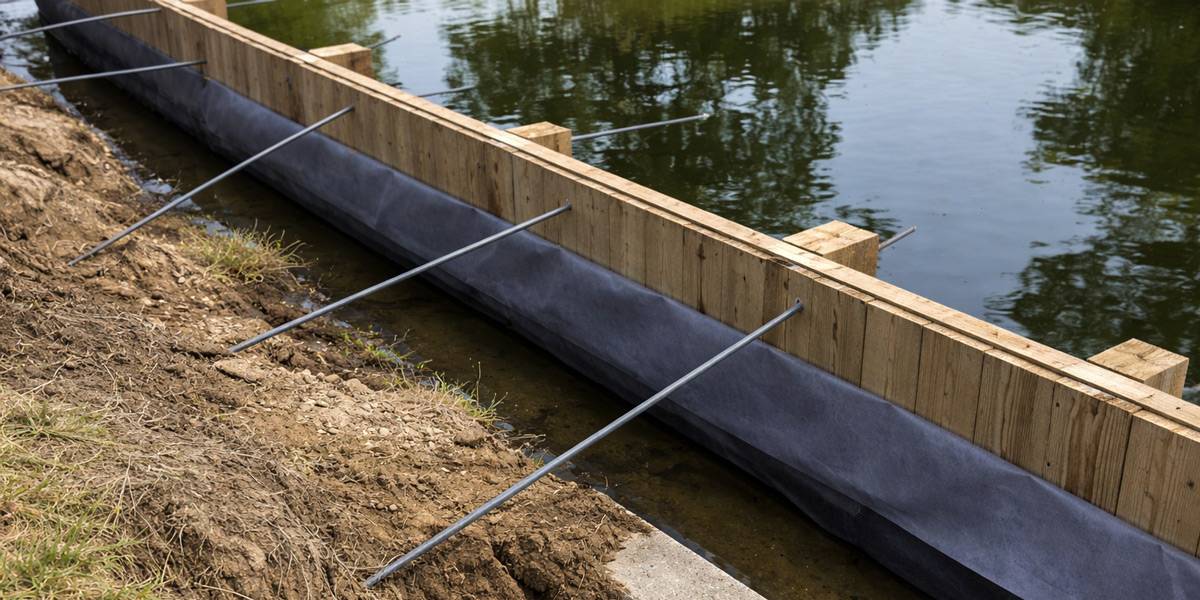
The builders placed the excavated soil along the shoreline, let it settle, then trenched it for a concrete pour that formed the lake's lip. Concrete edges and older walls on placed fill lose support when runoff or small waves wash soil from behind them. Paddle traffic makes little wake, so most wear comes from wind chop and storm runoff.
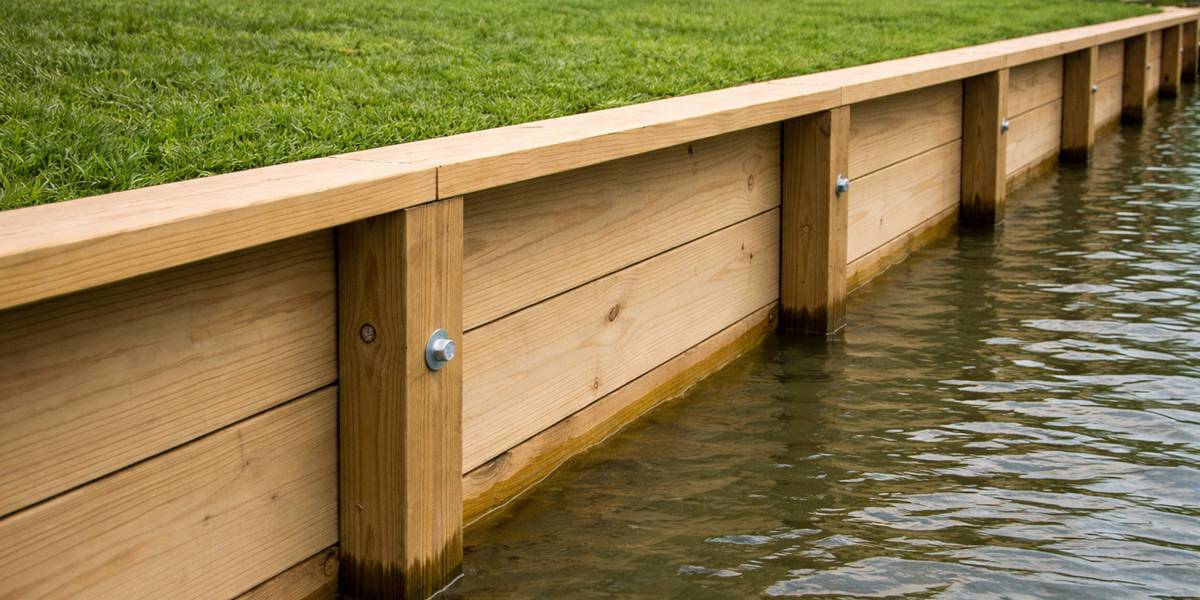
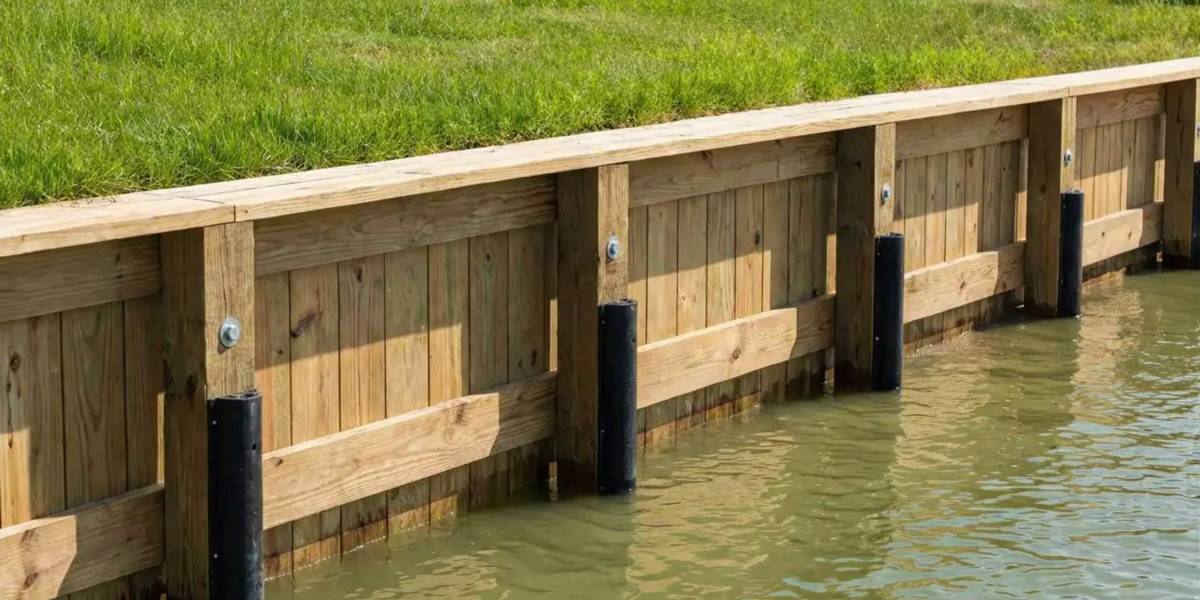
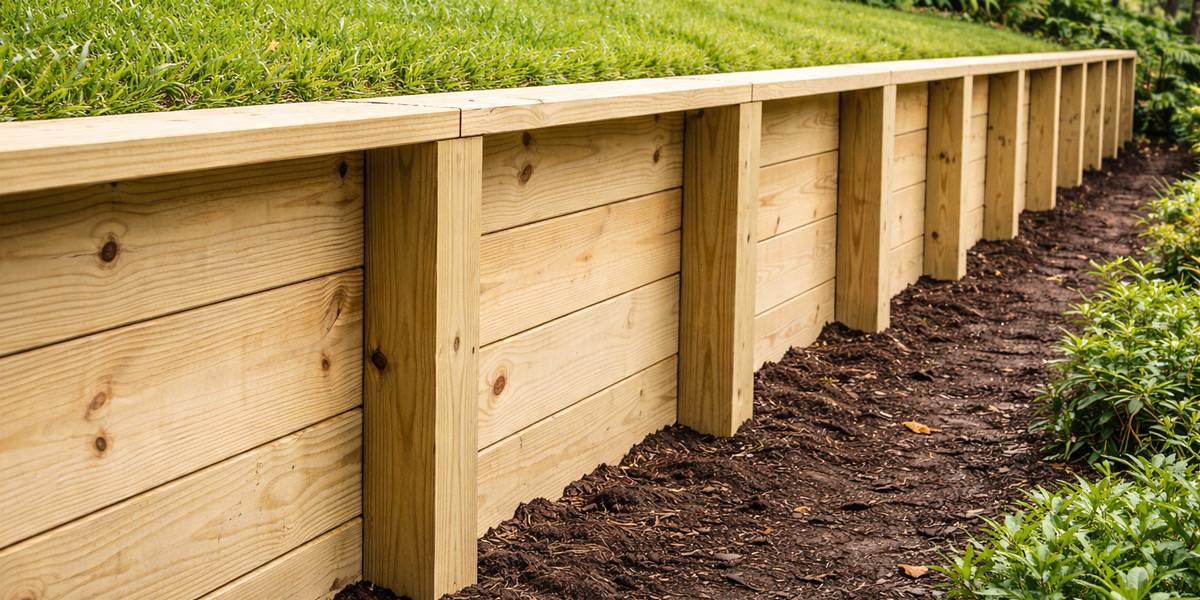
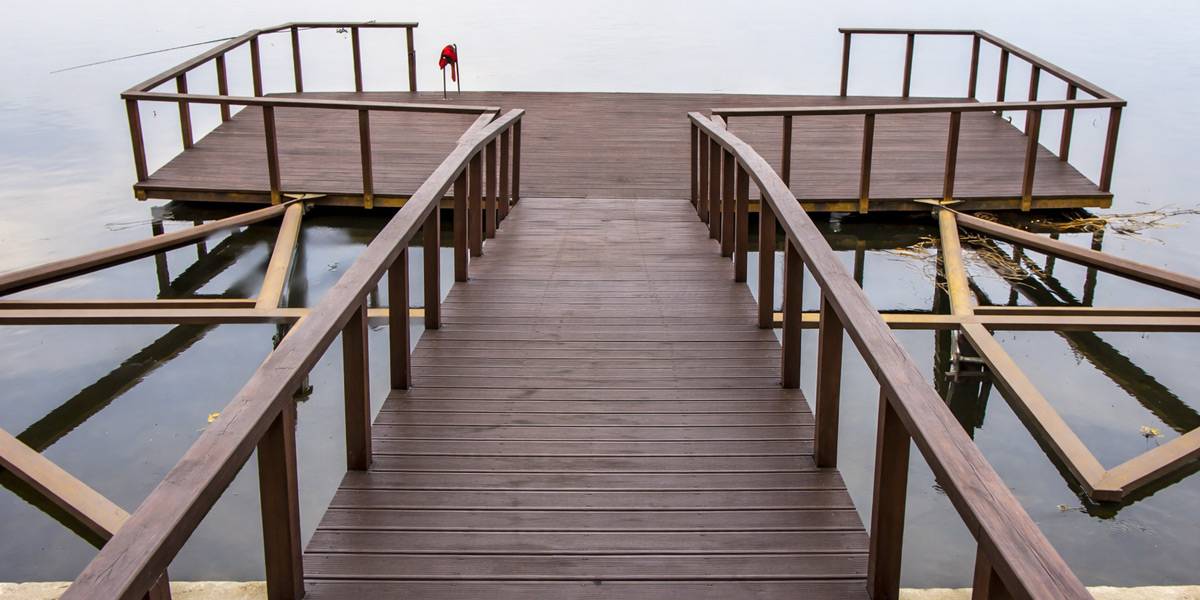
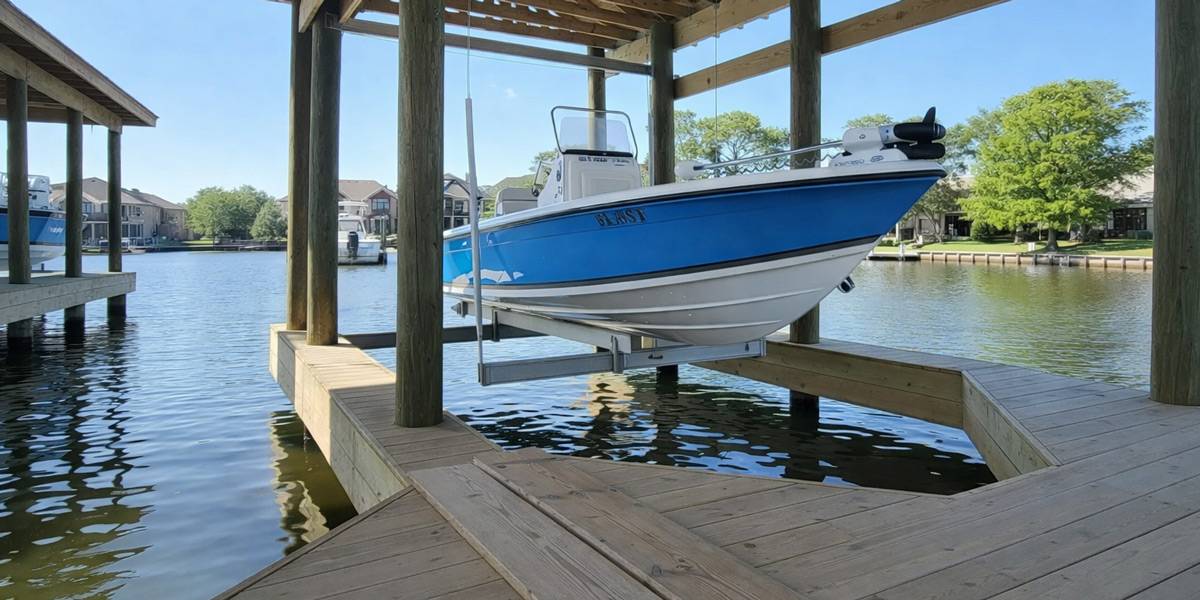
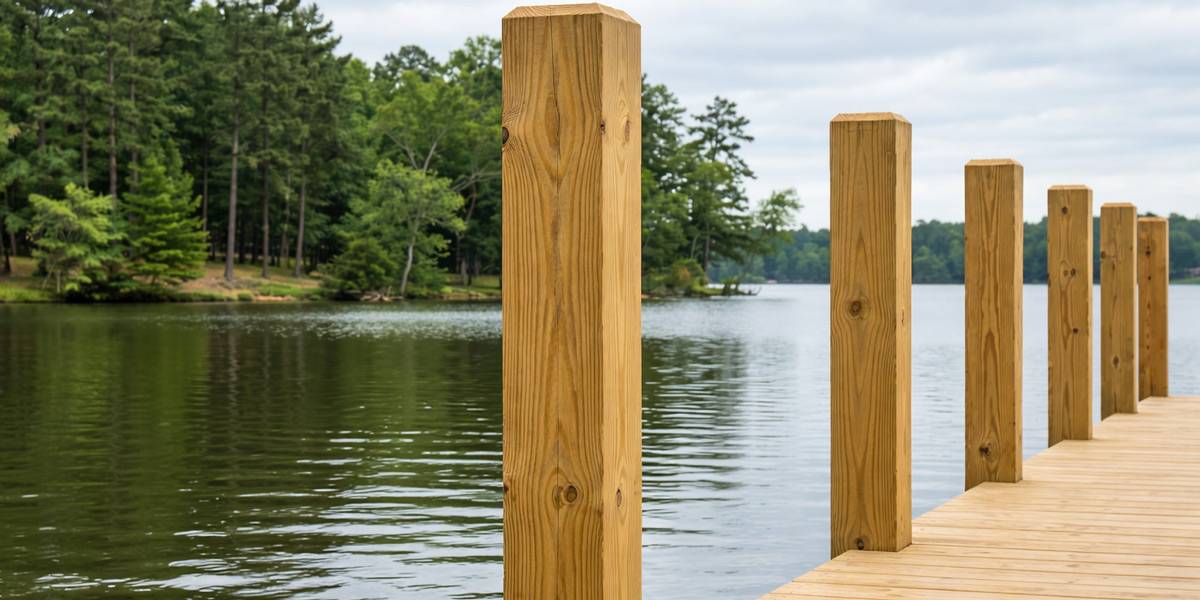
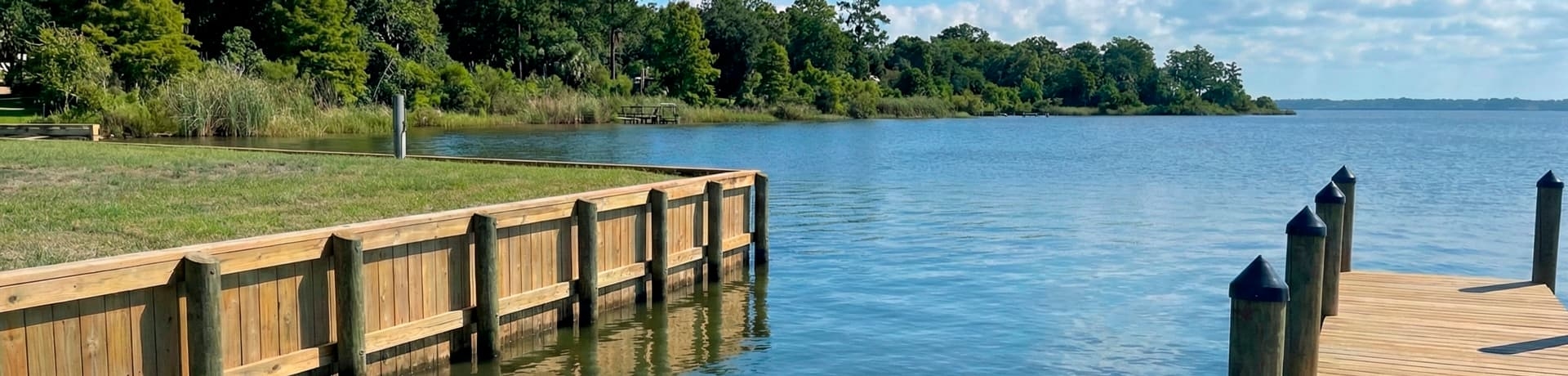
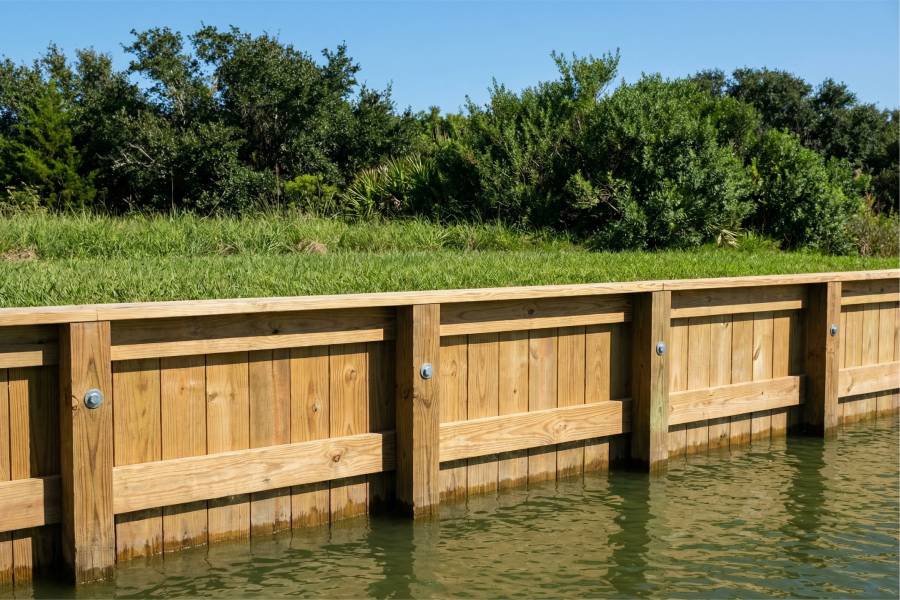
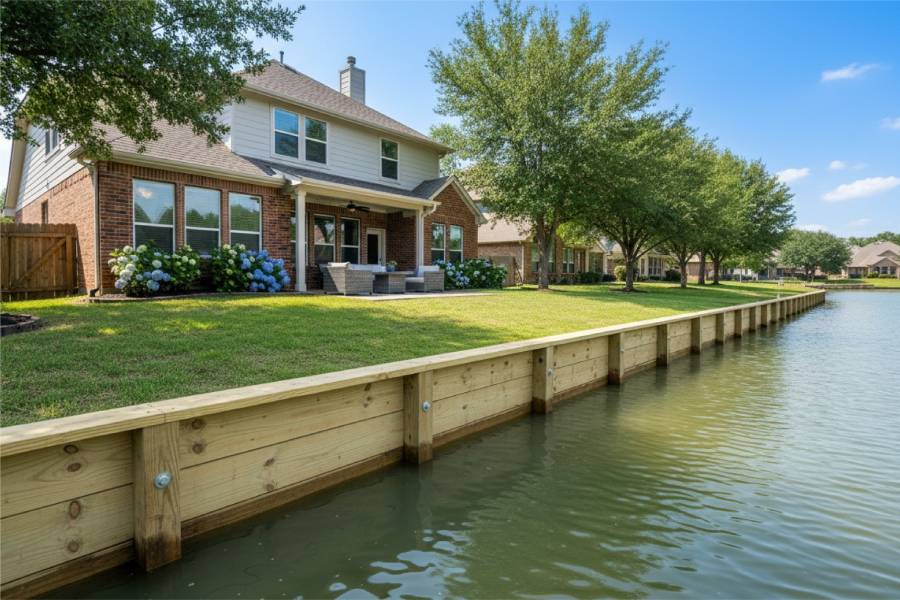
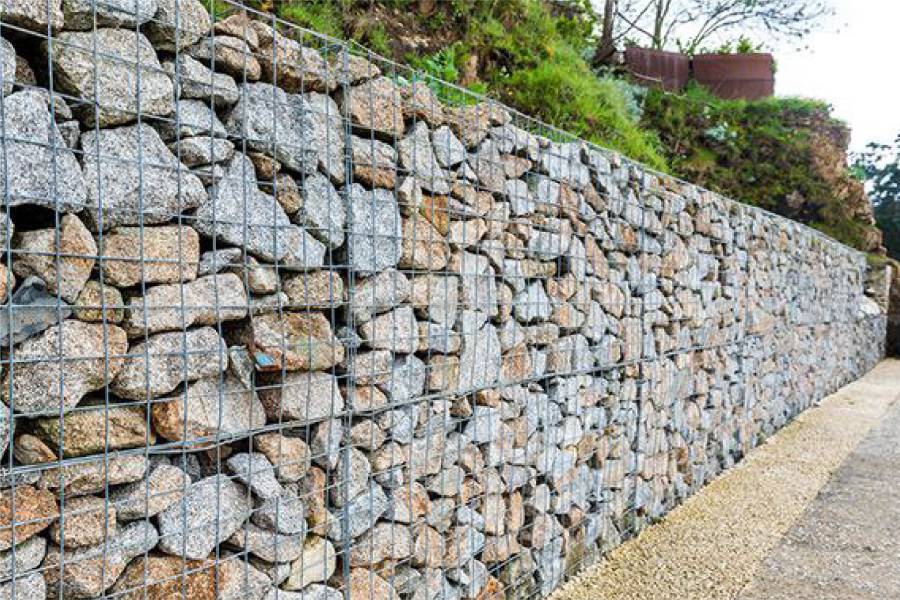
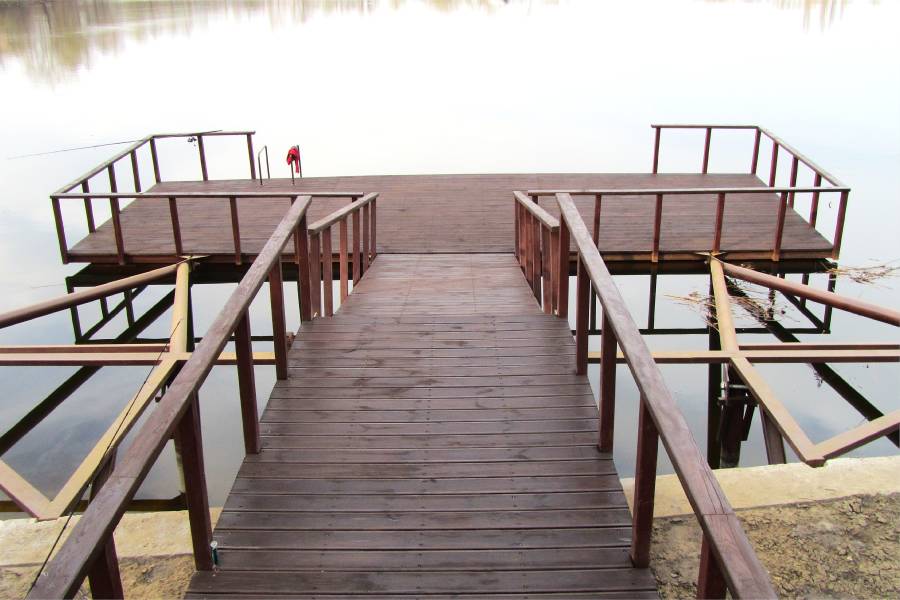
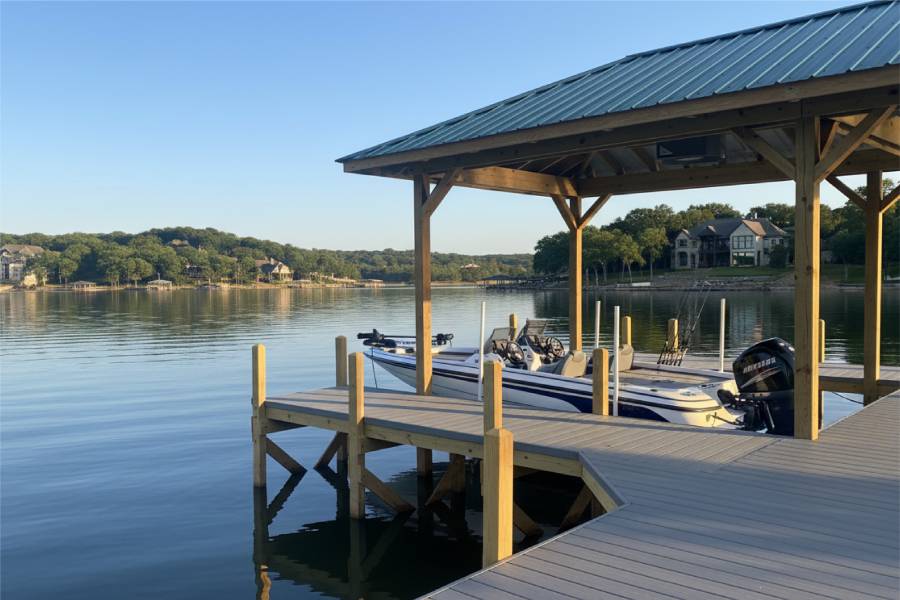
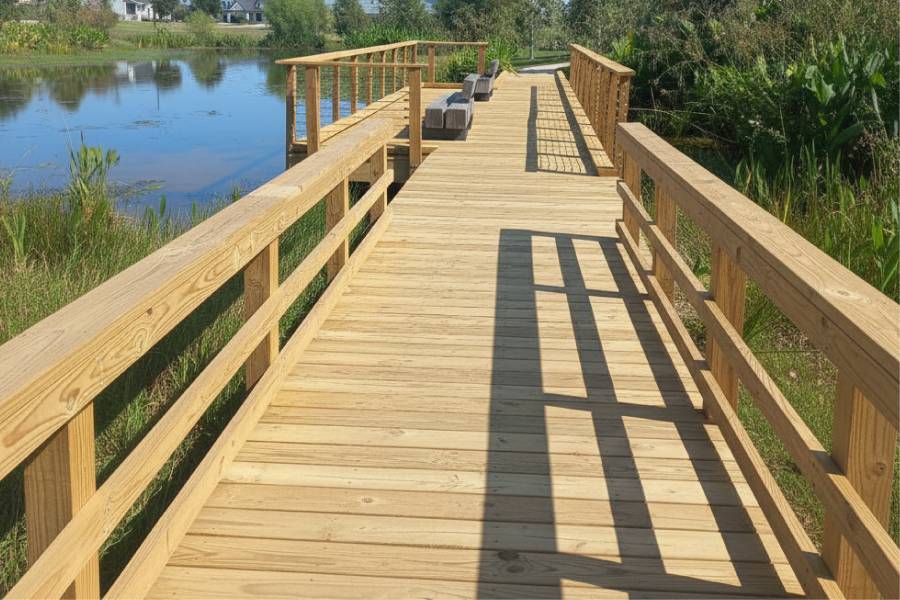
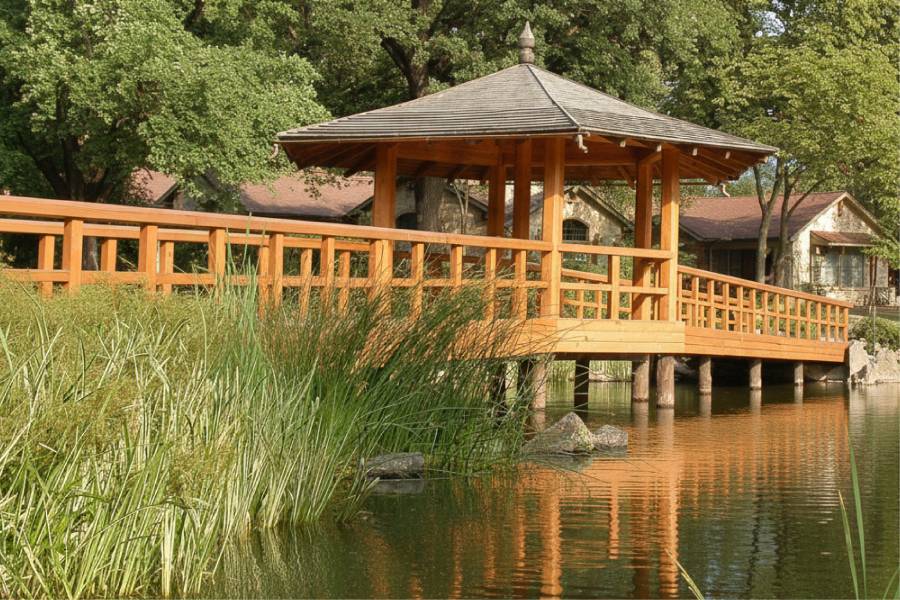
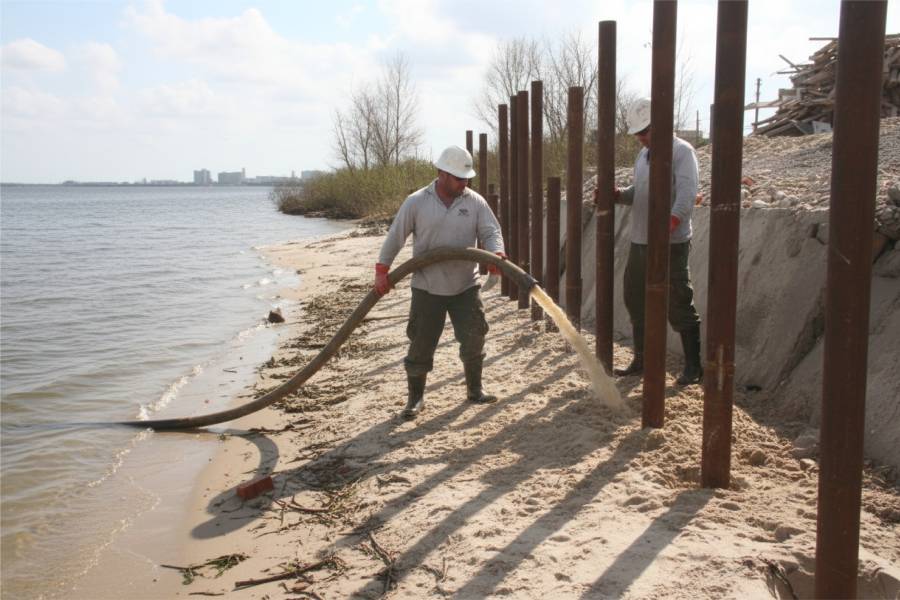
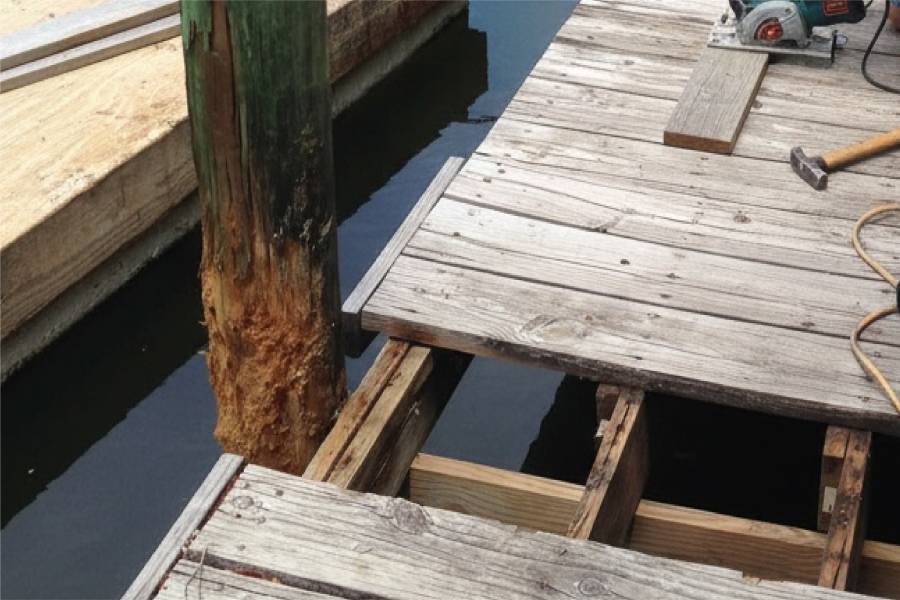
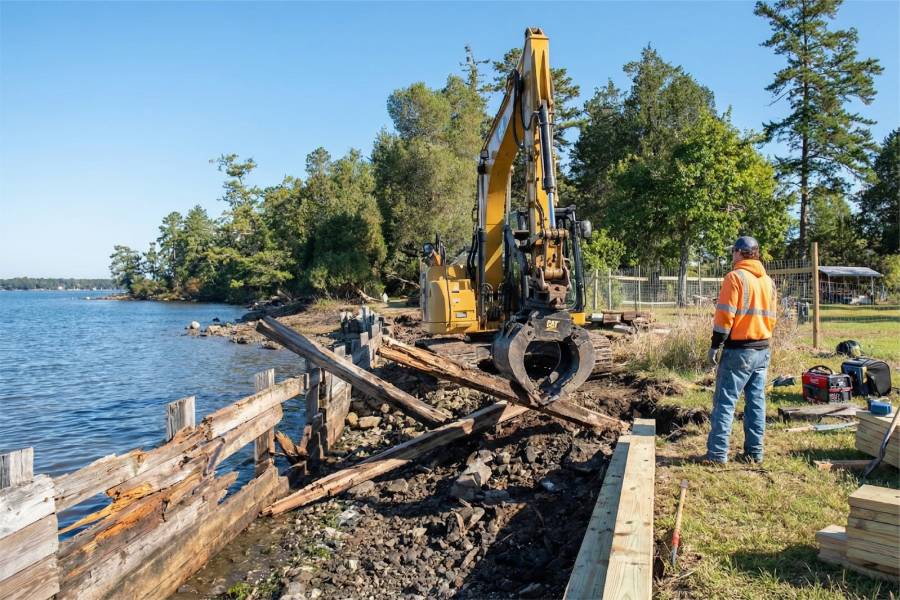
Our crews handle Waterfront Erosion Control in Woodlands Lake, TX with work sized for a calm, shallow lake: low bulkheads and seawall sections where the bank has slumped, retaining walls for sloped lots, light piers and docks for paddle craft, short marine pilings, and repair of tired structures already on the water.
Send us your address near Lake Woodlands and a few photos of the bank or structure. The free preliminary estimate is on us.