Lake Buchanan is the uppermost and largest of the Highland Lakes at 23,060 acres in Llano and Burnet counties. Characterized by the largest Highland Lake with less development than lower lakes and significant water level variation, this water body requires purpose-built structures that account for its specific operating conditions.
Construction on Lake Buchanan requires understanding the reservoir's specific operating regime - the largest Highland Lake with less development than lower lakes and significant water level variation. Water level variation affects dock design, and substrate at each site determines pile embedment depth. Permits from the reservoir authority and Army Corps are required for all dock and shoreline construction.
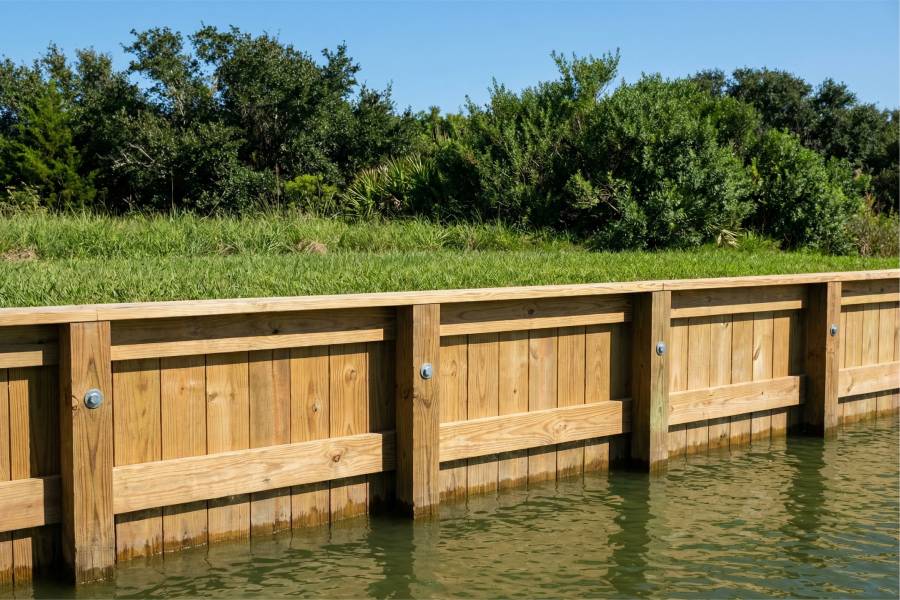
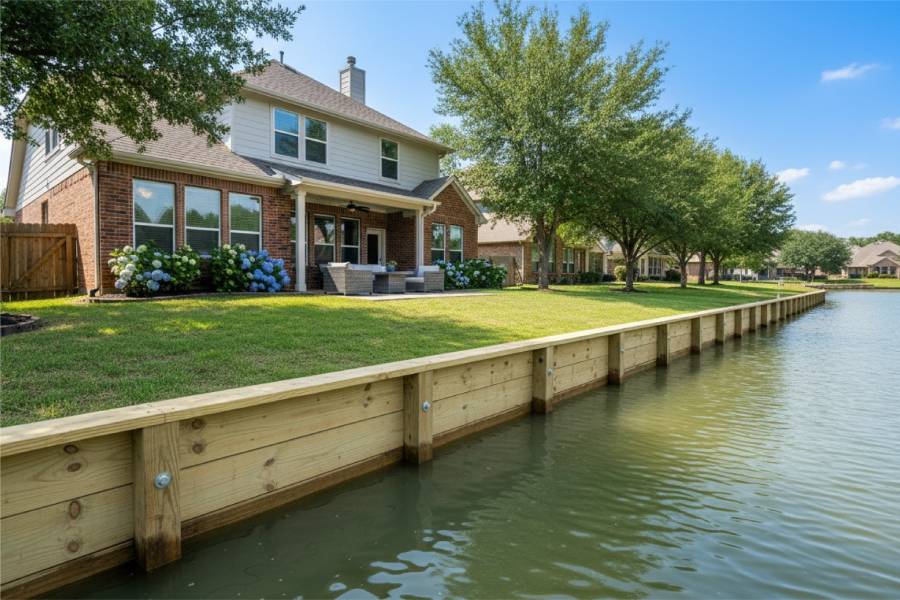
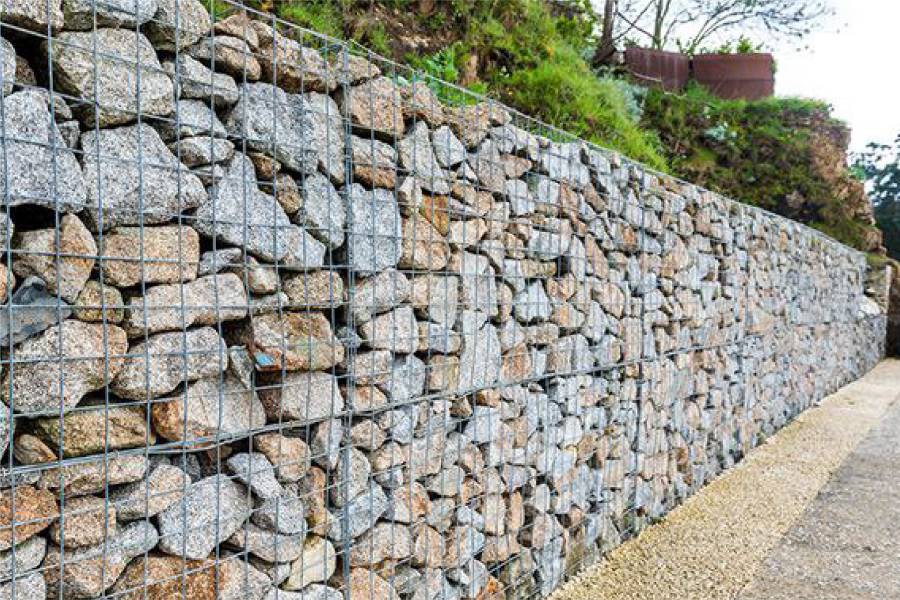
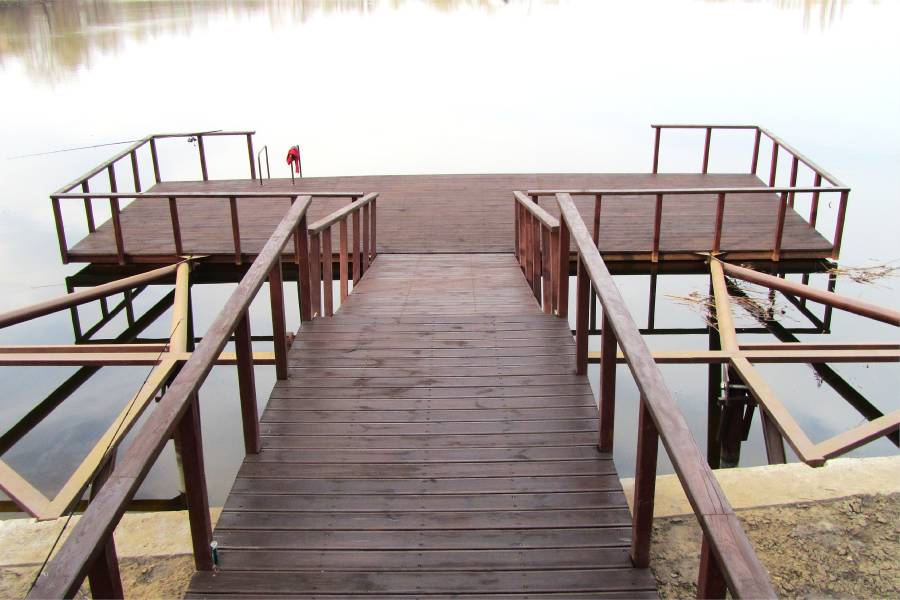
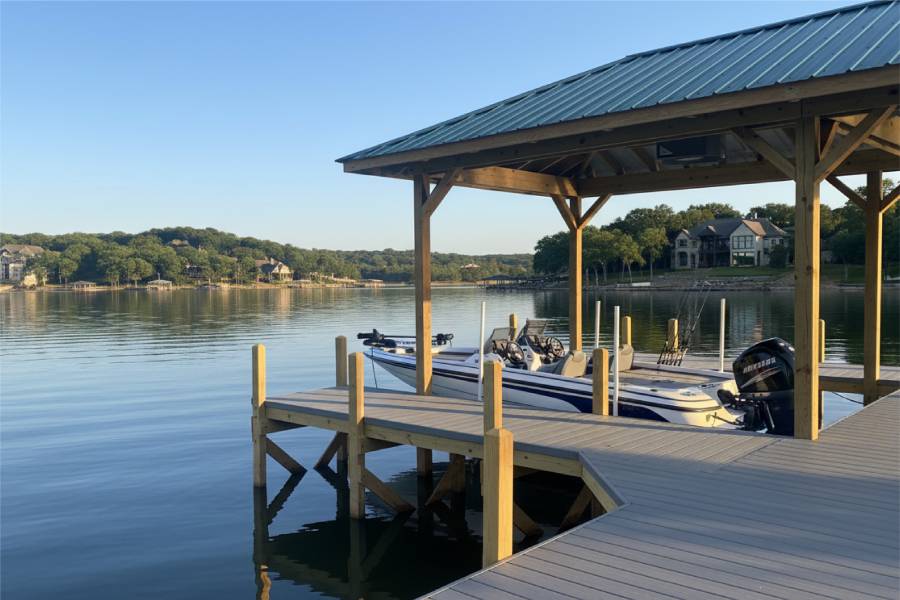
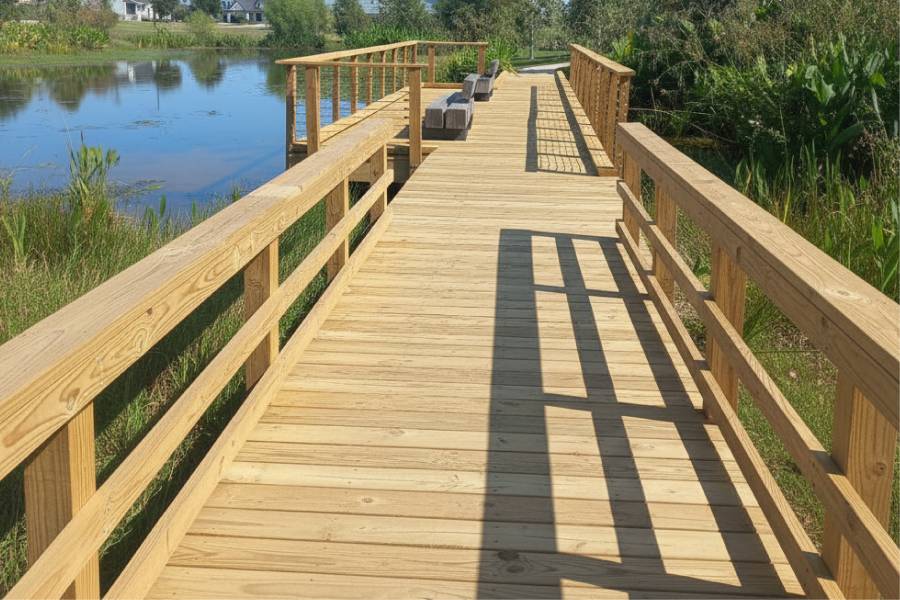
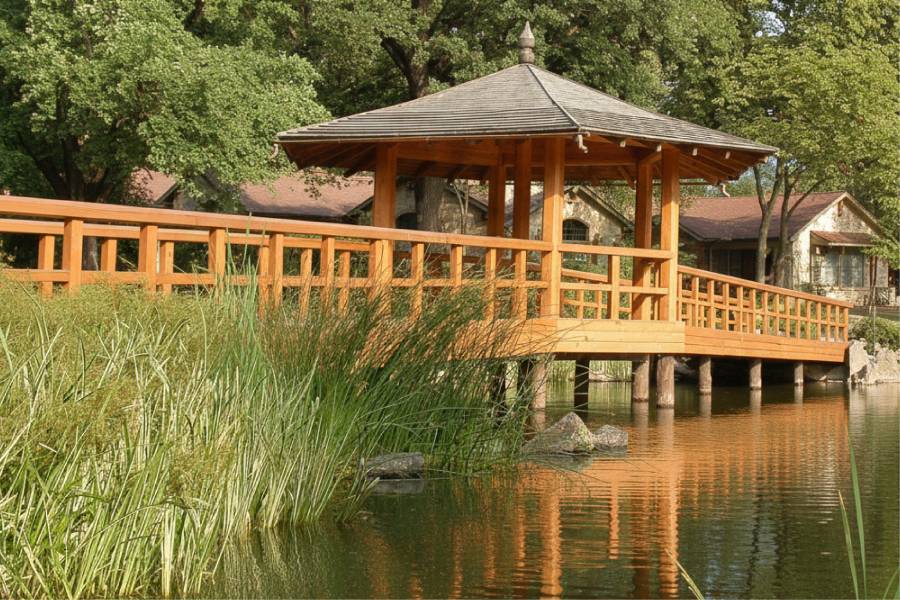
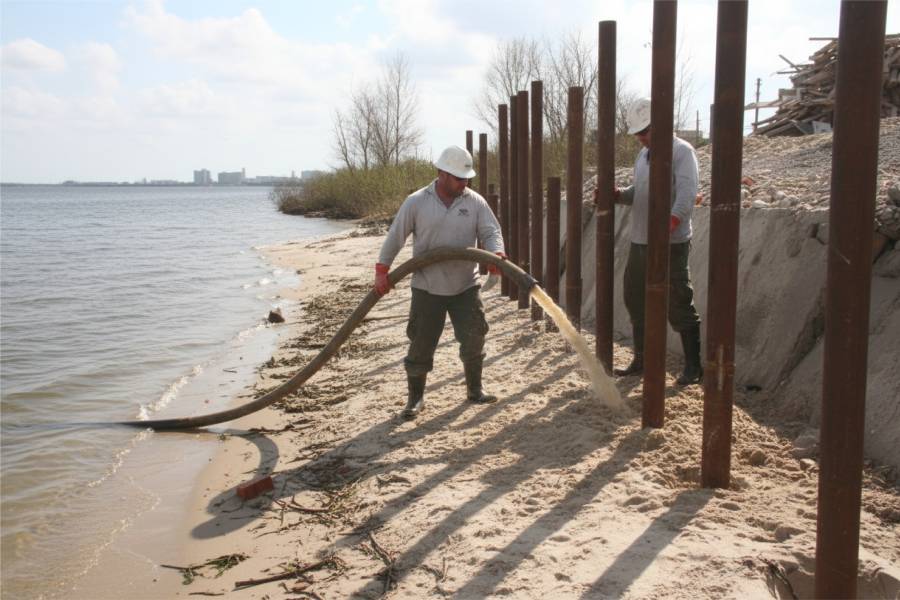
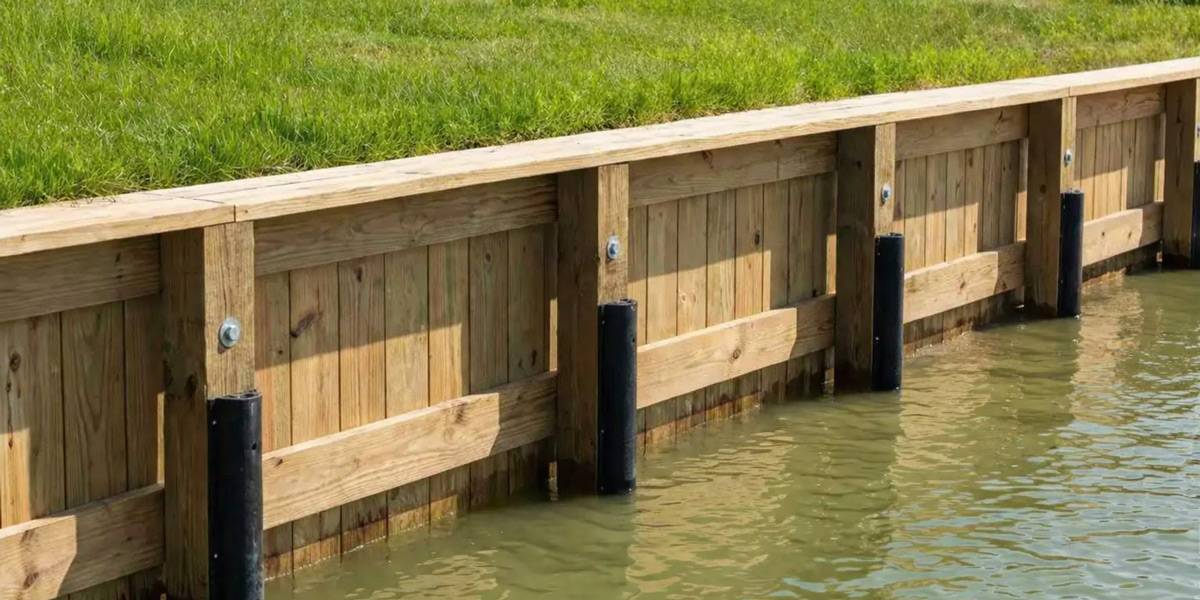
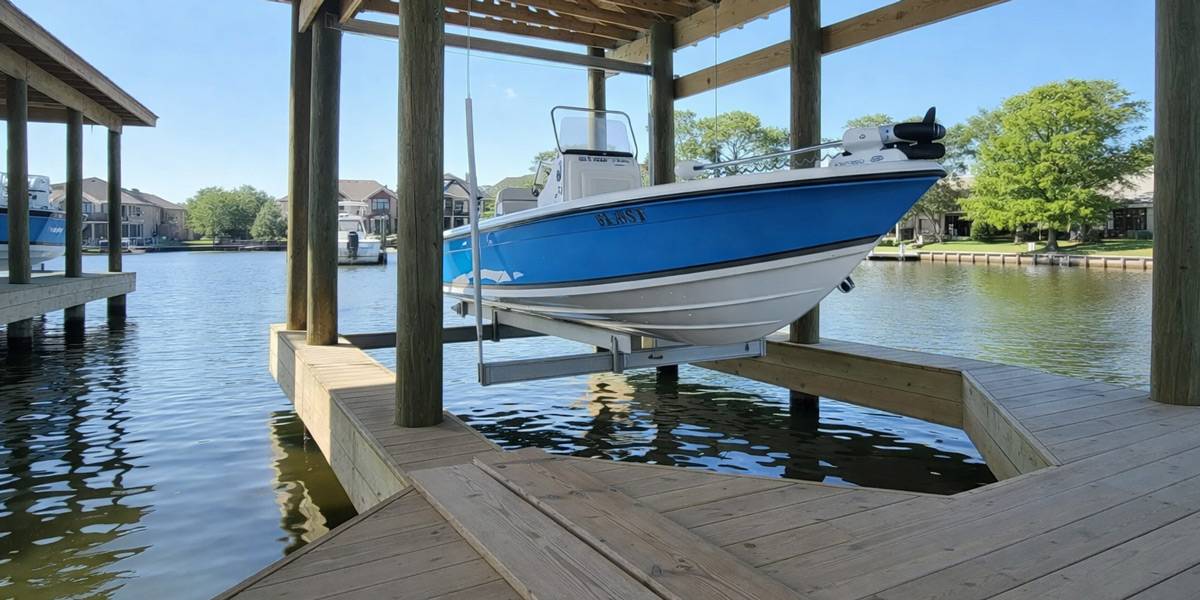
Shore Protect Team delivers Waterfront Erosion Control in Lake Buchanan, TX. We construct dock and pier systems for the managed water level range, build bulkheads and retaining walls for eroding shorelines, and install marine piling. Permit coordination is part of every project.
Schedule a free site assessment with Shore Protect Team. We evaluate wave exposure, substrate conditions, and permit requirements before recommending a structure type or materials.



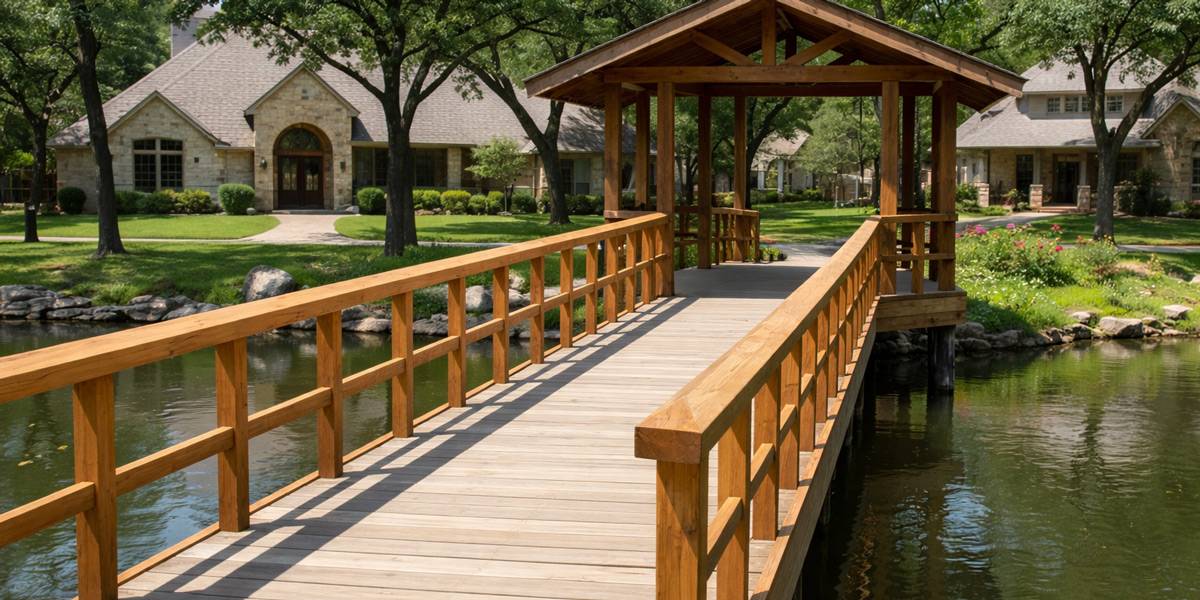
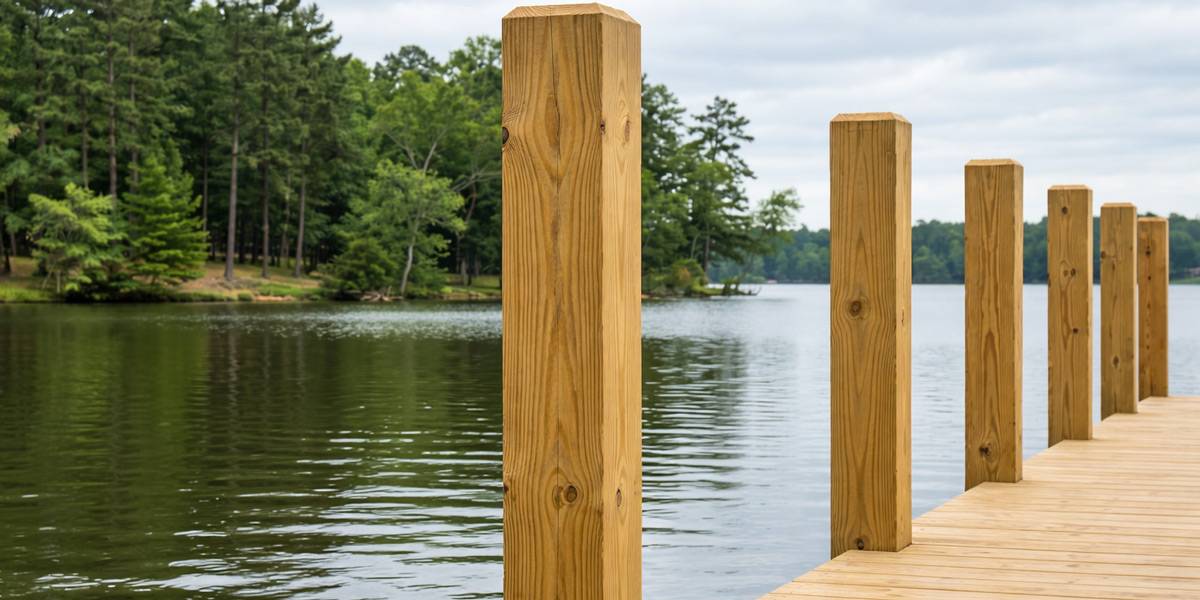
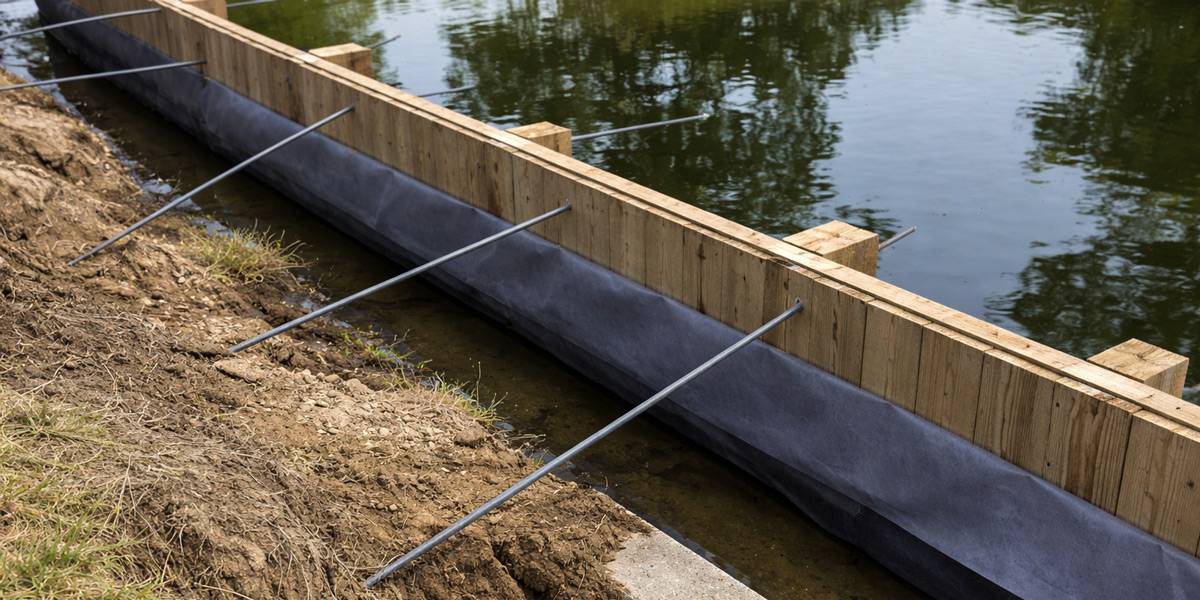
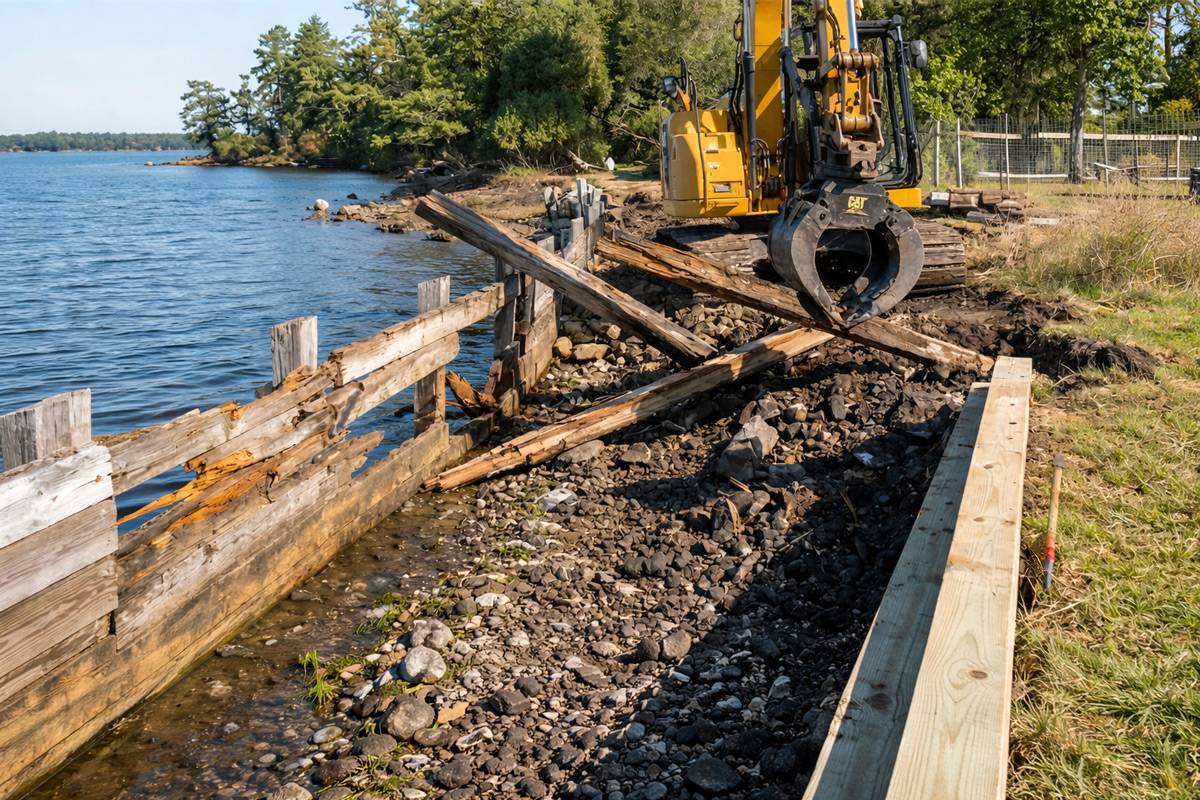
Shore Protect Team provides shoreline erosion control, dock and pier construction, retaining wall installation, and bank stabilization for waterfront properties on Lake Buchanan in Burnet and Llano counties on the Upper Highland Lakes. Lake Buchanan is the largest of the Highland Lakes chain and the uppermost reservoir on the Colorado River - its significant water storage capacity means it experiences the greatest water level fluctuation of any Highland Lake, dropping dramatically during droughts and filling during wet periods. The lake's massive shoreline, dramatic Hill Country granite and limestone landscape, and wide water level swings create distinctive conditions for waterfront construction throughout Burnet and Llano counties.
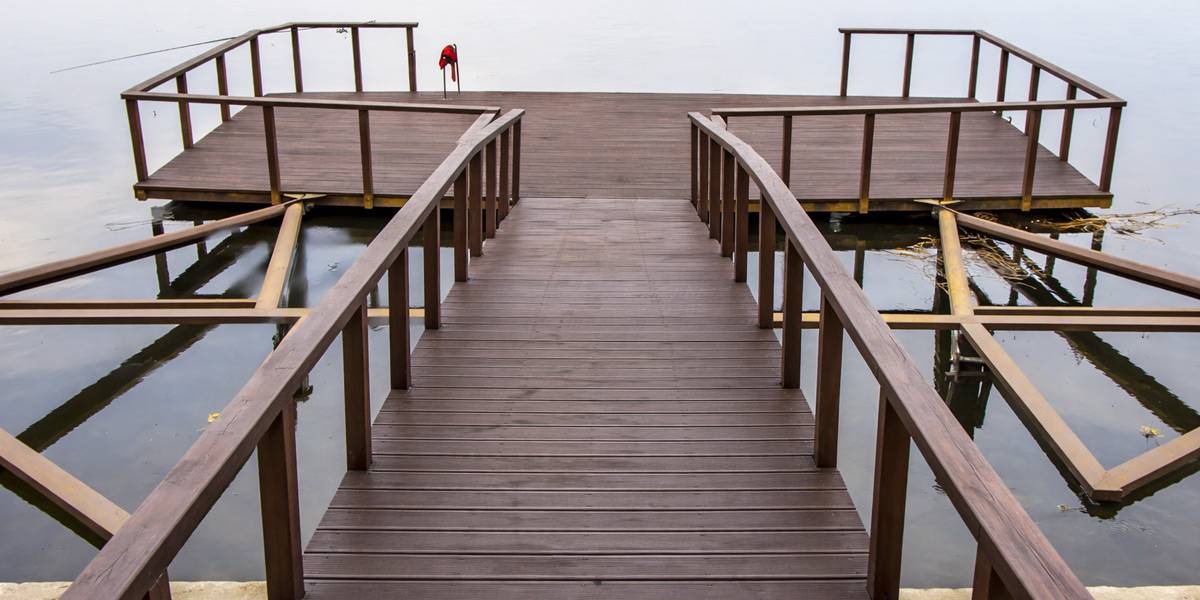
Lake Buchanan experiences some of the most severe water level fluctuations of any Texas reservoir - the lake's large storage capacity means it can drop 30 or more feet below full pool during extended Central Texas droughts and rises back to full pool during wet periods. Fixed-height dock structures on Lake Buchanan are impractical because they become inaccessible or stranded on dry ground during significant drawdowns. Floating dock systems with long anchor chains are the standard solution for Lake Buchanan - they rise and fall with the lake level, remaining accessible throughout the full range of LCRA-managed water levels. Shore Protect Team designs Buchanan floating dock systems with chain scope and anchor placement appropriate for the full historical water level range at each property location.
Lake Buchanan's shoreline consists largely of exposed granite outcrops, rocky points, and shallow limestone ledges characteristic of the Llano Uplift geology - this rocky substrate complicates piling installation and anchor placement for dock systems. Shore Protect Team uses drilled concrete anchors or rock bolt anchor systems on Lake Buchanan's granite shorelines rather than driven piling, which cannot penetrate the bedrock substrate. The irregular rocky bottom also creates navigation hazards in the shallow nearshore that affect pier and ramp design for boat access from some Lake Buchanan properties.
Lake Buchanan construction requires LCRA Highland Lakes permit authorization as the lake operator, plus Corps of Engineers Section 404 permits. Shore Protect Team manages the LCRA permit process for Lake Buchanan waterfront projects in Burnet and Llano counties.
Send Shore Protect Team your Lake Buchanan property location in Burnet or Llano County and photos of your rocky shoreline, dock area, and current water level conditions. We assess the LCRA permit requirements and water level variability for your specific location and provide a preliminary cost estimate. Contact Shore Protect Team to begin your Lake Buchanan waterfront project.