Ditch Banks, Low Ground and Sabine Lake Access Around Groves
Groves grew out of a 1920s subdivision called Pecan Grove, planted with thousands of pecan trees on land bordered today by Port Arthur on three sides and Port Neches to the northwest. Sabine Lake, a Gulf estuary, lies about 3 miles southeast. Inside the city itself there is very little open water, only about 0.28 percent of its area, and most of town sits between 5 and 15 feet above sea level.
Water here mostly moves through drainage infrastructure. Groves is part of a regional system with 36 miles of levees and seawalls, 20 pump stations and 281 miles of concrete and earthen outfall ditches. The levees give roughly 16 to 17 feet of protection, but Harvey dumped about 65 inches of rain in five days in 2017 and overwhelmed the network. Property lines that back onto a ditch or channel lose soil when banks slough during heavy runoff, and fence lines and slabs near the edge start to settle.
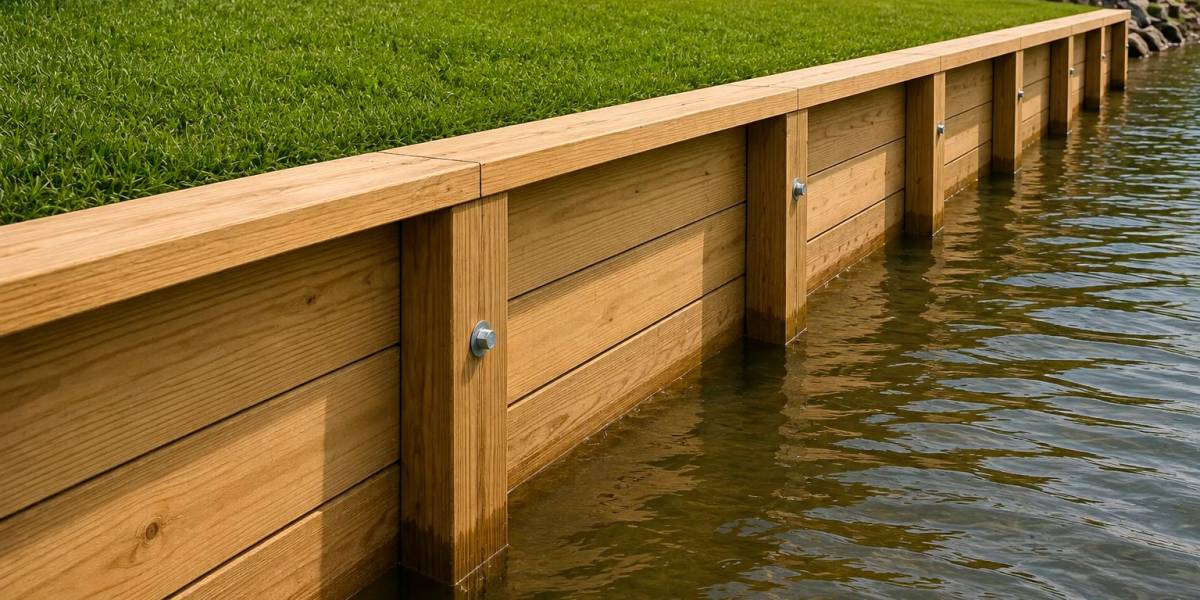
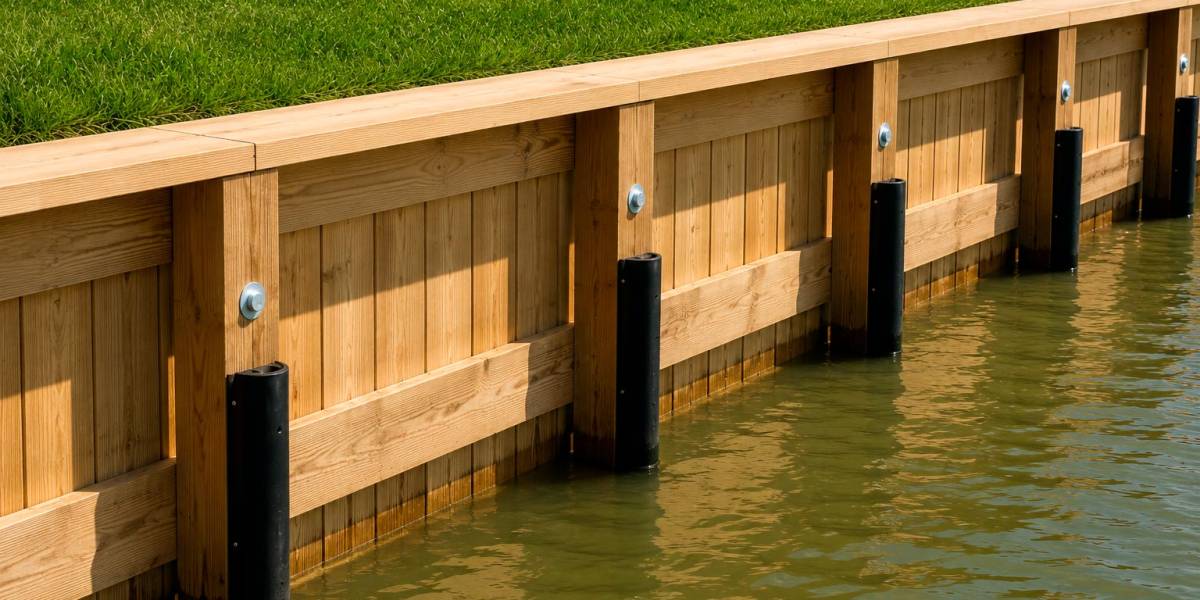
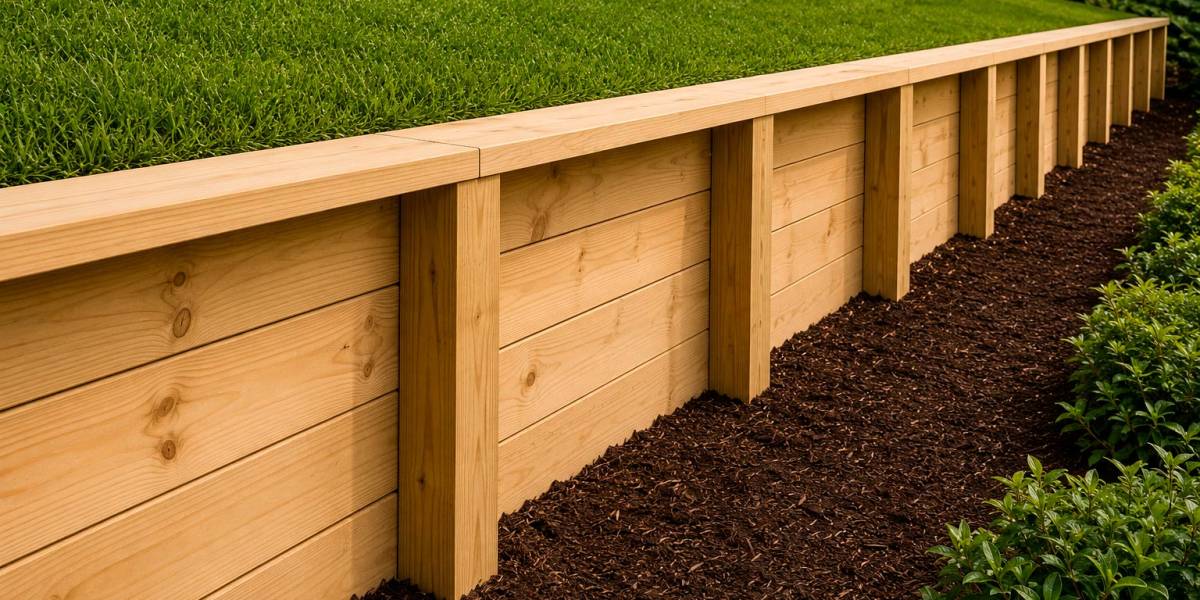
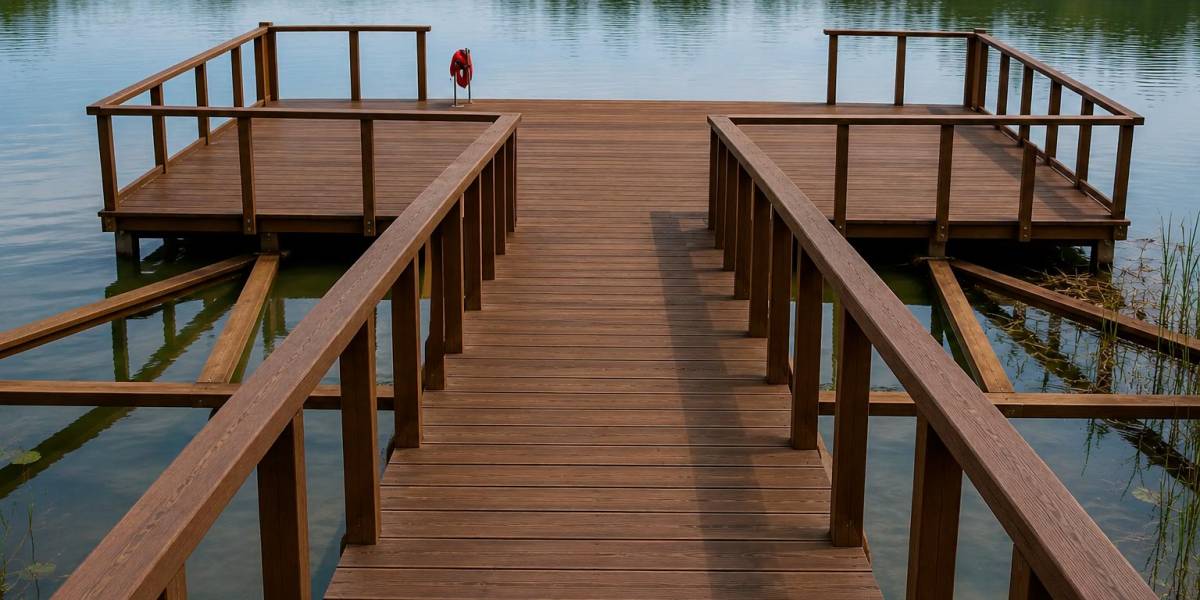
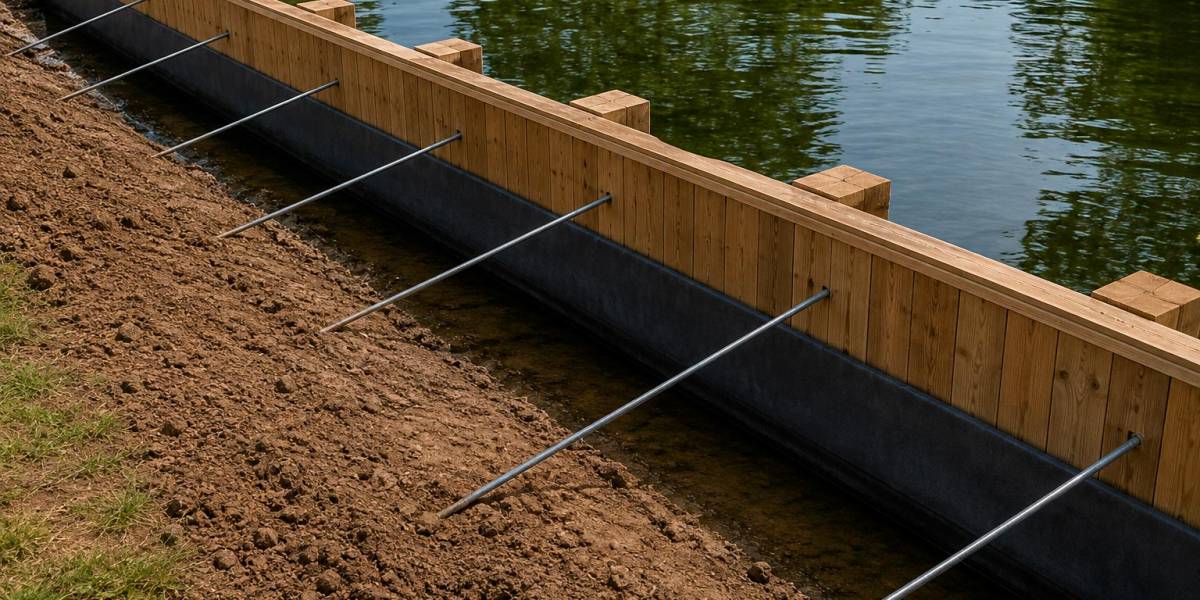
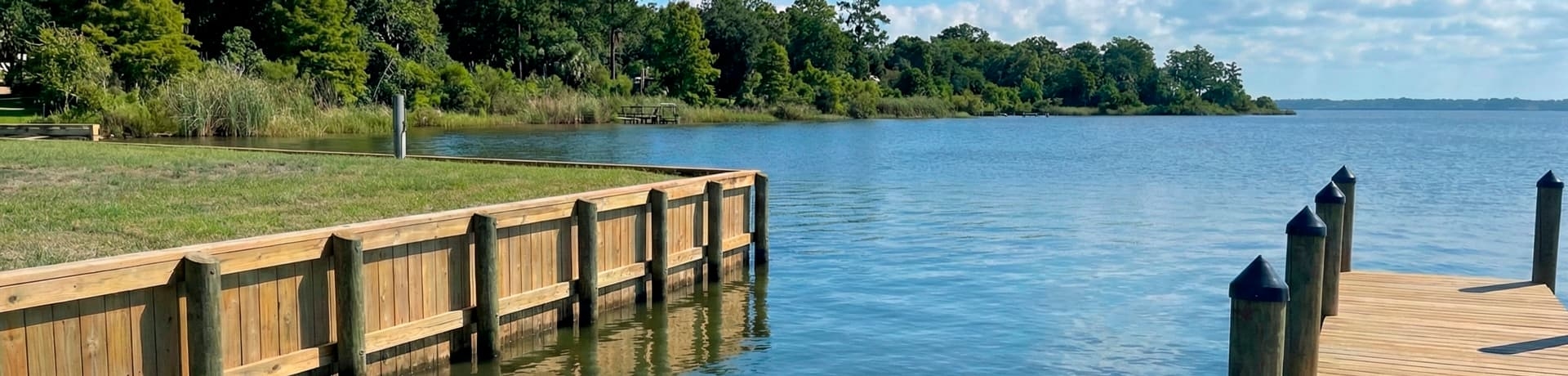
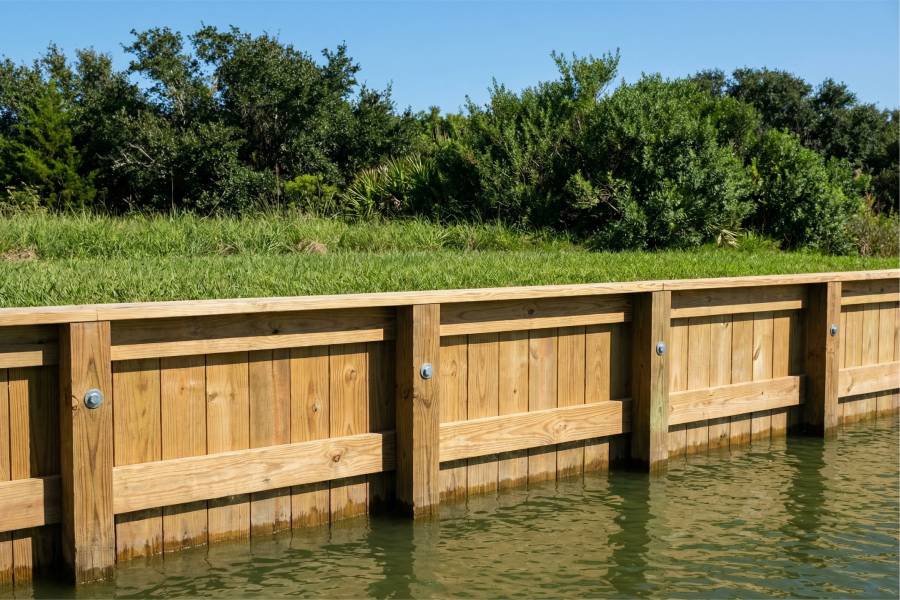
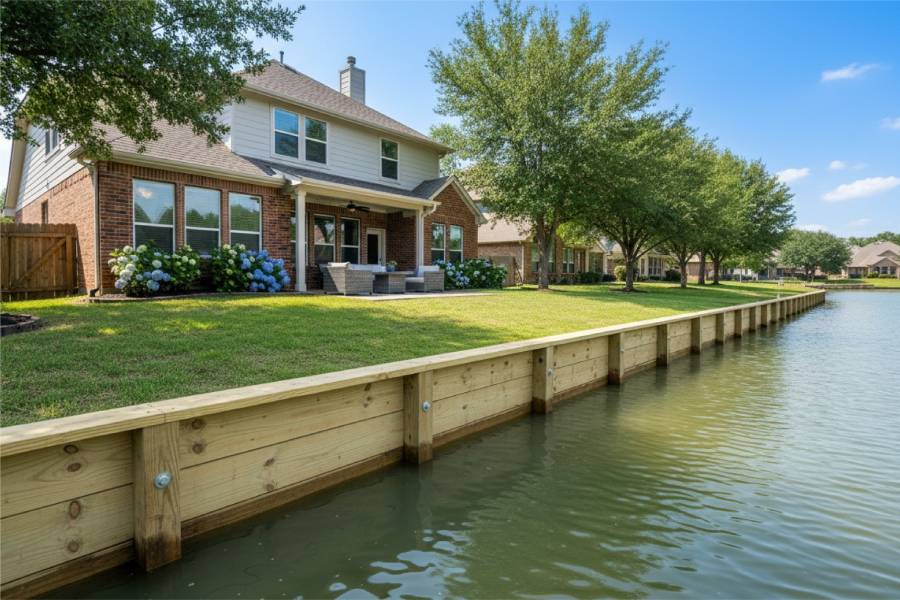
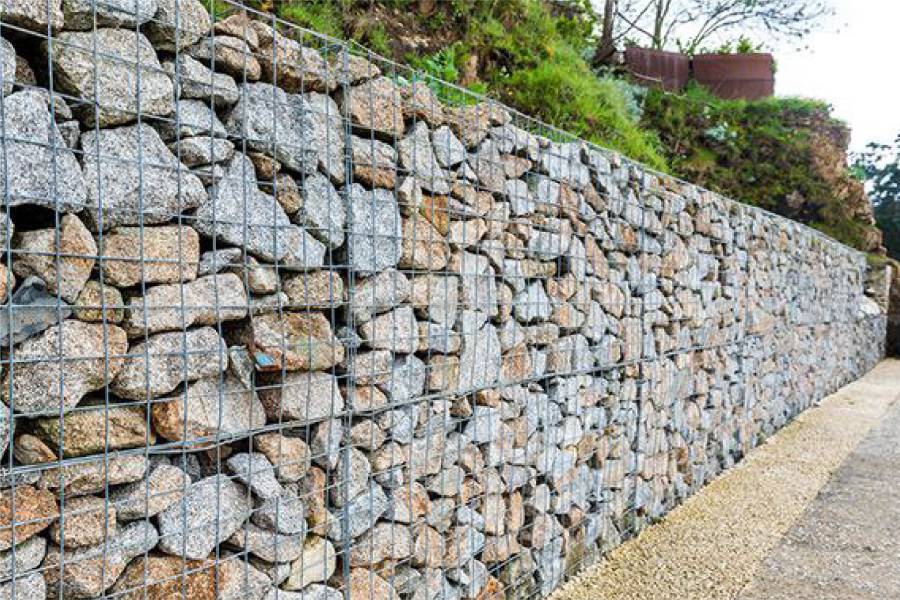
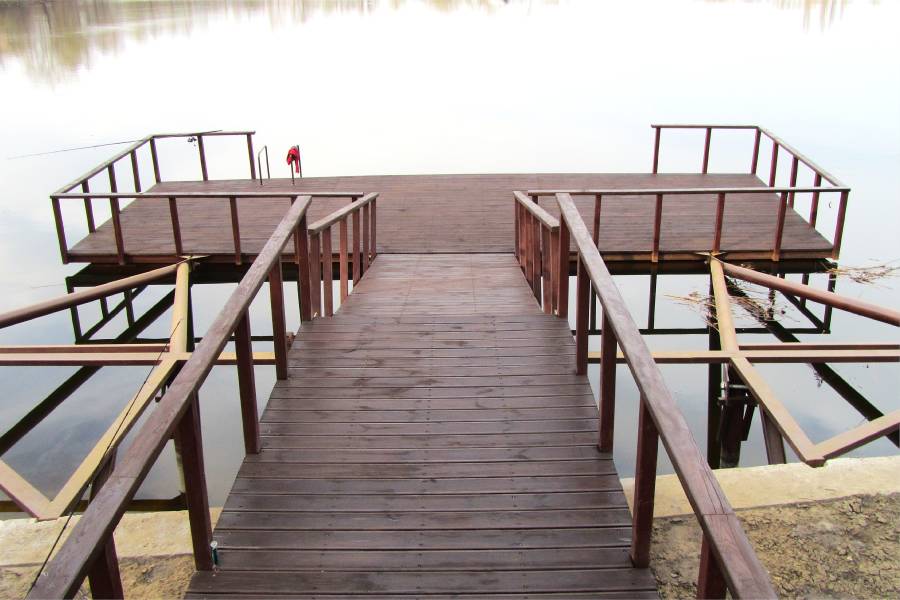
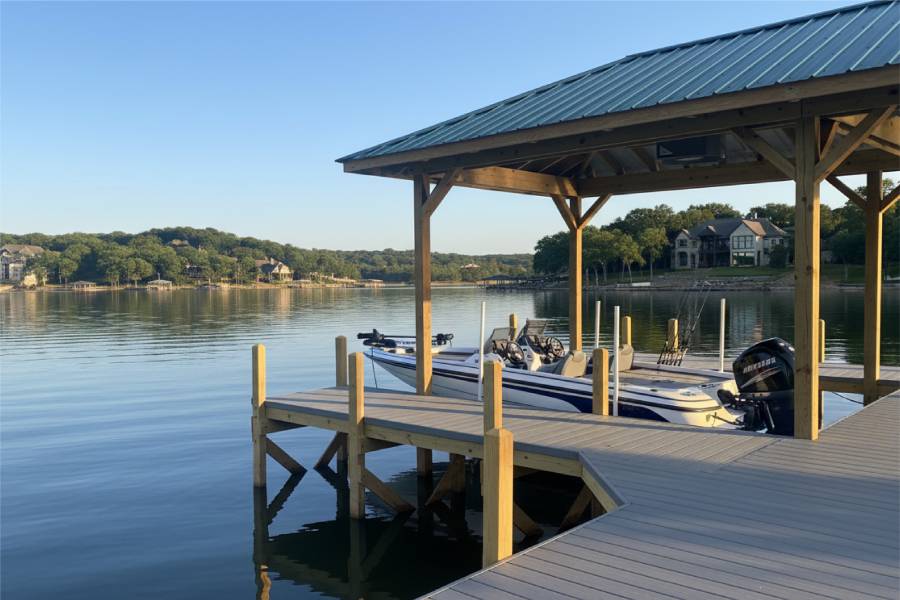
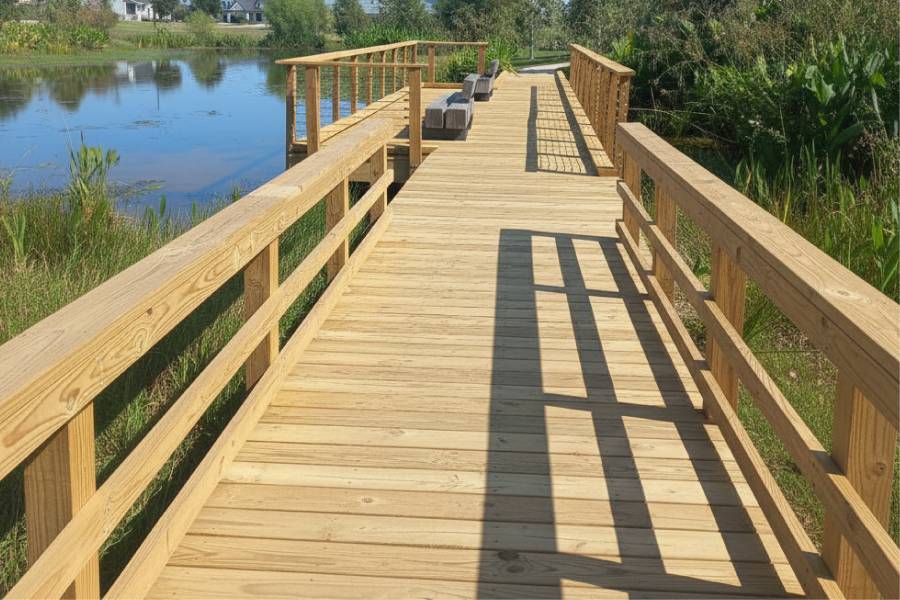
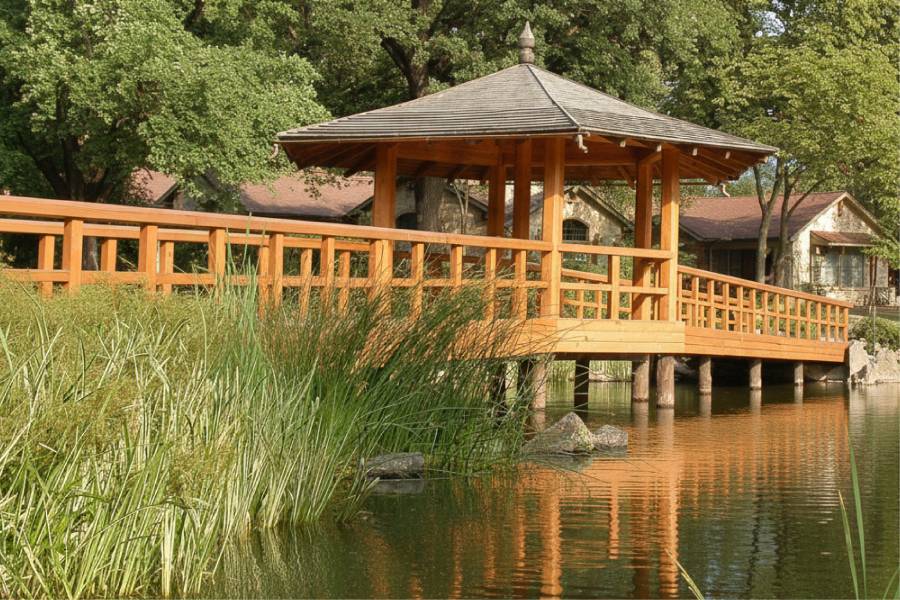
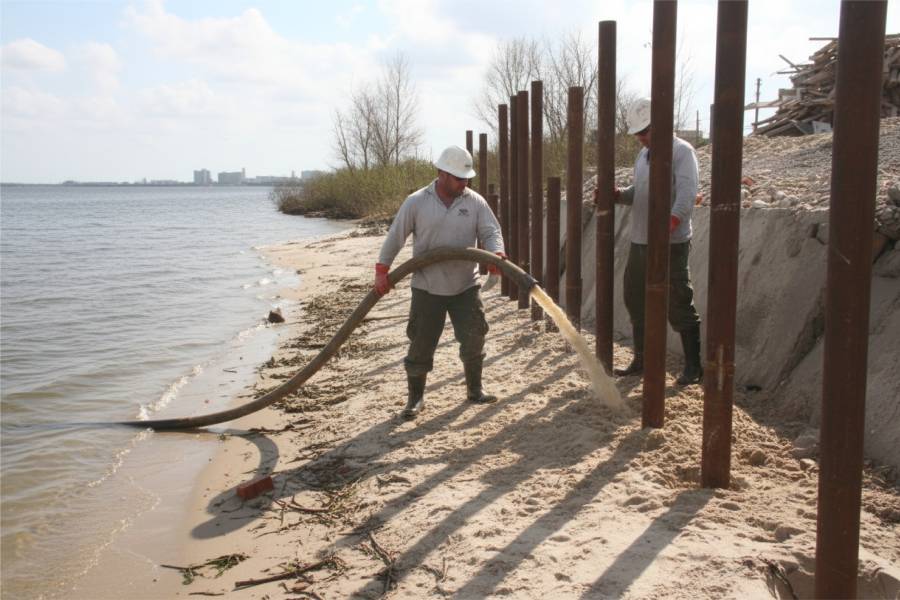
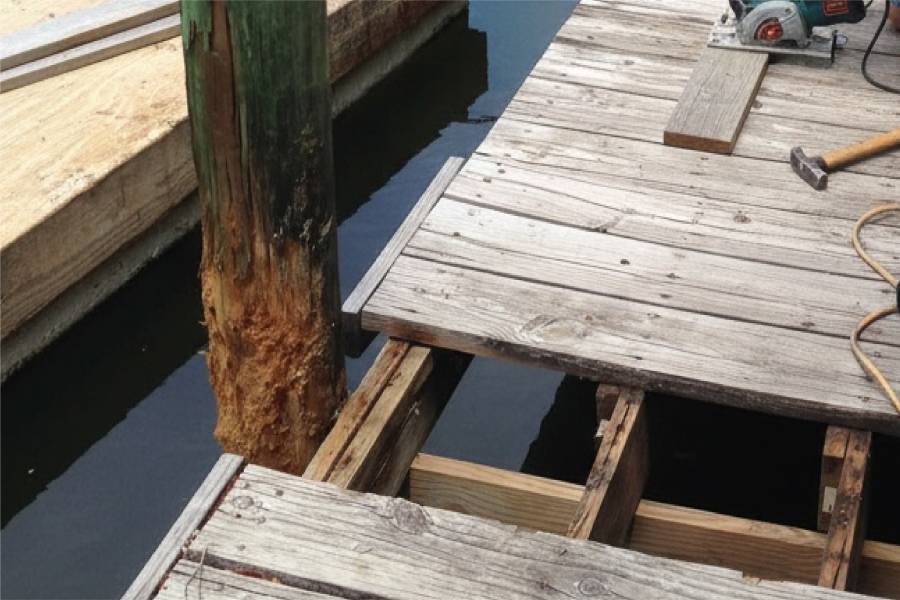
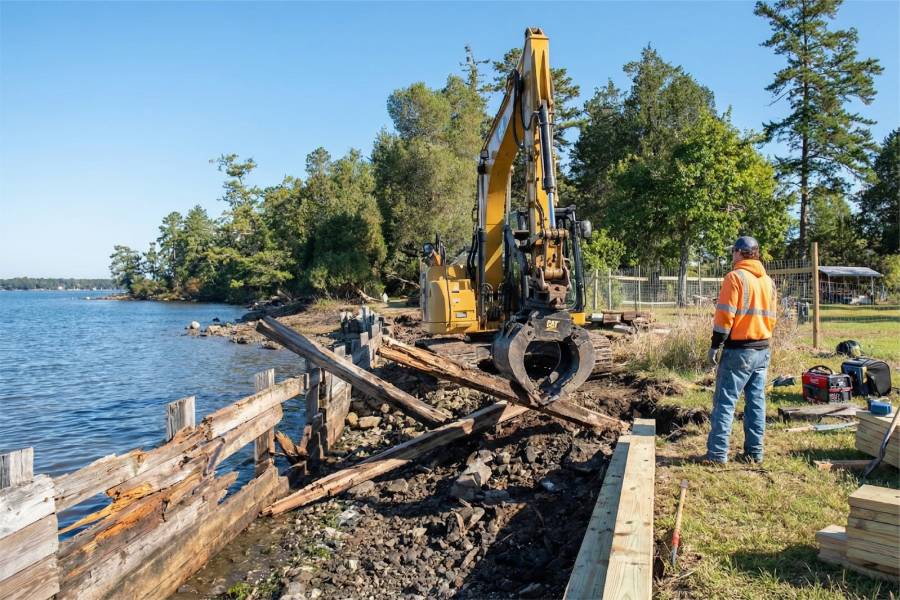
As a Waterfront Construction Company in Groves, TX, we build retaining walls and bulkheads to hold eroding banks, seawalls and shoreline protection for property near open water, and small piers on marine pilings. We also repair and maintain walls and pier structures that have shifted.
Send the address and a few photos of the bank or wall in question, and we will get you a free preliminary estimate.