Cypress Bottomland Frontage from Jefferson Down to Caddo Lake
Big Cypress Bayou, also called Big Cypress Creek, starts in southern Franklin County and runs east through Camp, Titus, Morris, Marion and Harrison counties. Its last 34 miles before Caddo Lake lie entirely within Marion County, winding through bottomland where bald cypress, overcup oak and water elm line the banks. Riverboats once tied up at Jefferson. Below town the bayou turns wide and deep enough for large motorized boats, then spreads into the 25,400-acre cypress swamp of Caddo Lake.
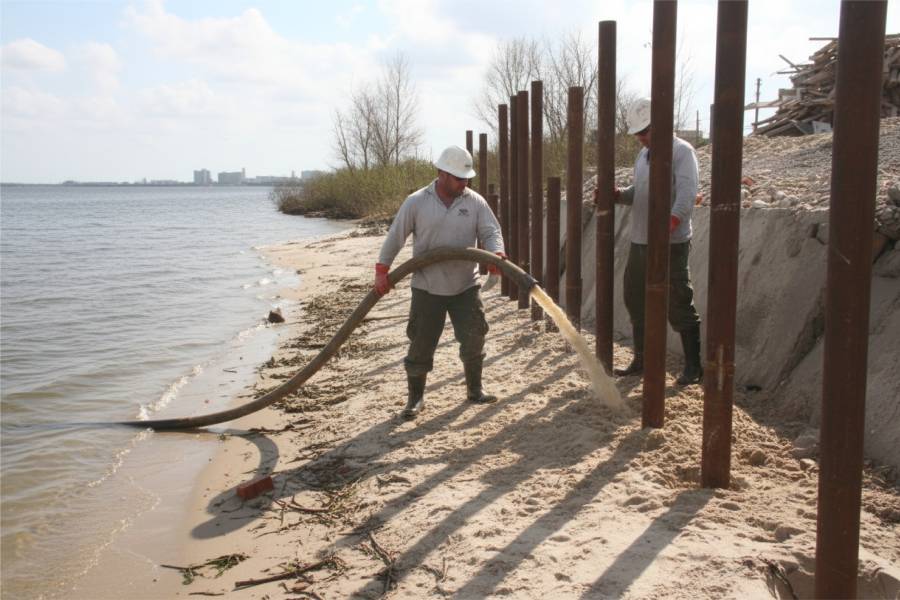
Water level on this bayou depends on releases from upstream. Normal flow is light, but in flood periods, mostly spring, fall and winter, discharge can climb to about 1,000 cubic feet per second. Log jams are common above Jefferson. Posts and walls on soft bottomland soil take a beating from floating debris and long submersion, so we favor deep embedment, heavy cross-bracing and fasteners rated for constant wet conditions.
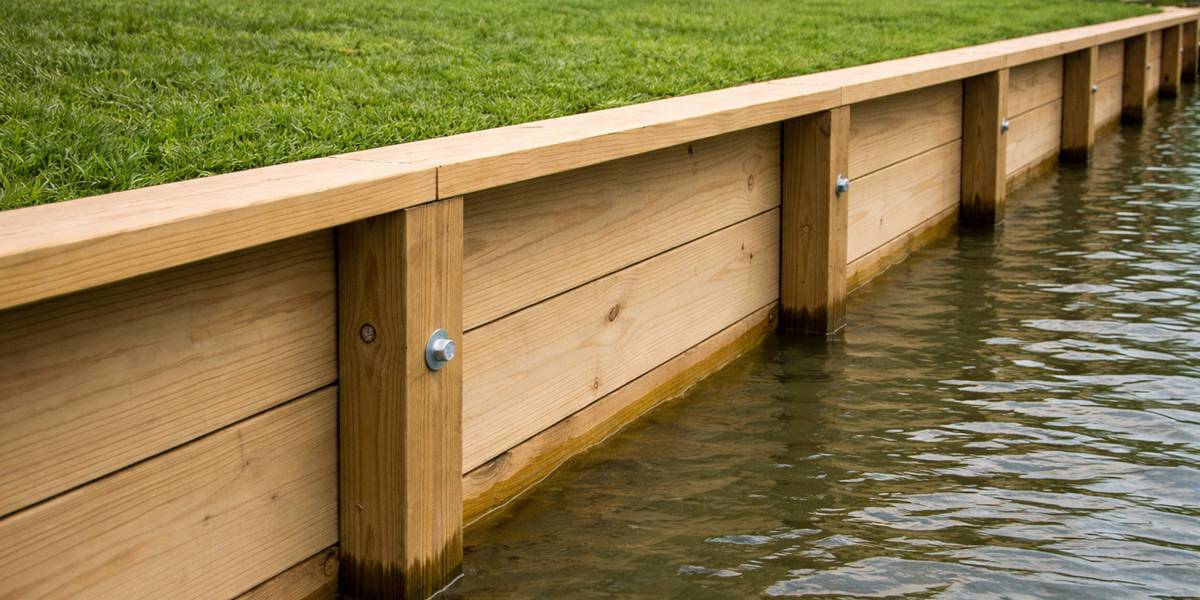
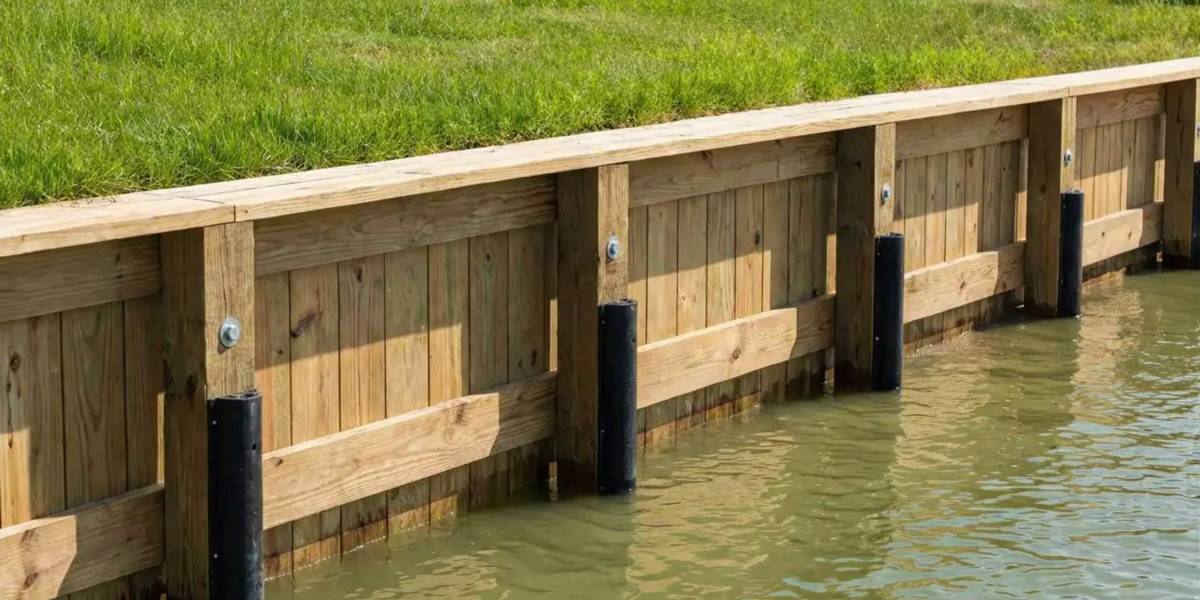
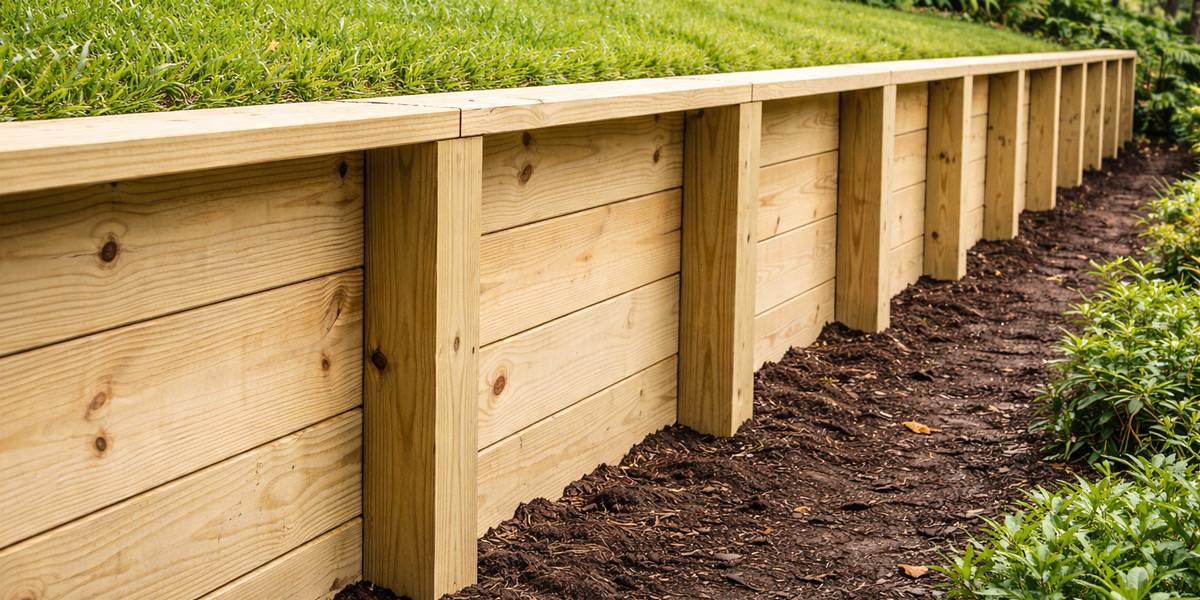
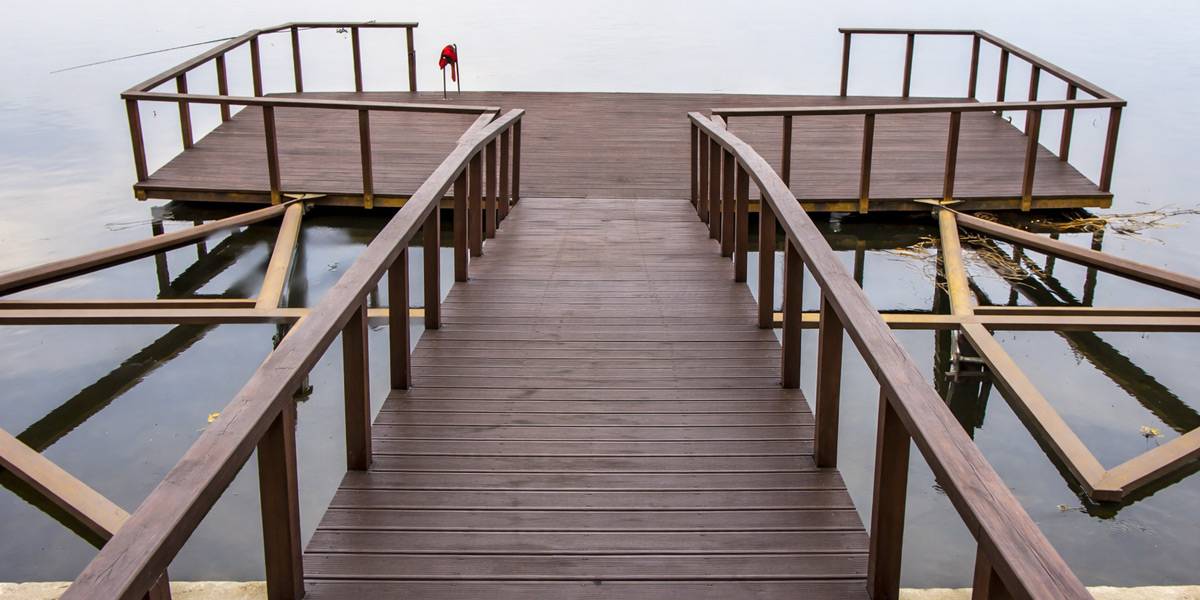
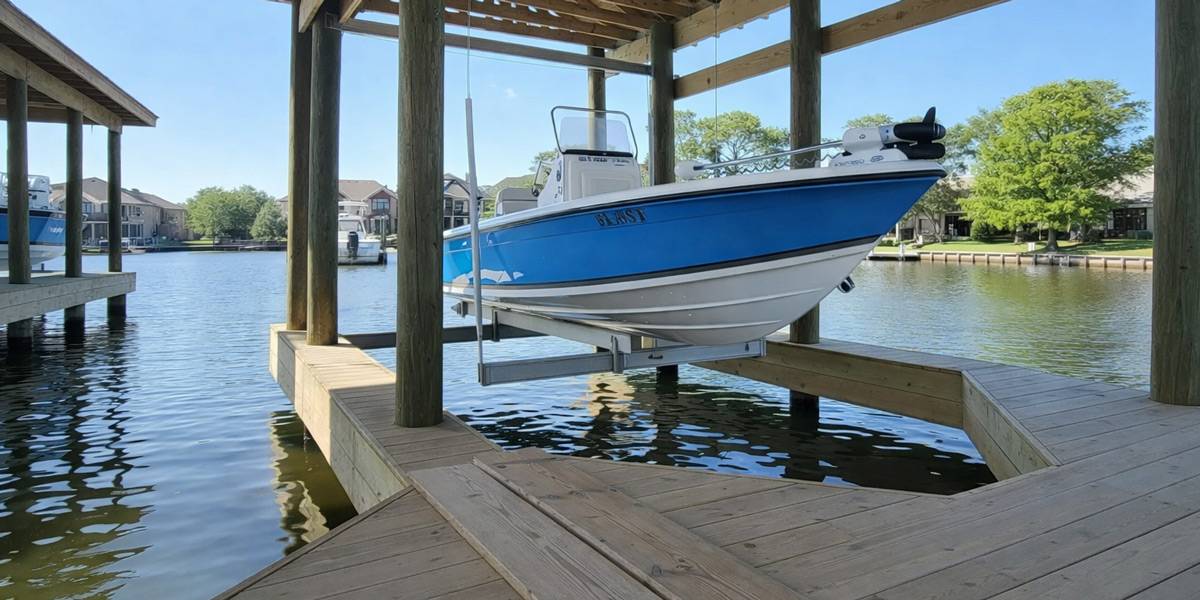
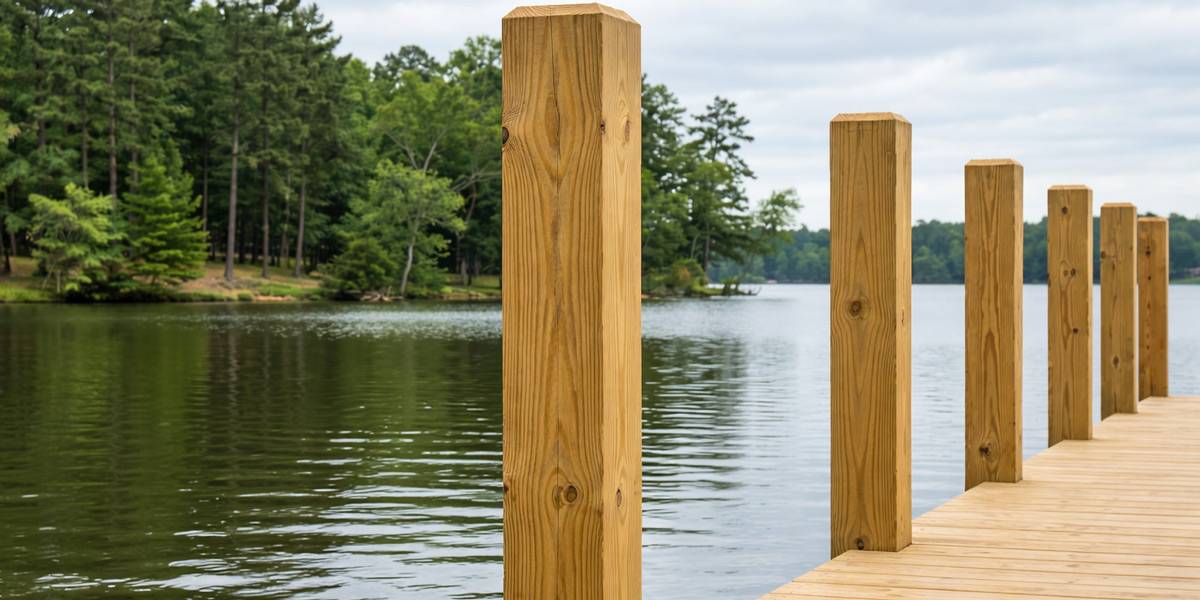
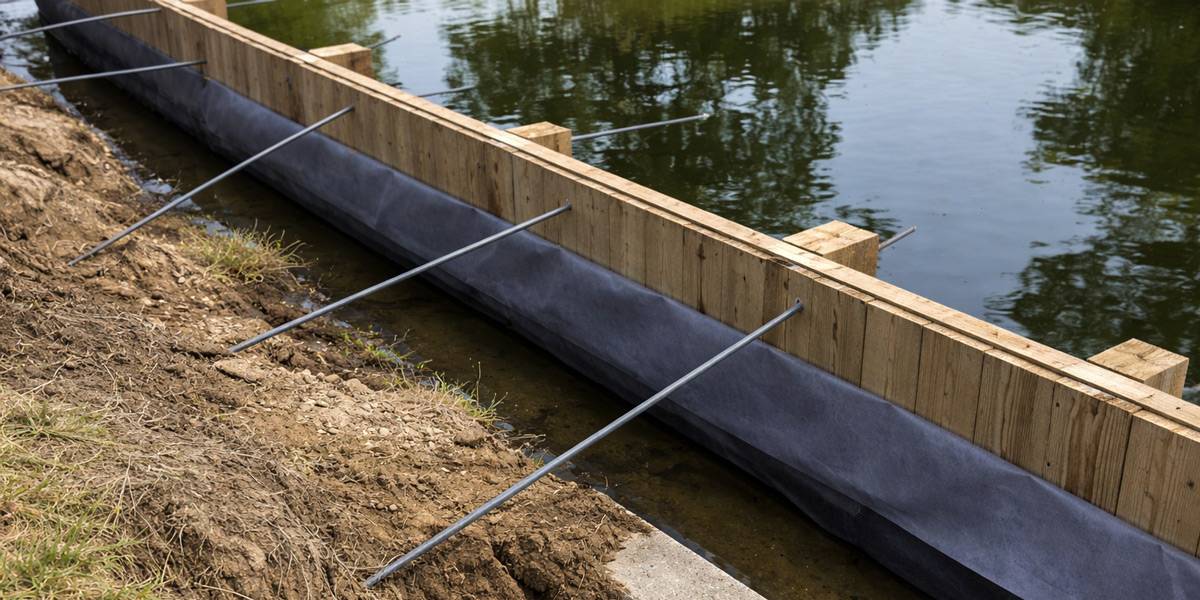
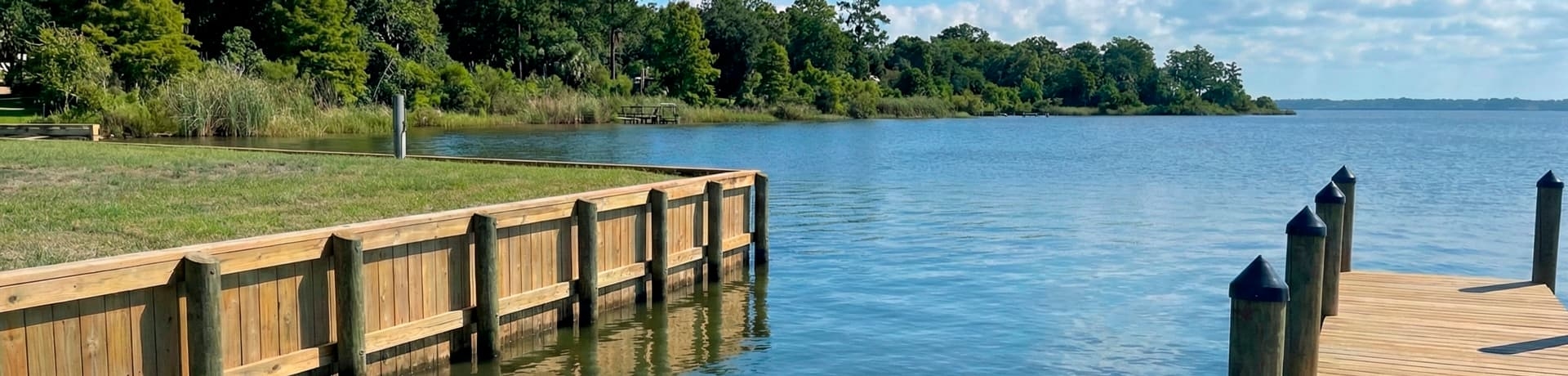
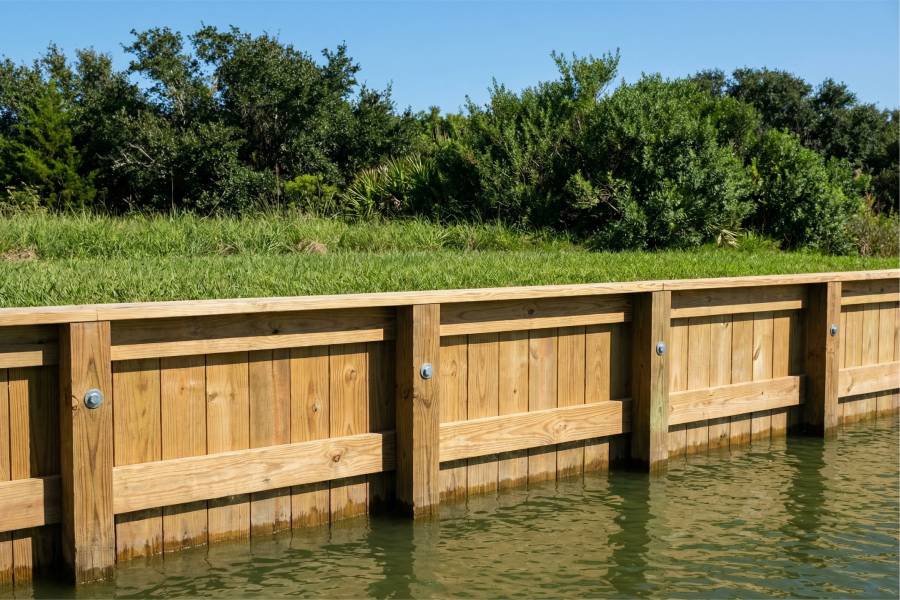
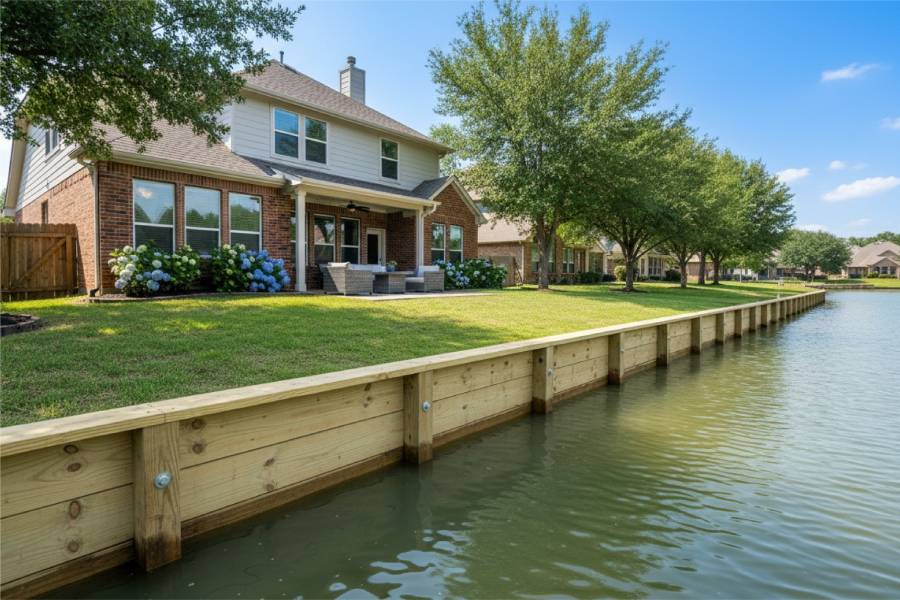
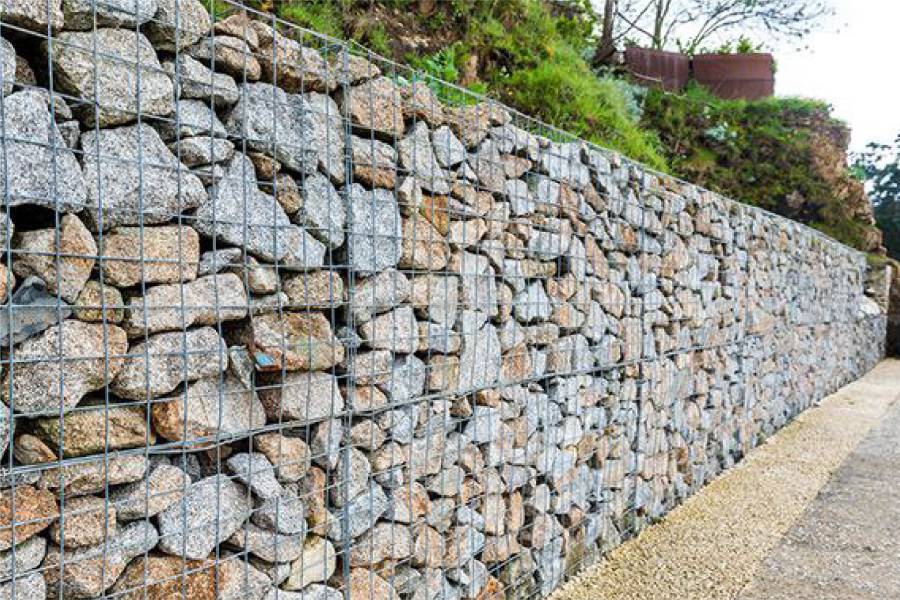
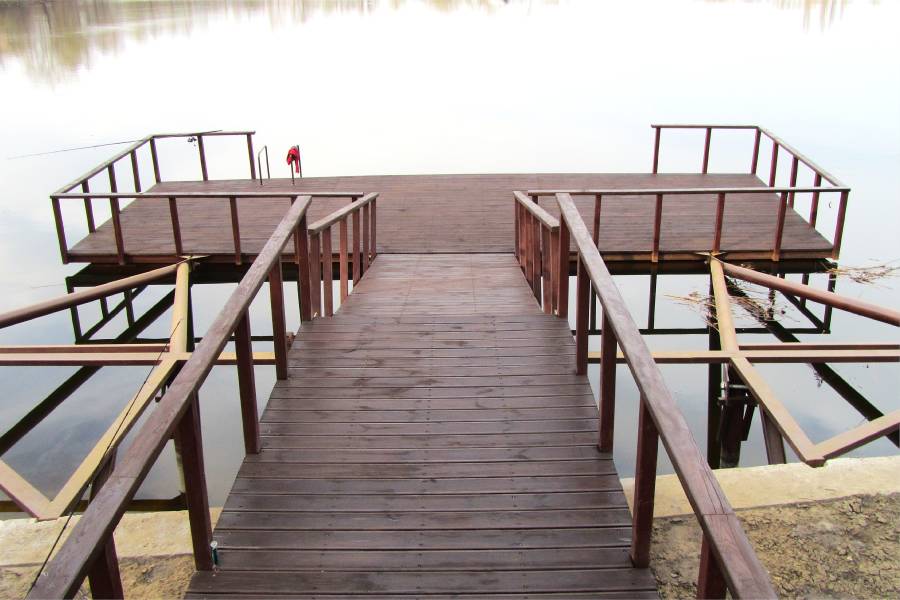
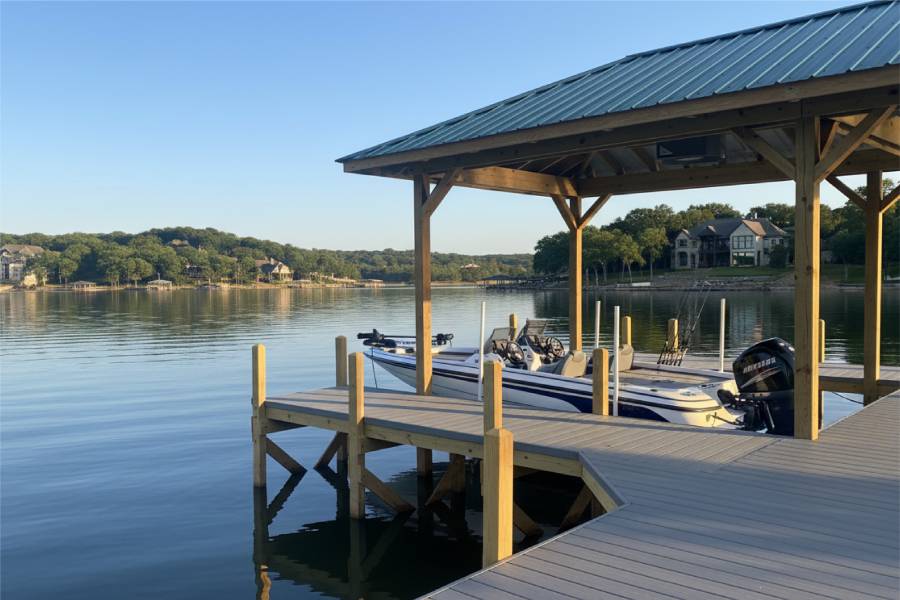
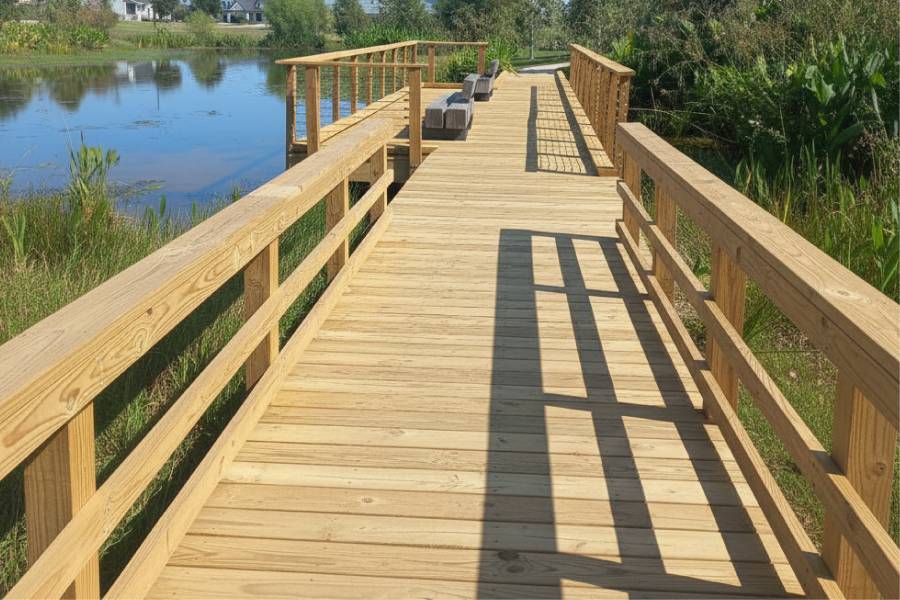
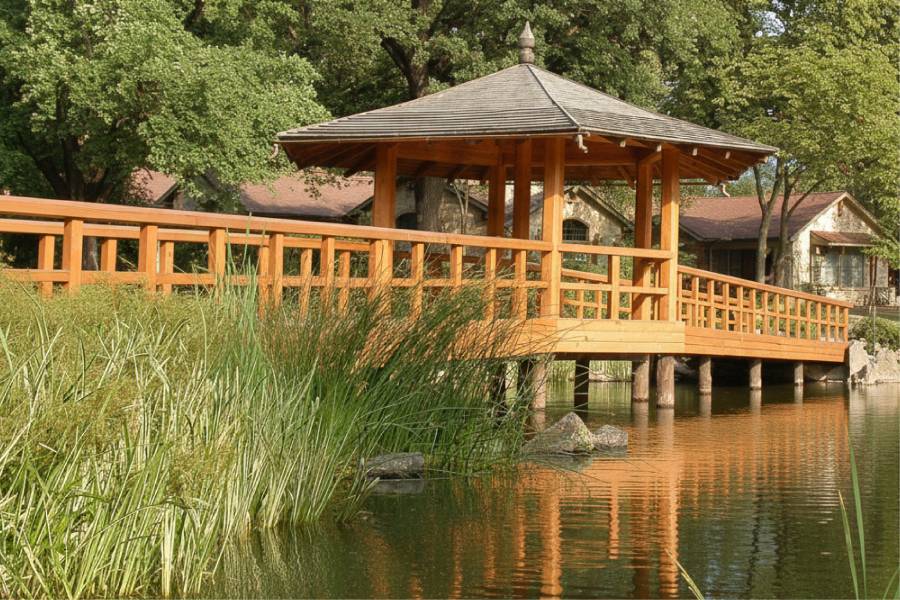
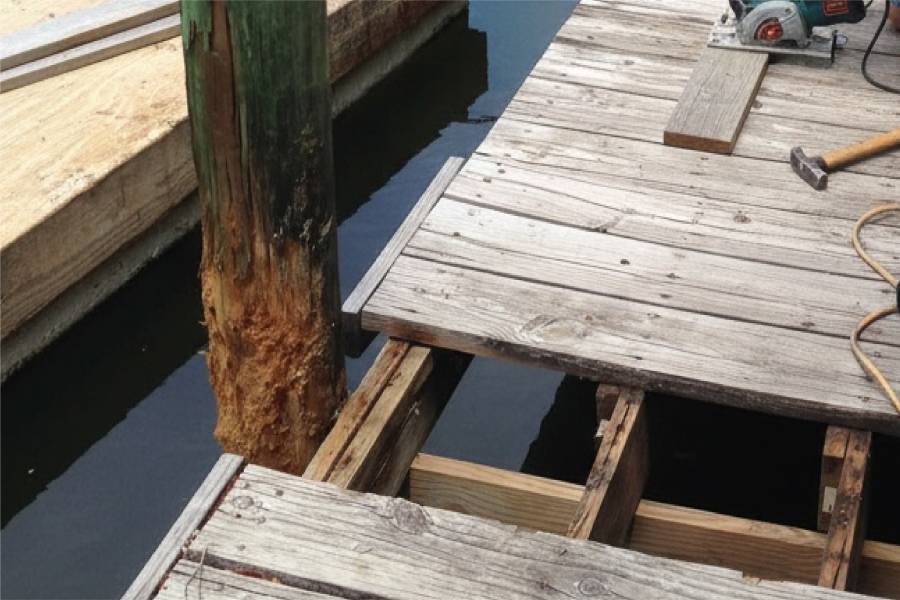
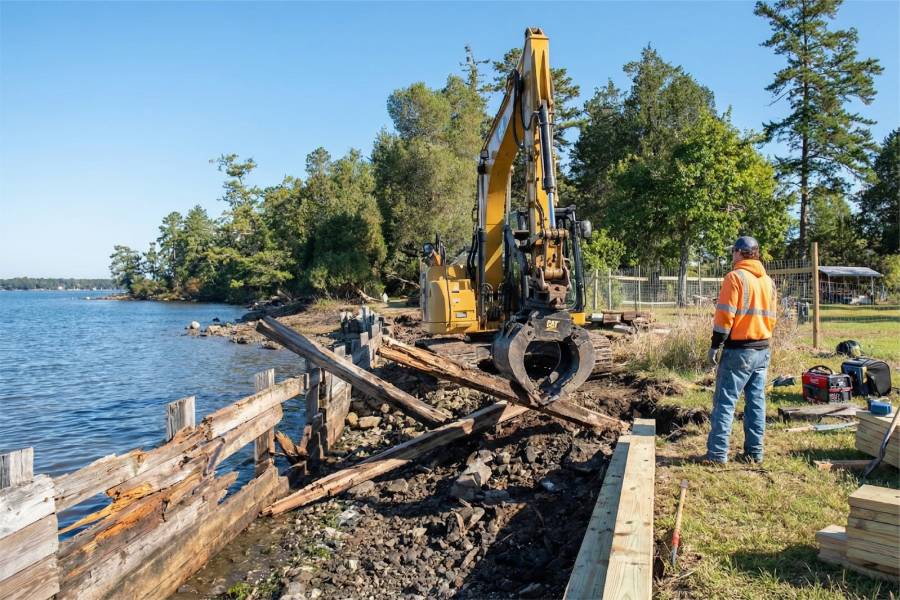
As Shoreline Contractors in Big Cypress Bayou, TX, we build bulkheads and seawalls for eroding cut banks, retaining walls on higher ground, piers and docks on driven marine pilings, and boat slips sized for bayou traffic, and we repair what floods and debris have damaged.
Got bayou frontage near Jefferson or toward Caddo Lake? Send the location and photos, ideally one at low water. A free preliminary estimate for your bayou lot comes next.