Bulkhead Rows and Forest Banks on Lake Conroe's West Fork San Jacinto
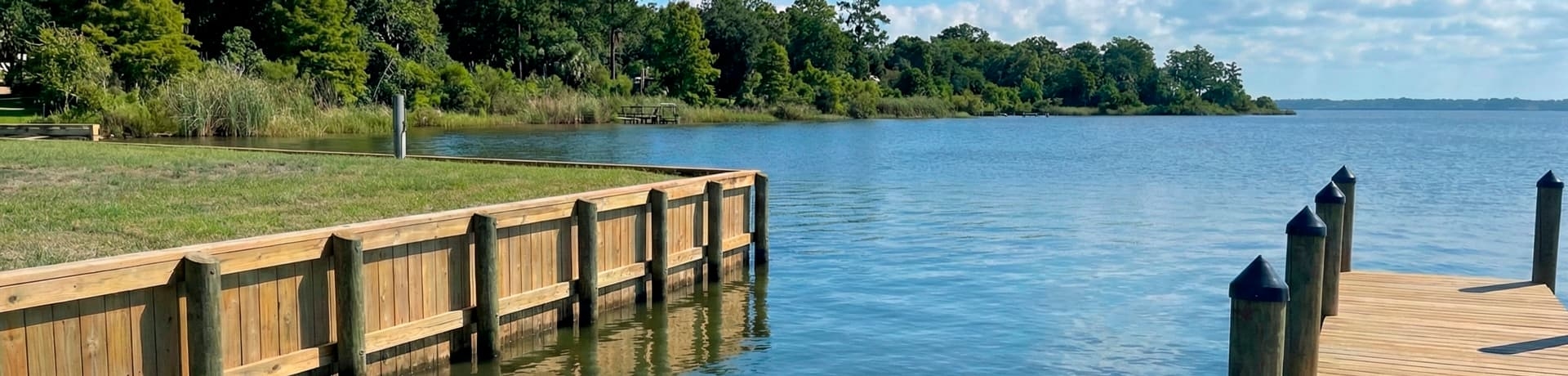
Lake Conroe is a 20,000-acre reservoir on the West Fork of the San Jacinto River in Montgomery and Walker counties, managed by the San Jacinto River Authority. TPWD describes two different shorelines. The lower part of the lake, mostly open water, is lined with bulkheads and boat docks. Upstream, the shore runs through Sam Houston National Forest and is largely undeveloped, with standing timber along the old river channel.
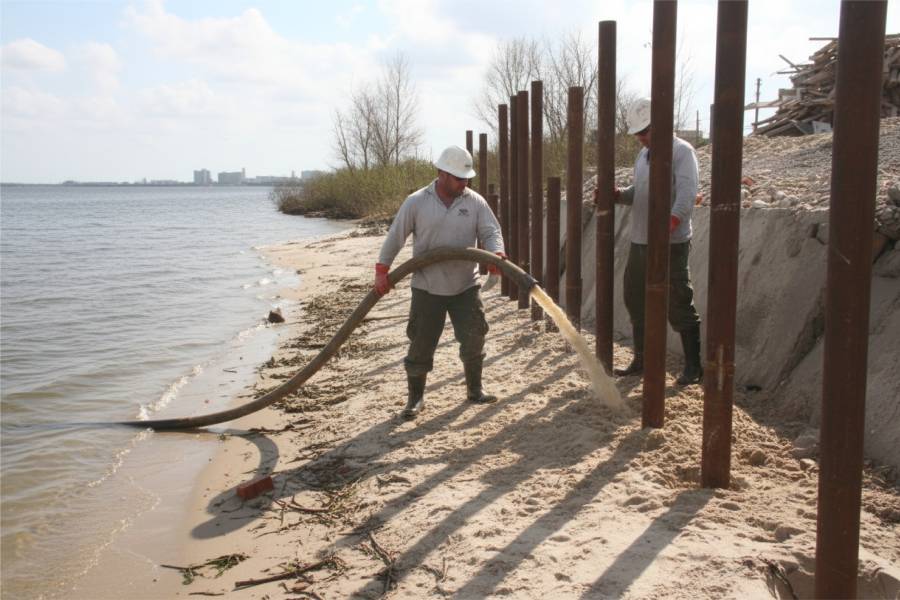
Normal pool is 201 feet above sea level, and the level usually moves 1 to 3 feet. Storms can push well past that. During Hurricane Harvey in 2017, more than 20 inches of rain fell on the watershed and SJRA released about 79,000 cubic feet per second through the dam. Bottom material ranges from sand to silt, so pilings need enough embedment to hold in soft ground. Long stretches of open water on the lower lake give wind and boat wake room to build.
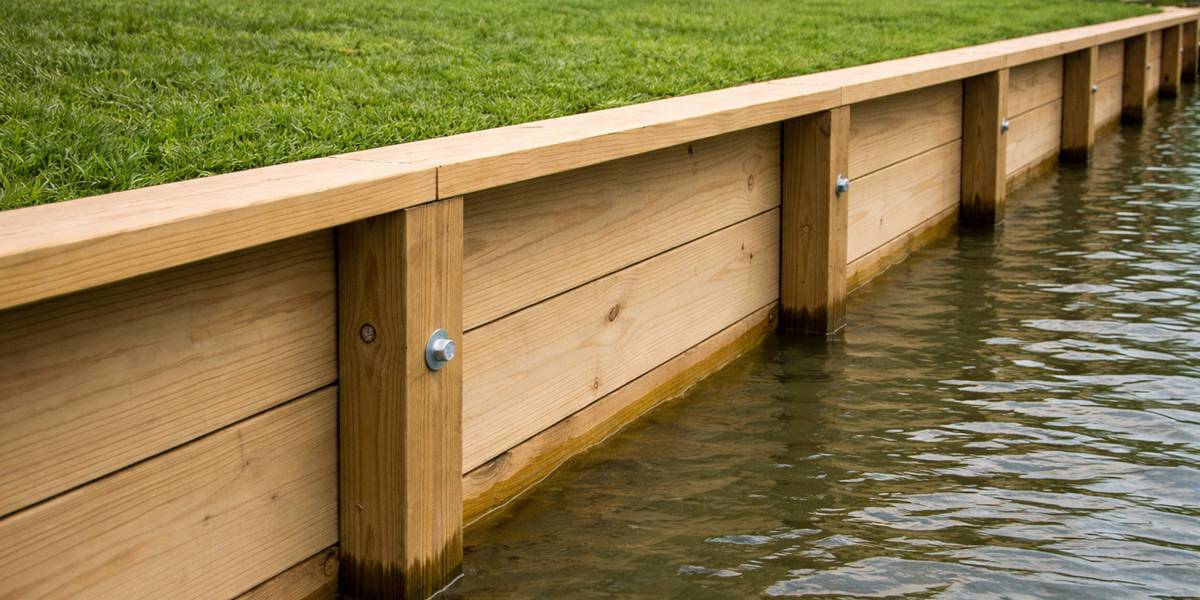
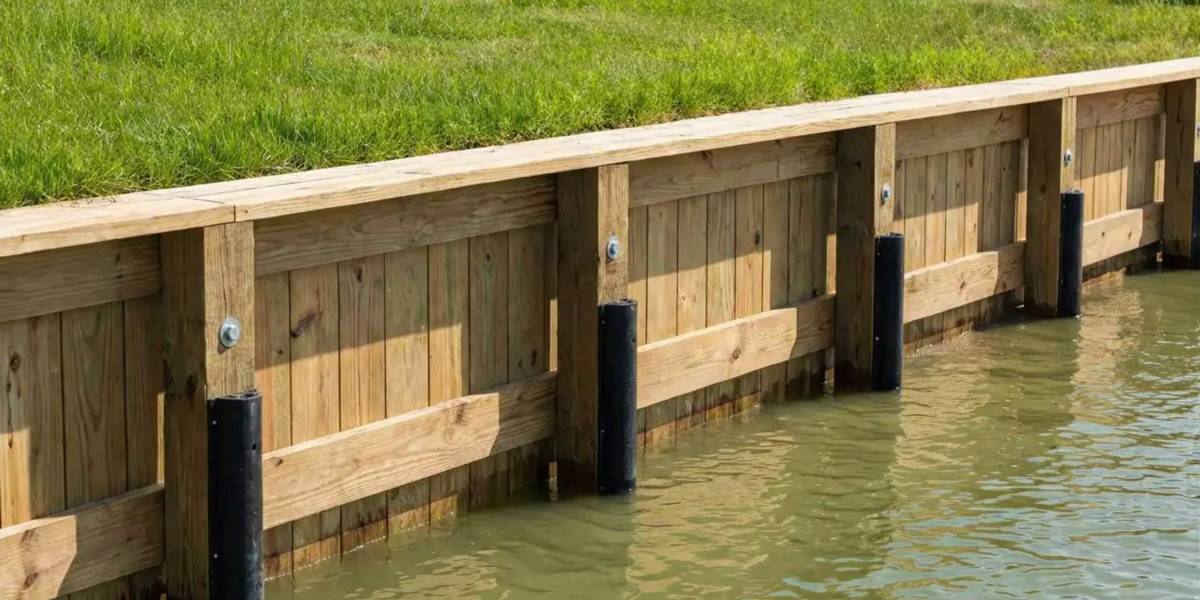
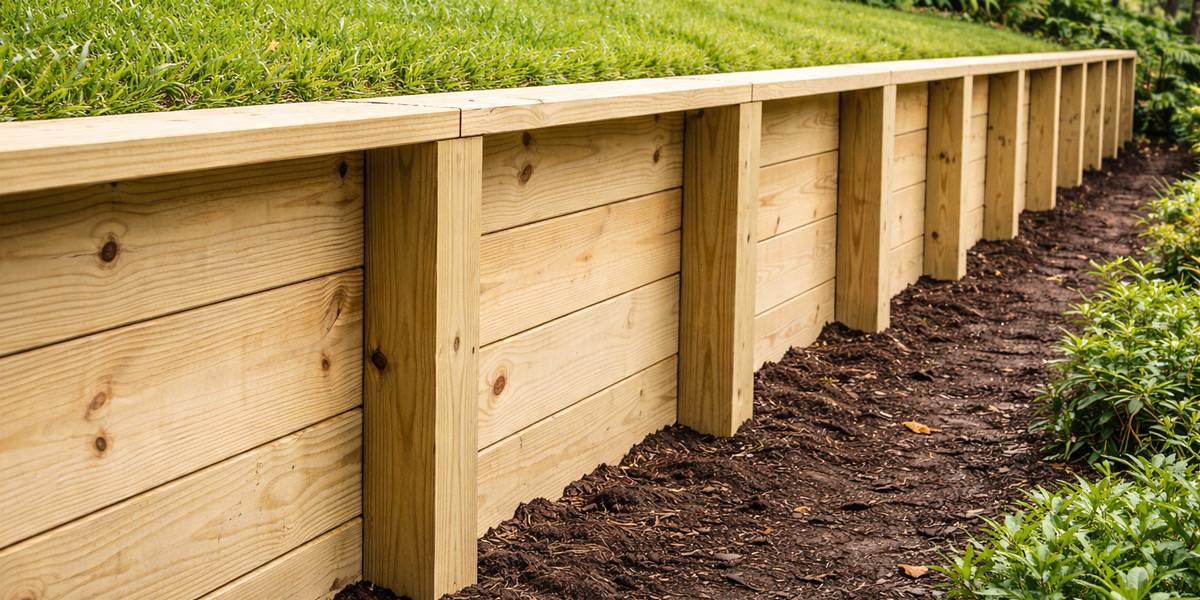
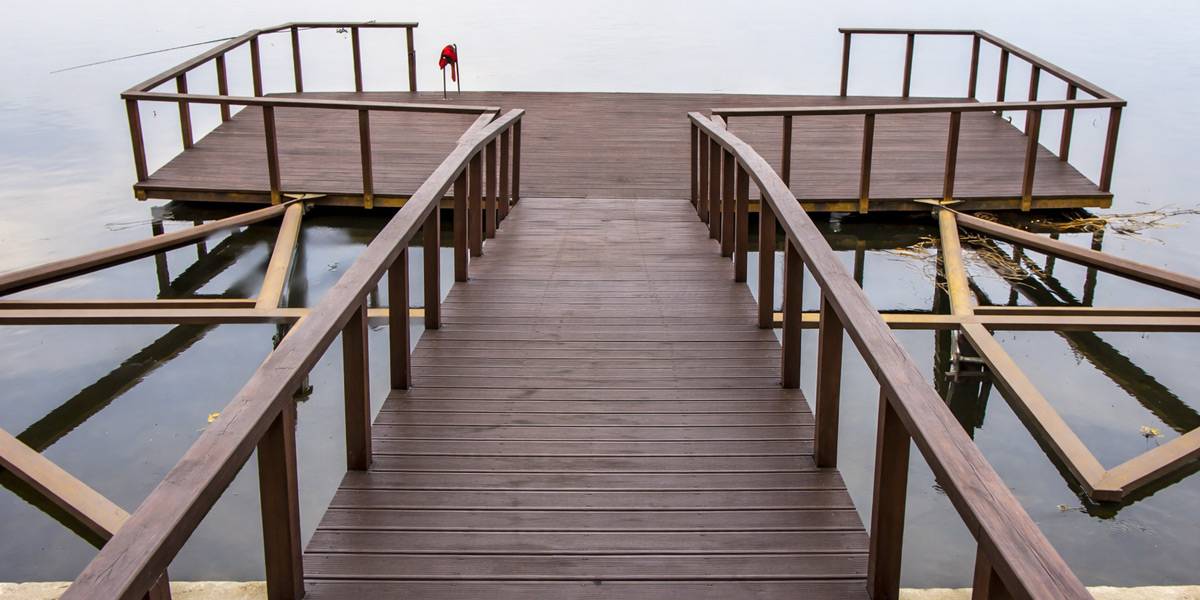
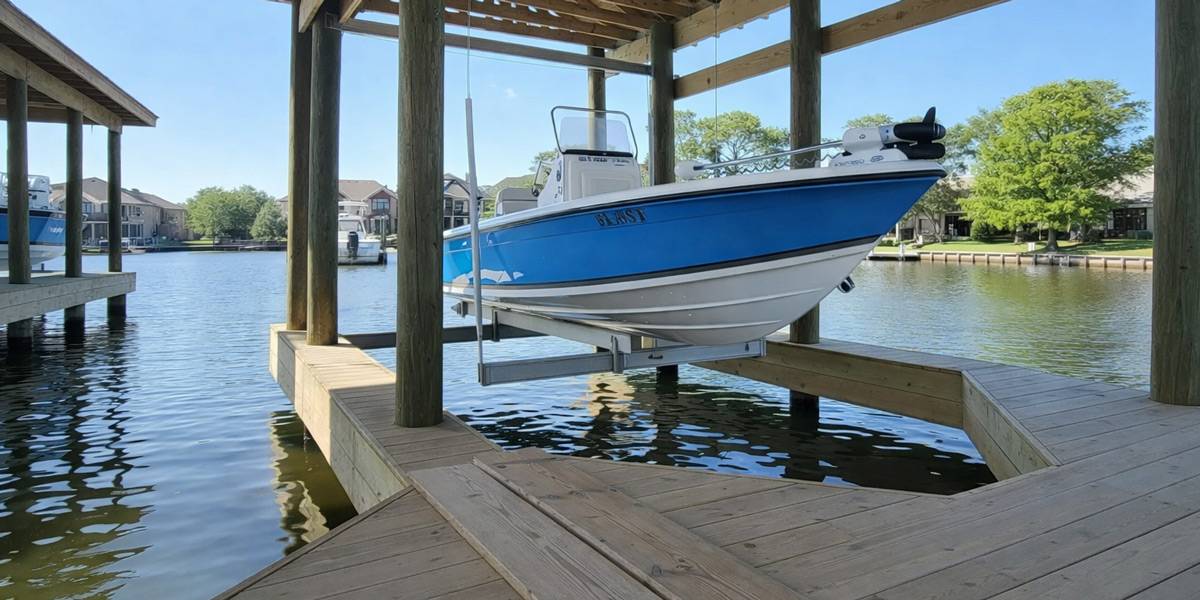
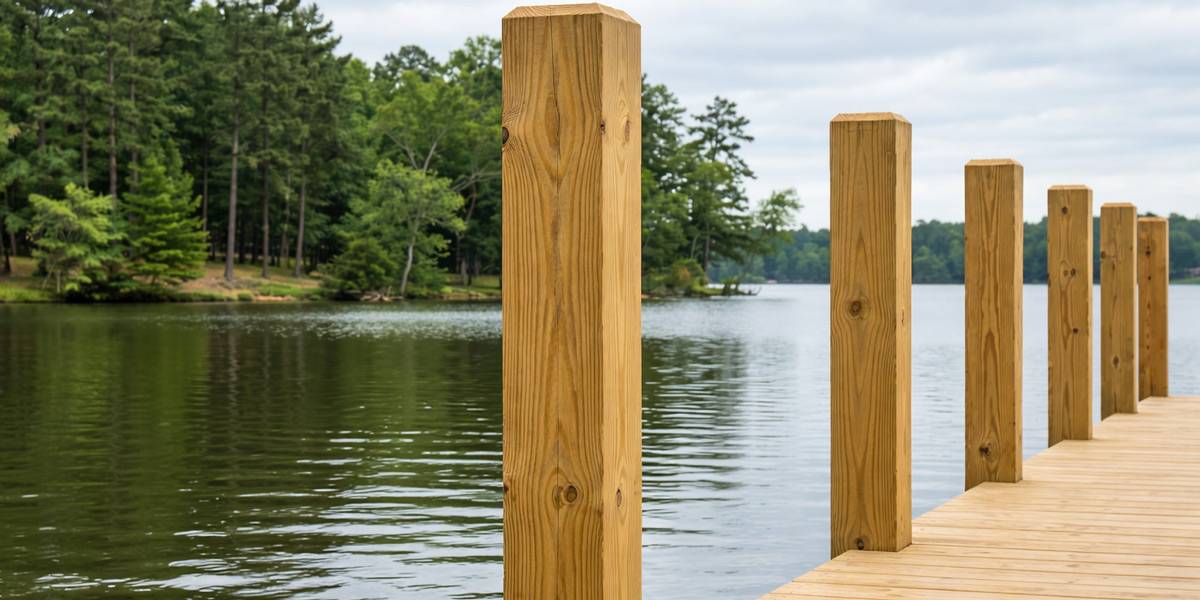
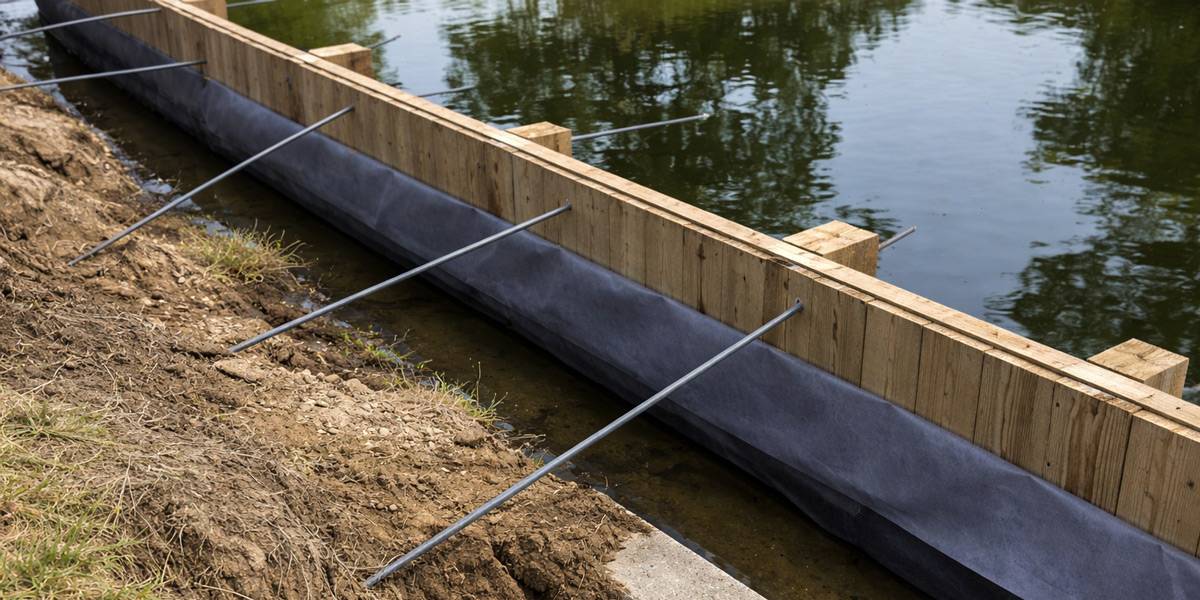
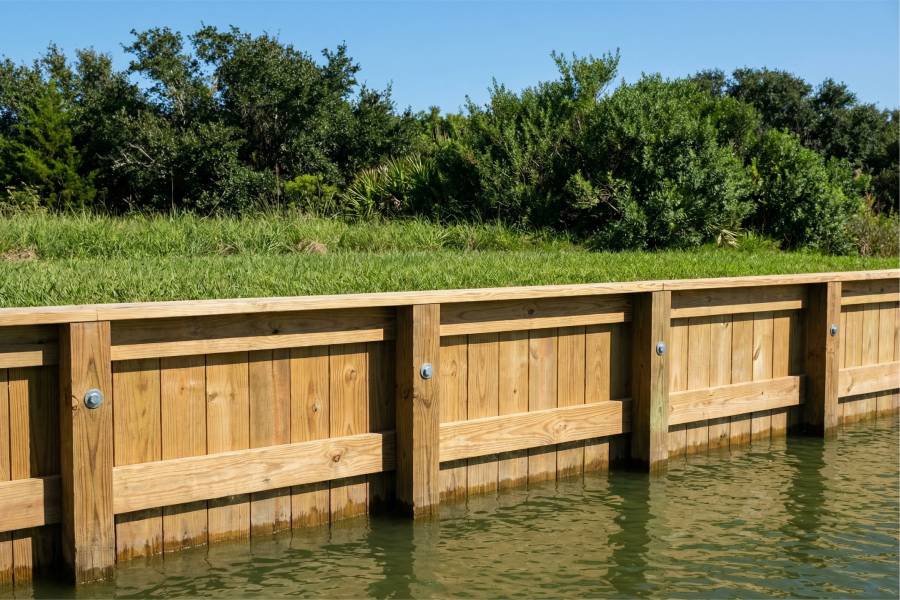
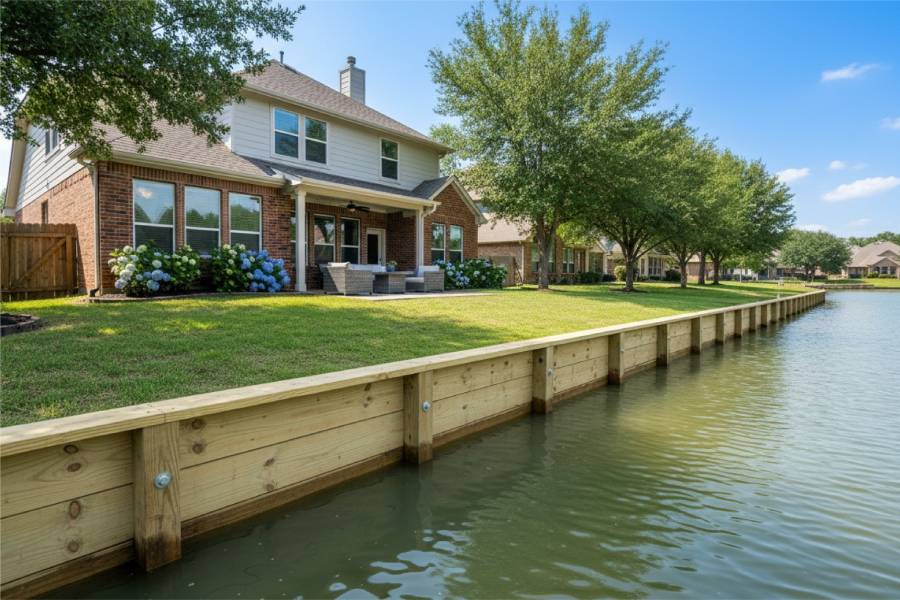
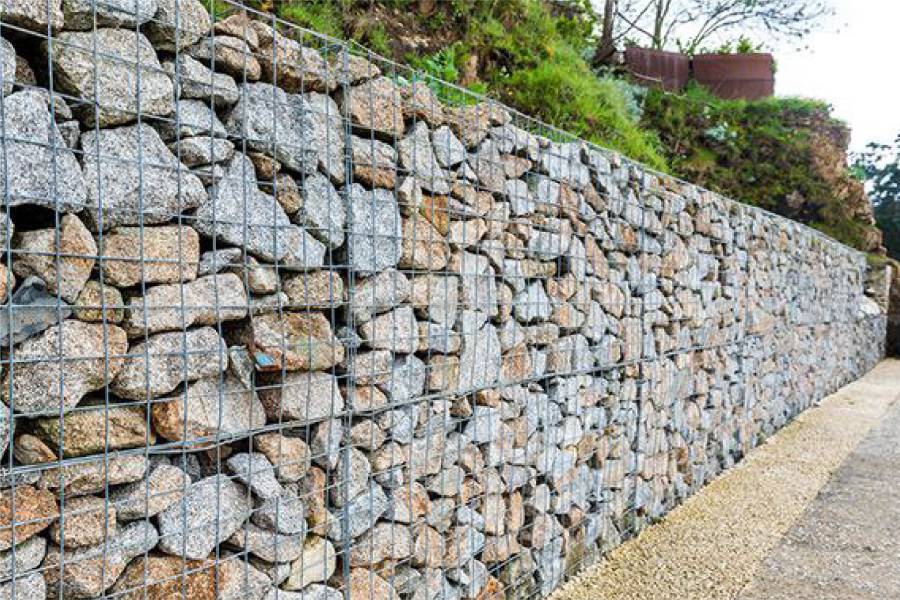
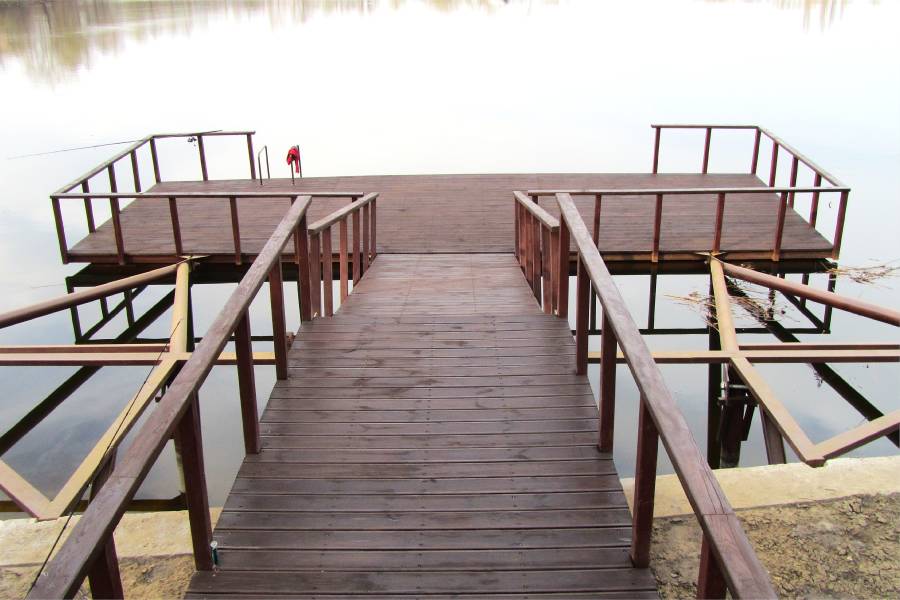
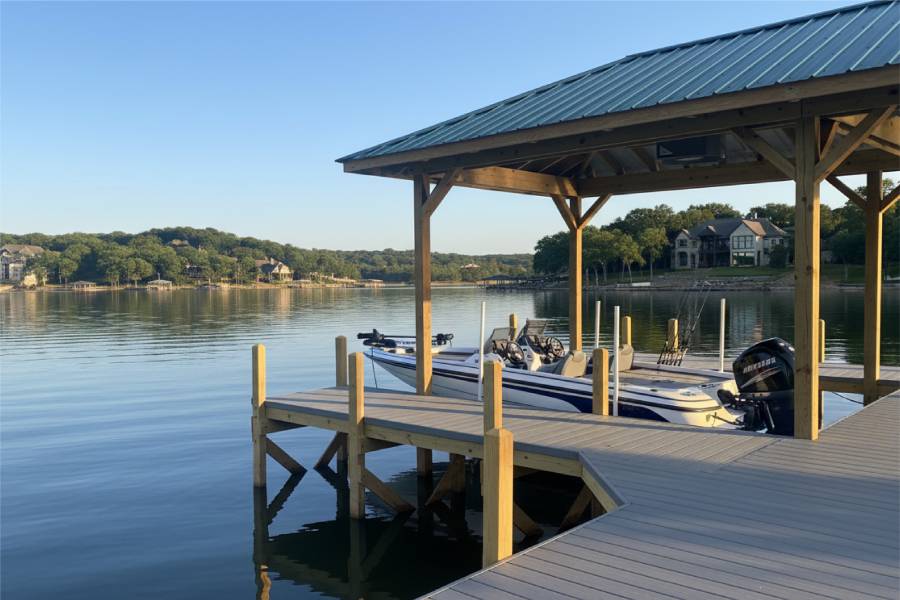
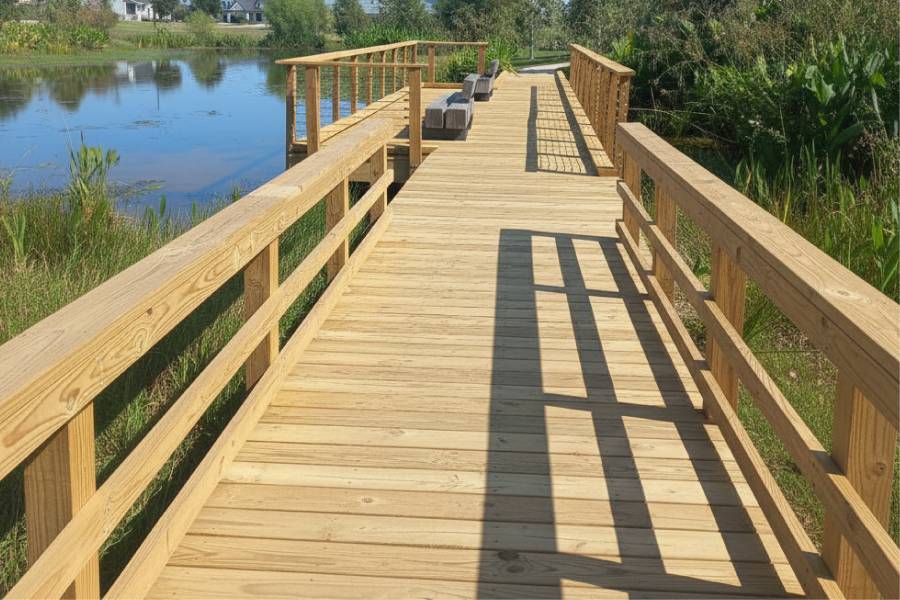
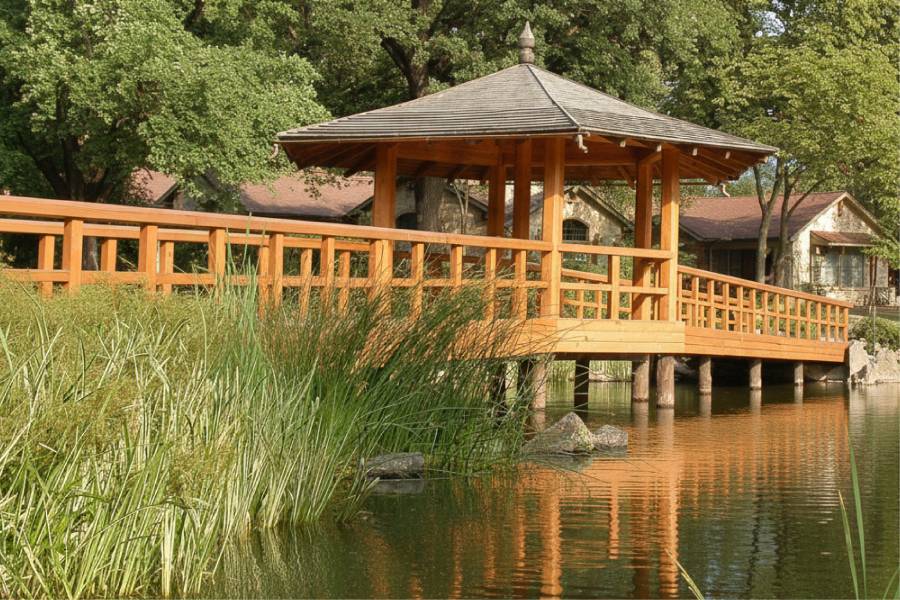
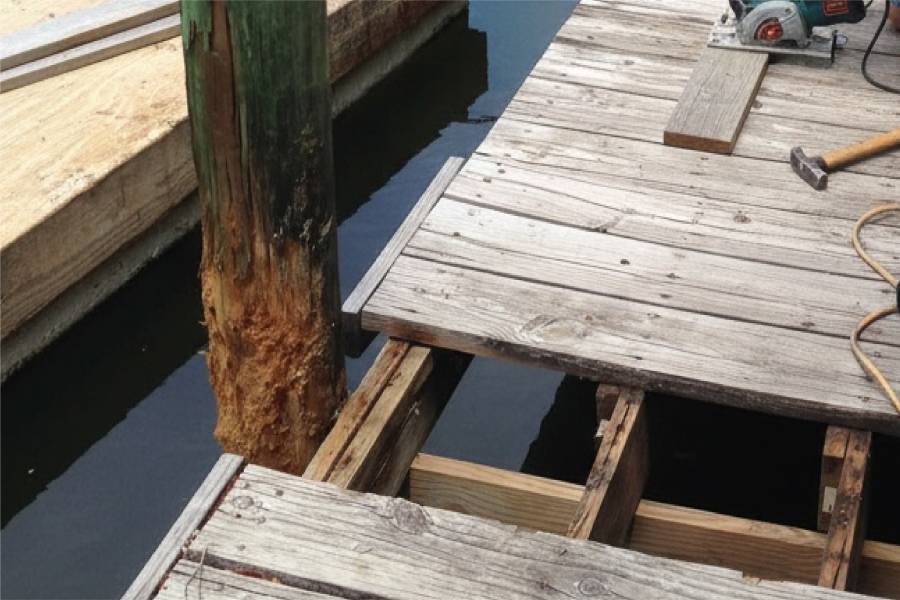
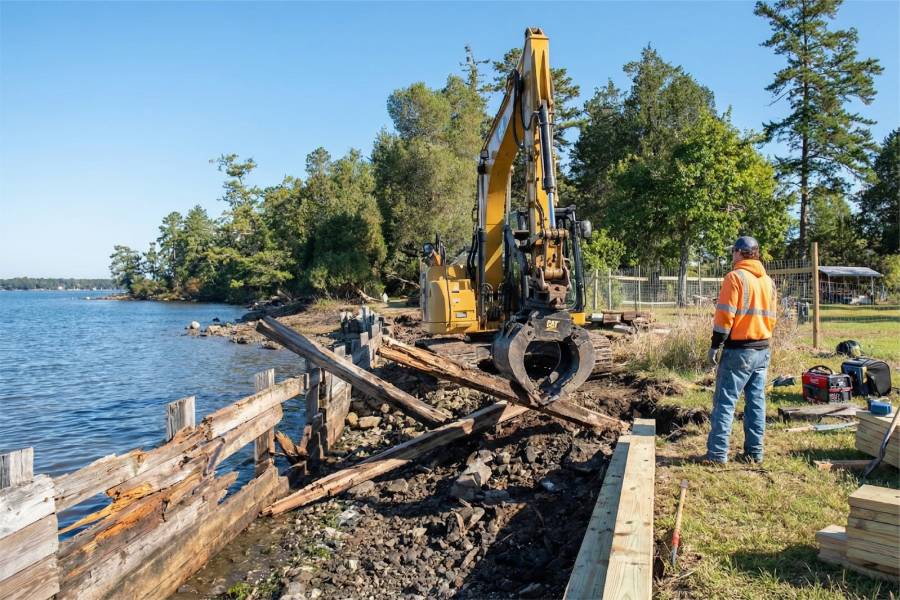
Most of what we build on the lower lake involves Shoreline Construction in Lake Conroe, TX where one bulkhead ties into the next. We replace or cap failing bulkheads and seawalls, add retaining walls, drive pilings, and build docks, boat slips and piers. We also fix structures damaged by storms.
Tell us where your Lake Conroe property is and attach photos. A free preliminary estimate for the site goes back to you by email.