Private waterfront in Waco is mostly riverbank along the Brazos River and the Bosque River. A wall there faces floods that arrive fast and leave a soaked, heavy bank behind, rather than steady wind waves.
Compare materials and starting prices on our seawall services page.
The Waco area sits on Blackland clay, one of the most expansive soils in Texas. After a flood the clay is saturated and pushes hard against the wall; in a dry August it shrinks and cracks. Anchor rods, deadmen and weep holes have to be sized for that swing.
On the river side, current undercuts the footing. A rock apron at the base and a wall driven well below the low-water line keep the seawall standing after the water goes down.
Shore Protect Team LLC builds and repairs seawalls for Brazos and Bosque riverfront properties in McLennan County, from short garden-level walls to full-height bank walls.
Contact us for a free preliminary assessment. Photos of the bank at normal water and after a rise, if you have them, help us size the wall.


labor and materials
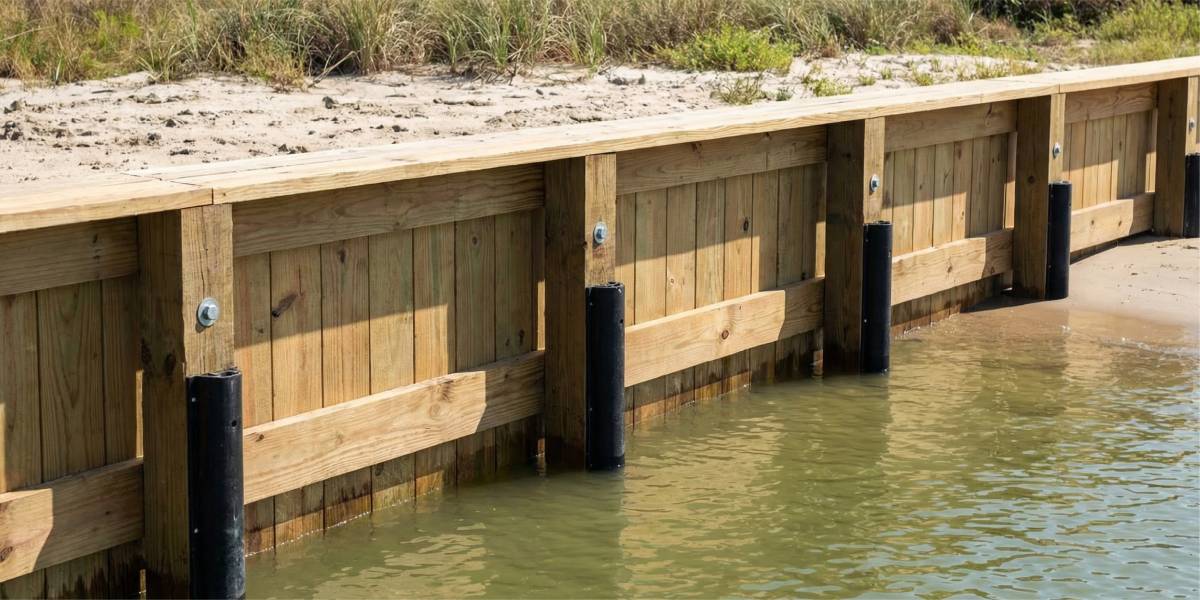
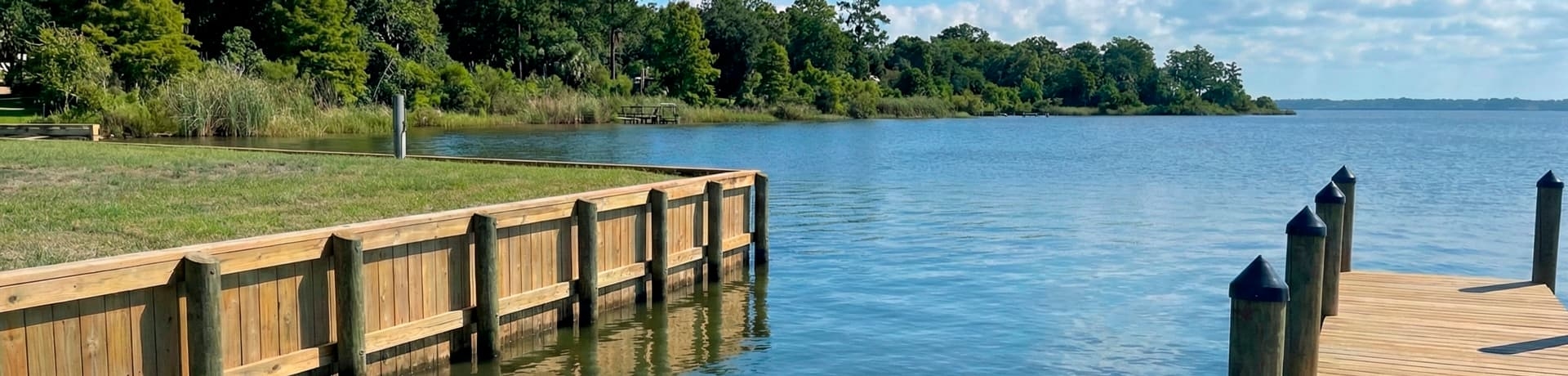
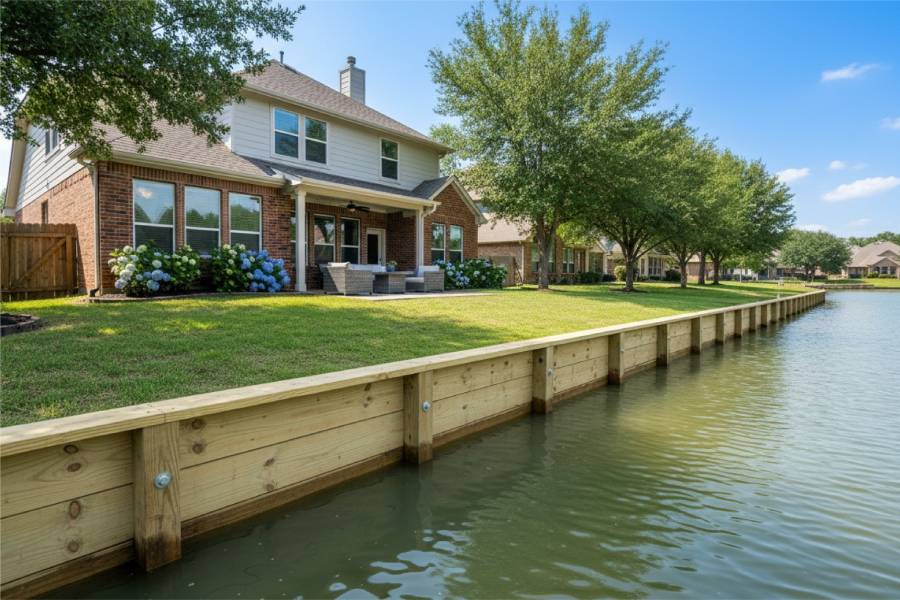
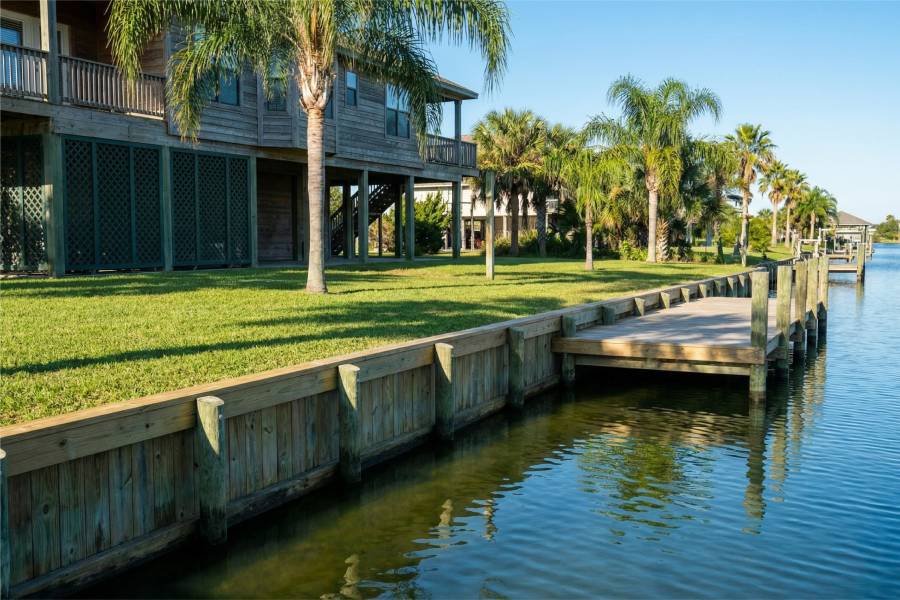
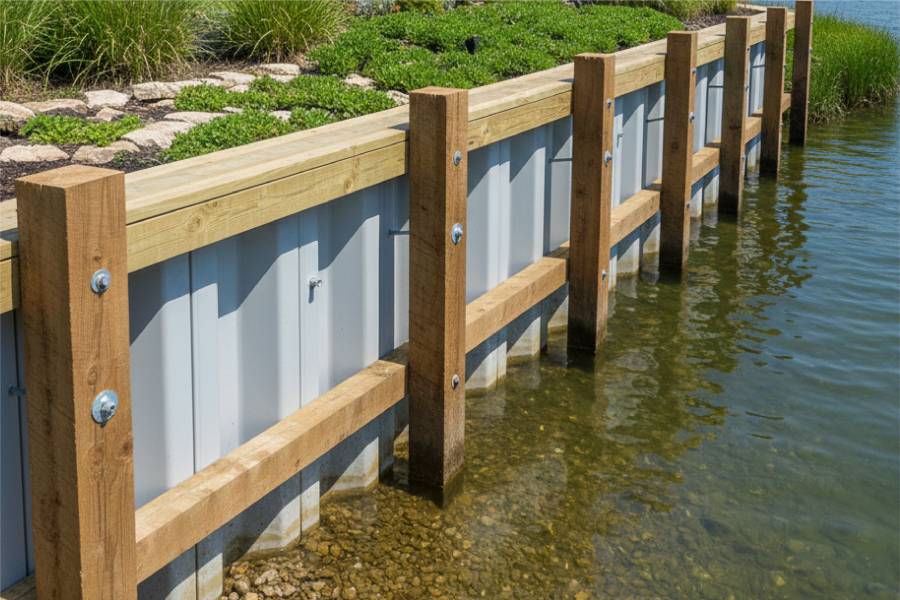
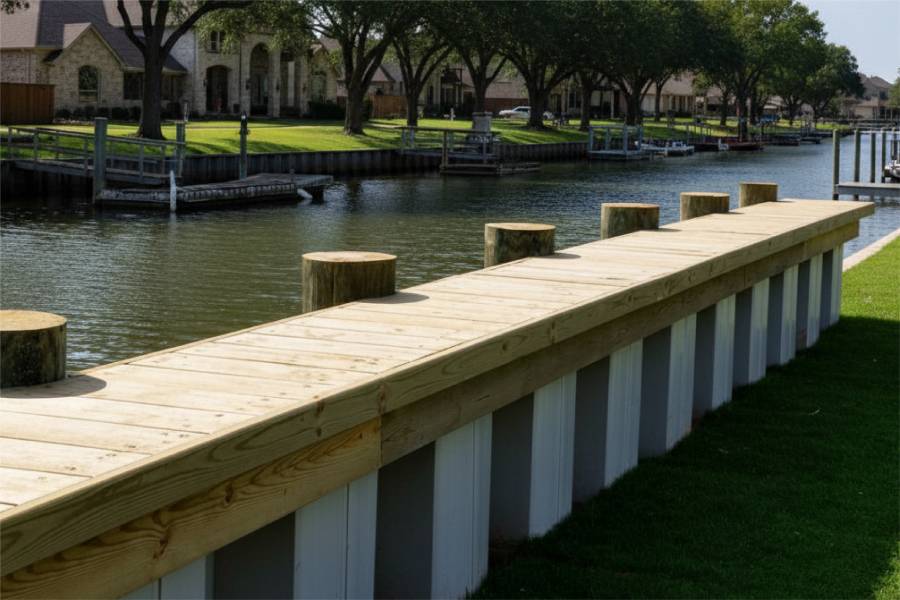
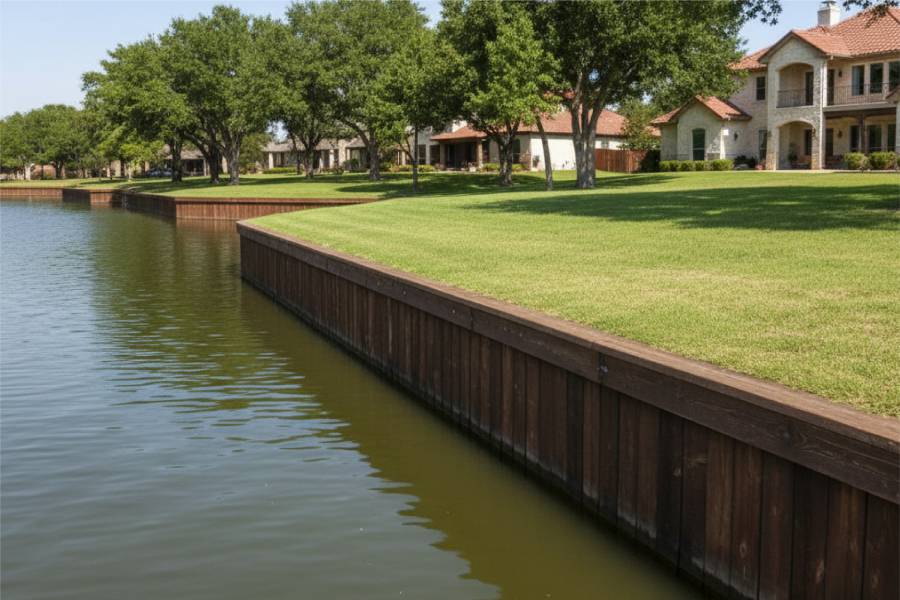
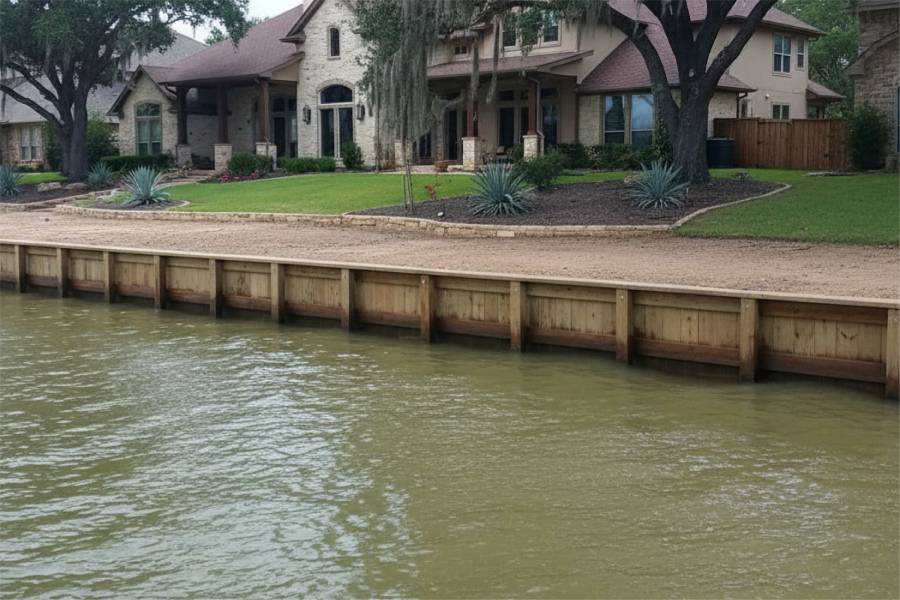
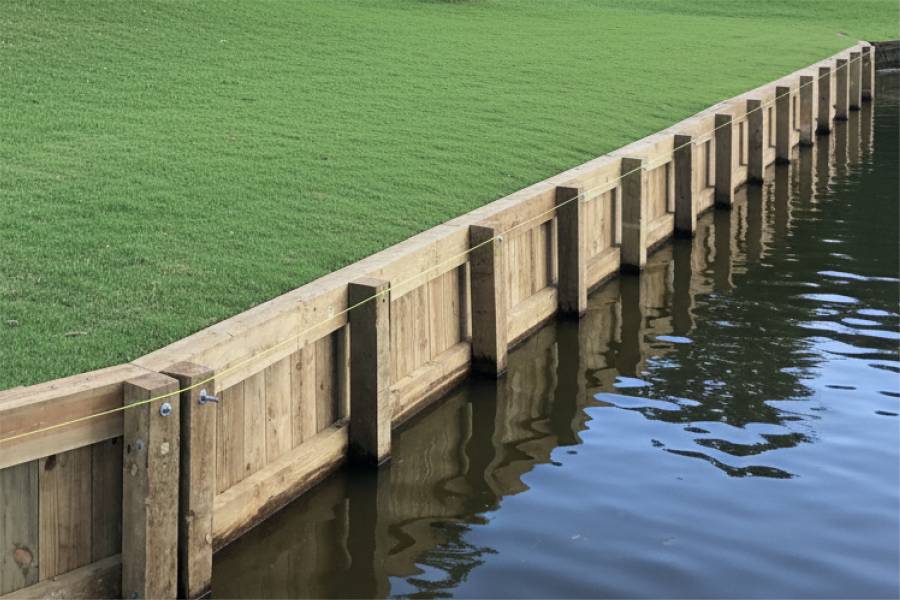
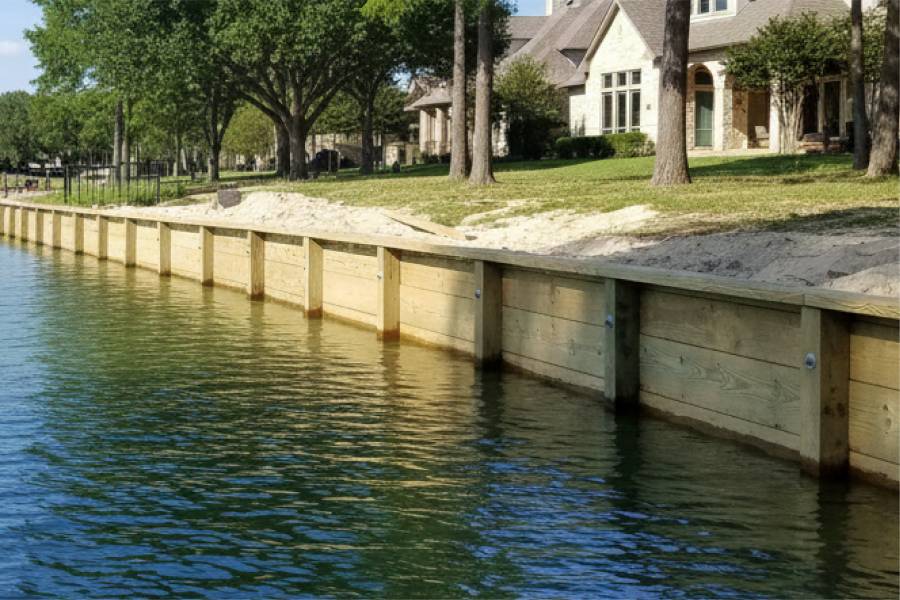
Wood seawalls for low banks on quieter stretches of the Bosque and Brazos in Waco, where flood current is moderate and the budget favors timber.

labor and materials
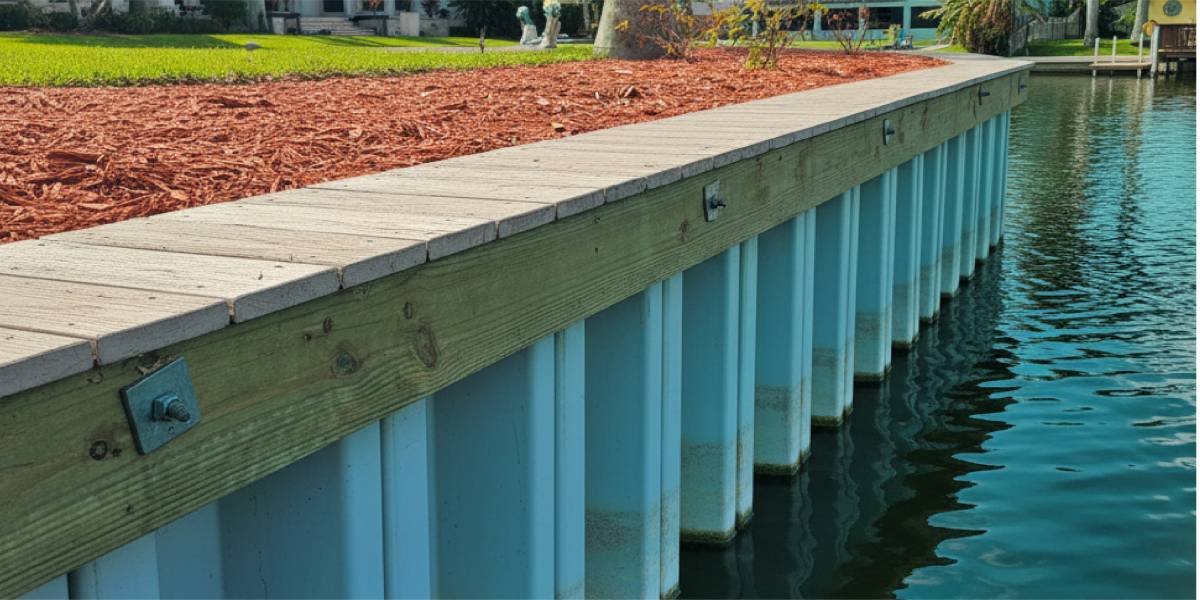
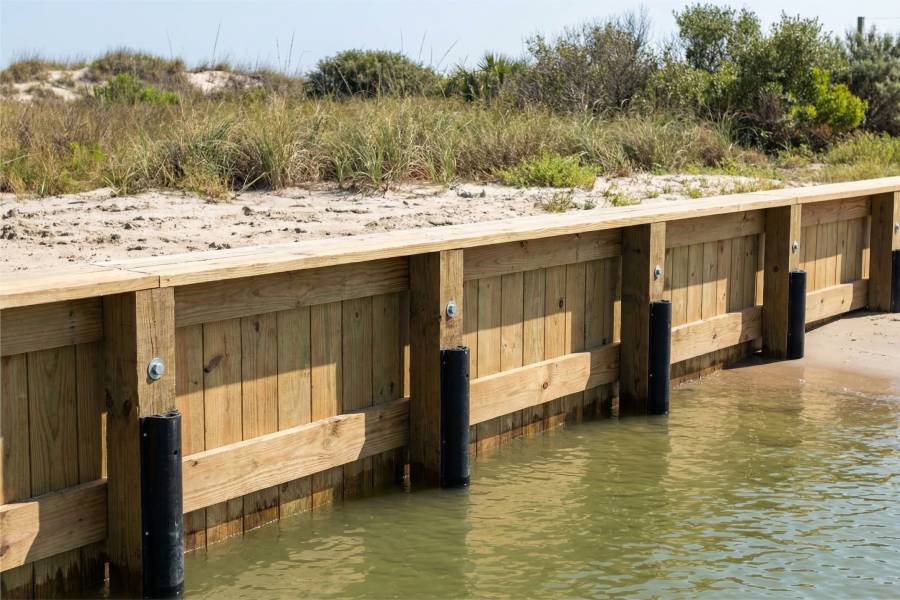
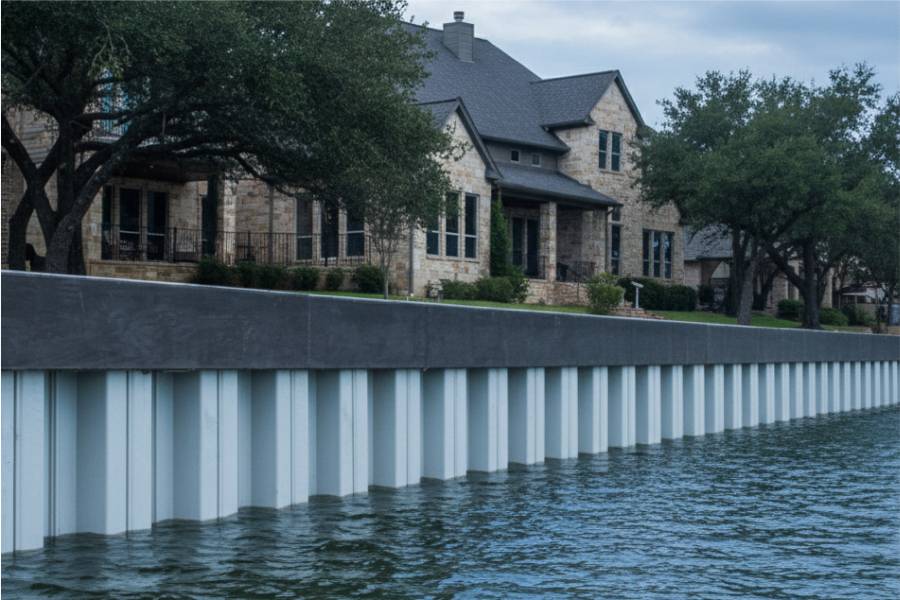
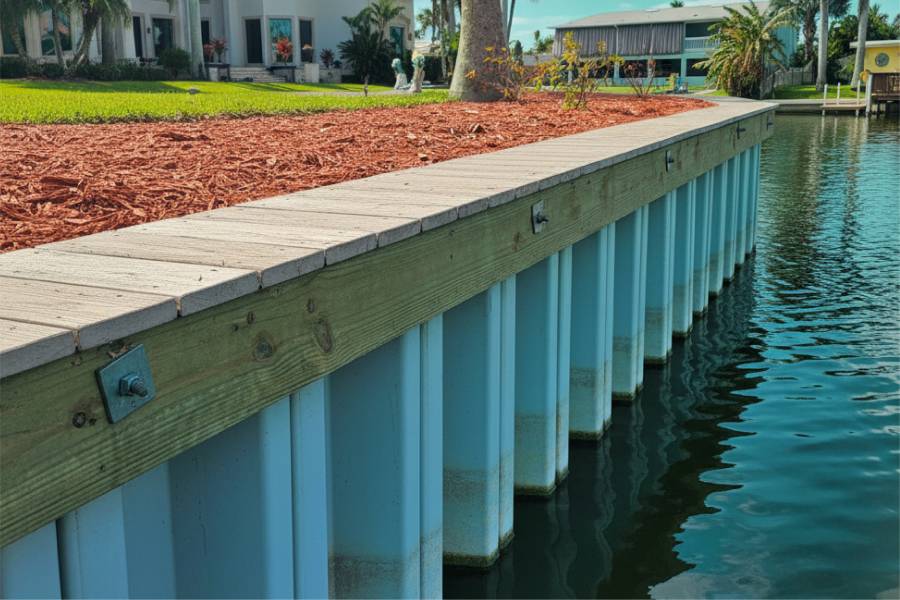
Vinyl seawalls for Waco riverfront lots: they do not rot, flex a little with moving clay and drain through weep holes, which suits the expansive Blackland soil of McLennan County.

labor and materials
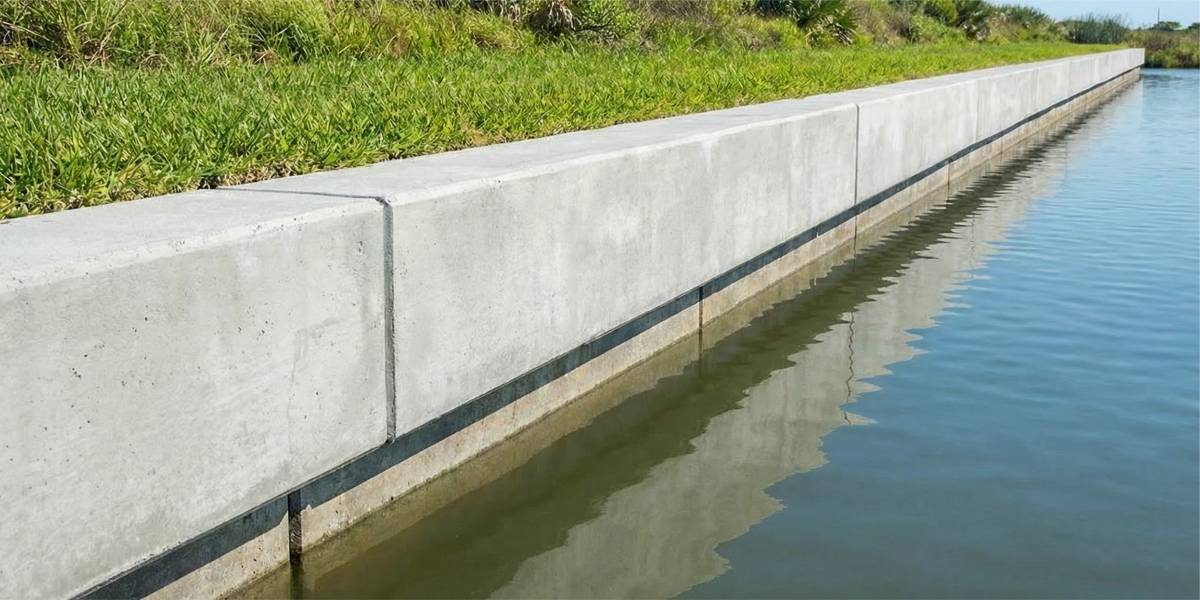
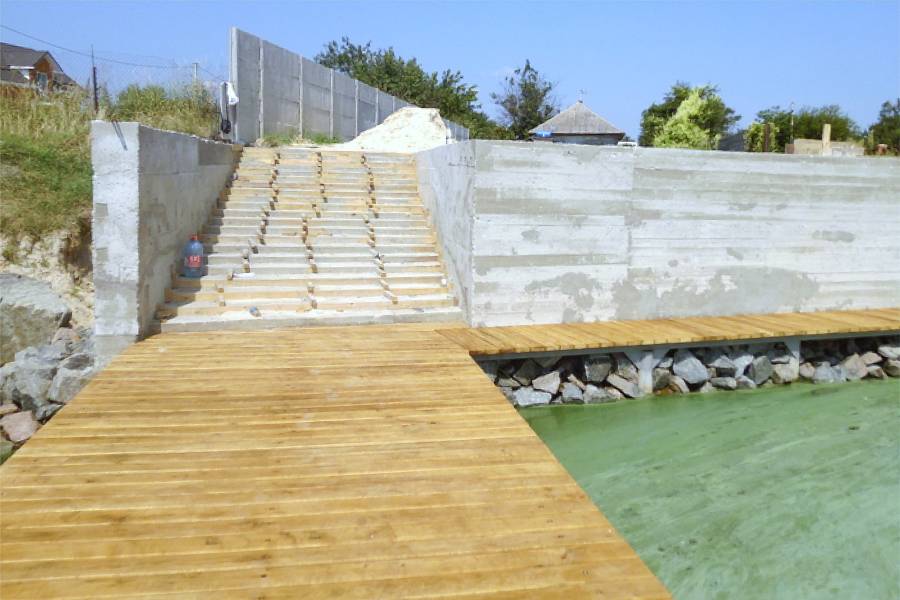
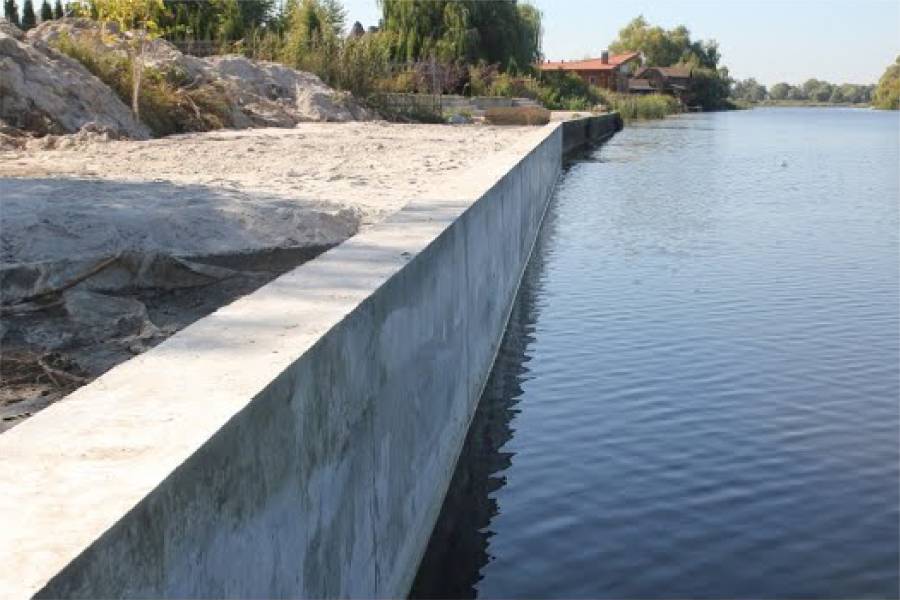
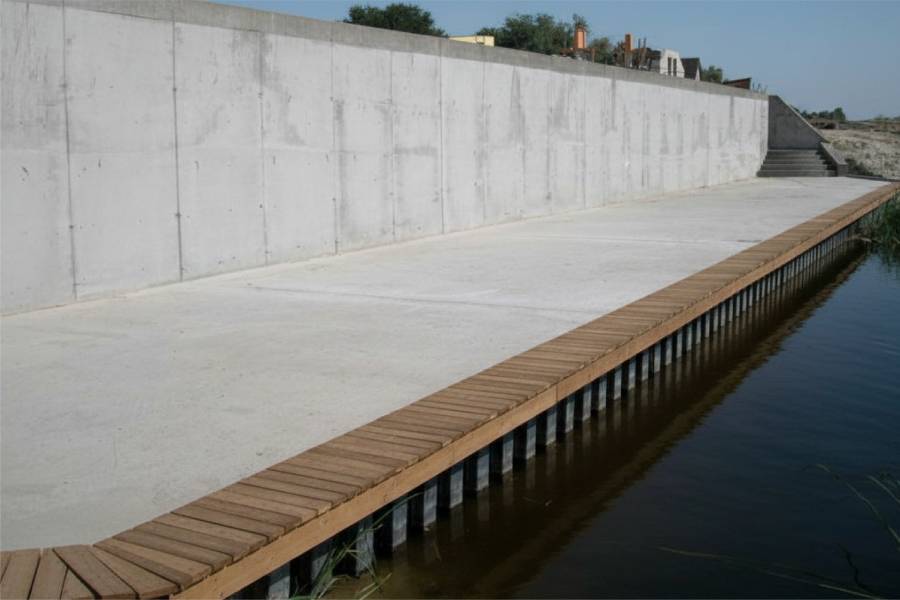
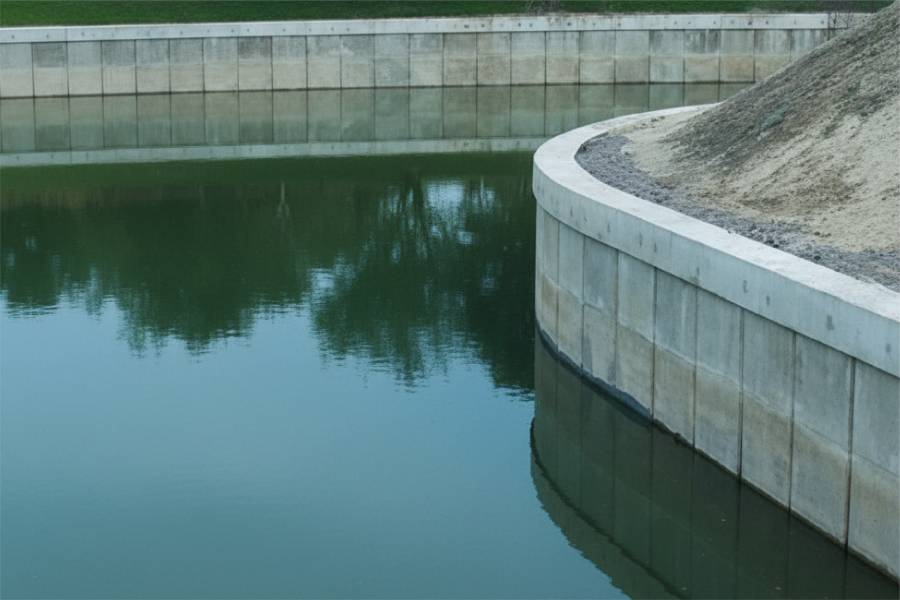
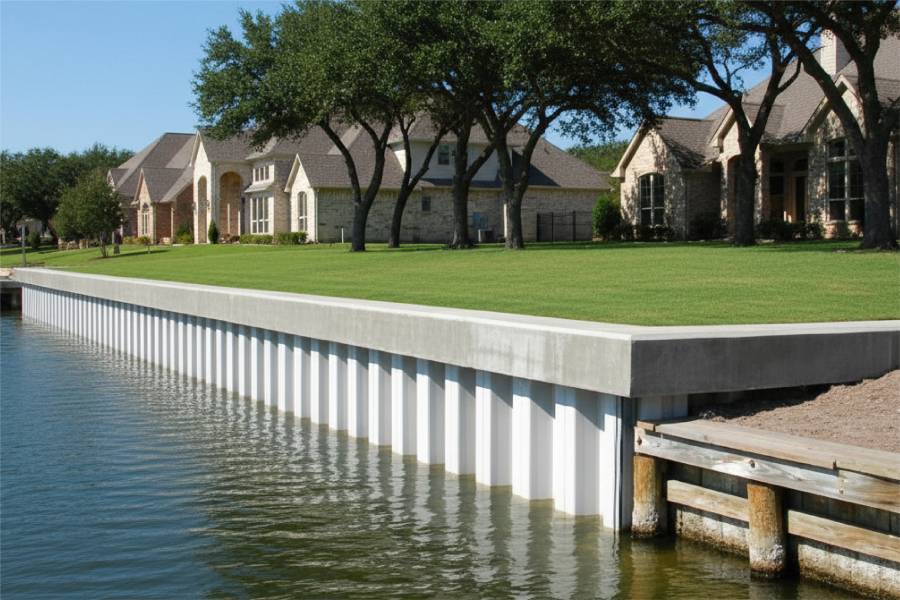
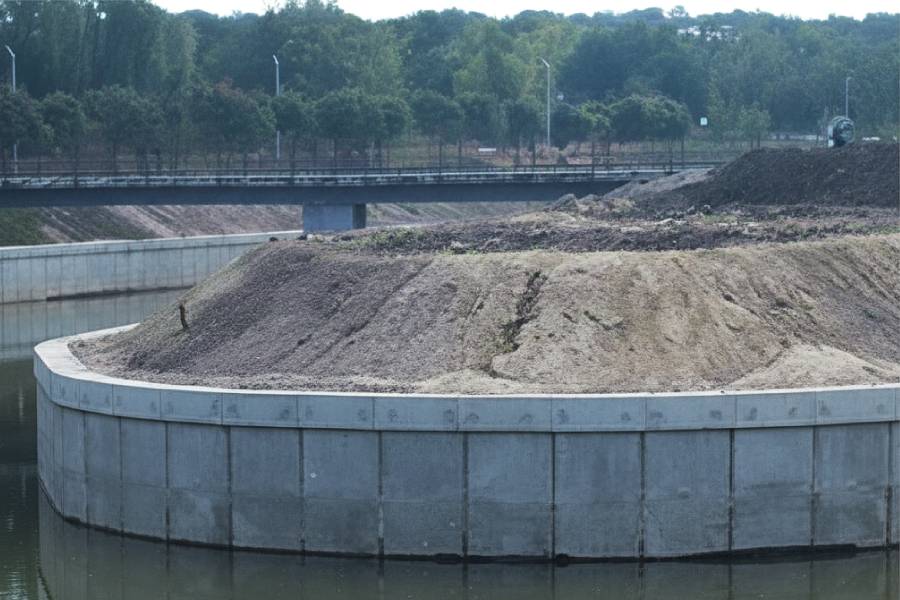
Concrete seawalls for tall Brazos River banks in Waco, where flood current and heavy wet clay call for maximum strength and a deep footing.

labor and materials
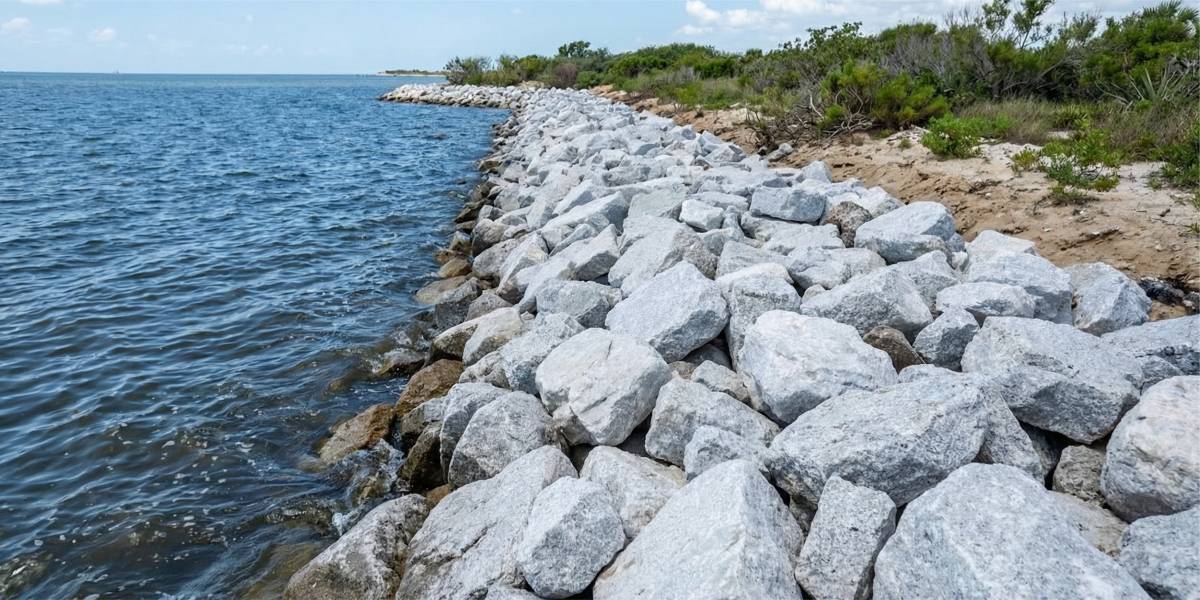
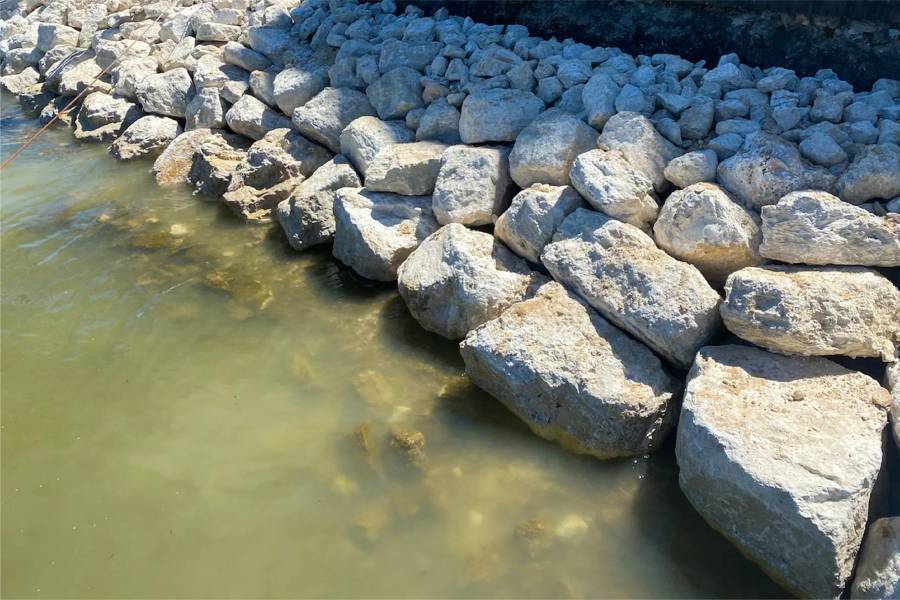
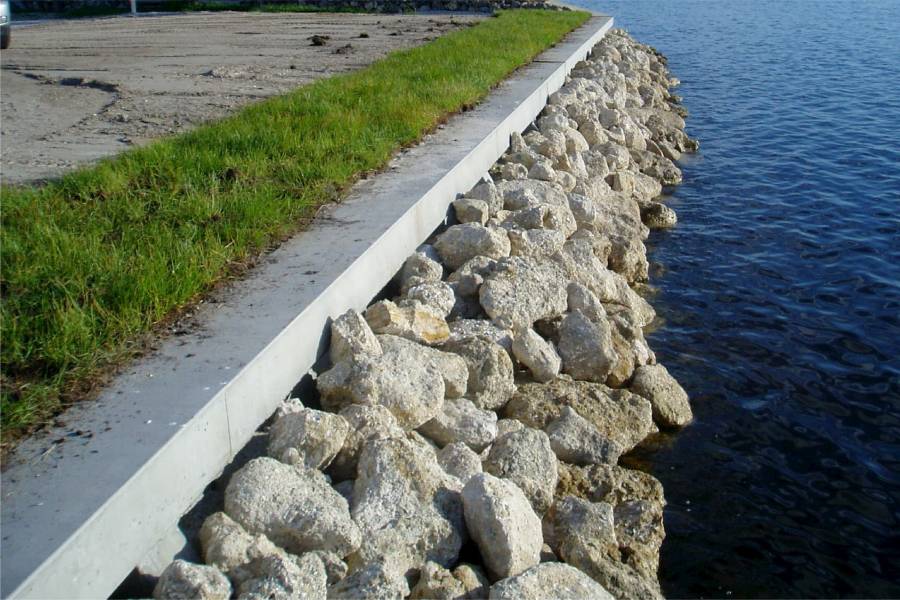
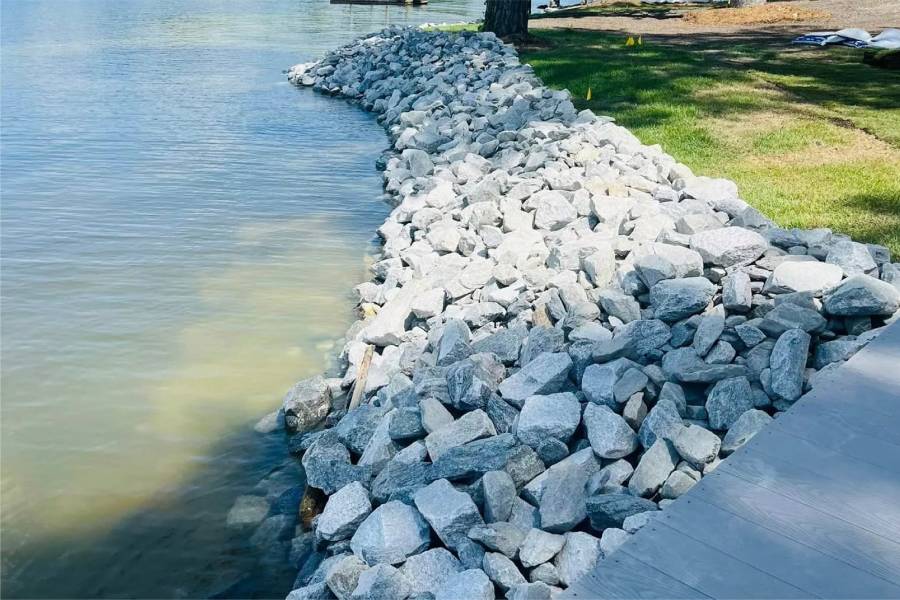
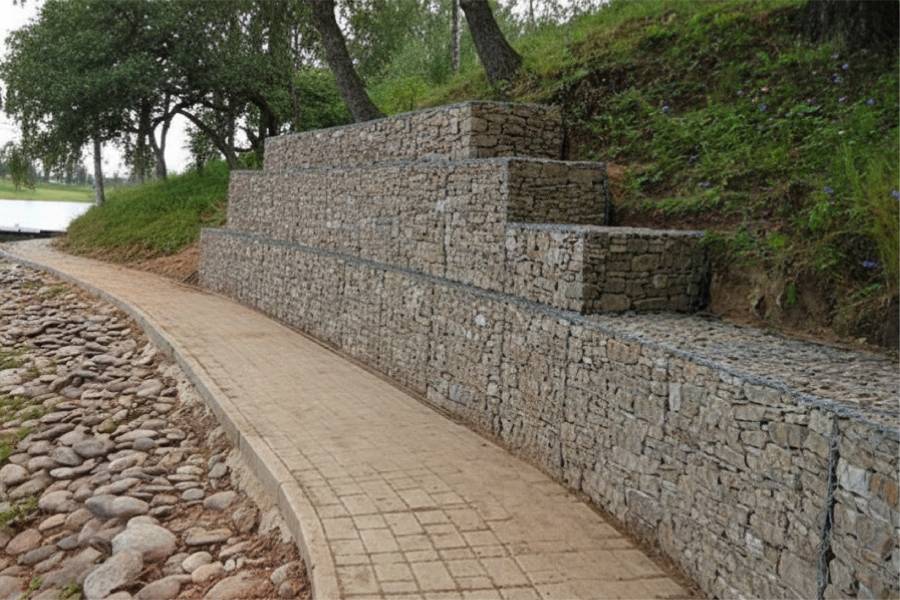
Stone seawalls and boulder revetments for Waco riverbanks where limestone is at hand and a sloped, rough face slows flood current better than a smooth wall.

labor and materials
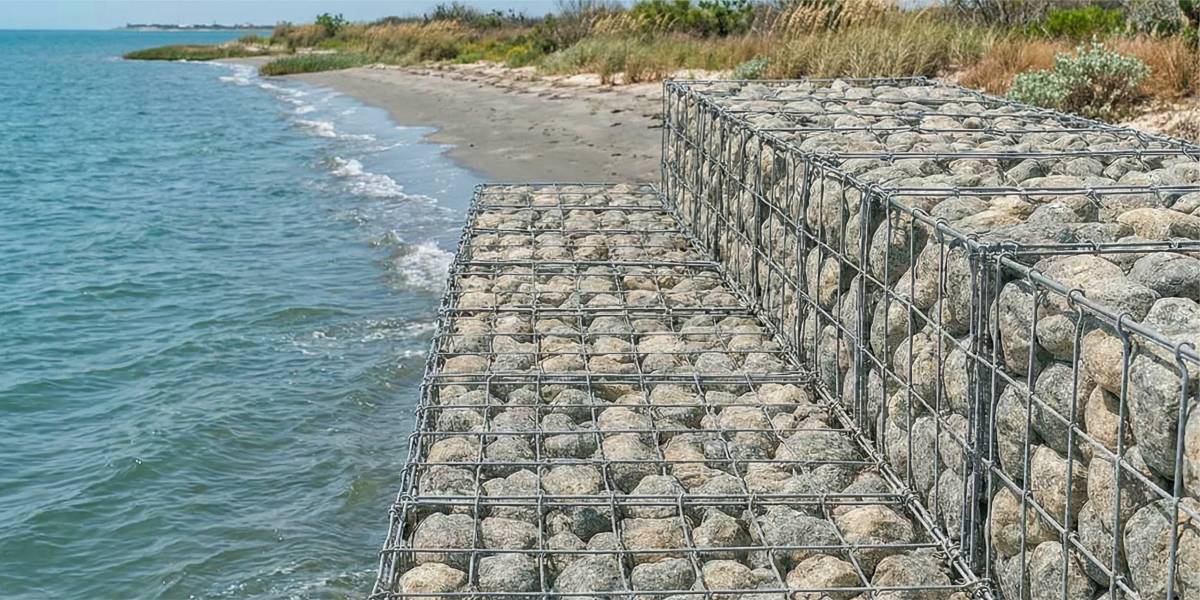
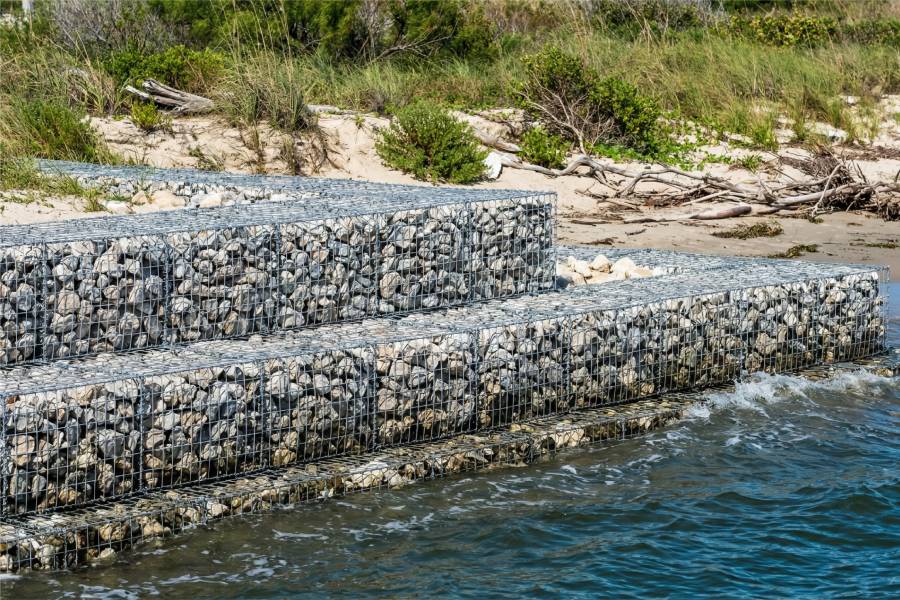
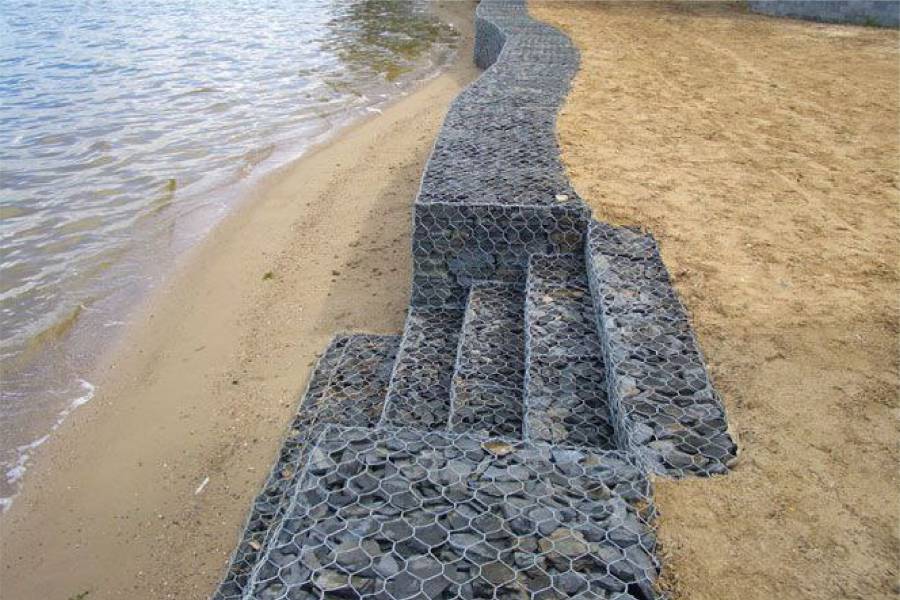
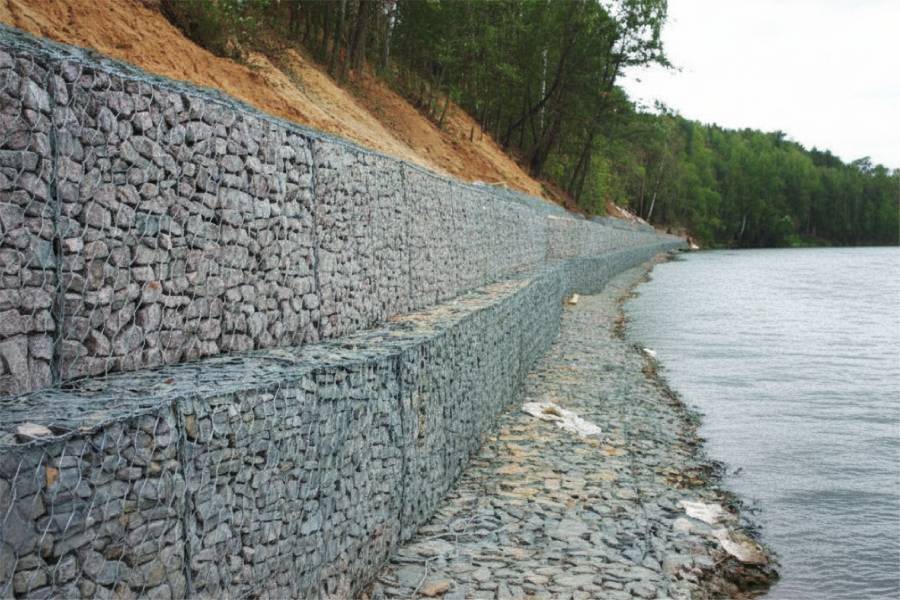
Gabion seawalls for Waco banks with soft or shifting clay. Wire baskets bend instead of cracking and let water drain through after a flood.

labor and materials
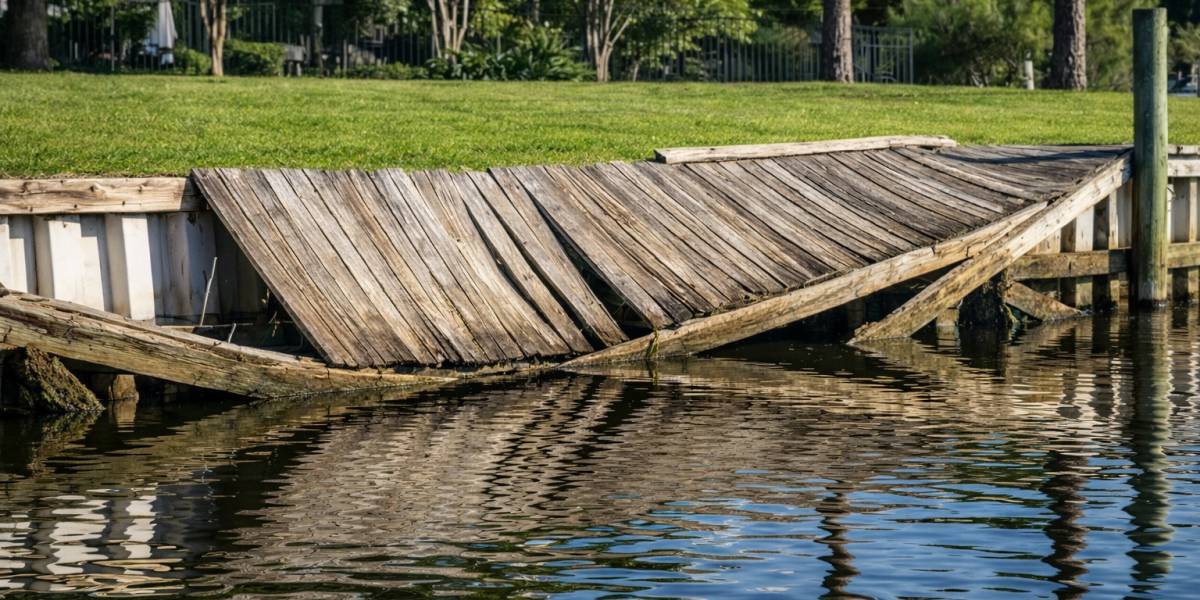
Seawall repair in Waco: undermined footings after high water, leaning walls pushed by wet clay, failed anchors, cracked caps and soil washed out from behind the wall.

Seawalls on the Brazos and Bosque deal with flood current, floating debris and Blackland clay that swells and shrinks with moisture. Current scours the base of the wall, and wet clay pushes on it from behind. We plan toe protection, drainage and anchoring for both.
Vinyl and concrete are the common choices for riverbank lots. Vinyl does not rot and needs little upkeep; concrete suits tall banks and heavy soil pressure. Stone and gabions work where a sloped, permeable face fits the bank better than a vertical wall.