In Houston a seawall usually protects a bayou bank or a lot near the Houston Ship Channel. Bayous such as Buffalo and Brays rise fast in heavy rain, while properties along the channel take steady wake from large vessels.
Compare materials and starting prices on our seawall construction and repair page.
The bigger challenge is underground. Houston clay moves with moisture, and weeks of flood saturation followed by drying can loosen anchors and tilt walls. Fill soil in older neighborhoods can also hide debris that complicates piling work.
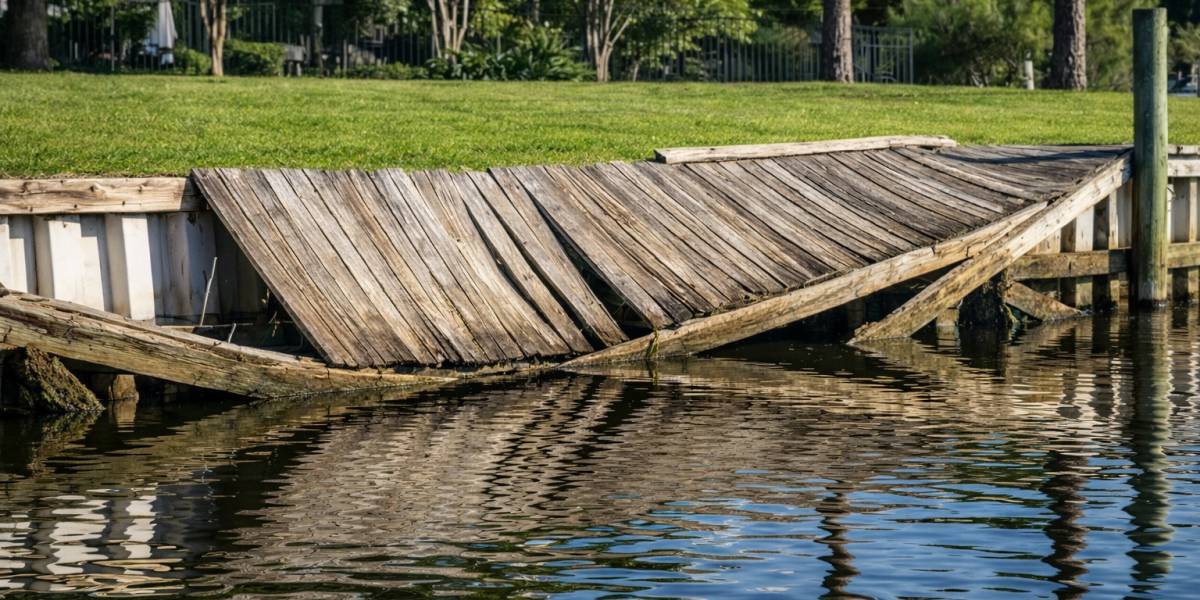
A failing seawall in Houston usually shows the same signs: cracks in the cap, gaps between panels, soil loss behind the wall and a slight lean toward the water. After a flood, these can appear quickly, so it is worth checking the wall once the water goes down.
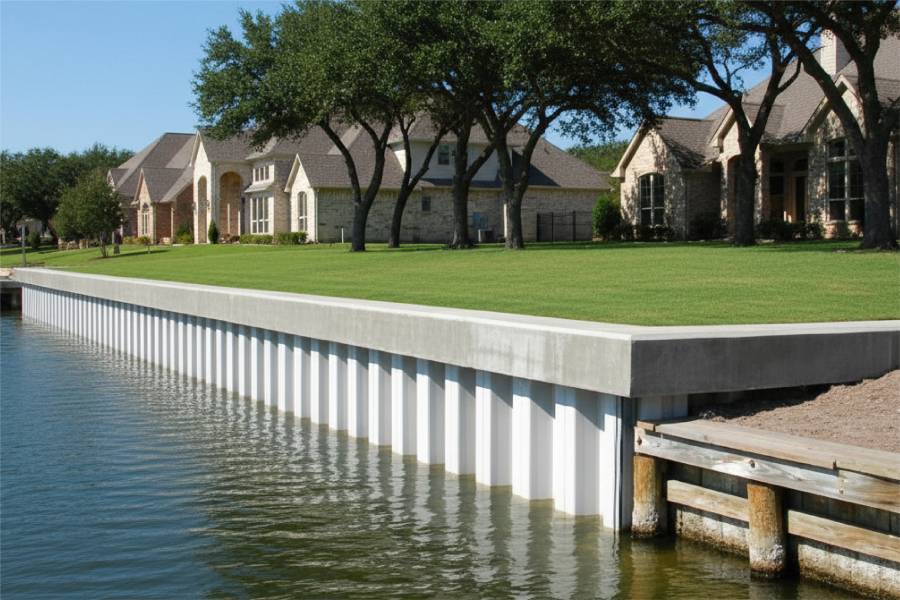
For bayou sites we often recommend vinyl or concrete walls with weep holes and filter fabric so water can drain without carrying soil. On the Ship Channel side, heavier concrete walls with deep embedment and strong anchors stand up better to the steady wake.
Houston seawall work often starts with a repair assessment: is the wall worth saving, or is replacement cheaper over time? We give you both options when both make sense, with a clear list of what each includes.
For new walls, the main cost factors are length, height, material and access. Removing an old wall, hauling debris and restoring the yard are listed separately so you can see where the money goes.
Shore Protect Team designs Houston seawalls with drainage and anchoring for these soils and repairs walls that have shifted after floods. Send photos for a free first look.


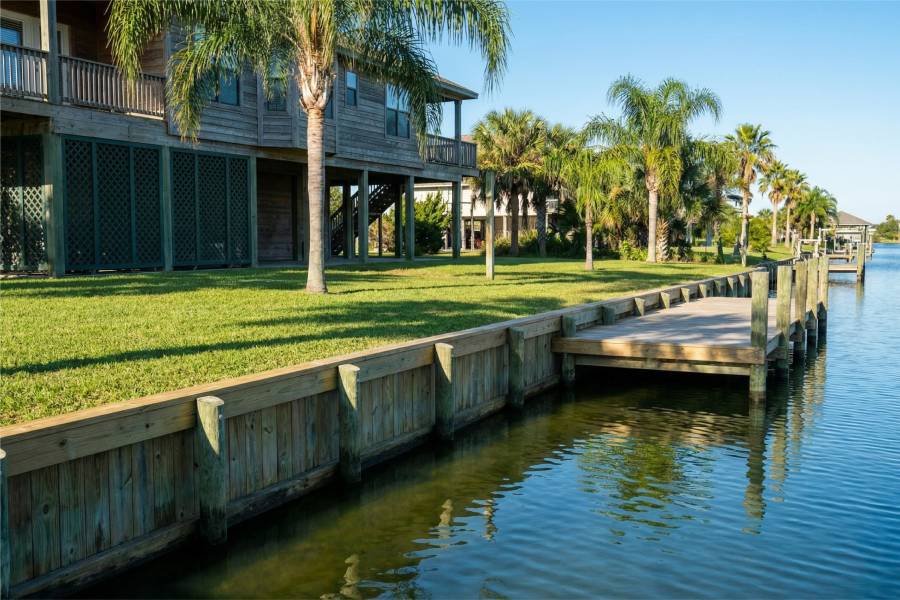
labor and materials
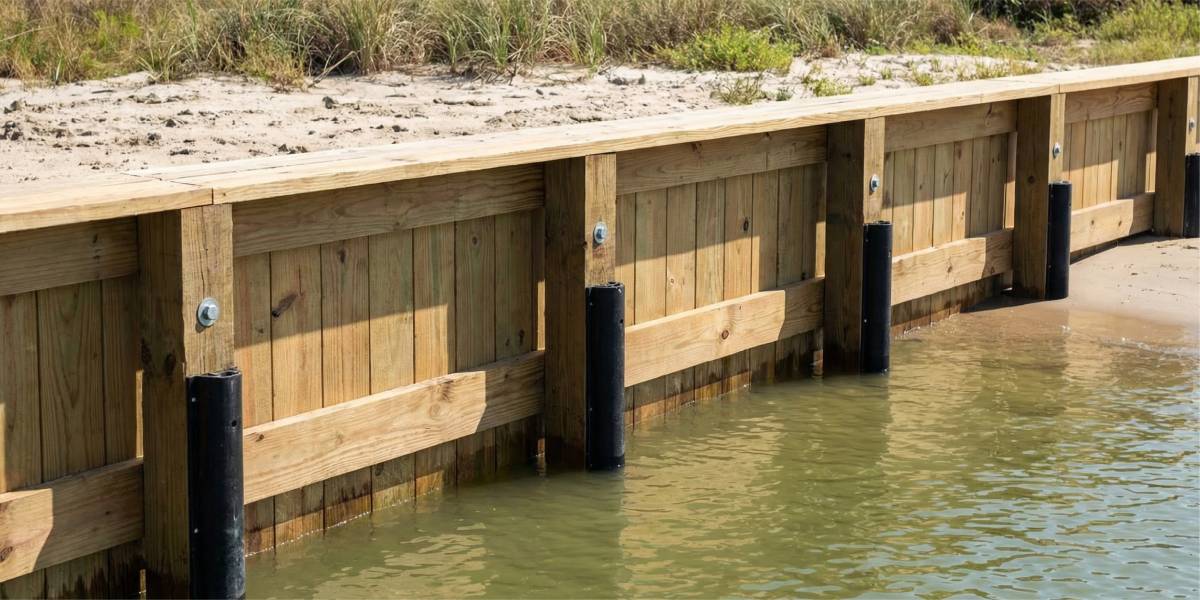
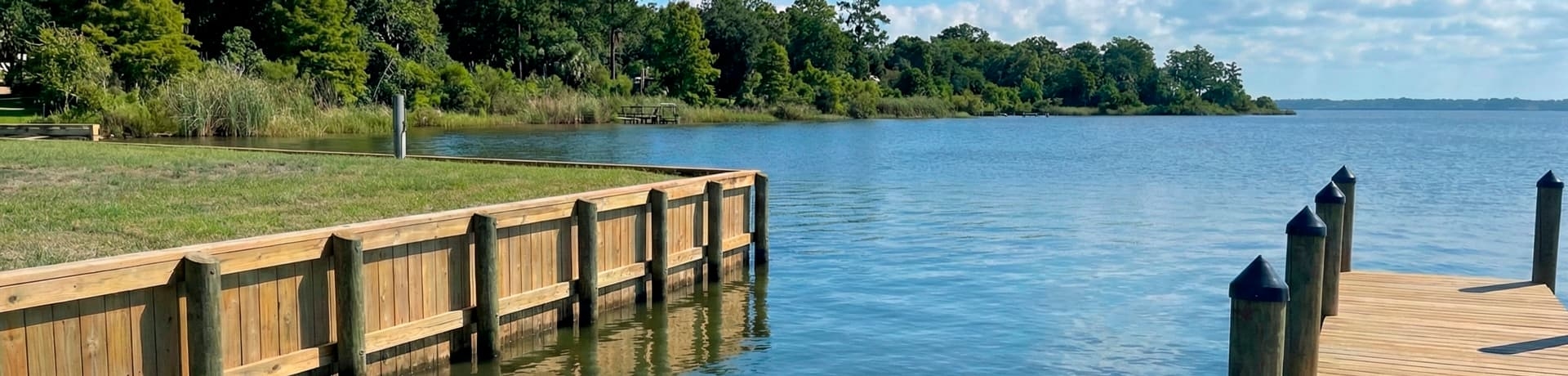
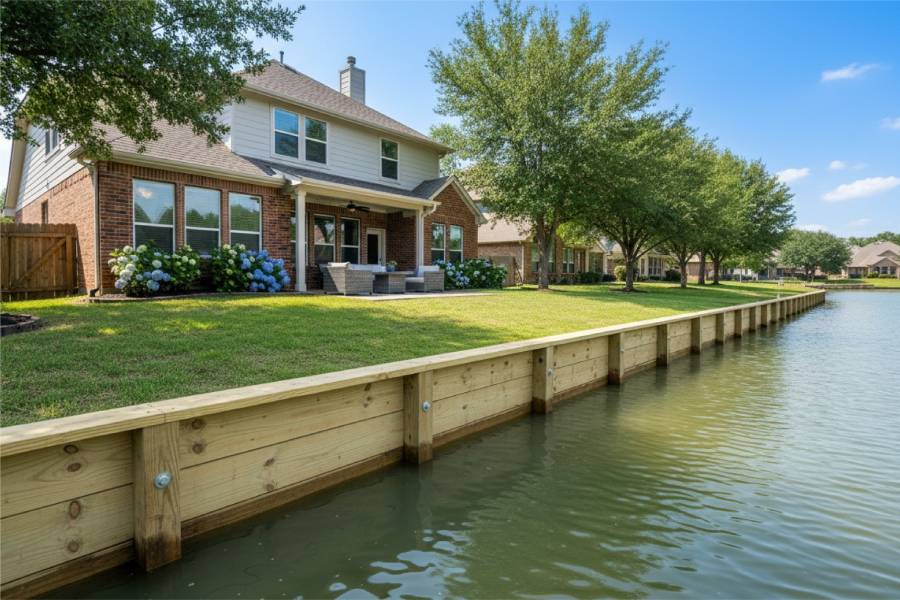
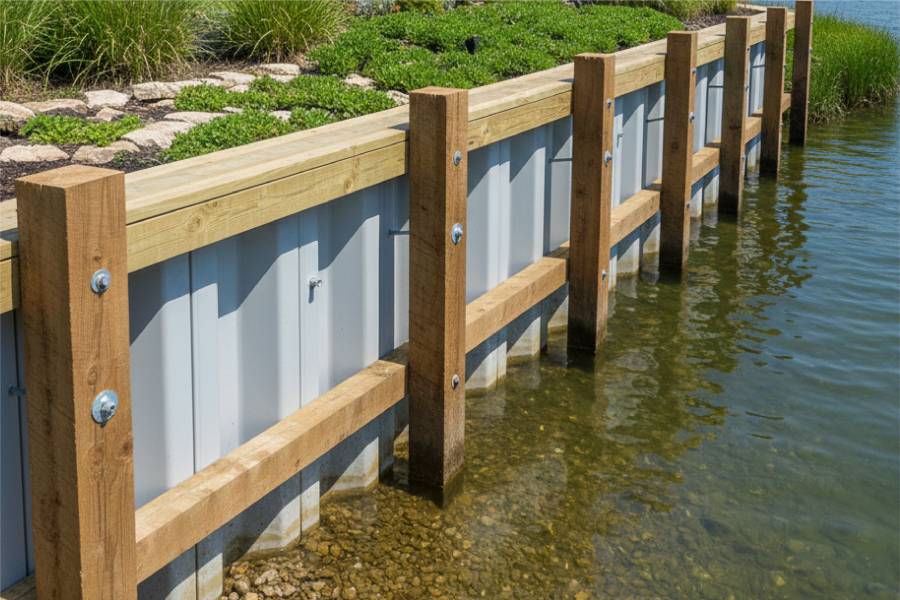
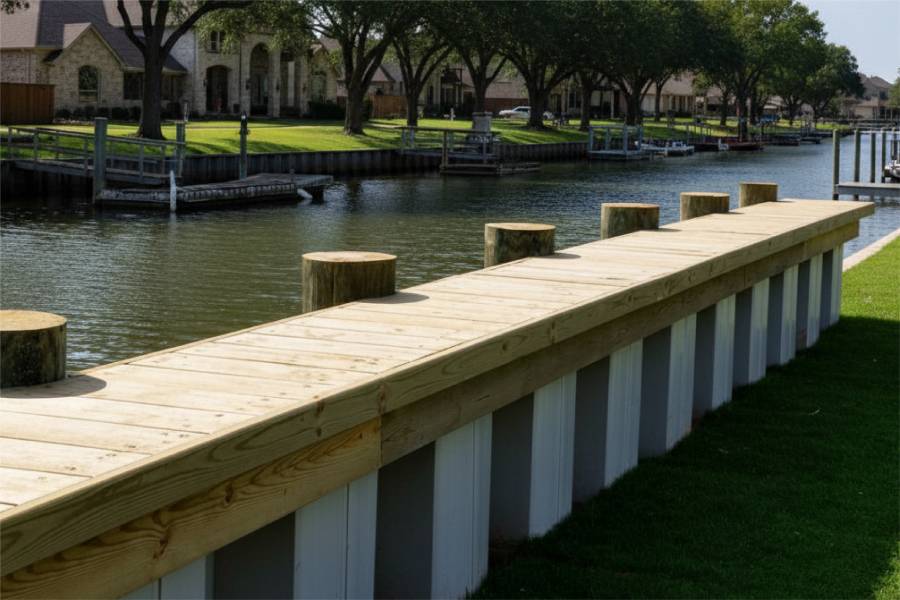
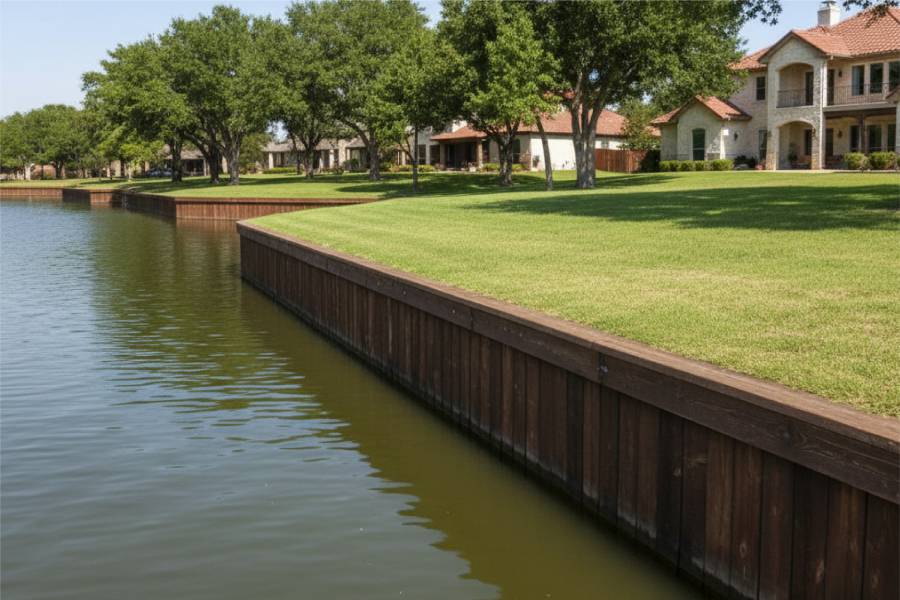
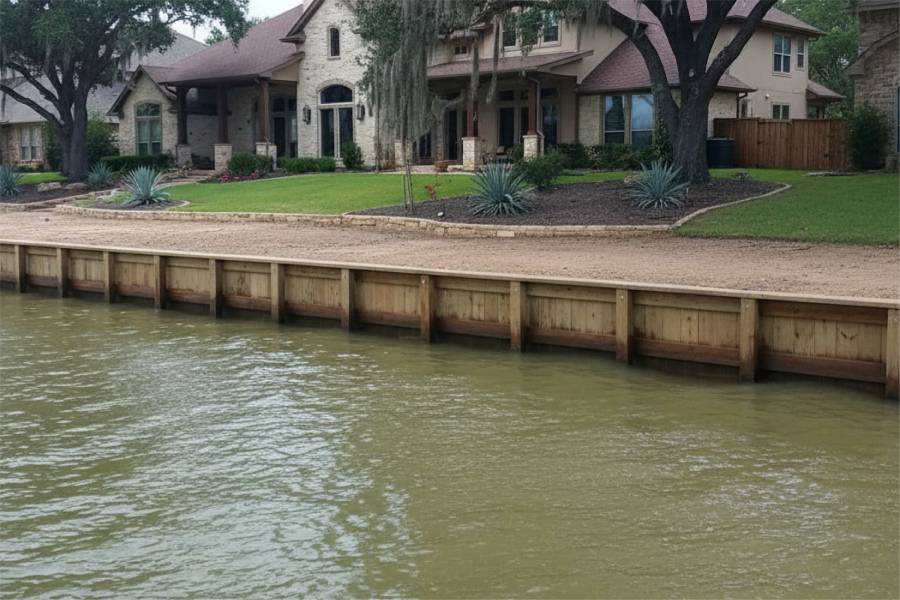
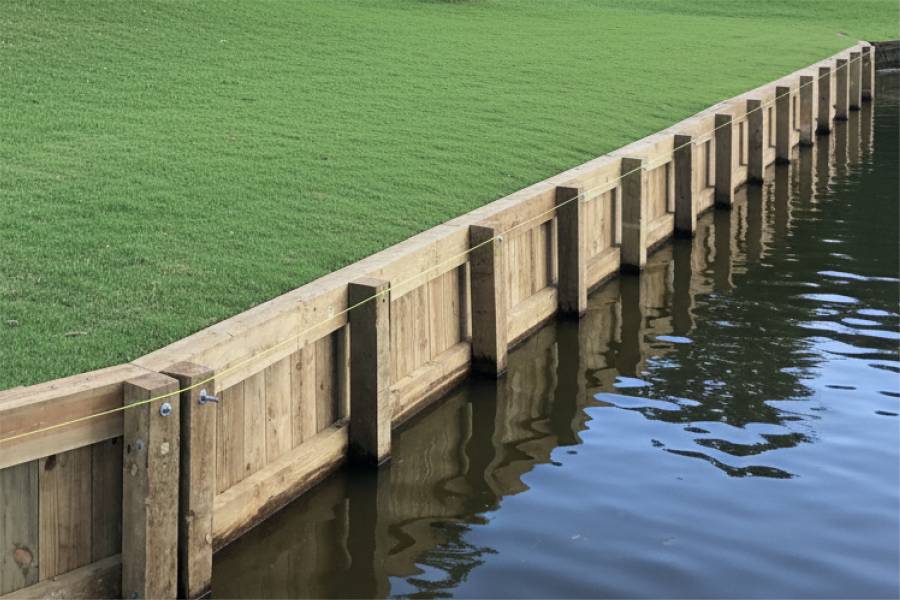
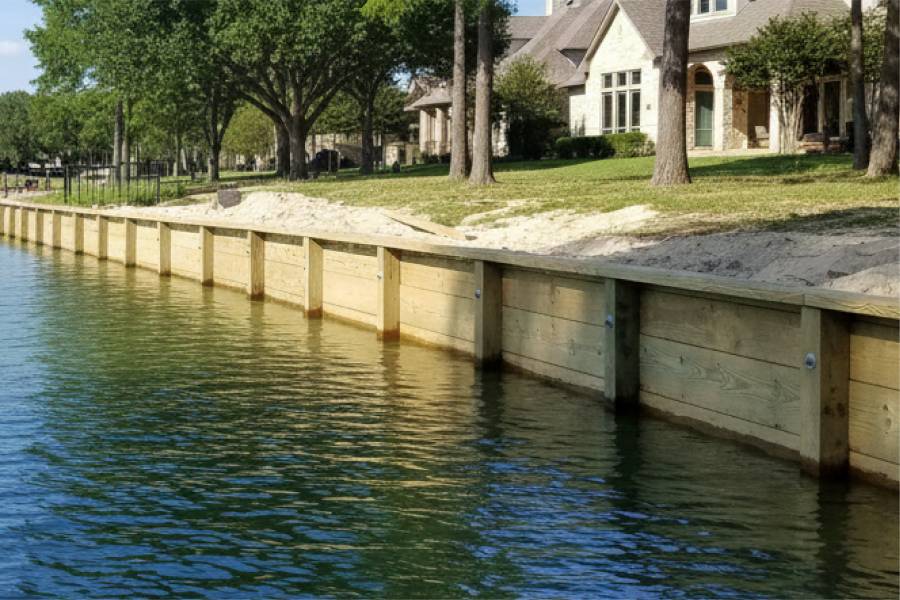
Wood seawalls for Houston on the most sheltered residential bayou backwater properties away from direct flooding and Ship Channel wake exposure. Bayou flooding cycles and Harvey-scale inundation cause rapid deterioration in most Houston wood seawall installations.
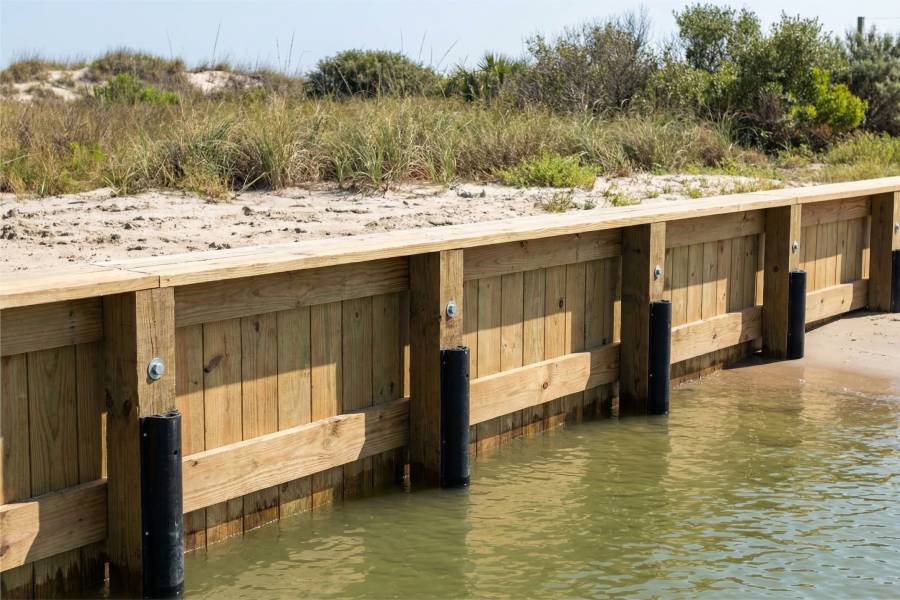
labor and materials
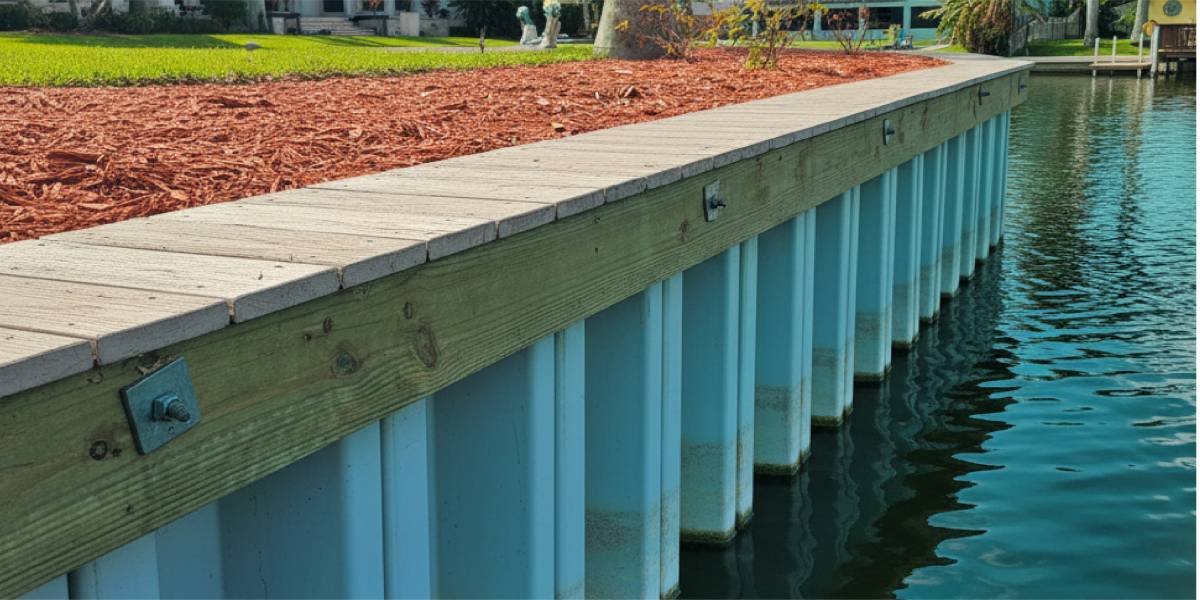
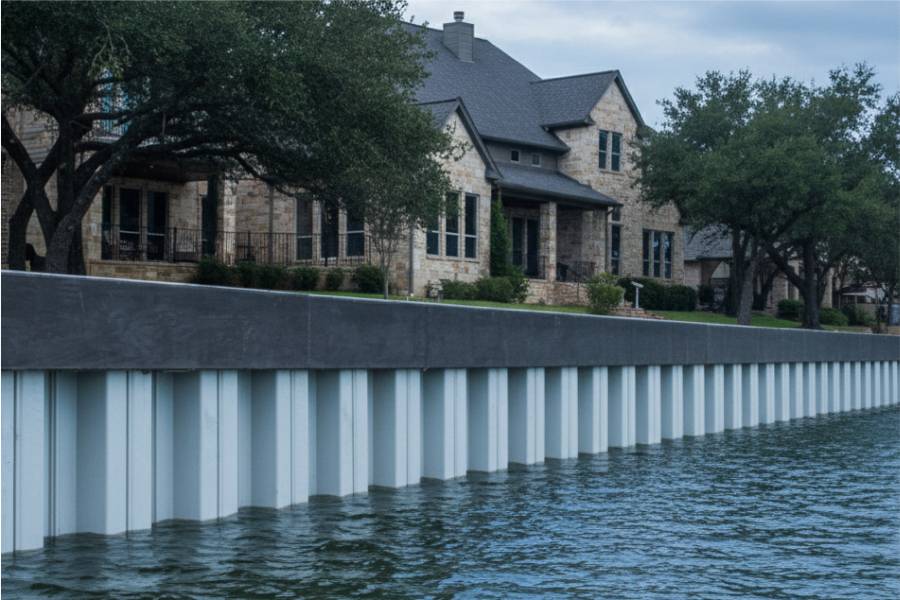
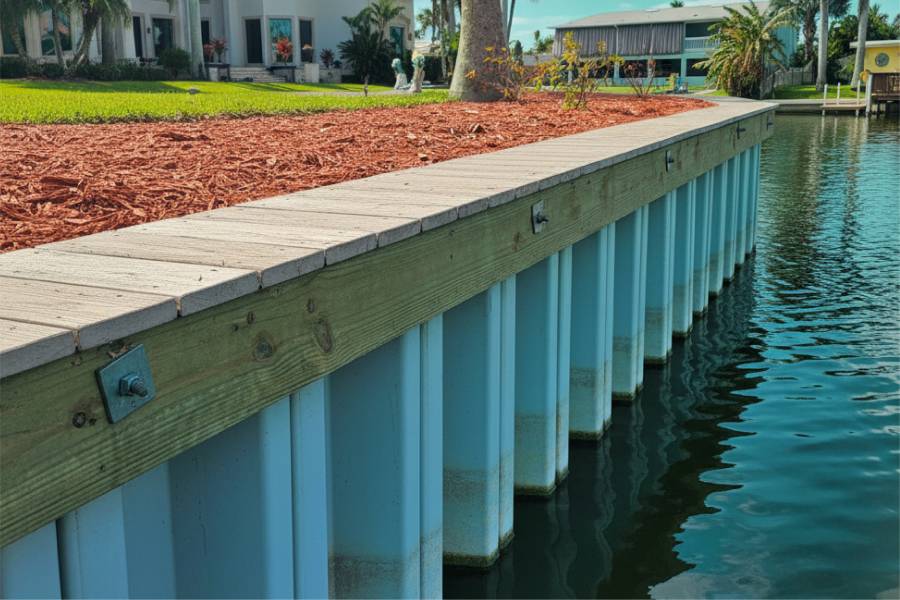
Vinyl seawalls for Houston bayou system properties on Buffalo Bayou, Brays Bayou, and residential waterways where expansive clay soils, flooding cycles, and post-Harvey soil consolidation require a material that survives repeated saturation and drawdown.

labor and materials
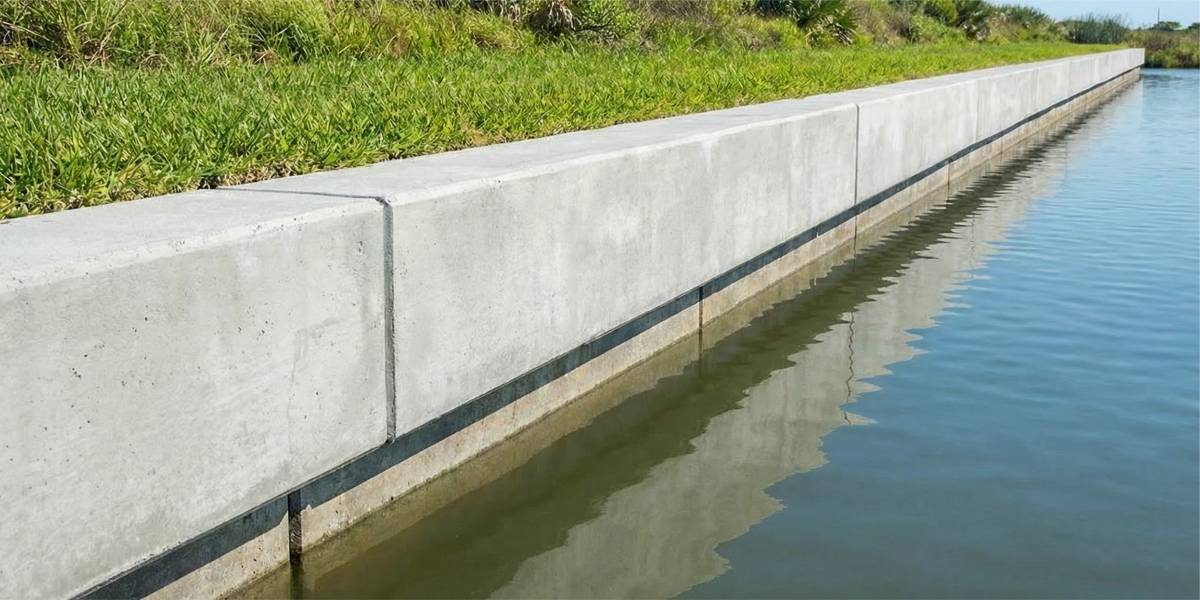
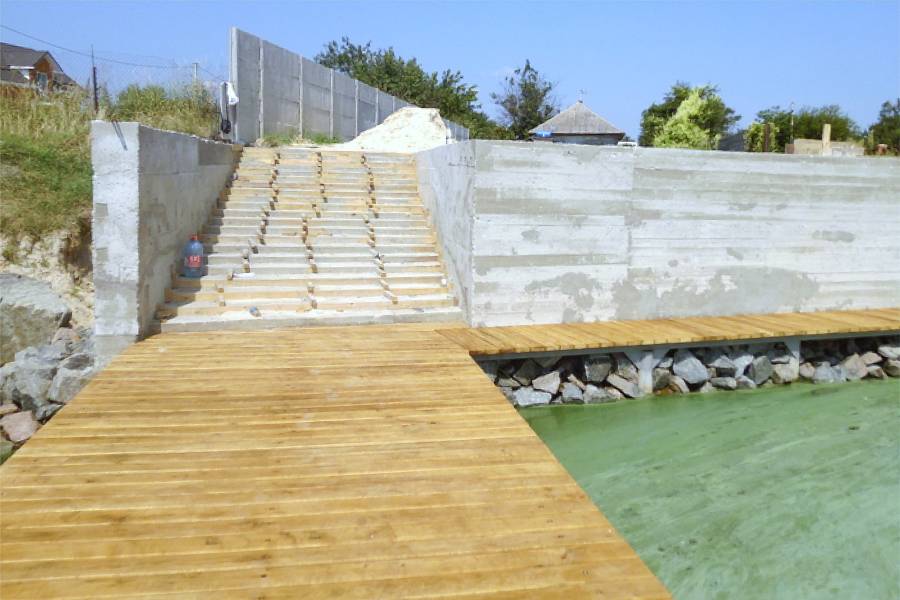
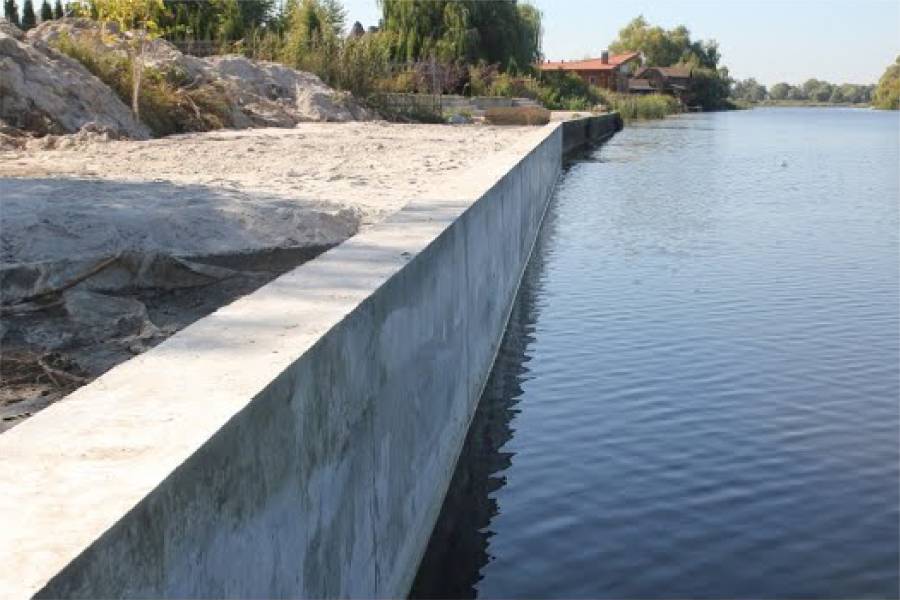
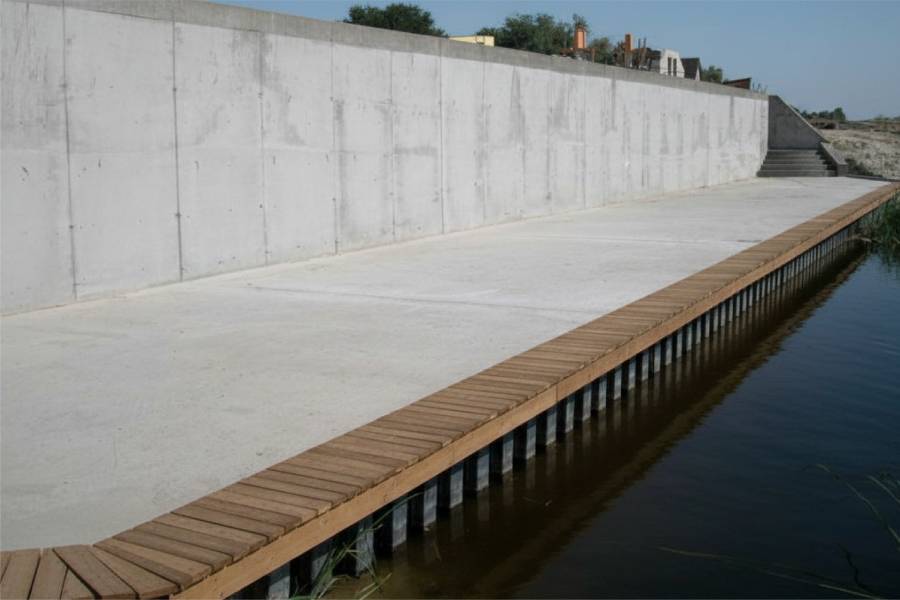
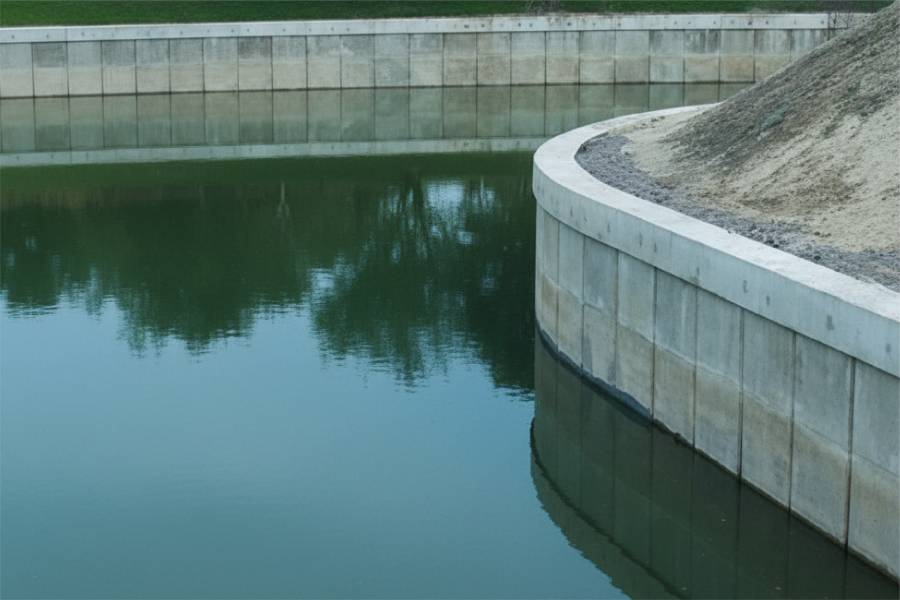
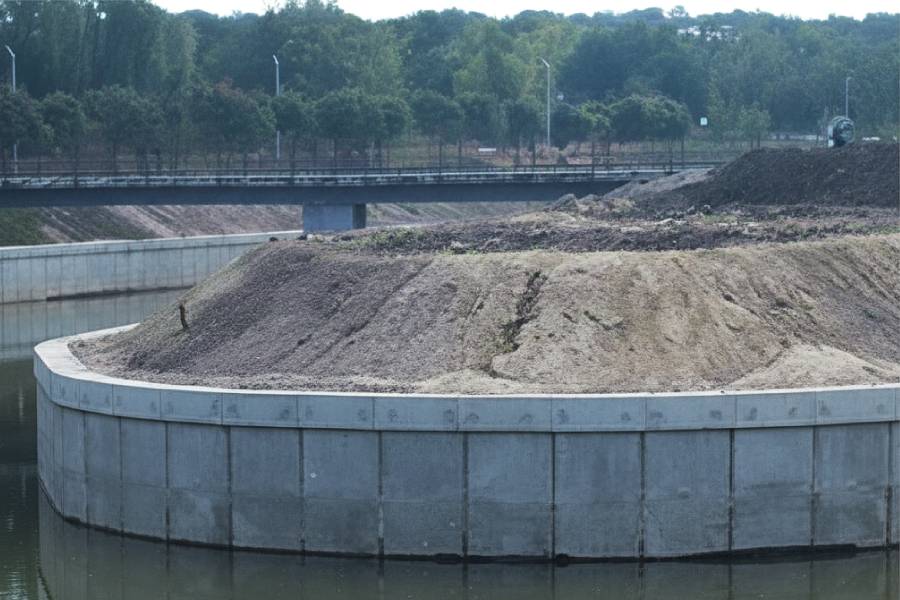
Concrete seawalls for Houston Ship Channel-adjacent properties and high-traffic bayou frontage where industrial vessel wake, commercial traffic loads, and elevated bank conditions require maximum structural capacity with clay soil drainage.

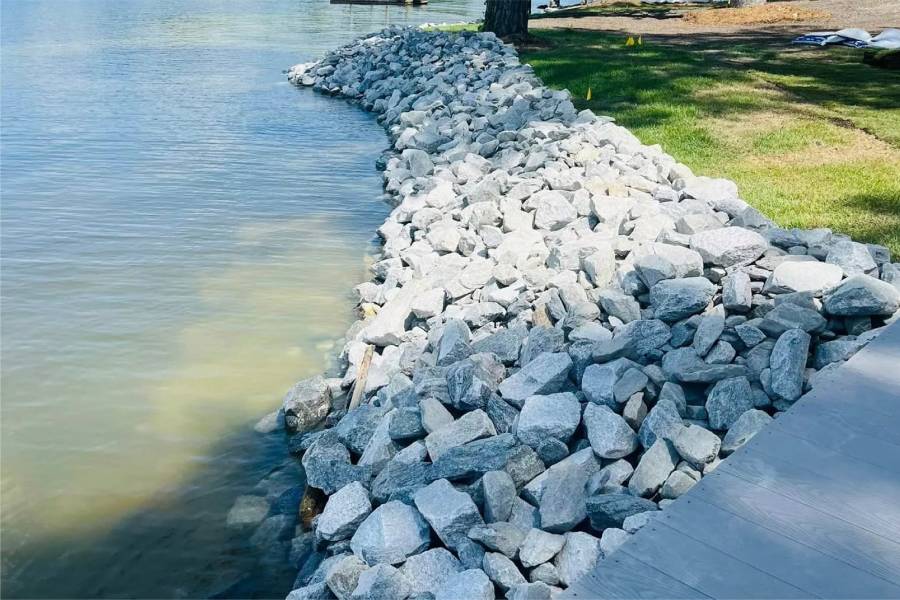
labor and materials
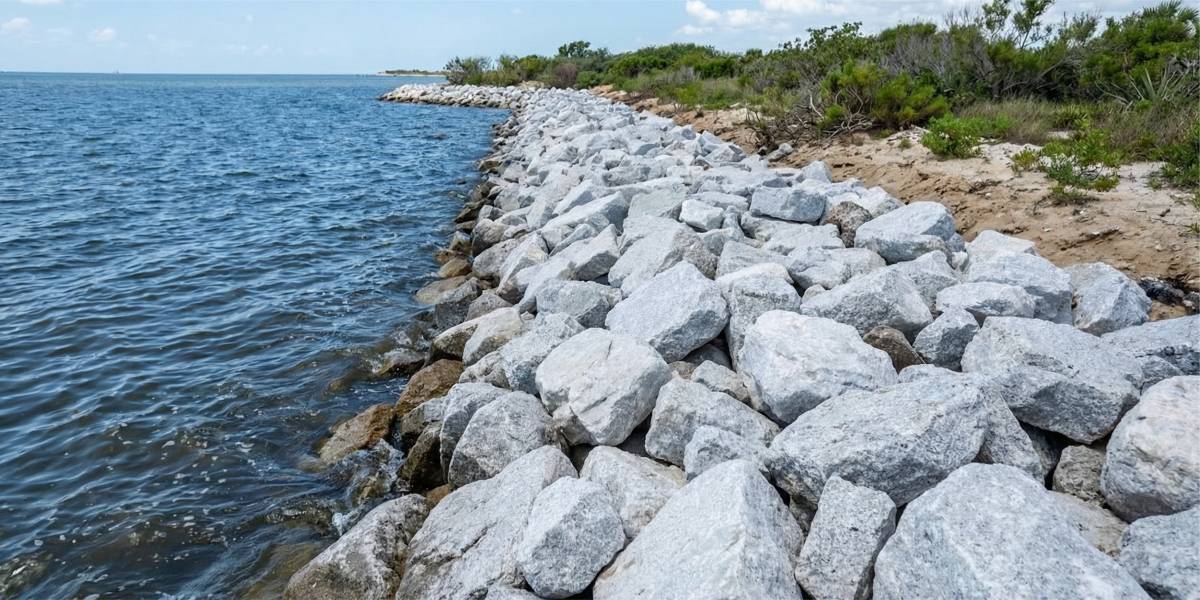
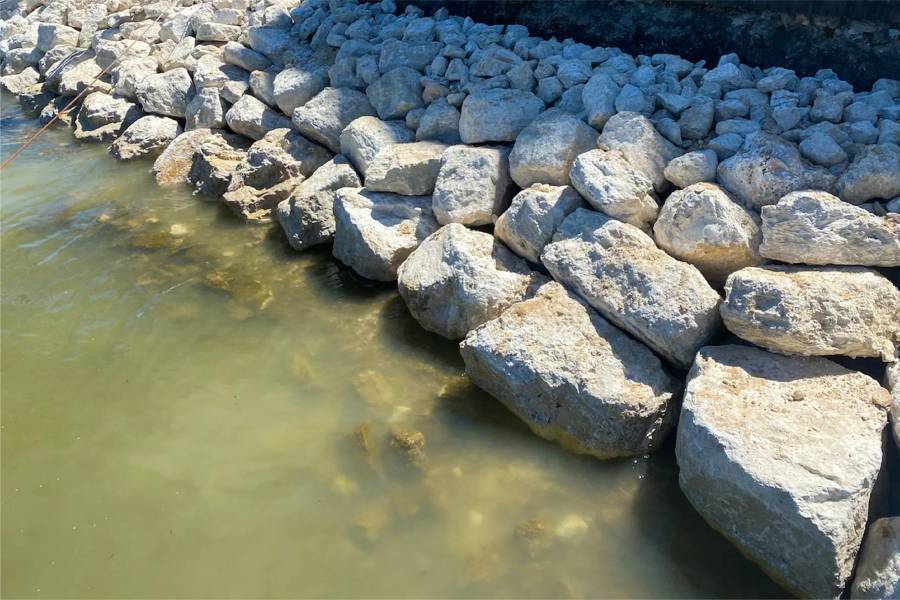
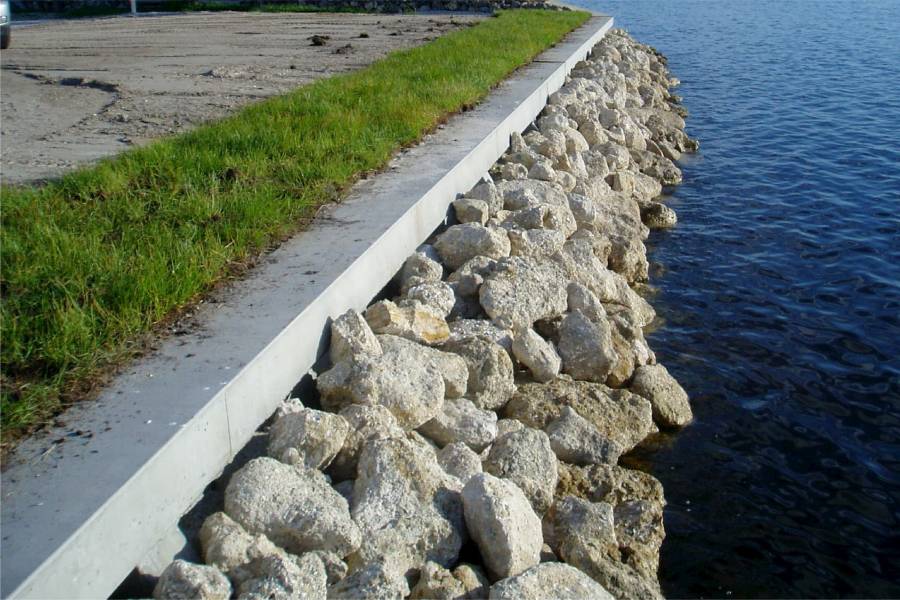
Stone and boulder seawalls for Houston residential bayou properties where permeable revetment handles expansive clay soil drainage and flooding saturation from the bayou system better than solid rigid wall installations.

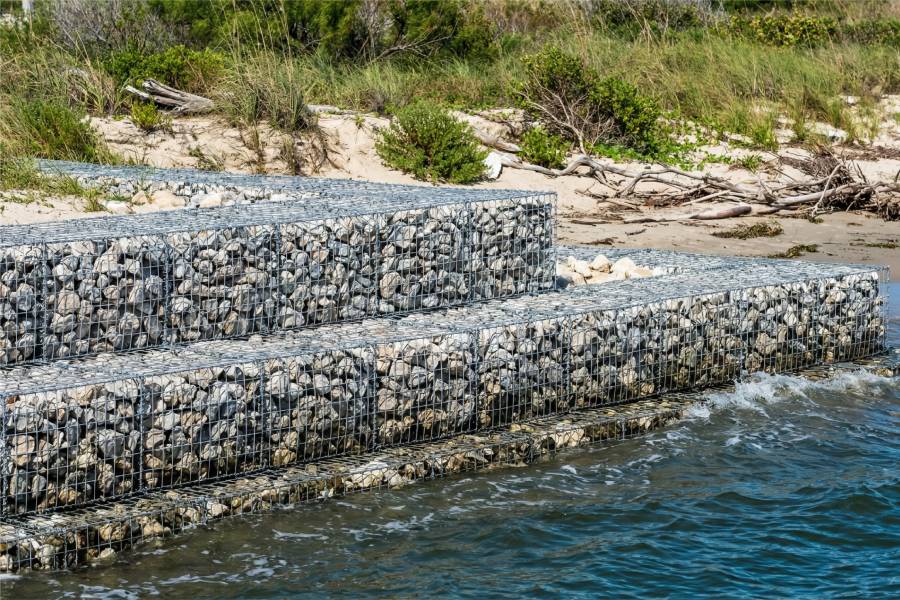
labor and materials
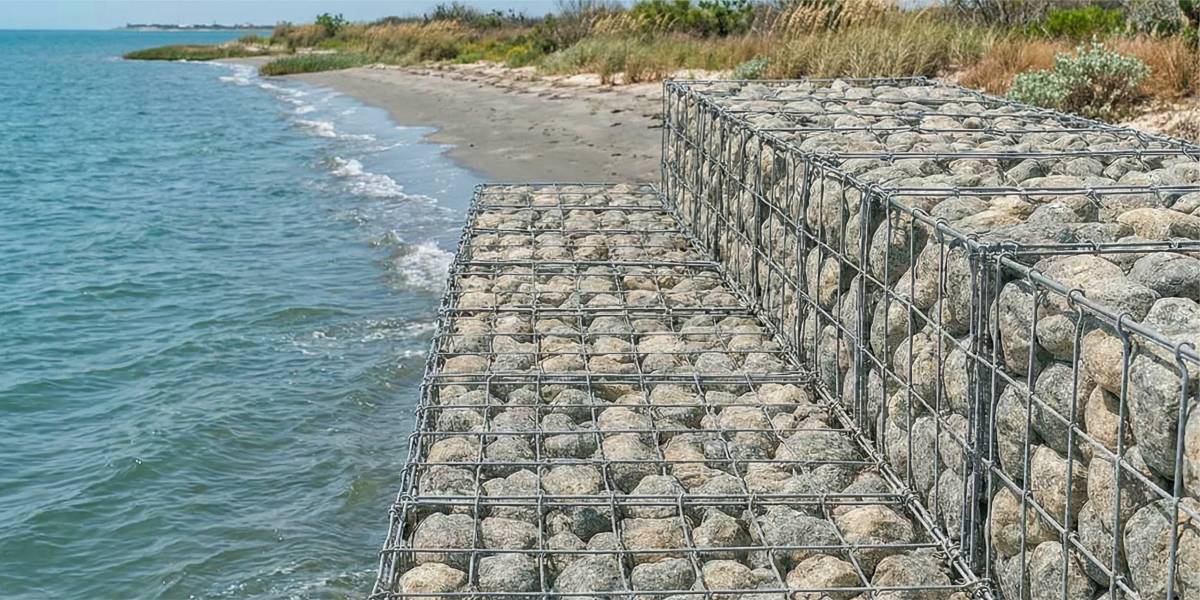
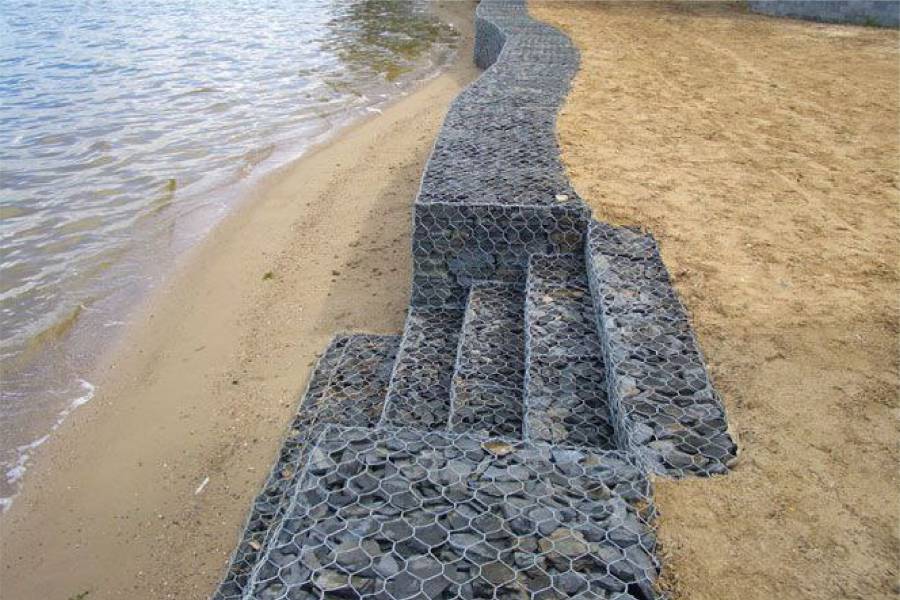
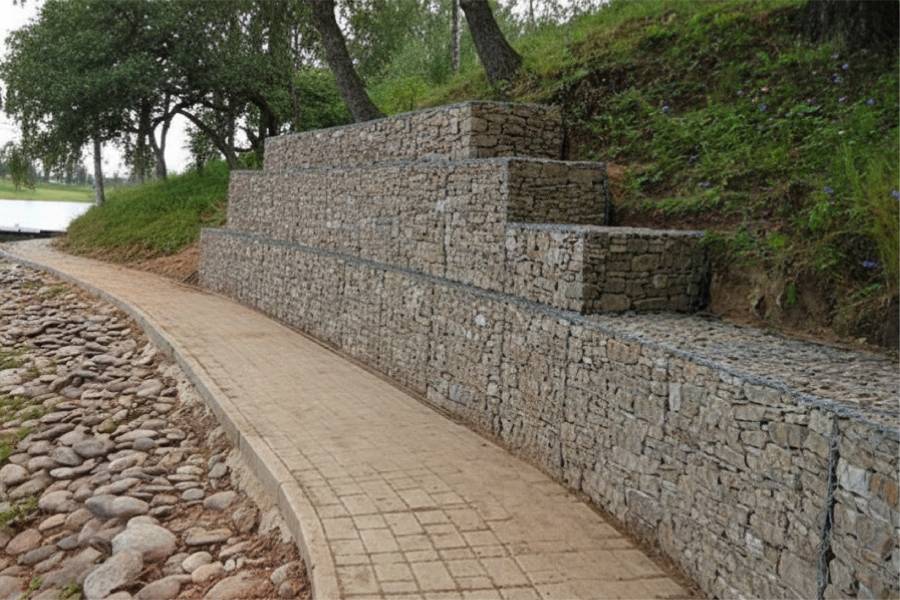
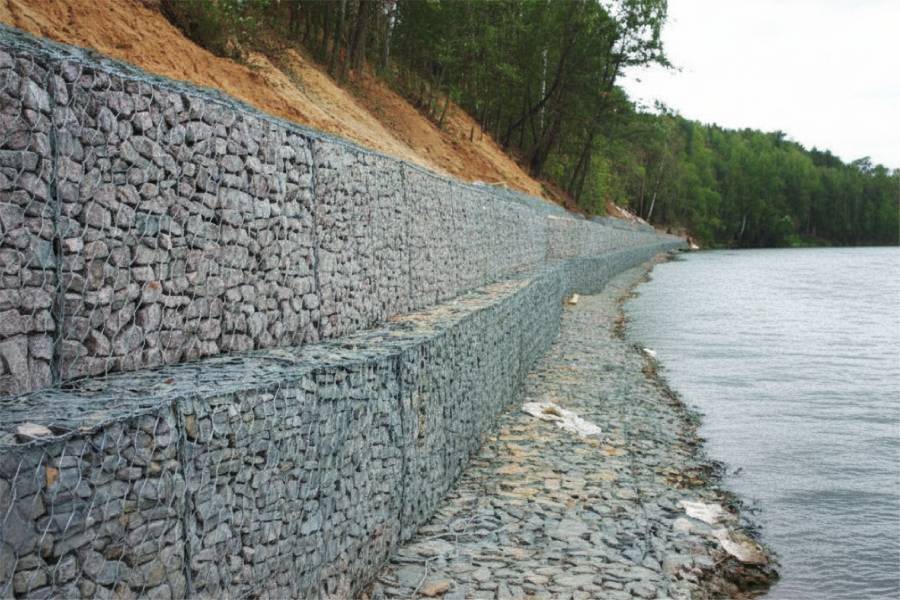
Gabion seawalls for Houston bayou corridor properties where wire basket flexibility handles extreme Houston clay expansion cycles, repeated flooding inundation, and the variable soil profiles deposited by Harvey-scale flood events.

labor and materials
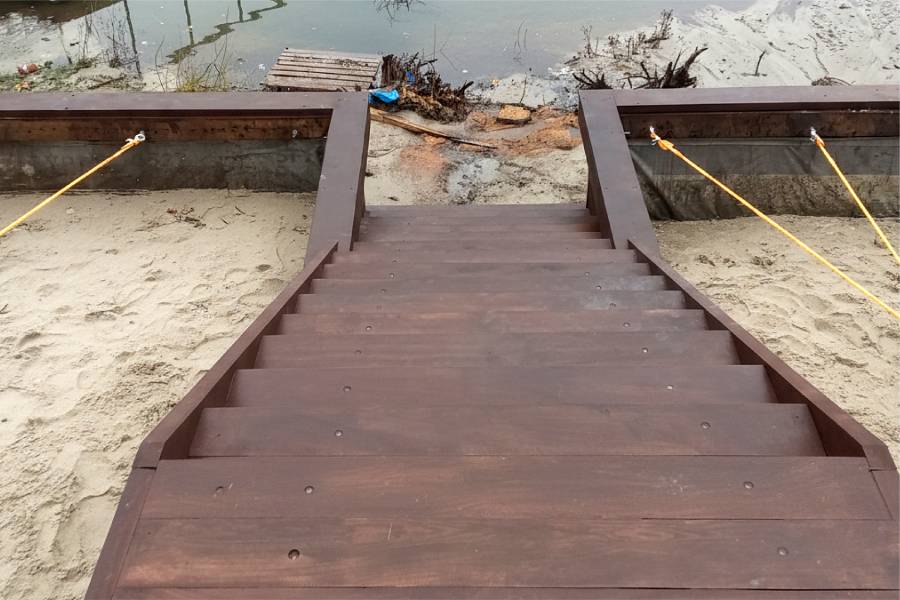
Seawall repair for Houston properties — Harvey flood damage across the bayou system, expansive clay stress on anchor systems, Ship Channel vessel wake fatigue, bayou bank undercutting, and wood deterioration from repeated flooding are primary repair needs.


In Houston, TX, waterfront construction on Buffalo Bayou, Brays Bayou, and Houston bayou network is shaped by heavy clay gumbo soils, bayou flooding, and hydrostatic pressure from saturated soils. Properties on open-water exposed shorelines face greater wave energy than those in sheltered coves, requiring heavier structure designs and deeper anchoring. Site conditions at the water edge affect piling installation depth and material selection for every project near Houston.
Concrete and vinyl seawalls are both used throughout Houston depending on the bayou location and exposure level. Drainage behind the seawall is as important as panel selection for Houston clay soil applications. Shore Protect Team selects materials based on site conditions, water body exposure, and long-term durability requirements specific to Houston, TX.