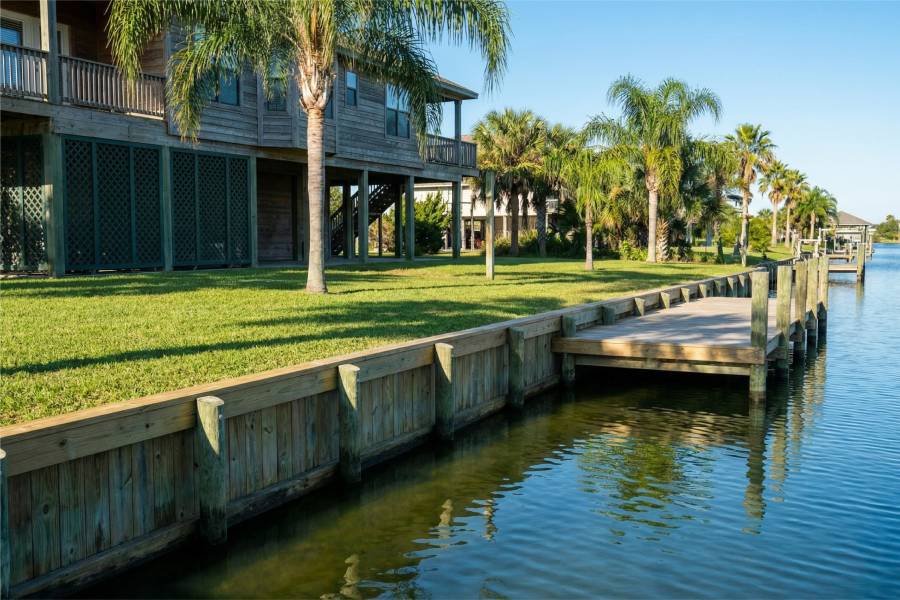
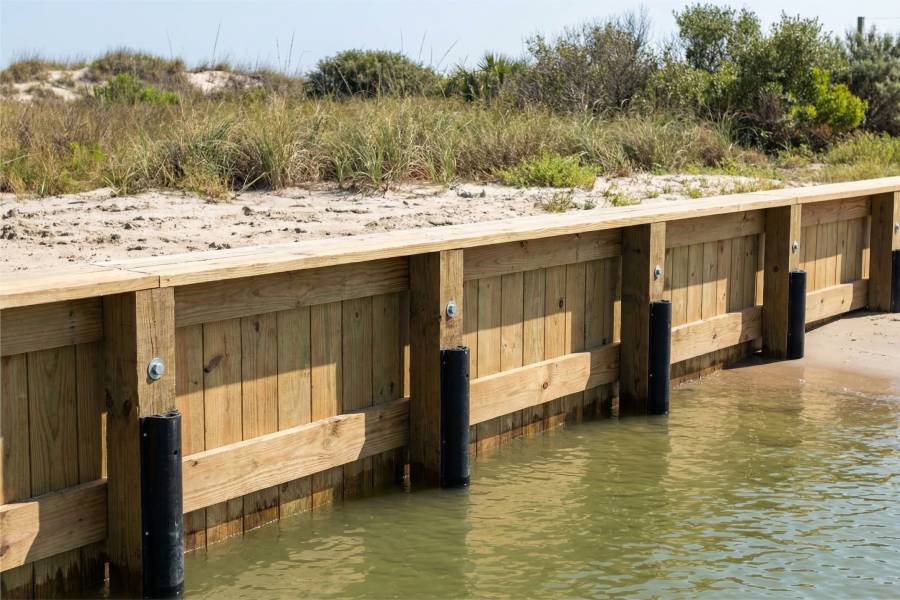
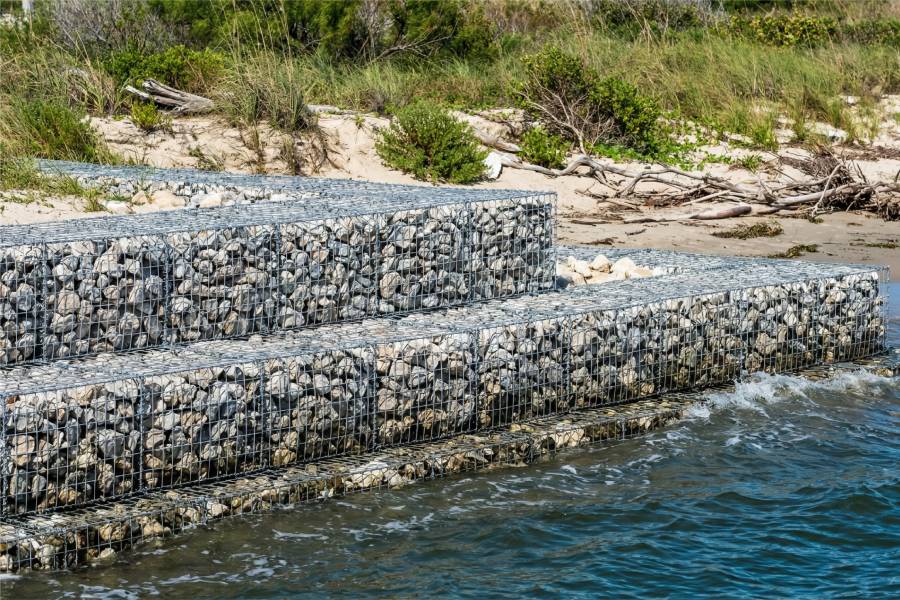
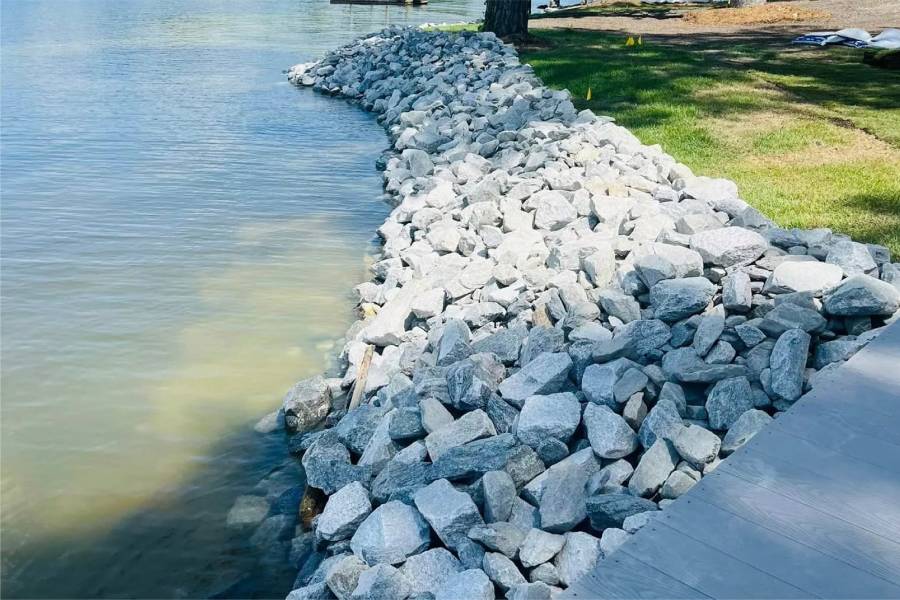
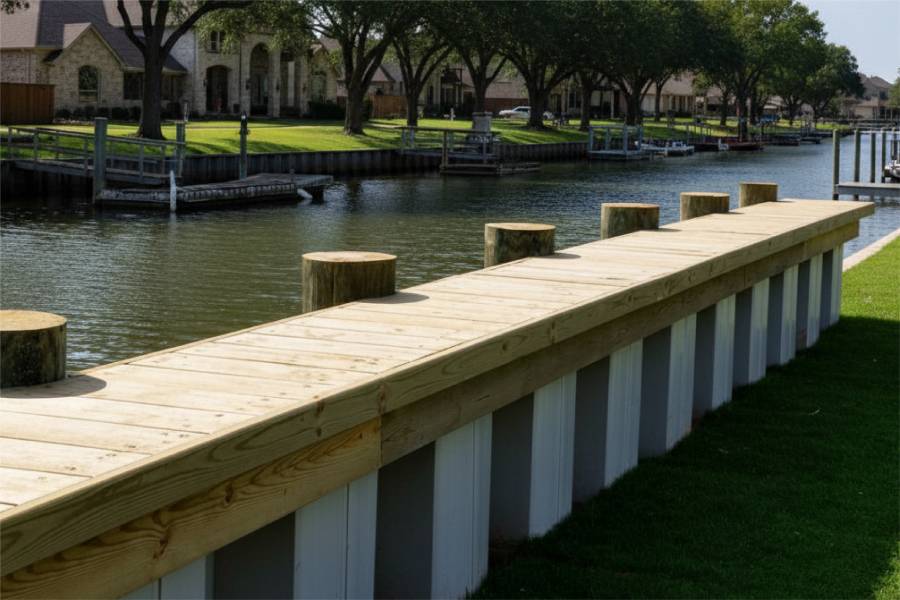
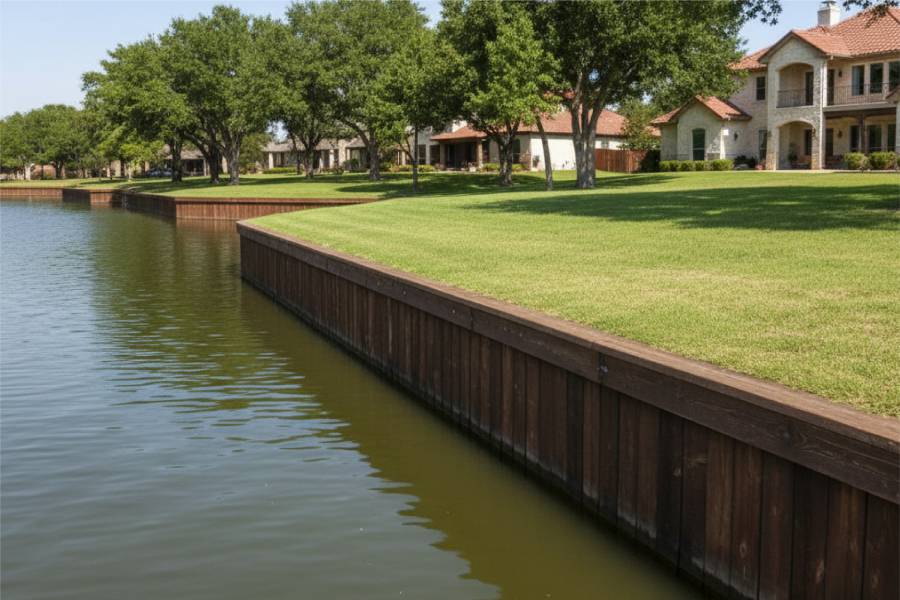
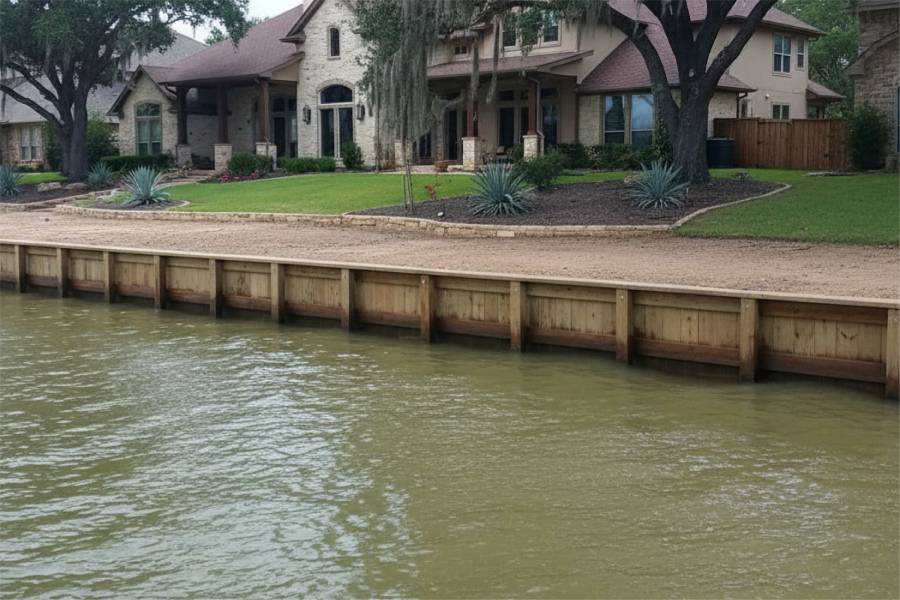
Austin waterfront property sits on three very different lakes. Lake Travis rises and falls by many feet between drought and wet years. Lake Austin is kept near a constant level but carries heavy boat traffic, and Lady Bird Lake runs through the middle of the city.
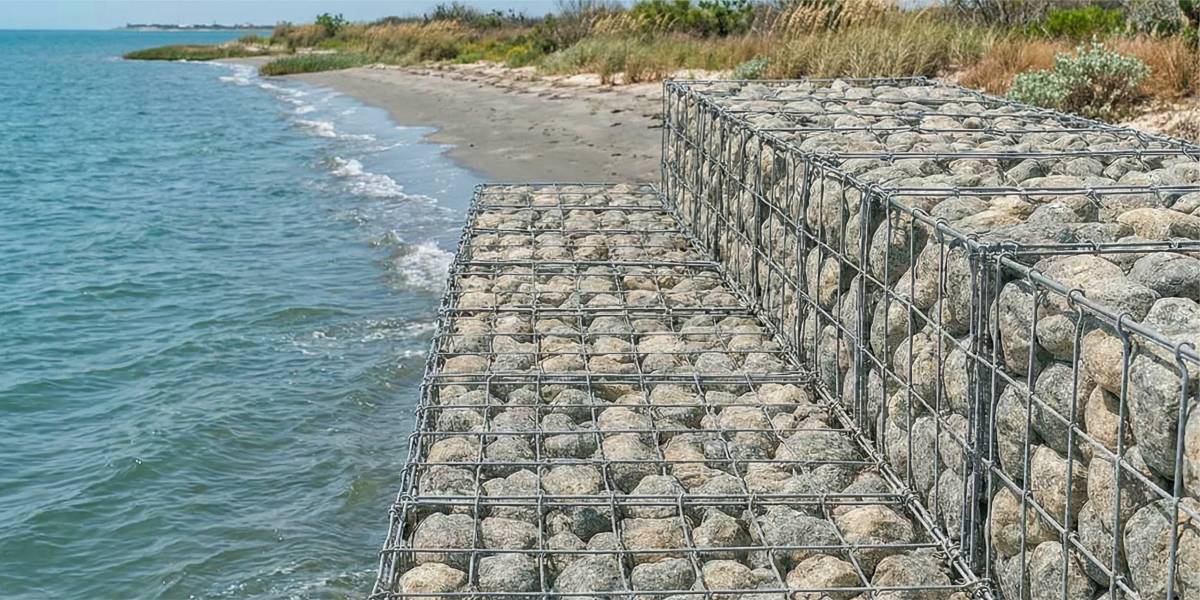
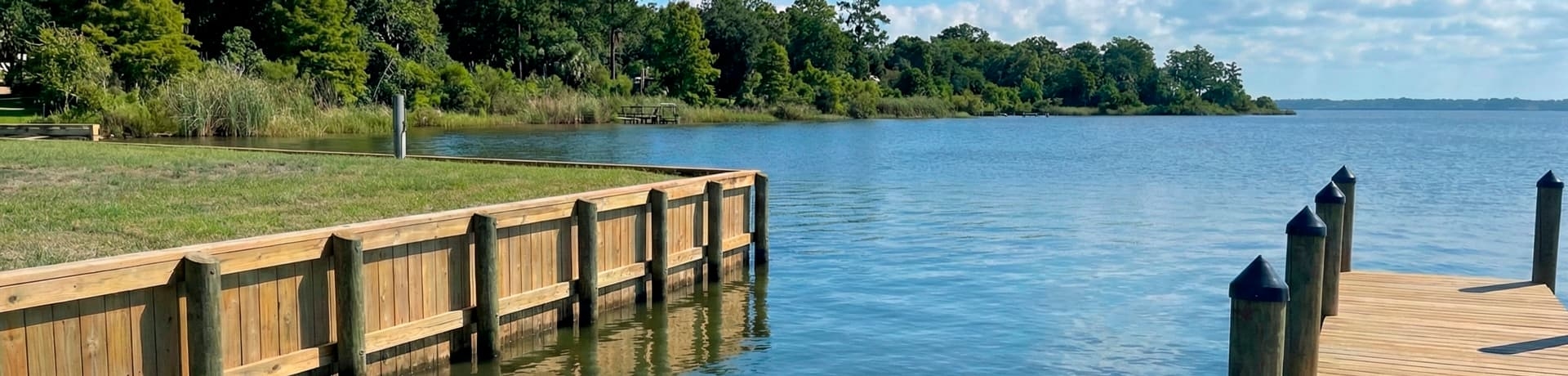
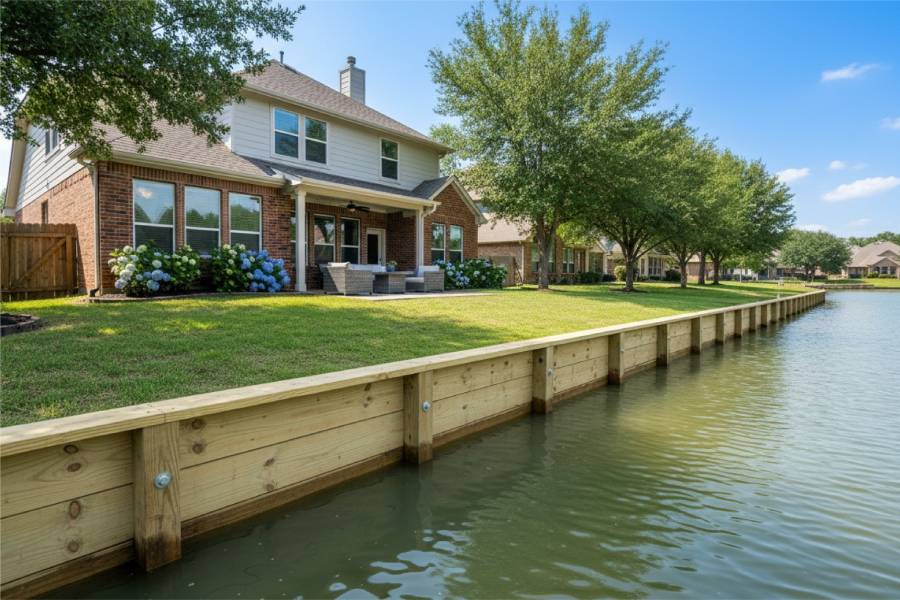
For the full list of materials and starting prices, see our seawall construction and repair page.
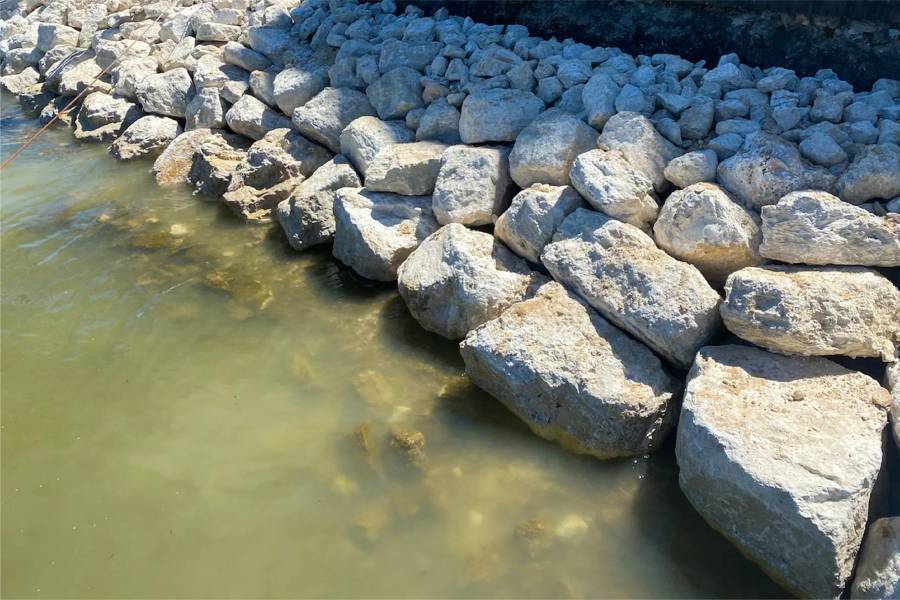
Much of the Austin shoreline is limestone with thin clay soil in between. A seawall here often has to be set into rock, which changes the equipment, the footing and the price compared with a wall on soft soil. On Lake Travis the wall also has to stay stable when the water drops far below it.
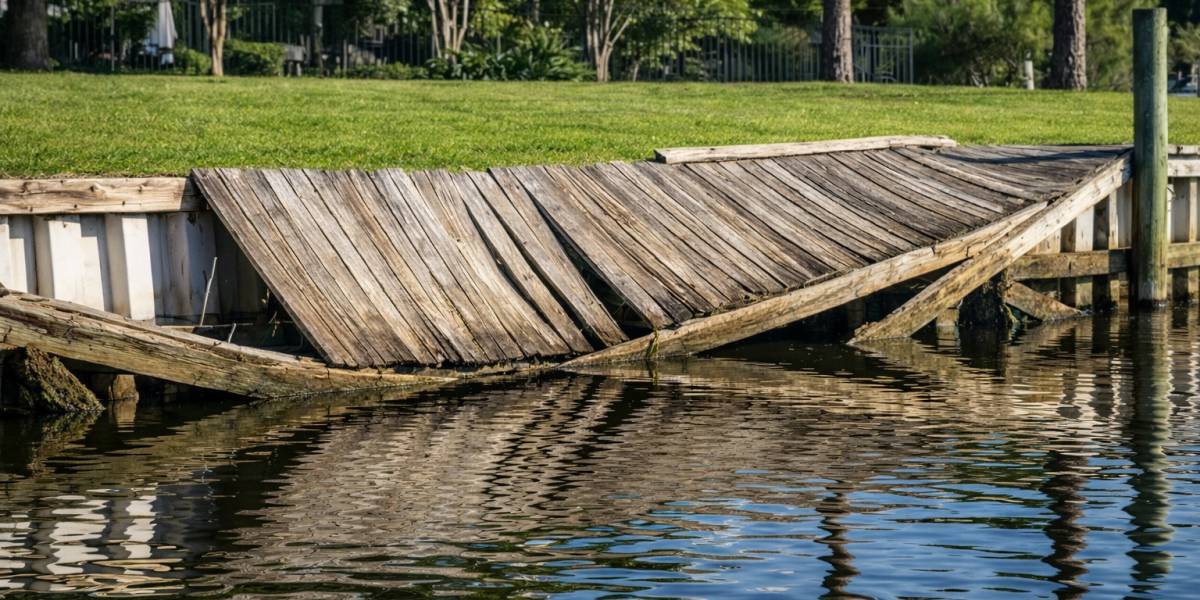
On Lake Travis, a wall that looks fine at full pool can stand far above the water in a drought, and that is when hidden problems show: undercut footings, cracked mortar and soil washing out from behind. Low water is also the best time to repair or build, because crews can reach the base of the wall from dry ground.
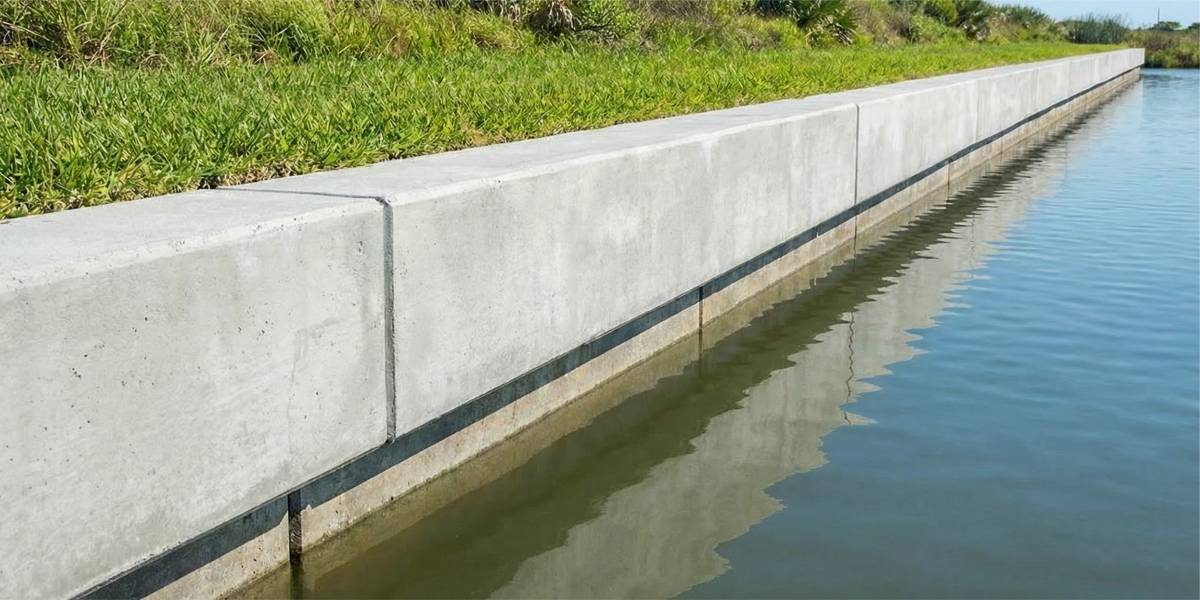
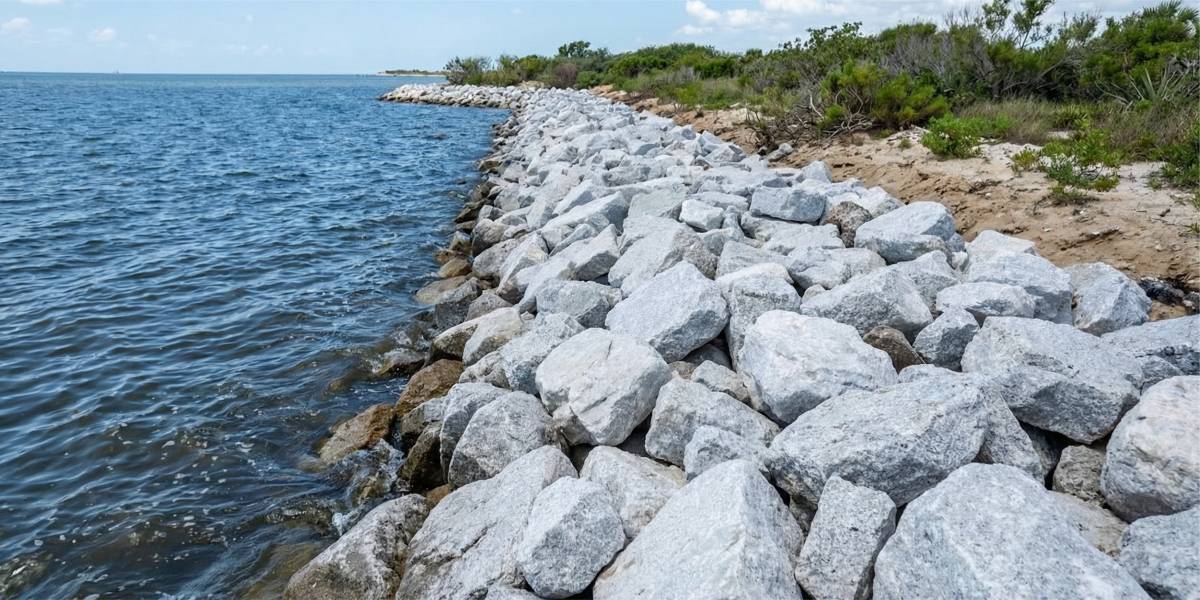
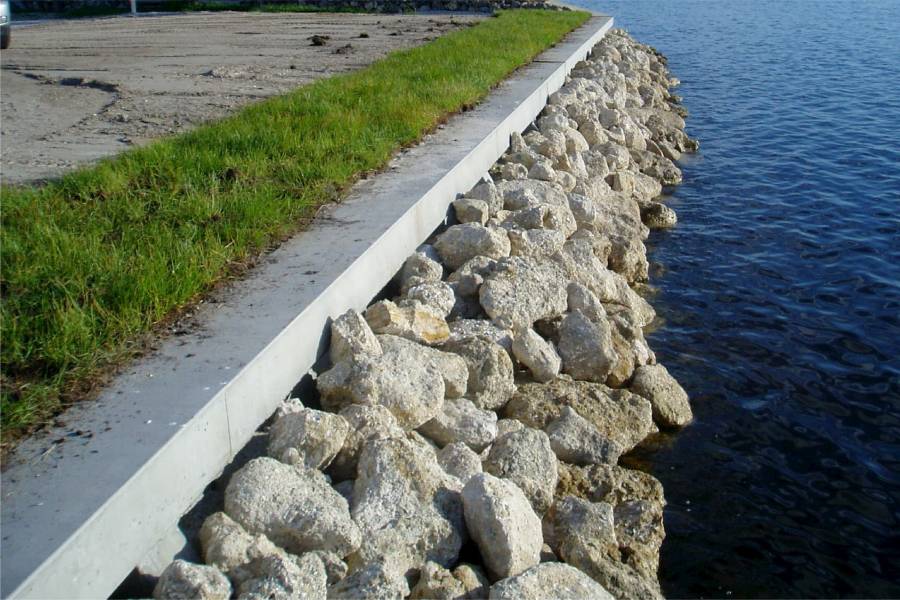
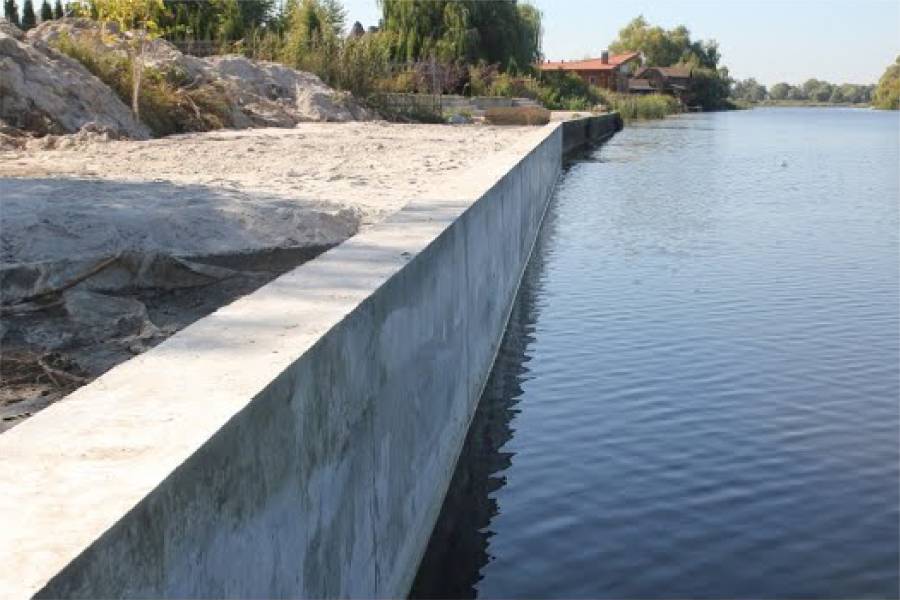
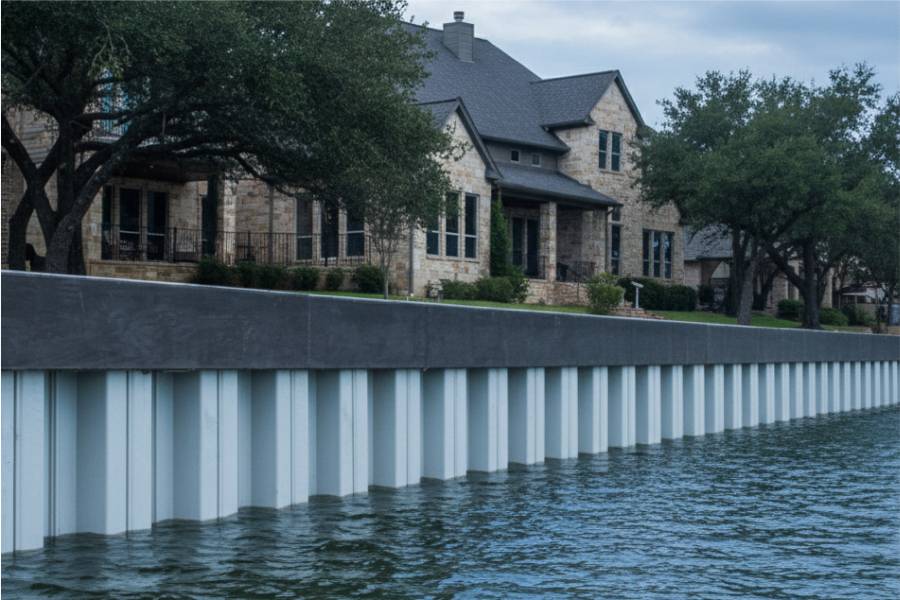
On Lake Austin, the constant wake from wake boats wears the face of the wall and pulls fine soil through joints. Stone walls set in concrete, or concrete walls with a stone face, are popular here because they hold up to wake and fit the look of Hill Country lake homes.
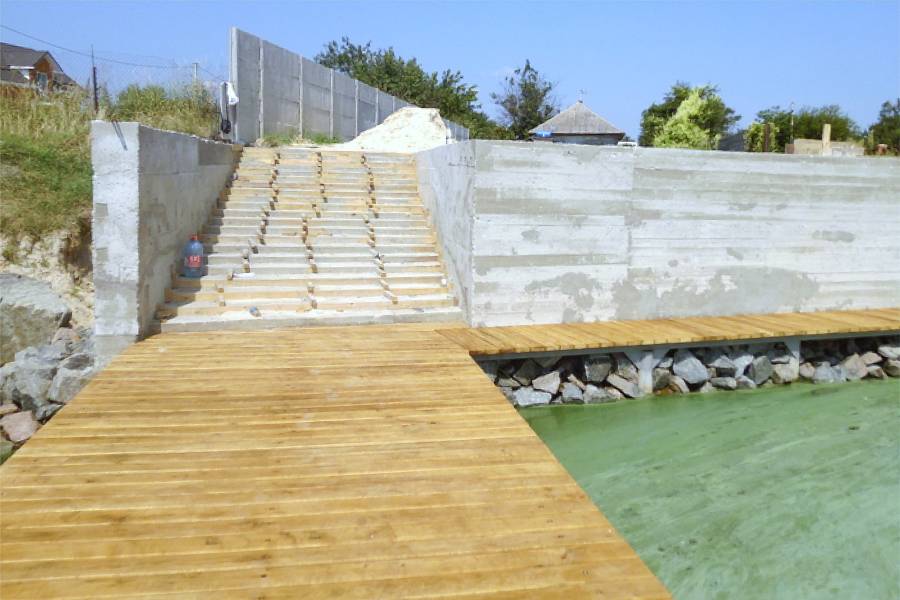
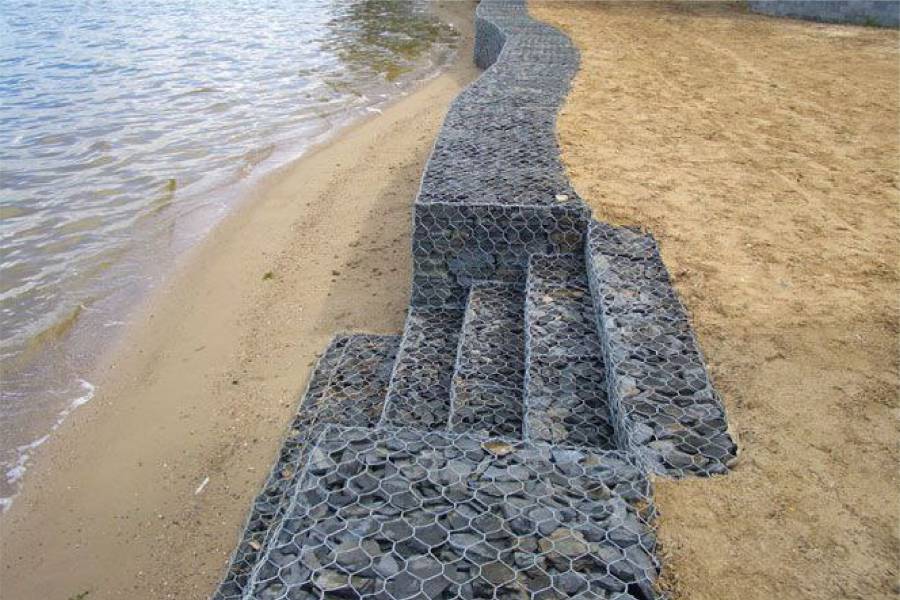
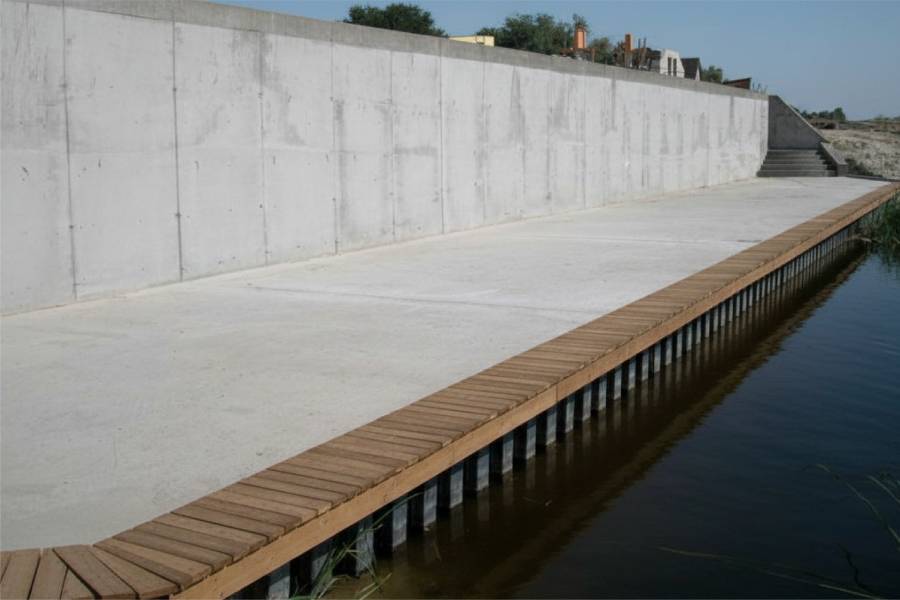
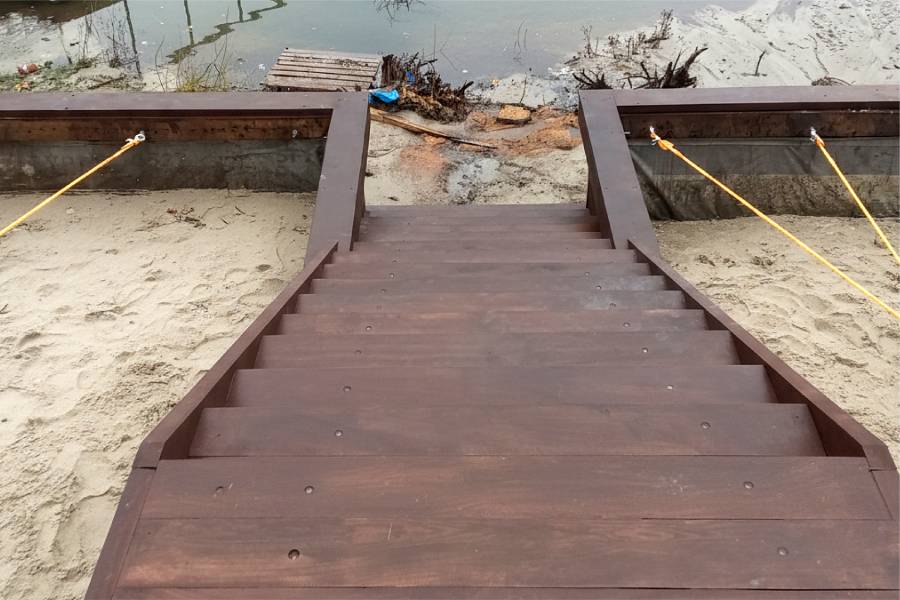
Austin seawall projects often include steps down to the water, a landing for the dock or a small beach area. Planning these with the wall gives a cleaner result than adding them later and cutting into finished work.
The biggest cost factors are rock work, wall height and access. Lots with steep drives or no room for equipment may need materials brought in by barge from the lake, which we price after seeing the site.
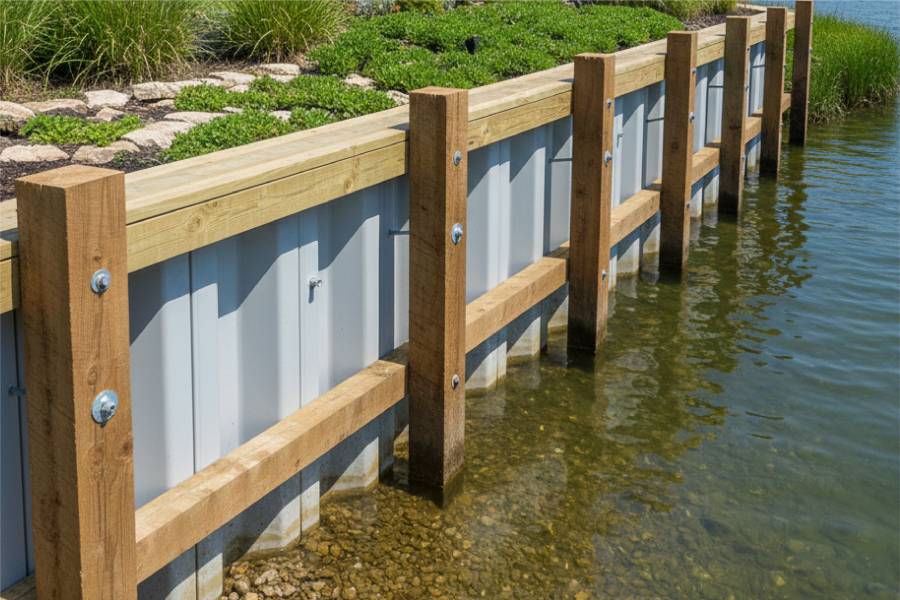
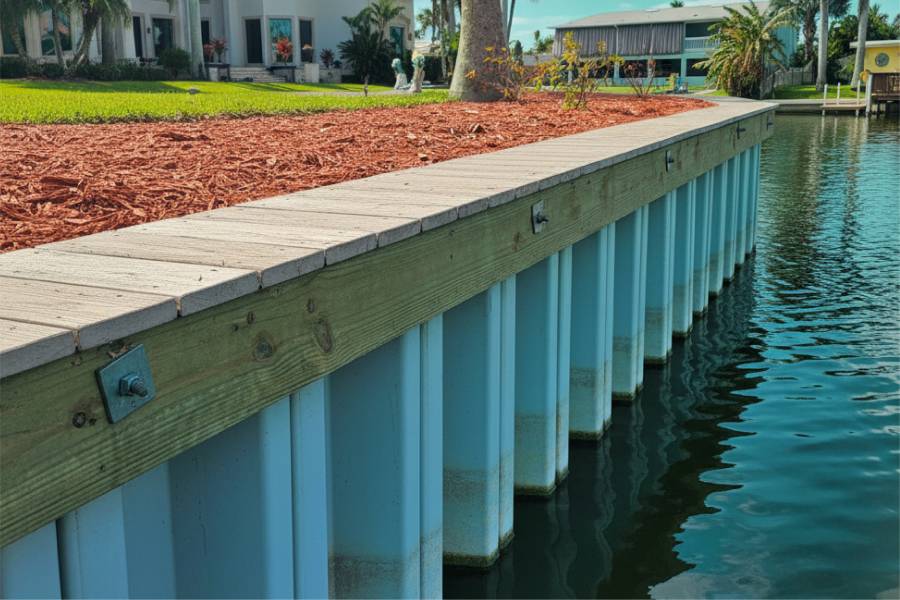
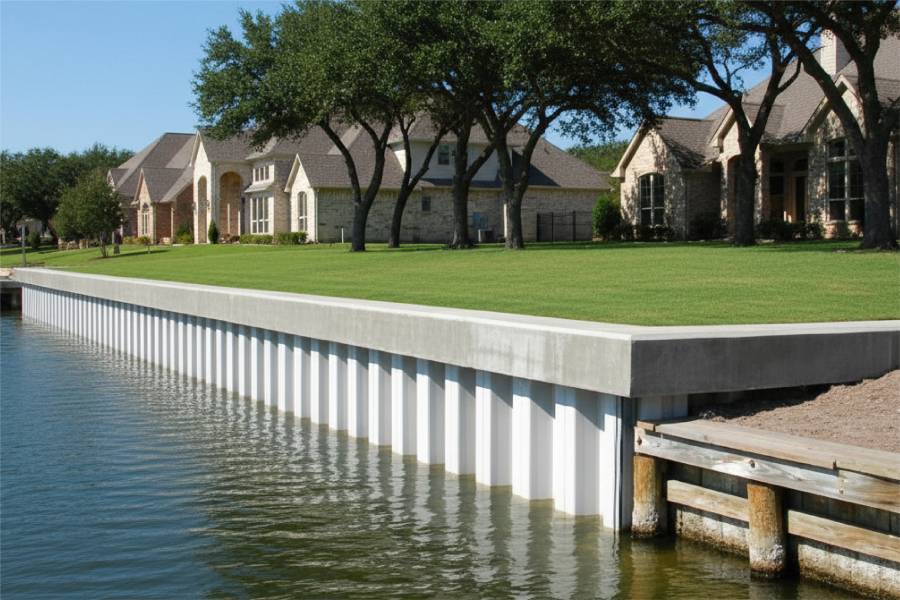
We build stone, concrete and vinyl seawalls and repair existing walls across Austin. Send photos and the lake name for a free first estimate.
Seawall Repair Prices in Austin
Seawall repair starts at $120 per linear foot, labor and materials included. Typical work on Austin lakes is filling voids behind the wall, repairing cracked mortar and concrete, and rebuilding an undercut footing while the water is low.