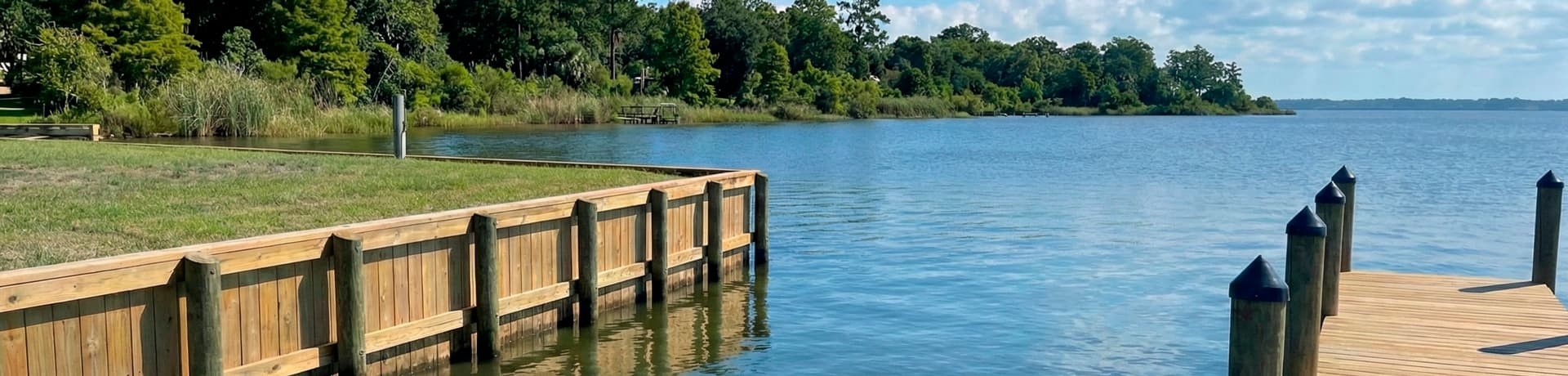
Waterfront properties on Lake Tyler sit on sandy clay banks vulnerable to moderate wind fetch, residential and recreational boat traffic. Retaining walls convert an eroding slope into a stable bank face, protecting property and adding usable waterfront space.
Shore Protect Team selects materials based on conditions at each Lake Tyler site. The sandy clay determines foundation design, while moderate wind fetch, residential and recreational boat traffic dictates structural requirements. Wood is the budget option; stone provides natural aesthetics; concrete block handles the heaviest loads.
We serve waterfront properties along the full Lake Tyler shoreline — near Tyler, Whitehouse. Contact us for a free consultation and on-site assessment.

labor and materials
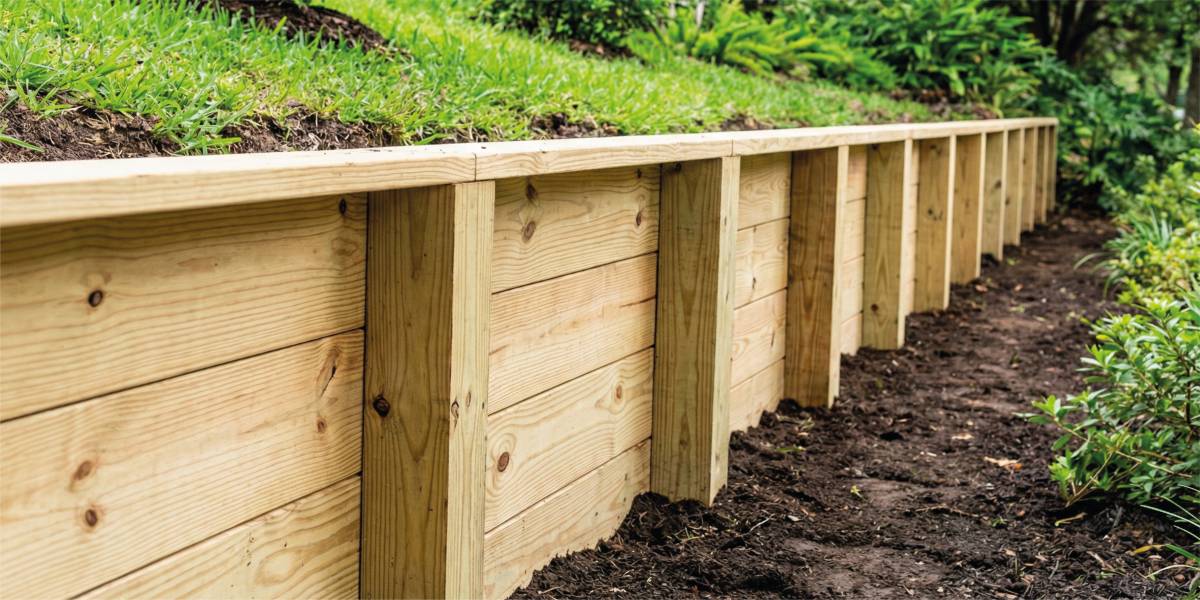
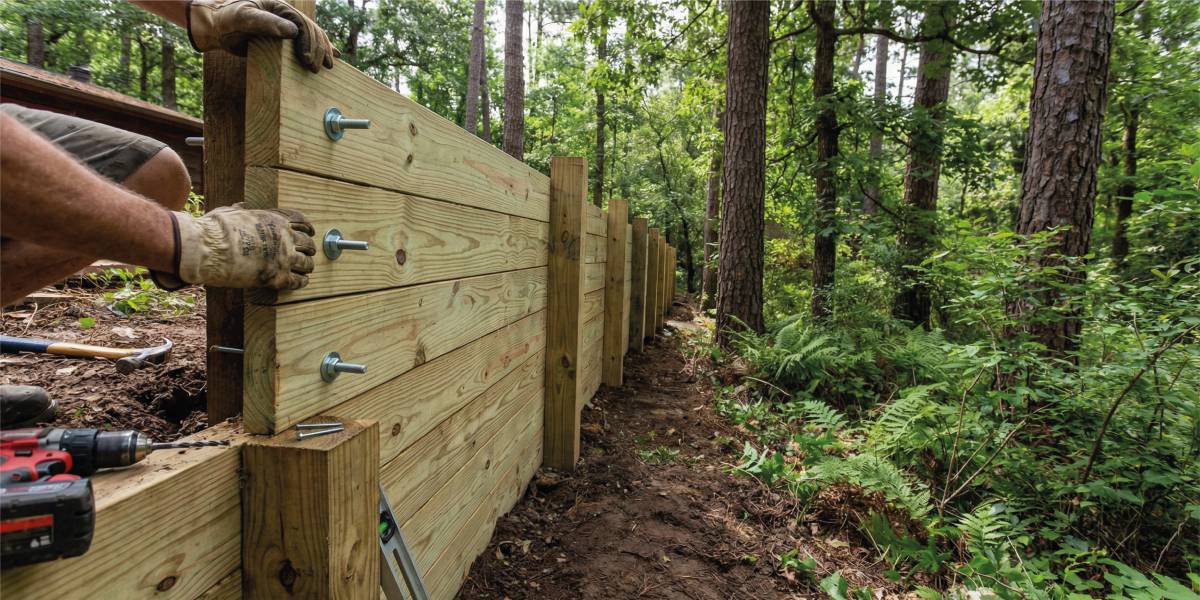
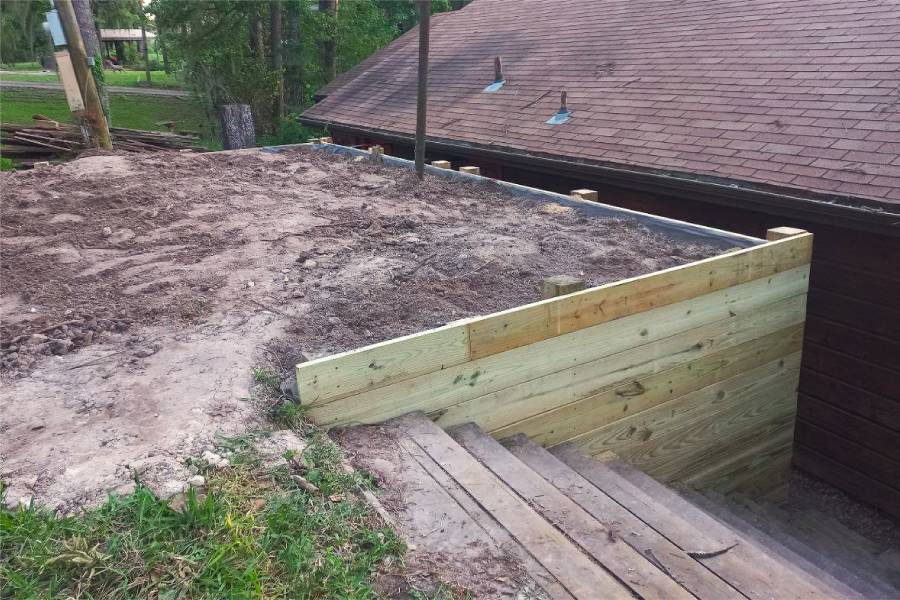
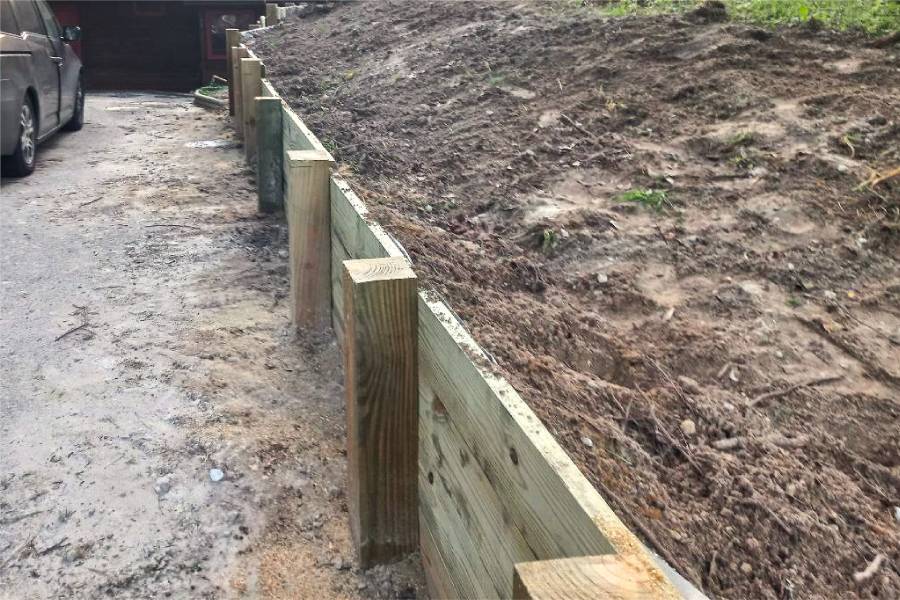
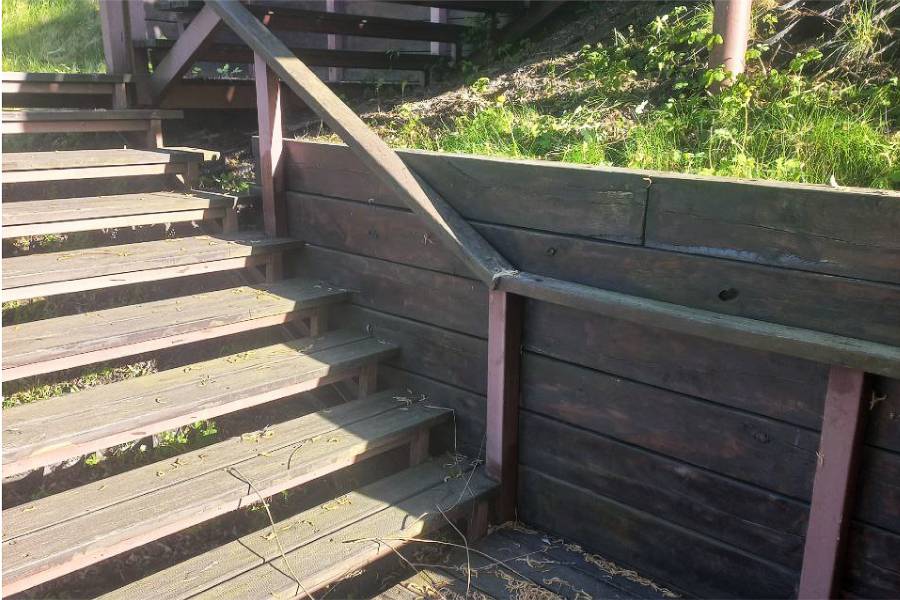
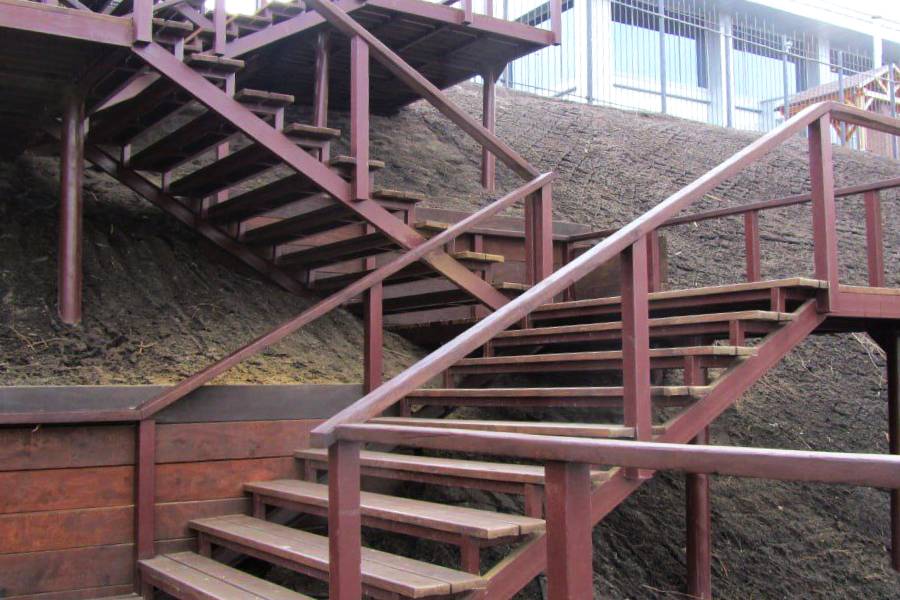
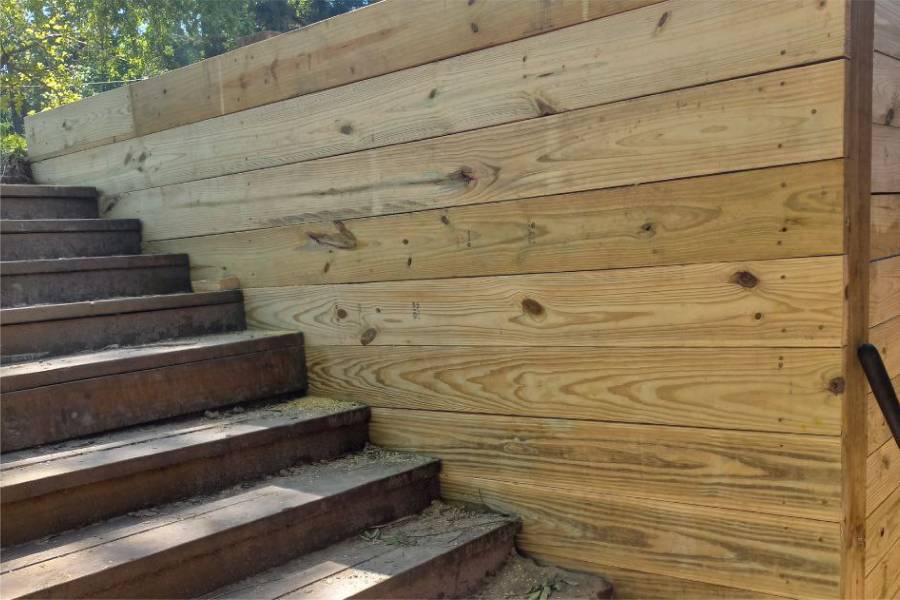
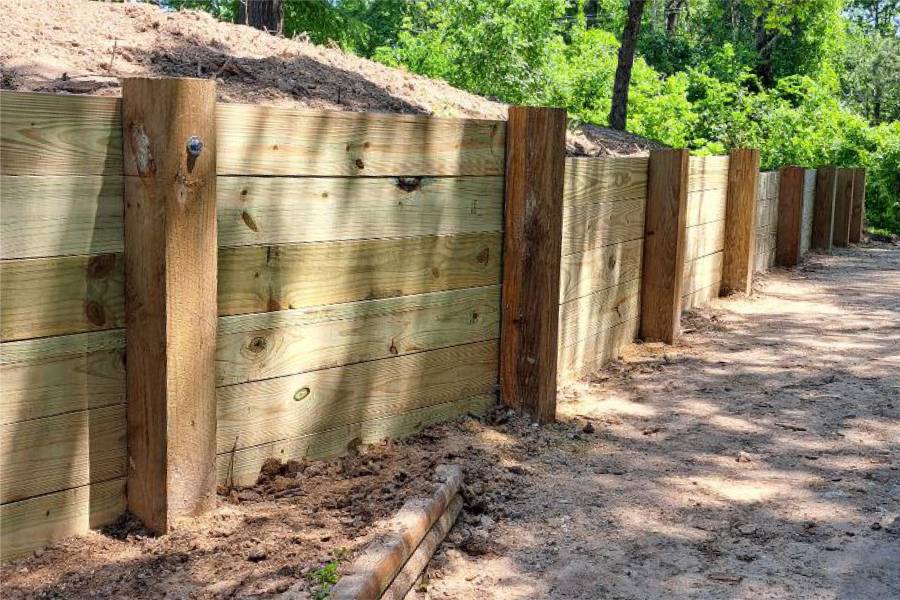
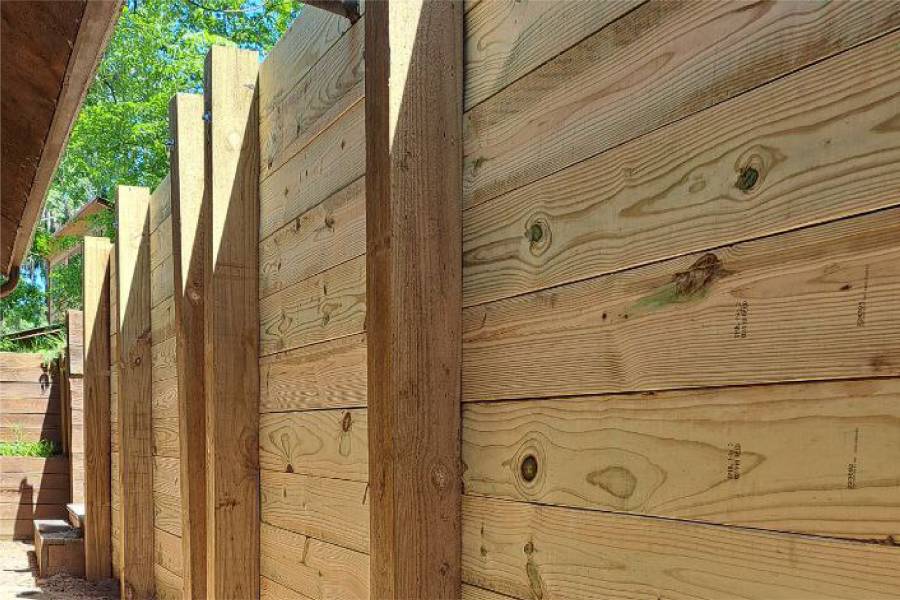
Wooden retaining walls for Lake Tyler bank retention, built with pressure-treated posts and horizontal planking anchored into sandy clay. Deadman tiebacks resist outward soil pressure from saturated banks.

labor and materials
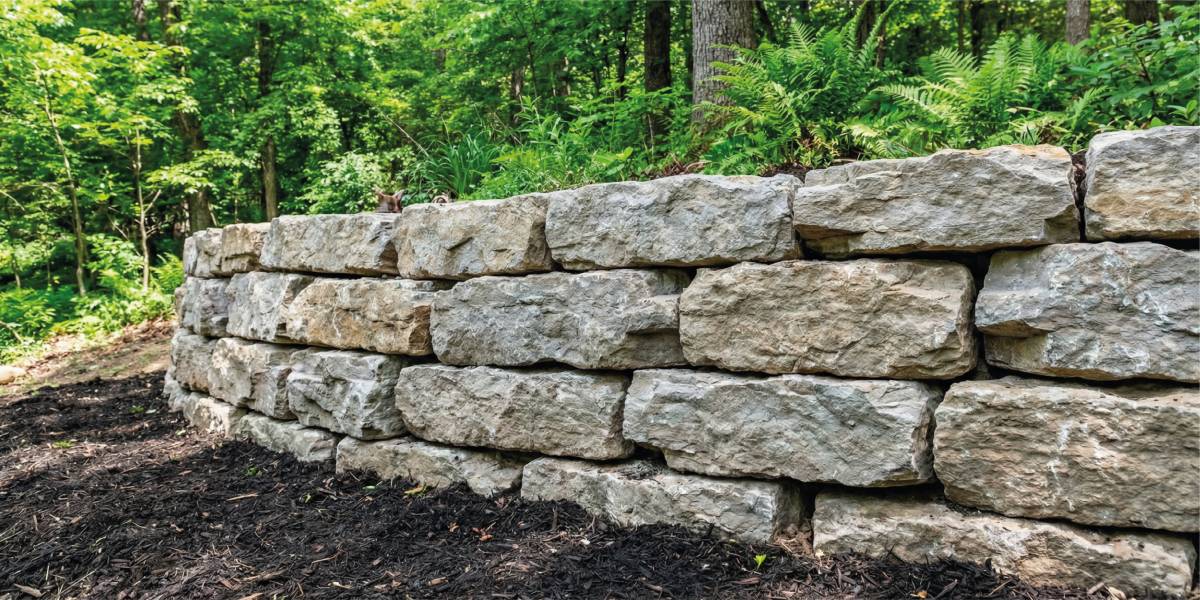
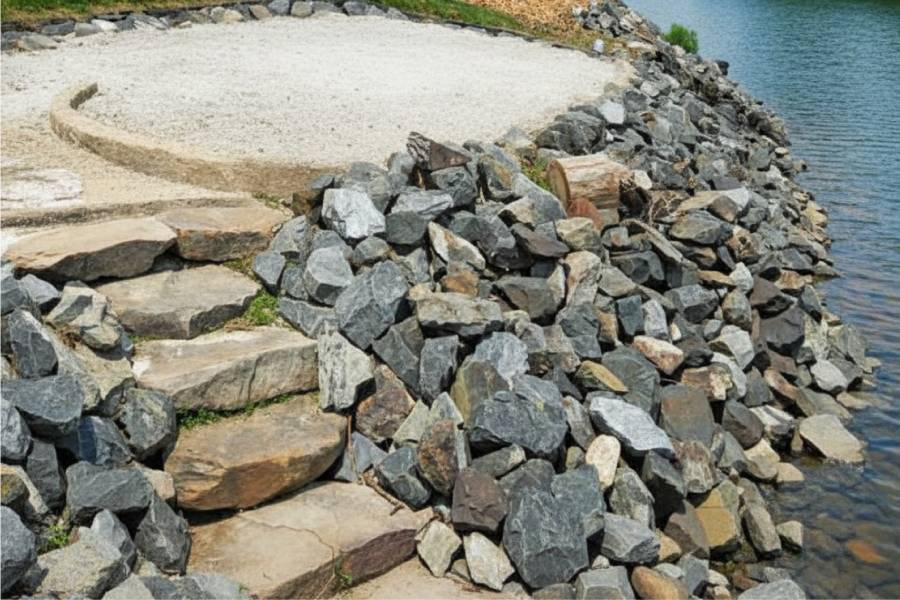
Natural stone retaining walls on Lake Tyler using locally available rock to create gravity walls that rely on mass. The freshwater conditions and sandy clay substrate determine proper foundation depth and drainage.

labor and materials
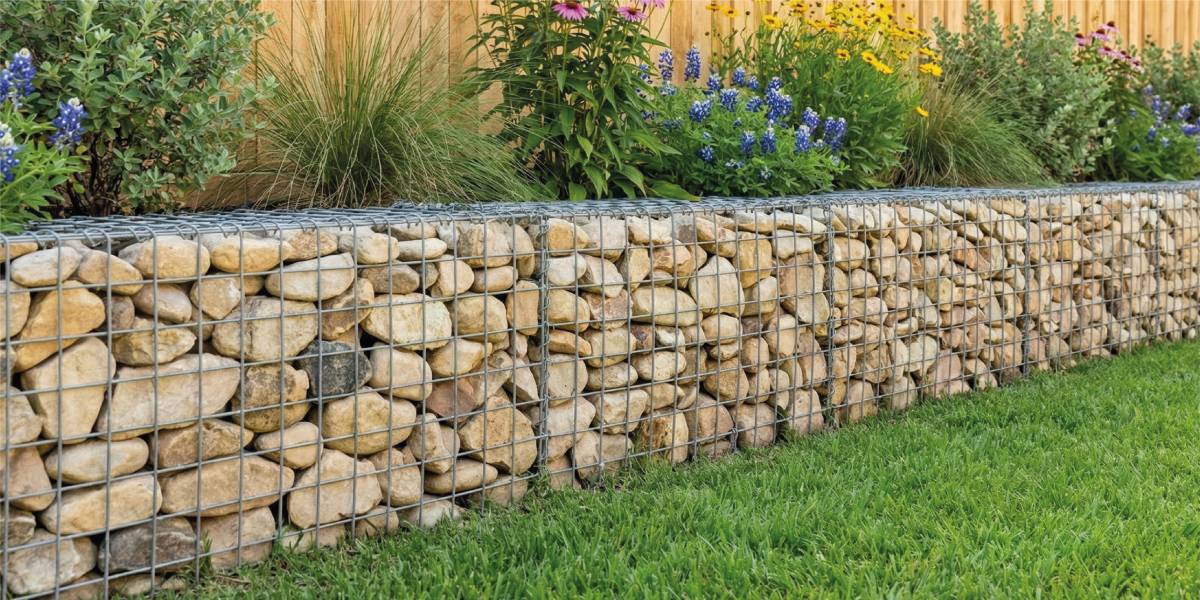
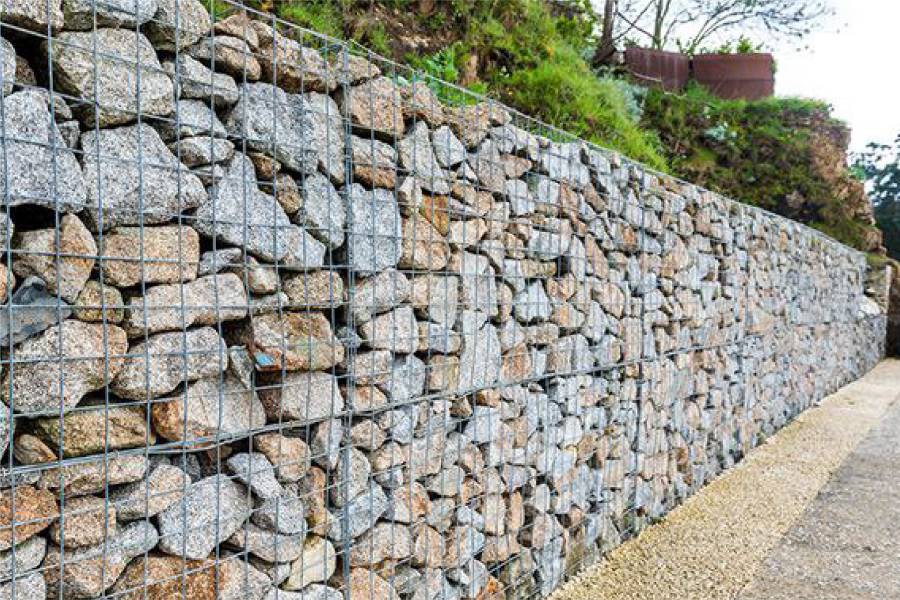
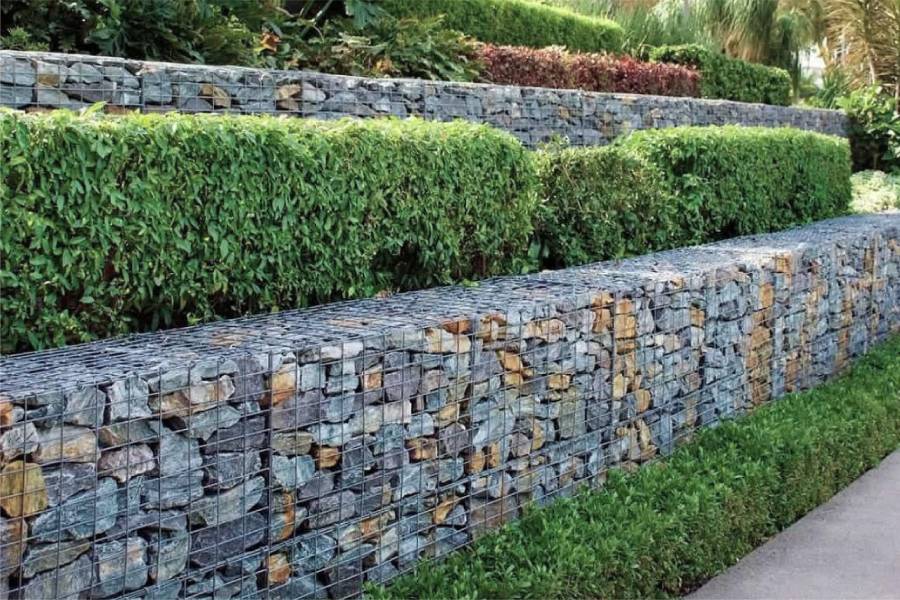
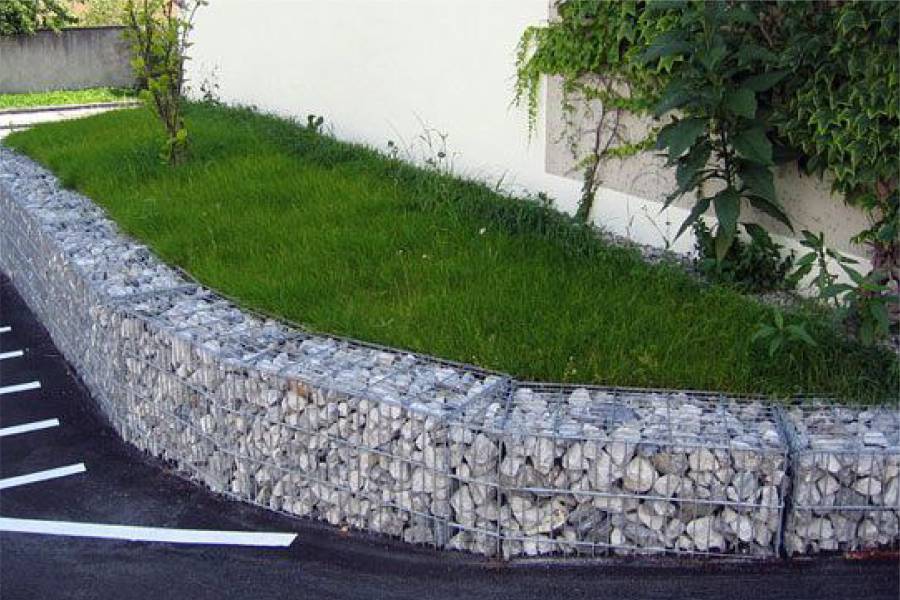
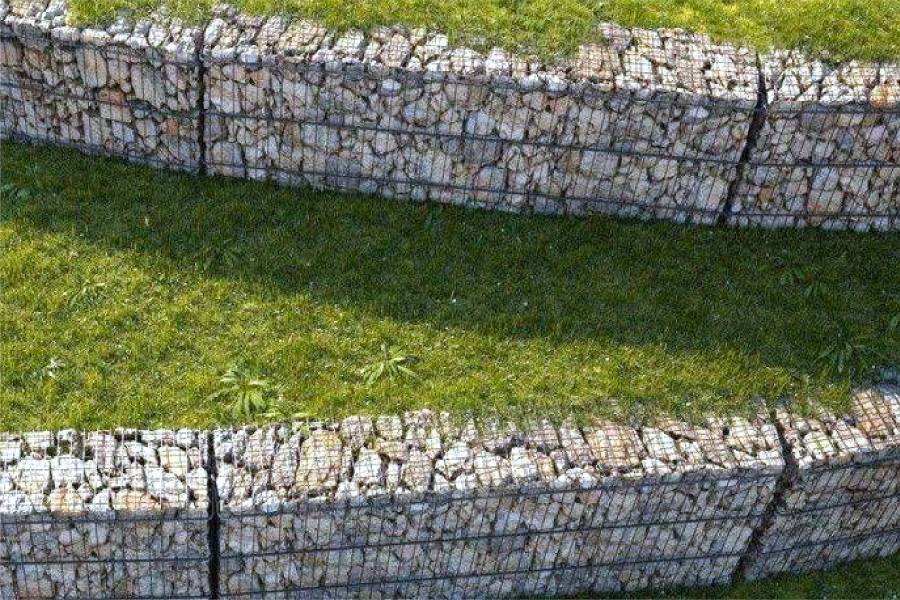
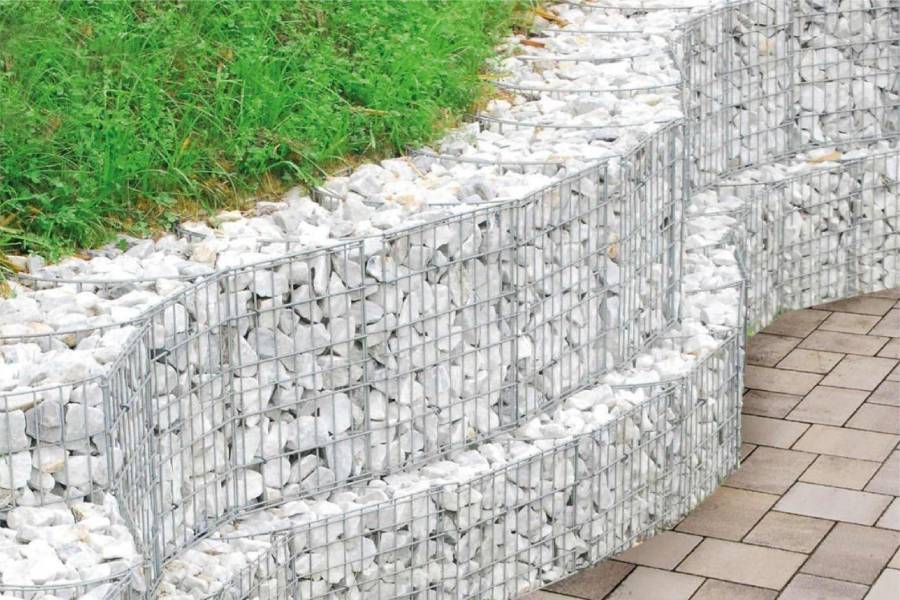
Gabion retaining walls along Lake Tyler — rock-filled wire baskets stacked on prepared grades to stabilize eroding sandy clay banks. Self-draining and flexible for shorelines where moderate wind fetch, residential and recreational boat traffic causes seasonal movement.

labor and materials
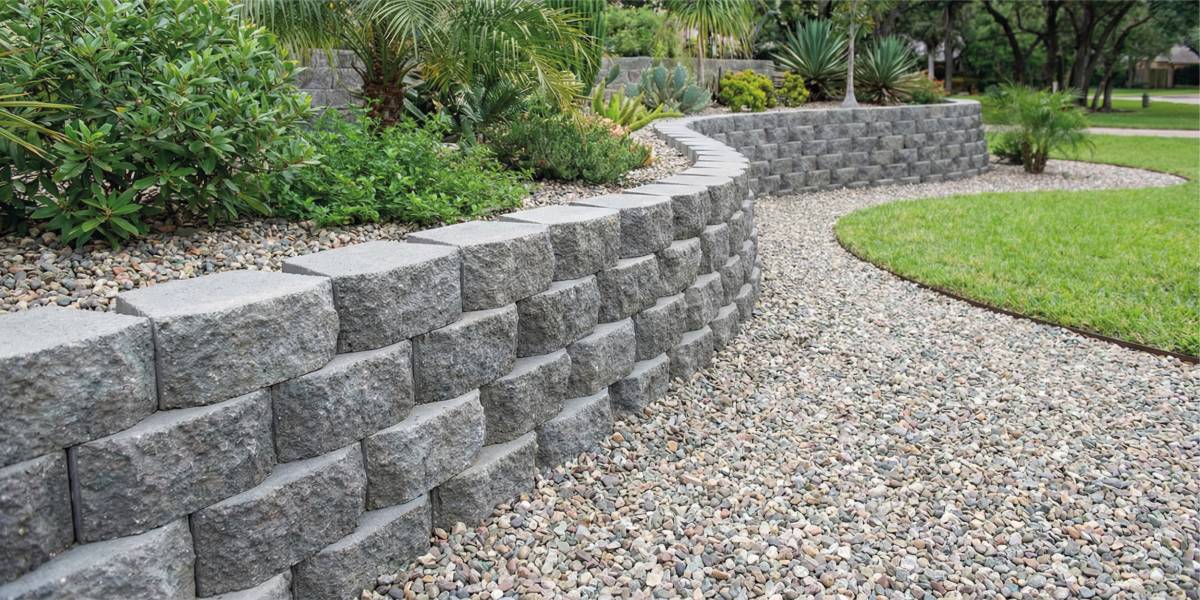
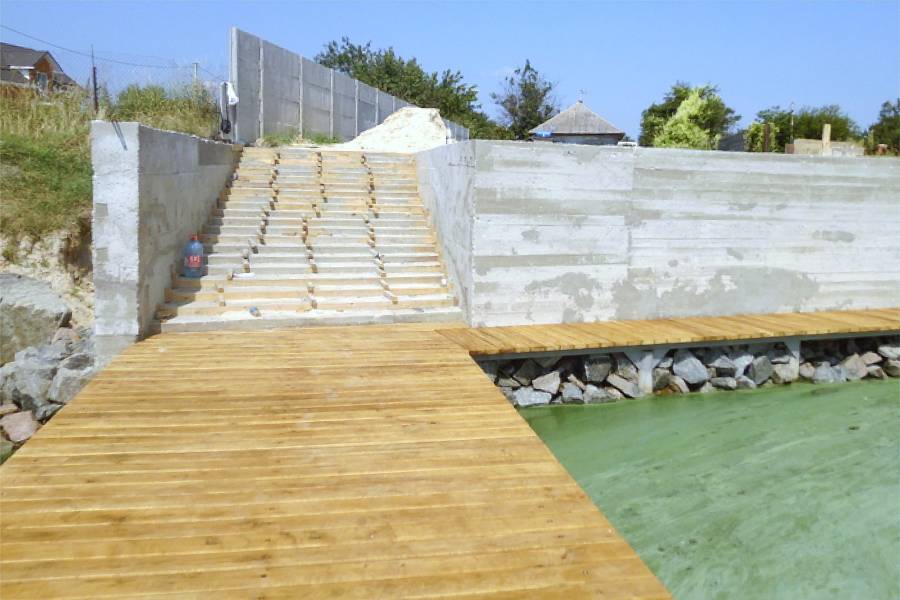
Interlocking concrete block retaining walls for Lake Tyler requiring engineered slope retention. Block walls with geogrid handle significant surcharge loads from structures or equipment near the bank edge.

labor and materials
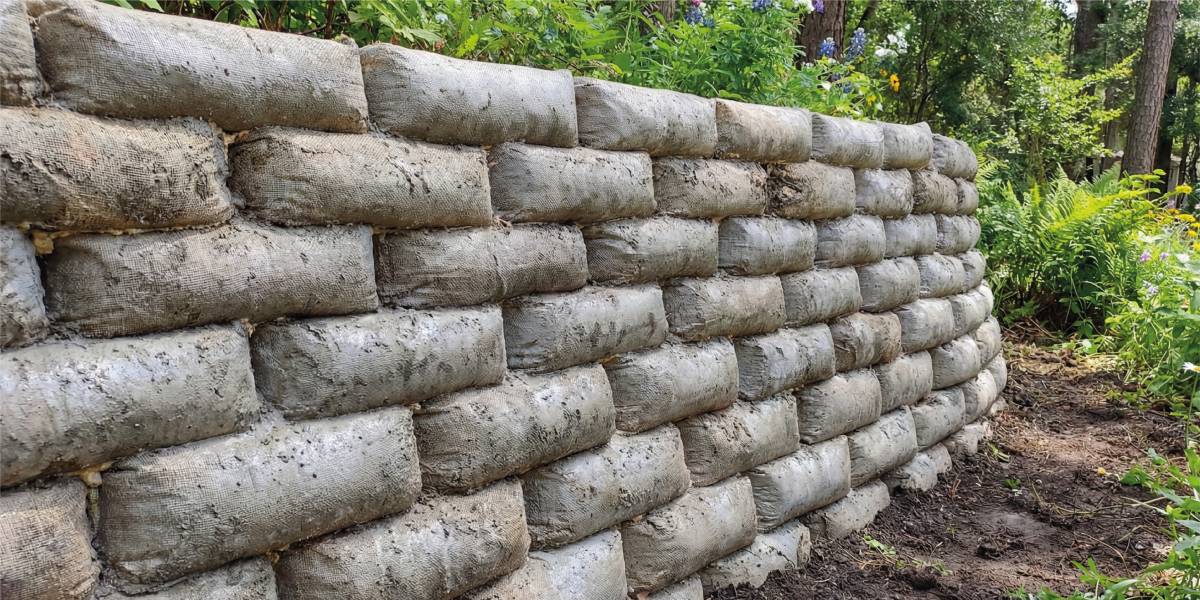
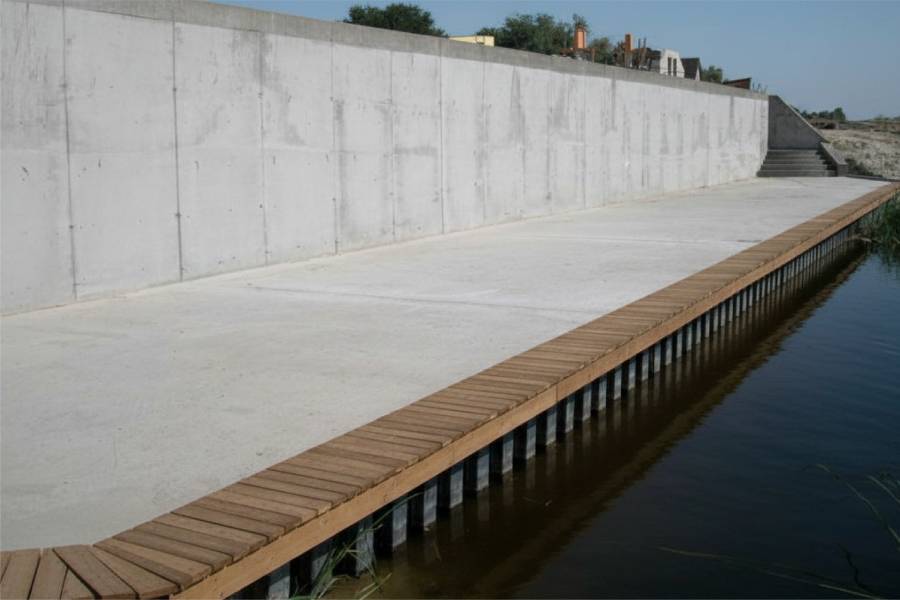
Concrete bag retaining walls on Lake Tyler providing cost-effective bank armor on sandy clay slopes. Placed and cured on existing grade, bag walls protect against scour from moderate wind fetch, residential and recreational boat traffic without conventional footings.

labor and materials
Retaining wall repair along Lake Tyler: leaning walls, failed drainage, rotted timbers, displaced stones and cracked concrete. Shore Protect Team evaluates each site near Tyler, Whitehouse for repair versus replacement.


Common causes on Lake Tyler include inadequate drainage behind the wall, insufficient foundation depth in sandy clay, underestimated soil loads, and toe scour from moderate wind fetch, residential and recreational boat traffic. Proper engineering prevents all of these.
Starting prices on Lake Tyler range from $70/ft for repair, $120 for concrete bag, $150 for wood and stone, $180 for concrete block, and $200 for gabion. Final cost depends on wall height, soil conditions, drainage and access.
The lake's sandy clay determines foundation depth, tieback requirements, and drainage configuration. Softer soils need deeper embedment and more robust drainage to prevent hydrostatic pressure buildup.
Localized timber rot, displaced stones, and minor cracks can usually be repaired. If the wall is leaning, the foundation is undermined, or drainage has failed along most of the run, replacement is typically more cost-effective.
Yes. Shore Protect Team handles all required coordination for retaining wall projects on Lake Tyler, from site assessment through construction completion. We serve properties near Tyler, Whitehouse.