The banks along Lake Houston are composed of alluvial clay and silt, eroding progressively under flooding from San Jacinto River, urban runoff, dam-controlled levels. Without structural retention, bank loss accelerates — undermining landscaping, hardscape, and waterfront structures.
Material choice on Lake Houston depends on bank height, soil type, water exposure and budget. Treated wood handles banks up to about 4 feet economically. Stone and gabions work well on alluvial clay and silt slopes where drainage matters. Concrete block delivers maximum height and load capacity for taller walls.
We serve waterfront properties along the full Lake Houston shoreline — near Huffman, Atascocita, Kingwood. Contact us for a free consultation and on-site assessment.

labor and materials
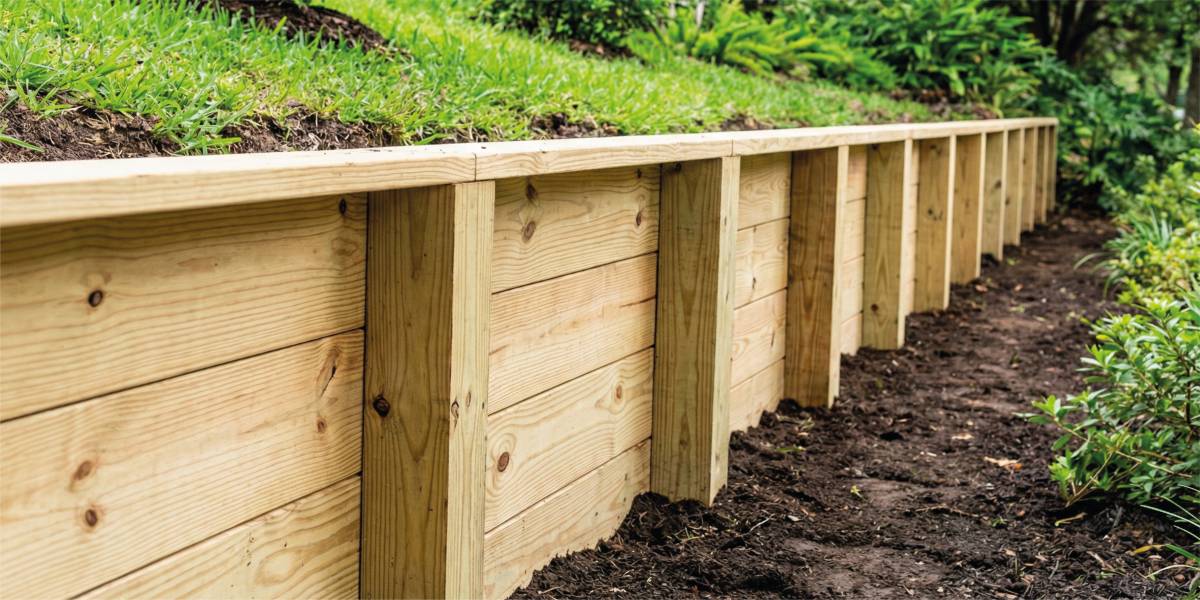
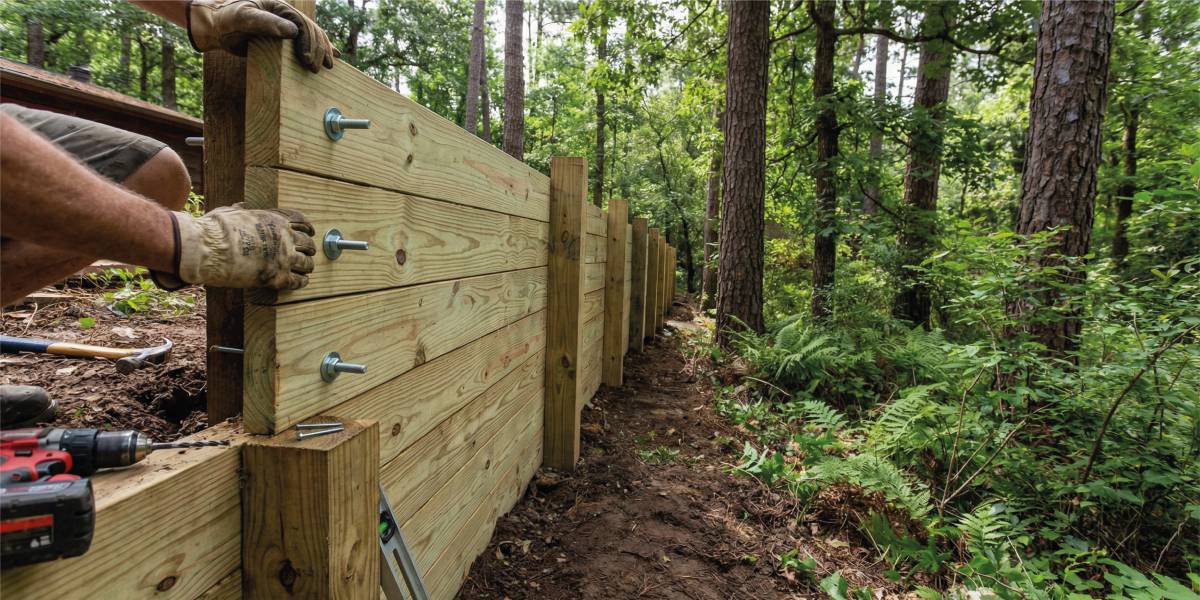
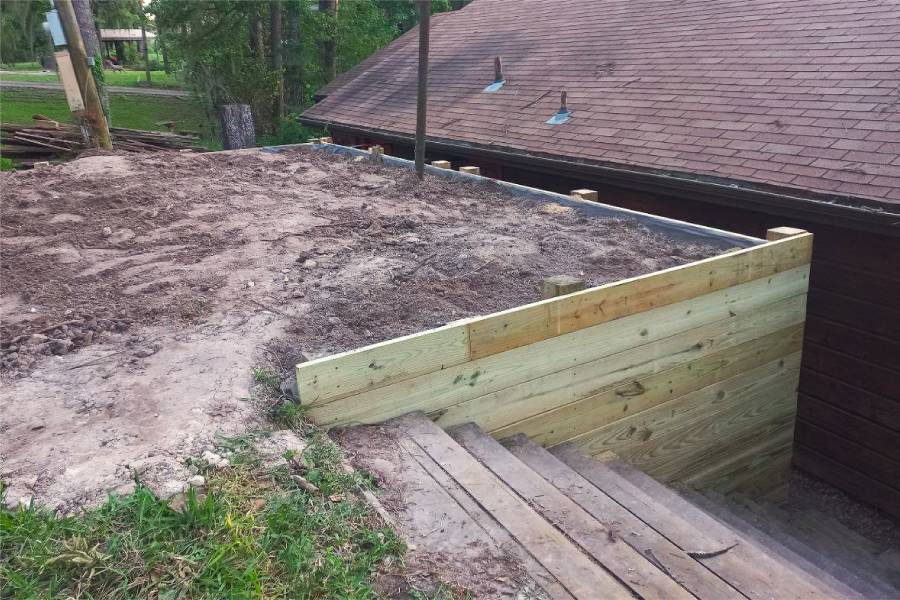
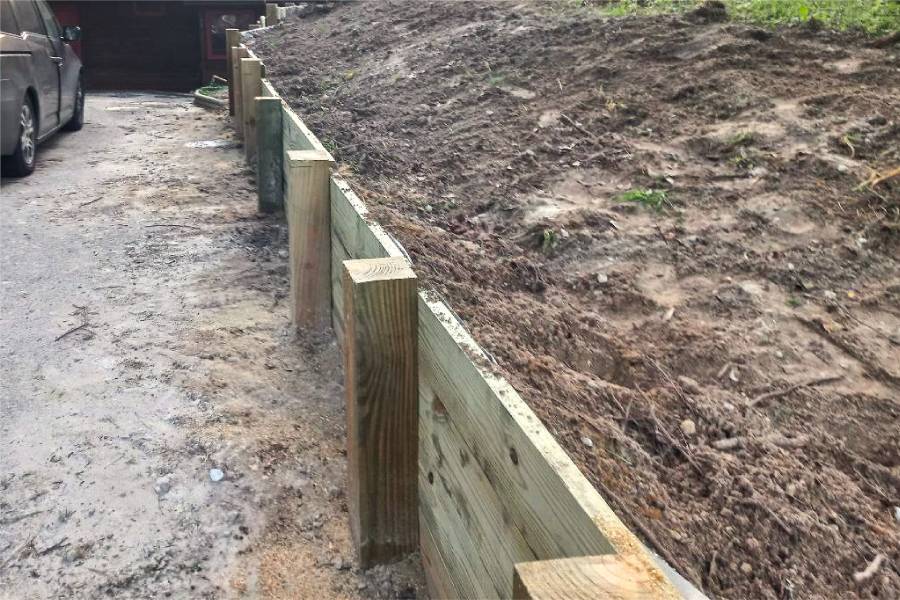
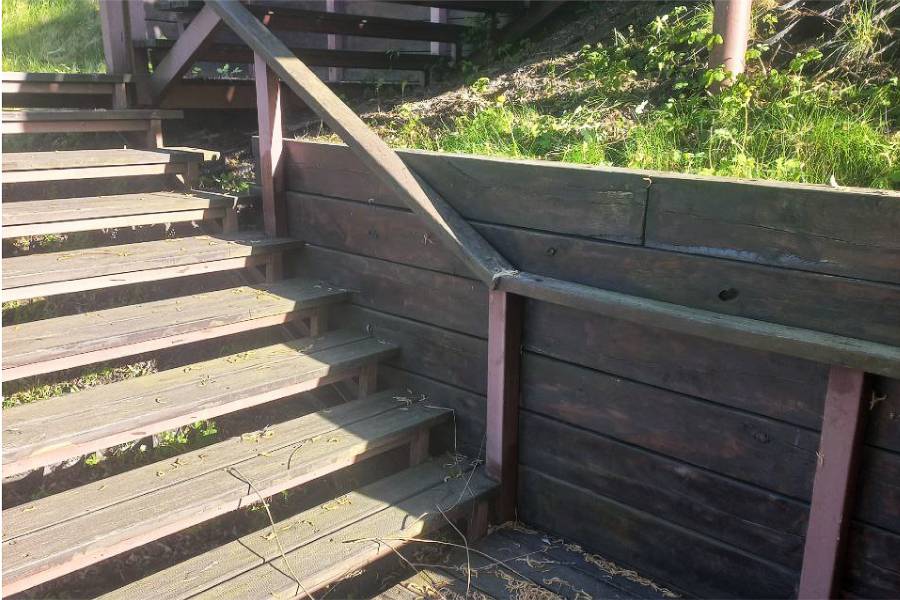
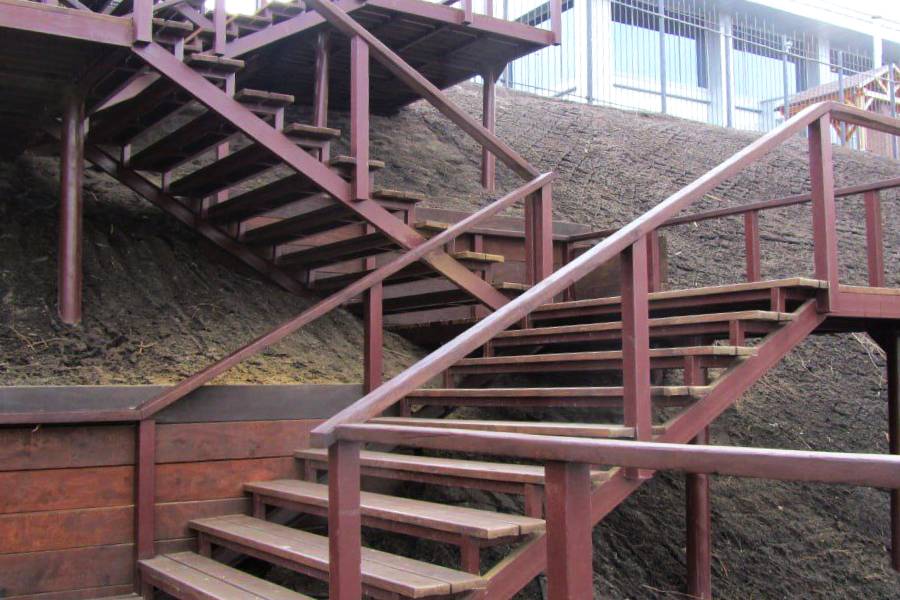
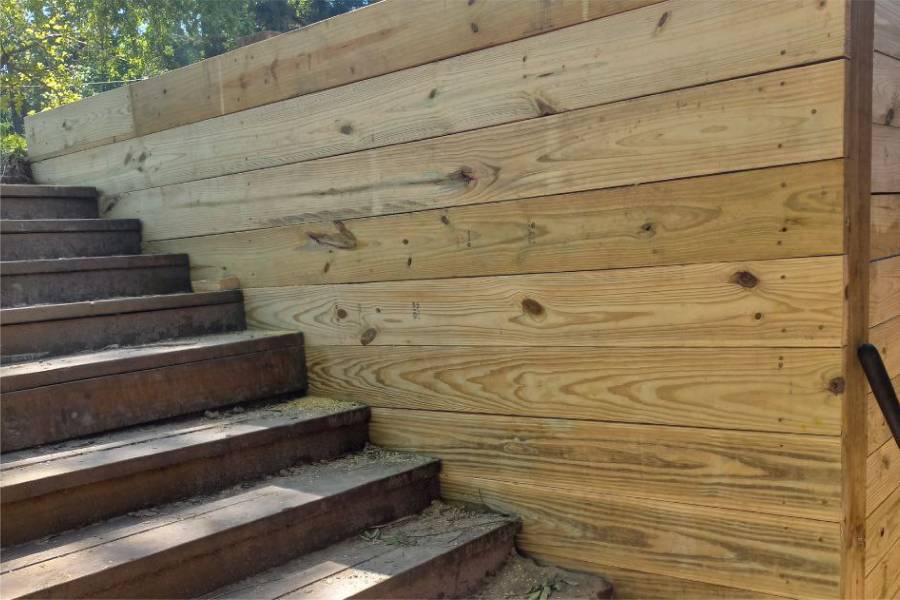
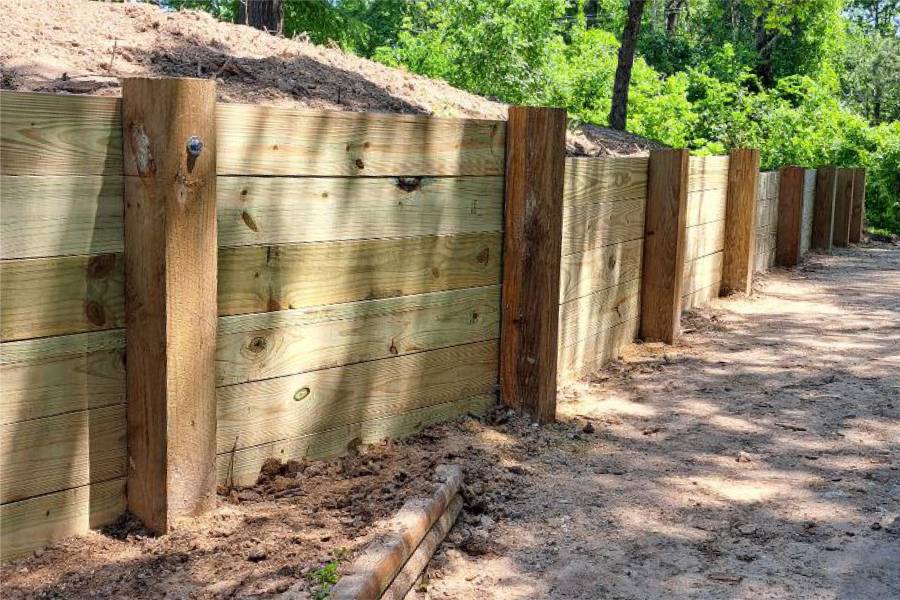
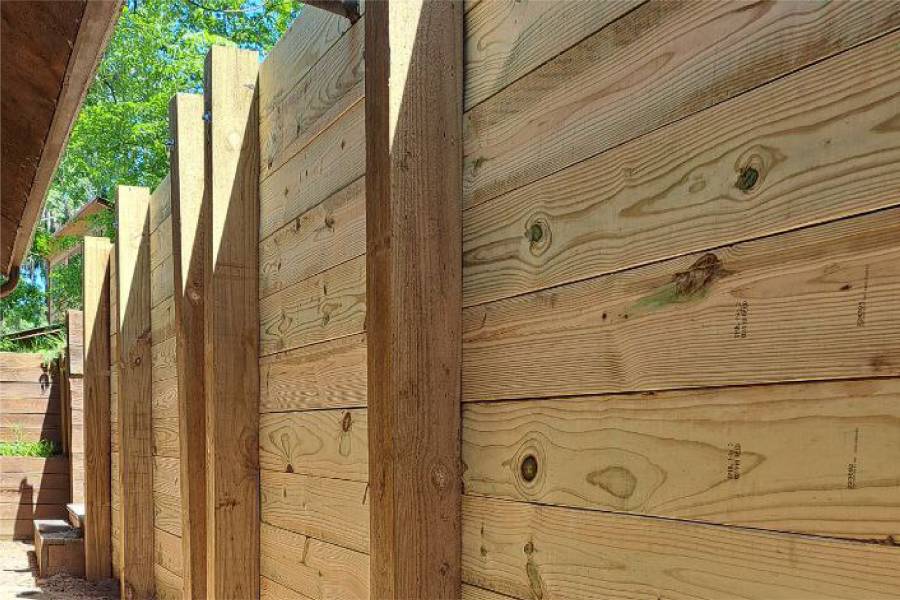
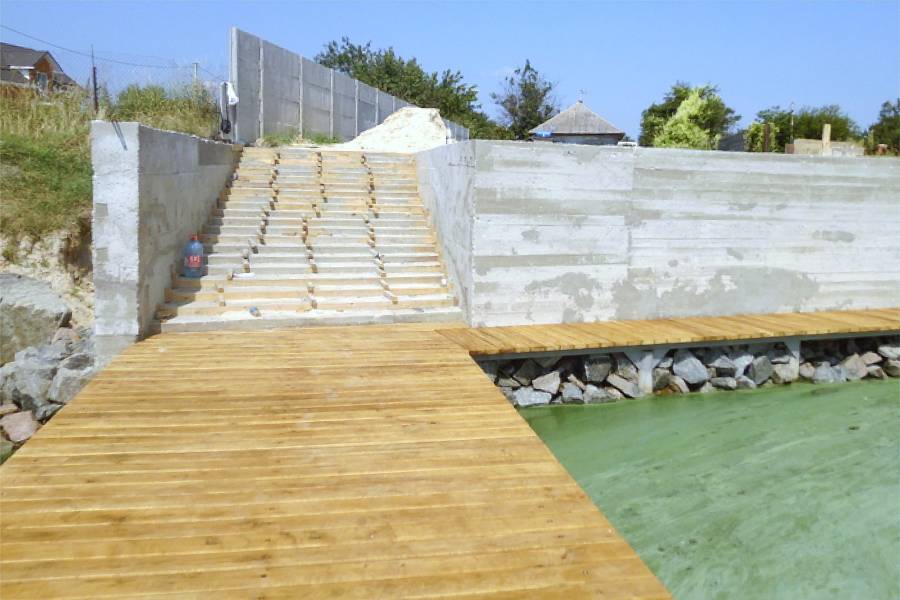
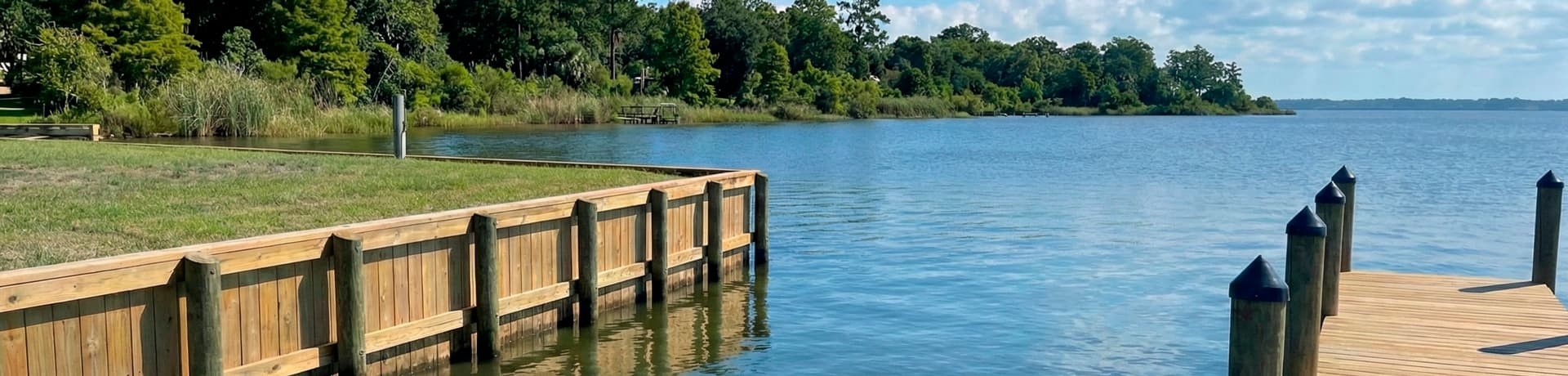
Treated timber retaining walls on Lake Houston for low-to-moderate bank heights where alluvial clay and silt allows driven post construction. Southern yellow pine with copper azole treatment withstands the lake's freshwater with variable turbidity for 20+ years.

labor and materials
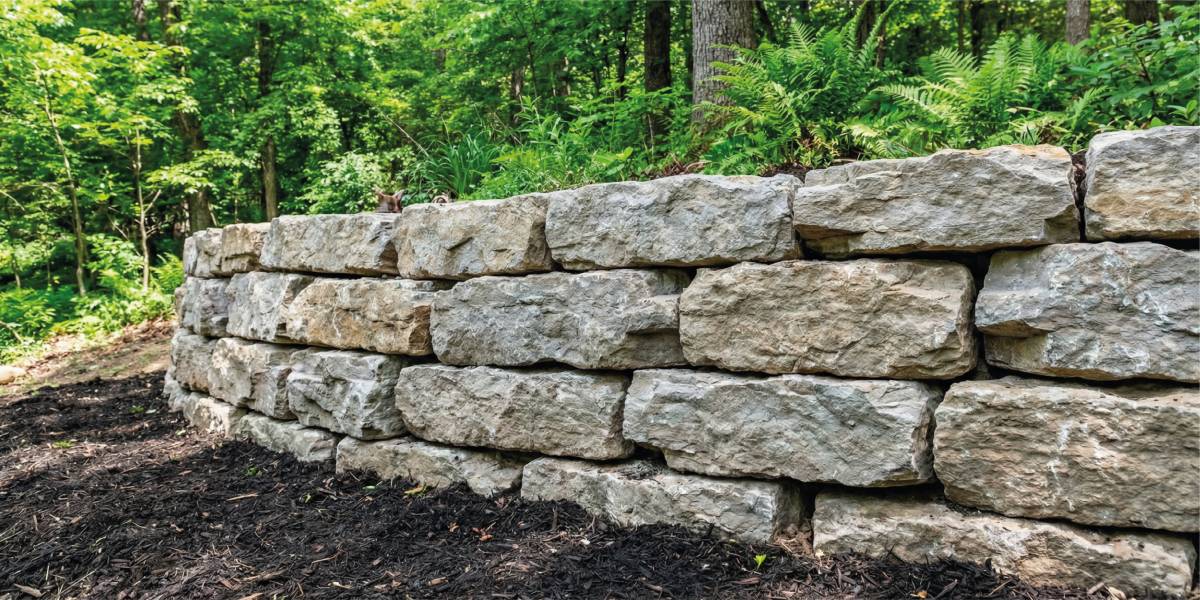
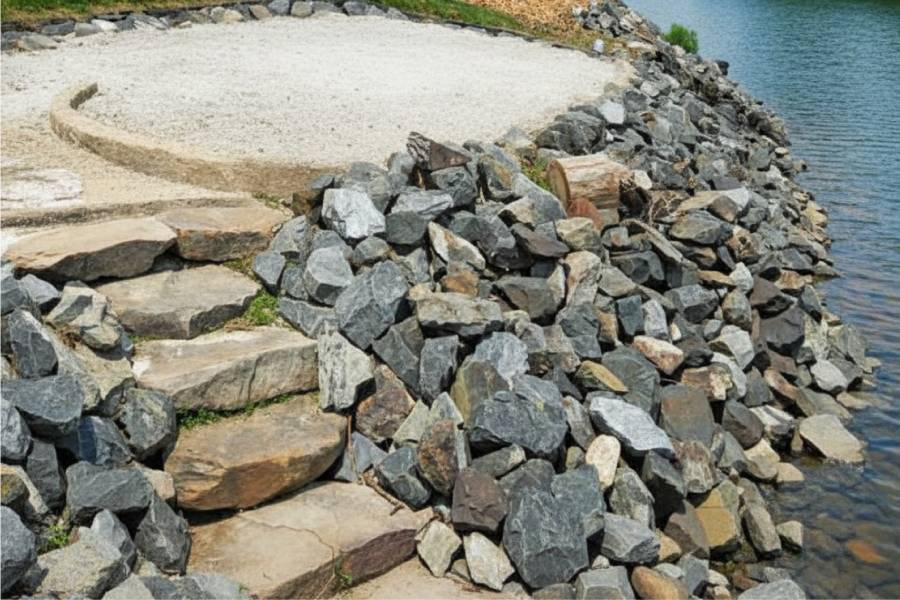
Stone retaining walls along Lake Houston from regional limestone, granite or sandstone. Dry-stacked or mortar-set, stone walls provide mass-gravity retention while complementing the natural shoreline near Huffman, Atascocita, Kingwood.

labor and materials
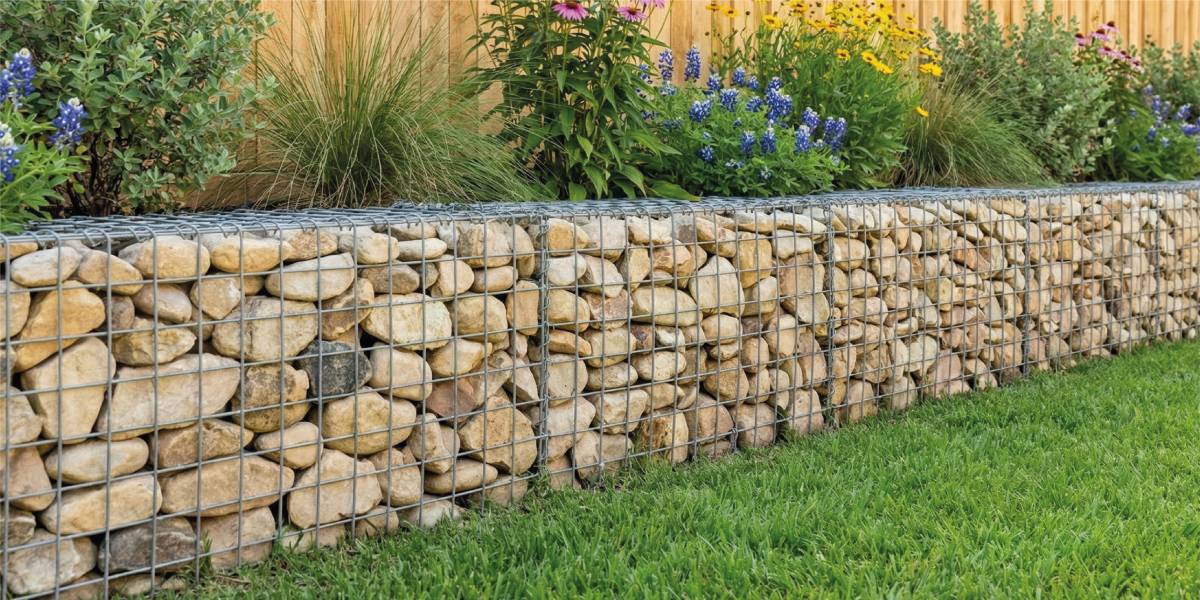
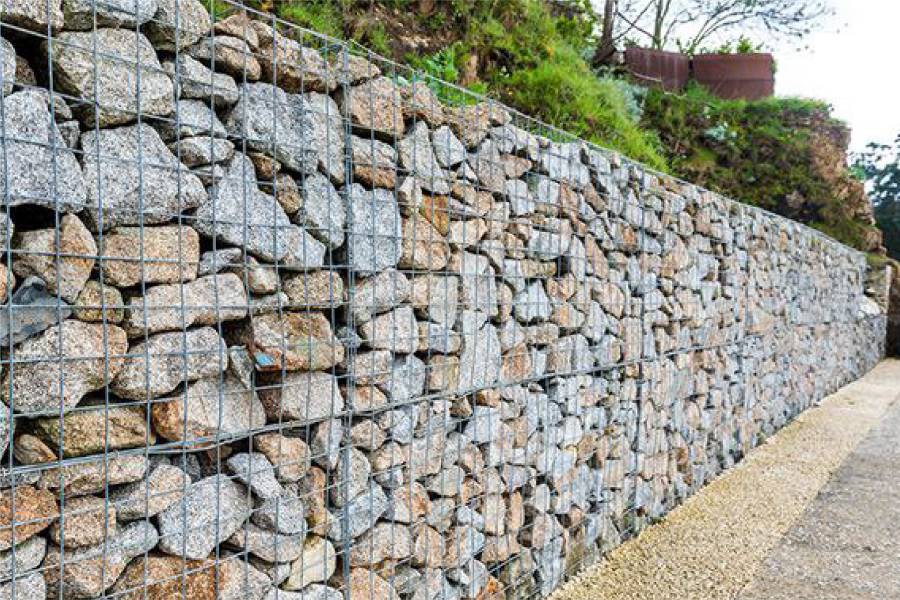
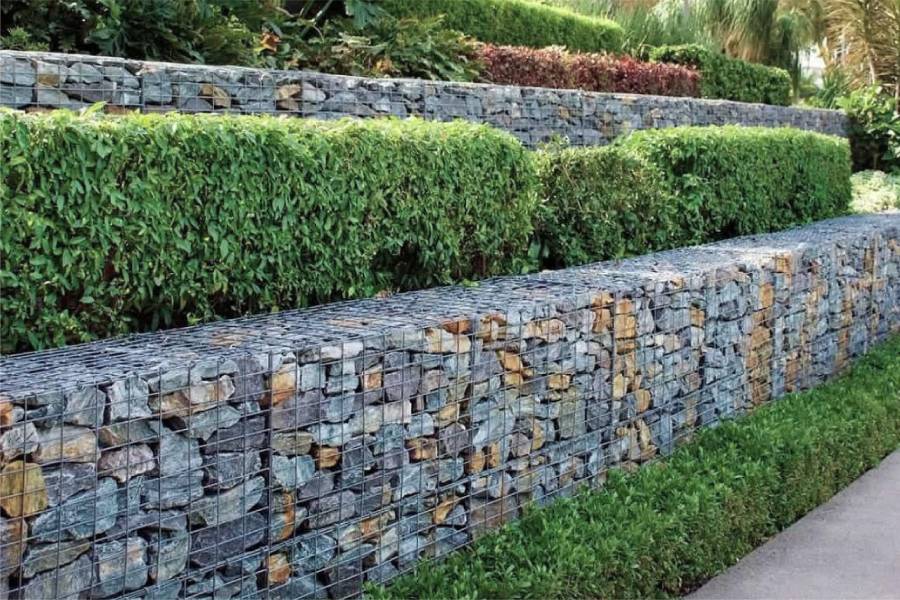
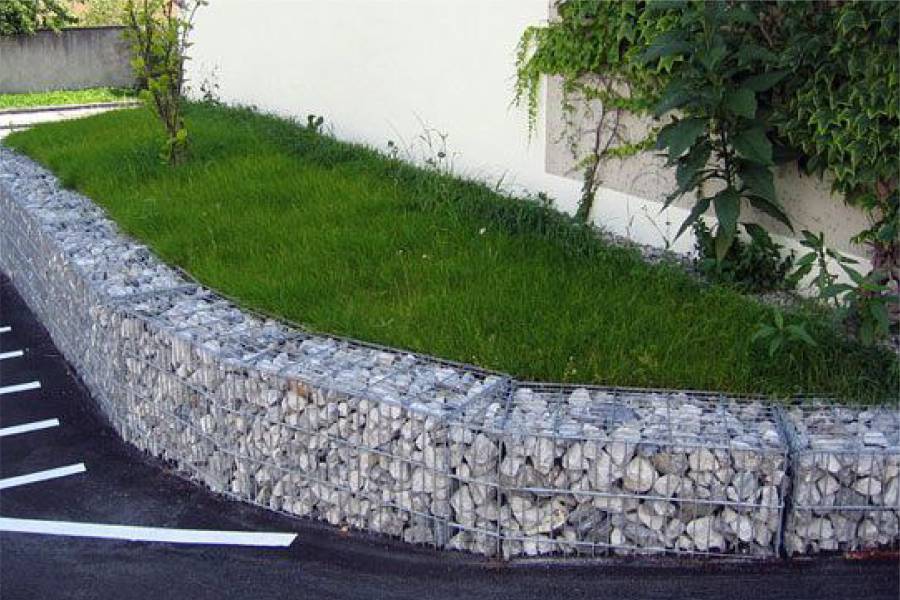
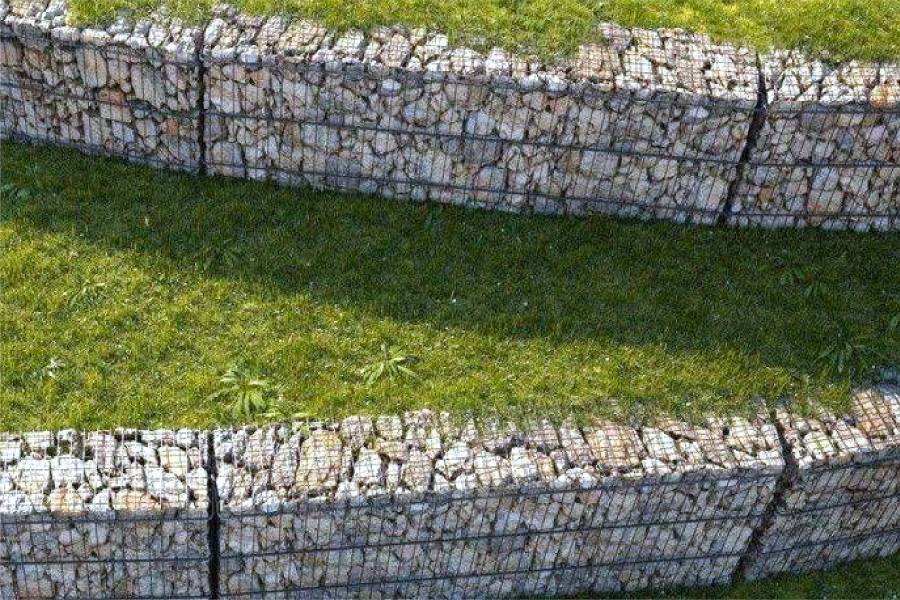
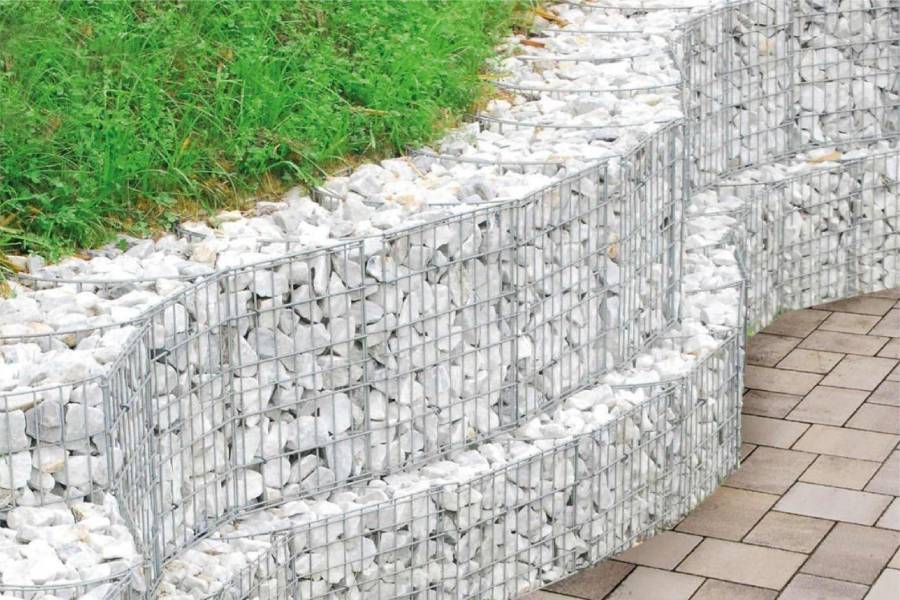
Wire cage gabion walls for Lake Houston shoreline stabilization on alluvial clay and silt grades where ground movement from flooding from San Jacinto River, urban runoff, dam-controlled levels would crack conventional concrete. Rock-filled baskets flex, drain and revegetate naturally.

labor and materials
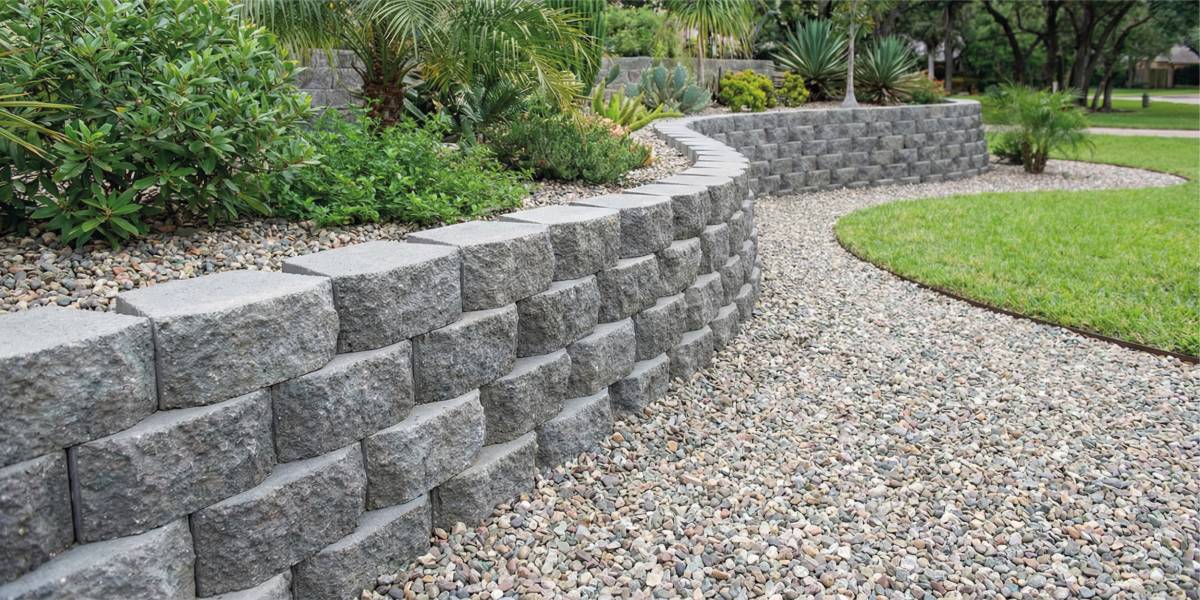
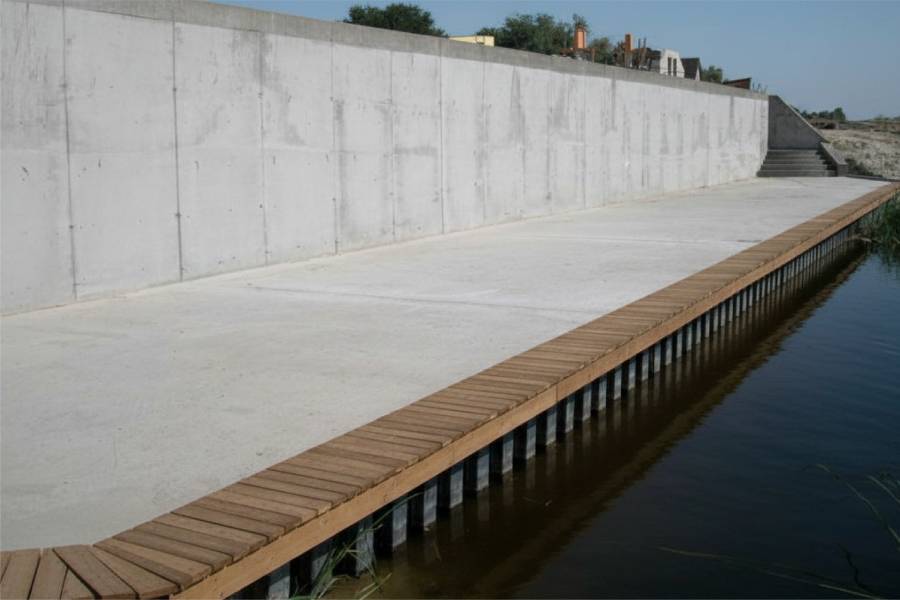
Concrete masonry retaining walls on Lake Houston with reinforced cores and positive drainage behind the wall face. CMU construction handles the freshwater with variable turbidity environment and provides maximum rigidity on stable alluvial clay and silt foundations.

labor and materials
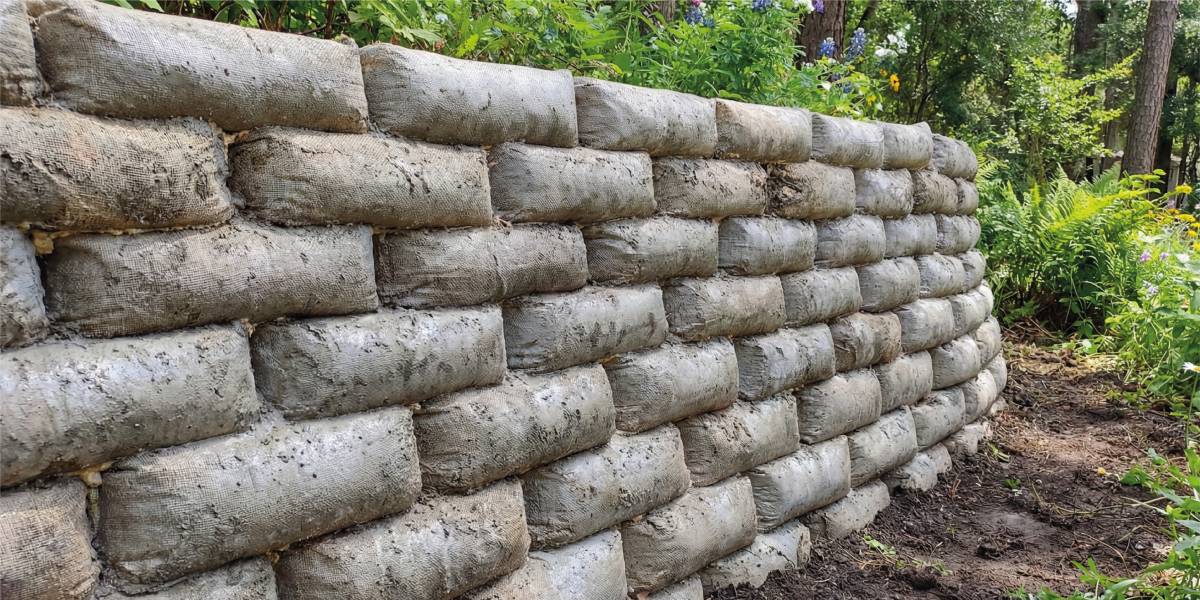
Rapid-deploy concrete bag walls along Lake Houston for emergency and planned bank stabilization. Fabric-formed bags on alluvial clay and silt slopes cure into a monolithic armored surface against flooding from San Jacinto River, urban runoff, dam-controlled levels.

labor and materials
Retaining wall rehabilitation on Lake Houston: structural evaluation, selective demolition, tieback replacement, drainage restoration, and cap repair. Every project near Huffman, Atascocita, Kingwood includes root-cause analysis.


Depends on bank height and conditions. Wood handles up to 4 feet on Lake Houston. Stone and gabion provide drainage and flexibility on alluvial clay and silt. Concrete block is engineered for taller walls with heavy loads.
Starting prices on Lake Houston range from $70/ft for repair, $120 for concrete bag, $150 for wood and stone, $180 for concrete block, and $200 for gabion. Final cost depends on wall height, soil conditions, drainage and access.
Yes. Every retaining wall on Lake Houston needs positive drainage — typically gravel backfill with perforated pipe. Without it, hydrostatic pressure from freshwater with variable turbidity saturating the backfill can push the wall out.
Localized timber rot, displaced stones, and minor cracks can usually be repaired. If the wall is leaning, the foundation is undermined, or drainage has failed along most of the run, replacement is typically more cost-effective.
Yes. Shore Protect Team handles all required coordination for retaining wall projects on Lake Houston, from site assessment through construction completion. We serve properties near Huffman, Atascocita, Kingwood.