Bank Stabilization Services in Lake Houston, Texas

Effective solutions to stop erosion and protect the value of riverfront property

Floodwater and Sand Where the San Jacinto Forks Meet Lake Houston

Lake Houston lies about 15 miles northeast of downtown Houston in Harris County, where the West Fork and East Fork of the San Jacinto River flow into one reservoir. It covers close to 11,900 acres, and the Coastal Water Authority is listed by TPWD as the controlling authority. Kingwood is among the neighborhoods on its banks. Normal level changes are low, and natural cover is scarce outside the upper forks.

Day to day the lake is calm. Flood events are another matter. In May 2024, up to 18 inches of rain and releases from Lake Conroe that peaked near 71,835 cubic feet per second sent water through Kingwood and the East Fork area, and about 800 homes were classified as majorly damaged. Floods also move sand. More than 4 million cubic yards of sediment were dredged after Hurricane Harvey, yet local observers report it building back up. Floods of this kind tend to scour wall toes and bury pilings.

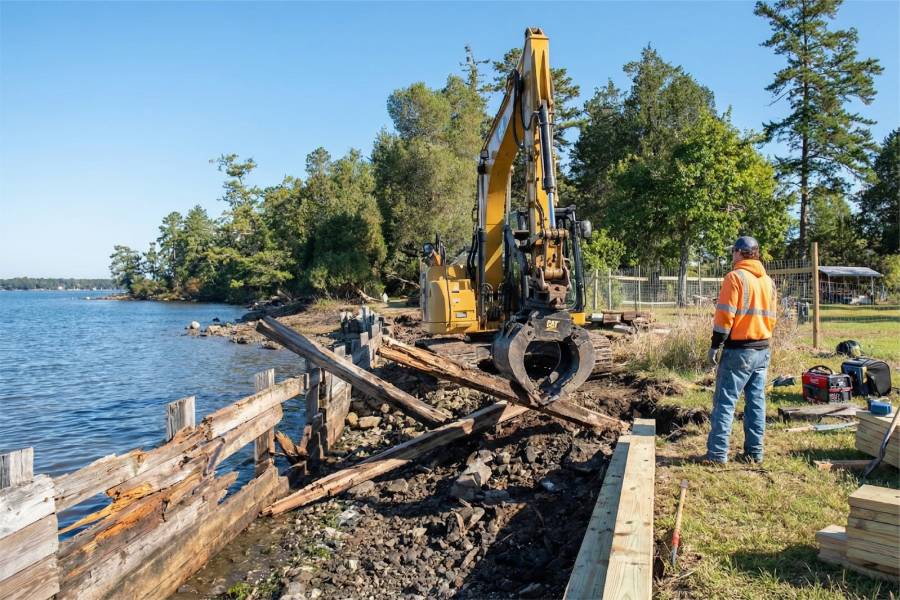
Our Bank Stabilization Services in Lake Houston, TX are built for quiet water that can turn into a flood. We install and repair bulkheads, seawalls and retaining walls, drive pilings, and build piers, docks and boat slips that can take fast current and debris.

Post-flood or just planning ahead, send the address and some photos of your Lake Houston bank. We will prepare a free preliminary estimate.


Bank Stabilization Services in Lake Houston, Texas

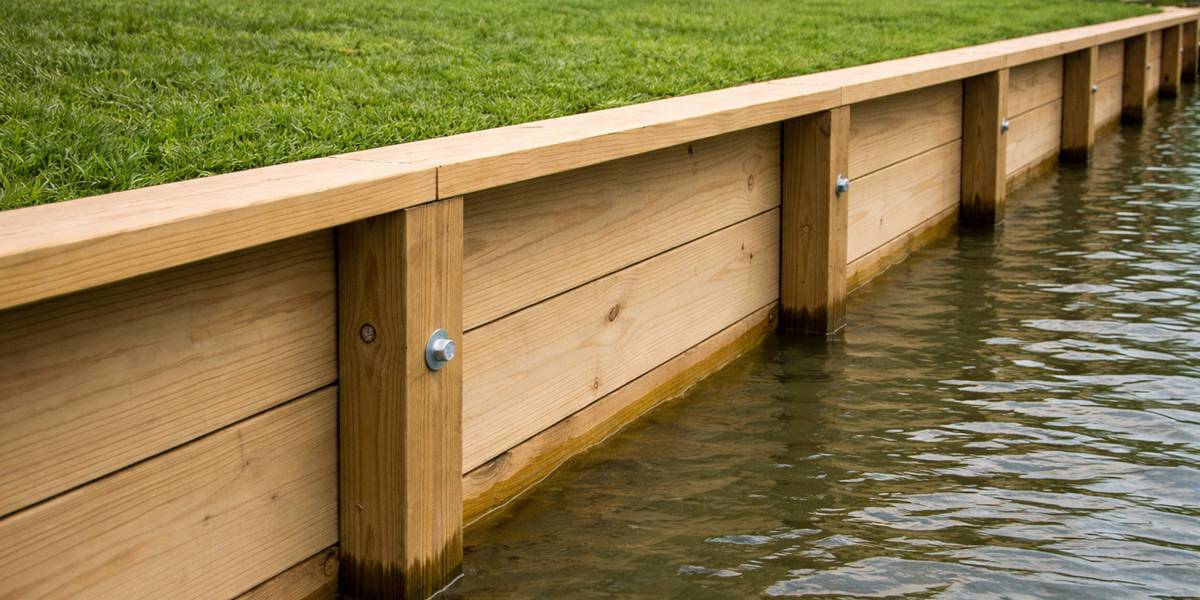
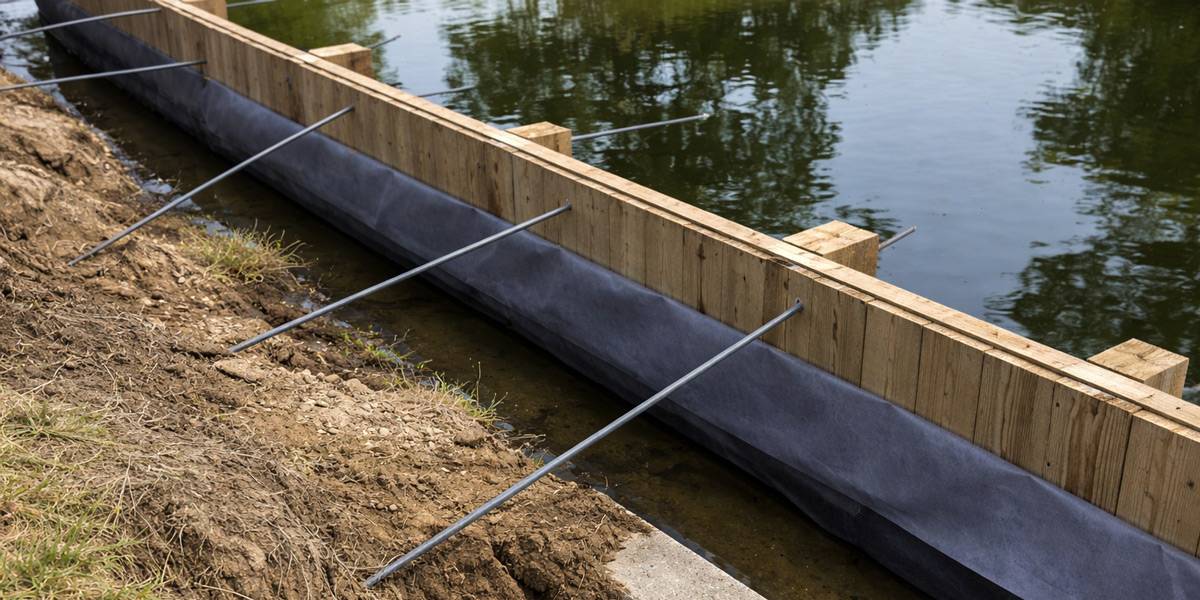
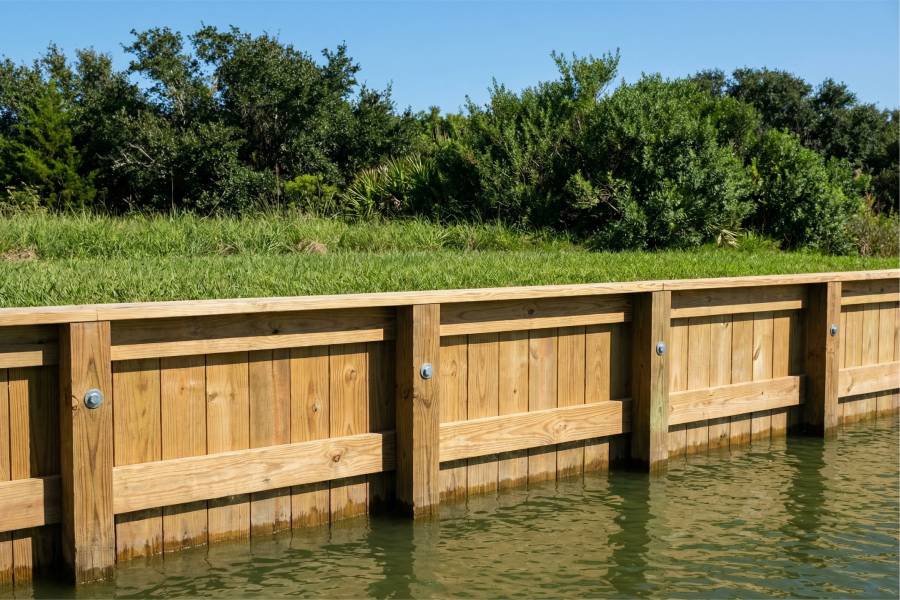
Bulkhead Construction and Repair in Lake Houston, TX

Bulkheads on Lake Houston built to resist scour when the San Jacinto forks flood

Bank Stabilization Services in Lake Houston, Texas

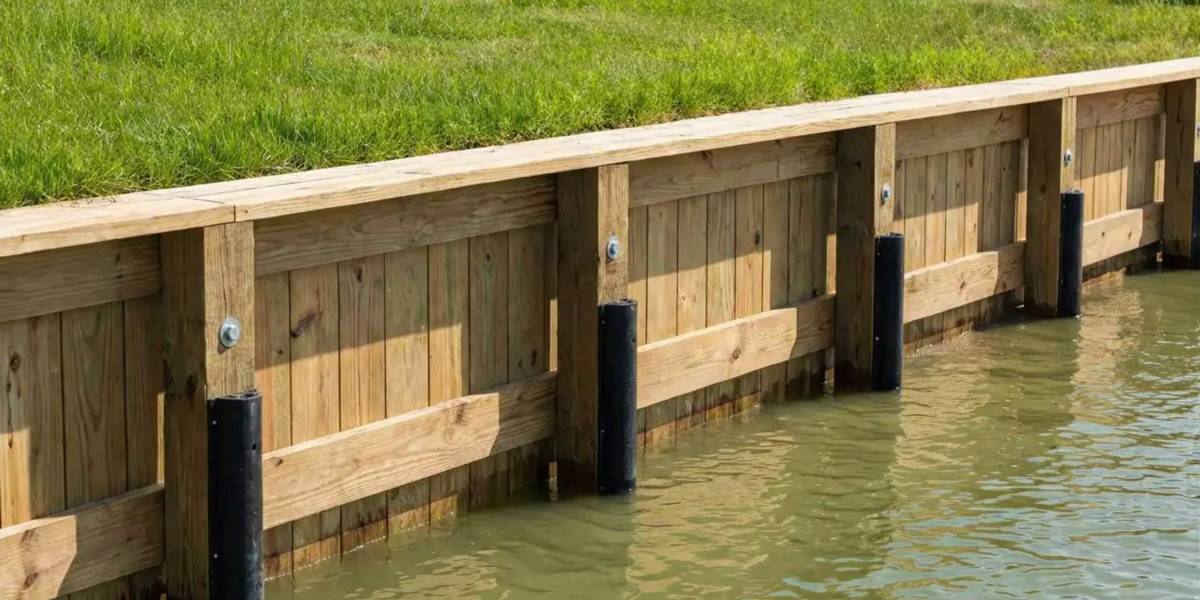
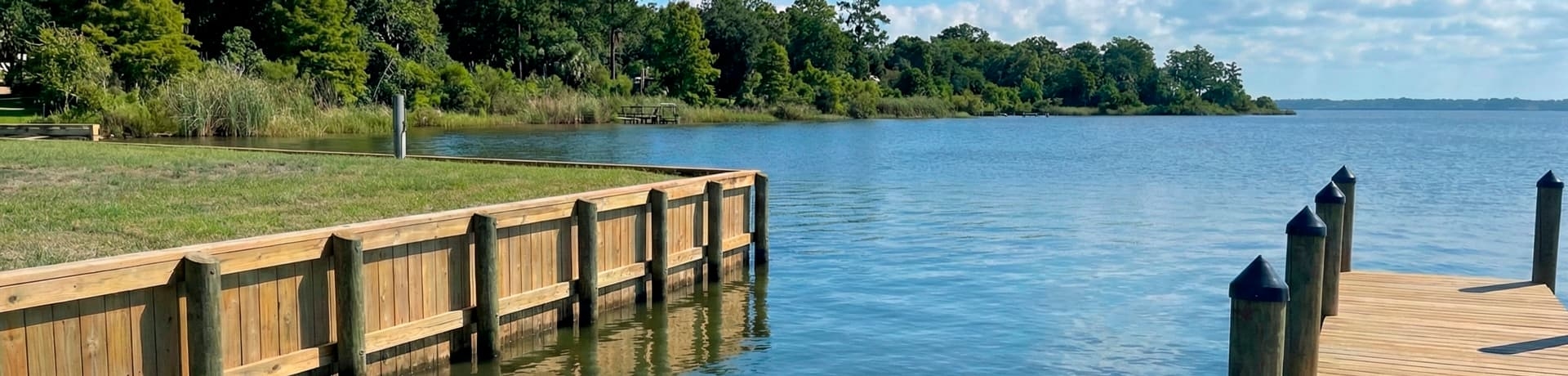
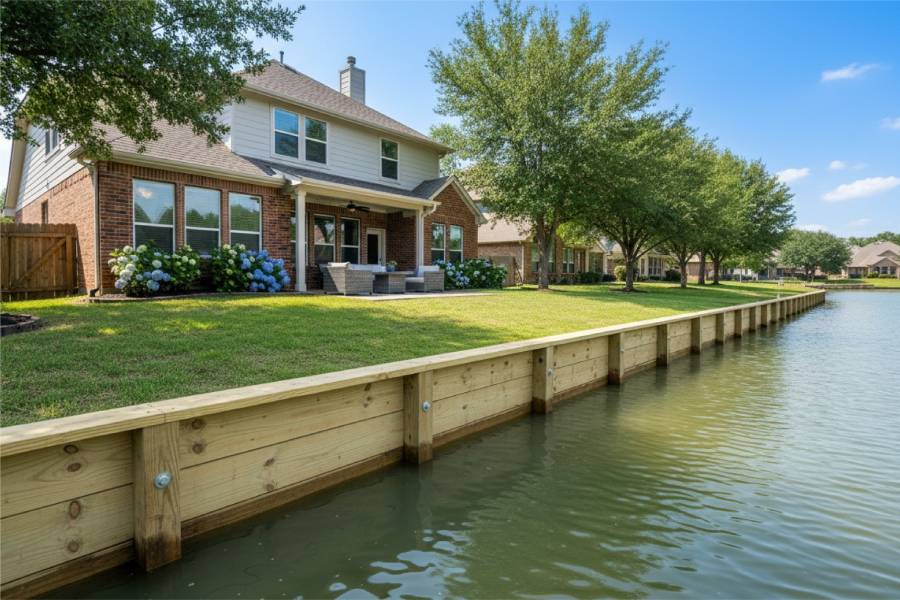
Seawall Construction and Repair in Lake Houston, TX

Seawalls for Lake Houston banks hit by fast floodwater and heavy sand loads

Bank Stabilization Services in Lake Houston, Texas

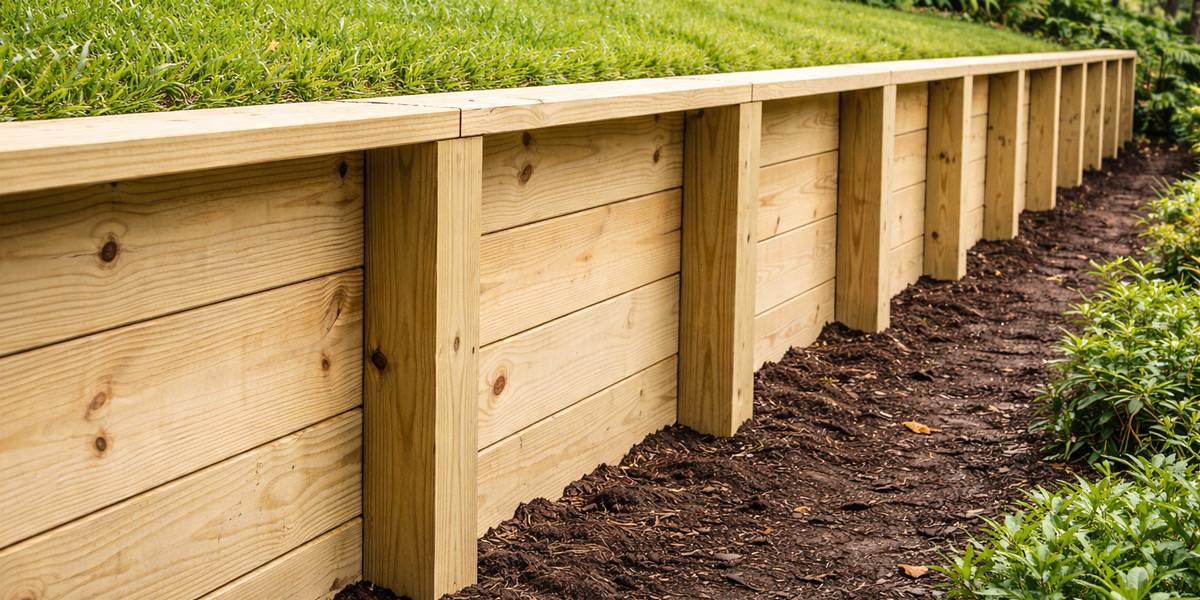
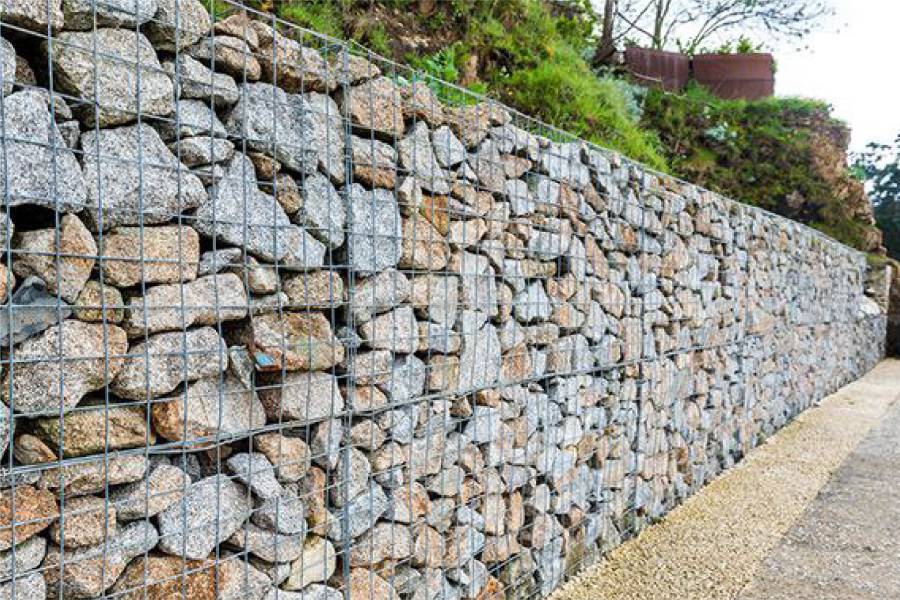
Retaining Wall Construction and Repair in Lake Houston, TX

Retaining walls for Kingwood and other lots sloping down to Lake Houston

Bank Stabilization Services in Lake Houston, Texas

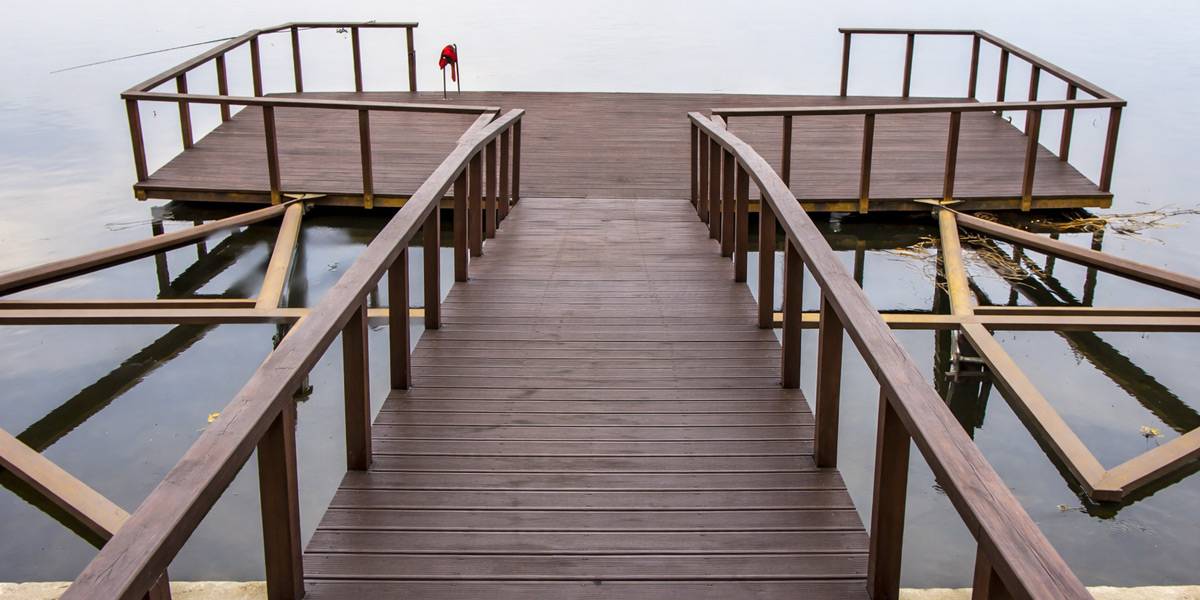
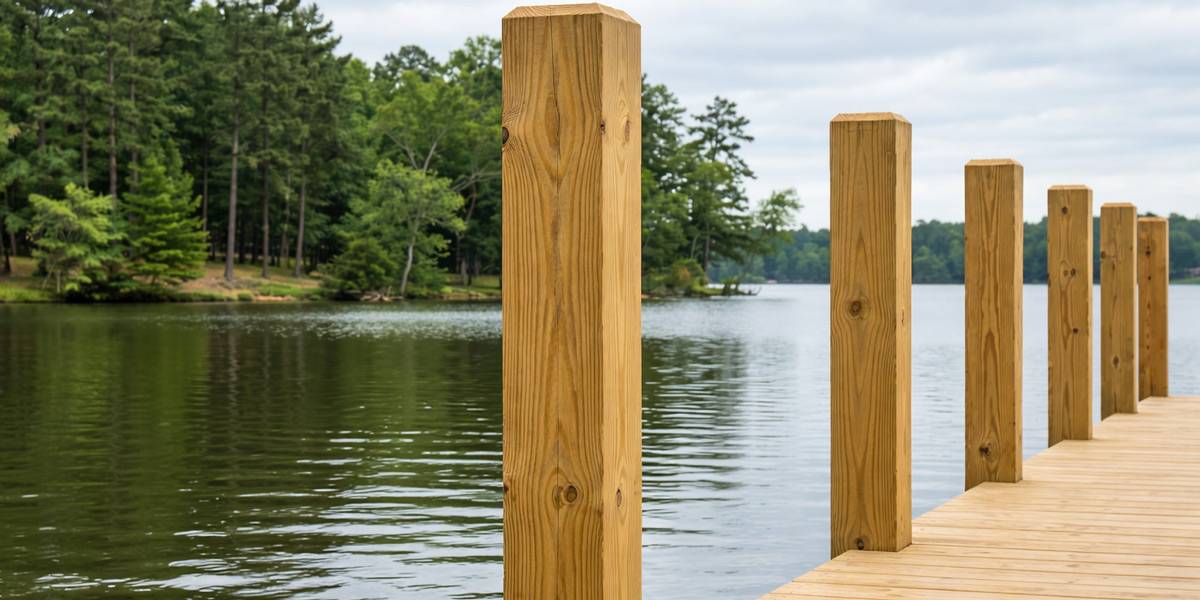
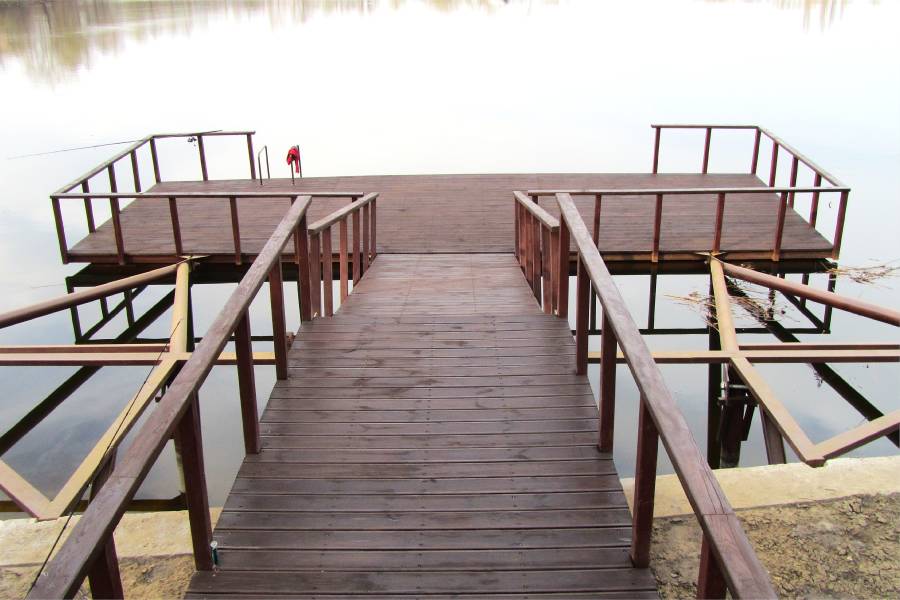
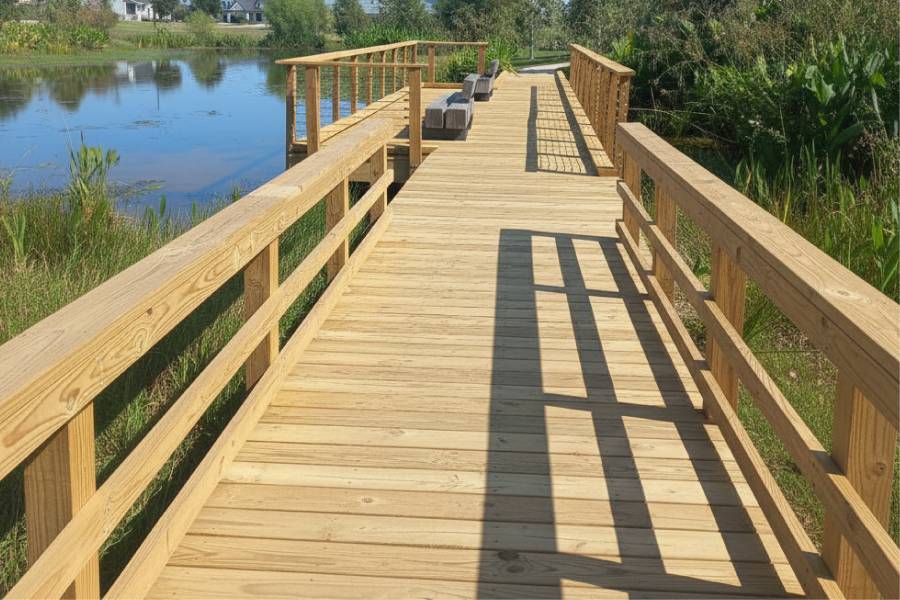
Pier Construction and Repair in Lake Houston, TX

Piers on Lake Houston designed for calm days and strong flood current

Bank Stabilization Services in Lake Houston, Texas

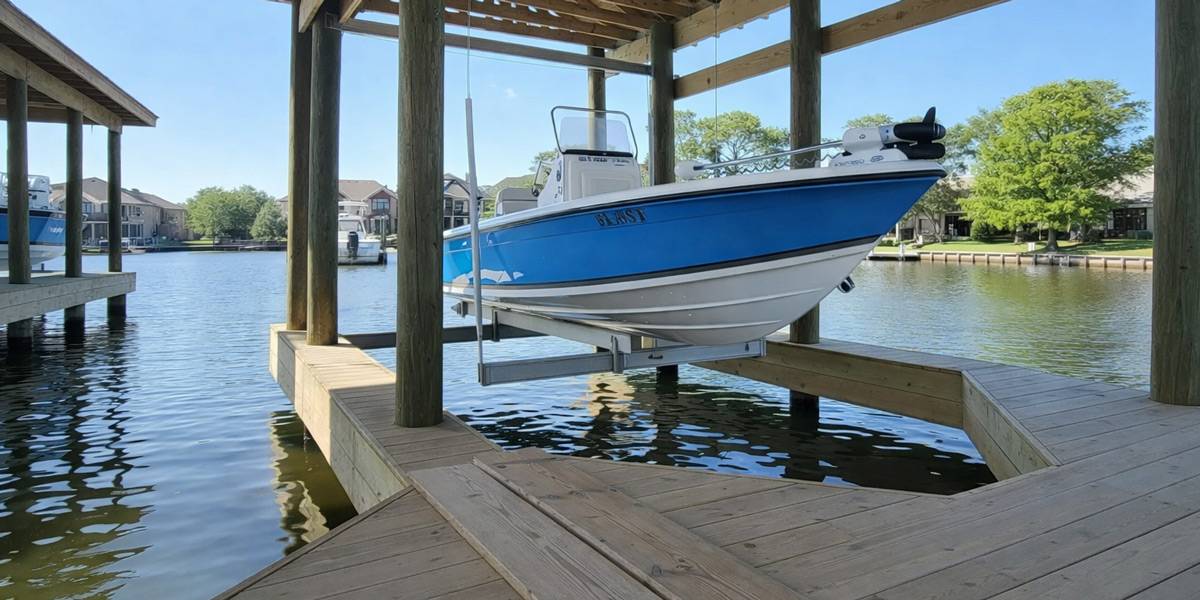
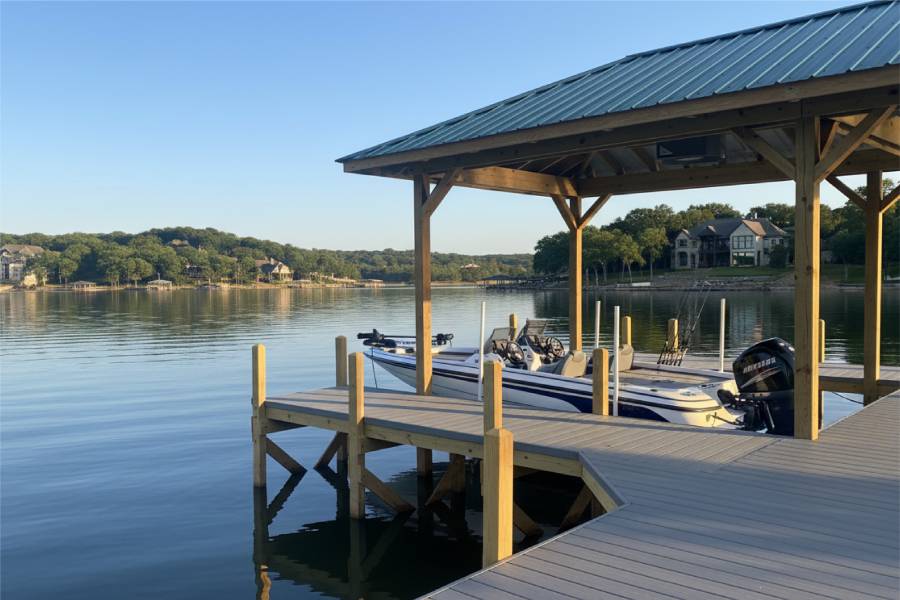
Dock and Boat Slip Construction and Repair in Lake Houston, TX

Docks and boat slips on Lake Houston where flood sand can fill around the slip

Bank Stabilization Services in Lake Houston, Texas

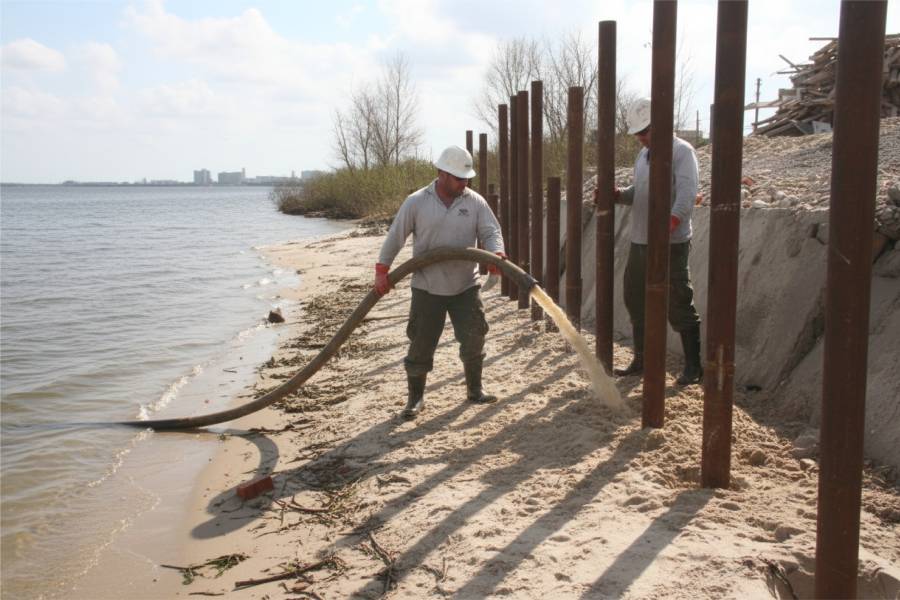
Marine Piling Installation in Lake Houston, TX

Marine pilings on Lake Houston embedded below the depth floods can scour

Bank Stabilization Services in Lake Houston, Texas

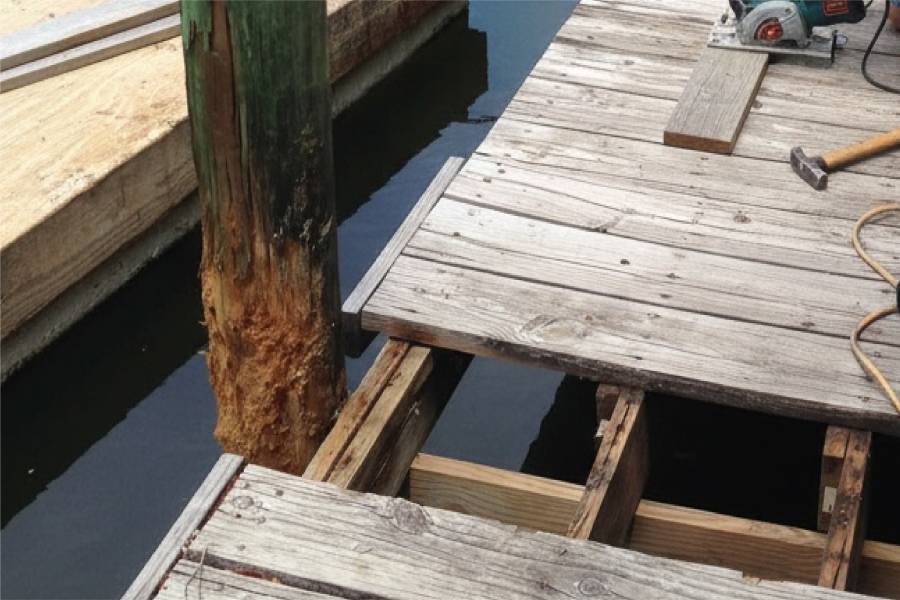
Waterfront Repair and Maintenance in Lake Houston, TX

Lake Houston repairs to walls and docks undermined or buried by flood sediment

Bank Stabilization Services in Lake Houston, Texas

Trust the Professionals!

Get a Free Consultation and Preliminary Cost Estimate
Bank Stabilization Services in Lake Houston, Texas

Frequently Asked Questions About Bank Stabilization Services in Lake Houston, TX

What caused the May 2024 flooding around Lake Houston?

Heavy rain of up to 18 inches in places combined with upstream releases, including a peak of about 71,835 cubic feet per second from Lake Conroe. Kingwood and the East Fork area were hit hard.

Why do Lake Houston banks fail after floods?

Fast water along the San Jacinto forks scours the base of banks and walls, and saturated soil behind them loses strength as the water drops. A wall needs solid toe protection and drainage to hold through both phases.

Does sediment affect docks on Lake Houston?

Floods carry large amounts of sand into the lake. It can bury the lower part of pilings or fill the water around a slip, so depth and piling condition should be checked after high water.

Is the West Fork or East Fork side of Lake Houston more exposed?

Both forks deliver floodwater and sediment. The right design depends on how the specific lot sits relative to the current, so we review each site individually.

How do I ask for a Lake Houston shoreline estimate?

Email the property address, photos of the bank and any existing structures, and a note about recent flood damage if there is any. A free preliminary estimate is the first step.

Close
Close
loading