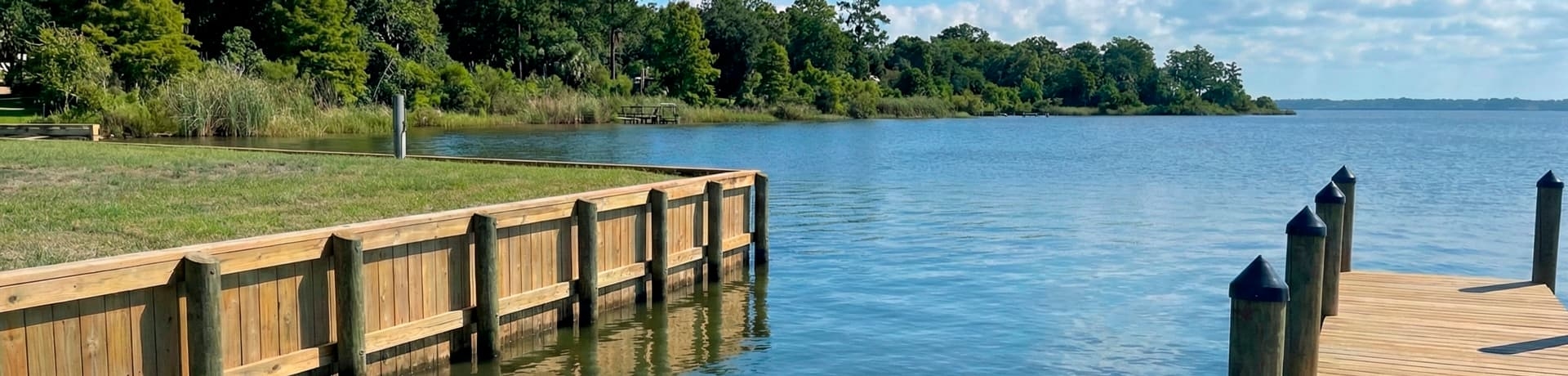
Lago Vista waterfront properties on Lake Travis face the most dramatic water level fluctuations of any Highland Lakes community. Under LCRA management, Lake Travis has dropped more than 60 feet below full pool during severe droughts and risen to overflow levels during major rain events. This extreme range exposes pier pilings to conditions that few other Texas lakes create — extended air exposure during drought years followed by deep submersion and large basin wave loading during wet cycles.
Materials, starting prices and photos of completed work are on our main pier construction and repair page.
Limestone bedrock and thin clay soils characterize Lago Vista's hilly terrain above the lake. Pier piling installation frequently requires drilling through rock. Aluminum framing on rock-drilled footings handles the full Travis water level range without the drought-exposure deterioration concerns of wood.
Shore Protect Team LLC builds and repairs piers on Lake Travis in Lago Vista and throughout Travis County's western shoreline. We design piers for the full water level range that Lake Travis experiences, using piling depths and materials that perform across the entire drought-to-flood spectrum.
Send us photos of your Lago Vista pier for a free assessment. LCRA level variation and limestone conditions are the key factors we evaluate before recommending pier design.

labor and materials
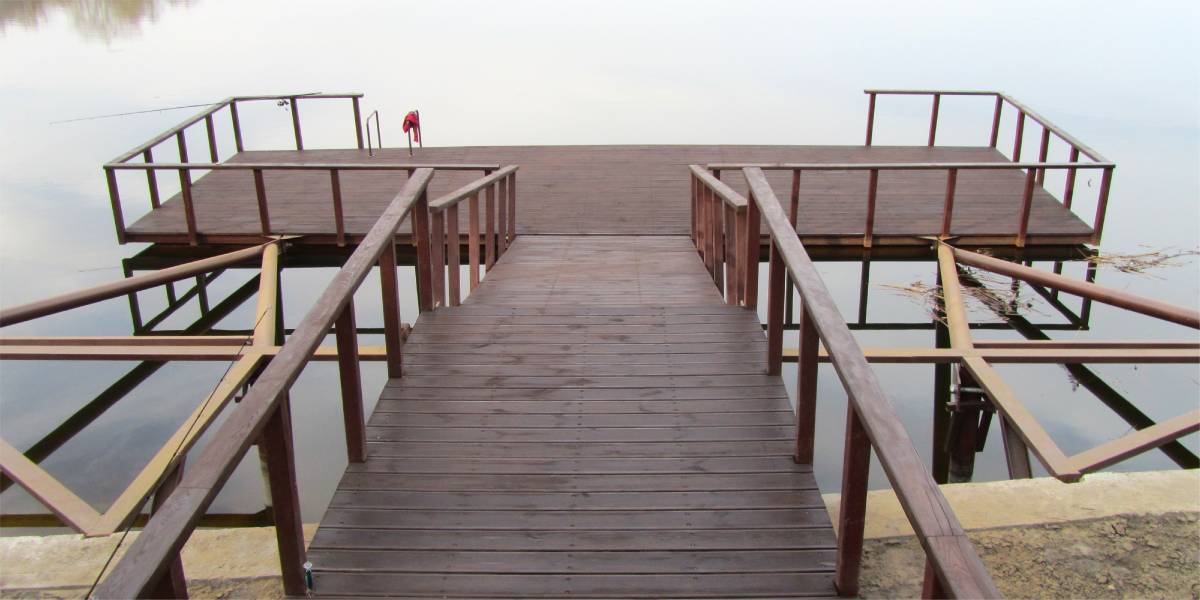
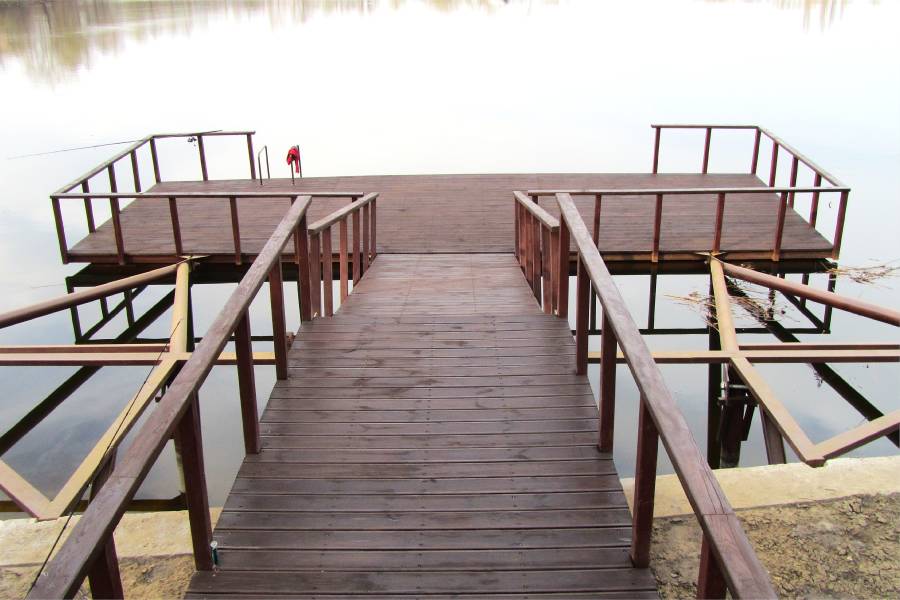
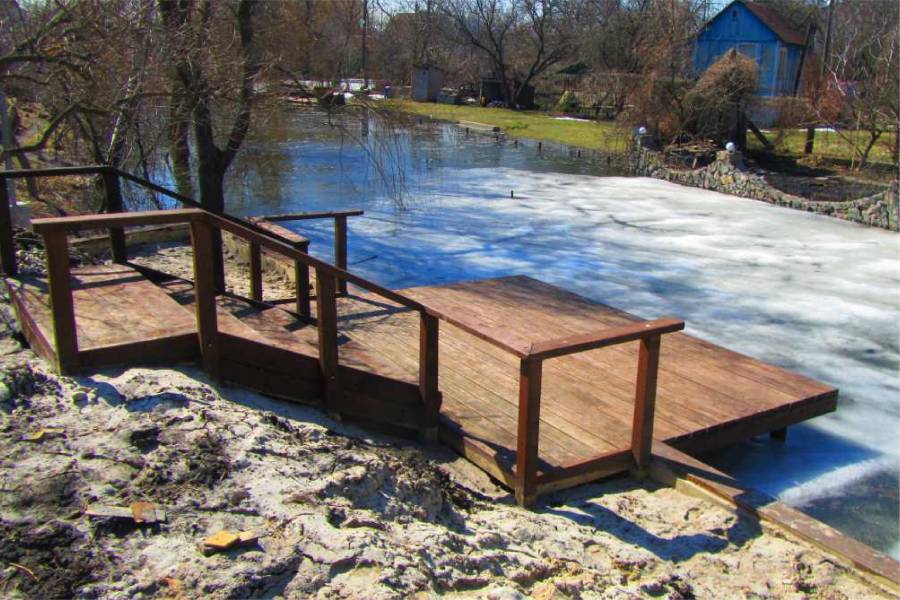
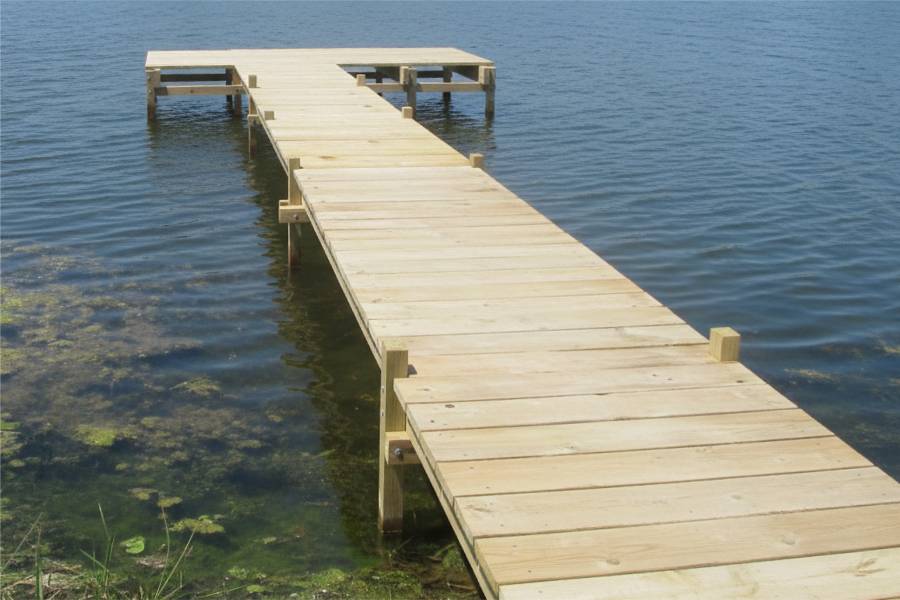
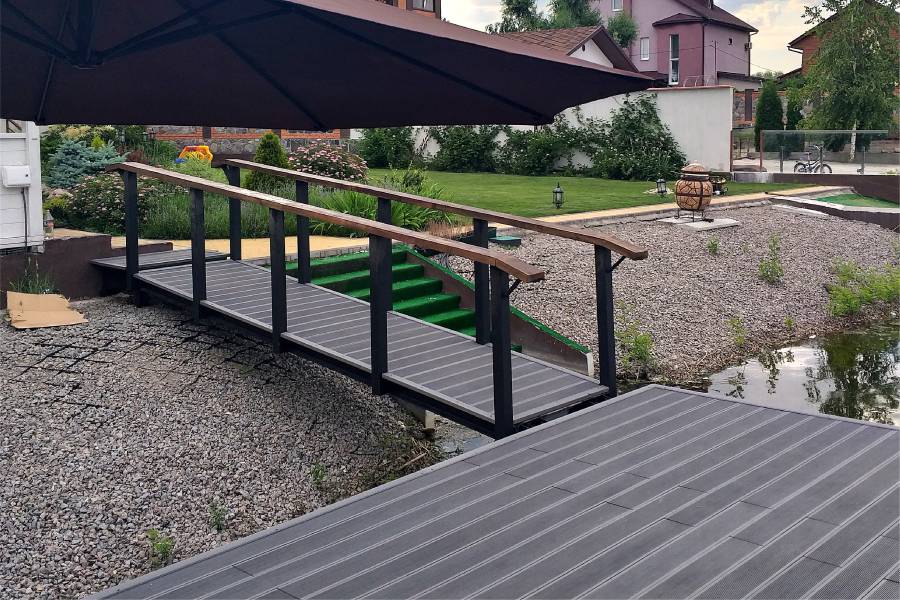
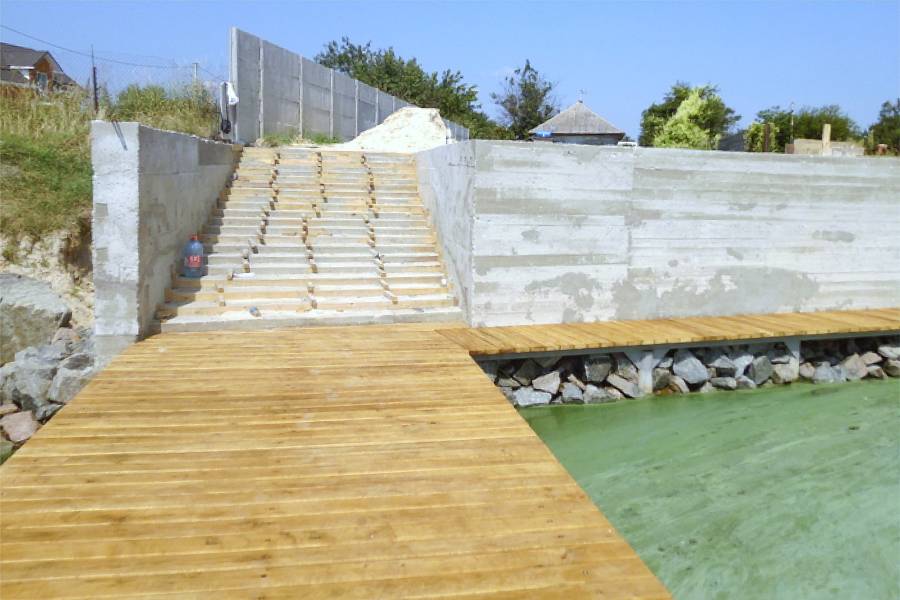
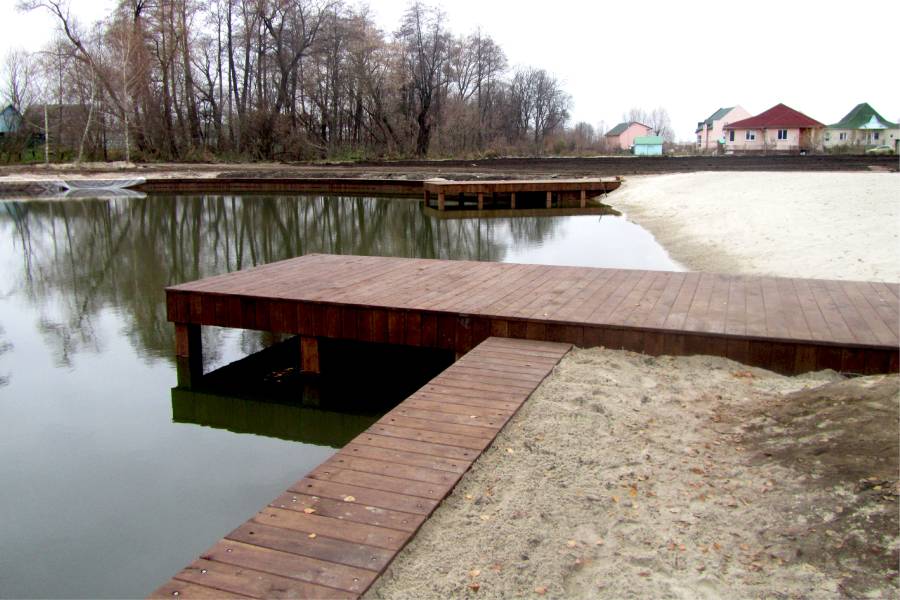
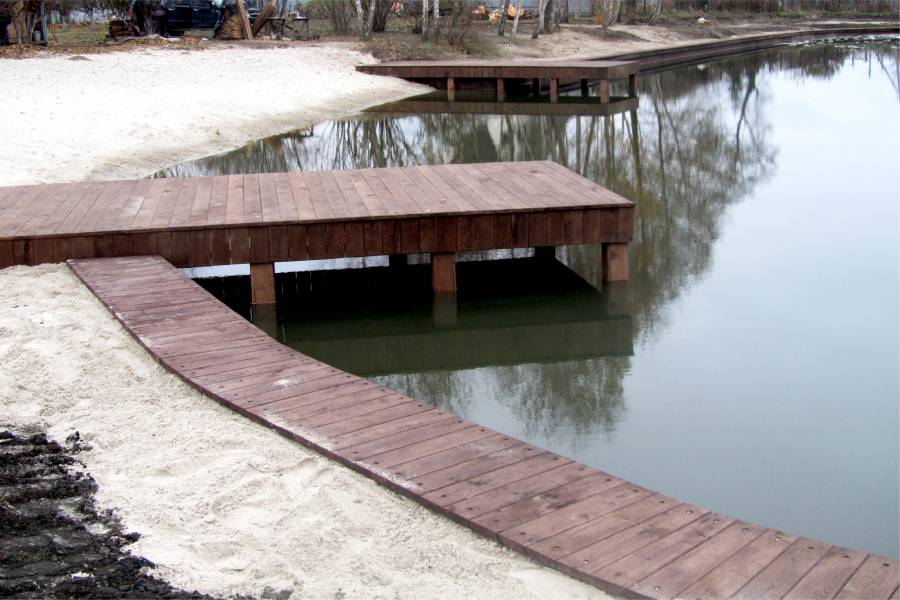
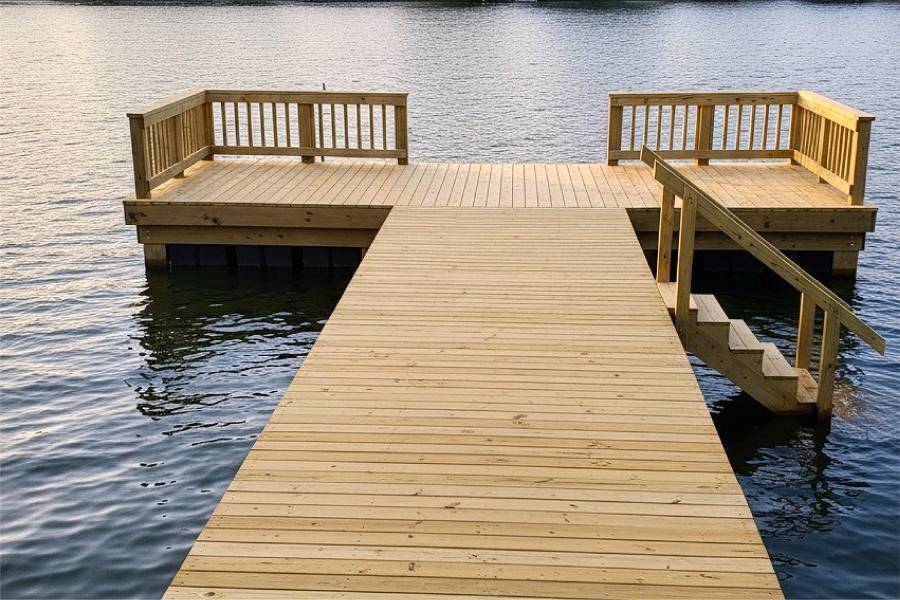
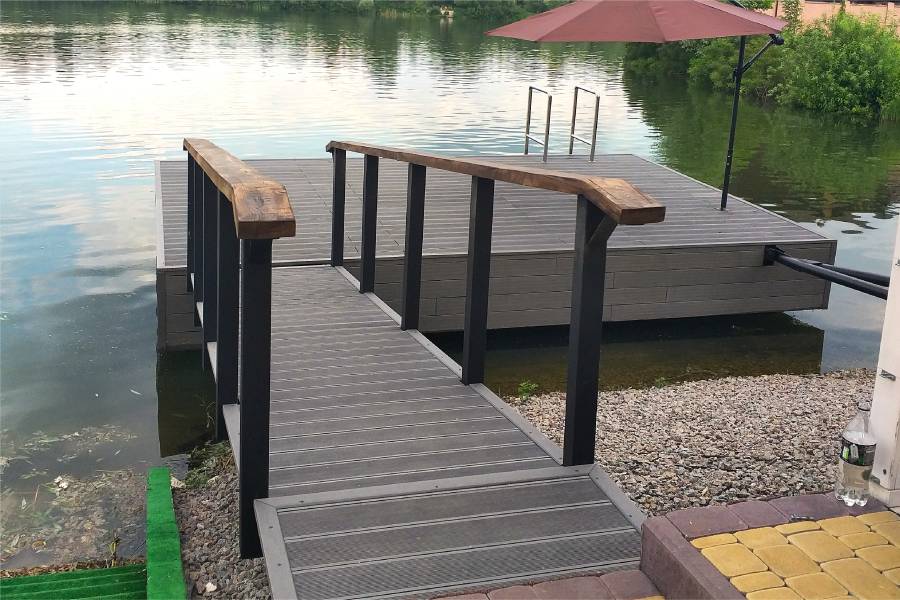
Pier construction in Lago Vista on Lake Travis using aluminum framing and composite decking, designed for the dramatic LCRA water level fluctuation that defines Travis — from drought-level base exposure to flood-stage submersion — requiring pier designs that perform across the full water level range of this Highland Lakes reservoir.

labor and materials
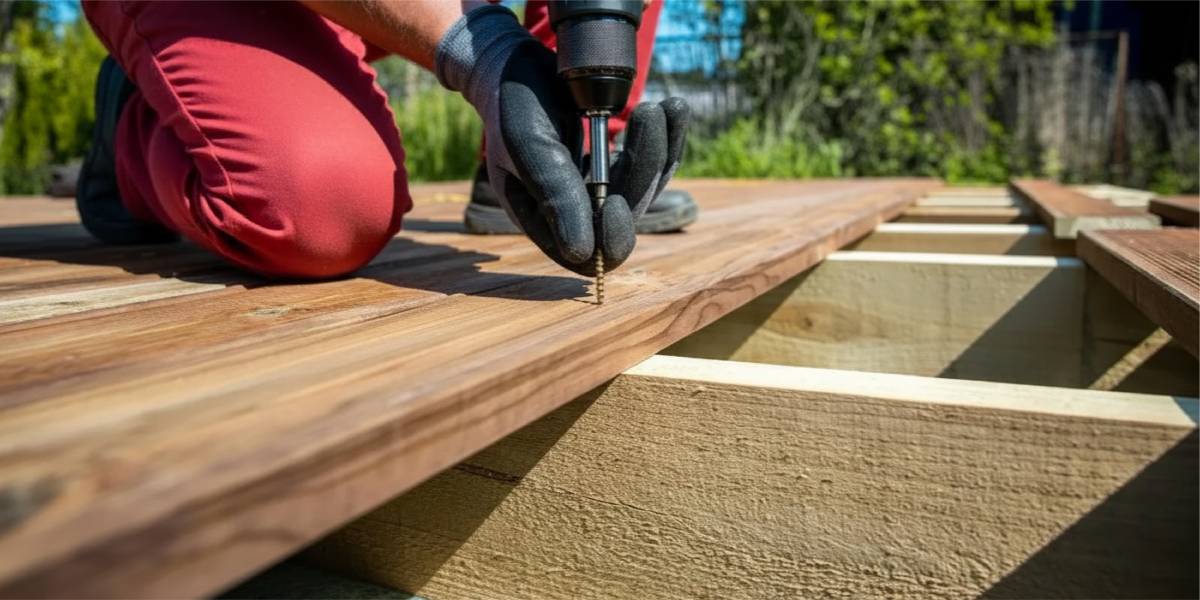
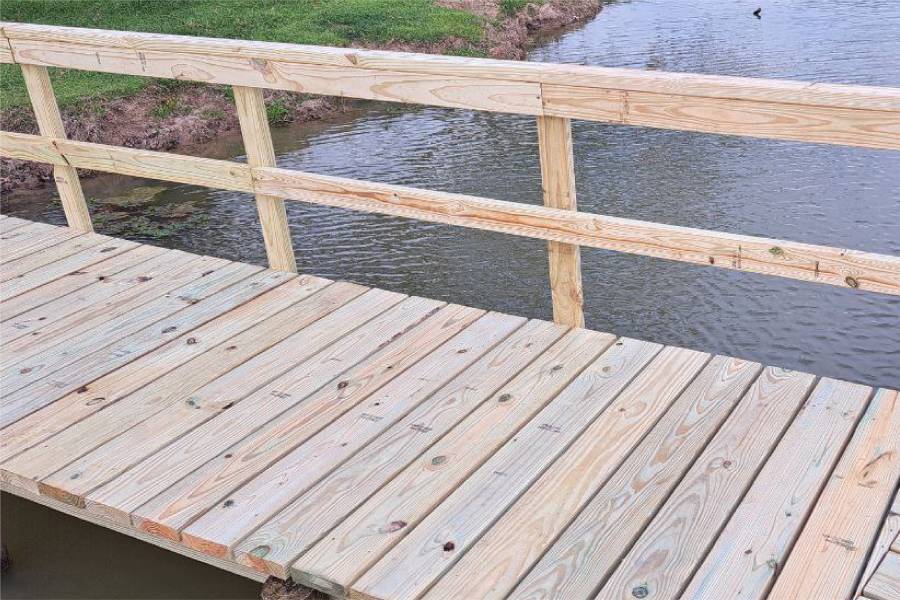
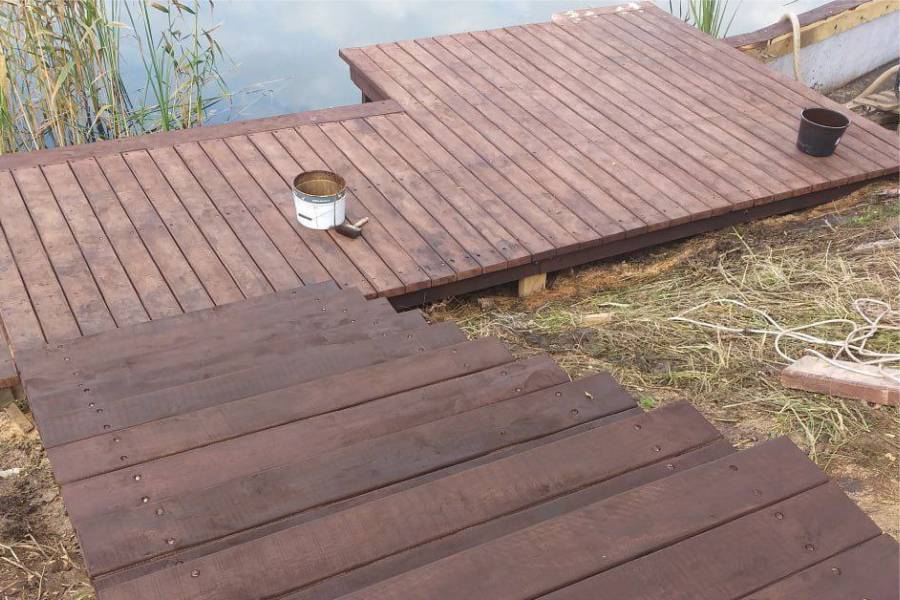
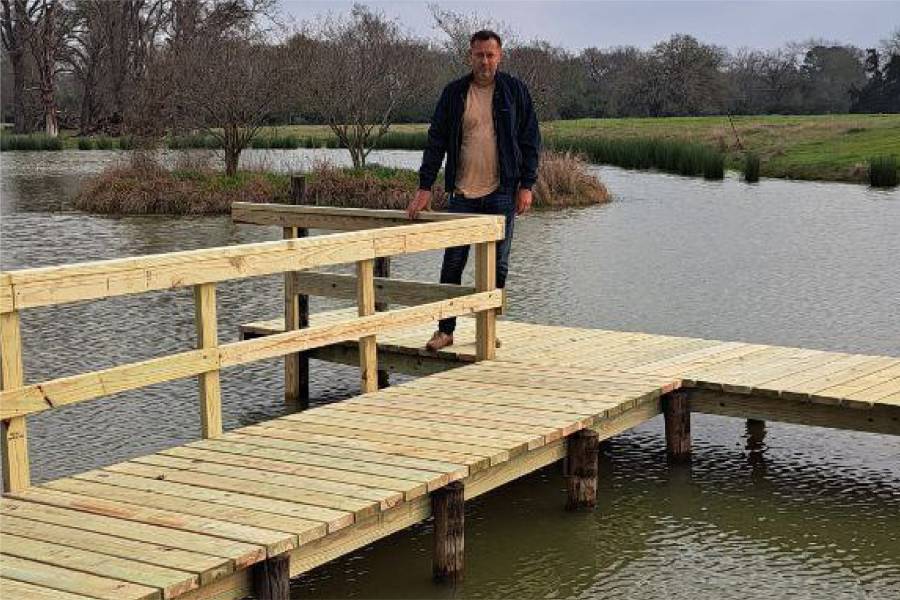
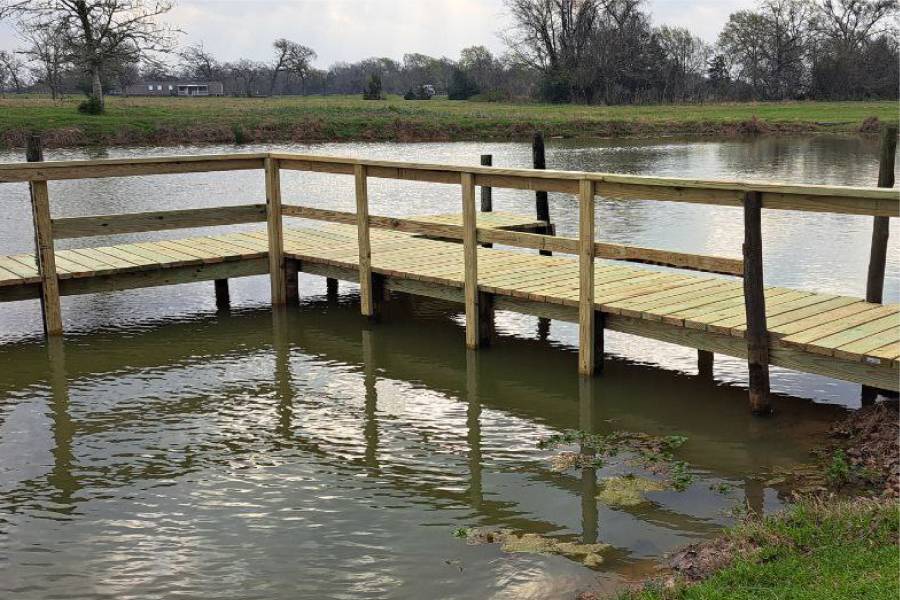
Pier repair in Lago Vista: replace pilings cracked by Lake Travis drought-level air exposure, restore decking damaged by large basin wave action during high-water periods, and reinforce piling footings drilled through limestone that have shifted from LCRA level-driven wet-dry cycling.


Many tens of feet between droughts and floods.
Float, with long gangways and adjustable anchors.
Limestone with thin caliche soil.
Usually by stairs down rocky hillsides.
A few photos of the shore get you a free preliminary assessment.