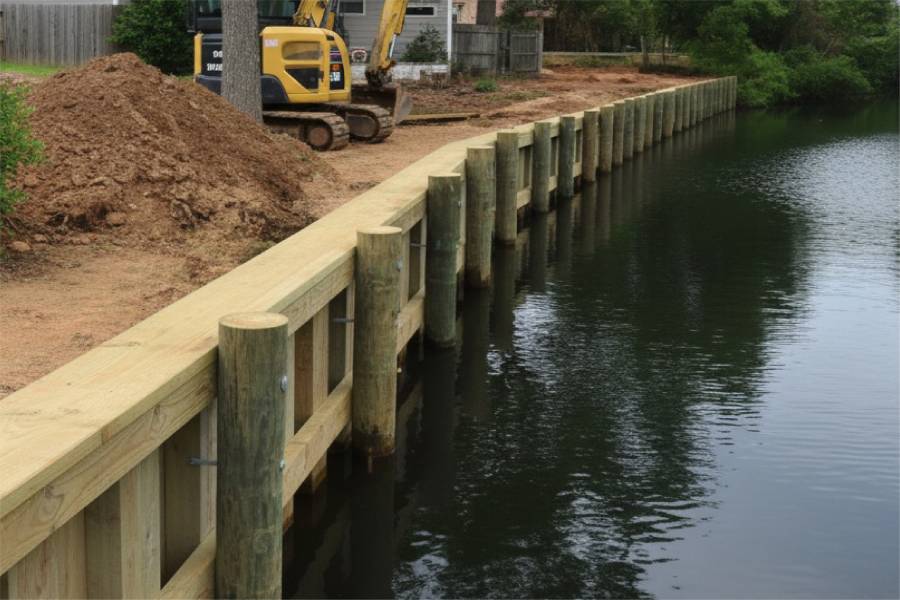
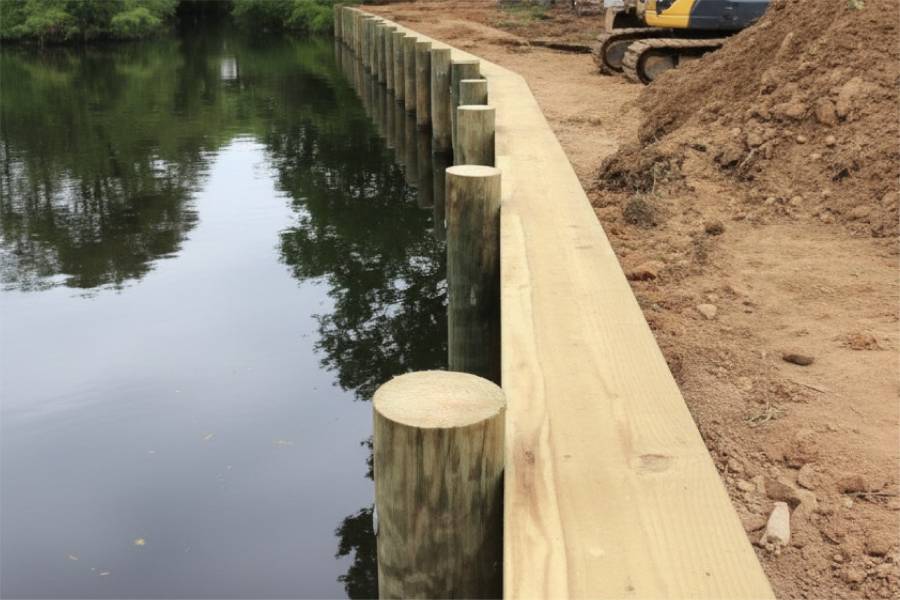
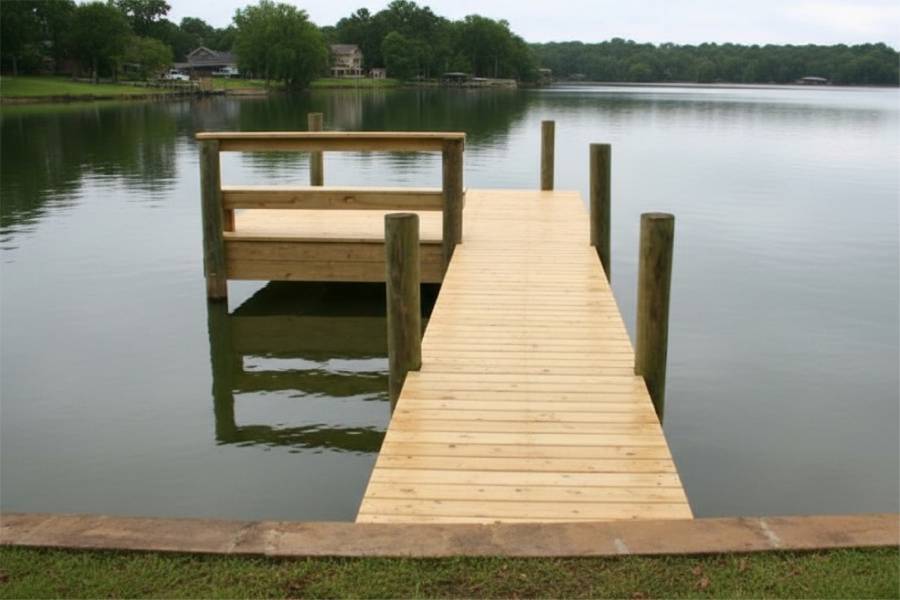
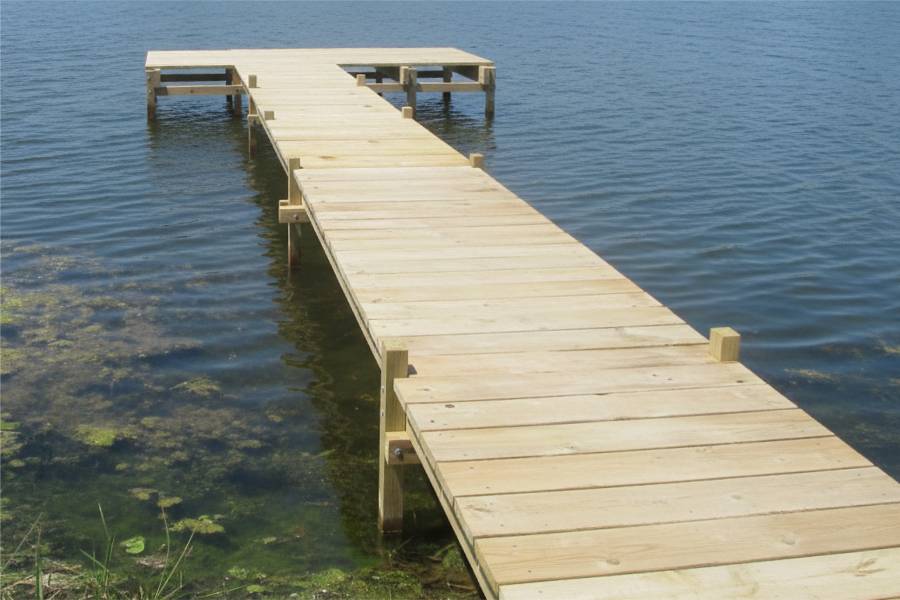
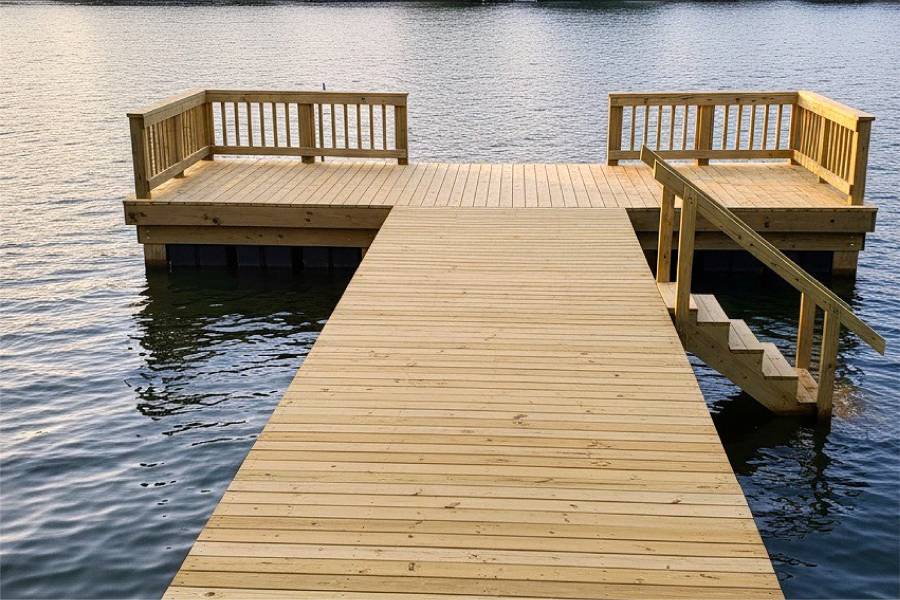
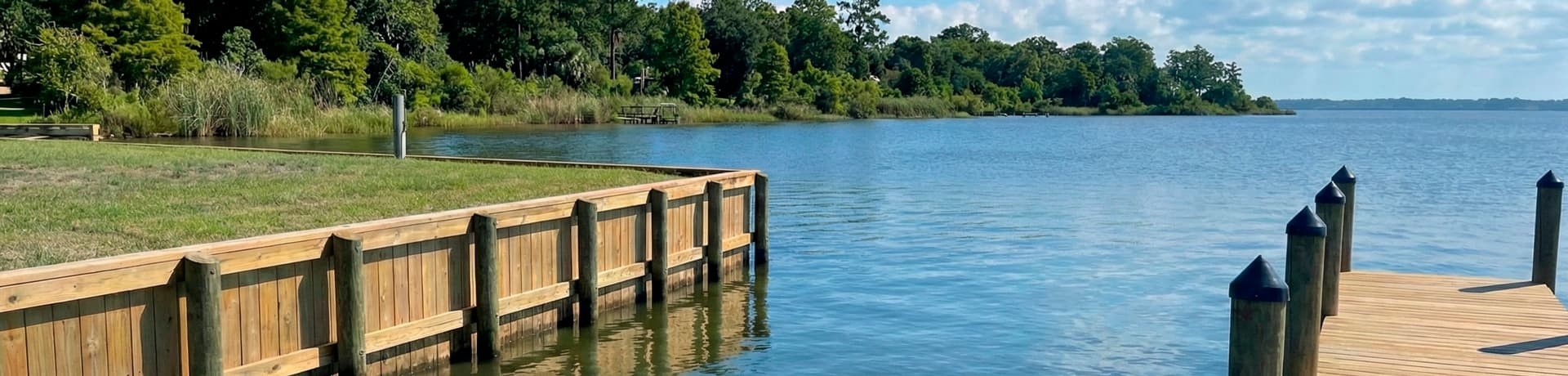
Pilings are the foundation of waterfront construction on Lake Houston. The lake's alluvial clay and silt substrate determines how deep they must go. The freshwater with variable turbidity environment determines how they must be treated. The structural loading from flooding from San Jacinto River, urban runoff, dam-controlled levels determines how they must be spaced and sized.
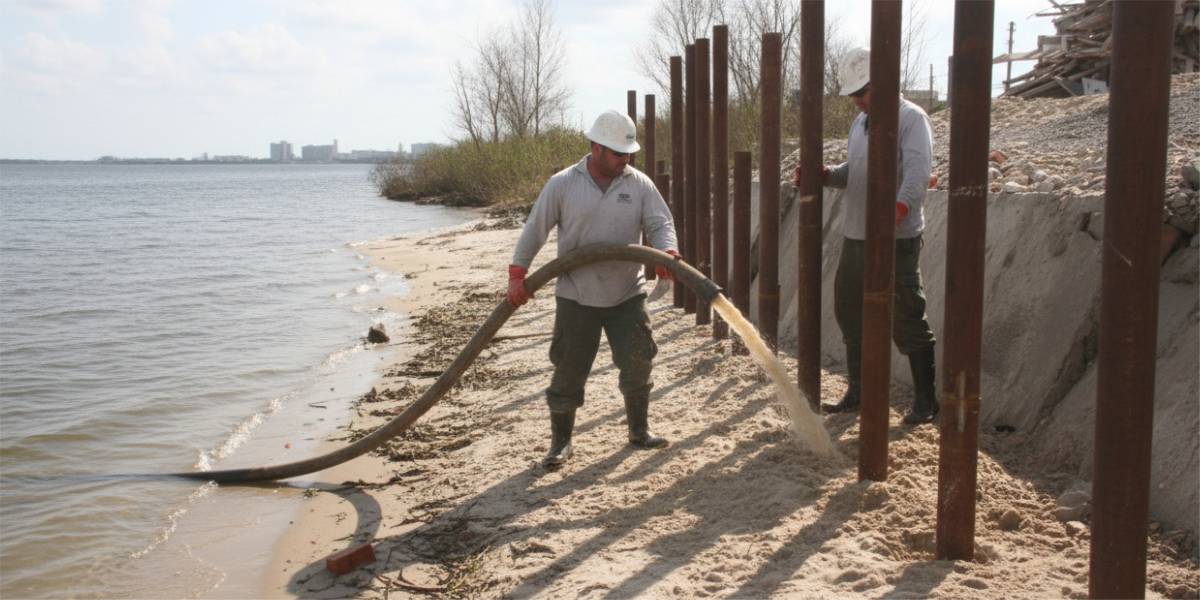
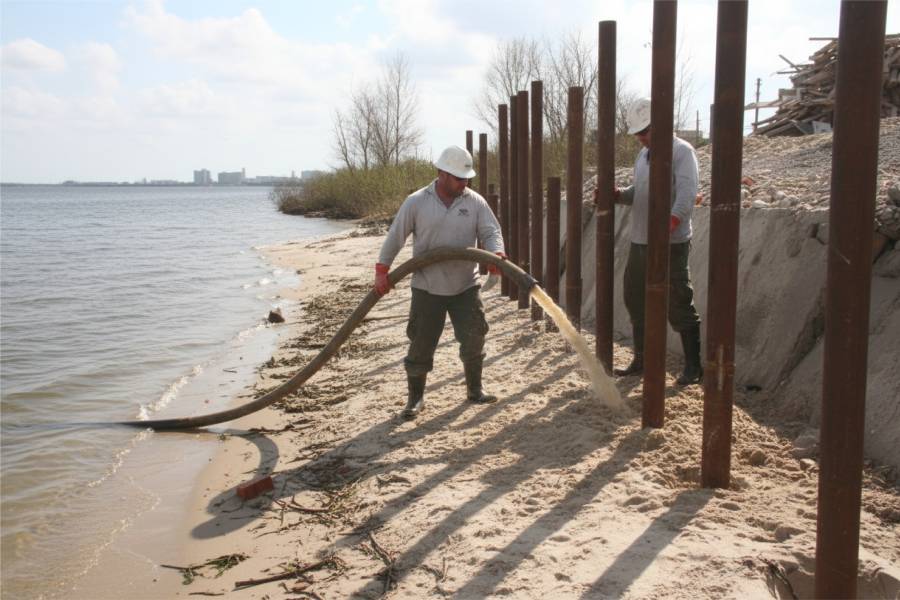
Shore Protect Team installs wood and steel pilings along Lake Houston using vibratory hammers, impact hammers, and jetting equipment — selecting the driving method based on alluvial clay and silt conditions. Every piling is driven to refusal or engineered tip elevation, verified with blow count records.
Contact us for a free consultation on piling installation for your Lake Houston waterfront project near Huffman, Atascocita, Kingwood.

labor and materials
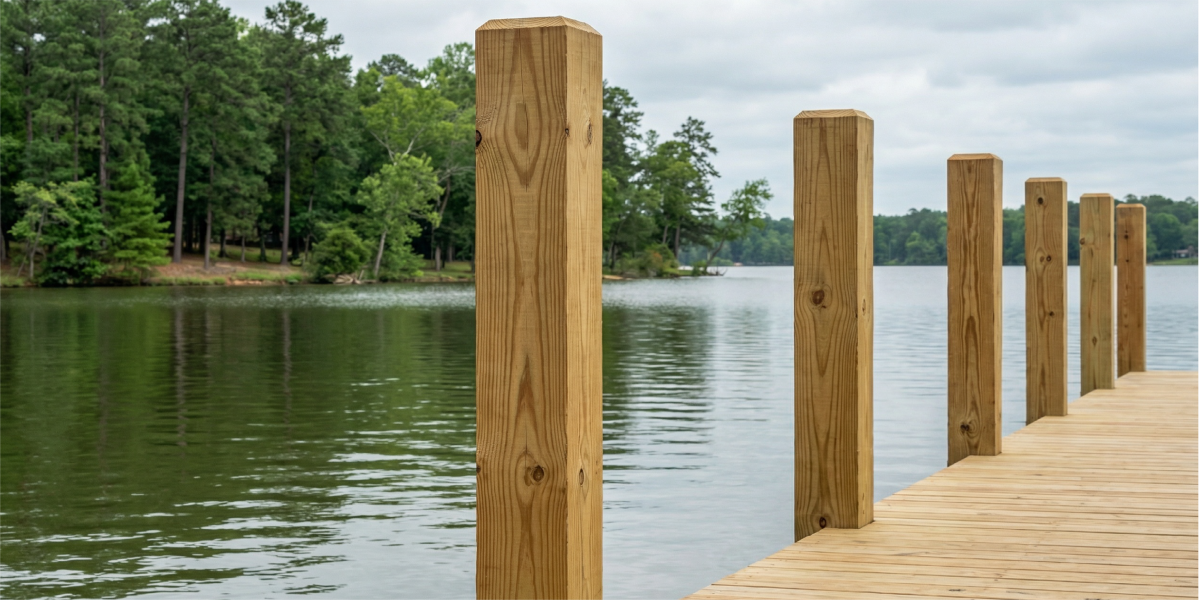
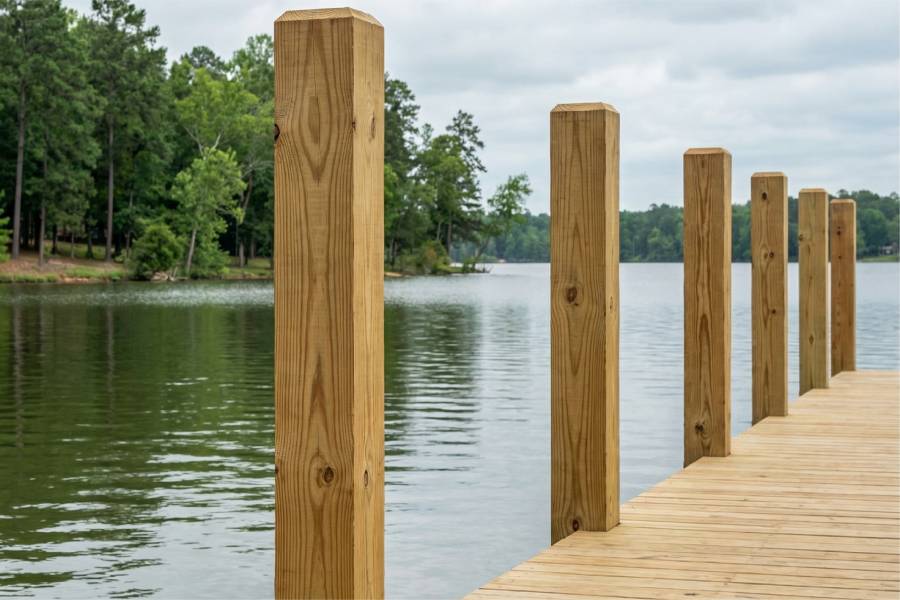
Marine wood pilings on Lake Houston: treated timber posts driven into the lake's alluvial clay and silt to provide the foundation for every waterfront structure — docks, piers, boardwalks, bulkheads, and bridges. Proper treatment and depth are critical in the freshwater with variable turbidity environment.

labor and materials
Metal pilings for Lake Houston: steel pipe piles and H-piles for heavy-load foundations, deep-water installations, and structures exposed to extreme forces from flooding from San Jacinto River, urban runoff, dam-controlled levels. Corrosion-protected for the lake's freshwater with variable turbidity conditions near Huffman, Atascocita, Kingwood.


Properly treated wood pilings in Lake Houston's freshwater with variable turbidity environment typically last 20-30 years. CCA treatment provides the longest life in submerged applications. Creosote is another long-life option. Lifespan depends on treatment type, water conditions, and exposure to flooding from San Jacinto River, urban runoff, dam-controlled levels.
Wood pilings on Lake Houston start at $150 each for labor and materials. Steel pilings start at $200. Final cost depends on piling diameter, length, treatment, alluvial clay and silt driving conditions, water depth, and equipment access.
Shore Protect Team uses vibratory hammers, impact hammers, and water-jetting equipment depending on the alluvial clay and silt substrate. Barge-mounted equipment is used for deep-water installation; shore-based equipment handles shallow-water and upland piling work.
In some cases, yes. Sister pilings, concrete jackets, and steel sleeve wraps can extend the life of pilings that still have structural capacity. If the piling is broken, severely rotted below the waterline, or has lost bearing in alluvial clay and silt, replacement is necessary.
Yes. Shore Protect Team handles all required coordination for piling installation on Lake Houston, from site assessment through driving and verification. We serve properties near Huffman, Atascocita, Kingwood.