Spring-Fed Flow and Eroding Banks Below San Antonio on the San Antonio River
Springs about four miles north of downtown San Antonio give the river its start. In the city it winds fifteen miles under more than fifty bridges, including the Riverwalk. Then it leaves Bexar County and flows southeast about 180 miles through Wilson, Karnes and Goliad counties, forms the line between Victoria and Refugio counties, and joins the Guadalupe four miles north of Tivoli. Missions and Presidio La Bahia at Goliad stand near its banks.
Spring flow from the river and its main tributaries, the Medina River and Cibolo Creek, keeps its volume steadier than most Texas streams. Steady water is not the same as stable banks, though. The river runs through flat to gently rolling land surfaced with clay and sandy loams, and the San Antonio River Authority has worked on restoration of soil erosion along the river at Floresville. Year-round flow means the toe of a bank stays wet and keeps losing grains. A rock or sheet toe, plus slope work above it, slows that steady loss.
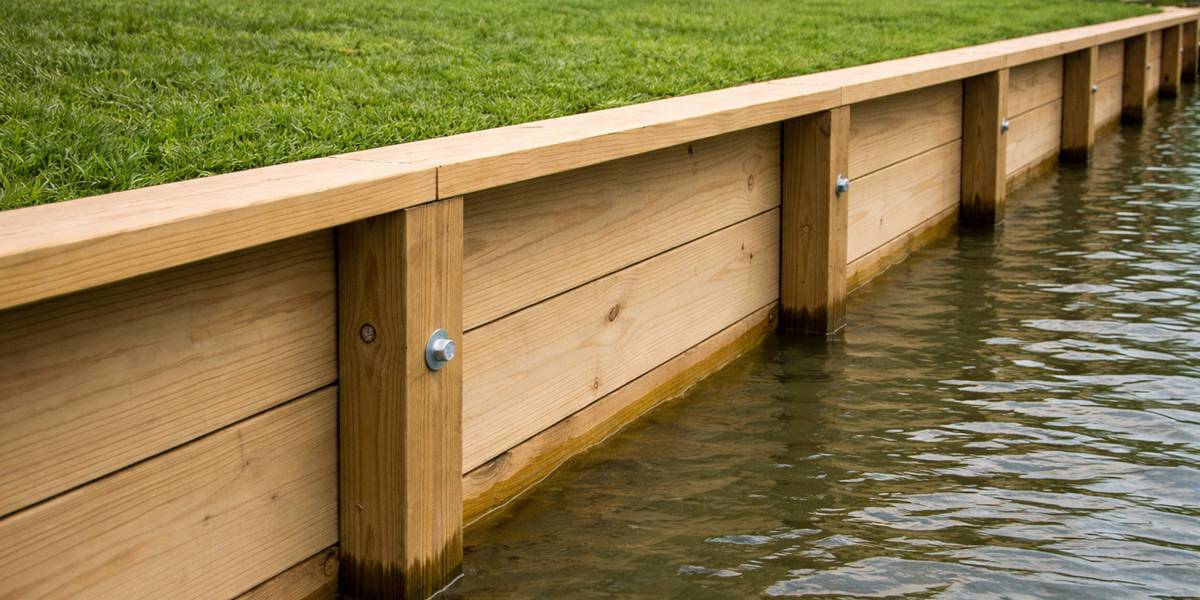
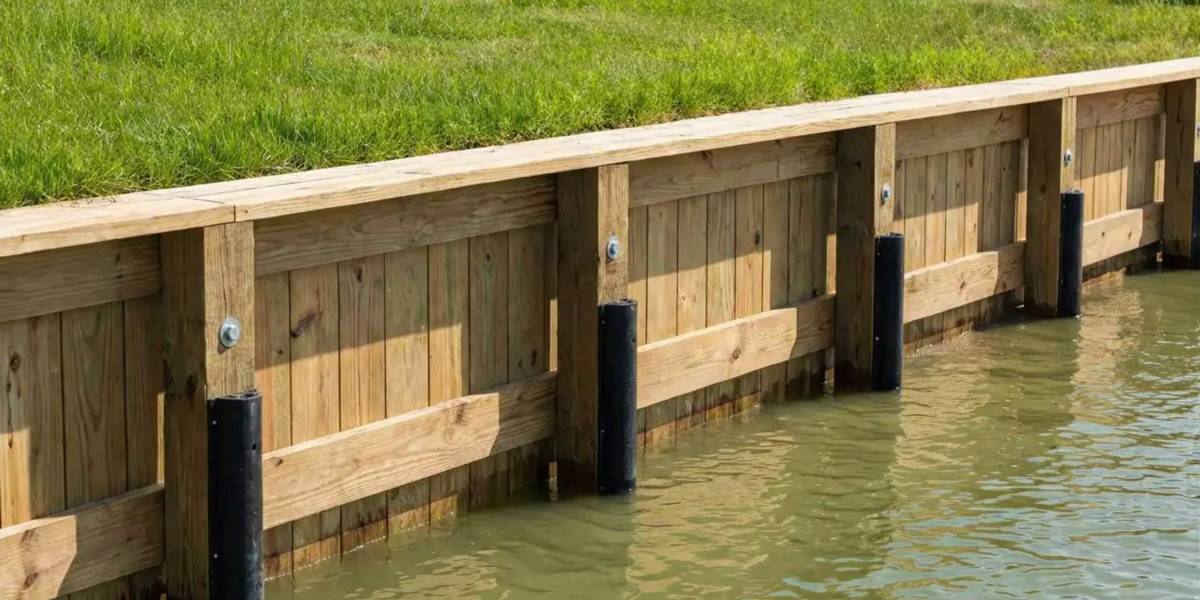
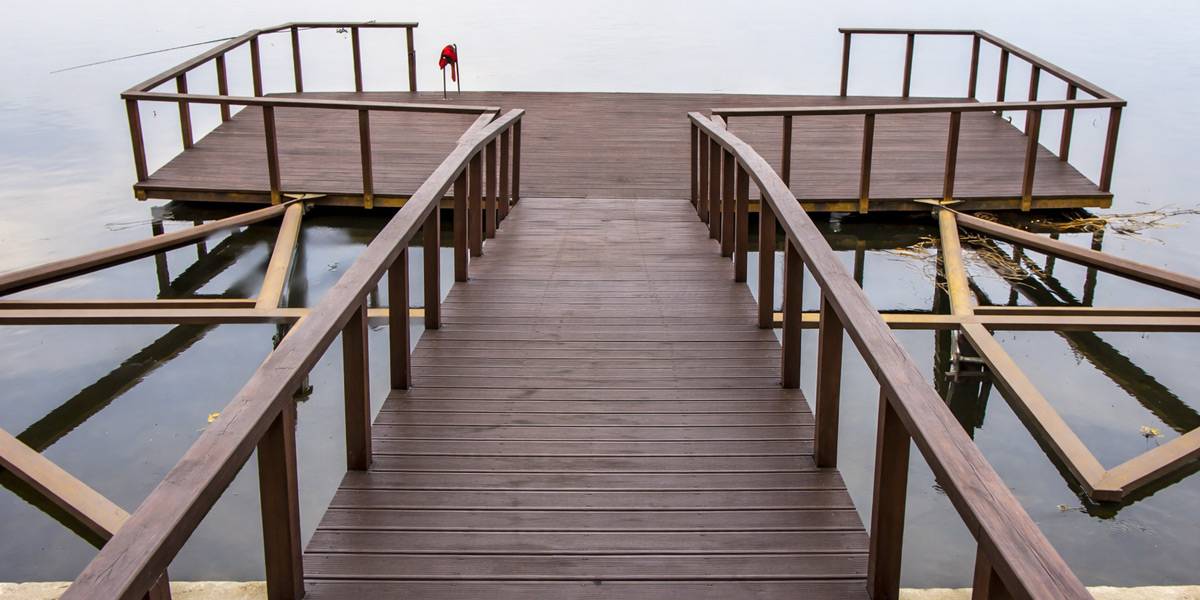
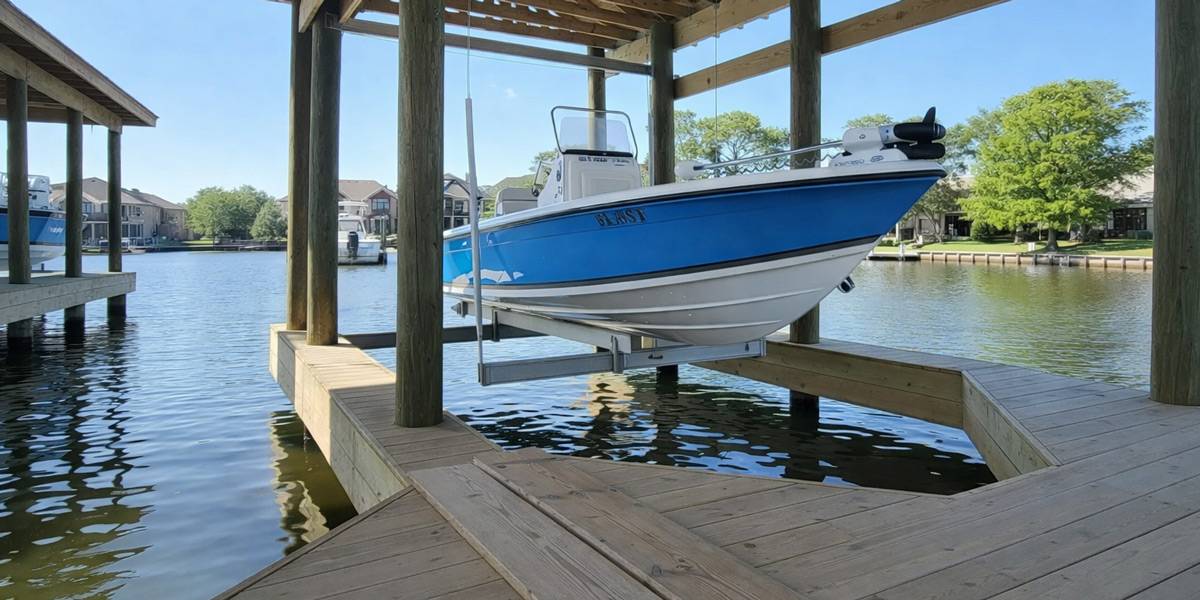
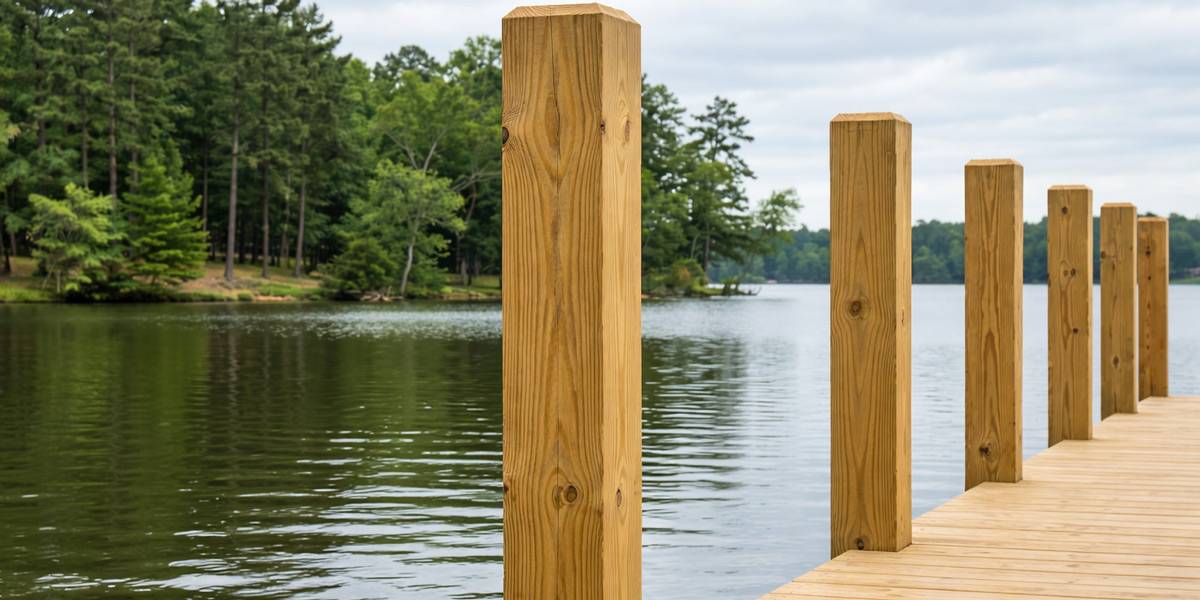
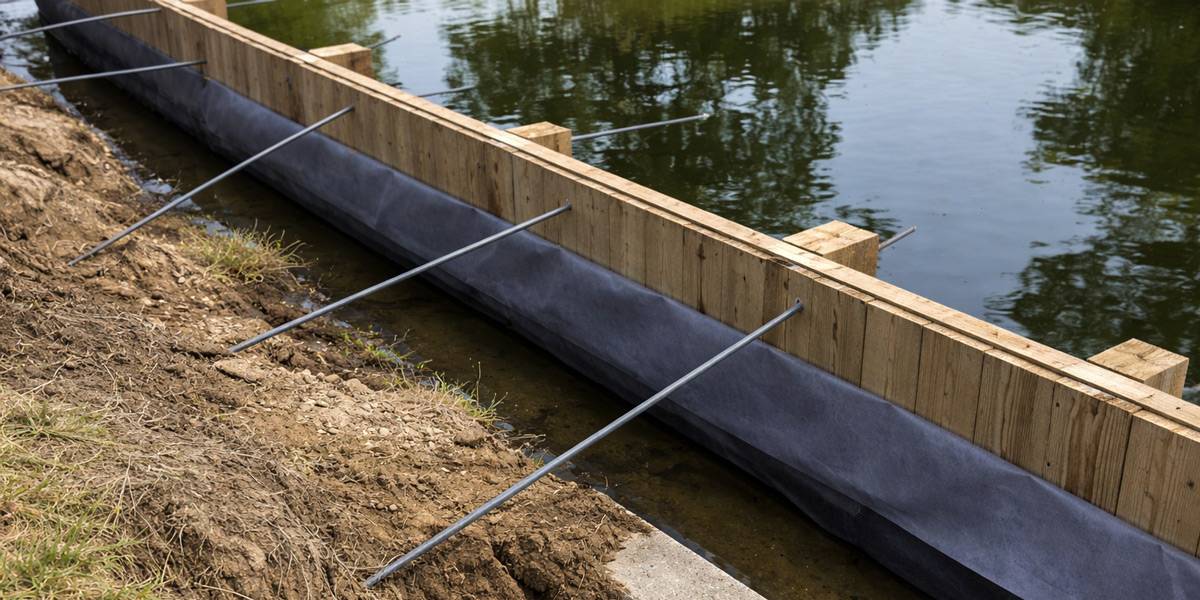
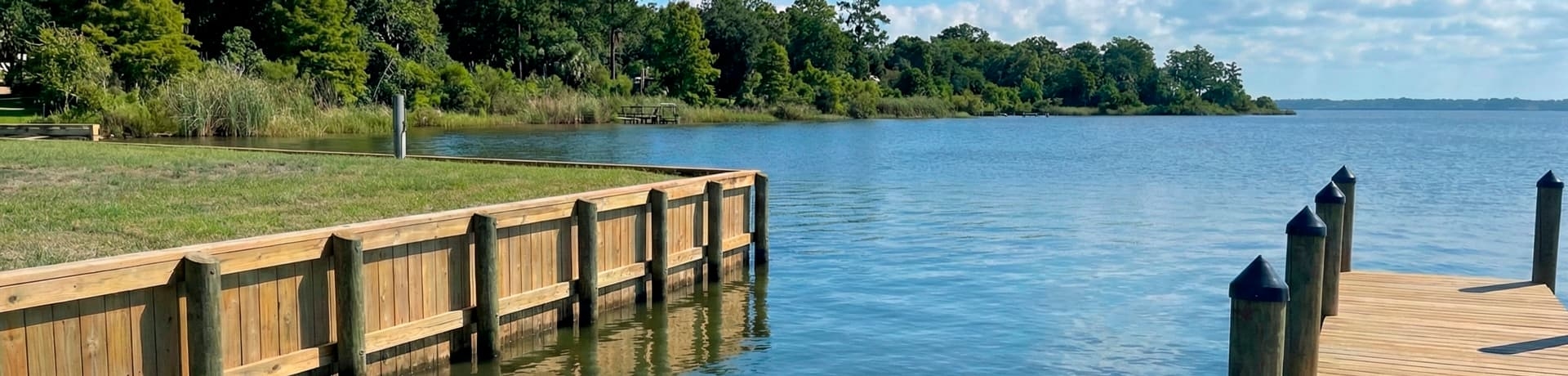
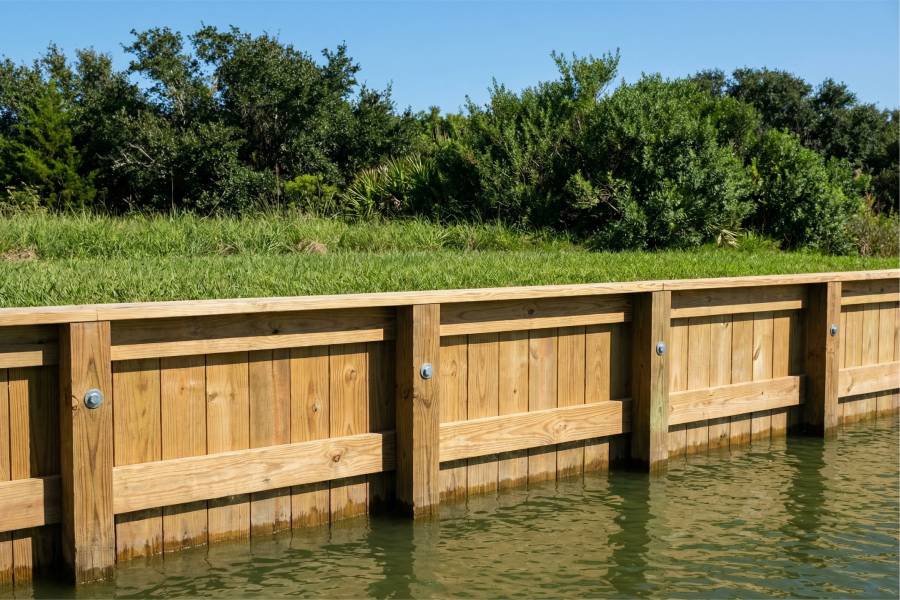
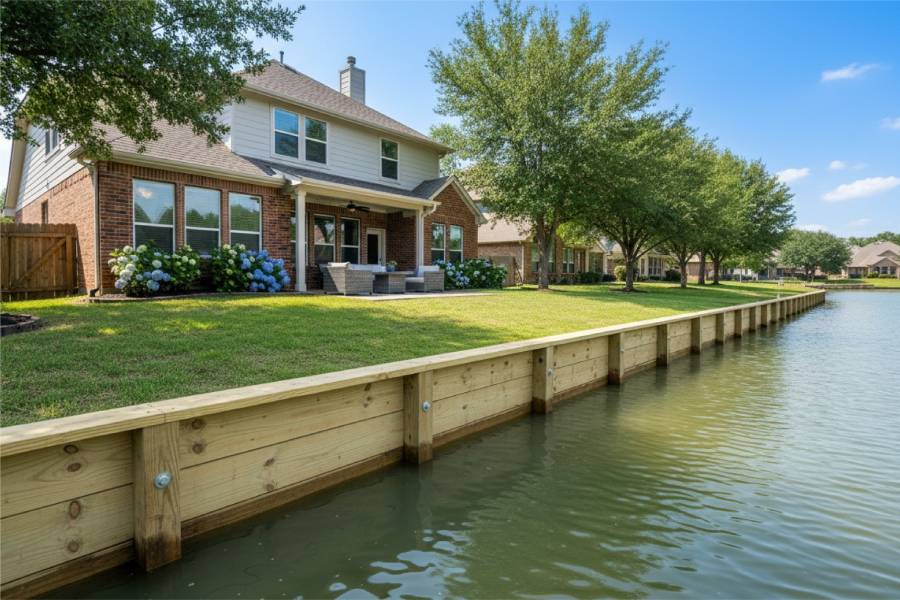
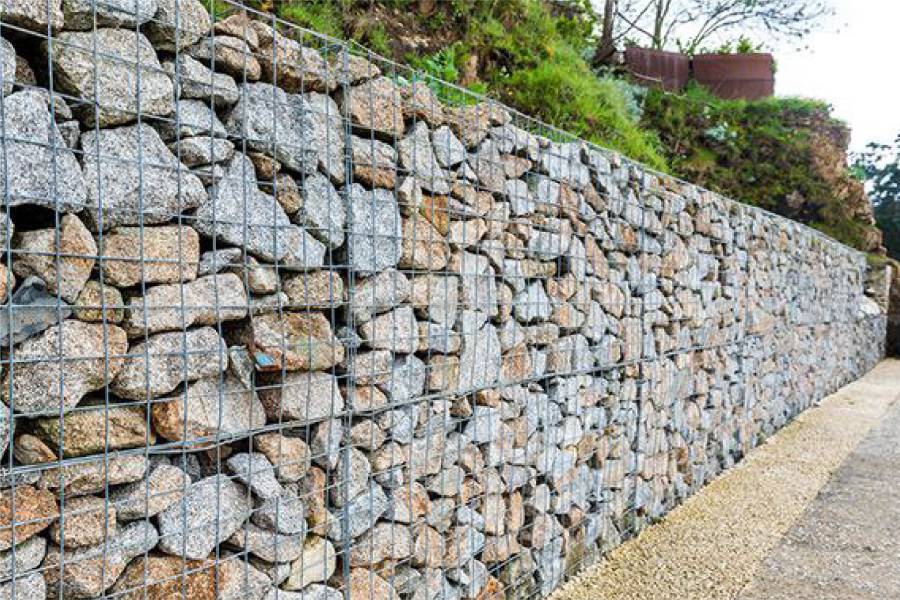
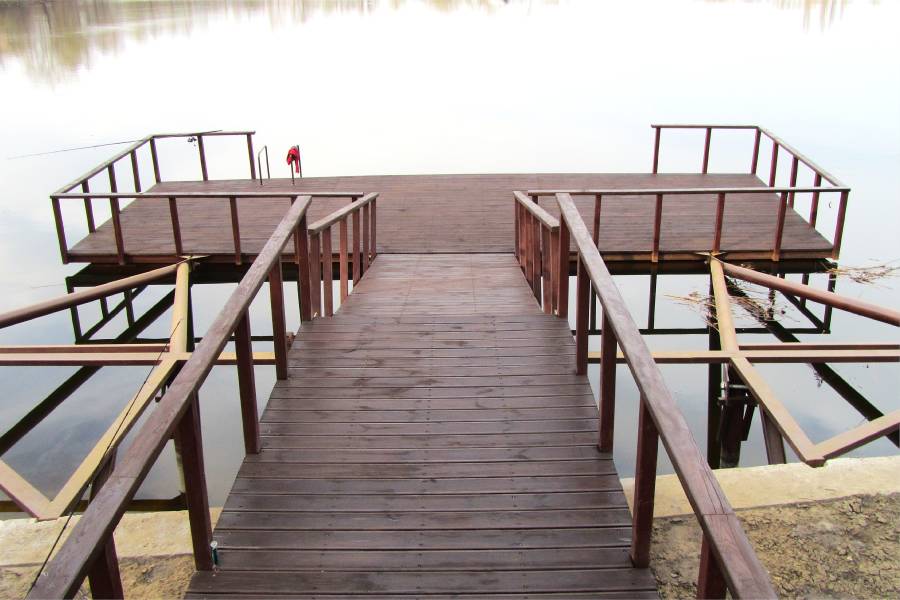
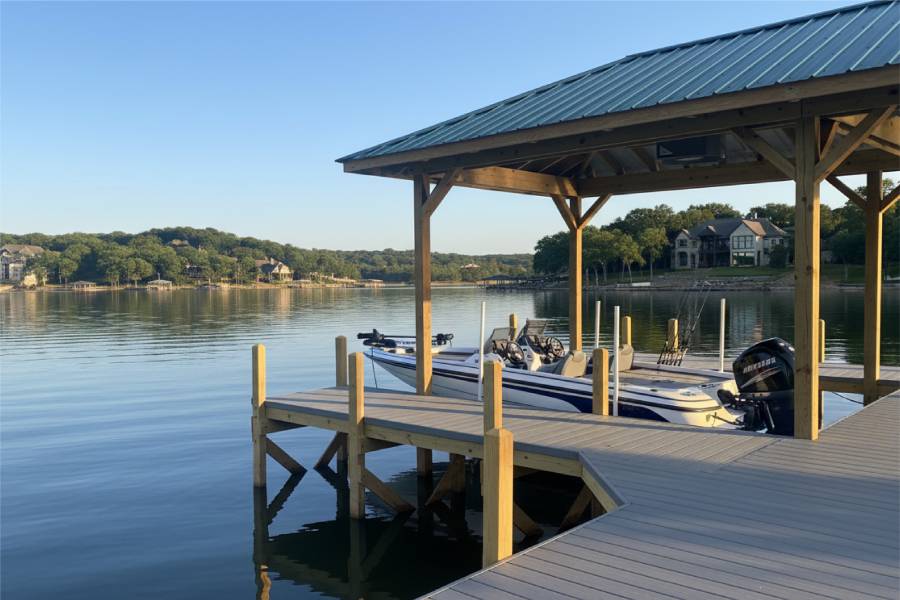
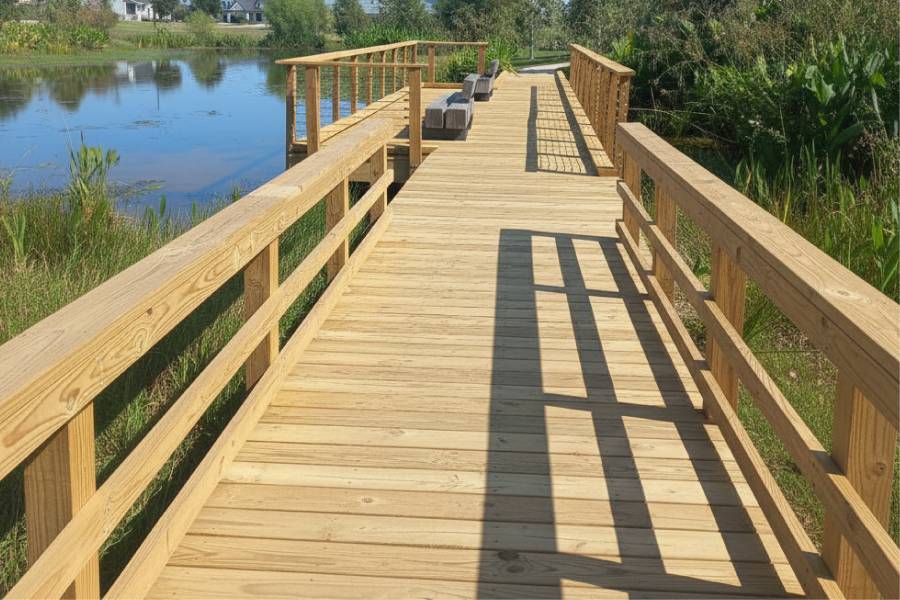
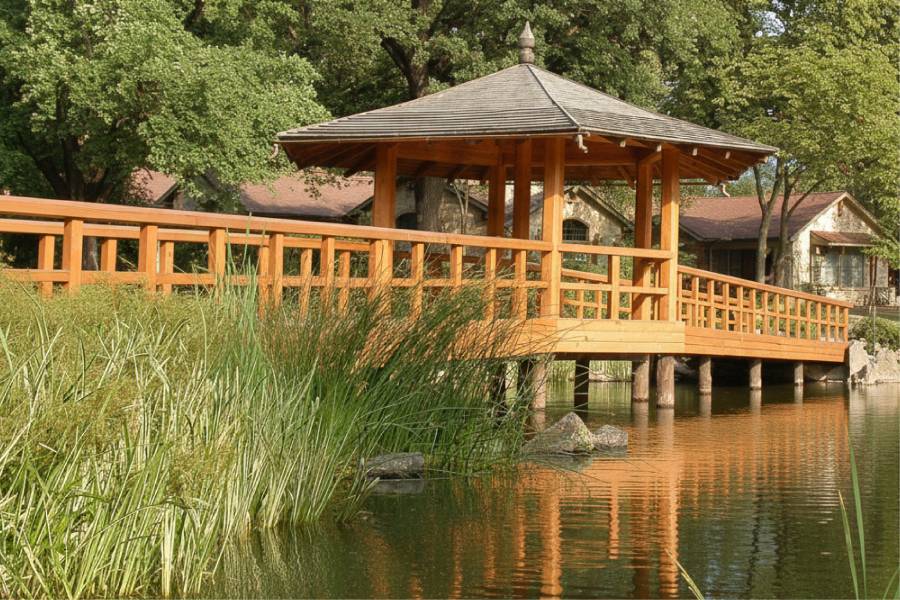
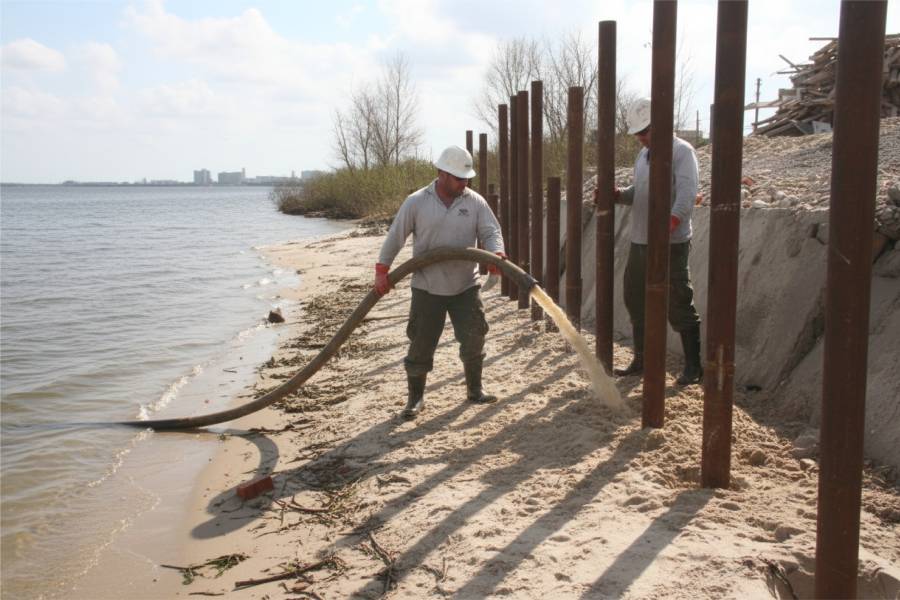
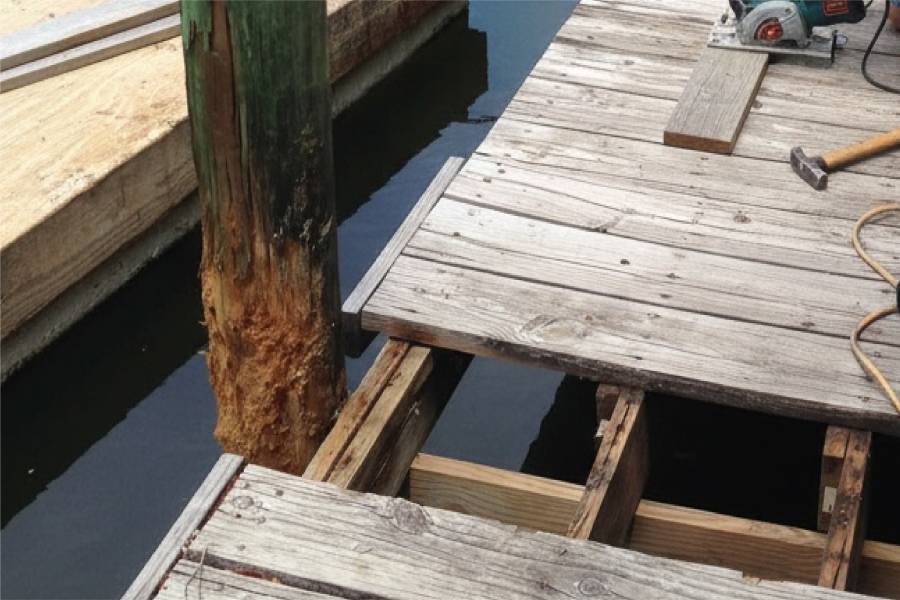
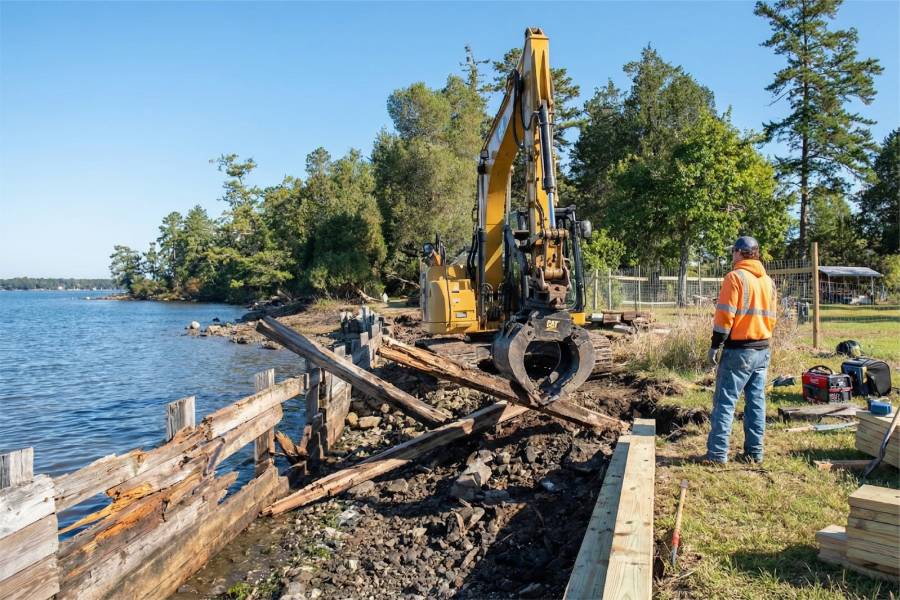
Downstream of the city, Erosion Control Services in San Antonio River, TX cover bulkheads, seawalls and retaining walls, paddle and fishing piers, docks and boat slips, marine pilings, and repair of eroded or aging structures.
Own river frontage near Floresville, in Karnes County or around Goliad? Send the location and bank photos for a free preliminary estimate.