Silt, Wake and Wooded Coves Around Lake Cherokee and Cherokee Bayou
Southeast of Longview, Lake Cherokee fills the valley of Cherokee Bayou, a tributary of the Sabine River, across southeastern Gregg and northeastern Rusk counties. The dam was finished in November 1948 and the lake began filling the next year. The Cherokee Water Company owns the reservoir, and a residential community lines its shore. At the 280-foot spillway crest the lake covers about 3,749 acres.
Runoff from the surrounding hills carries soil into the coves. TWDB estimates sediment builds up at about 109 acre-feet a year, and in 2025 the water company scheduled silt removal in one cove and proposed siltation ponds where creeks enter. Wake adds to the load on the bank. The company newsletter passed along industry guidance that repeated boat passes pile up energy at the shoreline. Banks that erode feed more silt into the coves, so holding the soil in place helps both the lot and the water in front of it.
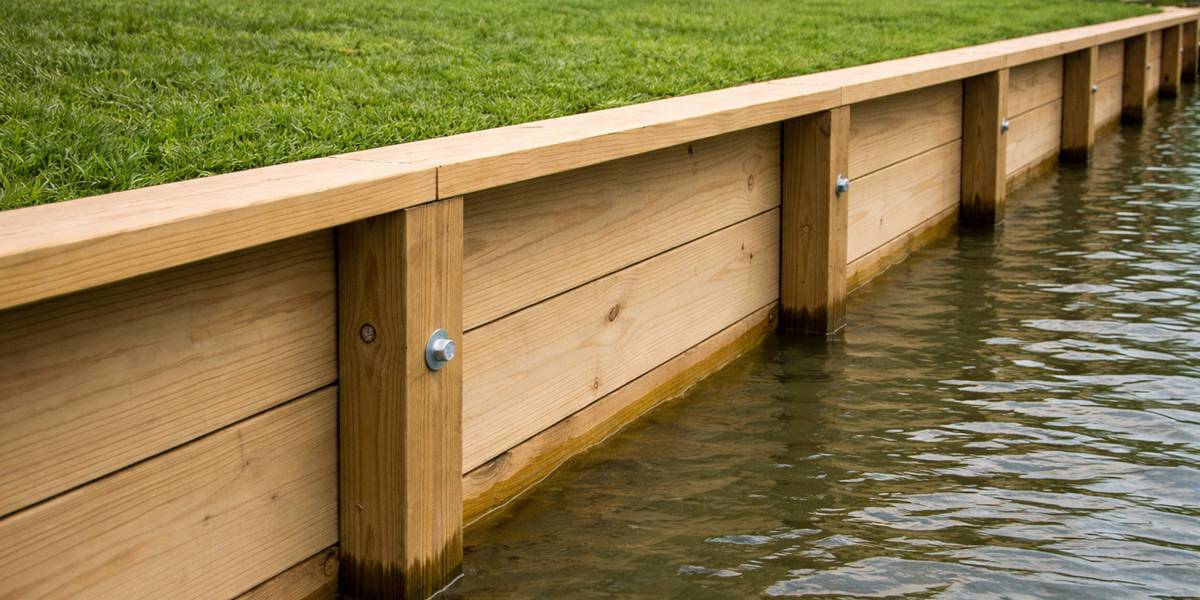
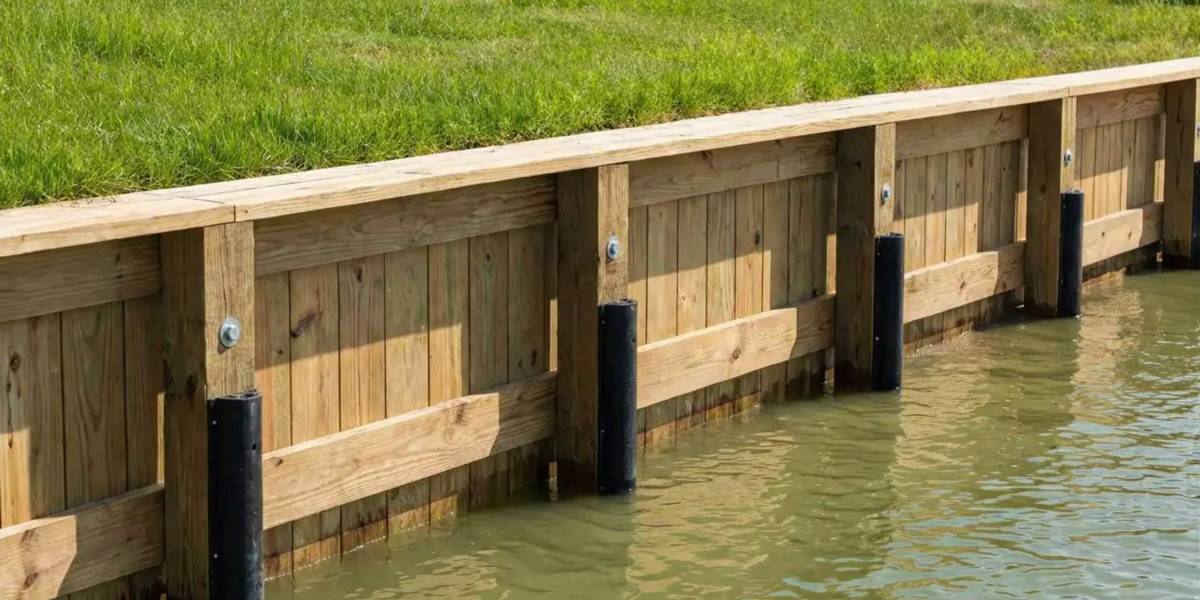
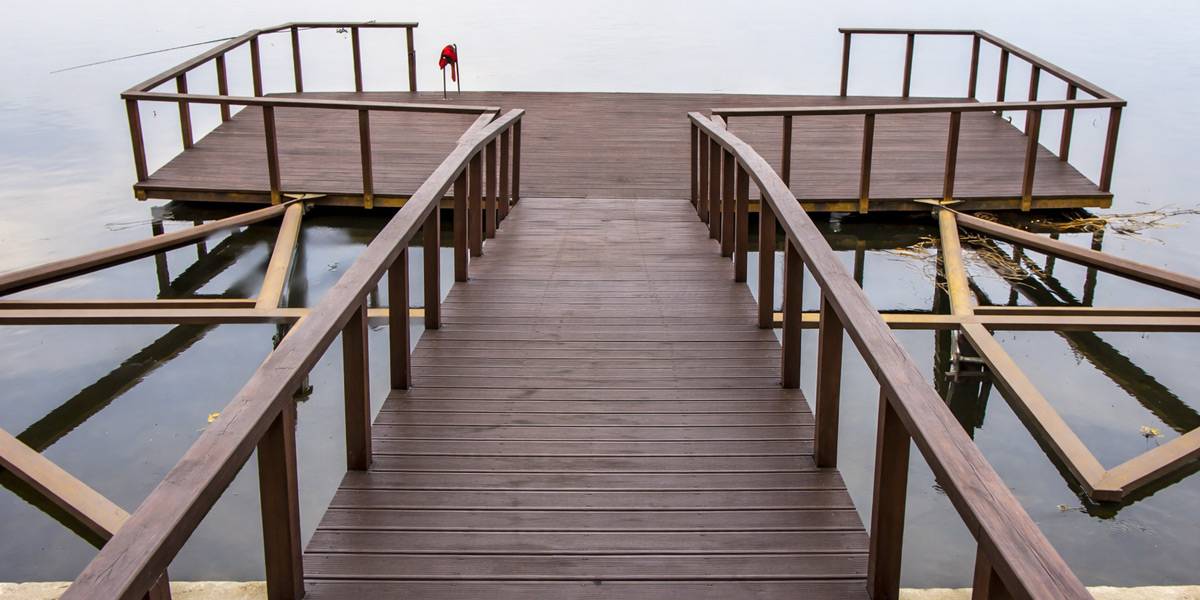
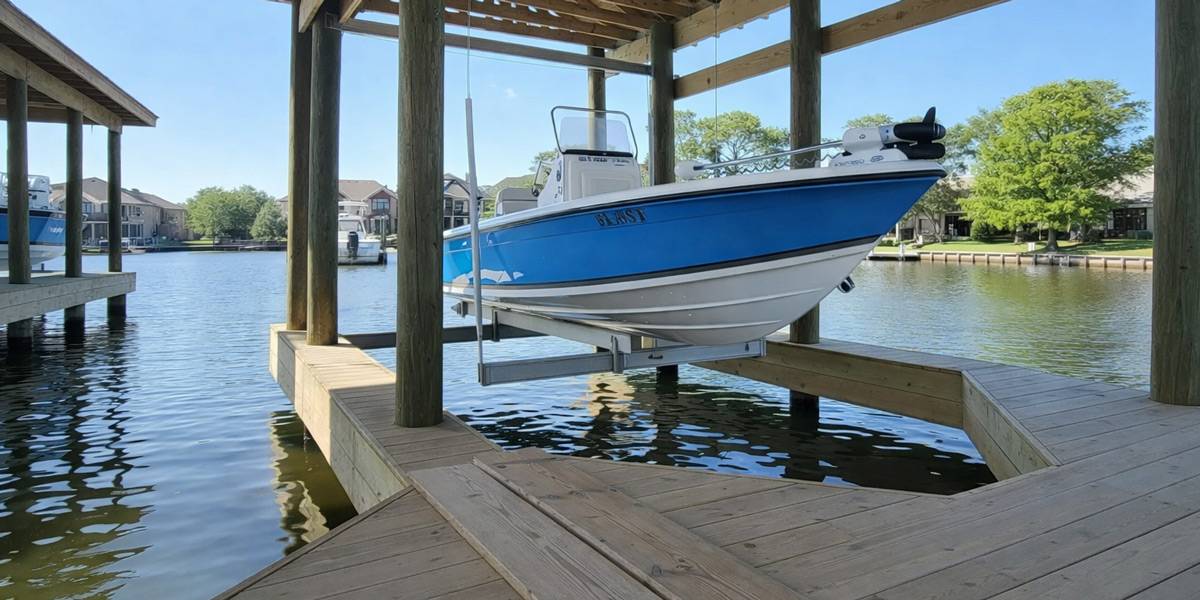
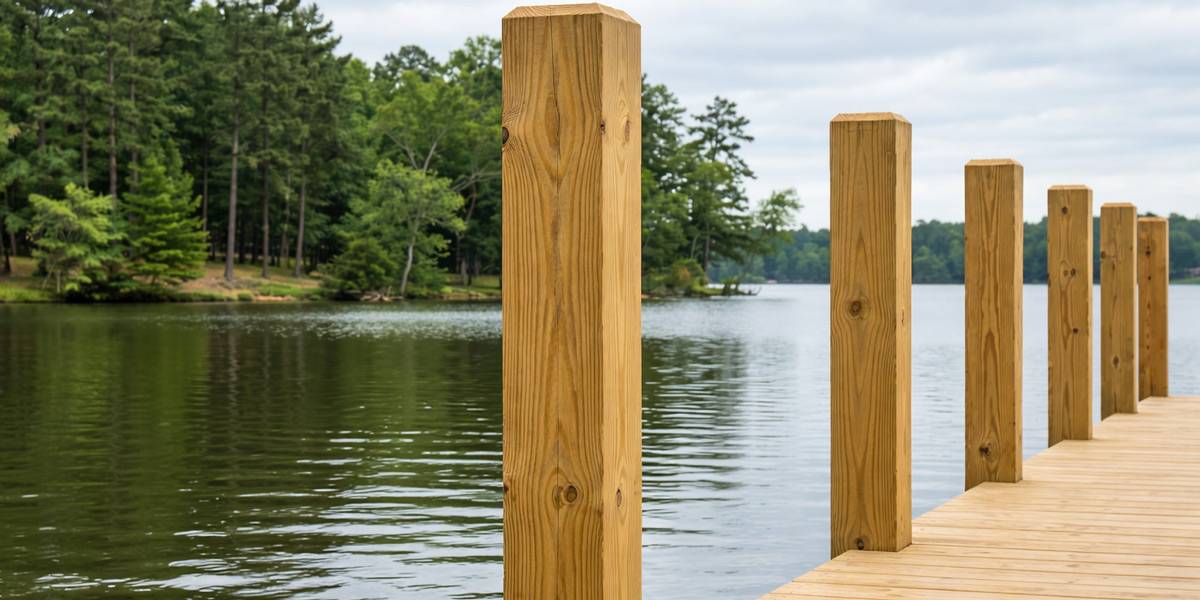
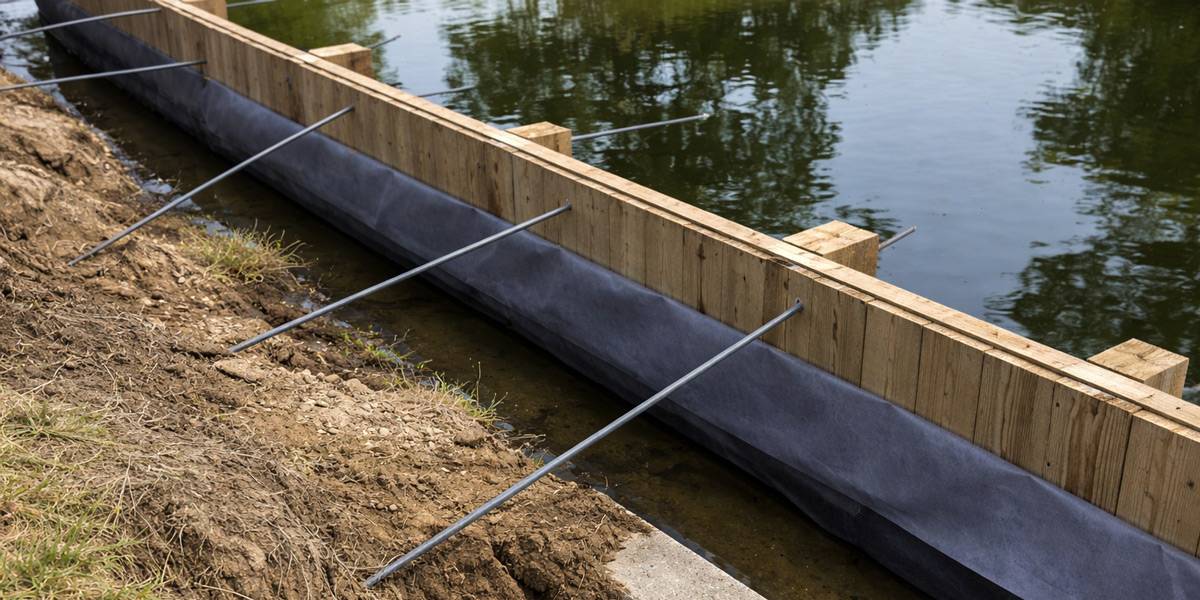
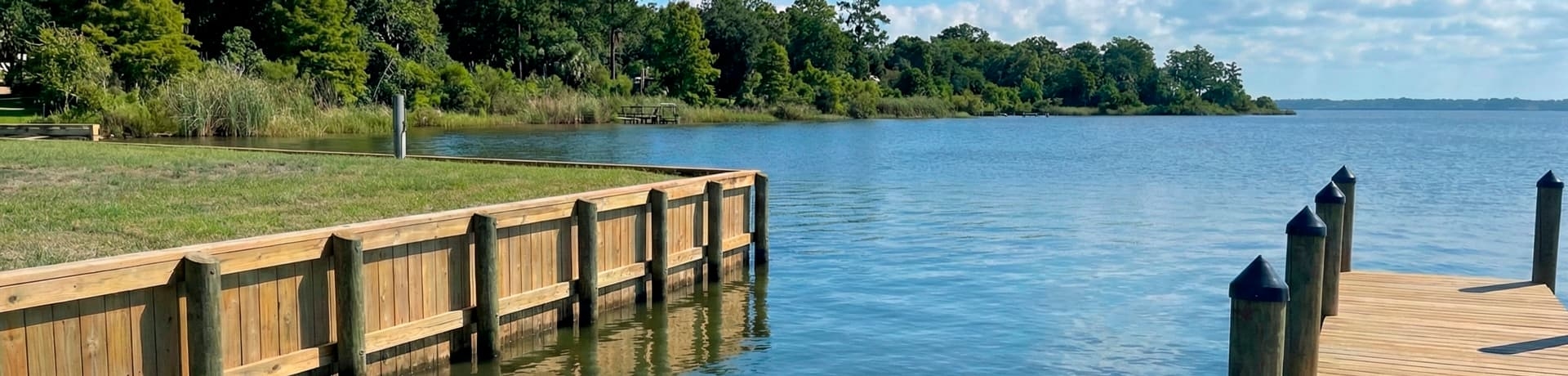
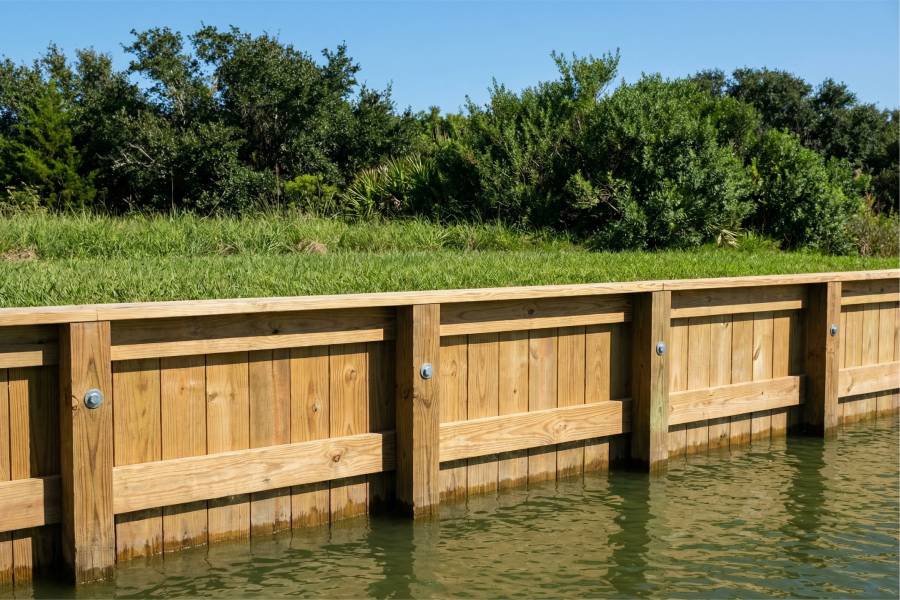
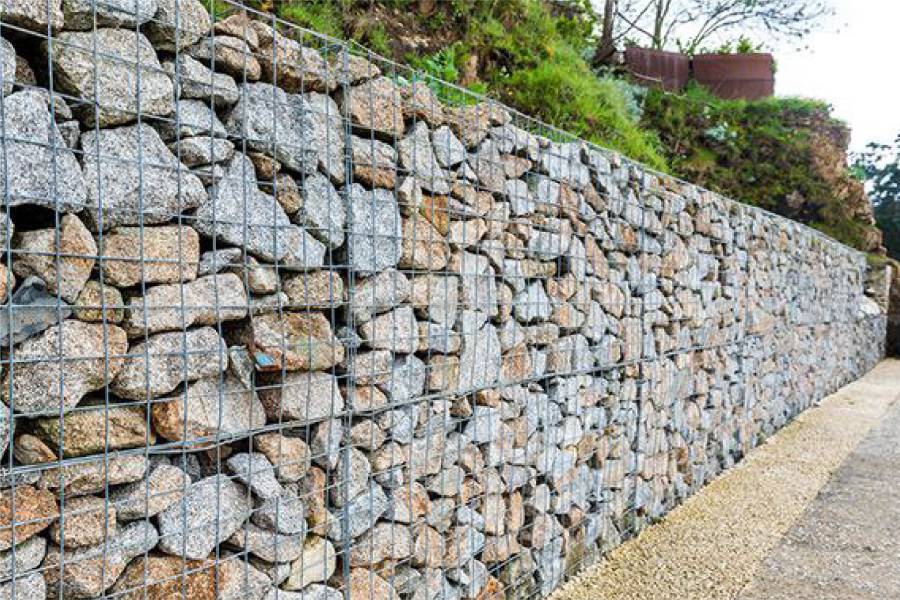
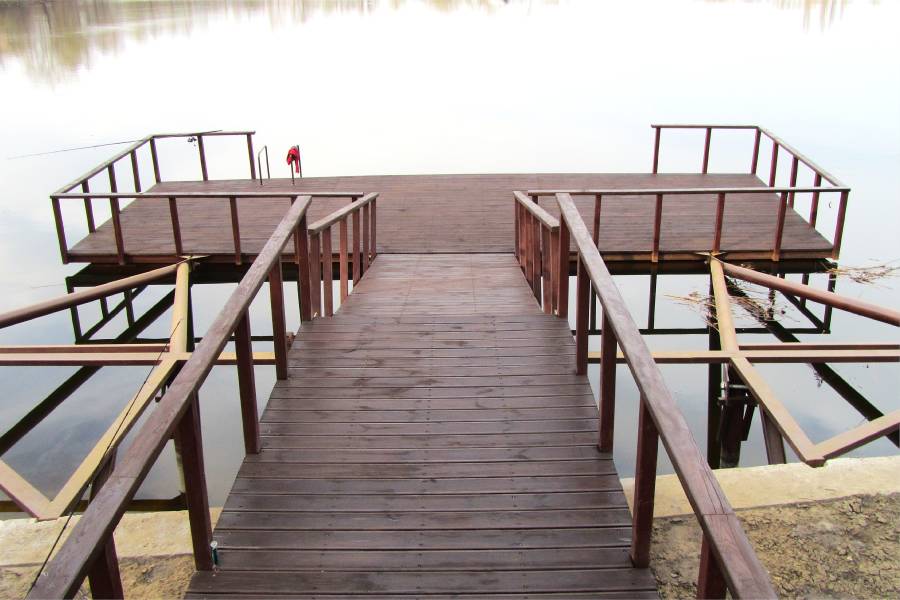
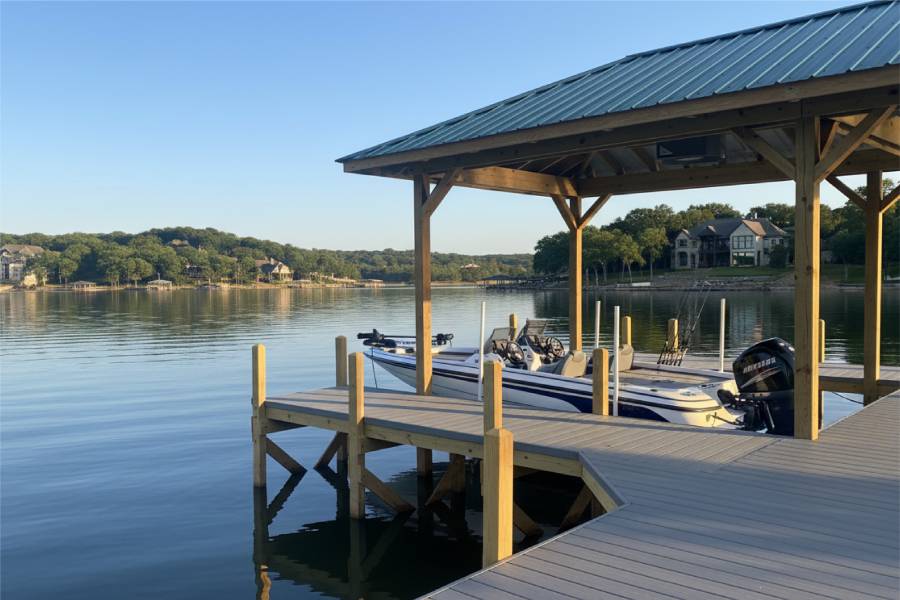
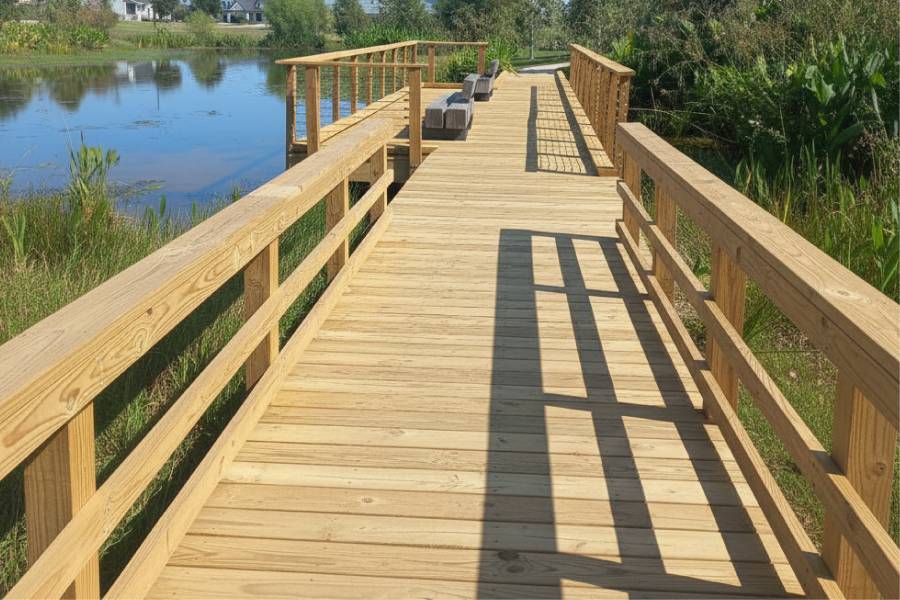
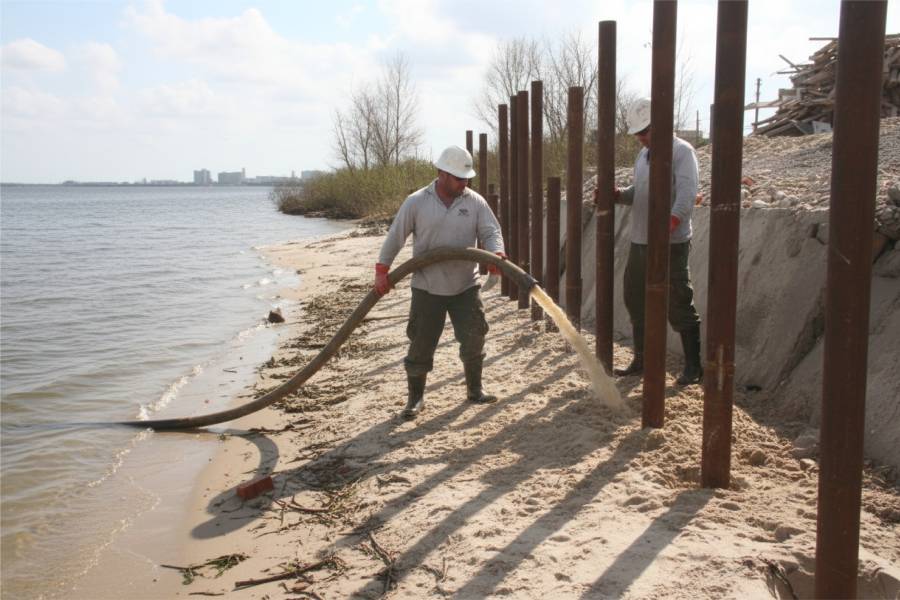
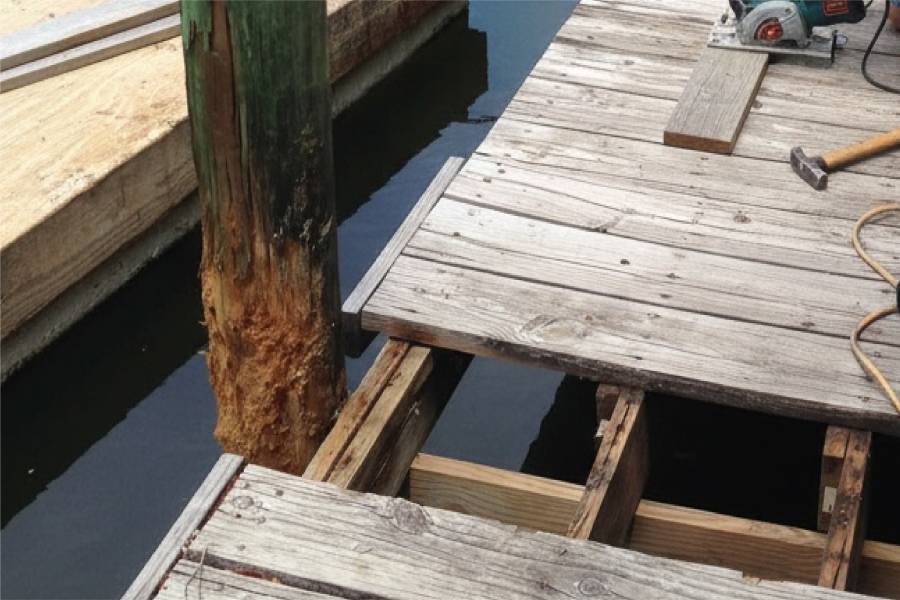
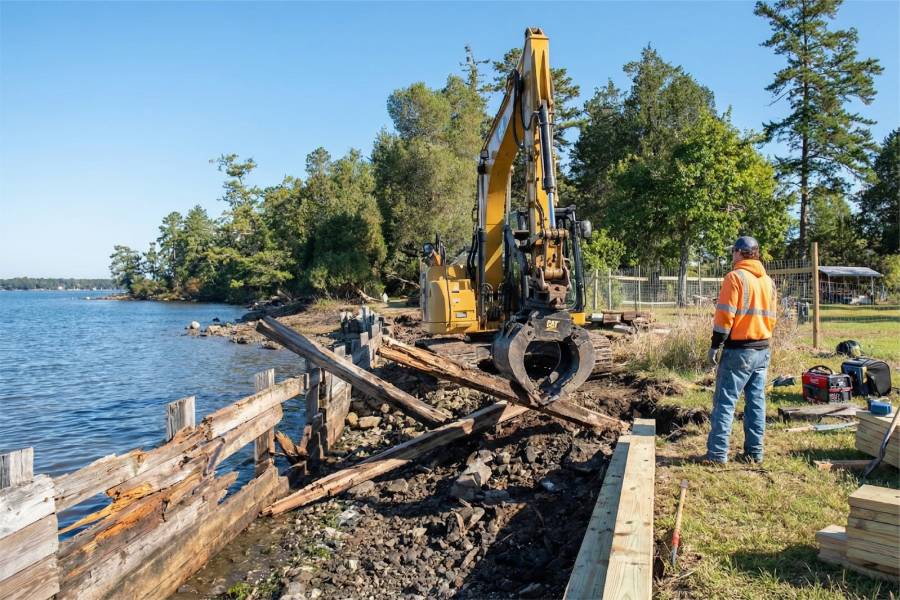
As part of Coastal Erosion Control in Lake Cherokee, TX, we rebuild failing bulkheads and seawalls, cut retaining walls into slopes that shed runoff, and drive pilings for new docks, boat slips and piers. Older structures that have shifted or rotted get repaired.
Share your lot number or address on Lake Cherokee along with a few photos. We will review them and send back a free preliminary estimate.