Livingston sits near the eastern side of Lake Livingston, the large Trinity River reservoir in Polk County. Many lots here face coves and inlets rather than the open lake, but even sheltered banks lose soil when the water level changes through the year and boat wake reaches the shore.
Materials, starting prices and photos of completed work are on our main bulkhead services page.
The ground around the lake is mostly sandy and loamy East Texas soil. It washes out faster than heavy clay, so a bulkhead here needs enough embedment and good backfill to stop soil from escaping under or behind the wall.
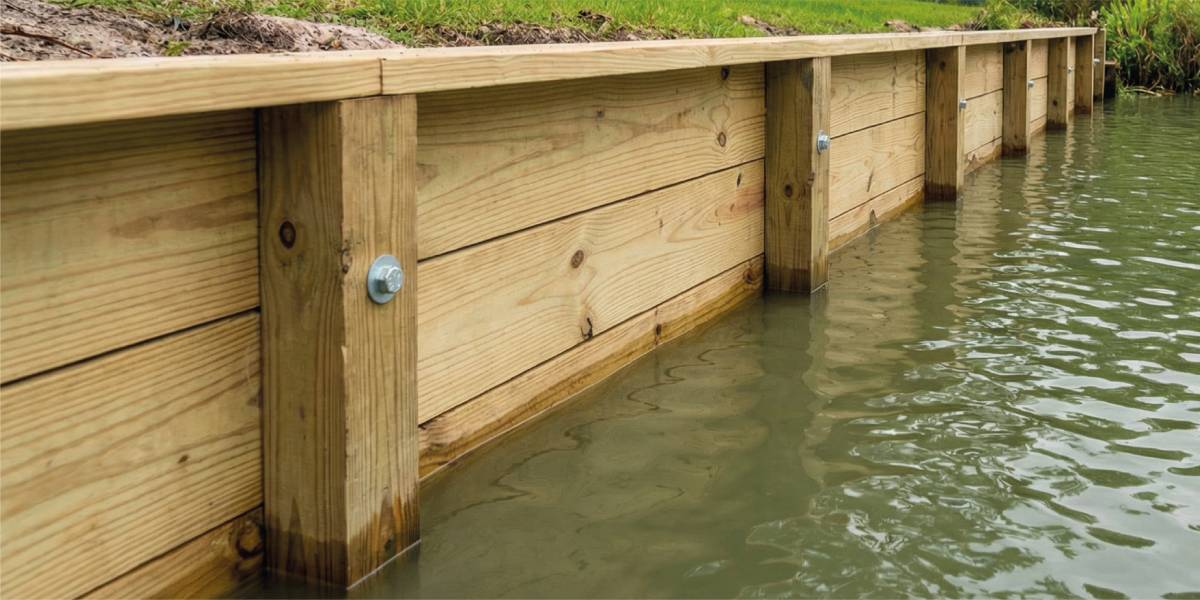
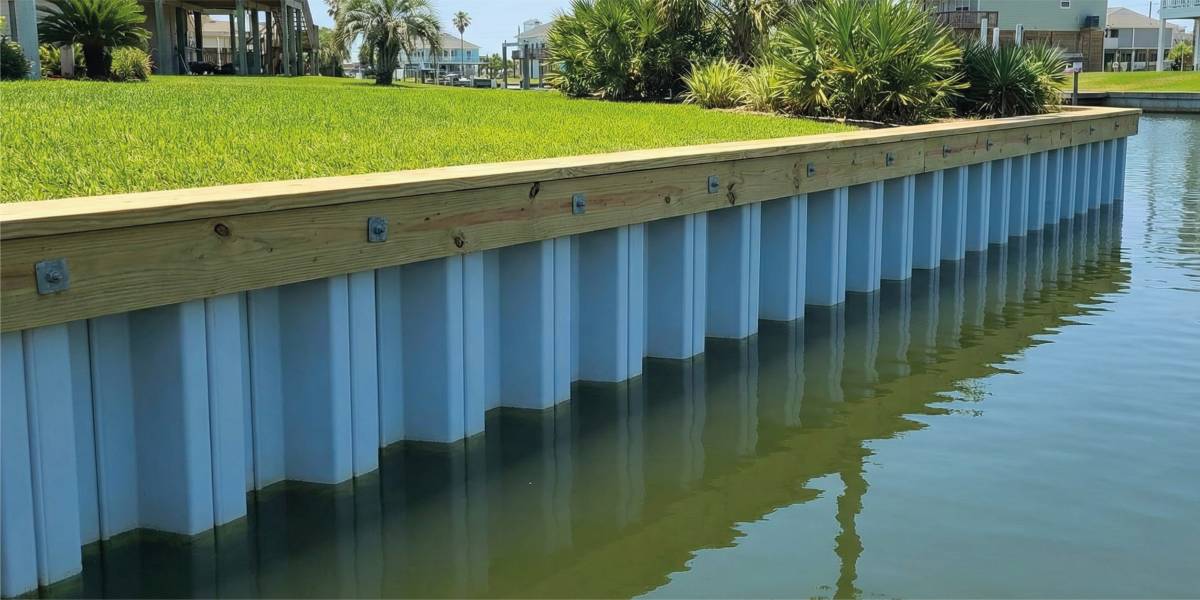
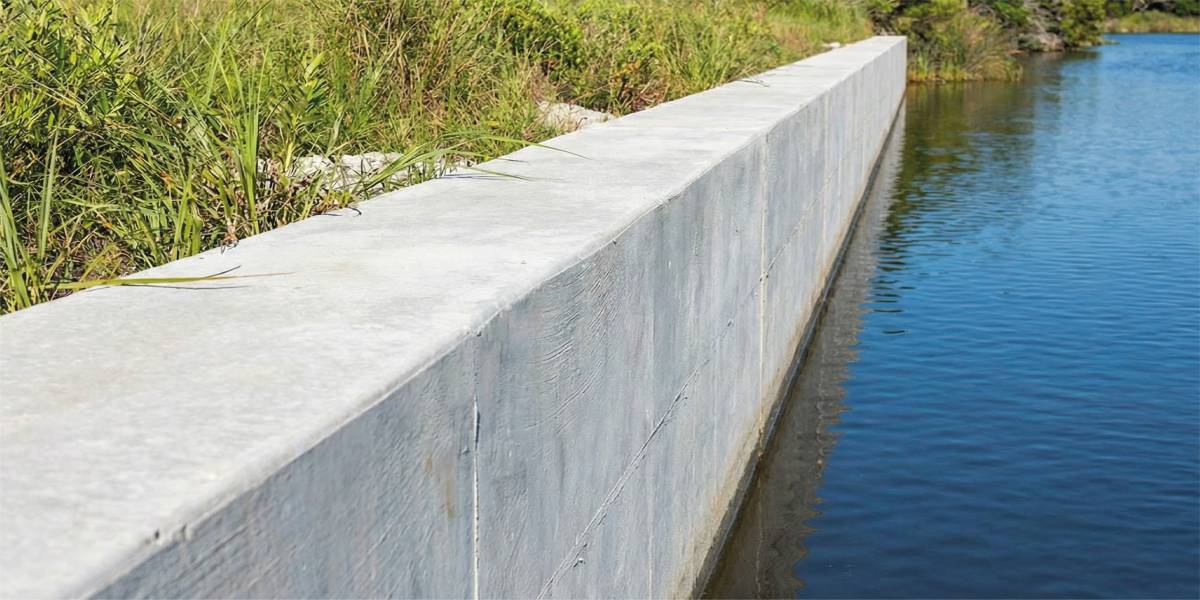
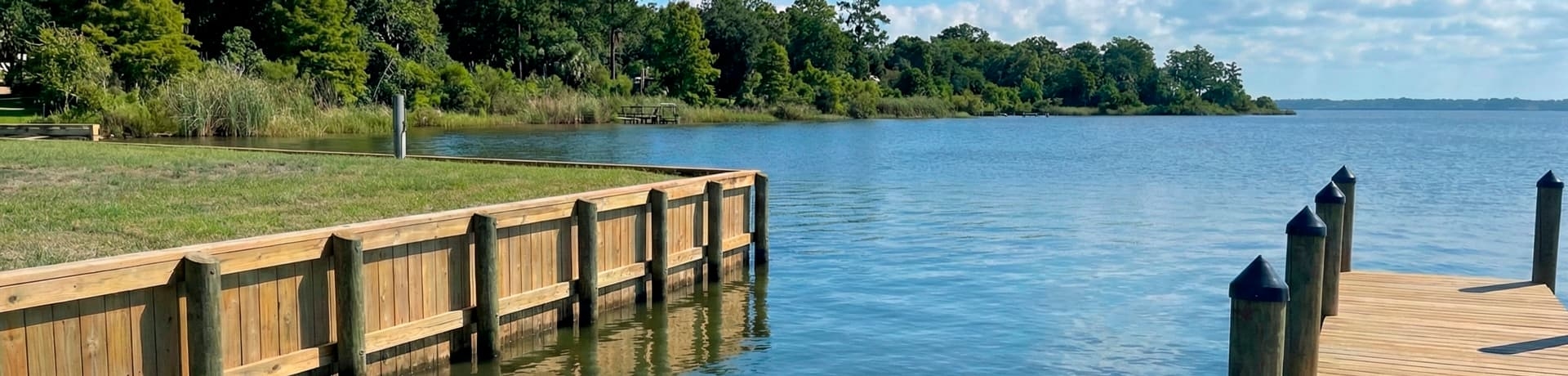
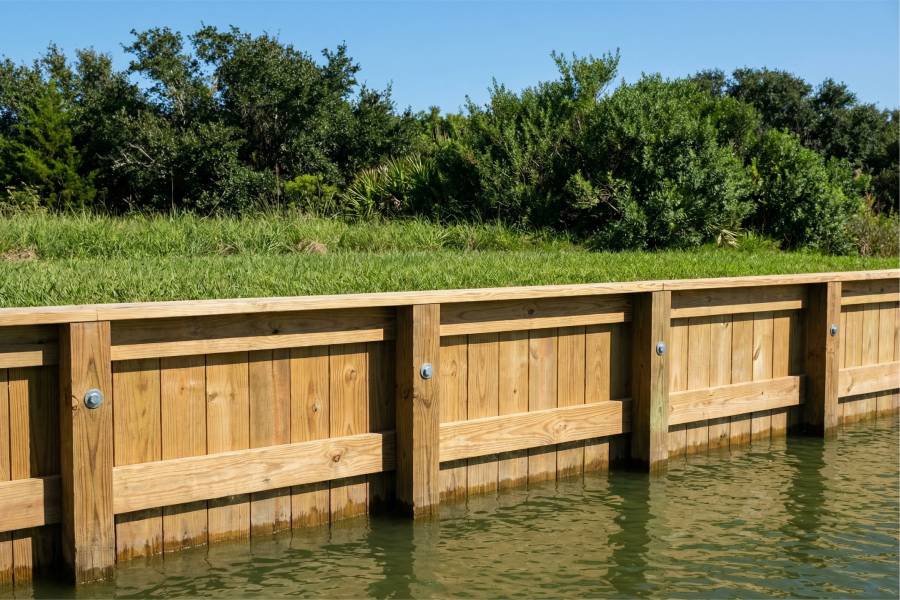
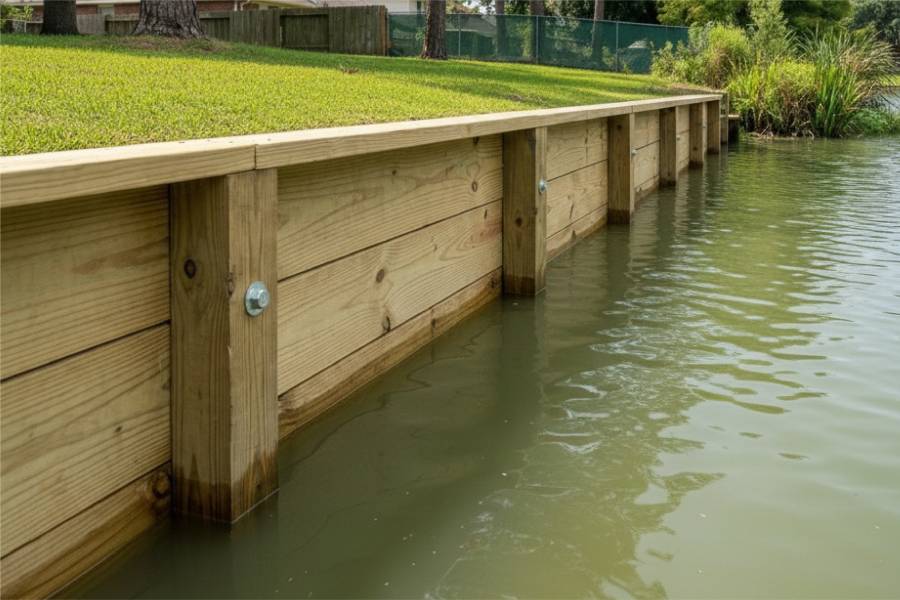
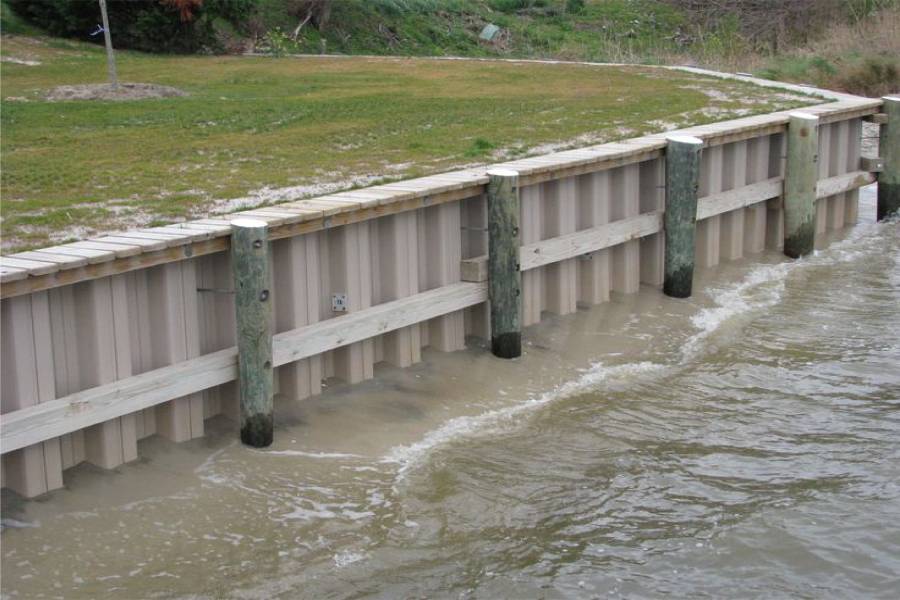
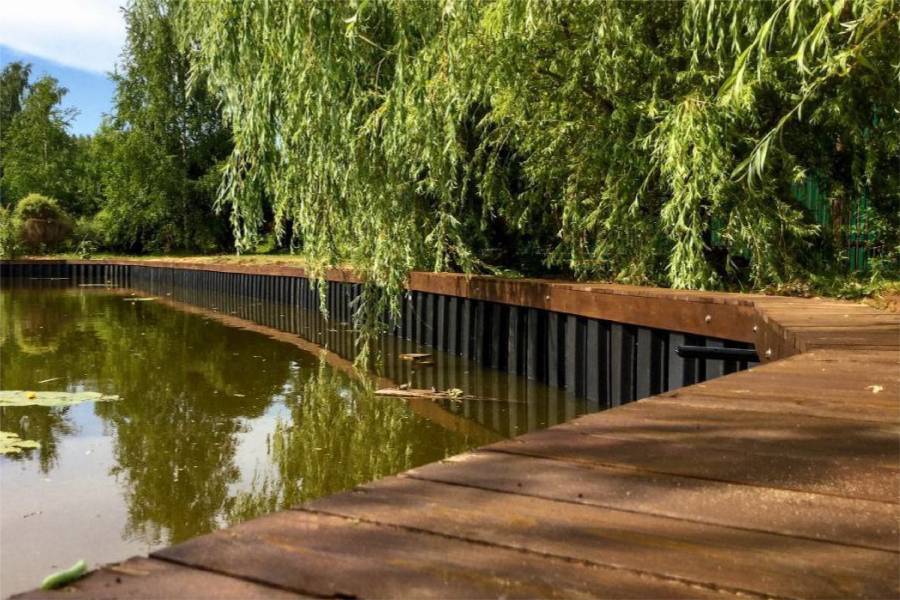
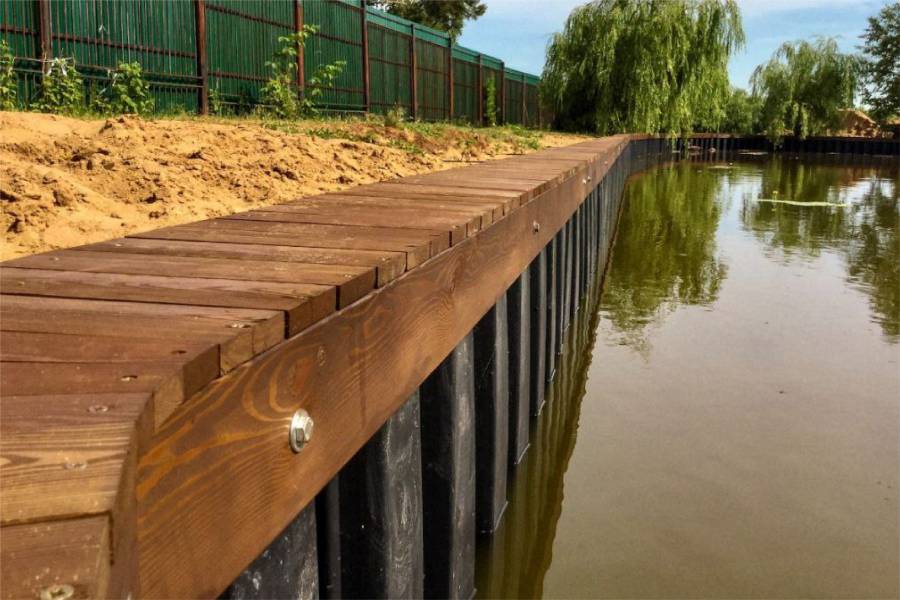
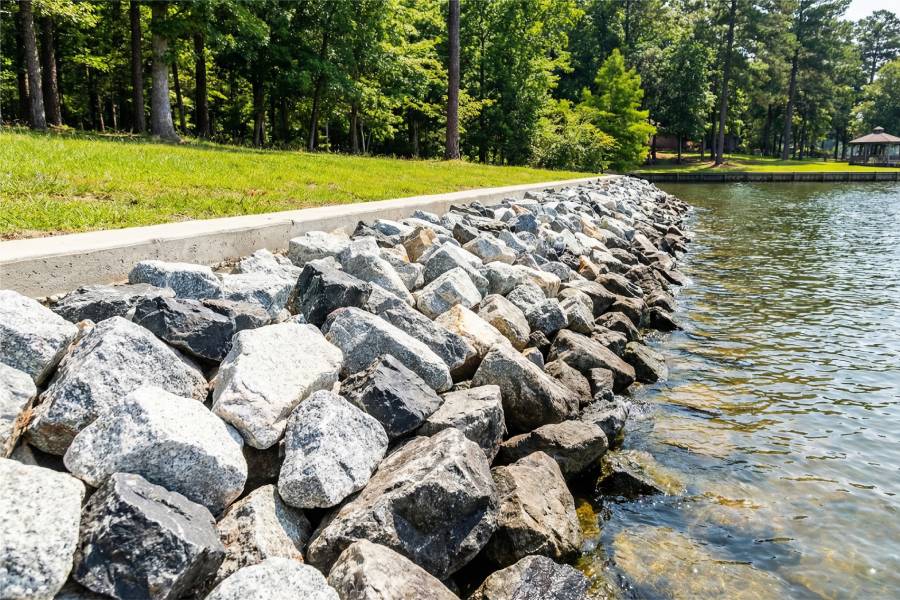
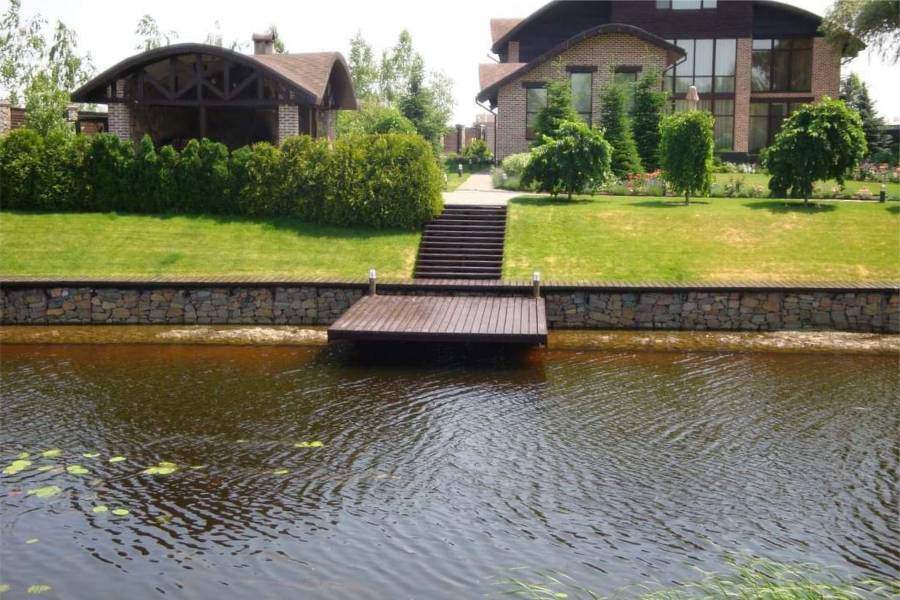
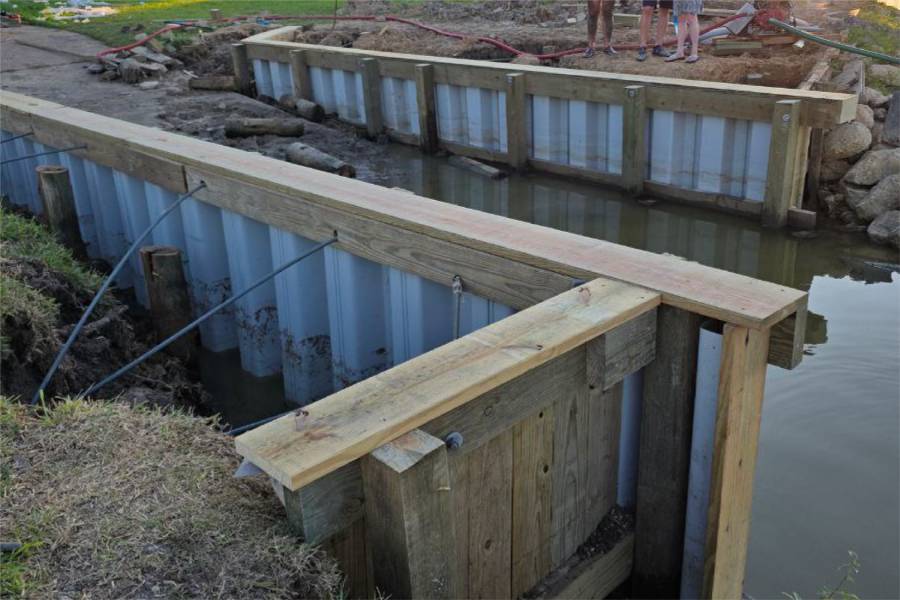
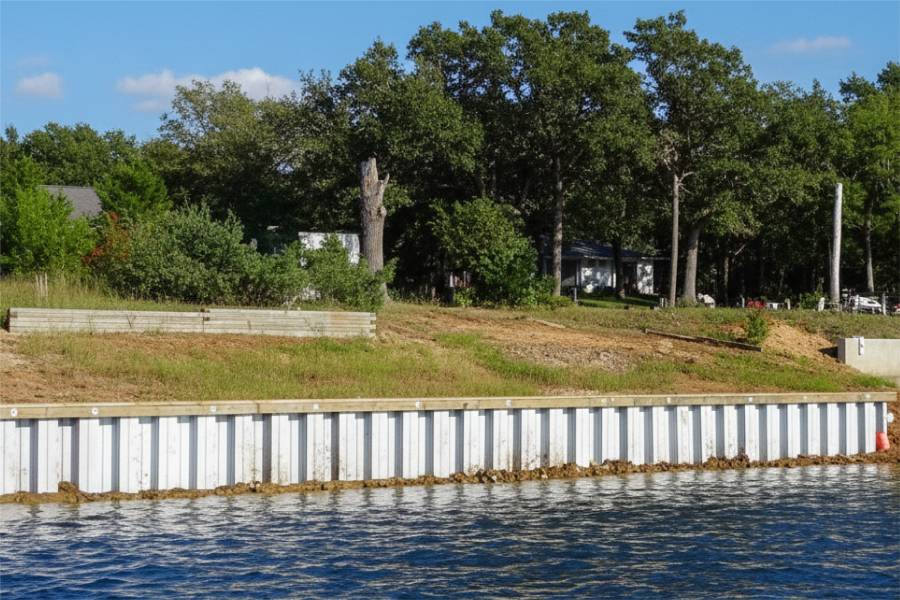
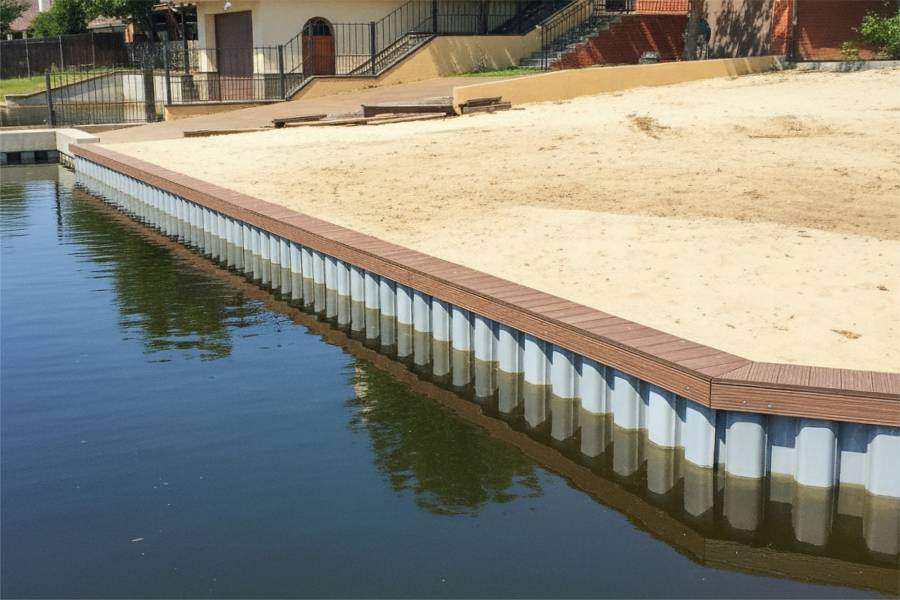
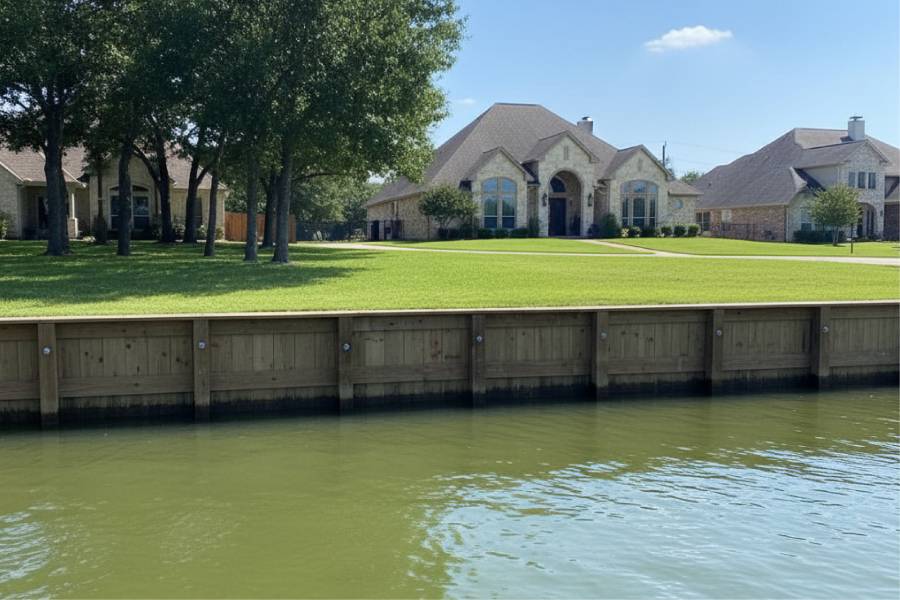
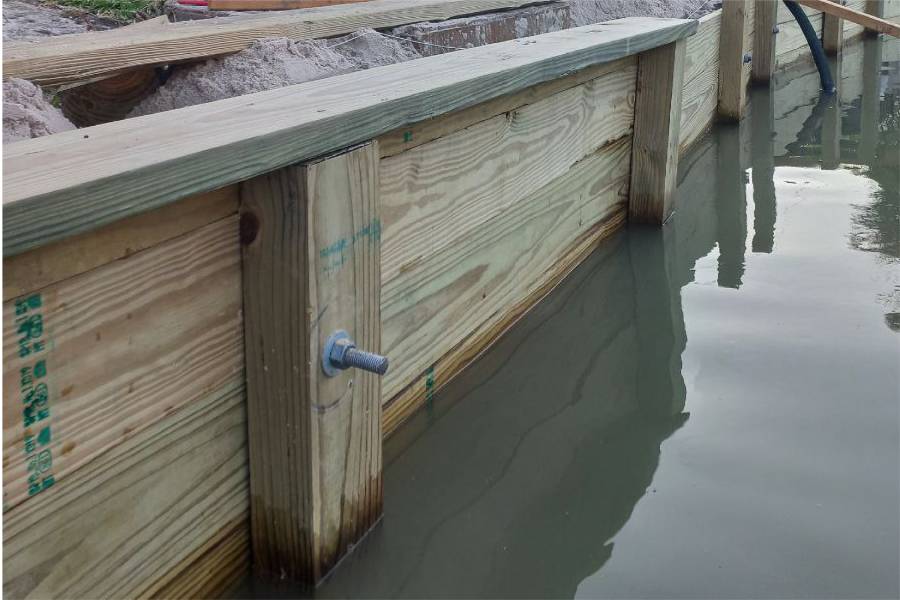
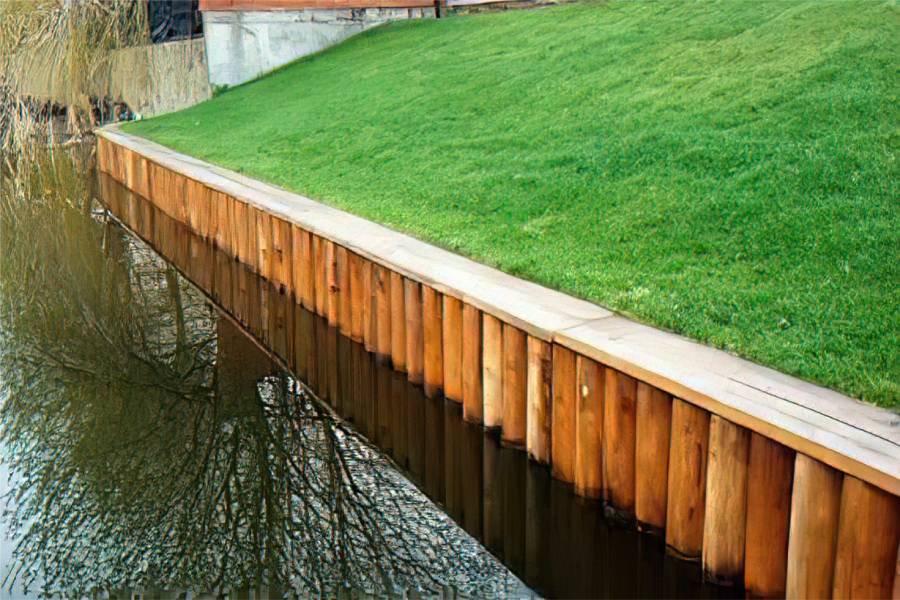
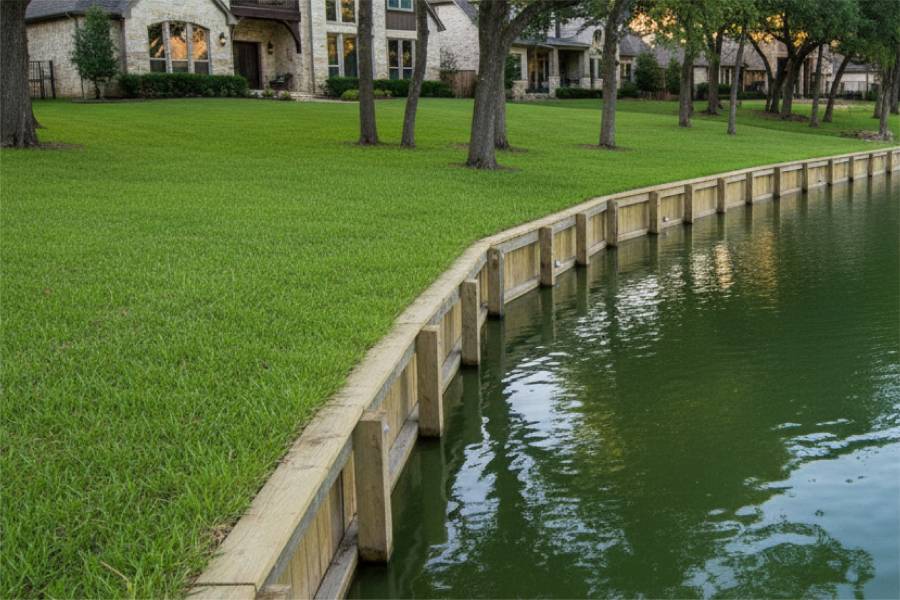
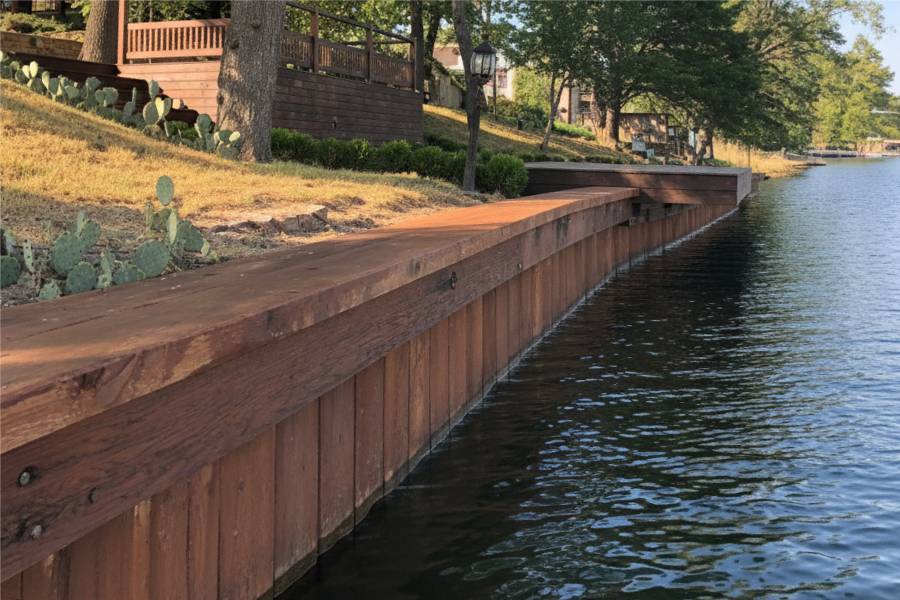
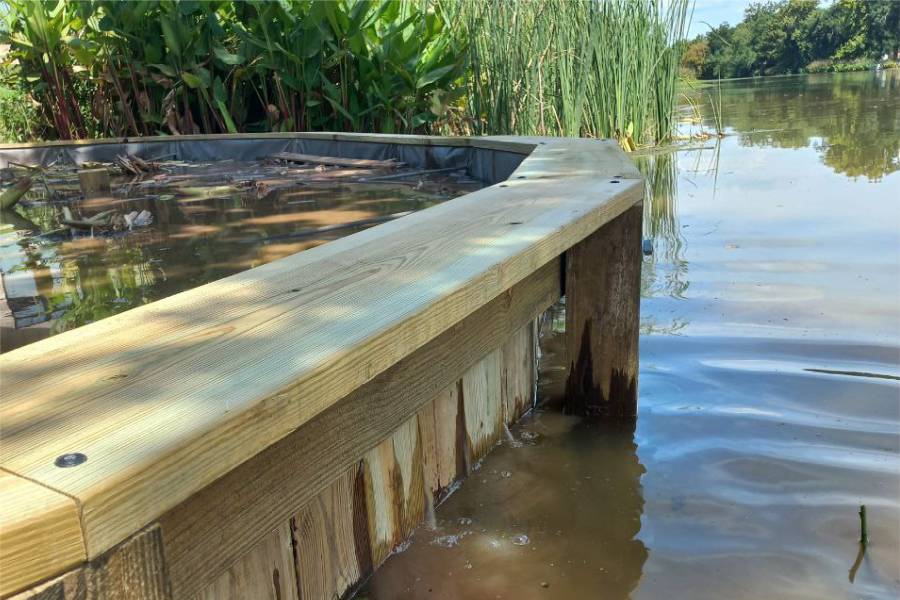
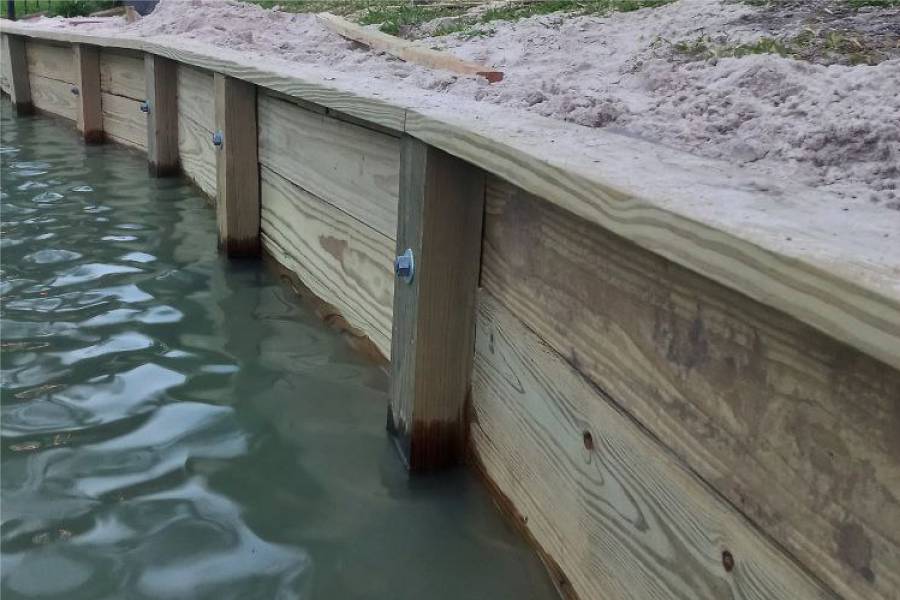
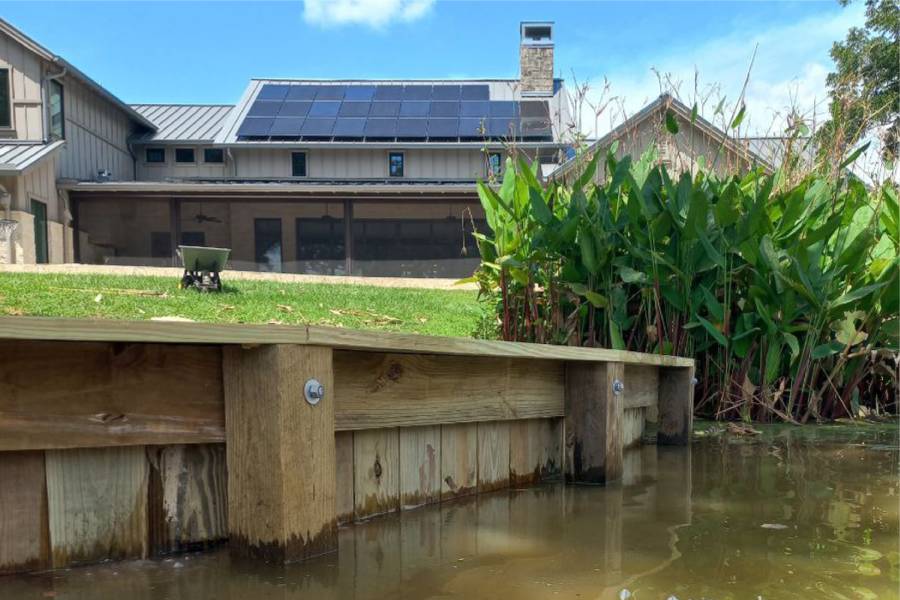
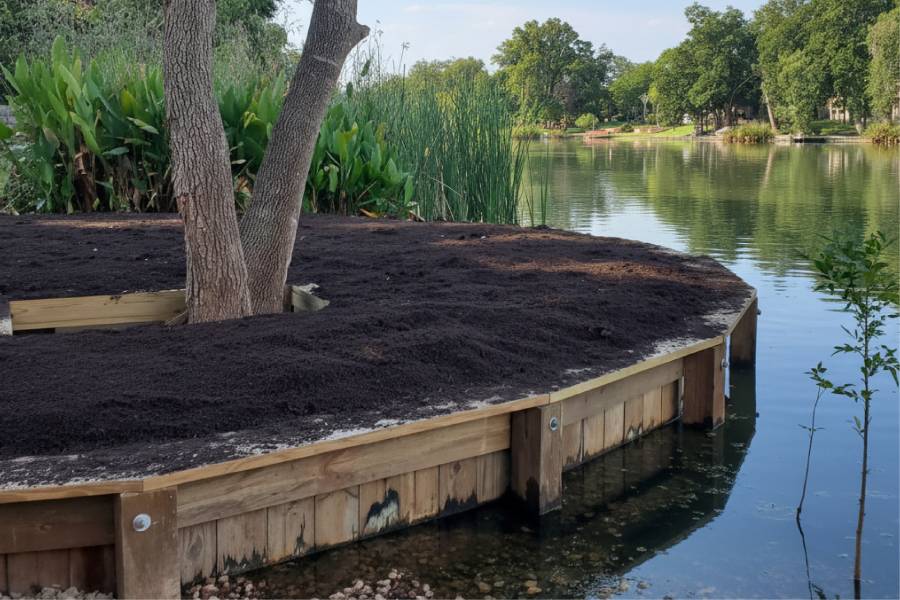
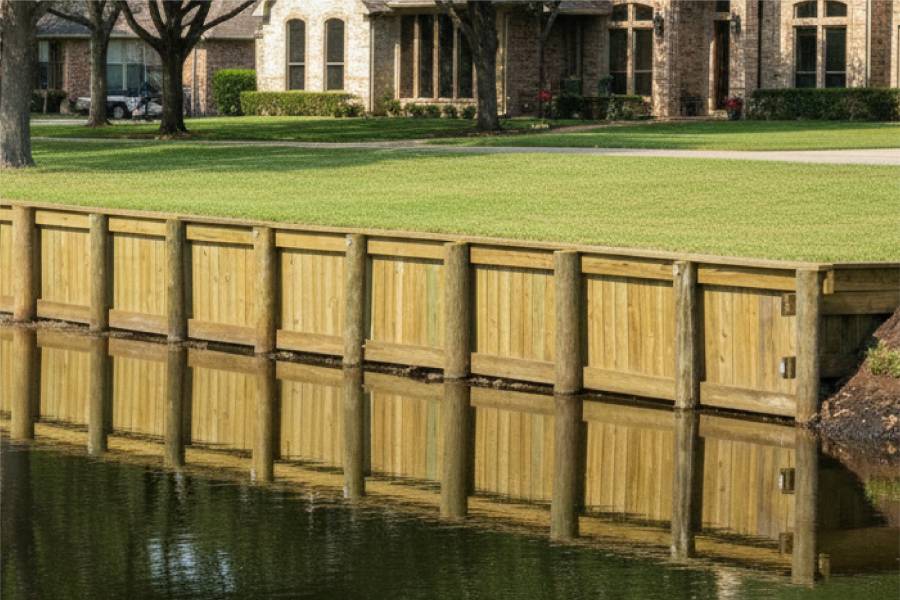
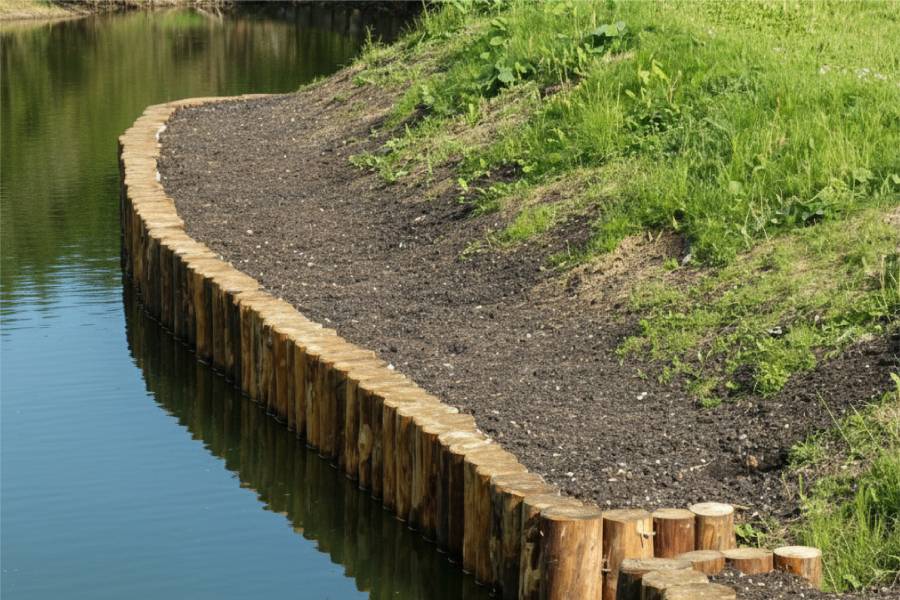
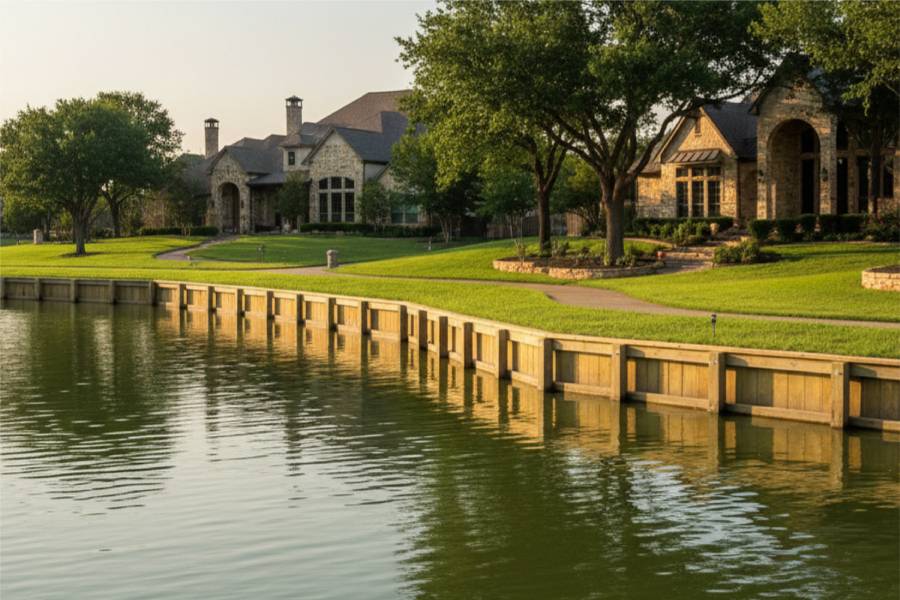
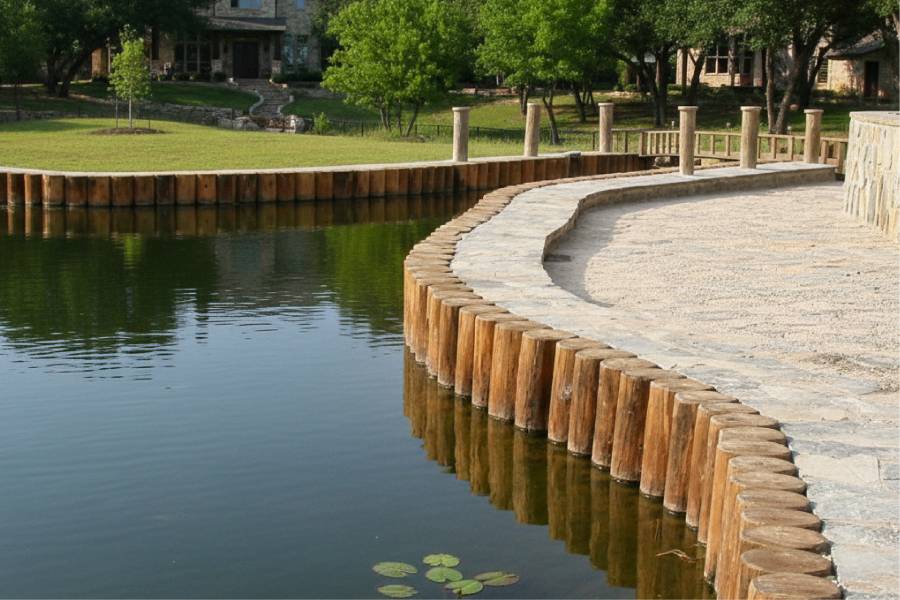
Vinyl sheet piling is the most common choice for new walls on Lake Livingston because it does not rot and handles the wet-dry cycle at the waterline. Timber still works on sheltered coves when the budget is tight, and concrete fits high banks or lots with boat lifts and heavy decks close to the wall.
Before we price a wall, we look at how far the water drops in a typical dry season, where wake hits your shoreline, and whether the old wall has already lost soil behind it. Sinkholes in the lawn near the shore usually mean backfill is escaping through a joint or under the toe, and that needs fixing before it spreads.
A typical Livingston job starts with photos and a short call, then a site visit to measure the frontage, check the bank height and look at the neighbors' walls. From there we prepare a written estimate that lists the wall type, length, cap and any removal of the old structure.
Lake Livingston has many neighborhoods built around marinas and boat ramps, and some lots sit on narrow coves that funnel boat wake straight onto the shore. Walls in those coves often wear faster than walls on wider water.
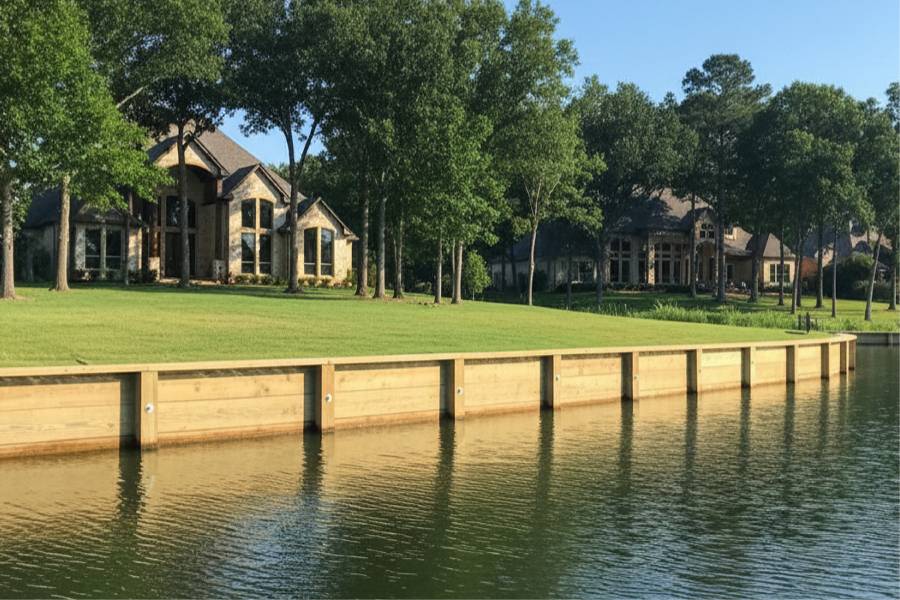
We build new bulkheads, replace old timber walls and repair leaning or separated sections for Livingston lake properties. Send us a few photos of your shoreline for a free preliminary assessment.