Waterfront properties in Liberty, Texas sit along the Trinity River in Liberty County as it flows through Southeast Texas toward Trinity Bay. The Trinity River in the Liberty reach is a wide, meandering river subject to significant seasonal flooding from storms in the vast Trinity watershed. Liberty County's low-lying terrain and the Trinity River's extensive floodplain mean that riverside properties experience periodic inundation followed by rapid drawdown — the conditions that accelerate bank erosion, create voids behind bulkhead walls, and stress tie-rod connections. The river's soft alluvial soils require deeper piling installation than hard-bottom sites.
For the full list of materials and starting prices, see our bulkheads page.
Shore Protect Team LLC works on bulkhead construction and repair for Liberty area waterfront properties on the Trinity River. River current, flood saturation, and soft alluvial soils of the Trinity floodplain influence material and installation design on these Southeast Texas river properties.
Send us photos for a free preliminary assessment.

labor and materials
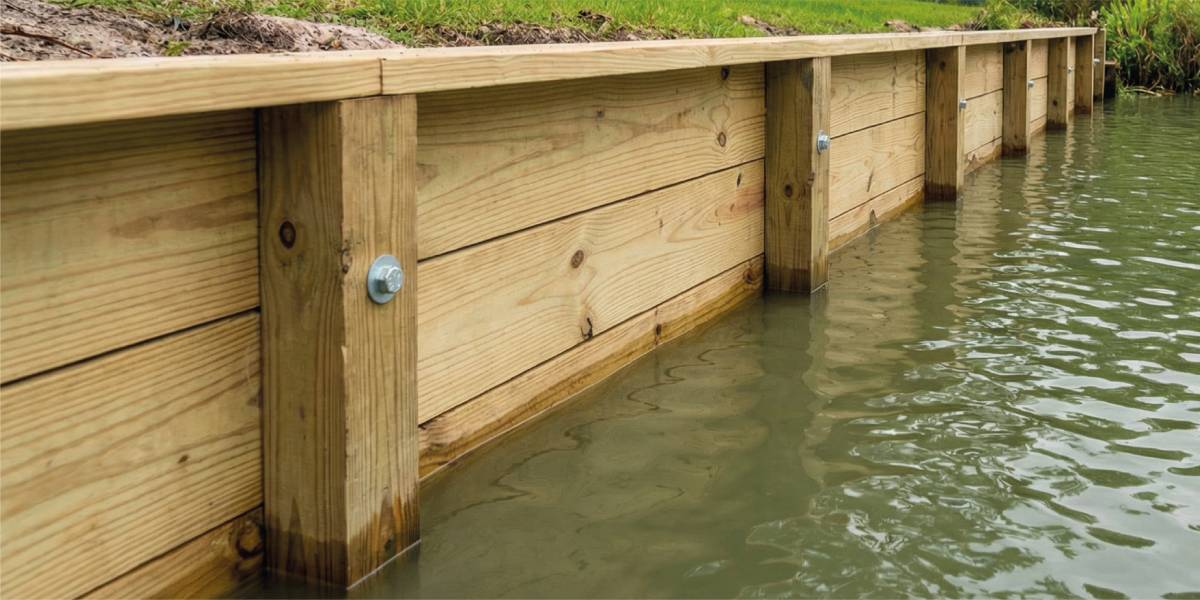
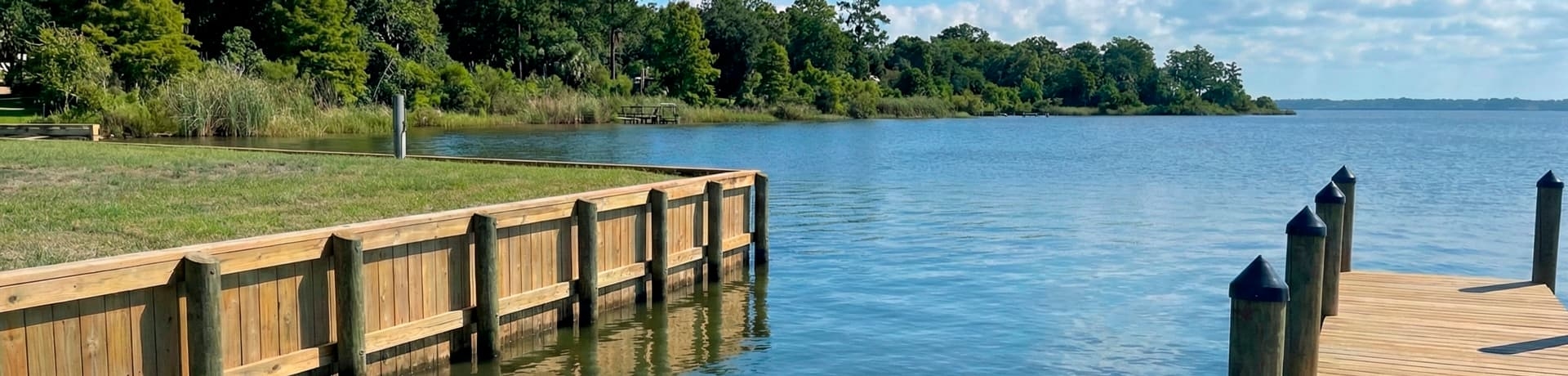
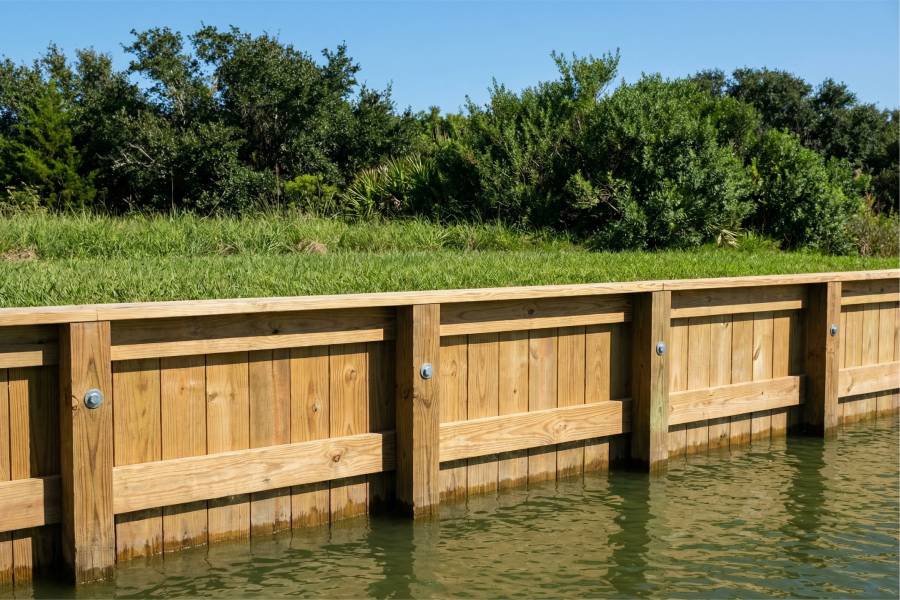
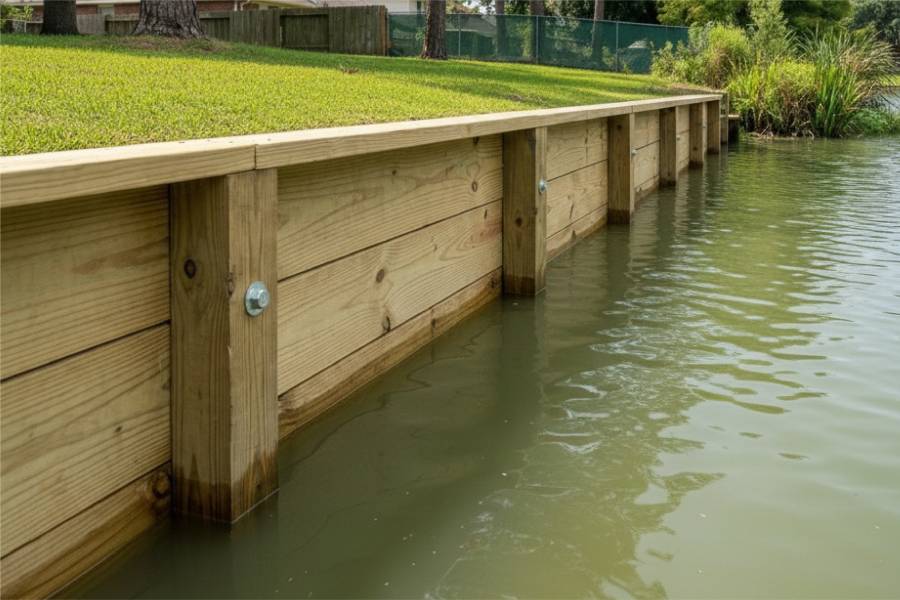
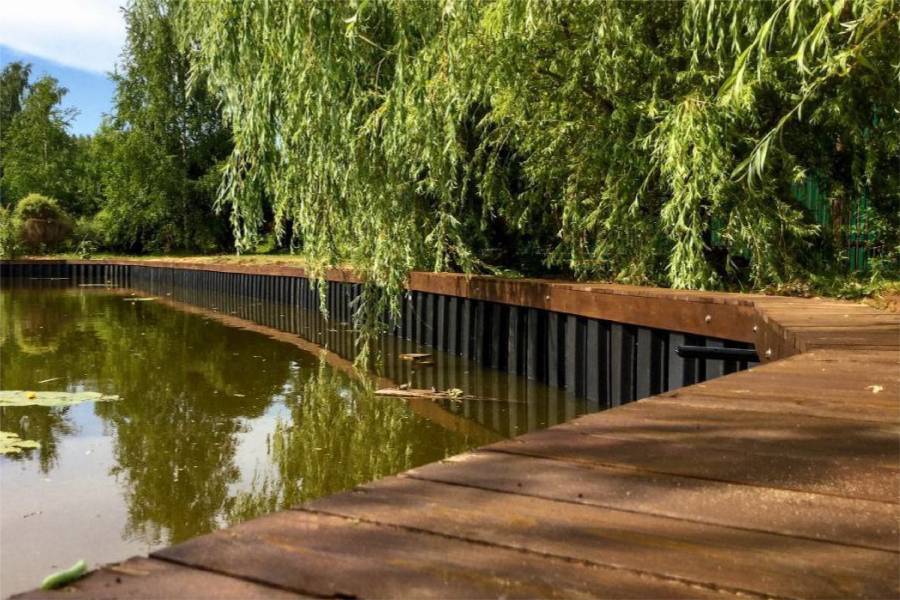
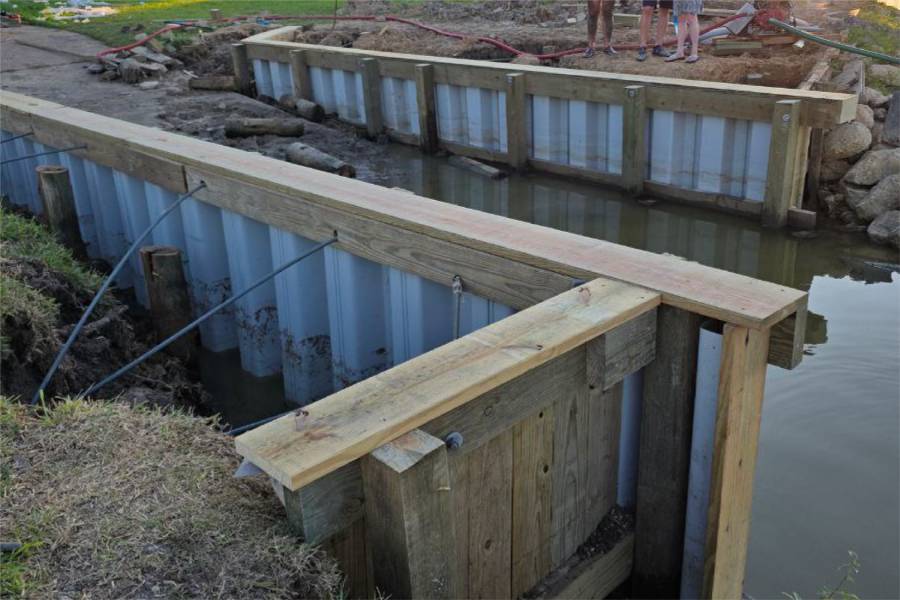
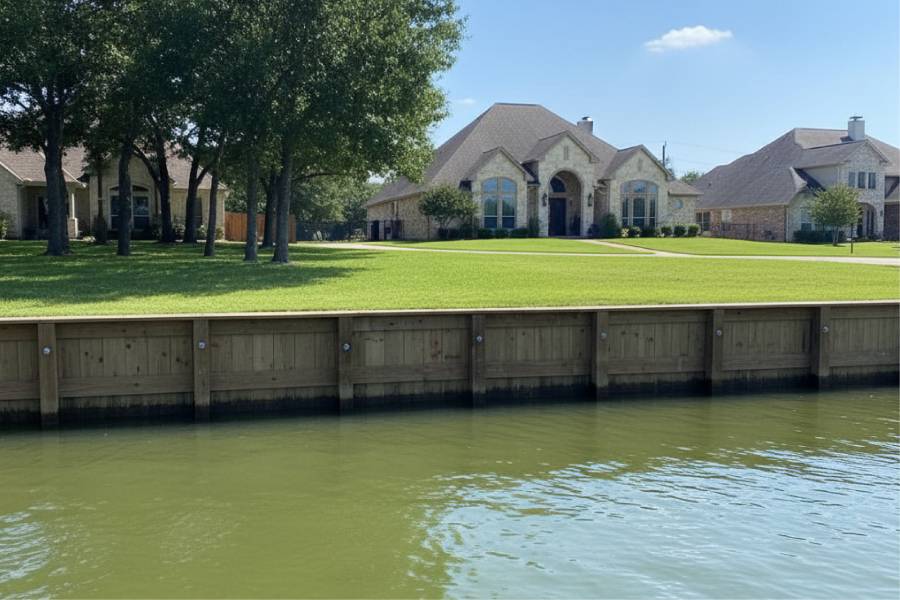
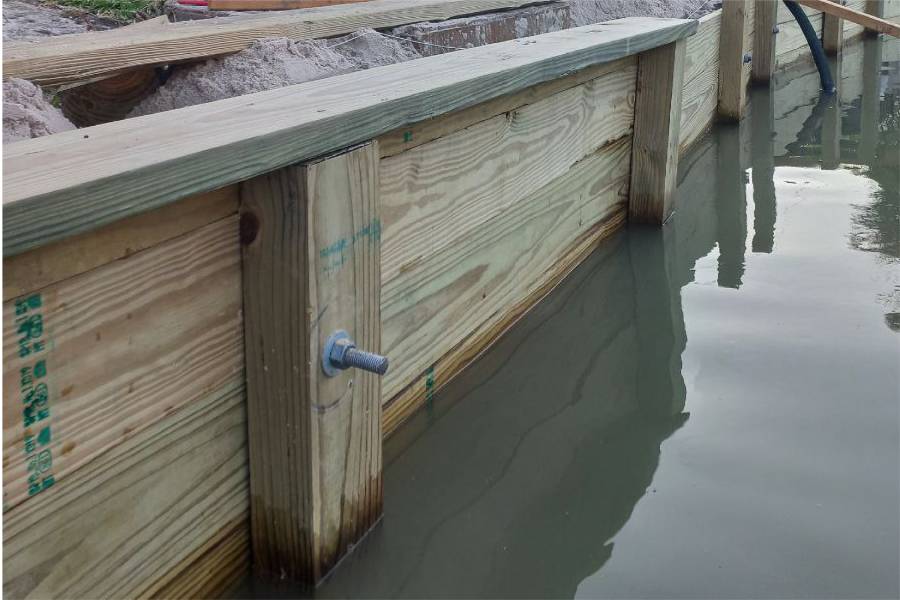
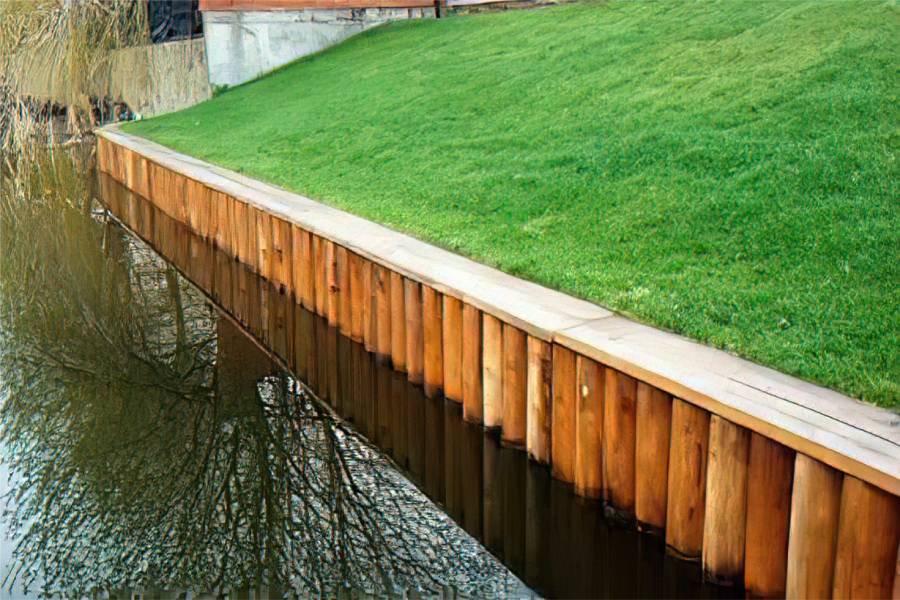
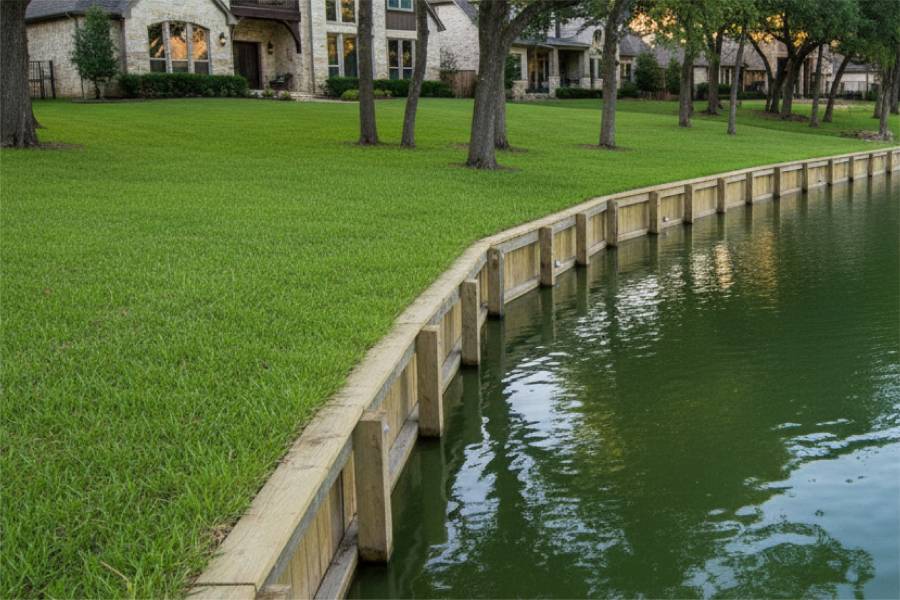
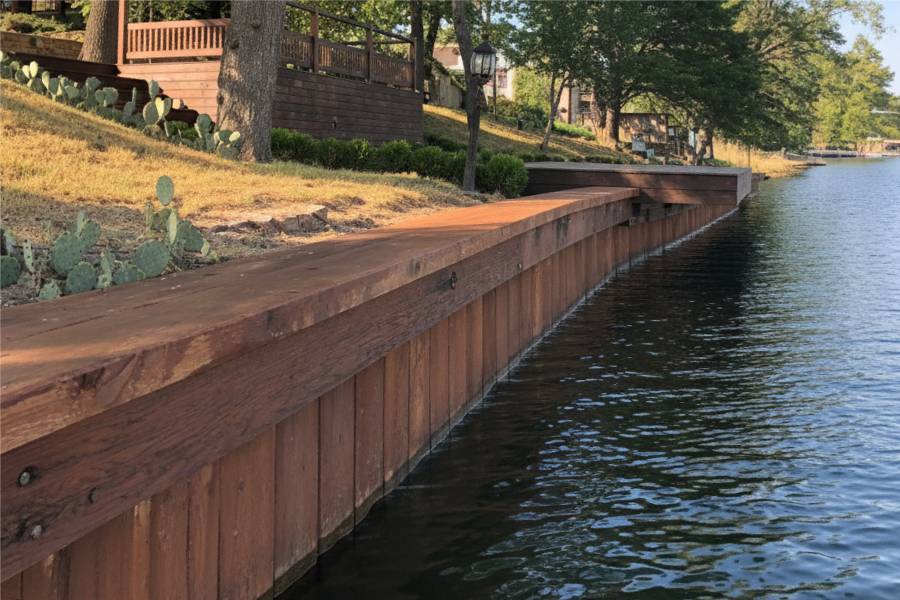
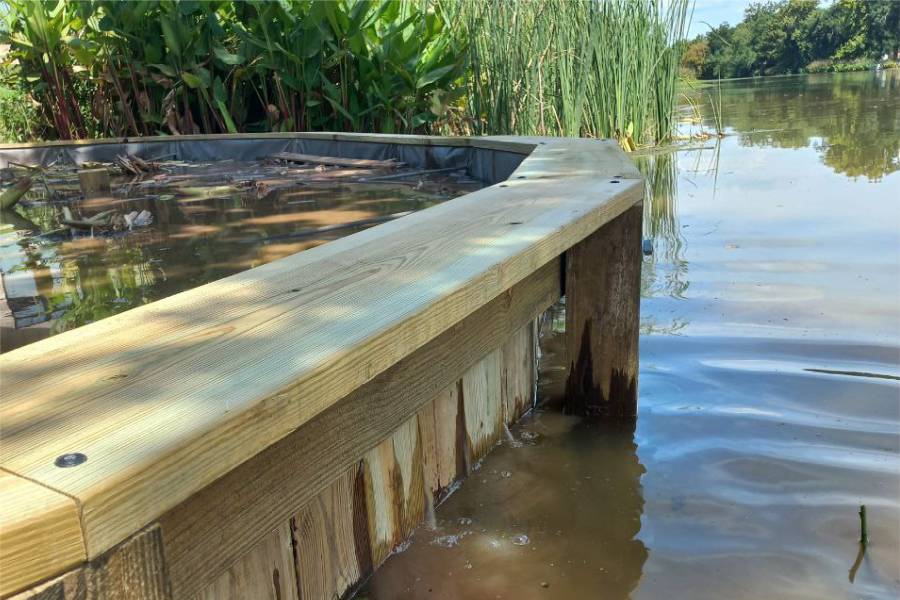
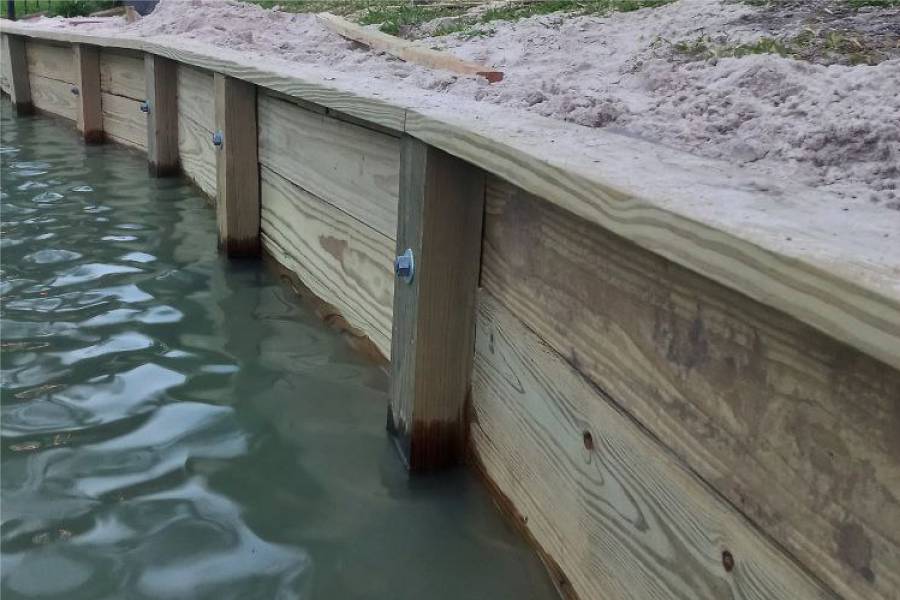
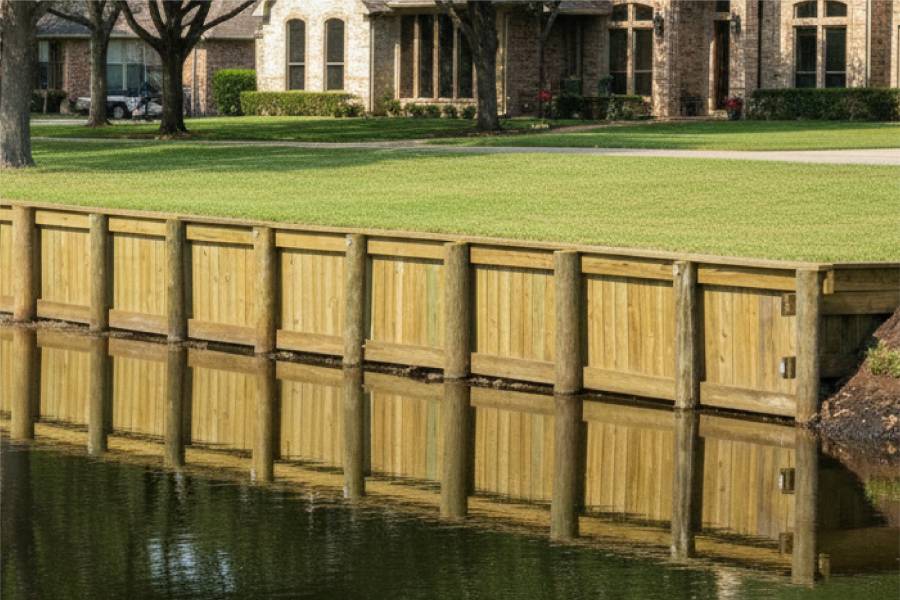
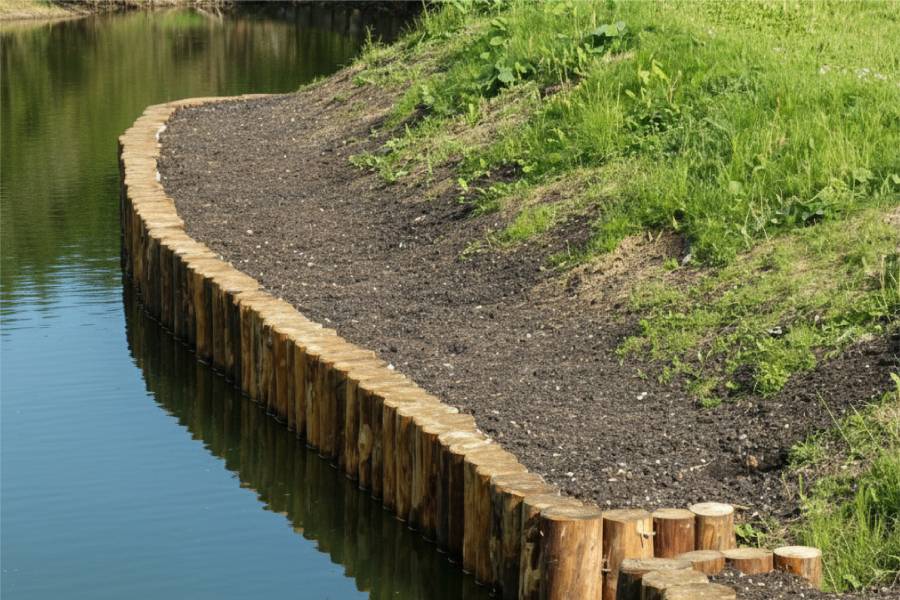
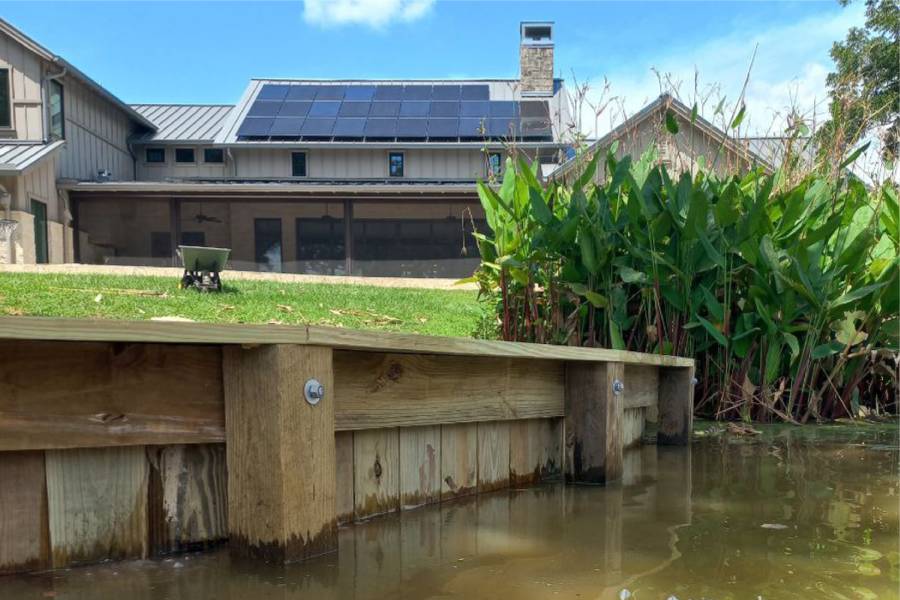
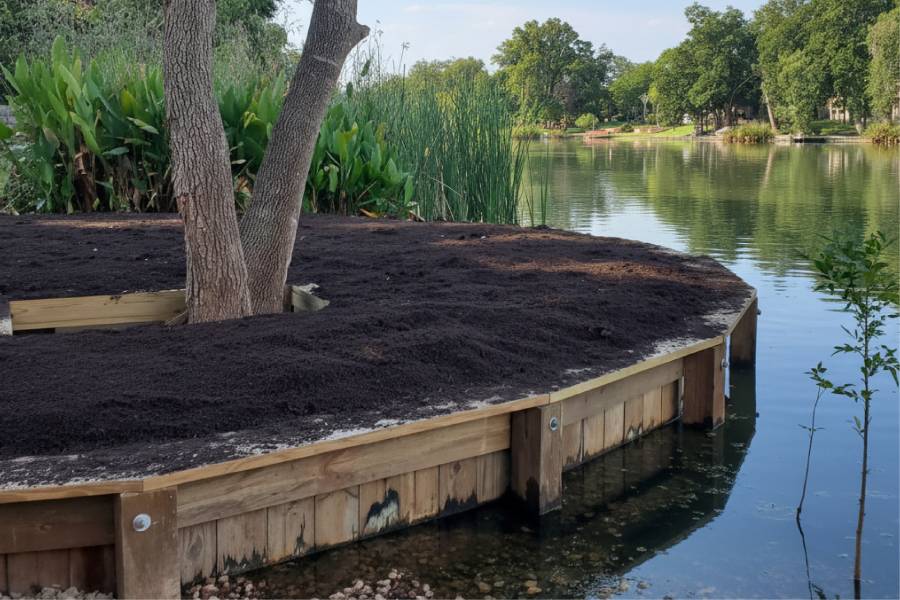
Treated wood bulkheads for Liberty lots on quiet backwaters of the Trinity, away from the main river current.

labor and materials
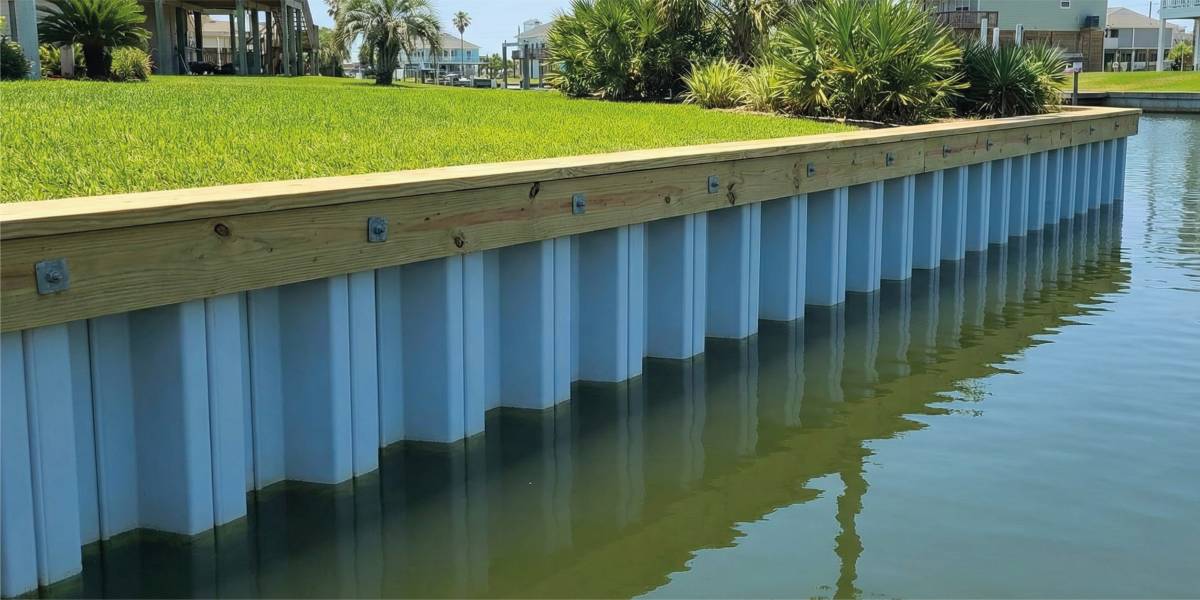
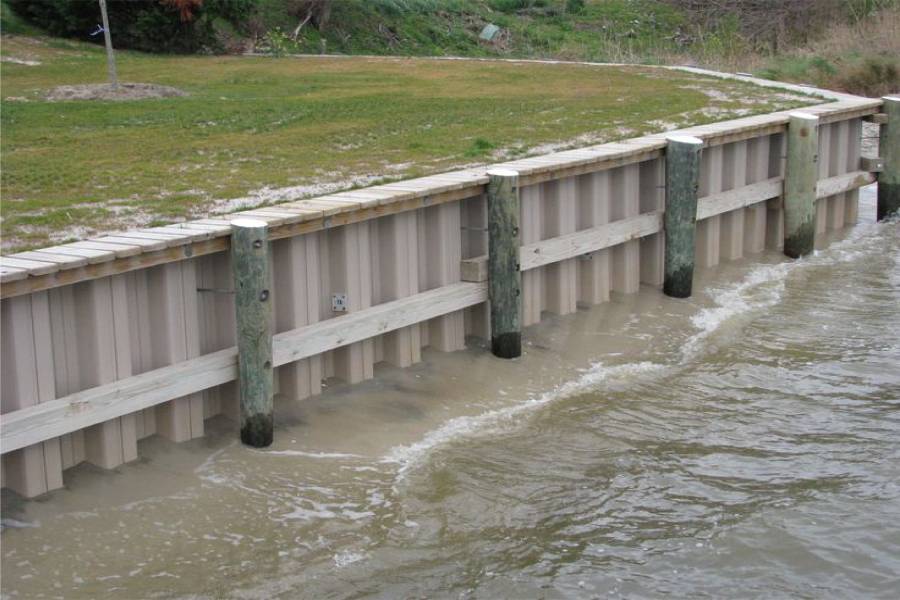
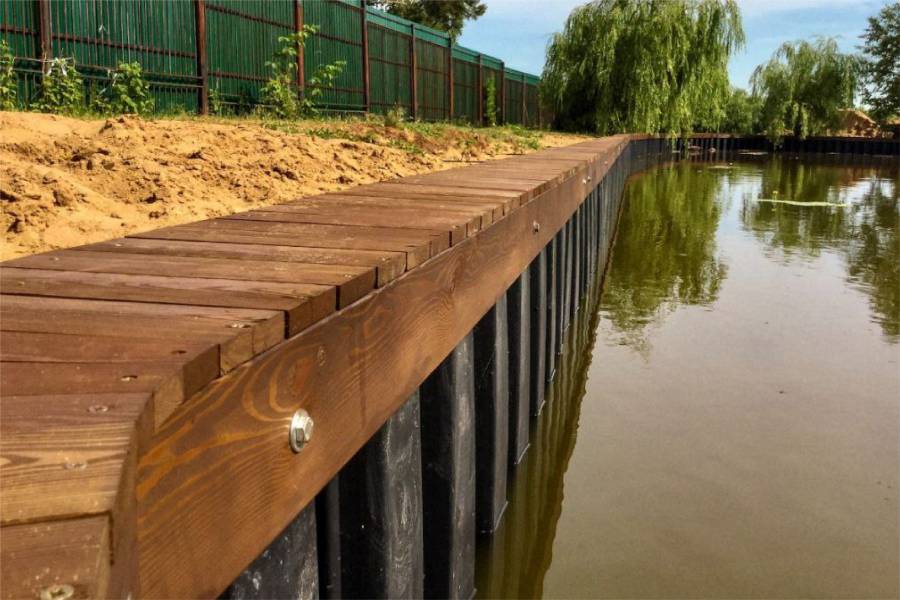
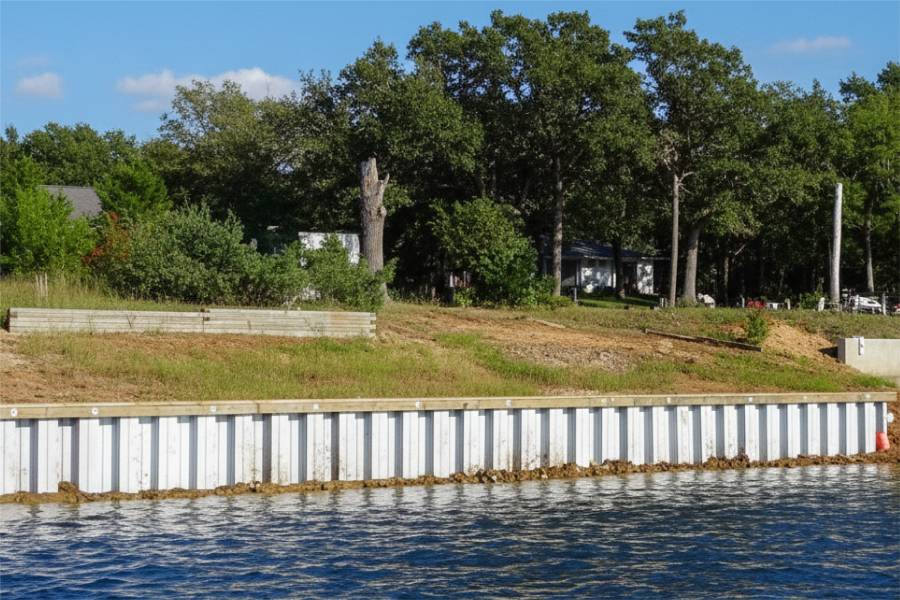
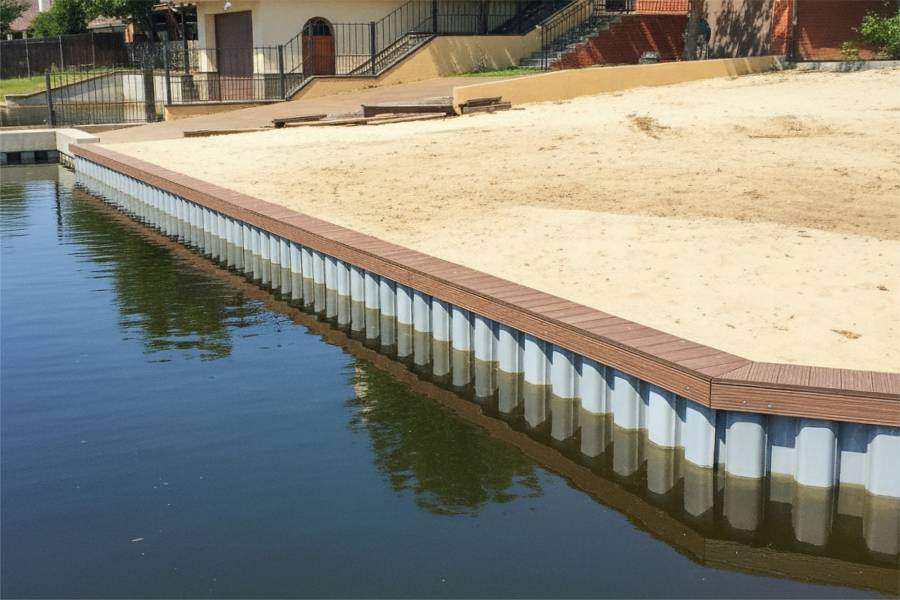
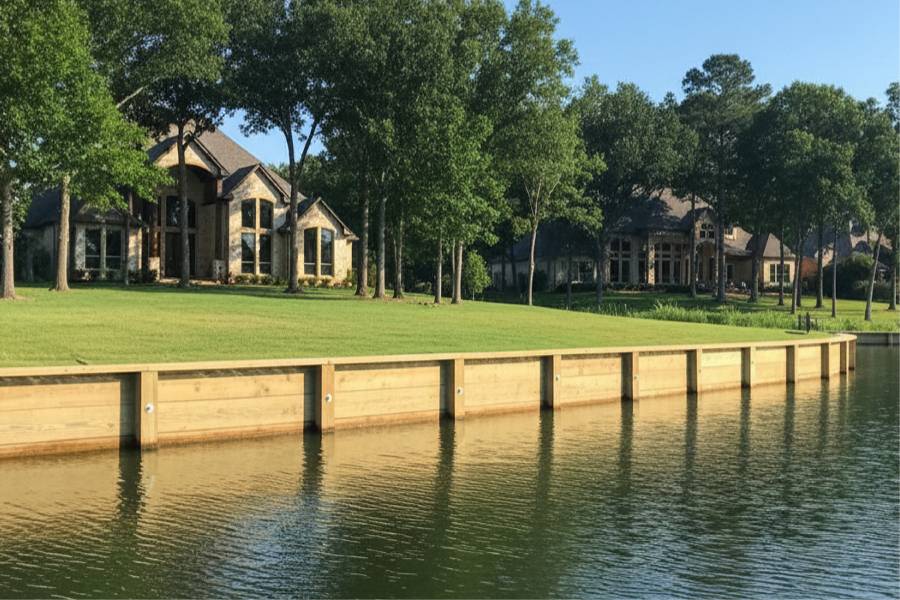
Vinyl bulkheads for Trinity River homes in Liberty, driven deep into the soft alluvial soil and drained to handle weeks of high water.

labor and materials
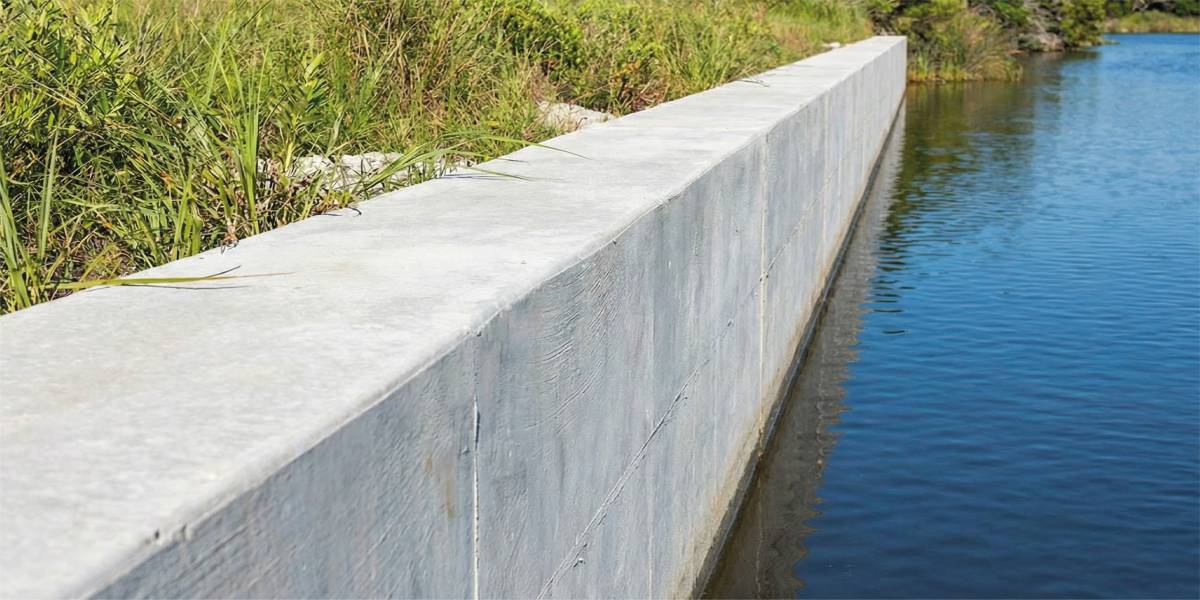
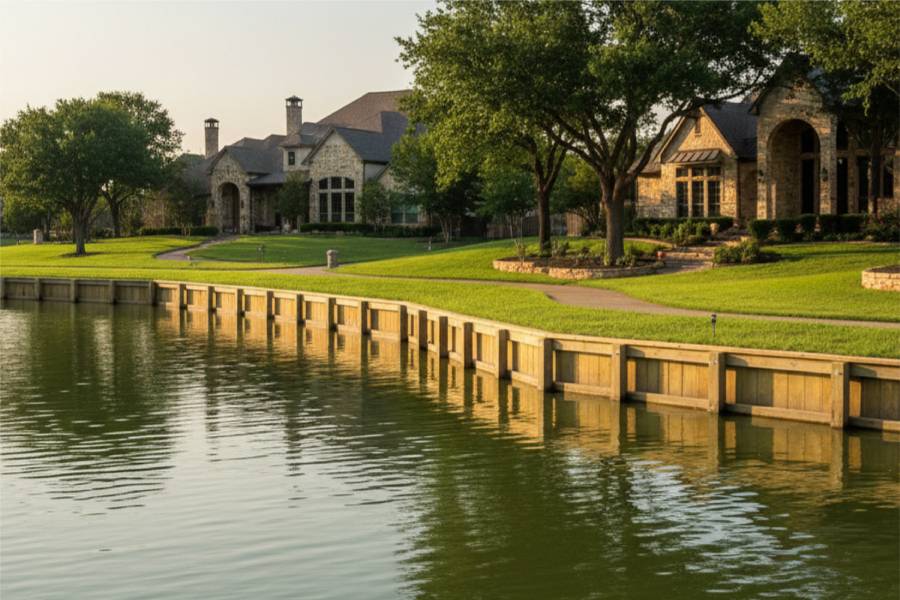
Reinforced concrete bulkheads for tall Liberty riverbanks that must hold saturated soil when the Trinity drops after a long flood.

labor and materials
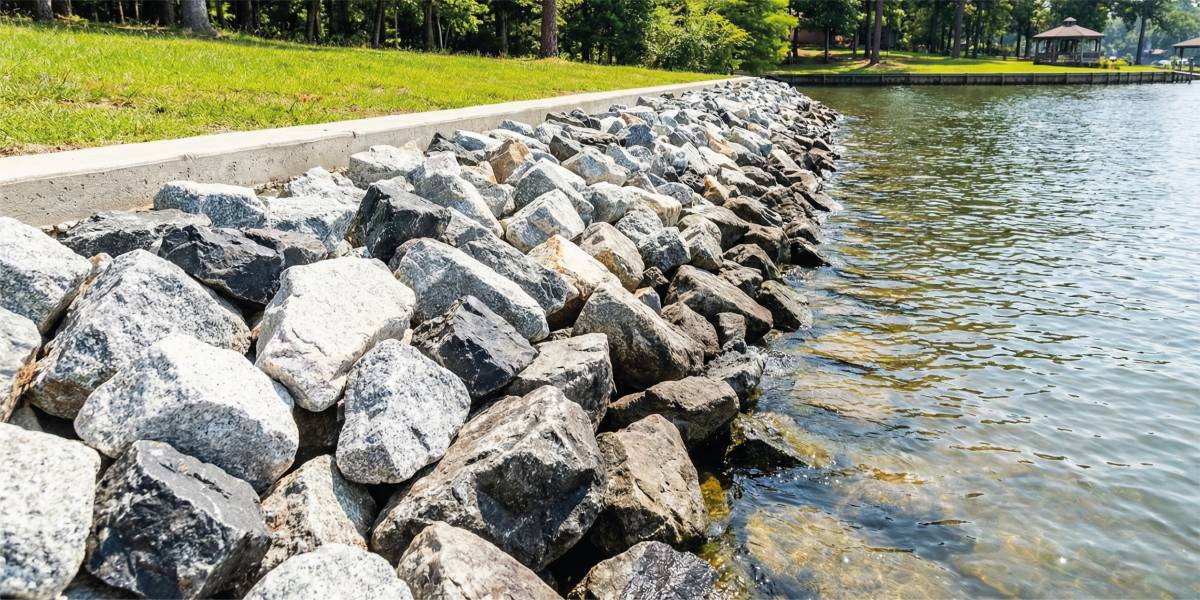
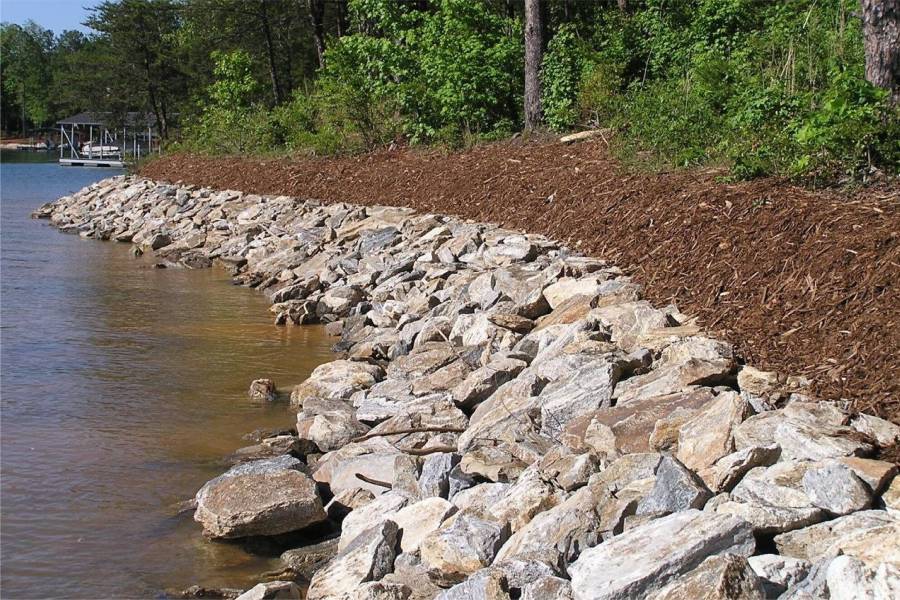
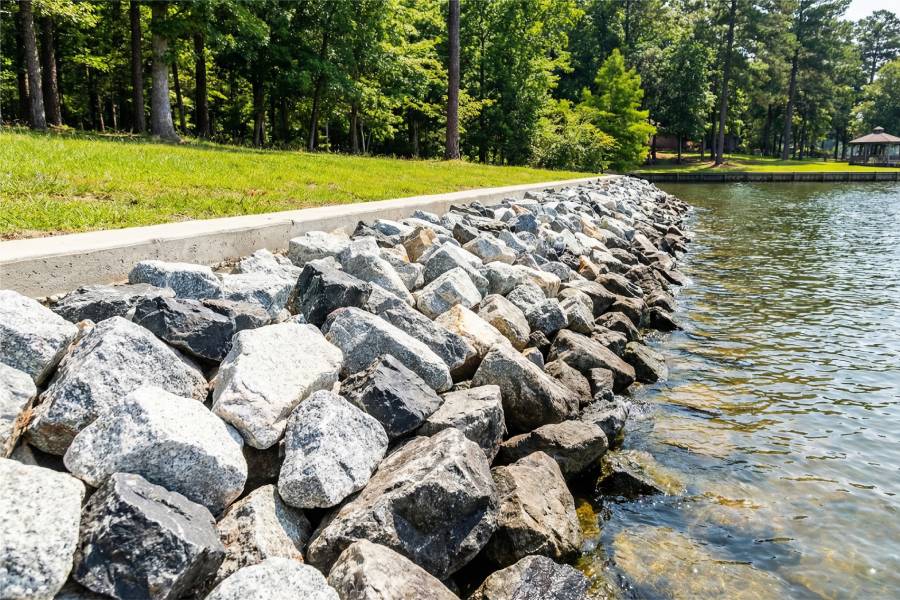
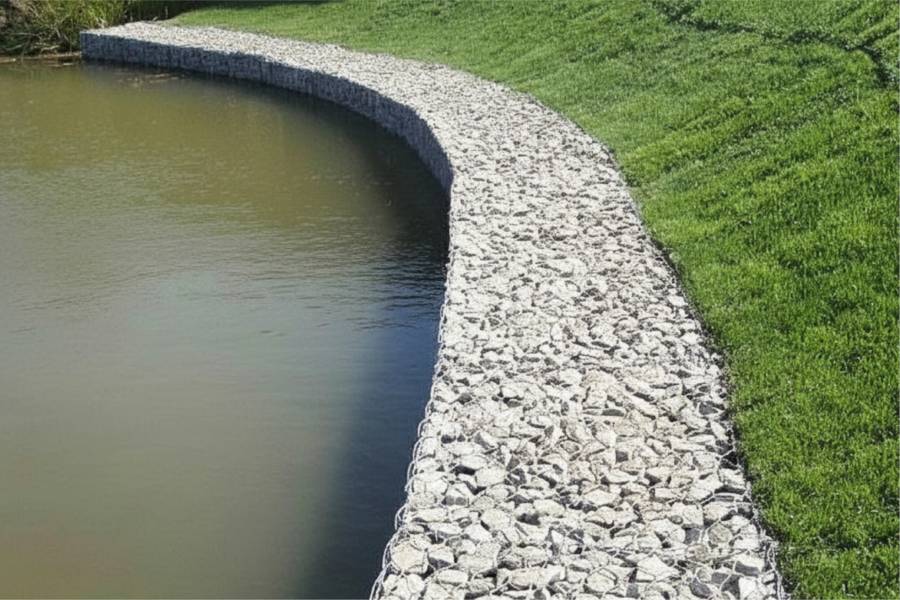
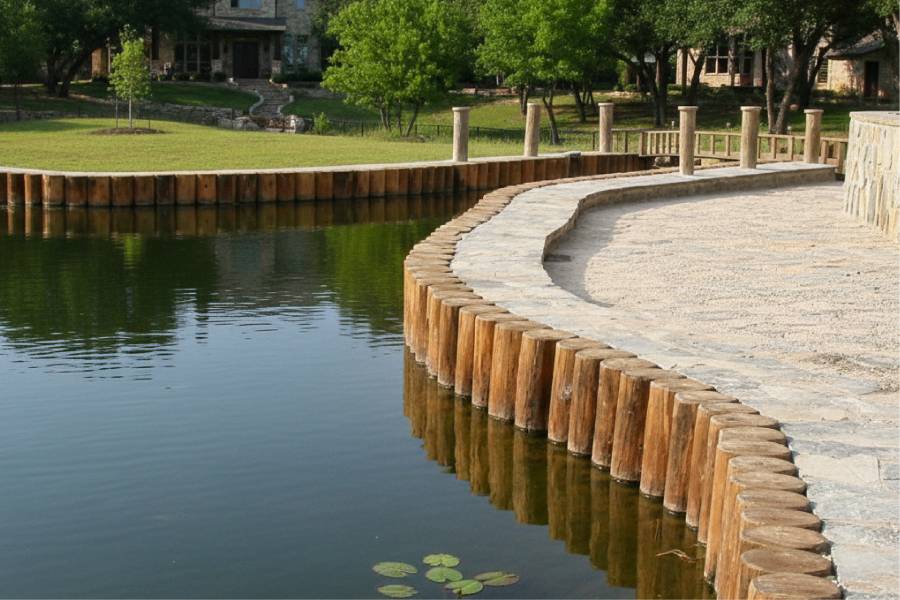
Rock bank protection for the outside of Trinity River bends near Liberty, where current scours the toe of any vertical wall.

labor and materials
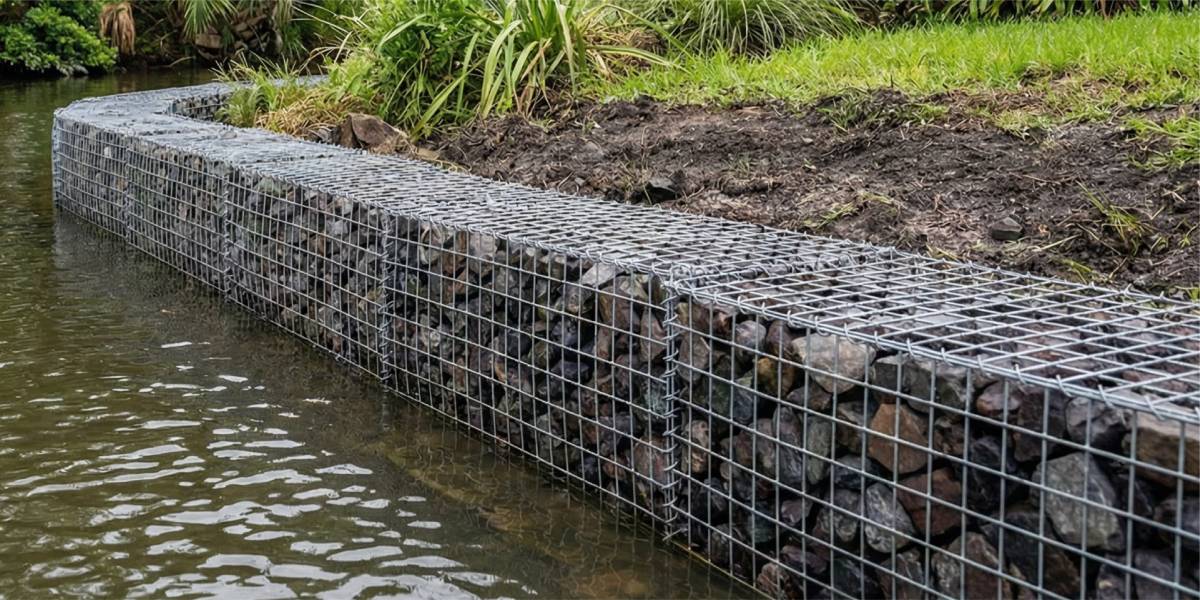
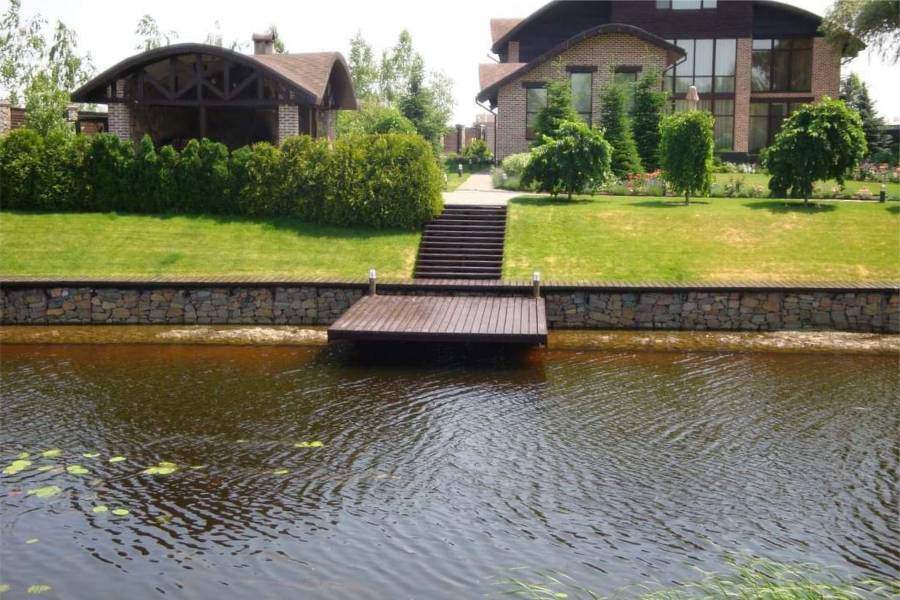
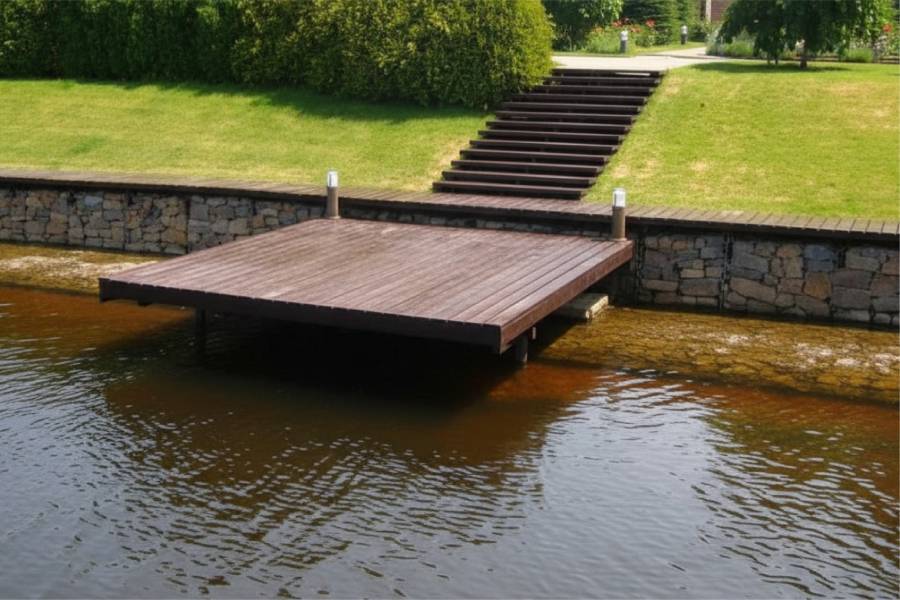
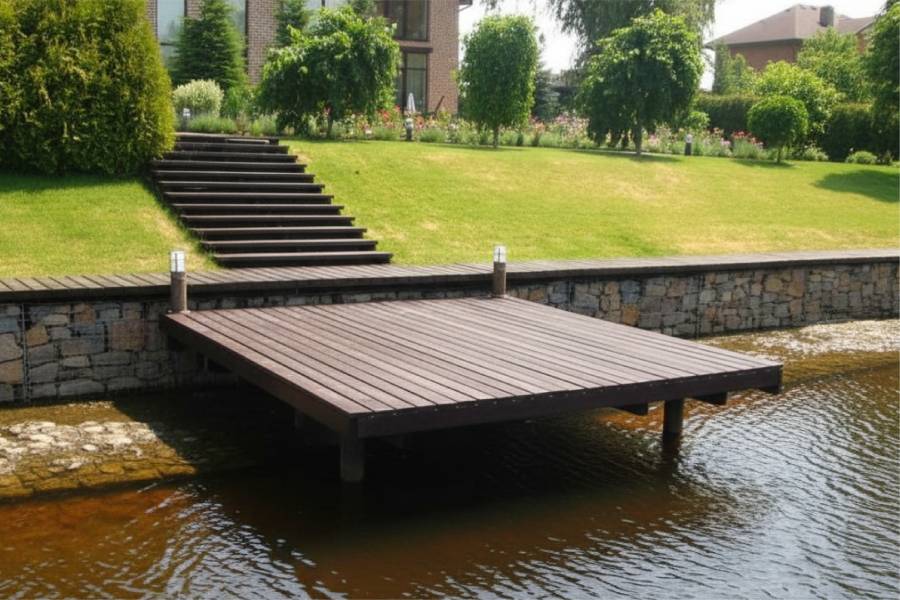
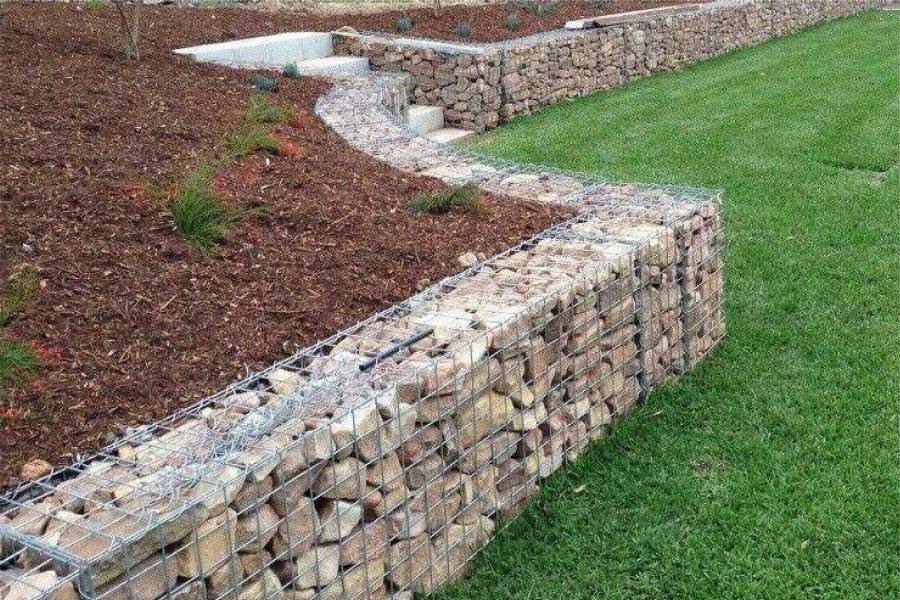
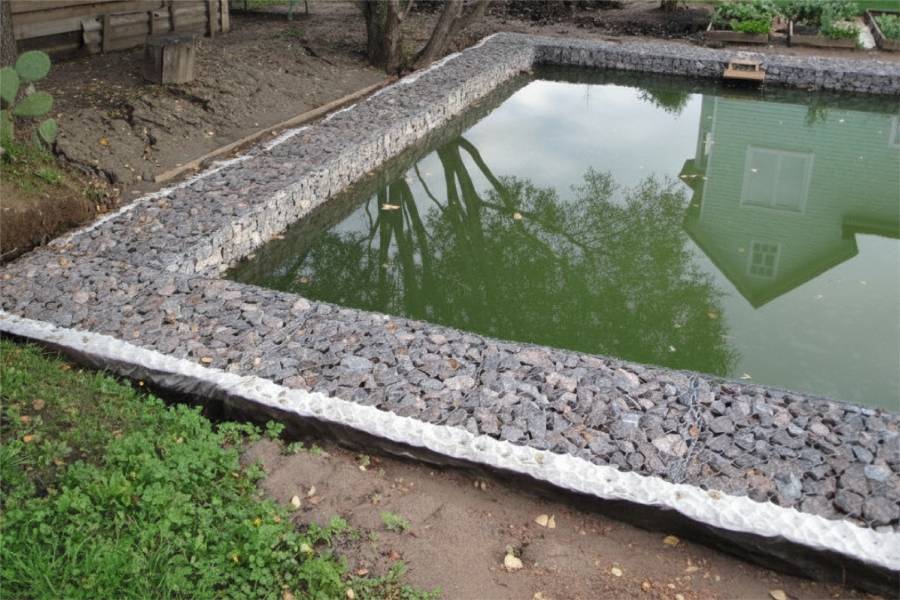
Gabion walls for Liberty banks that have already caved in, rebuilt in rock baskets that drain quickly after the river falls.

labor and materials
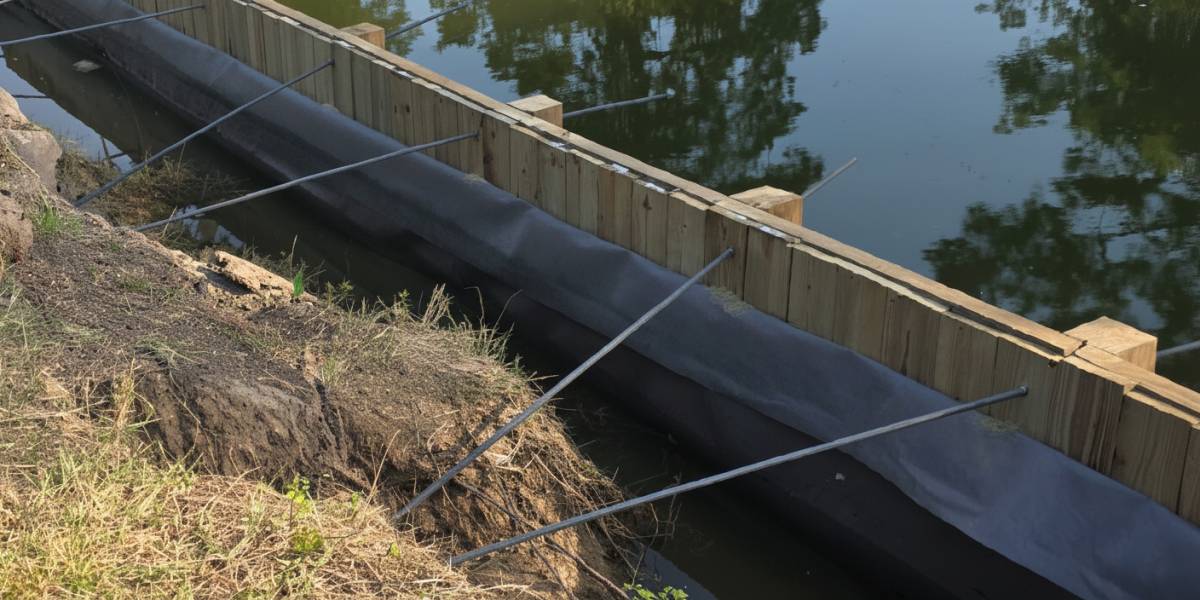
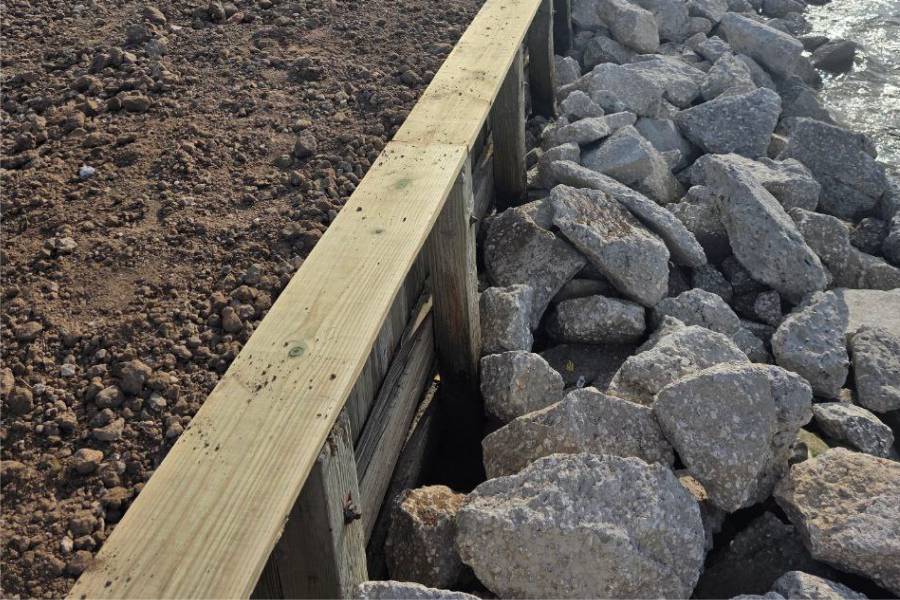
Repair of Liberty bulkheads after Trinity River floods: scour under the toe, voids behind the wall and silt-buried stairs.


The lower Trinity floods often and for long periods. When Lake Livingston releases water after heavy rain upstream, the river rises and can stay high for weeks, as it did after Hurricane Harvey in 2017.
Current scours the outside of bends, and the soft alluvial soils cave in once the base is undercut. A long flood followed by a quick drop is when most banks collapse.
Deep piles, because the soft river soils do not give firm bearing near the surface. Rock at the toe to stop scour. Drainage behind the wall, so water trapped in the bank after a long flood can get out without pushing the wall over.
Not always. On the outside of a bend with strong current, a rock bank protection or a combination of rock toe and a lower wall often holds better than a tall vertical bulkhead. We decide after seeing where the current hits your bank.
Yes. Docks and stairs set too low on the Trinity get battered by debris or buried in silt. When we rebuild them, we set them higher and tie them to the stabilized bank.
Send us photos of the riverbank for a free preliminary assessment.