Stumps, Boat Lanes and Record Floods on the Sabine River at Toledo Bend
Toledo Bend Reservoir straddles the Texas-Louisiana line on the Sabine River, covering about 181,600 acres. On the Texas side it touches Shelby, Sabine and Newton counties, and the dam sits in Newton County roughly 24 miles northeast of Jasper. River authorities from both states jointly own the project, finished in 1969. Its shoreline runs about 1,200 miles, and many trees and stumps were left standing when it filled, so marked boat lanes are cleared through the timber.
Normal pool is 172 feet, and TPWD lists usual fluctuation of 1 to 5 feet. Extreme rain changes everything. In March 2016, 16 to 18 inches fell on the reservoir in three days, the lake hit a record 174.36 feet, and the spillway released a record 207,644 cubic feet per second with nine gates open 22 feet. Floating logs and loose stumps move when water rises like that, and they can batter docks and pile against walls. The upper lake holds more timber, brush and laydowns, while the clearer lower lake has more vegetation edges and flats.
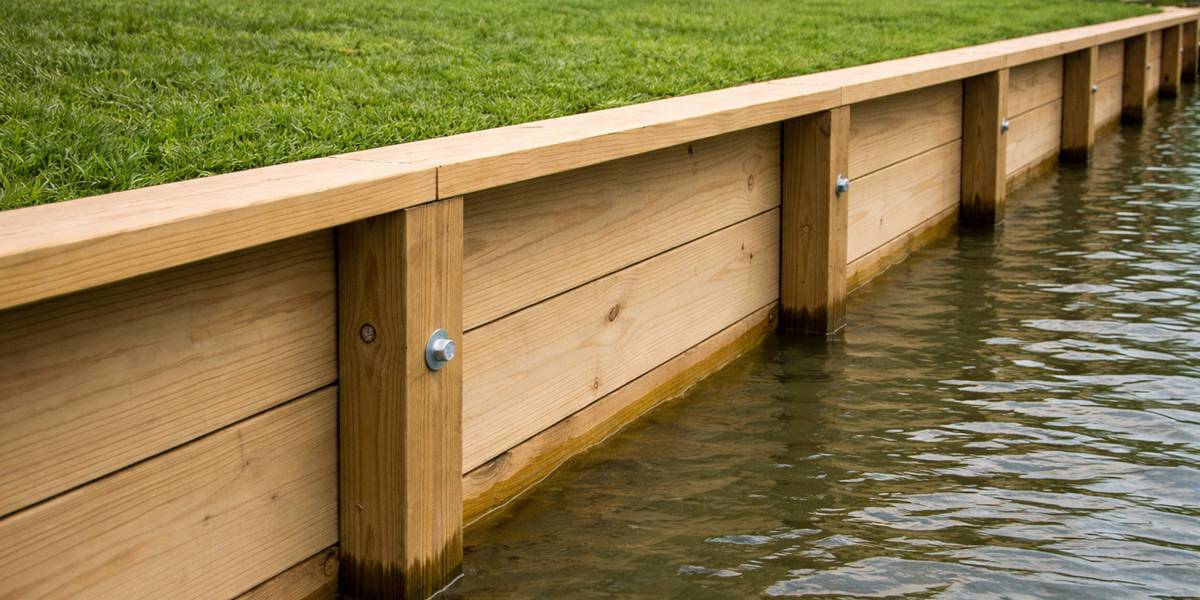
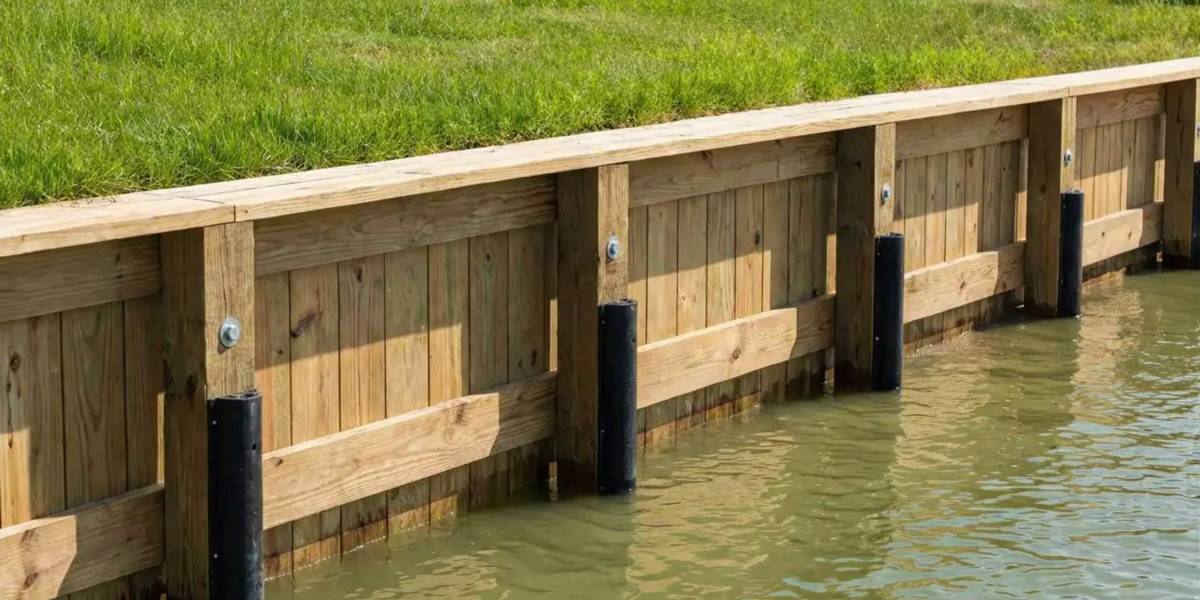
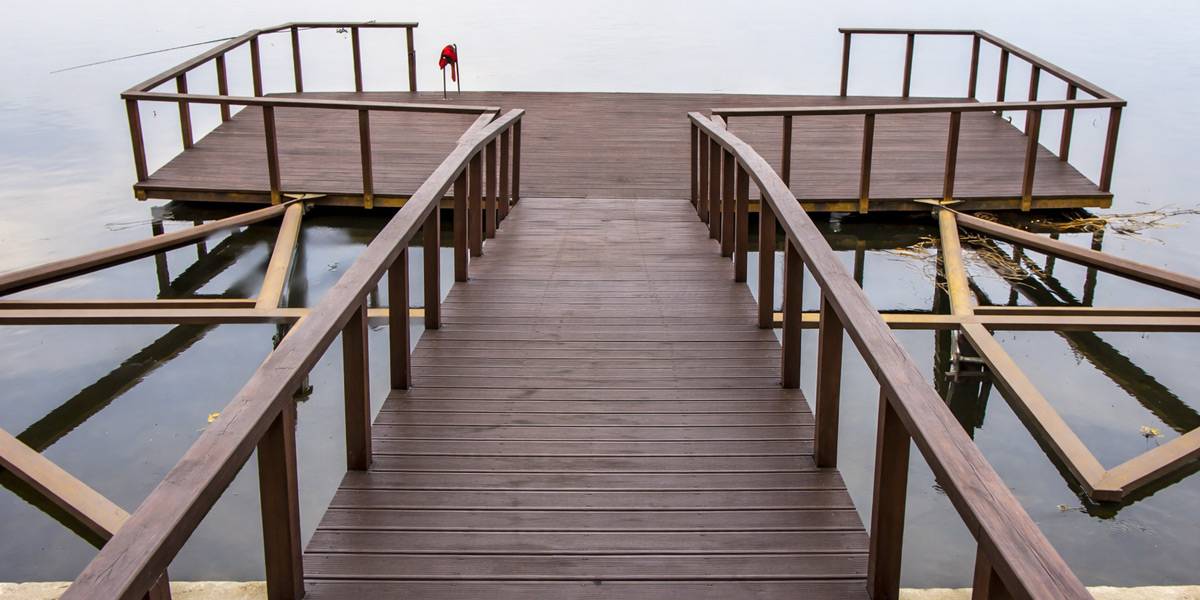
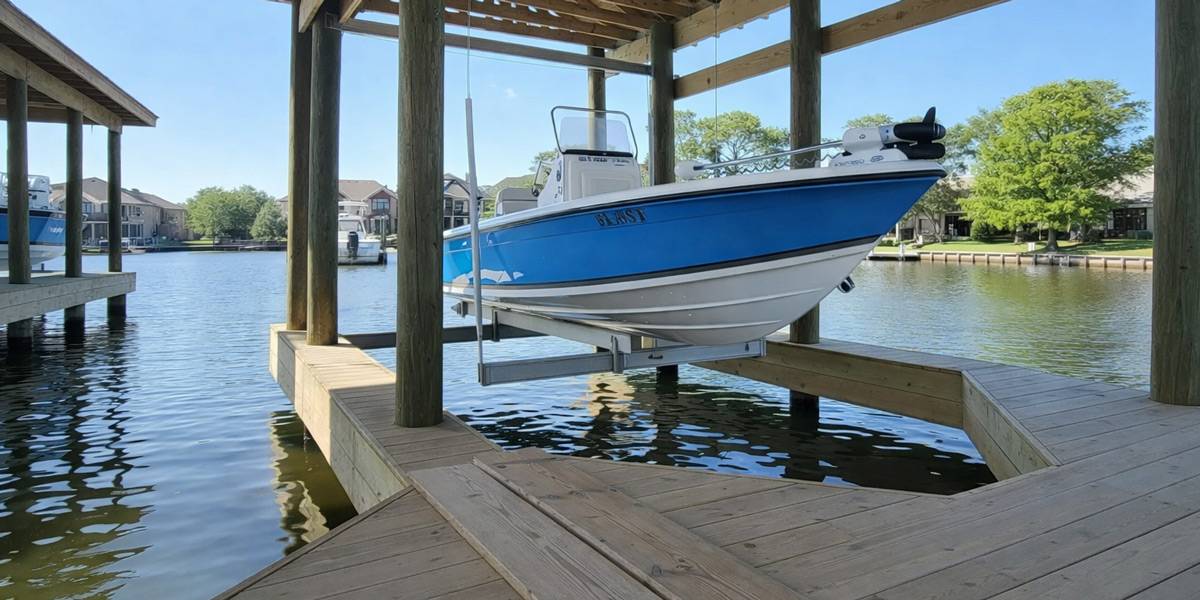
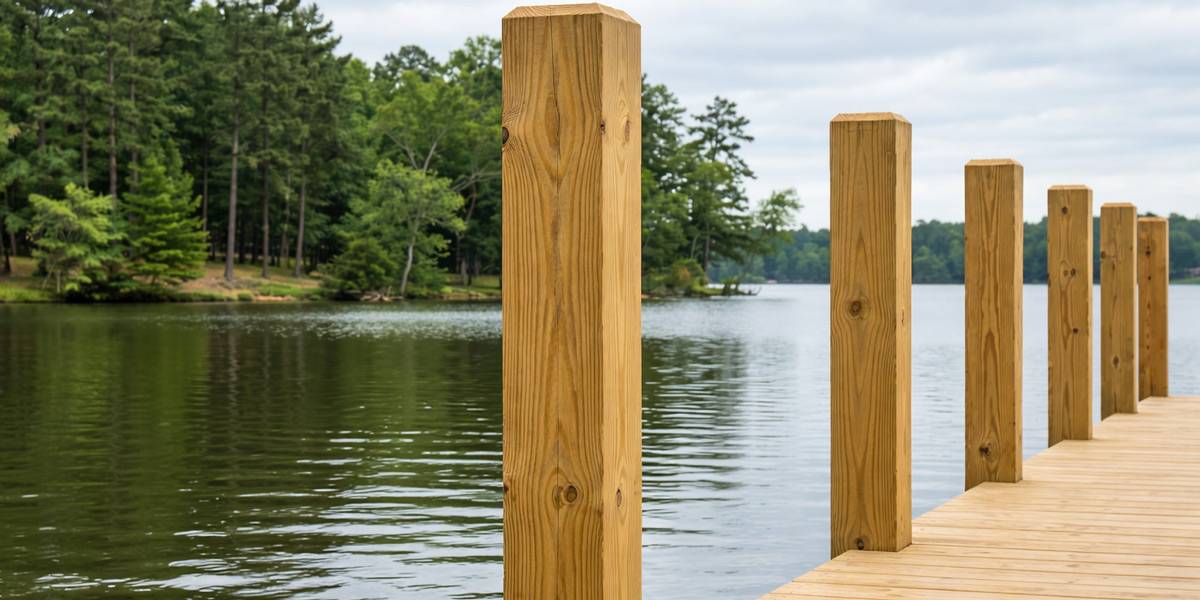
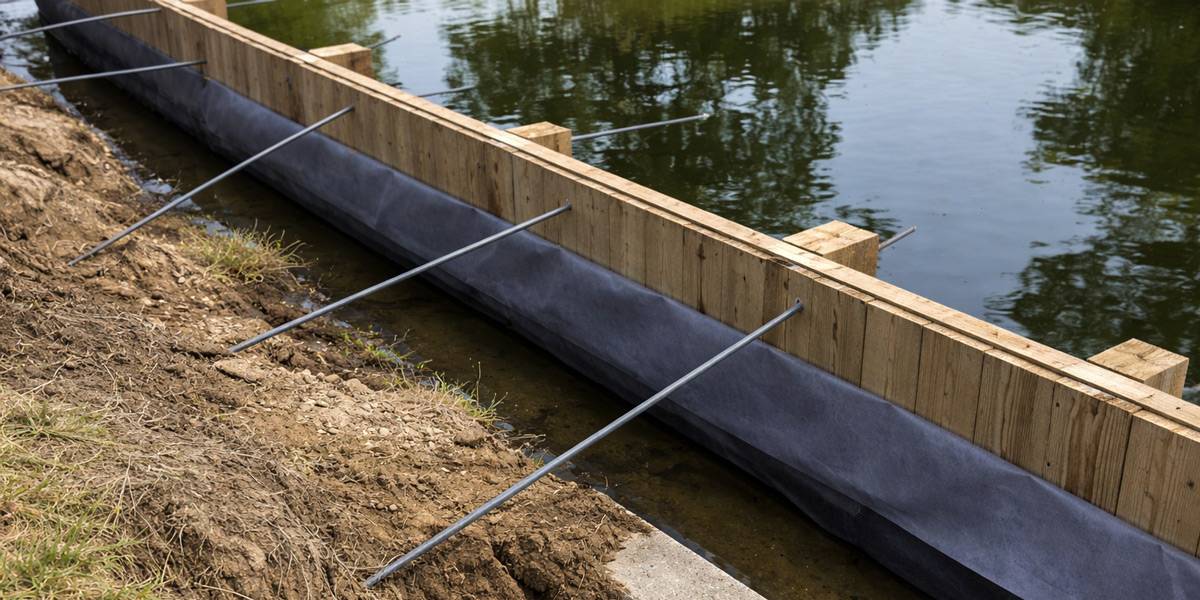
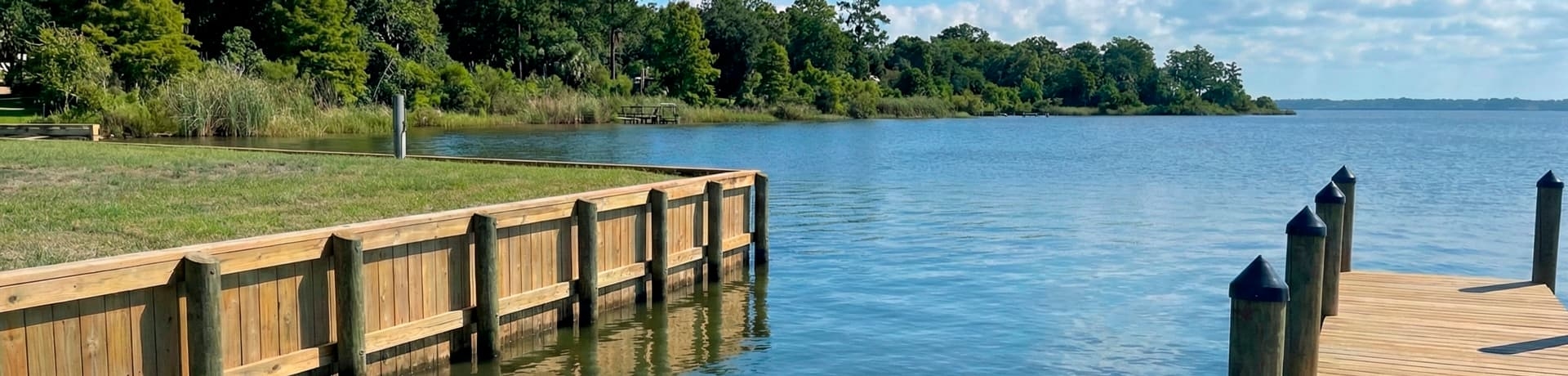
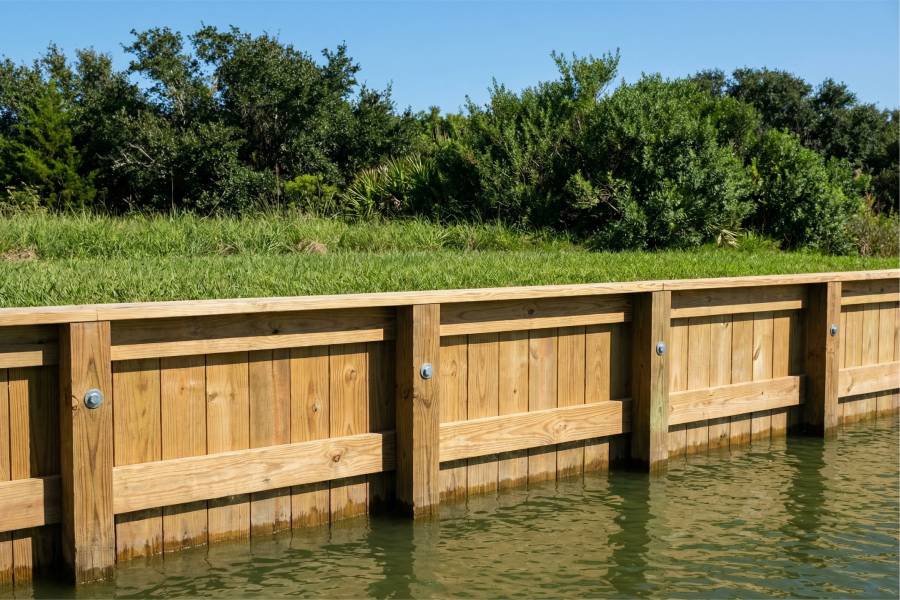
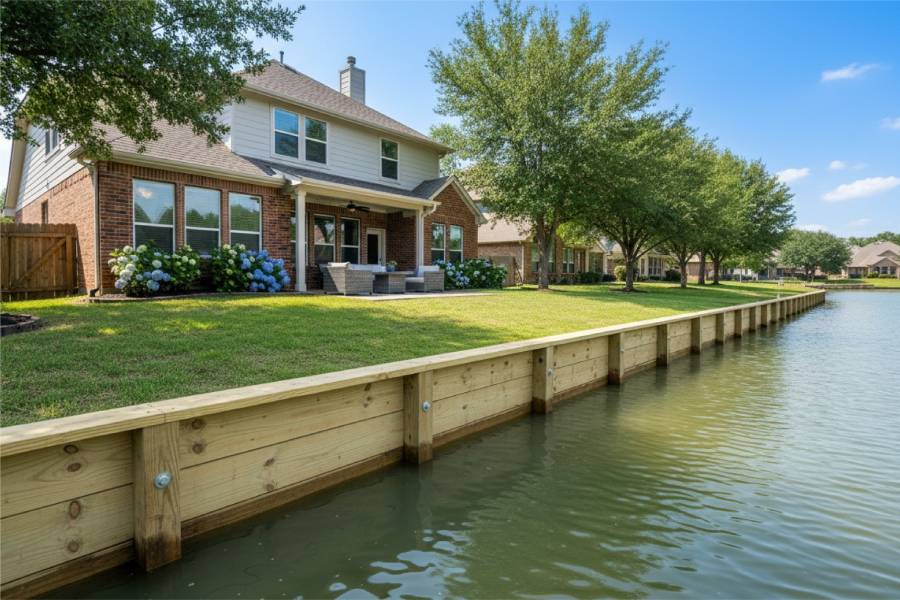
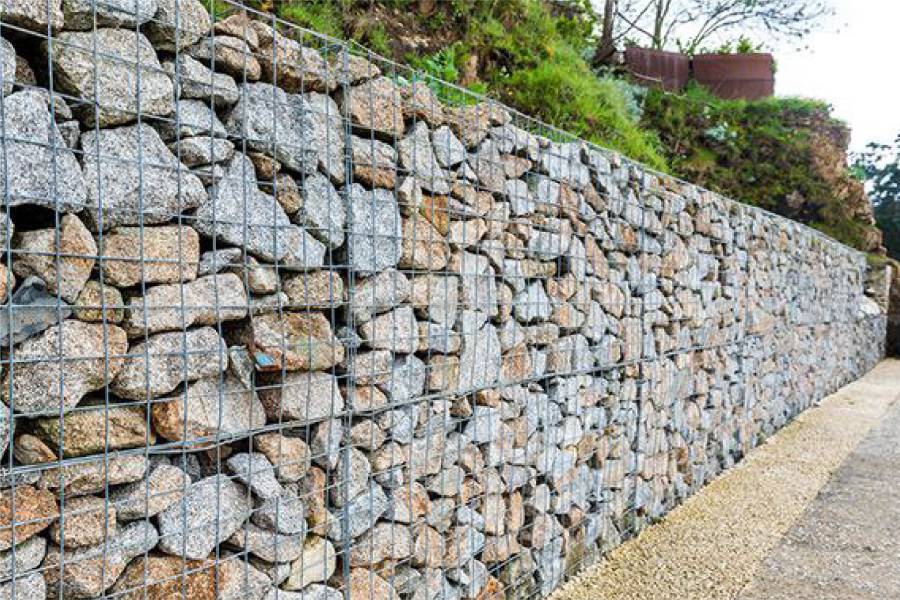
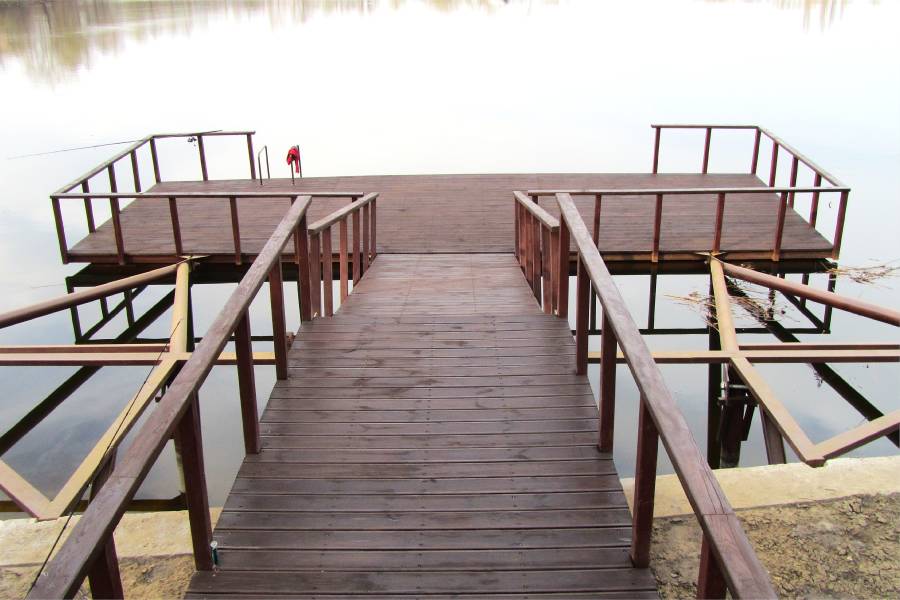
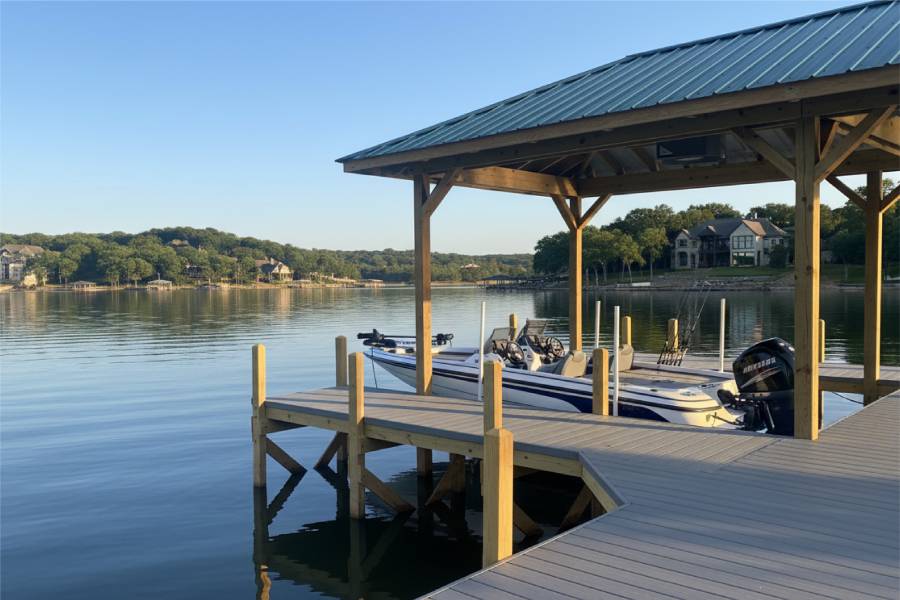
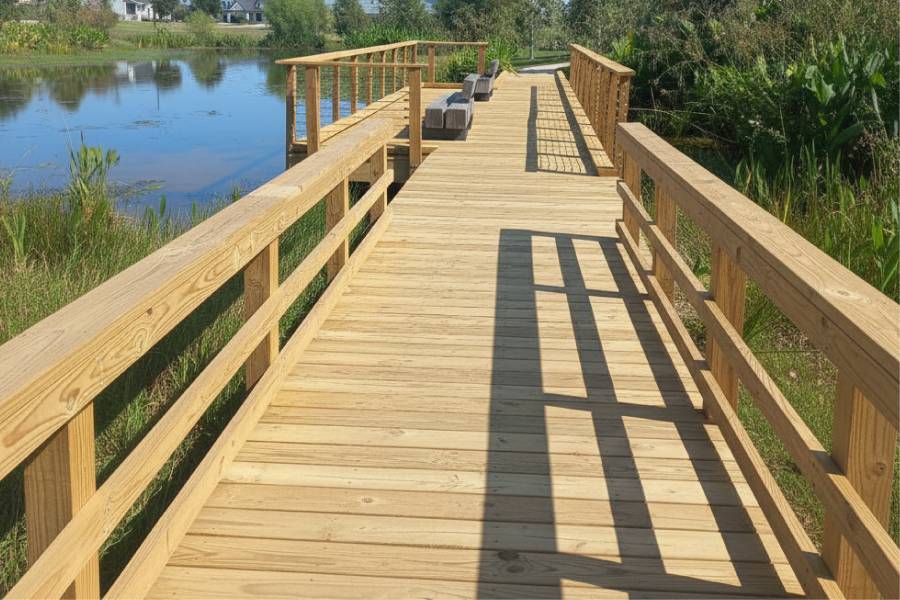
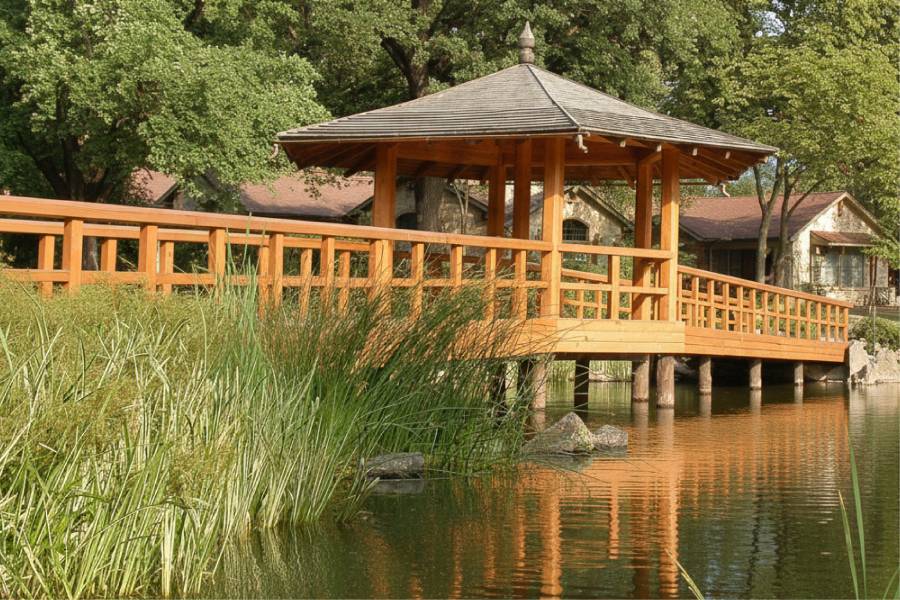
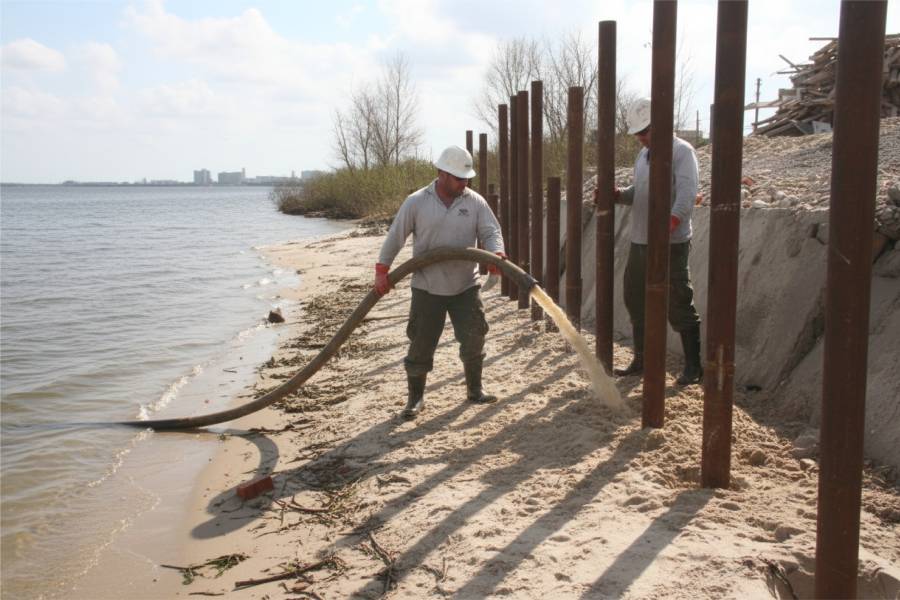
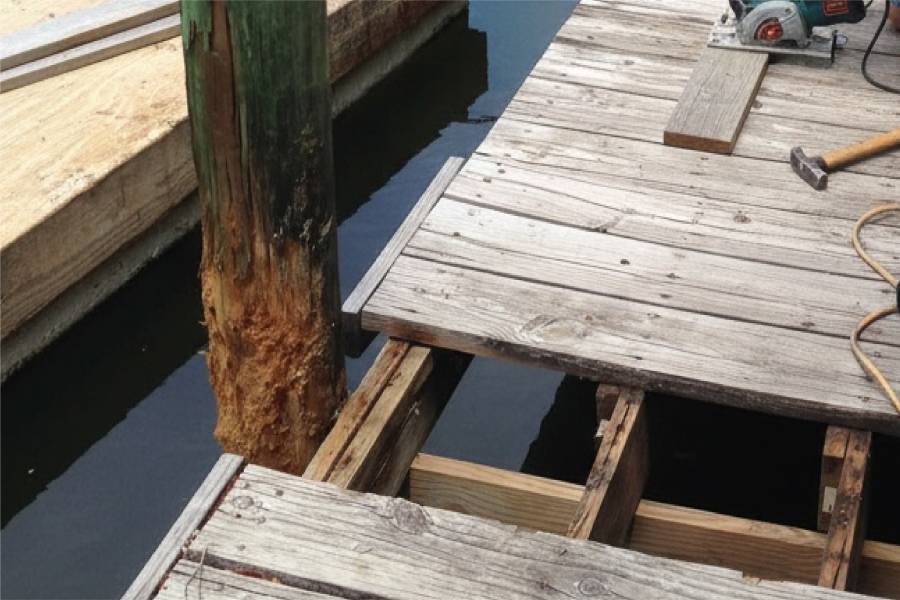
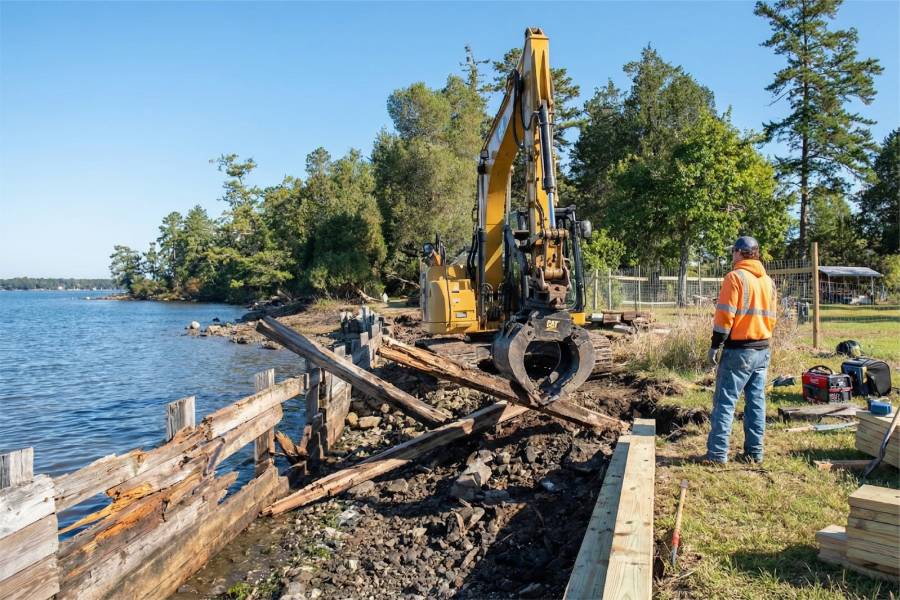
For waterfront owners we offer Bank Stabilization Services in Toledo Bend Reservoir, TX: bulkheads, seawalls and retaining walls, marine pilings, and piers, docks and boat slips built to handle drifting timber, plus repairs.
Send your Toledo Bend address along with photos of the shore and any dock. A free preliminary estimate is next.