Shallow Flats and Old Boathouses on Fort Worth's Lake Worth and the West Fork Trinity
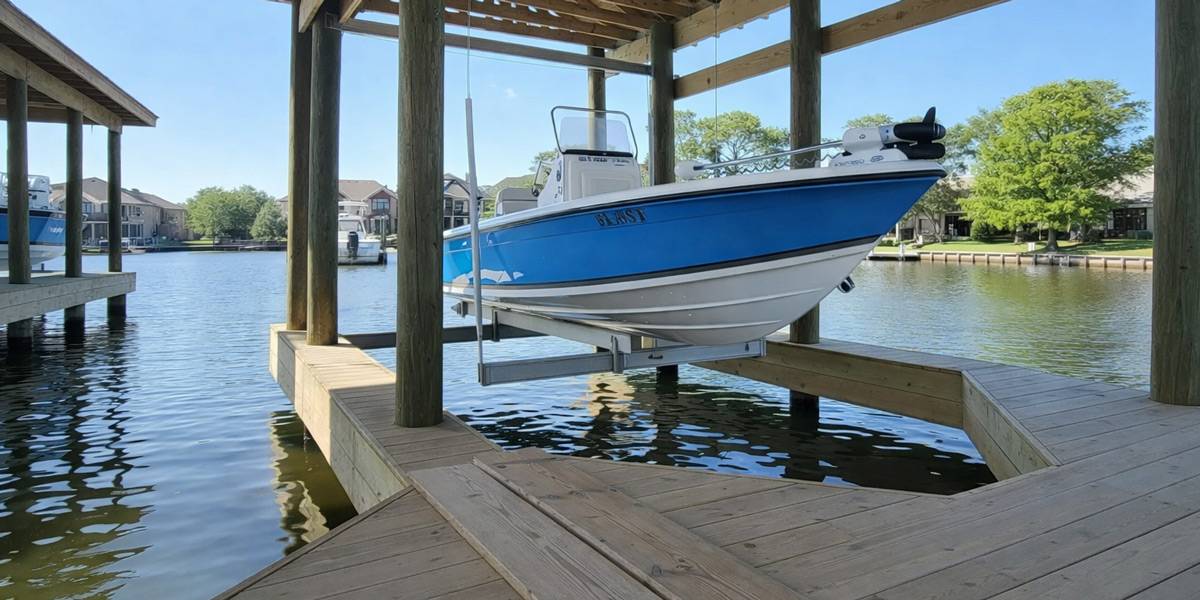
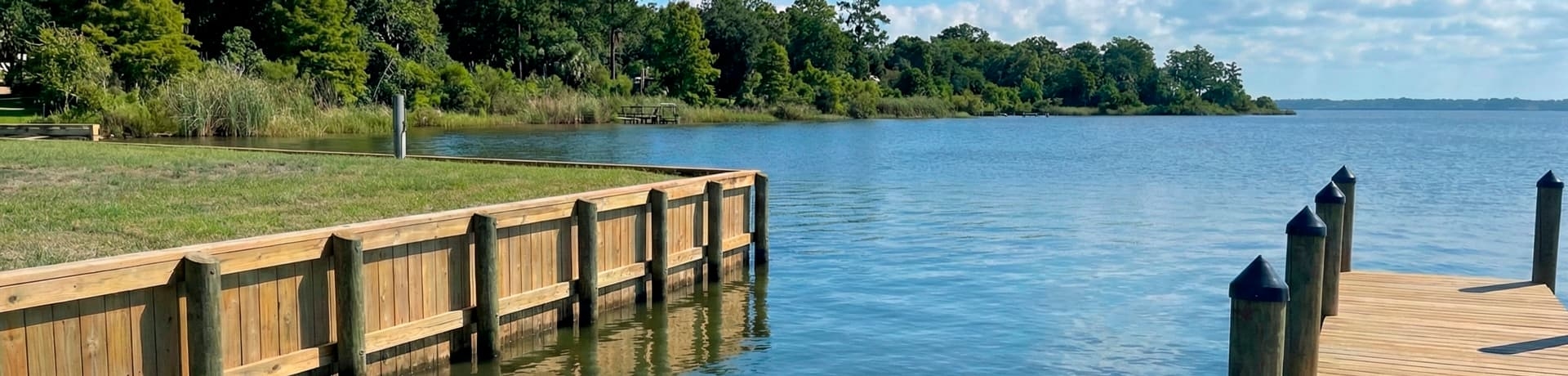
Lake Worth dates to 1914. It sits on the West Fork of the Trinity River entirely inside Fort Worth city limits, and Eagle Mountain Lake upstream supplies most of its inflow. The City of Fort Worth owns the lake property. It covers about 3,500 acres, and TPWD counts numerous boathouses, fishing docks and piers along its edge, plus standing timber in several areas.
Depth is the defining feature. The lake averages about 6 feet and reaches only 22 at its deepest, with shallow flats grown over in cattails and other emergent plants. In 2012 the city began dredging selected areas, removing about 1.8 million cubic feet of sediment, with a goal of at least six feet in the main boating channels. Level changes are moderate. Zebra mussels have invaded the lake and attach to submerged structure. In water this shallow, a small drop can leave docks sitting in mud.
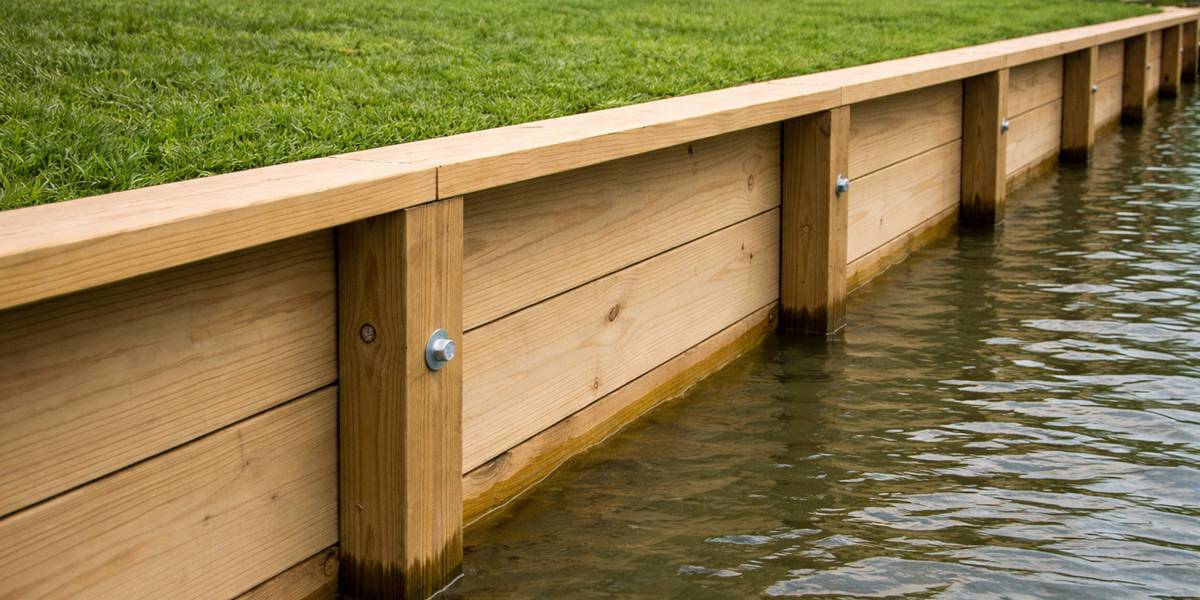
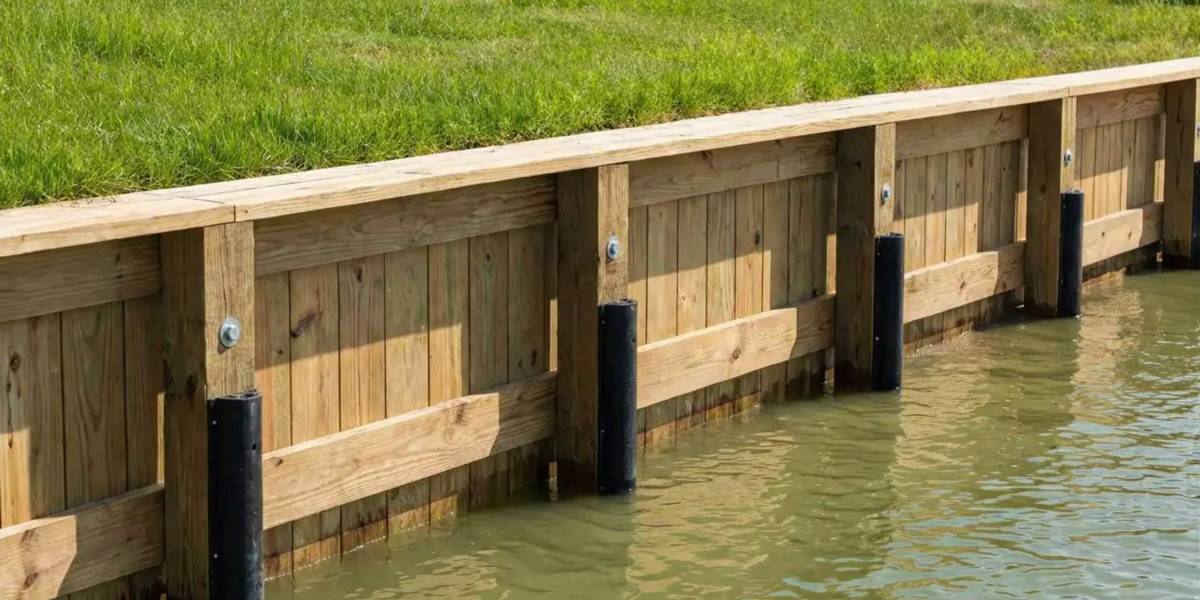
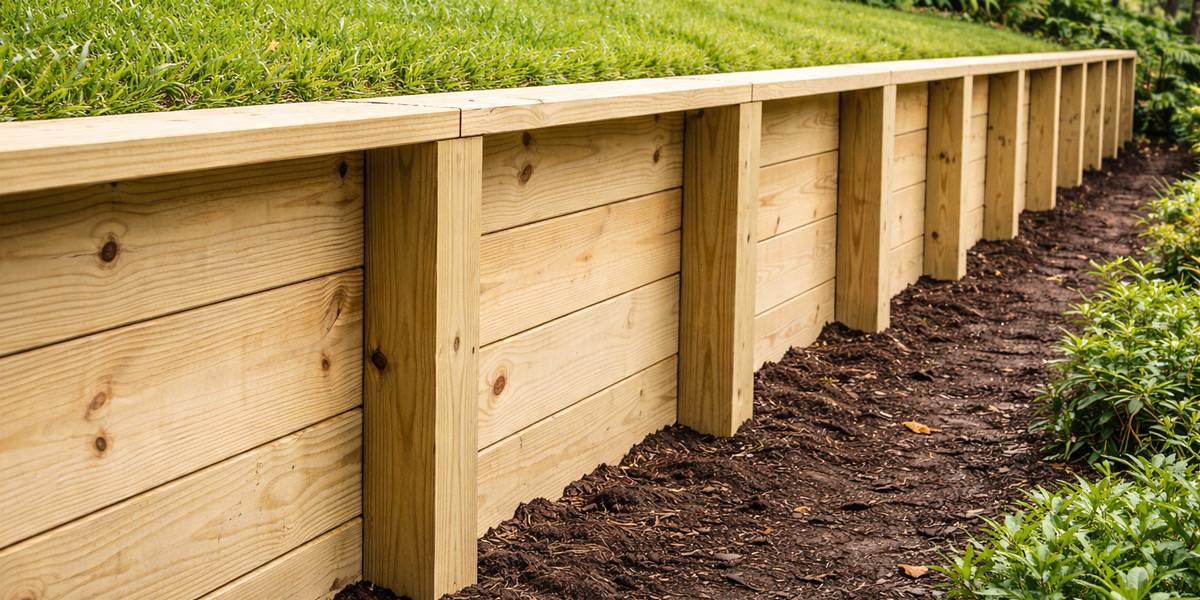
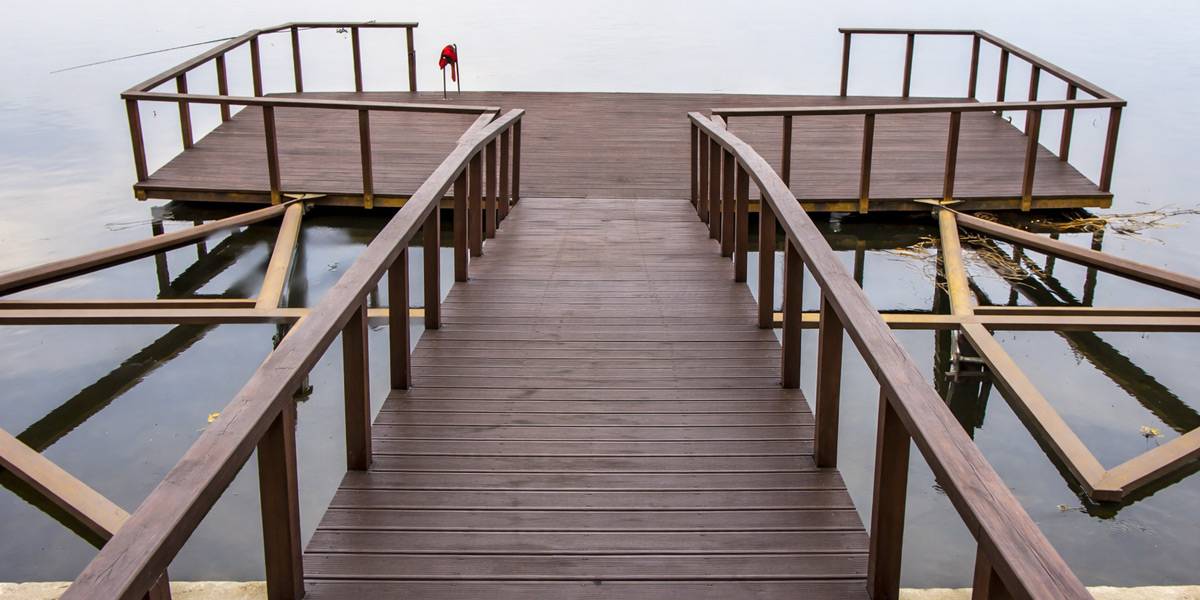
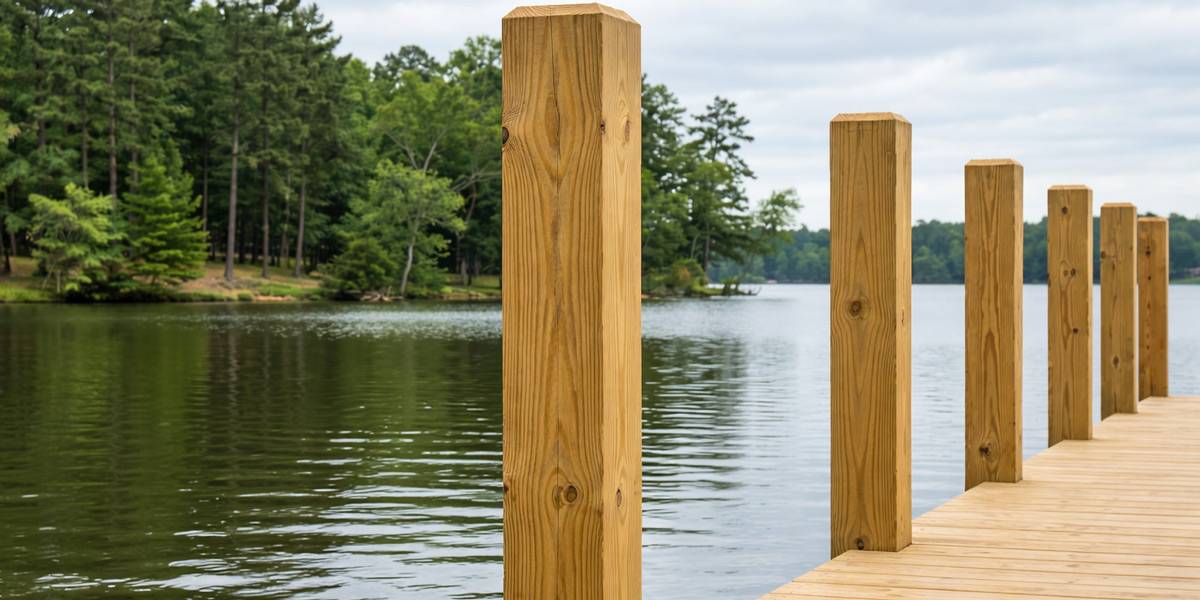
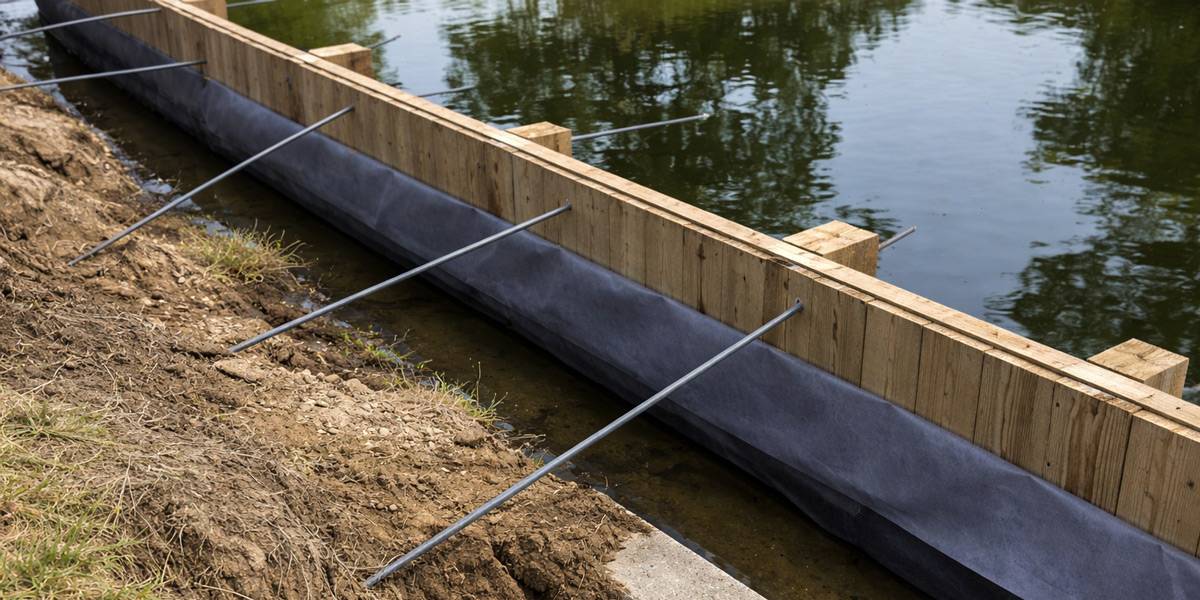
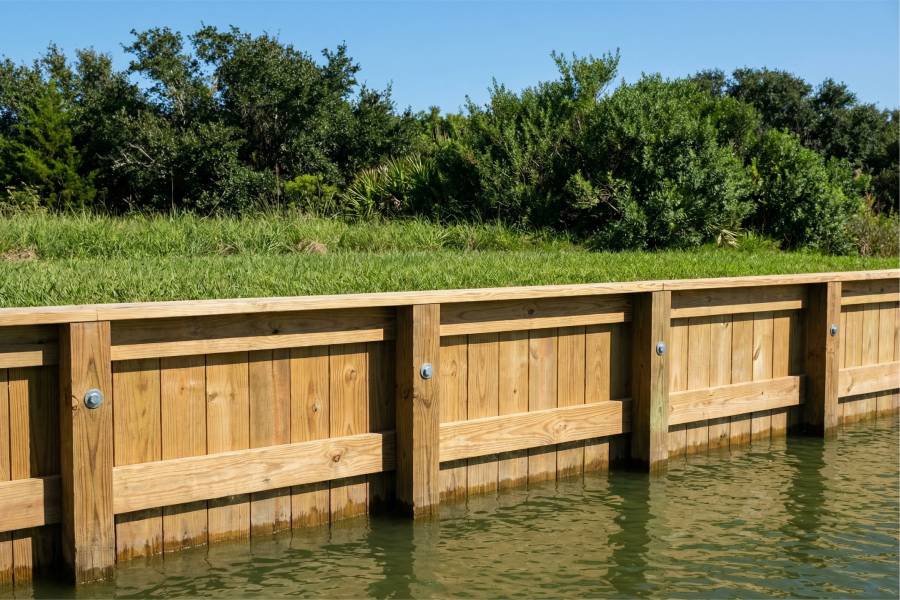
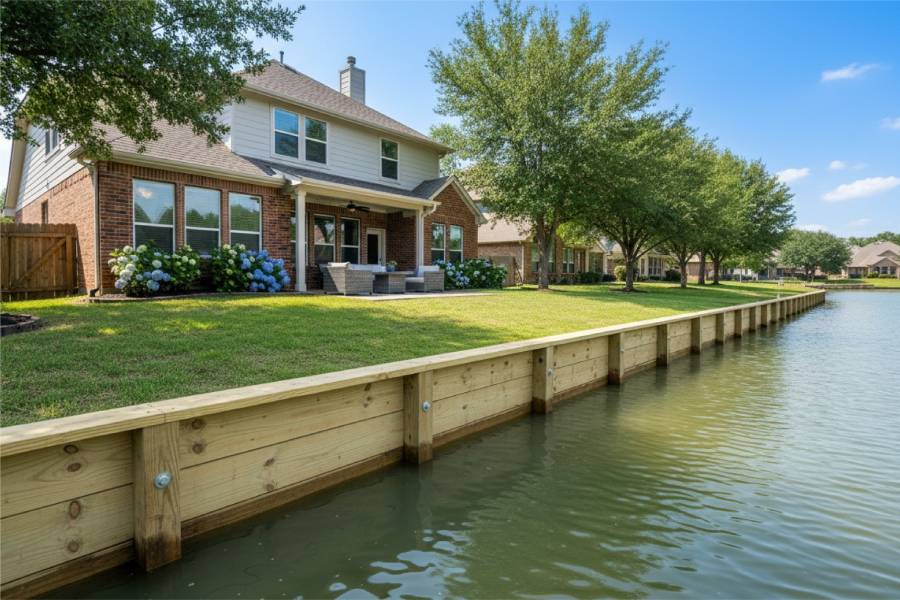
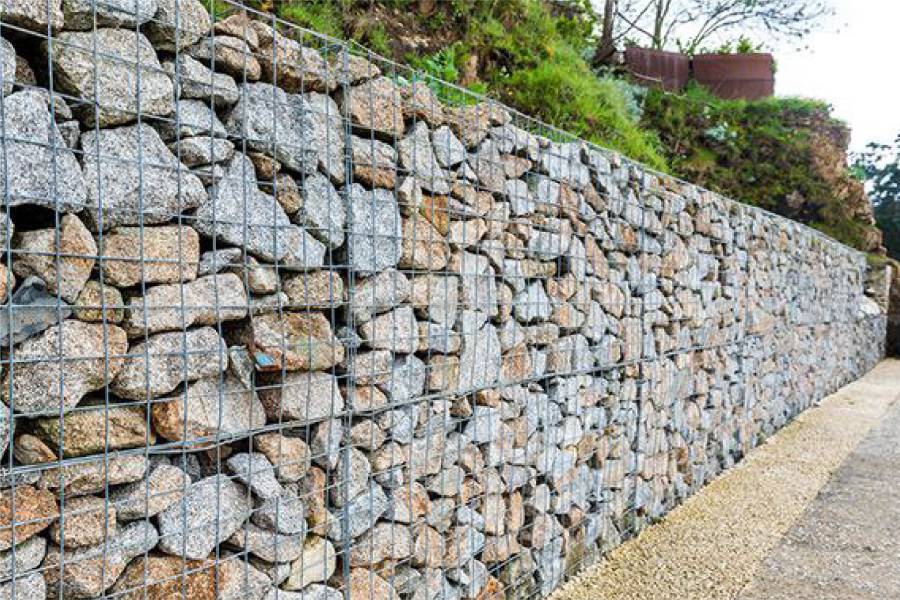
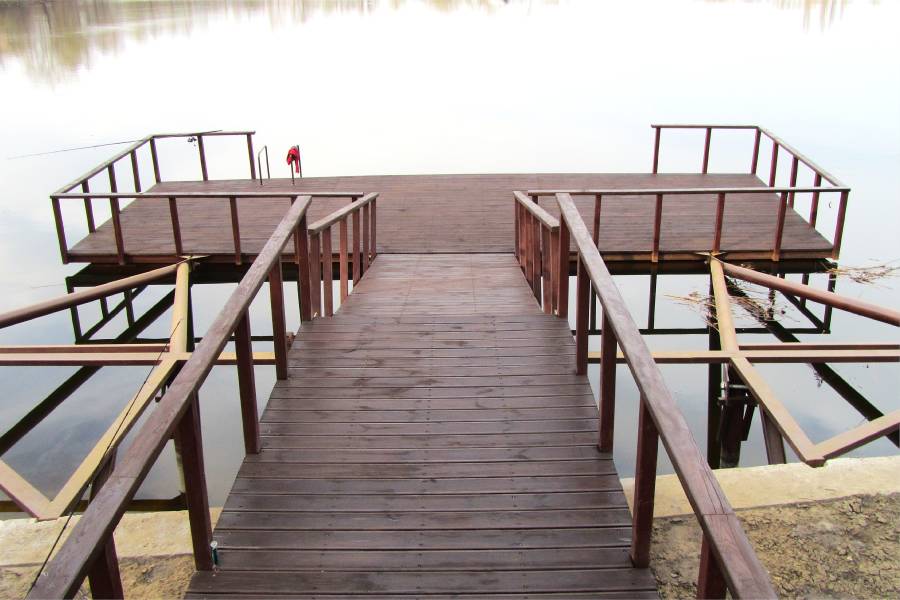
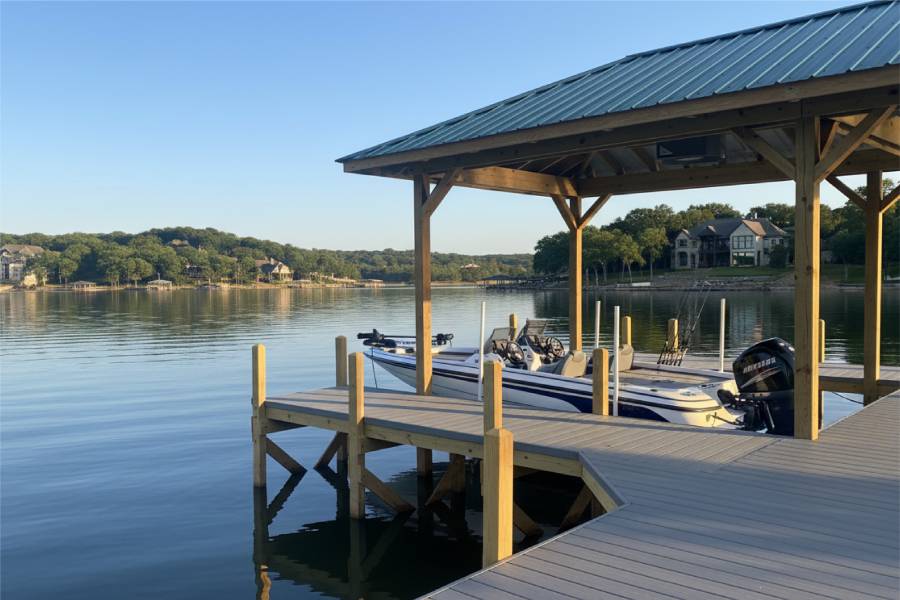
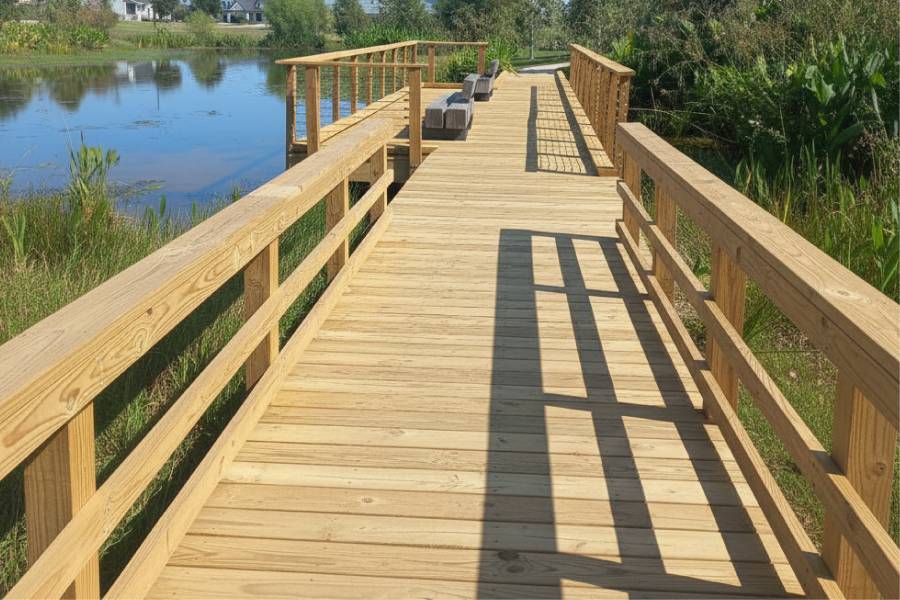
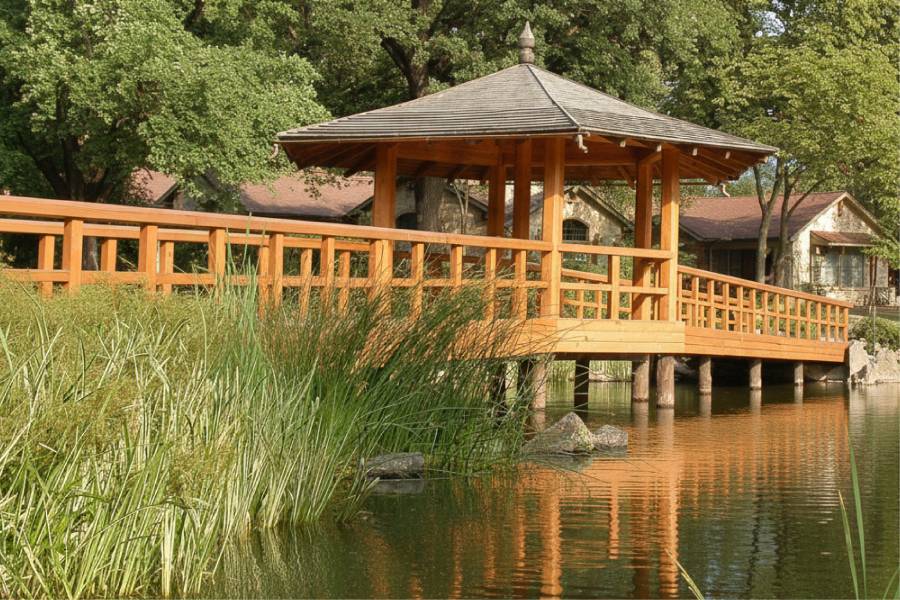
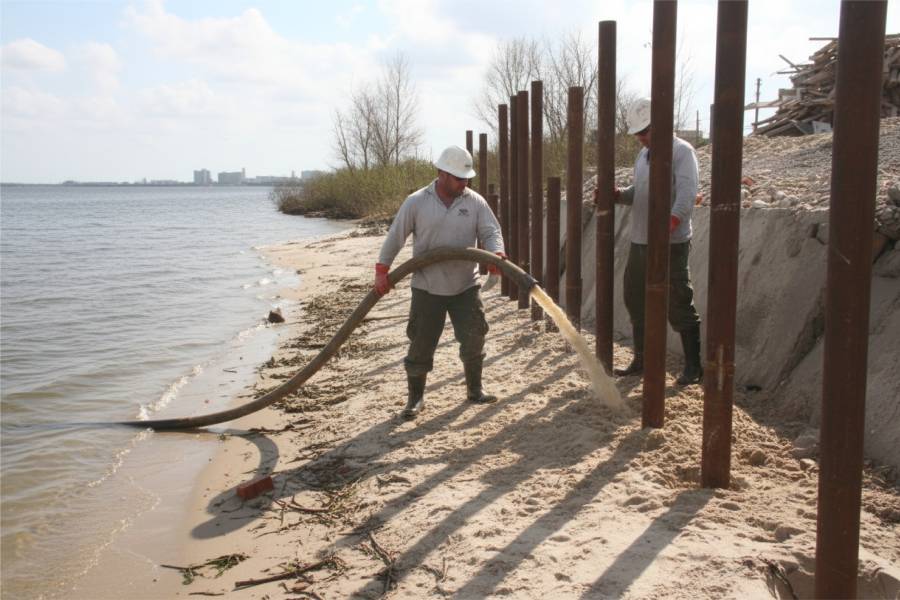
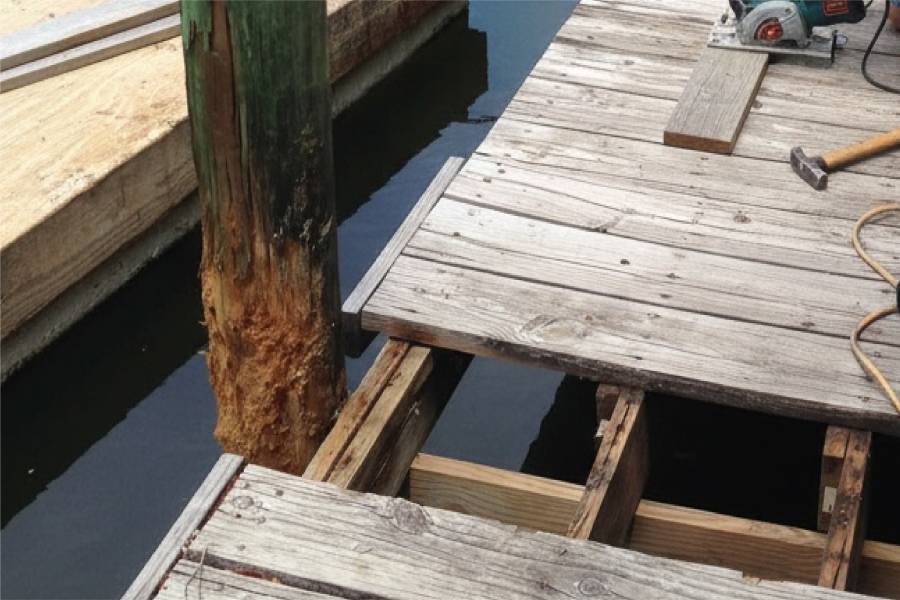
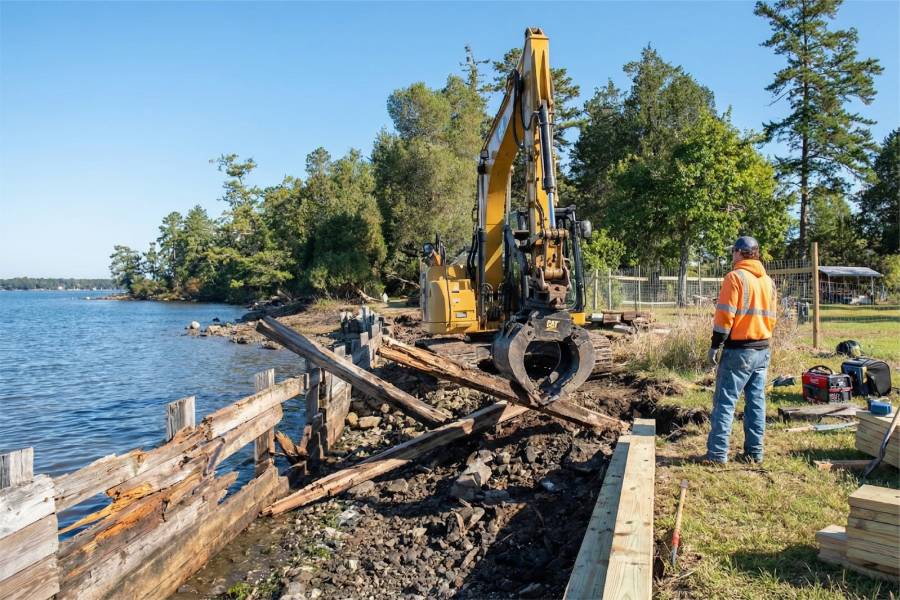
Around Lake Worth, Bank Stabilization Services in Lake Worth, TX often pair new wall work with repair of existing docks and boathouses. We rebuild bulkheads, seawalls and retaining walls, replace pilings, and build piers, docks and boat slips long enough to reach usable depth.
Email the address of your Lake Worth property with photos of the bank, dock or boathouse. We will get back to you with a free preliminary estimate for the Lake Worth site.