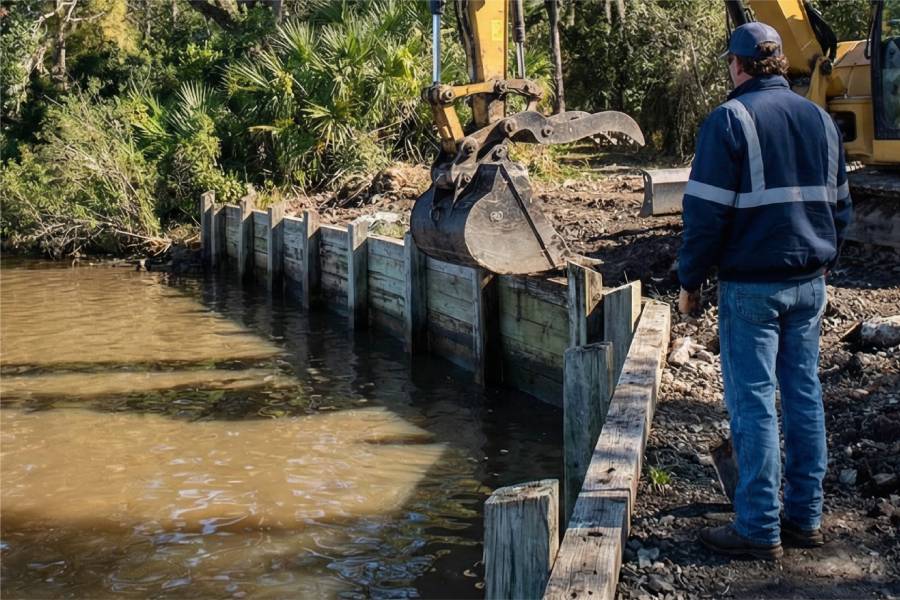
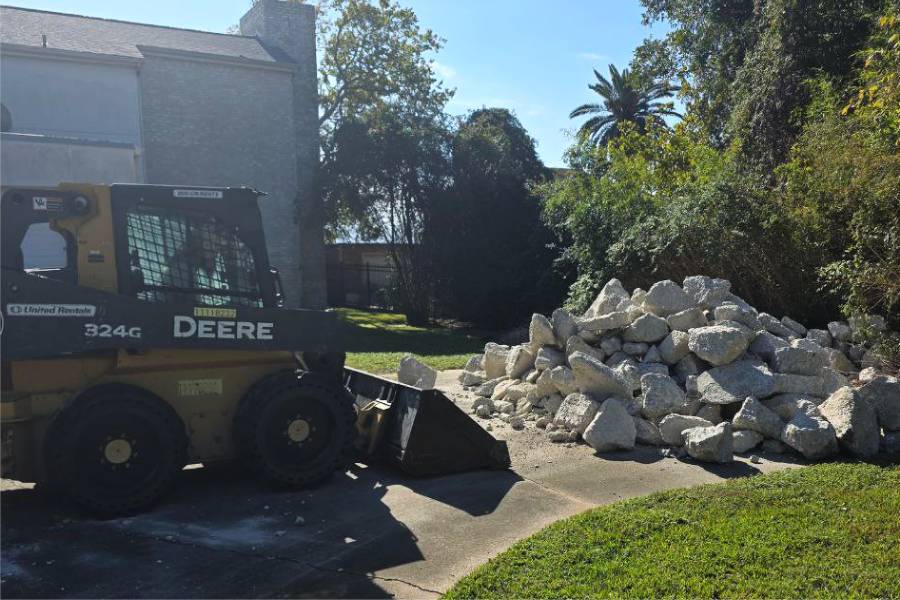
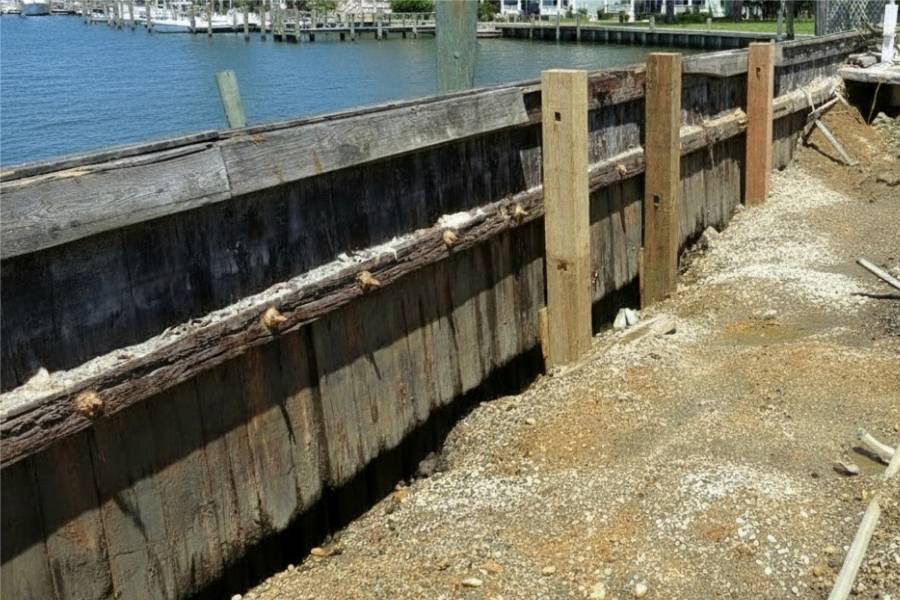
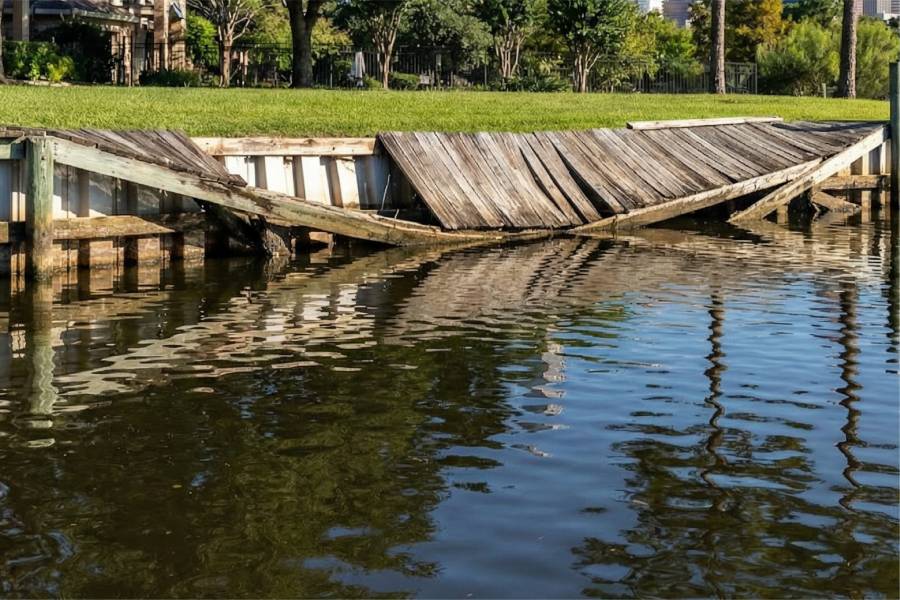
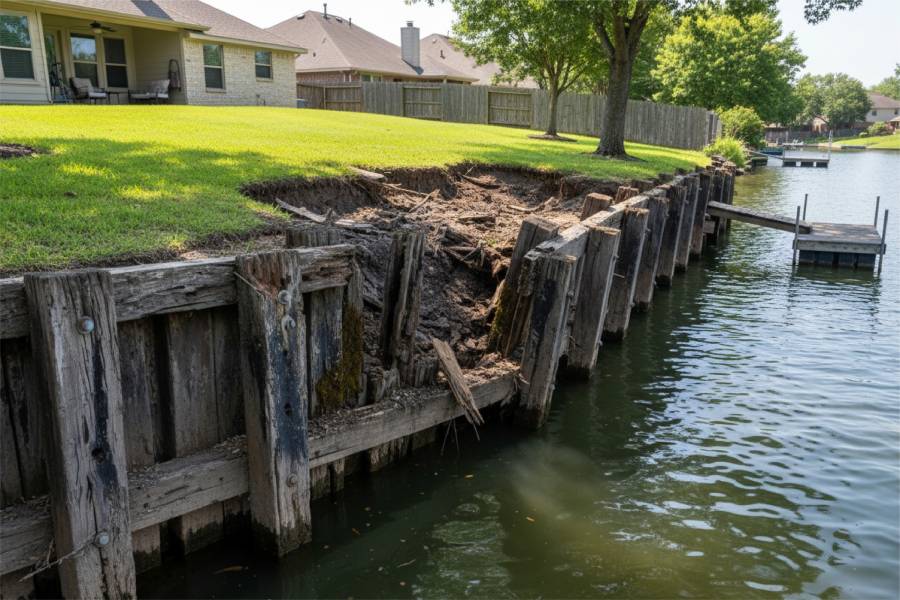
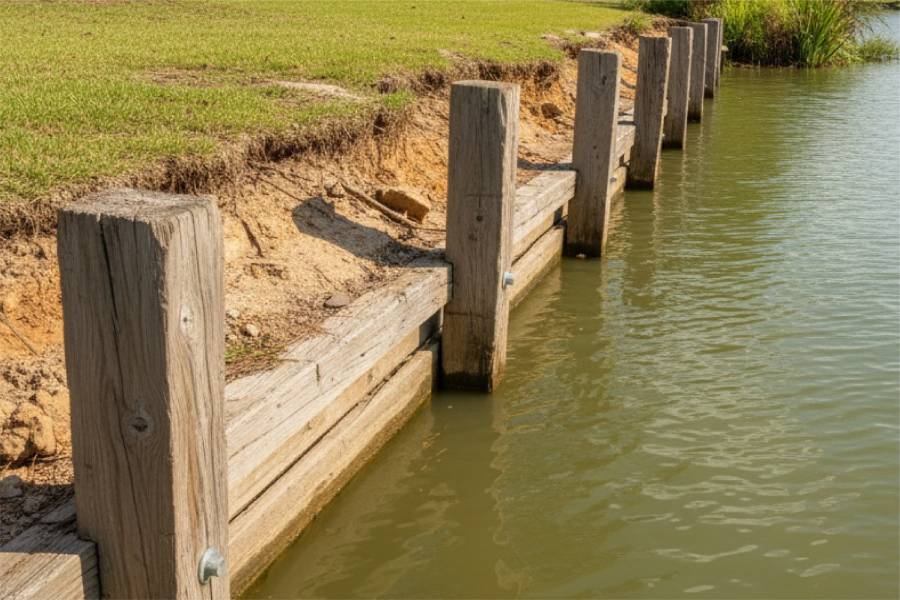
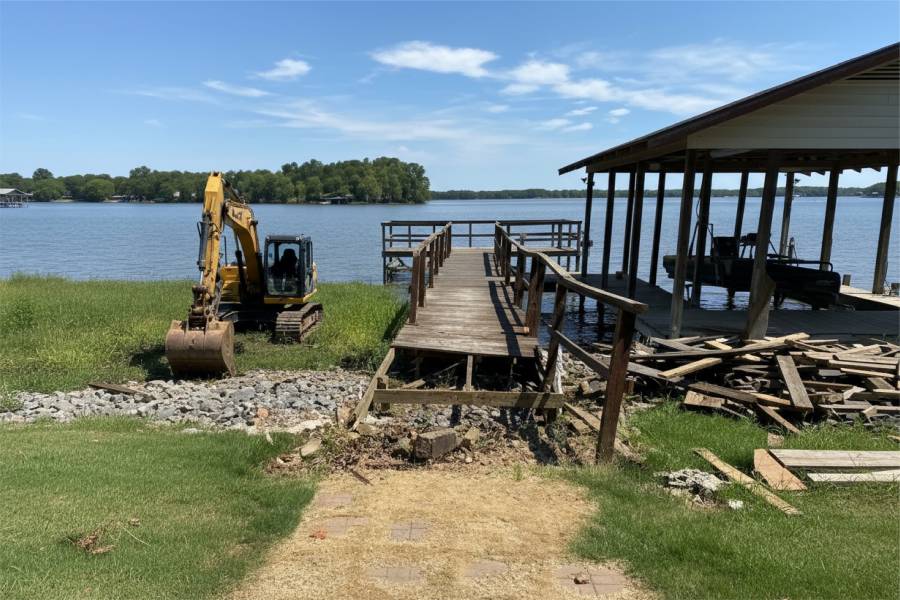
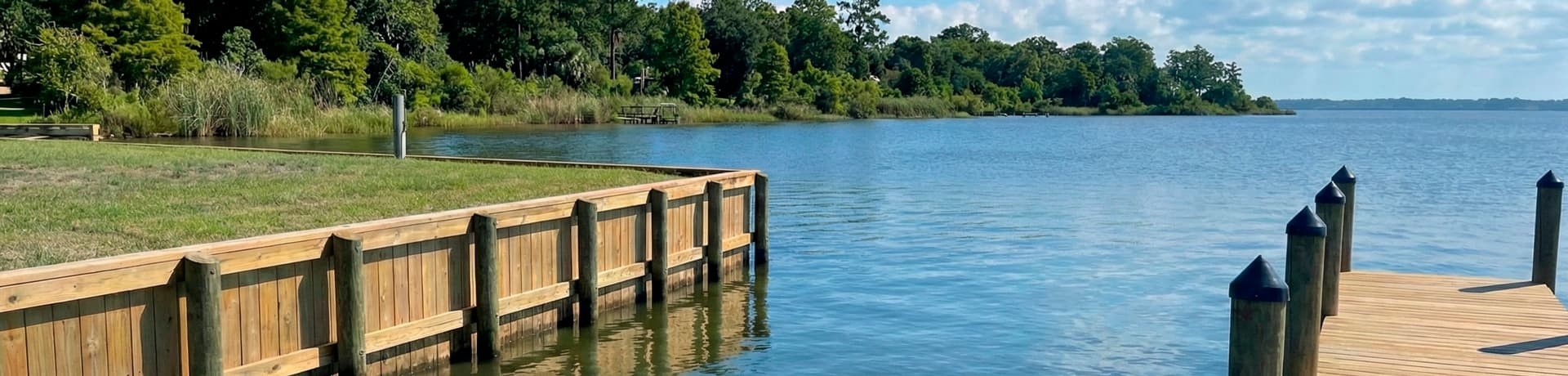
When an old waterfront structure becomes unsafe or prevents a rebuild, waterfront demolition is the first step toward a cleaner site. In Texas, removal projects often involve deteriorated docks, failing bulkheads, damaged piers, and outdated shoreline structures.
Shore Protect Team LLC provides waterfront demolition in Texas with a focus on safe removal and practical site preparation for the next phase. We help define demolition scope so the property is ready for new construction or shoreline improvements.
Request a free consultation and share photos of what needs to be removed. We will outline a Texas demolition plan and next steps.

labor and materials
Safe dismantling in Texas using hand tools and machinery for structures of varying complexity, preparing sites for replacement or modernization. Prepares Texas waterfront sites for replacement or new construction projects.

labor and materials
Accurate dismantling of piers and jetties in Texas with manual and mechanical removal focused on clean work and protecting surrounding areas. Removes old Texas pier and jetty structures cleanly before new installation.

labor and materials
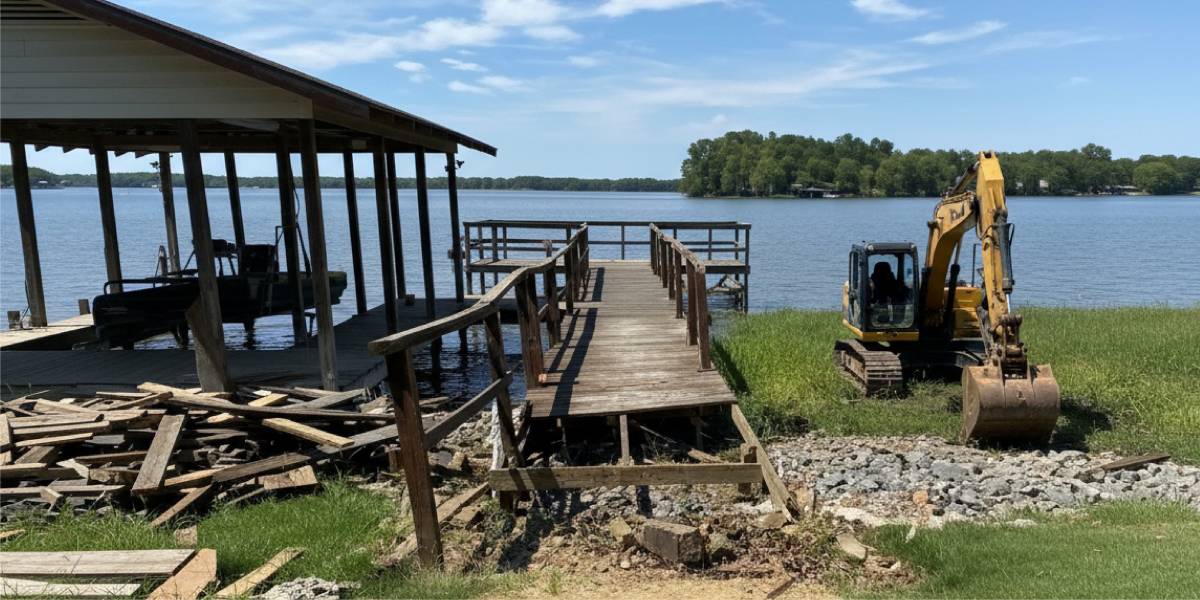
Safe dock dismantling in Texas with careful removal practices designed to avoid damage to the shoreline and adjacent structures. Careful dock removal protecting Texas shoreline integrity and adjacent structures.
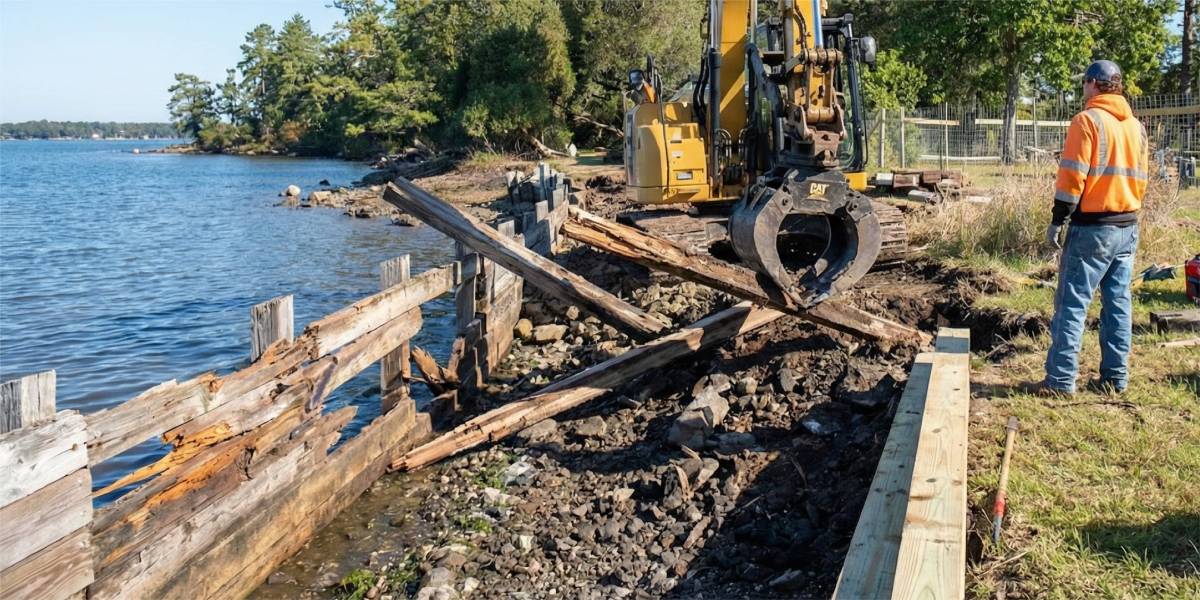
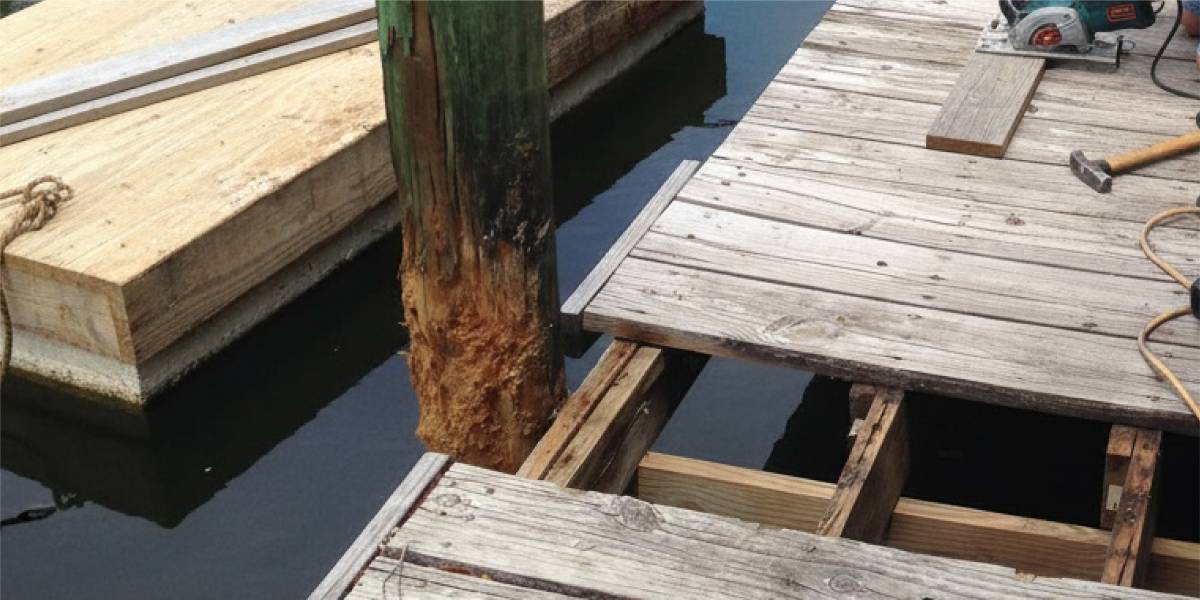
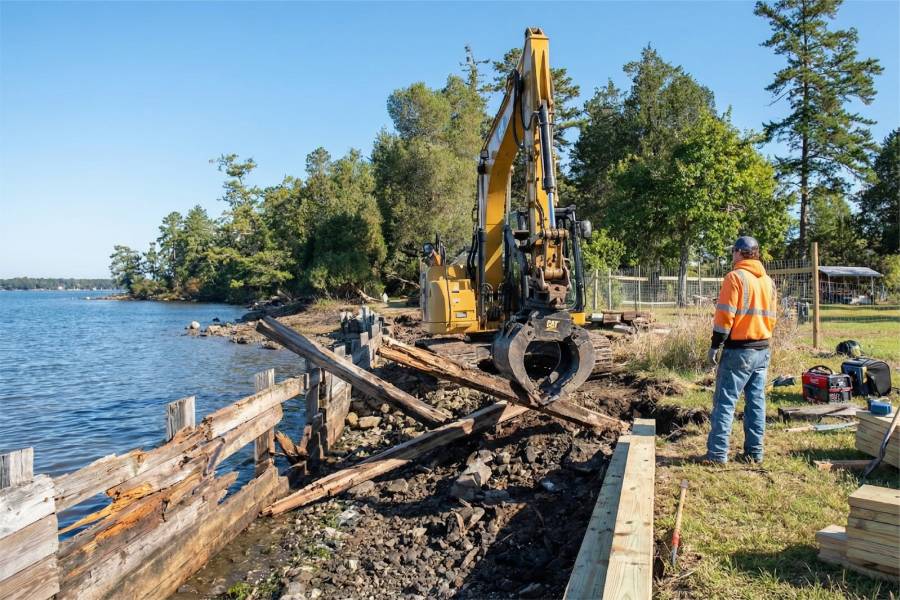
View our Texas waterfront demolition projects showcasing safe removal of damaged, unstable, or outdated shoreline structures to prepare sites for rebuilding and upgrades. From Gulf Coast shorelines and bayfront neighborhoods to inland lakes, rivers, and residential canals, Texas waterfront sites can vary widely in exposure, access, and shoreline behavior. This portfolio includes waterfront demolition scopes for docks, piers, failing walls, and other structures where removal is necessary to restore safety and create a clean starting point for the next phase of work. If you are planning new construction and need an old structure cleared, or if an existing system is beyond practical repair, these examples provide a realistic look at typical removal scope and site conditions. Send your Texas project details and photos to ask a question or get a free cost estimate for waterfront demolition work — we respond quickly and work across all six states.


Shore Protect Team performs safe waterfront demolition across Texas. Shore Protect Team demolishes storm-damaged Gulf Coast seawalls, hurricane-struck piers, and obsolete dock structures across Texas. Structure types include: bulkheads, seawalls, and retaining walls — wood, vinyl, concrete, and stone. Piers and decks — manual and mechanical dismantling. Docks and floating structures. All demolition work includes debris removal and site preparation for new construction.
Shore Protect Team's demolition pricing for Texas waterfront structures: Balconies and walls (bulkheads, seawalls, retaining walls): from $30/linear foot. Pier demolition: from $10/sq.ft. Dock demolition: from $15/sq.ft. Gulf Coast concrete seawall demolition in Texas requires hydraulic shears; saltwater-saturated timber absorbs water weight, adding to removal costs. Final cost depends on structure type, material, size, and site access at your Texas location. Shore Protect Team provides detailed estimates after on-site assessment.
Common reasons for waterfront demolition on Texas properties:
Unsafe structure condition: Rotted piles and deteriorated decking create serious safety hazards. Demolition prevents accidents — especially important on Texas properties accessed by families and guests.
Pre-construction site prep: Before installing new Texas shoreline structures, old ones must be completely removed. Demolition prepares the site for modern piers, docks, or bulkheads.
Post-storm damage: Texas's hurricane and severe storm events frequently leave structures in Lake Conroe, Lake Houston, Galveston Bay, Clear Lake, Kemah, Galveston Island, Trinity River, Houston metro, Katy, Sugar Land, Baytown beyond repair — demolition and fresh construction is the only viable path forward.
Site modernization: Replacing outdated wood structures with composite or aluminum on Texas waterfront properties requires full demolition of the existing system.
Environmental compliance: Deteriorating Texas structures can harm water quality. Proper demolition removes polluting materials from Gulf Coast saltwater zones, Galveston Bay, lakes, and rivers.
Layout redesign: Changing shoreline configuration on Texas properties requires removal of existing structures before new designs can be implemented.

Cost variables for waterfront demolition across Texas: Structure type — wood demolishes faster than concrete. Texas Gulf Coast concrete seawalls often require specialized hydraulic equipment; saltwater-logged timber adds to debris weight and disposal cost. Structure size — large commercial structures require multiple equipment days. Site access at your specific Texas location. Shore Protect Team provides an itemized demolition estimate after on-site evaluation.
Yes. Shore Protect Team LLC performs safe waterfront structure demolition across Texas including Lake Conroe, Lake Houston, Galveston Bay, Clear Lake, Kemah, Galveston Island, Trinity River, Houston metro, Katy, Sugar Land, Baytown.
We use floating cranes, barges, vibro-drivers for steel supports, and hydraulic excavators for concrete structures. After demolition anywhere in Texas, we completely clean the bottom of pile remnants and debris, remove all materials, and leave the site ready for new construction.
Yes. Waterfront demolition in Texas on navigable waterways and regulated areas requires permits from TCEQ and the Army Corps. Texas coastal demolition requires TCEQ notification and often Army Corps coordination for work on navigable waterways. Unauthorized demolition on Texas waterfront properties can result in significant fines. Shore Protect Team manages all permits for demolition projects across Texas.
Demolition timelines for Texas waterfront structures:
Small residential docks and piers: 1–2 days for structures on Texas lakes and rivers.
Mid-size structures (50–100 ft): 3–5 days including pile extraction and site cleanup.
Large commercial demolition: 1–3 weeks for major Texas marina and coastal seawall projects, especially those requiring floating equipment in Gulf Coast saltwater zones, Galveston Bay, lakes, and rivers.
Emergency demolition of storm-damaged Texas structures is prioritized — we deploy crews to Lake Conroe, Lake Houston, Galveston Bay, Clear Lake, Kemah, Galveston Island, Trinity River, Houston metro, Katy, Sugar Land, Baytown as quickly as possible after major weather events.
Shore Protect Team's demolition service in Texas includes complete site preparation for future construction. After demolition, Shore Protect Team removes all pile remnants from Texas waterways, grades the shoreline, and prepares the site for your new structure. Material removal — all demolished materials are transported from your Texas property. Site grading — the shoreline is prepared and ready for your new structure. Shore Protect Team coordinates all post-demolition cleanup and site preparation as part of the project scope.
Our demolition work in Texas covers removal of docks, piers, bulkheads, seawalls, retaining walls, and other waterfront structures. The process starts with a review of your Texas Gulf Coast and inland lake properties site to confirm scope and select materials suited to Gulf Coast saltwater exposure and varying inland lake conditions.
We handle demolition permits coordination with TCEQ and Army Corps of Engineers where required, plus material procurement, installation, and site cleanup. If your project combines new construction and repair of an existing demolition, we assess both in the same visit.
Removing a small dock or pier section can take a single day; full removal may take 3–7 days.
In Texas, hurricane season scheduling and post-storm repair backlogs can affect the start date. We plan around these conditions and provide a specific timeline once we review your site details. Demolition projects are scheduled to avoid high-water periods that limit site access.