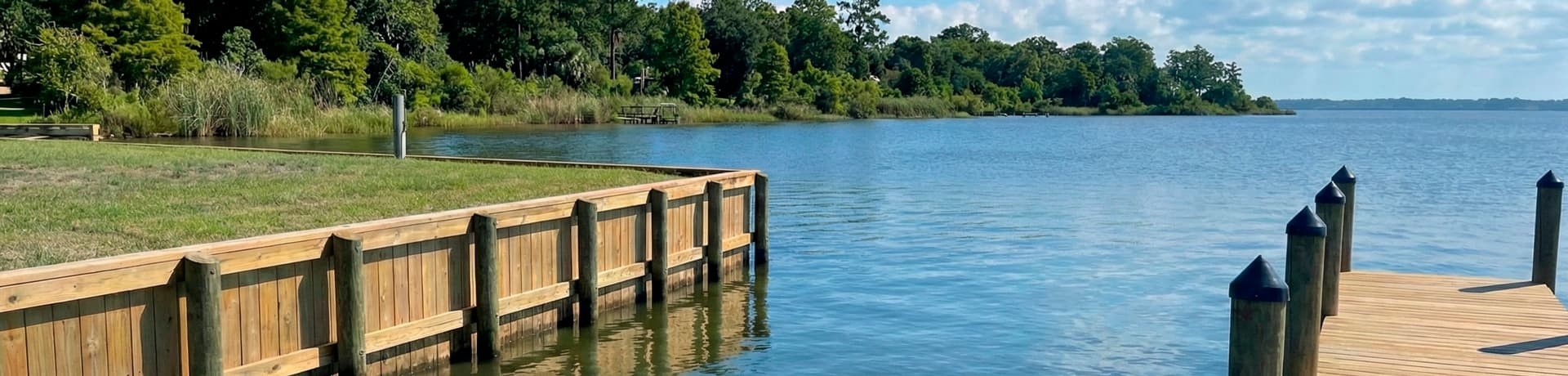
Columbus is a Mississippi community close to the Tennessee-Tombigbee Waterway, Pickwick Lake, and Bay Springs Lake, where a Corps-managed navigation waterway and connected lakes provides the waterfront setting for an active market of residential lake and river properties. Each water body near Columbus has its own construction requirements - from permit requirements set by the Corps of Engineers or utility operators to the specific wave exposure and soil conditions at each individual site. Property owners in the Columbus area depend on experienced marine contractors who understand these local conditions.
The Tennessee-Tombigbee Waterway near Columbus is a Corps navigation canal where lock-and-dam structures maintain pool levels between segments. Commercial barge traffic generates wake loading on adjacent structures, and Corps 404 permits govern all in-water and bank-modification work along the waterway.
Shore Protect Team provides Waterfront Construction Contractor in Columbus, MS. On the Tennessee-Tombigbee Waterway near Columbus, we build dock and pier systems for Corps navigation pool levels, construct shoreline bulkheads, and install marine piling. Corps Section 404 permit coordination is part of every project.
Reach out to Shore Protect Team for a site review. We assess each waterfront property for wave exposure, substrate, and permit requirements before specifying any structure.


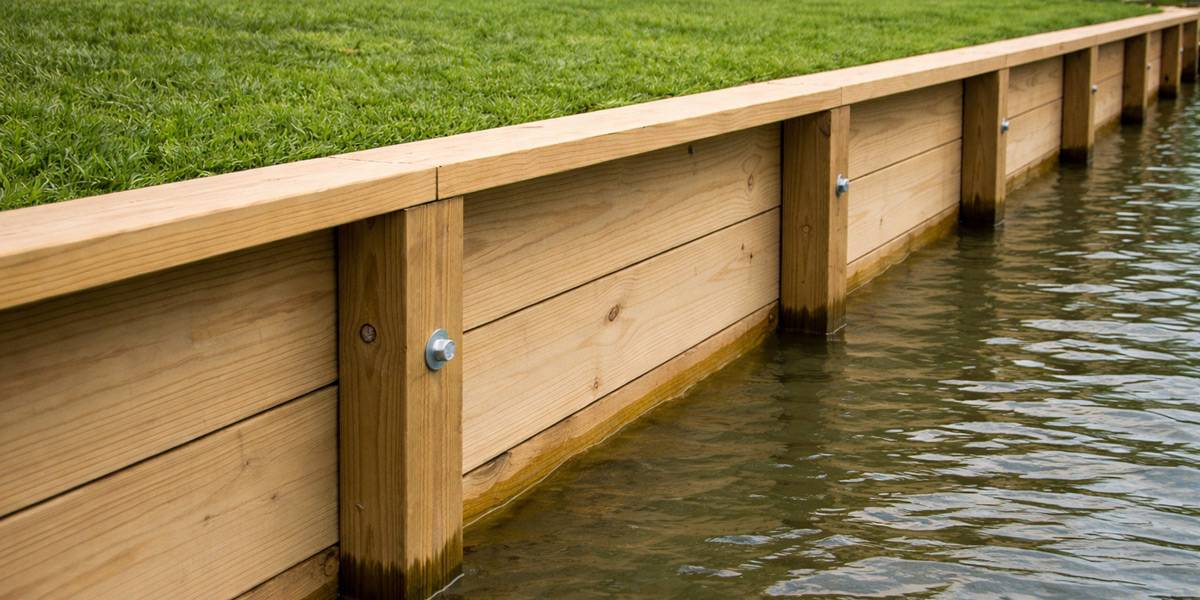
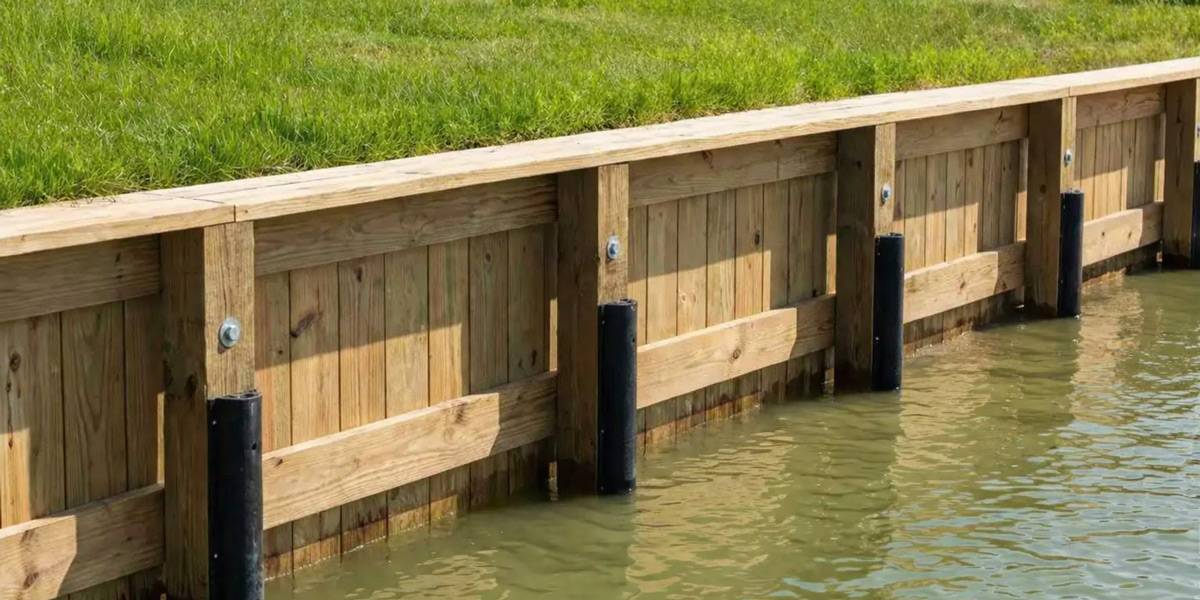
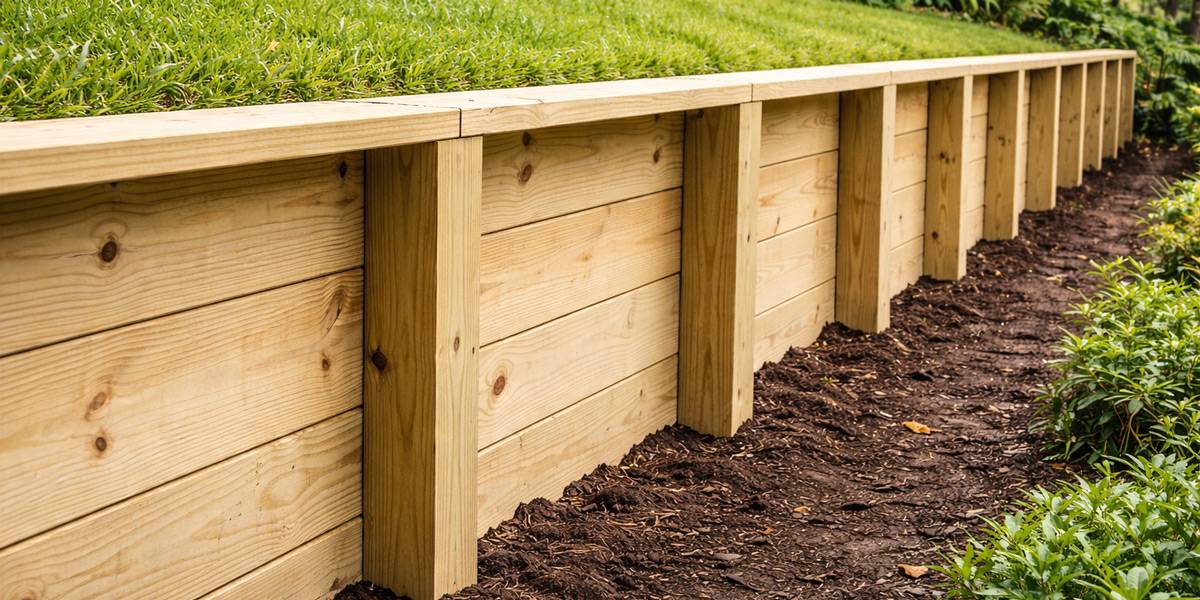
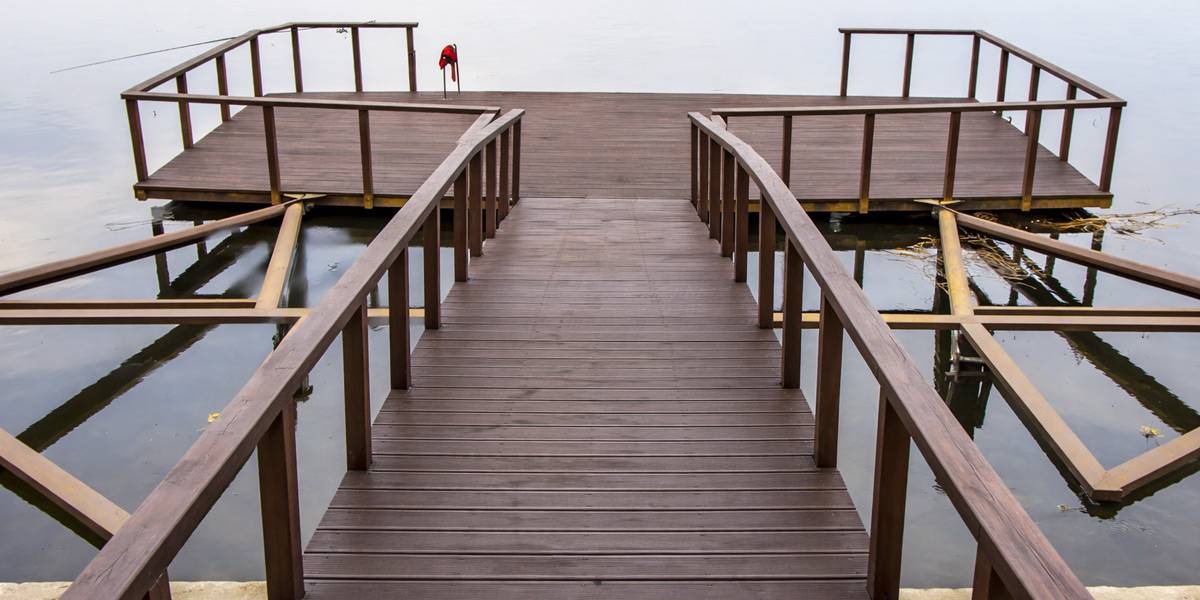
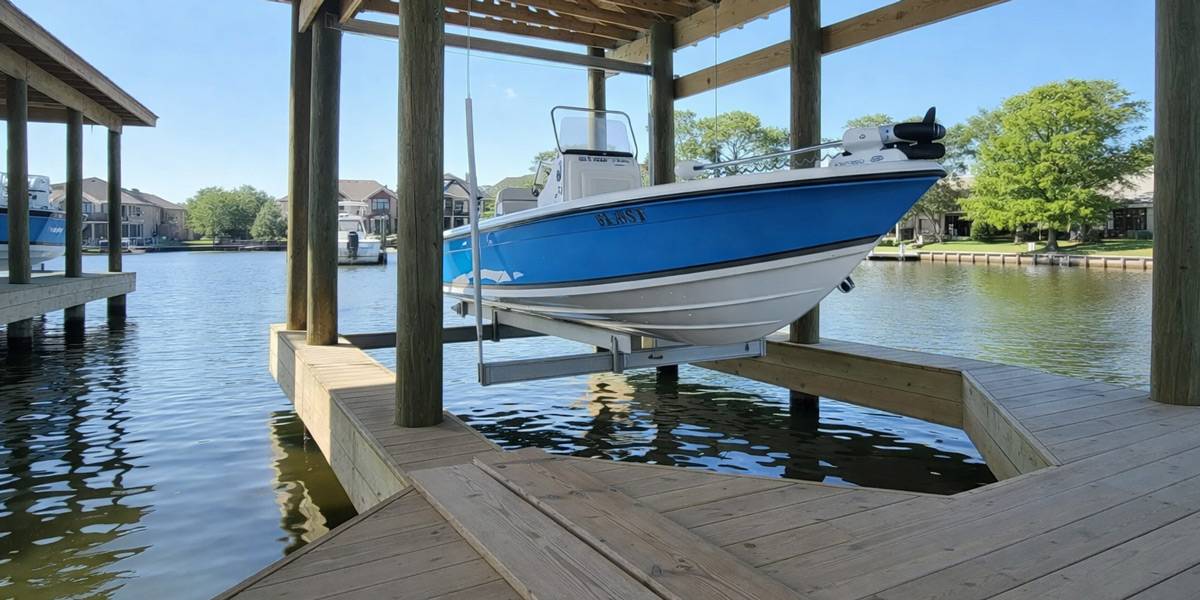
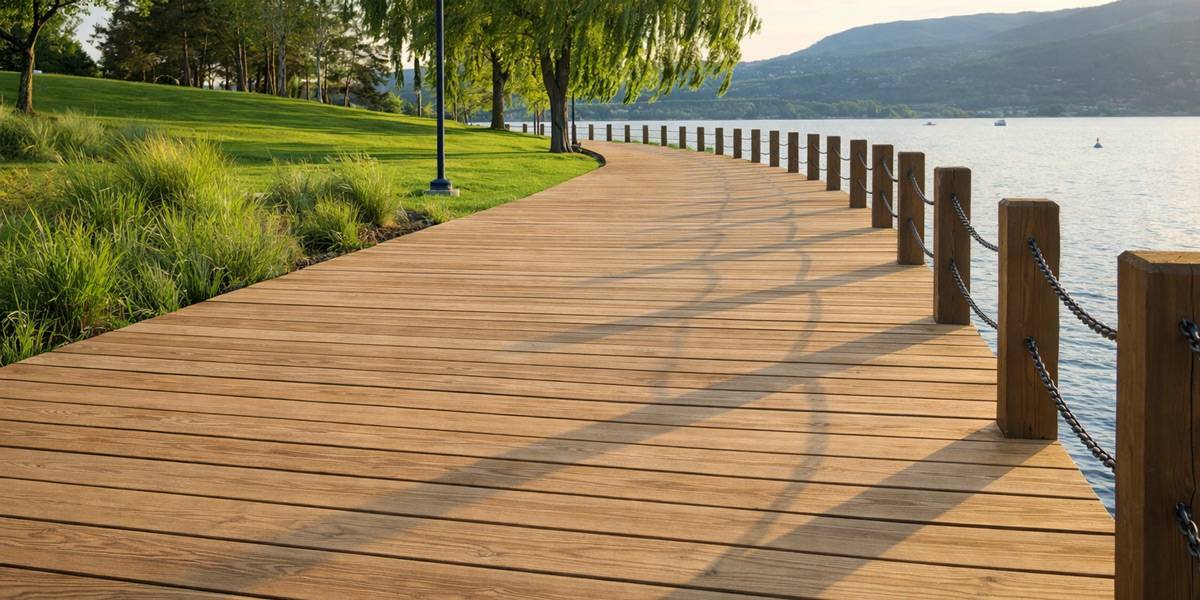
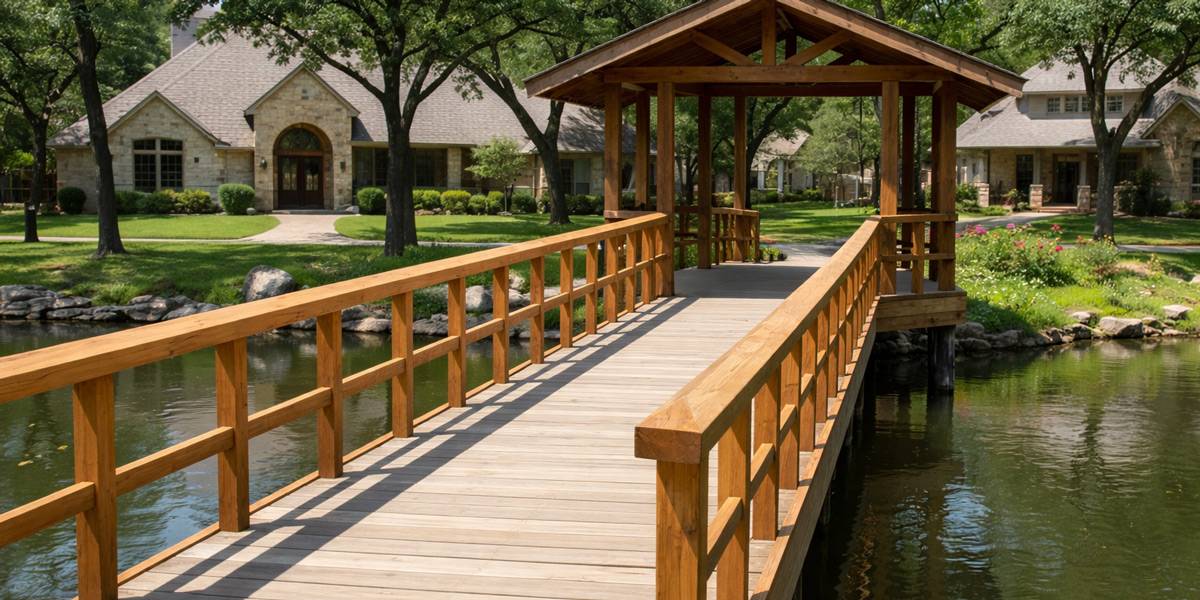
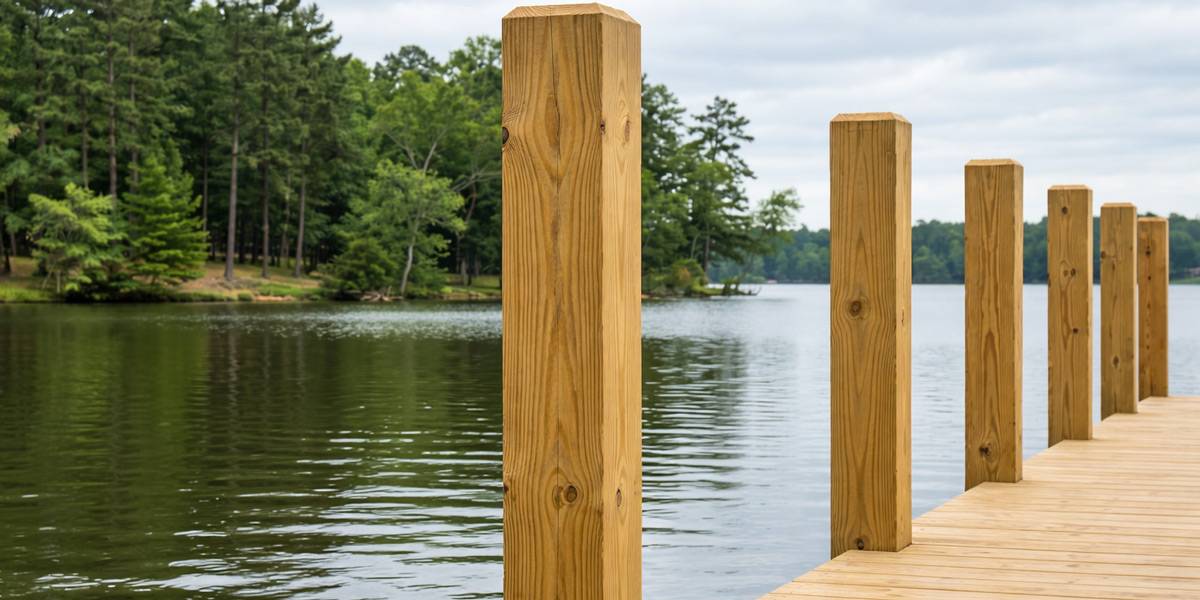
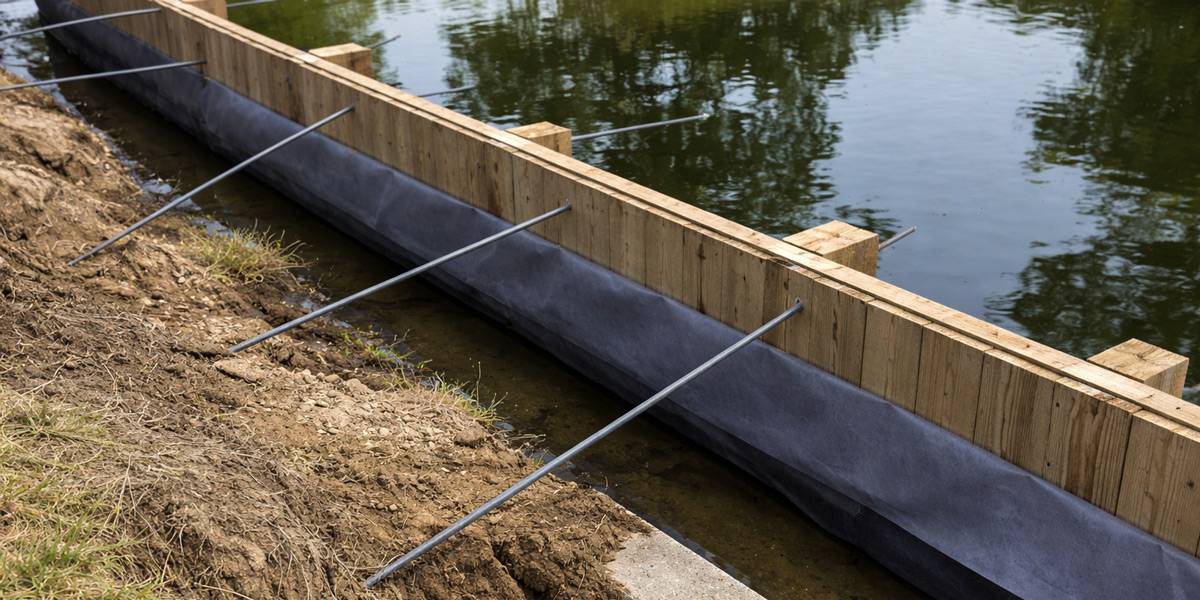
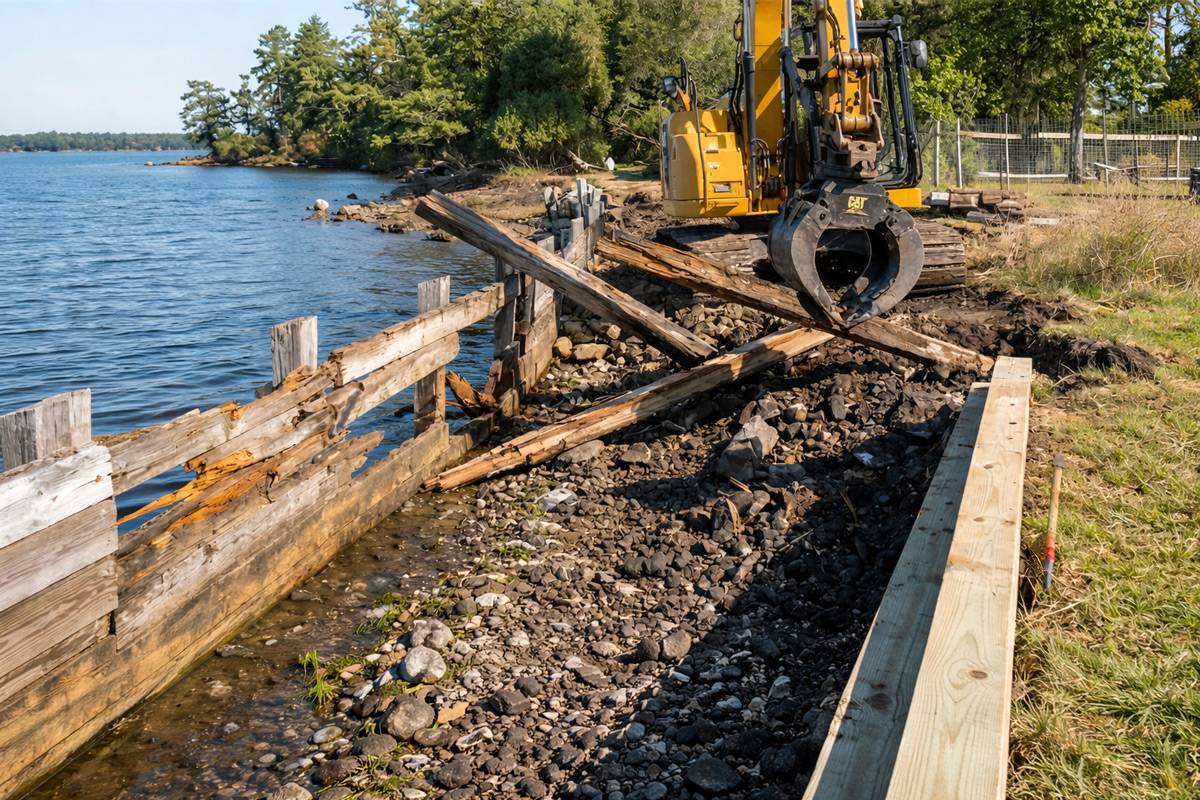
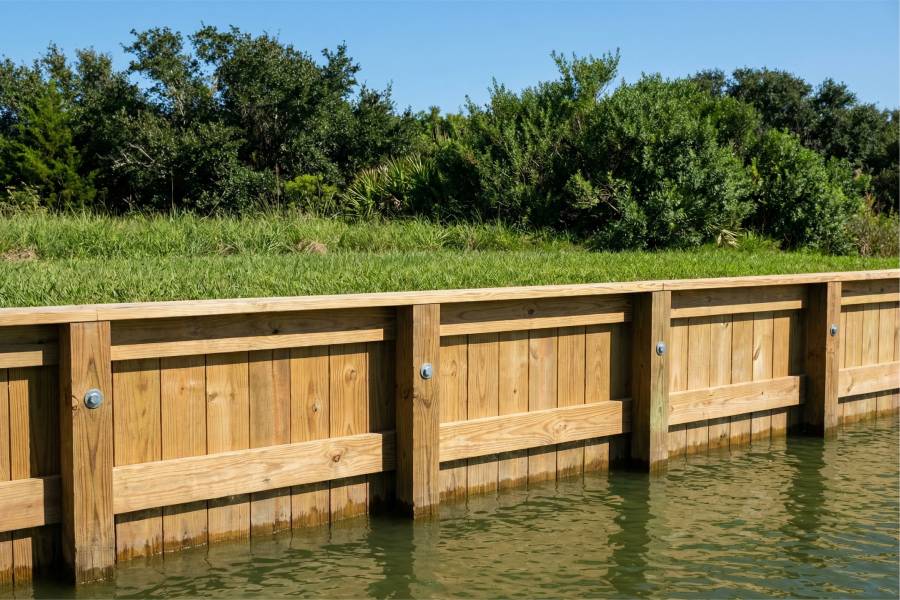
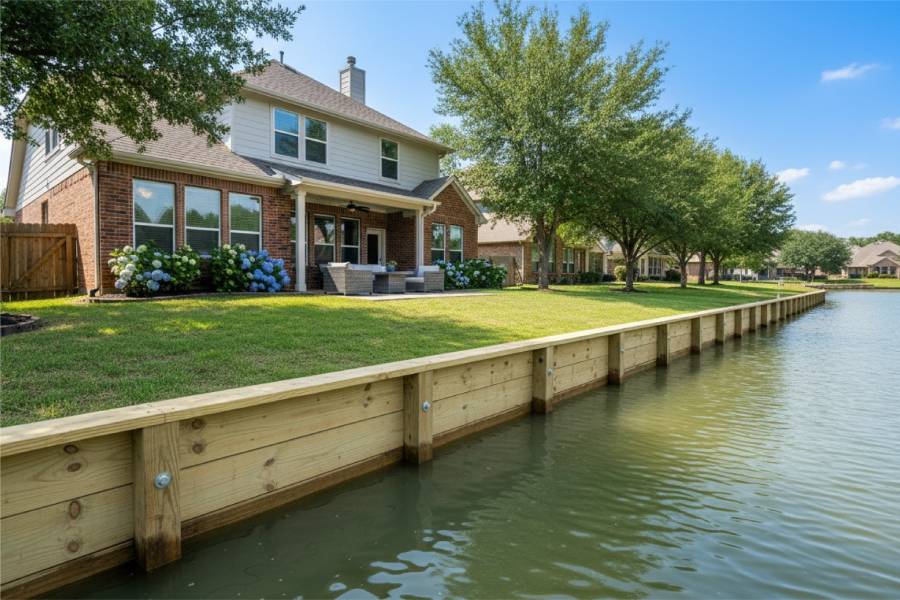
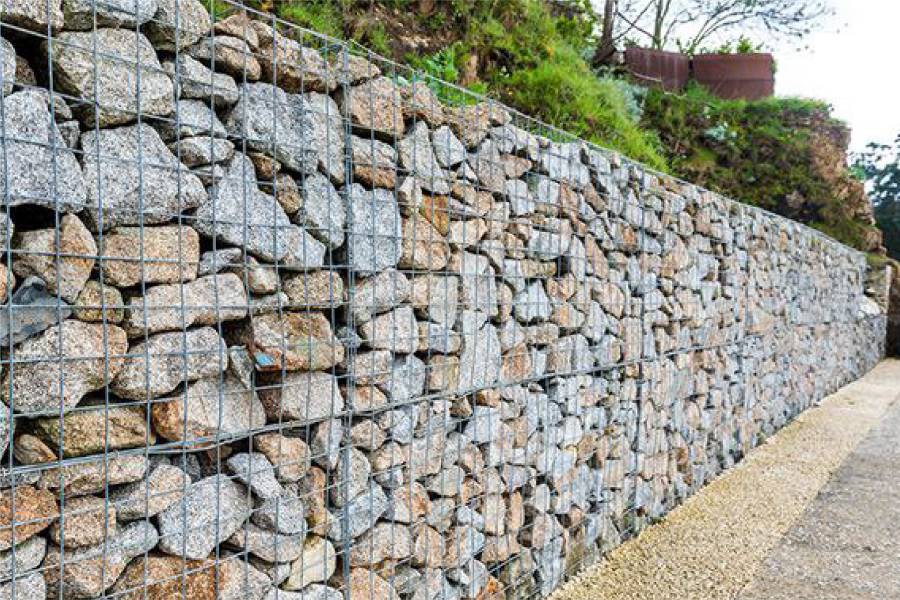
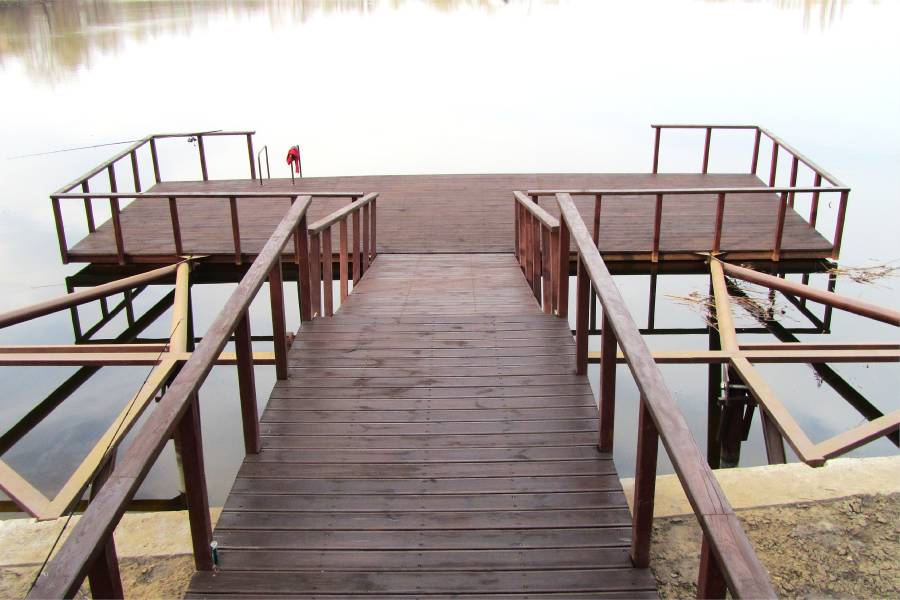
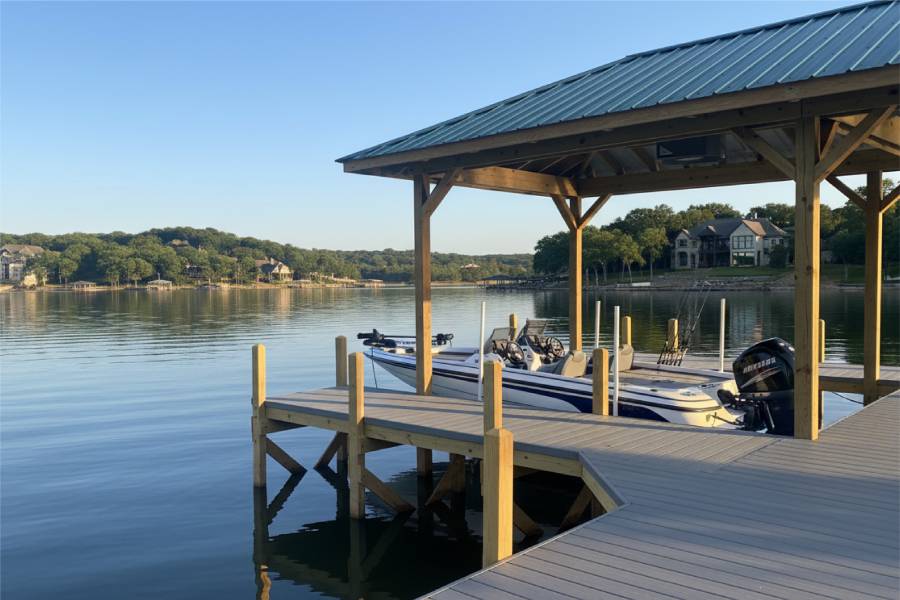
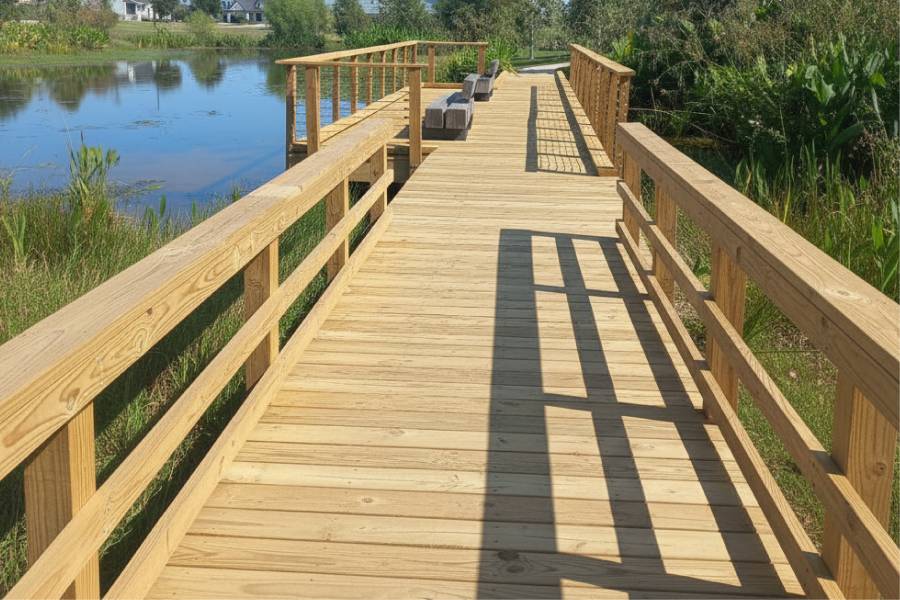
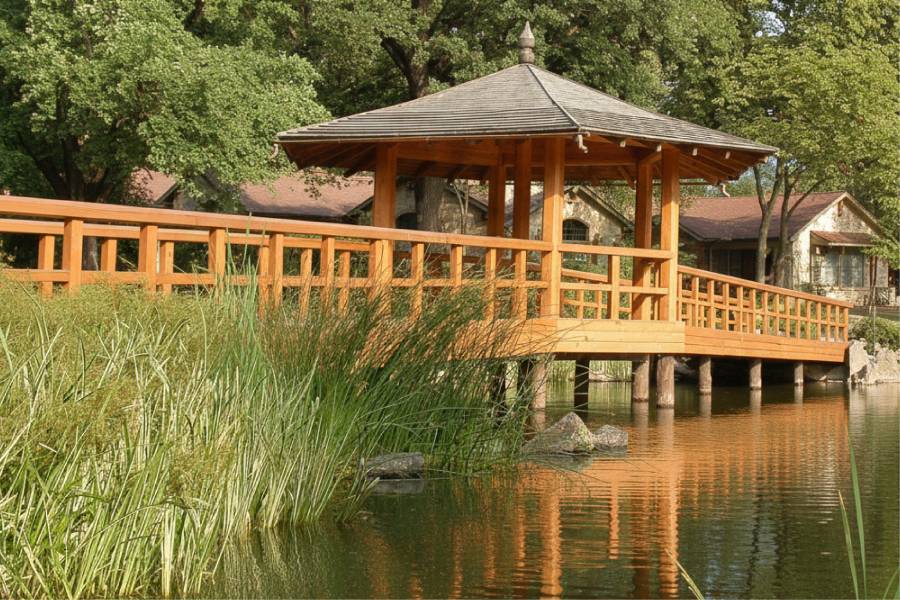
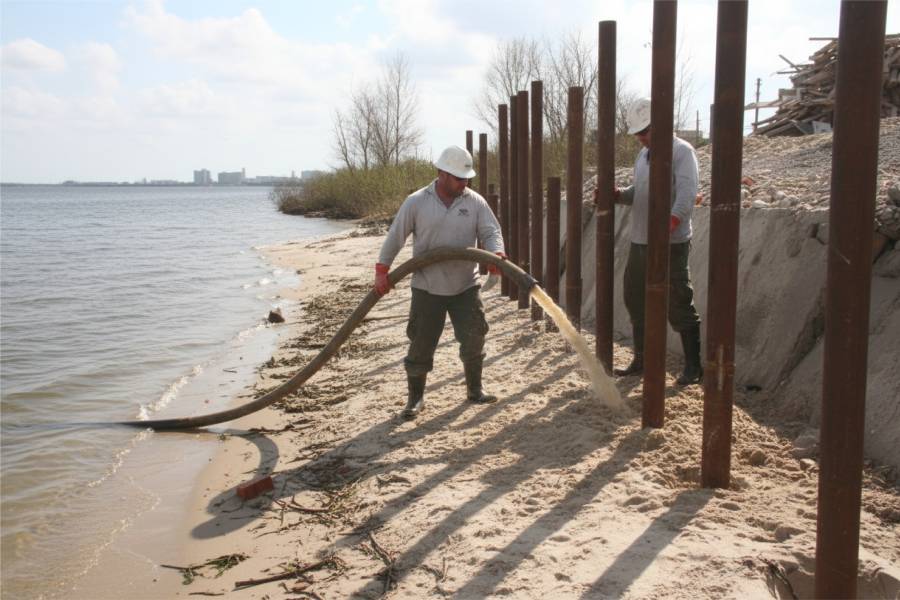
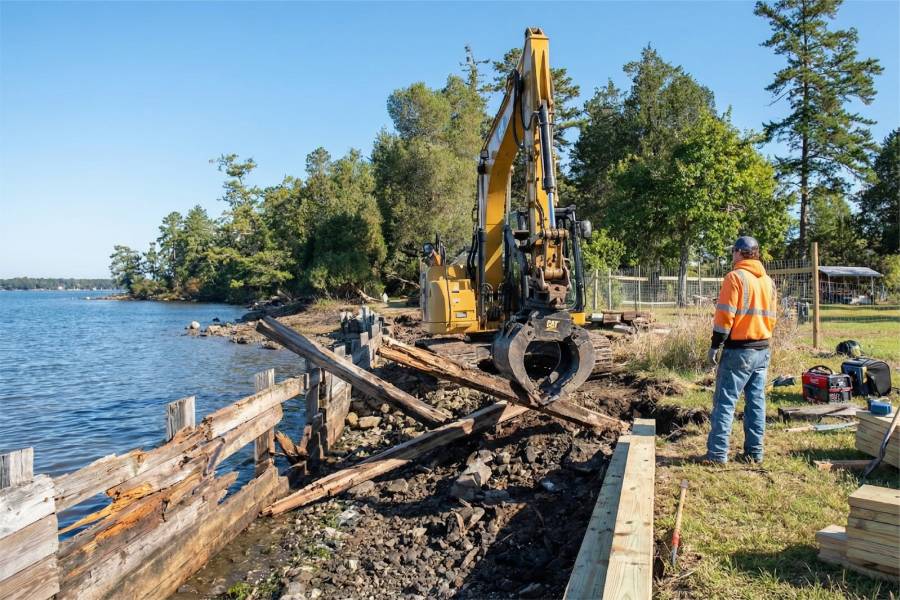
Shore Protect Team offers waterfront construction contractor in Columbus, MS for residential and commercial properties along the Tennessee-Tombigbee Waterway. Our work covers bulkhead and retaining wall construction for bank stabilization, pier and dock construction for river access, riprap and gabion bank protection systems, boardwalks, bridges, marine piling installation, structure repair and maintenance, and waterfront demolition. Each Columbus, MS project is assessed for river current, flood exposure, and bank soil conditions.
In Columbus, MS, waterfront construction along the Tennessee-Tombigbee Waterway is affected by navigation canal conditions and managed water levels. Bank soil type - whether sandy alluvial, clay, or mixed - determines piling depth and excavation requirements. Properties with higher flood exposure or active bank erosion require more robust stabilization. Seasonal water level variation on the Tennessee-Tombigbee Waterway also affects how dock and pier structures must be designed and anchored.
For riverfront properties in Columbus, MS, Shore Protect Team selects materials based on the current velocity, flood frequency, and bank soil conditions at each site on the Tennessee-Tombigbee Waterway. Vinyl sheet piling, concrete retaining walls, and galvanized steel hardware resist river debris abrasion and flood impact better than timber alone. Riprap and gabion systems are used for bank stabilization where the erosion pattern and bank geometry suit these approaches.
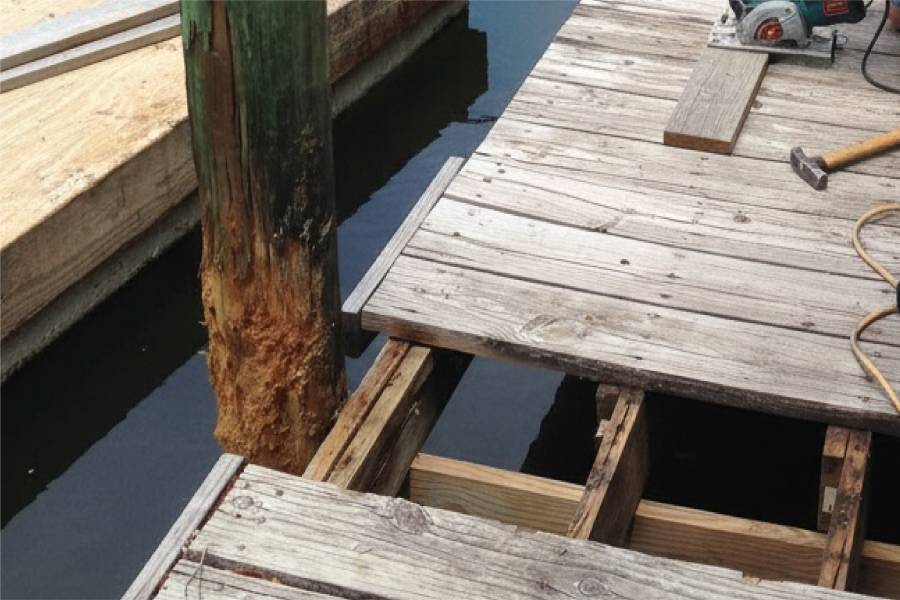
Yes. Shore Protect Team builds new waterfront structures and repairs existing ones for Columbus, MS properties along the Tennessee-Tombigbee Waterway. River structures experience wear from current, flood debris impact, and sediment scour that accelerates deterioration over time. We assess each existing Columbus, MS structure and recommend repair or replacement based on actual condition found on site, not a standard schedule.
Send us photos of your riverfront property and your location in Columbus, MS for a free preliminary consultation. We review the bank conditions, current exposure, and soil type for your specific location along the Tennessee-Tombigbee Waterway and outline the right approach and cost range for your project. Contact Shore Protect Team to get started.