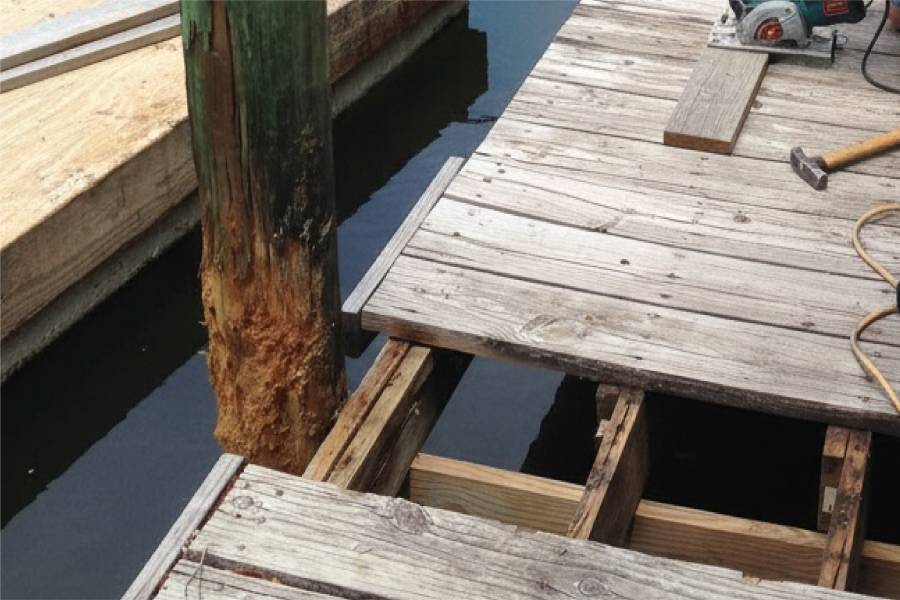
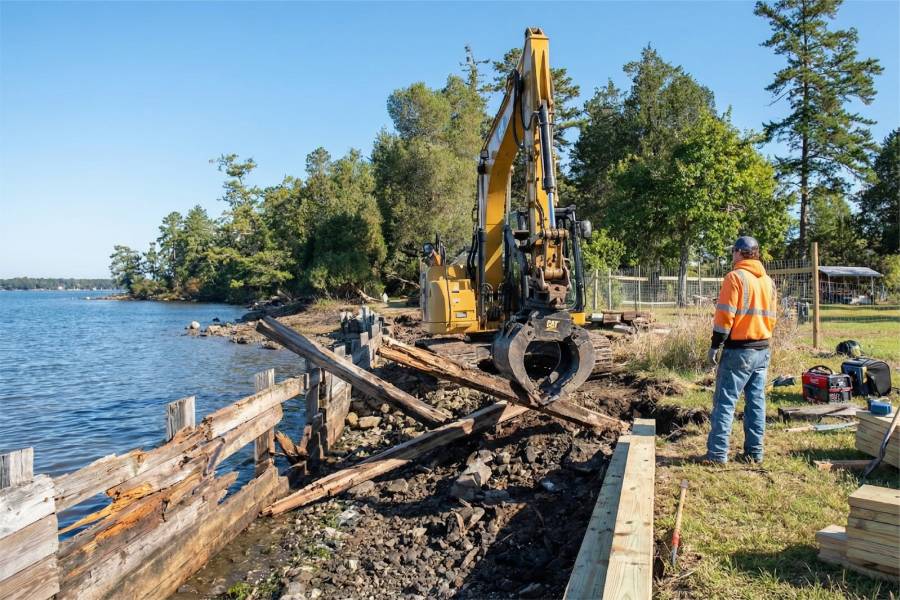
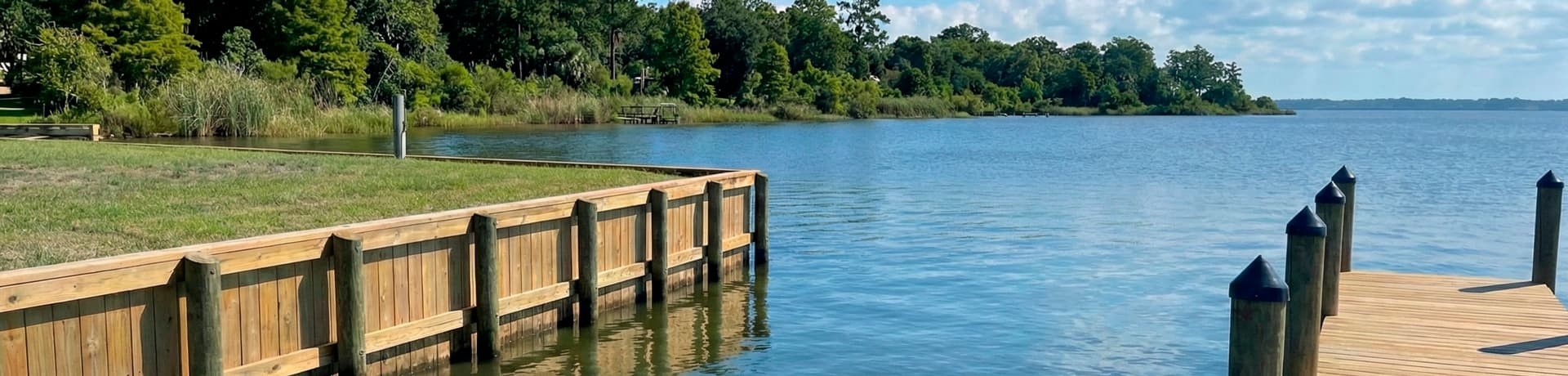
Colorado River is the central Texas river flowing from Lubbock through Austin and the Highland Lakes to Matagorda Bay - managed by LCRA through the Highland Lakes chain with variable flow below the dams. Waterfront properties along Colorado River experience the seasonal water level variation and bank erosion pressures that define construction requirements on Texas river and bayou systems.
Work on Colorado River must account for managed by LCRA through the Highland Lakes chain with variable flow below the dams. Bank soils require careful pile embedment assessment, and seasonal flooding affects height and anchoring requirements. Army Corps permits govern construction in and along navigable waterways in Texas.
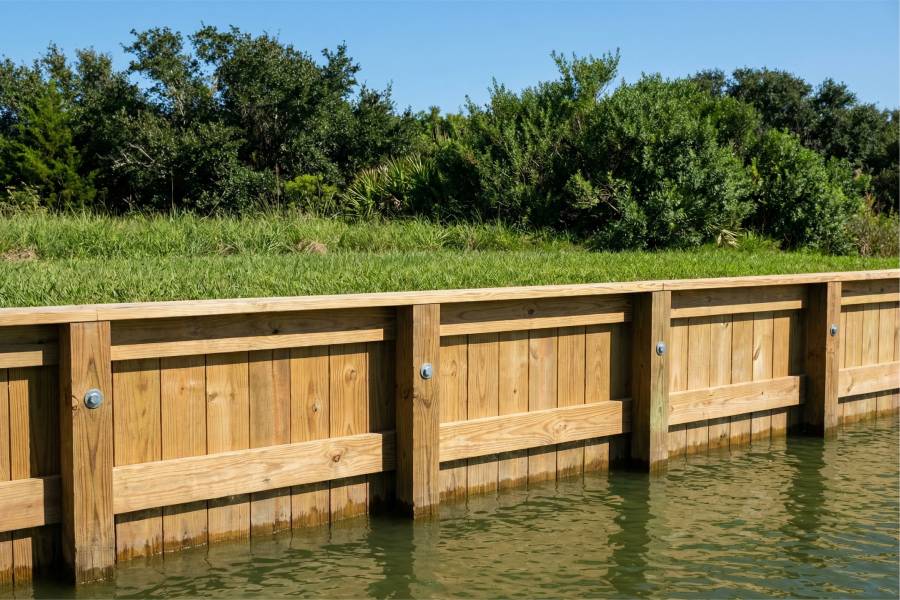
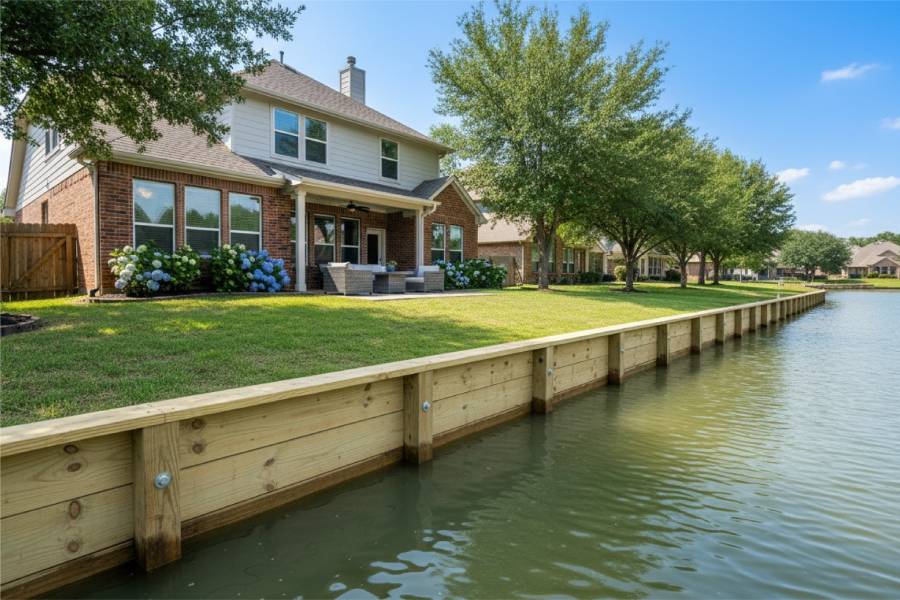
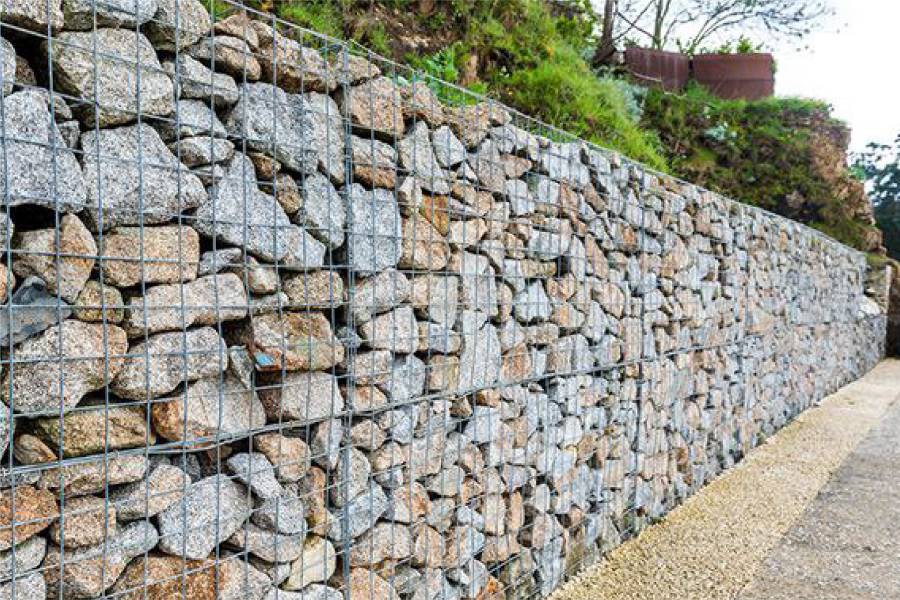
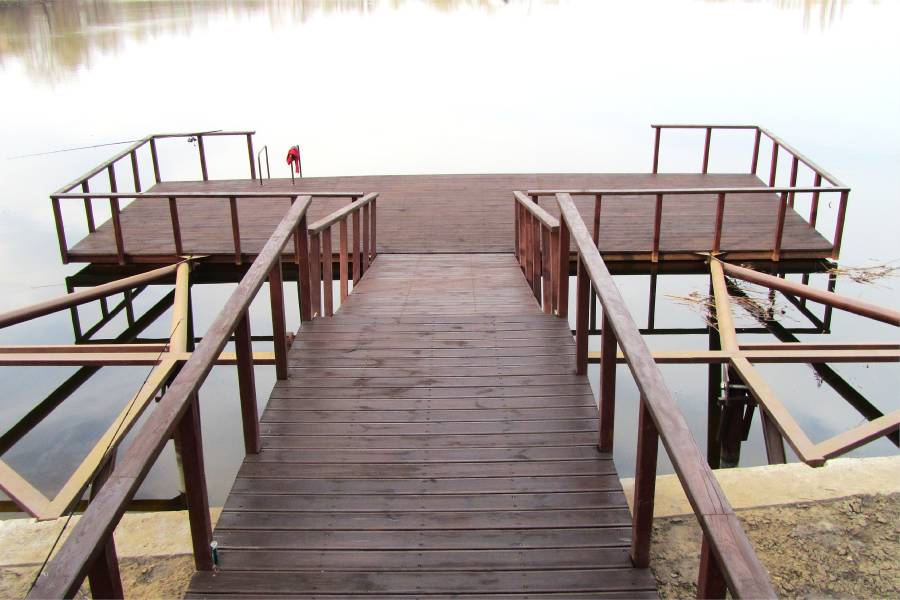
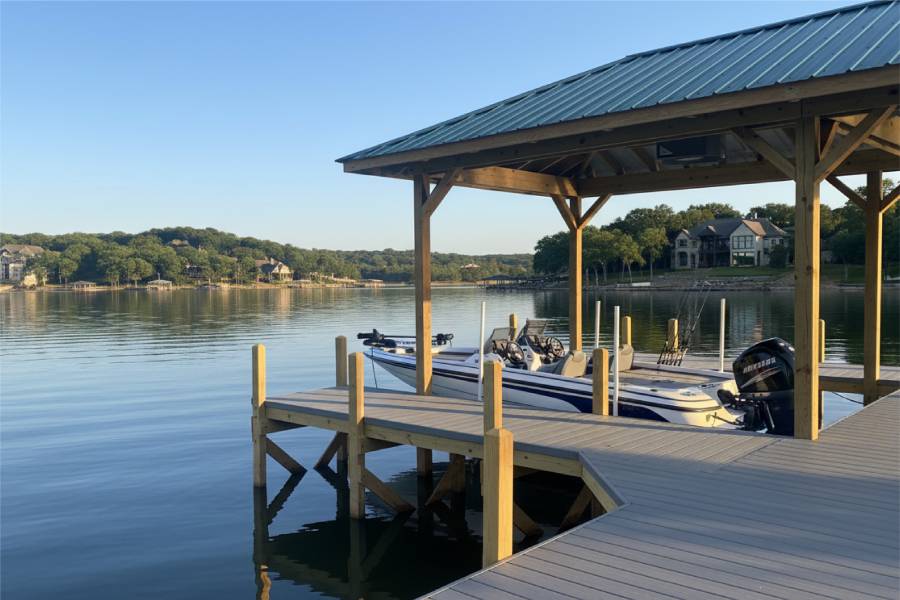
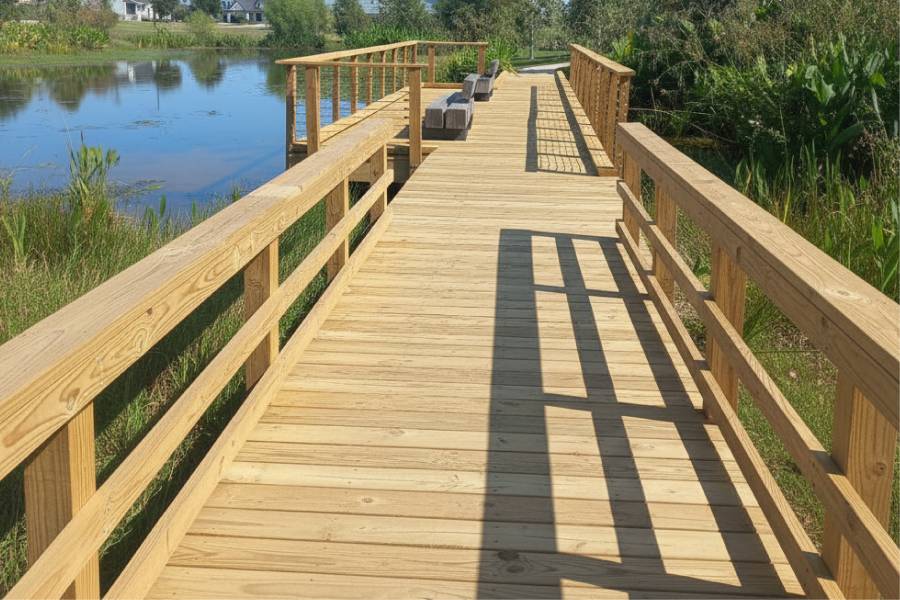
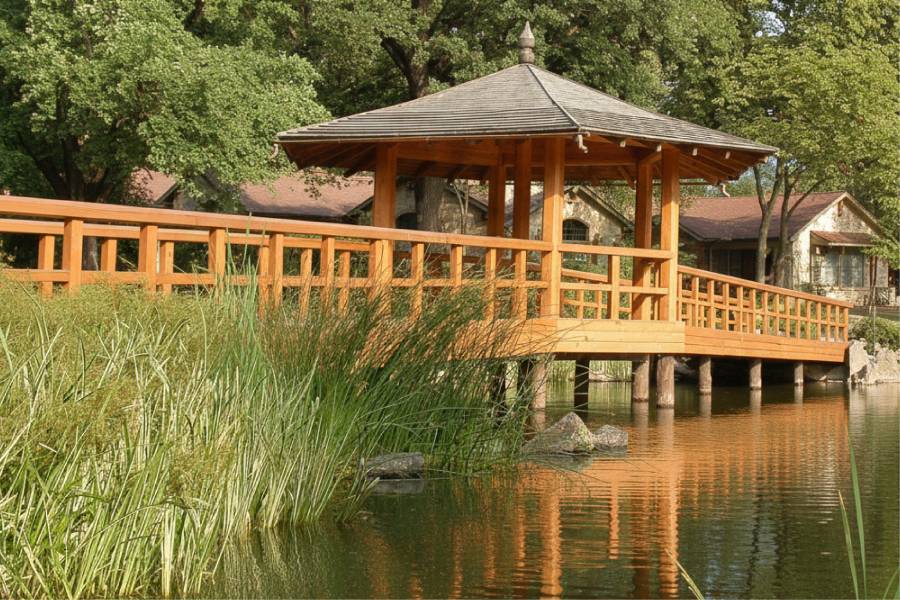
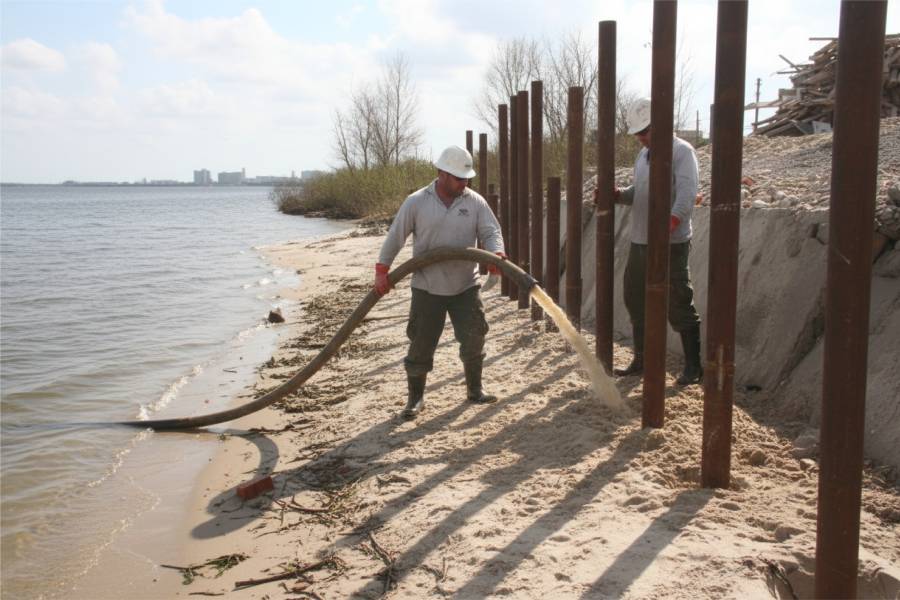
Shore Protect Team provides Shoreline Protection Services in Colorado River, TX. On river systems, our work includes riprap and bulkhead bank stabilization, dock and pier construction anchored for current conditions, and retaining wall systems for seasonal high-water loads. Army Corps 404 permit coordination is part of every project.
Contact us with your location and site photos for a no-cost evaluation. Shore Protect Team will review your shoreline conditions and outline what needs to be built and how to permit it.


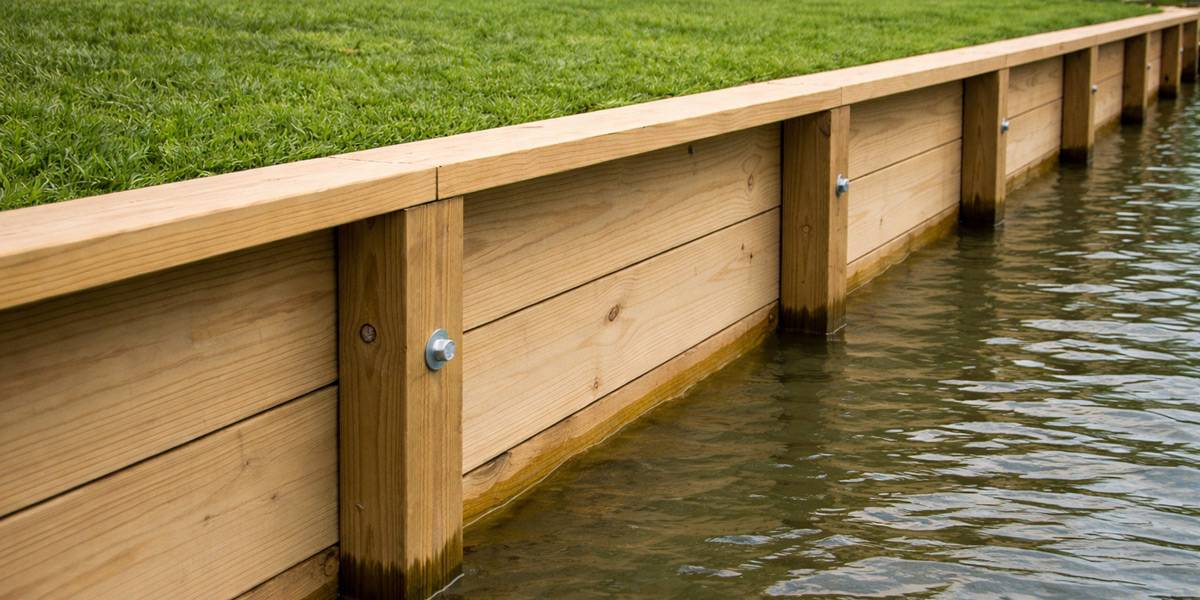
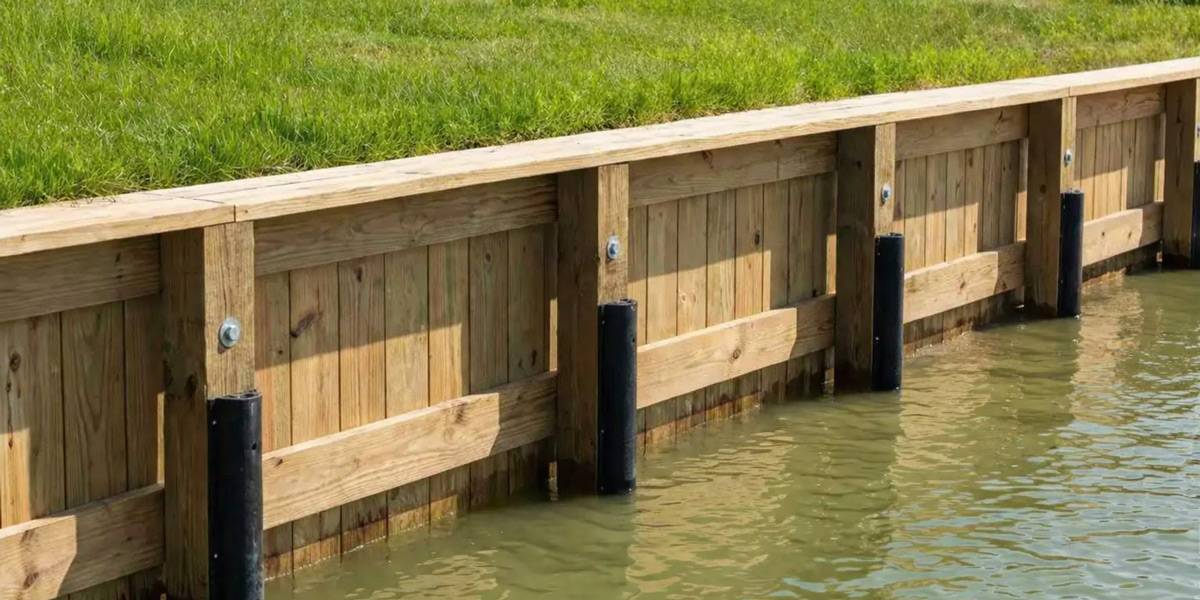

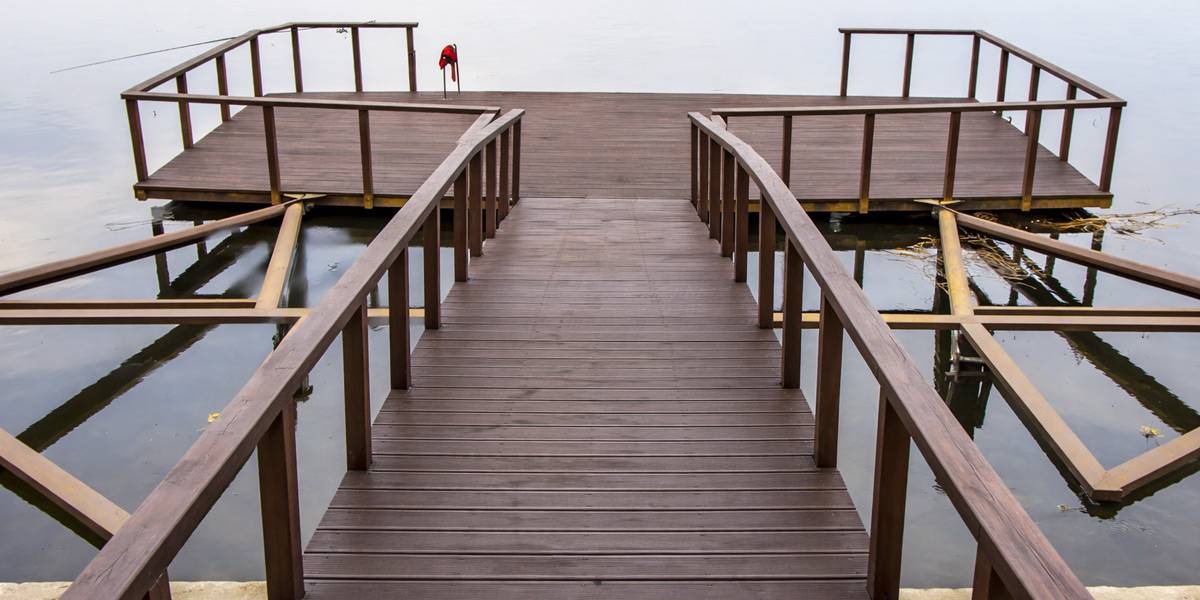
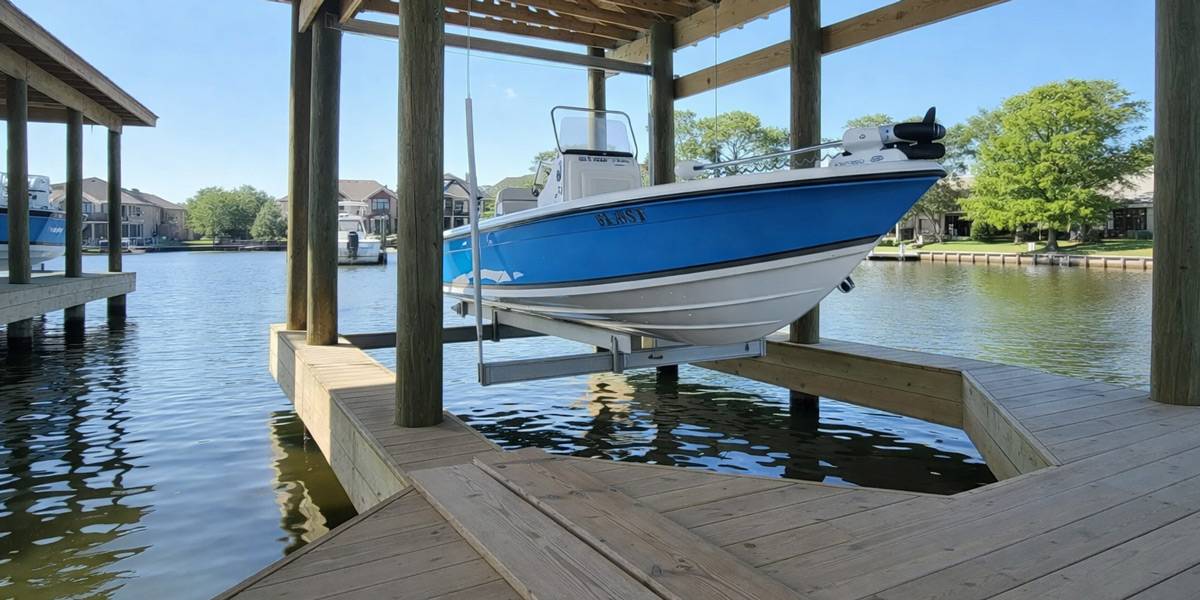


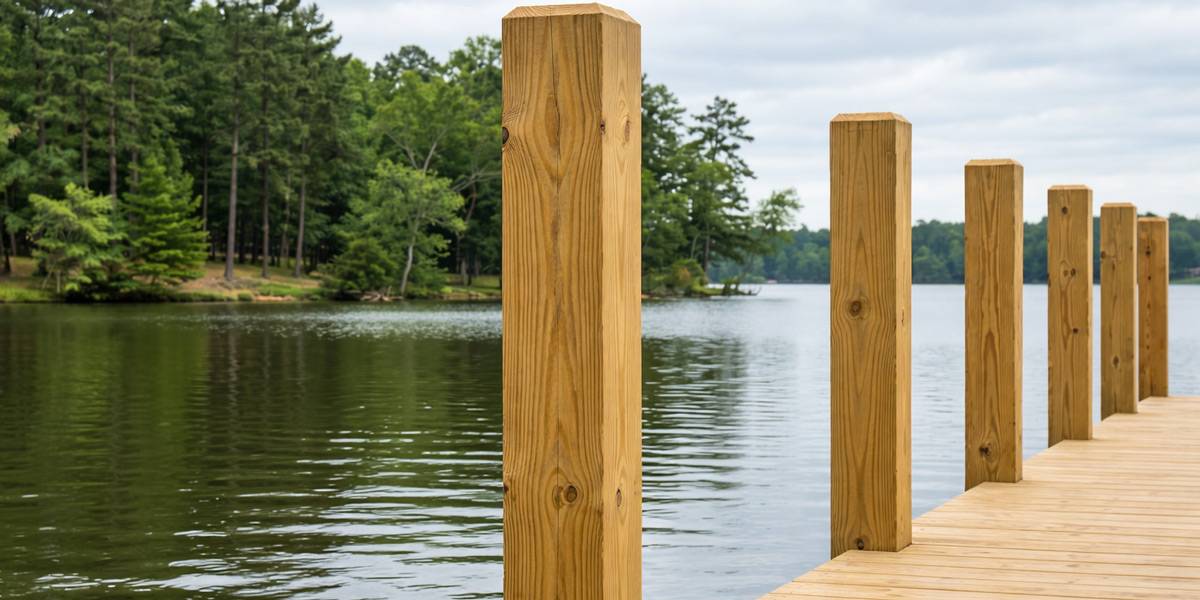
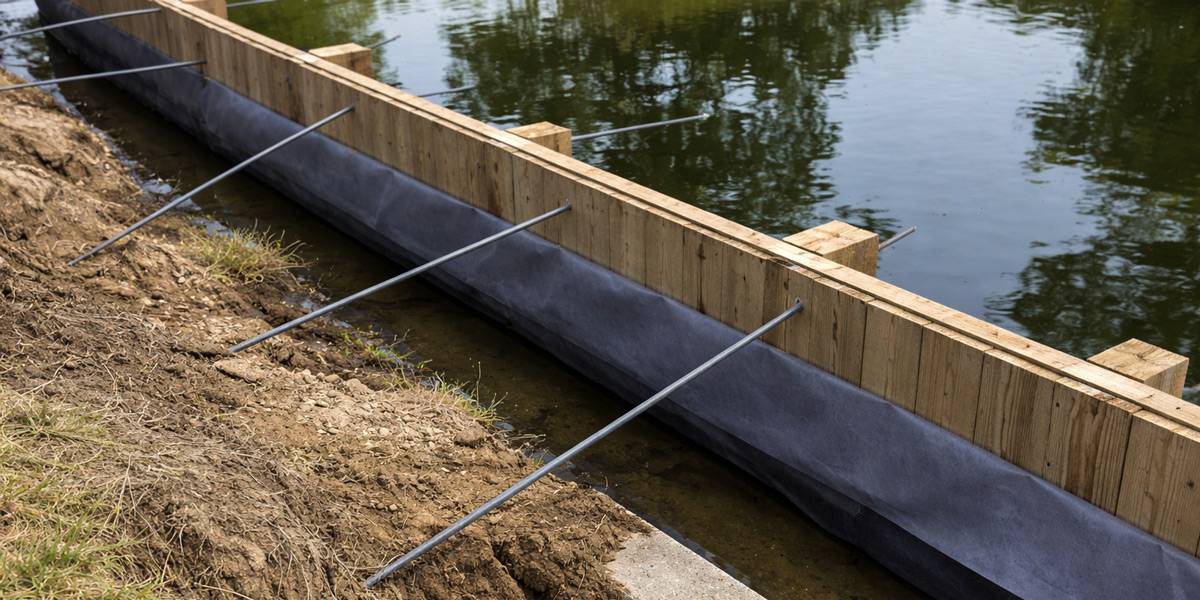
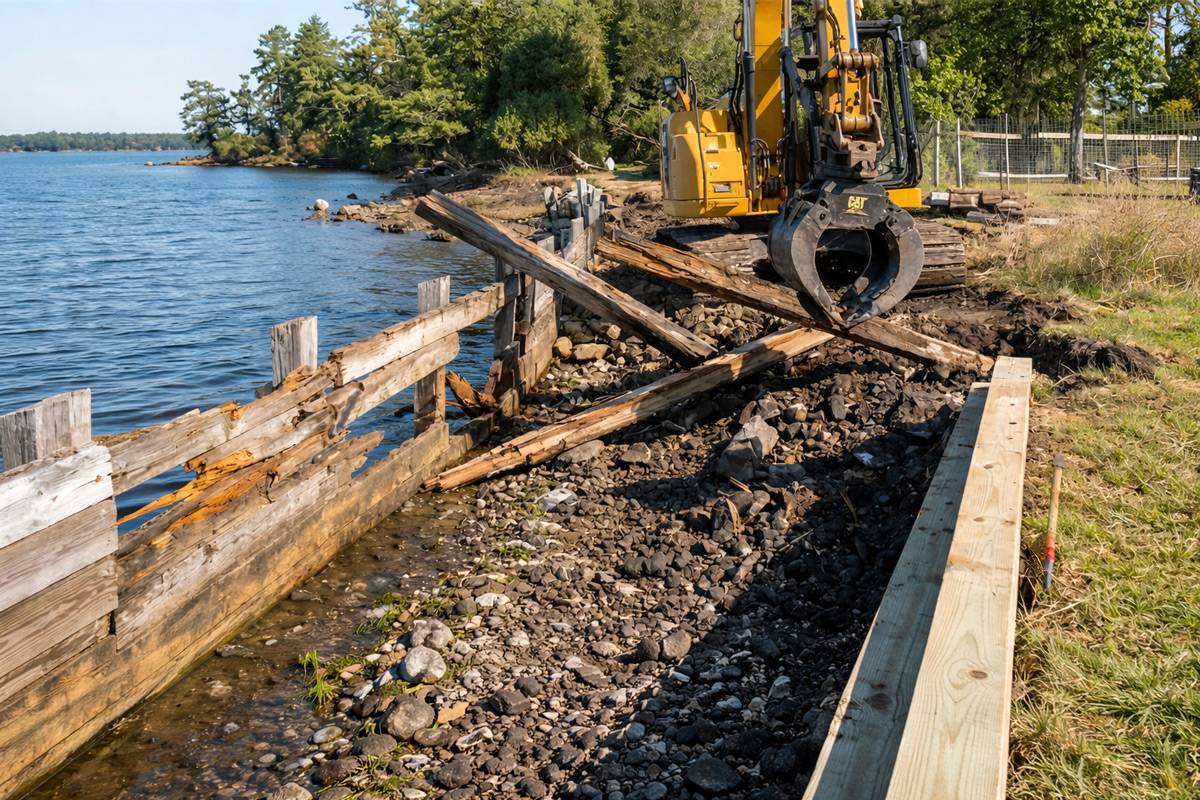
Shore Protect Team provides bank stabilization, retaining wall construction, dock and pier installation, and shoreline erosion control along the Colorado River through the Texas Highland Lakes and lower coastal plain in multiple Texas counties. The Colorado River flows from the high plains of west Texas through the Highland Lakes chain - including Lake Buchanan, Inks Lake, Lake LBJ, Lake Marble Falls, Lake Travis, and Lake Austin - before continuing through Austin, the coastal plain, and reaching the Gulf near Matagorda. The river's character varies dramatically from the impounded lakes sections to the free-flowing lower river, with different construction conditions in each segment.
The LCRA's Highland Lakes chain in Burnet and Travis counties converts much of the Colorado River into a series of reservoirs where the river behaves as a lake rather than a flowing stream - bank erosion conditions in the impounded sections are driven by wave action from reservoir fetch rather than river current scour. The free-flowing Colorado River between and below the lakes resumes its natural meandering behavior with outside bend erosion, flood scour, and debris loading typical of a central Texas Hill Country river. Shore Protect Team adapts its bank protection approach to the specific impounded or free-flowing character of the Colorado River segment at each client property.
Colorado River work in the Highland Lakes reservoirs requires LCRA authorization as the lakes operator and Corps of Engineers Section 404 permits. The free-flowing lower Colorado River below Austin requires Corps Section 404 and potentially Section 10 permits, plus TCEQ coordination. Shore Protect Team identifies the applicable permits for each Colorado River location based on whether the site is within an LCRA-managed impoundment or the free-flowing river corridor.
The lower Colorado River in Wharton and Matagorda counties flows through the flat coastal plain with highly erodible sandy alluvial banks - active meander migration on this lower river section can remove substantial acreage of riverside property at unprotected outside bends during major flood events. The lower Colorado's wide floodplain and frequent flood events create an active erosion environment that benefits from proactive bank protection rather than reactive repair after the meander has already claimed significant land. Shore Protect Team provides bank stabilization surveys and protection for lower Colorado River landowners facing active meander erosion.
Contact Shore Protect Team with your Colorado River property location and county and photos of your bank and erosion conditions. We assess the erosion rate and permit requirements for your specific Colorado River location and provide a preliminary cost estimate. Reach out to Shore Protect Team to begin your Texas Colorado River bank stabilization project.