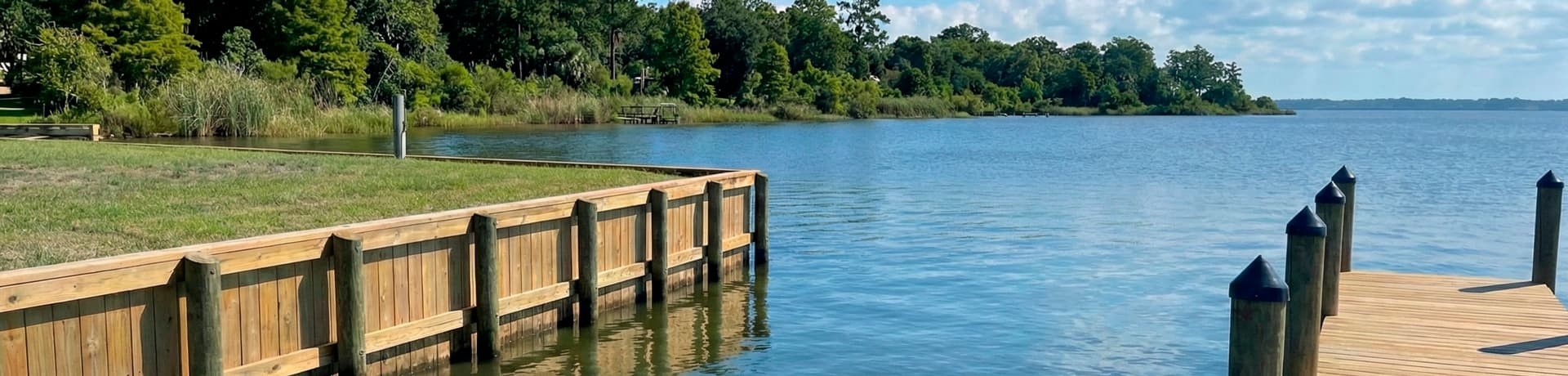
A seawall helps defend shoreline edges by reducing wave impact and limiting erosion over time. In Alabama, seawalls are often used where waterfront exposure and changing conditions create steady shoreline pressure.
Shore Protect Team LLC provides seawall construction and repair in Alabama, with planning based on shoreline exposure, slope behavior, and site access. We focus on building a structure that stabilizes the bank and supports the land behind the wall.
Request a free consultation and share your shoreline photos. We will help plan a seawall project for your Alabama waterfront property.

labor and materials
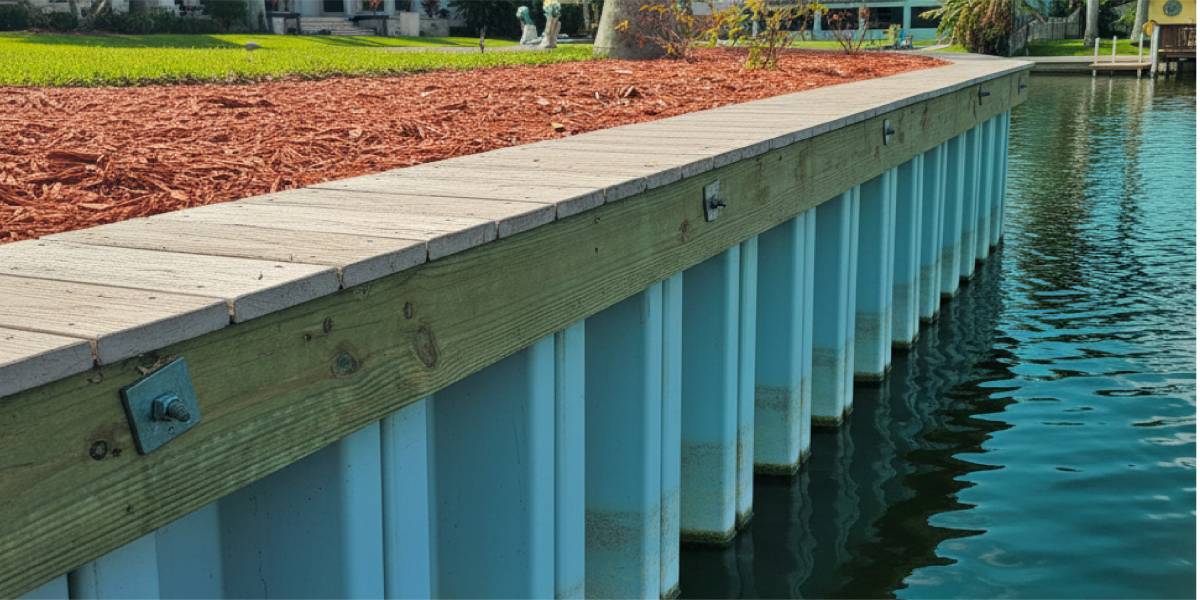
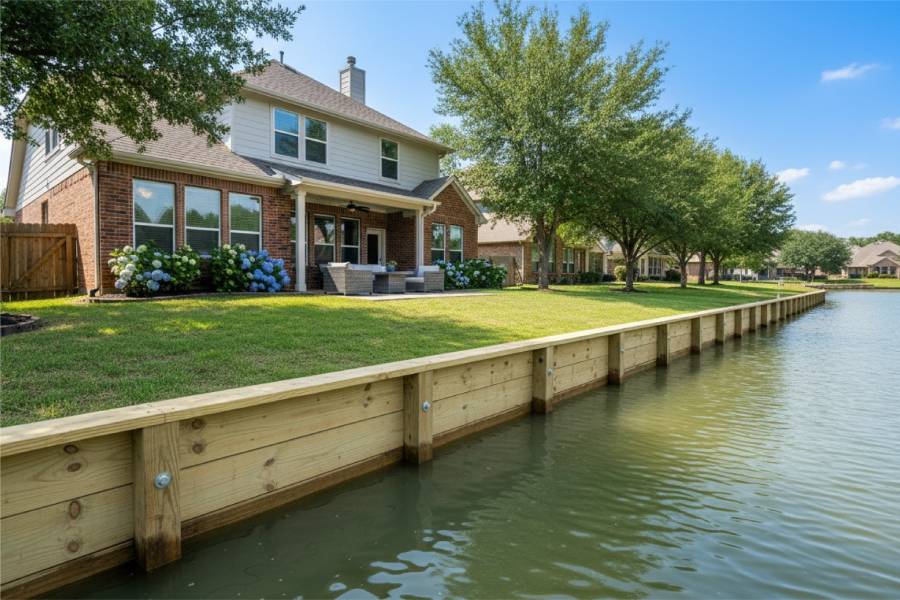
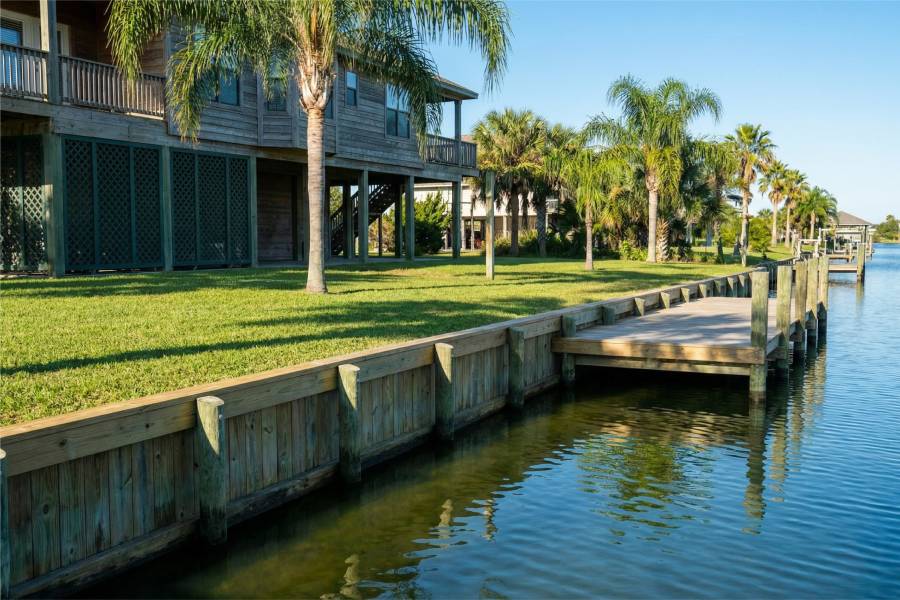
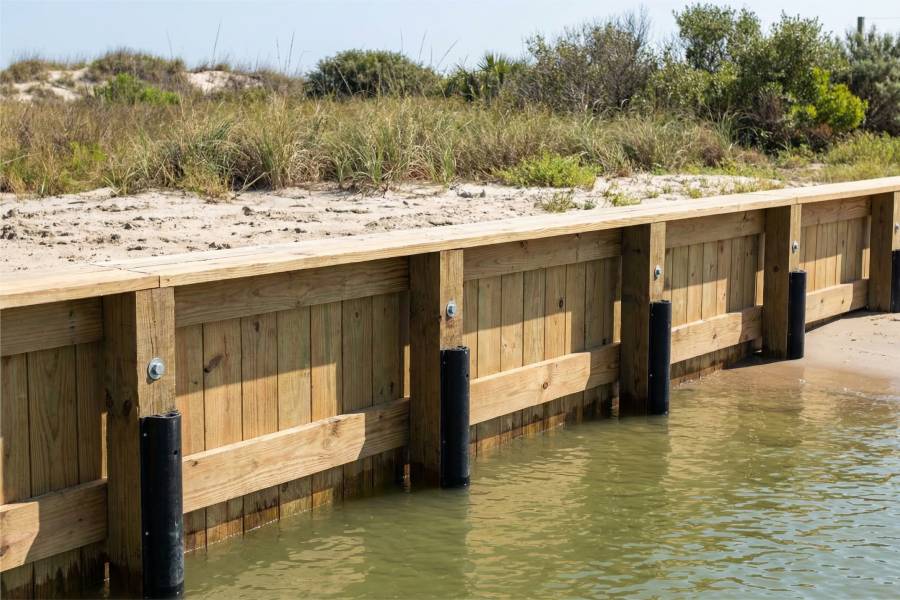
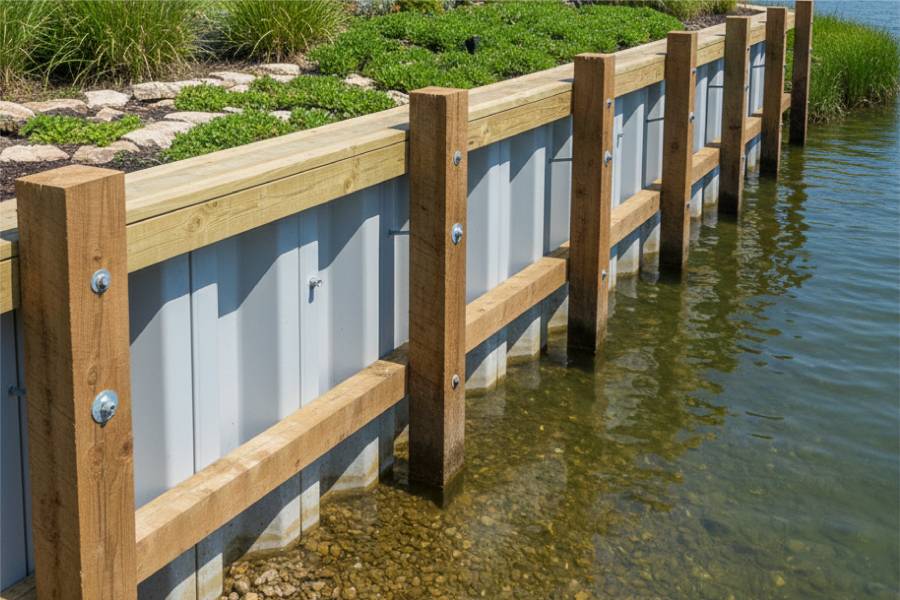
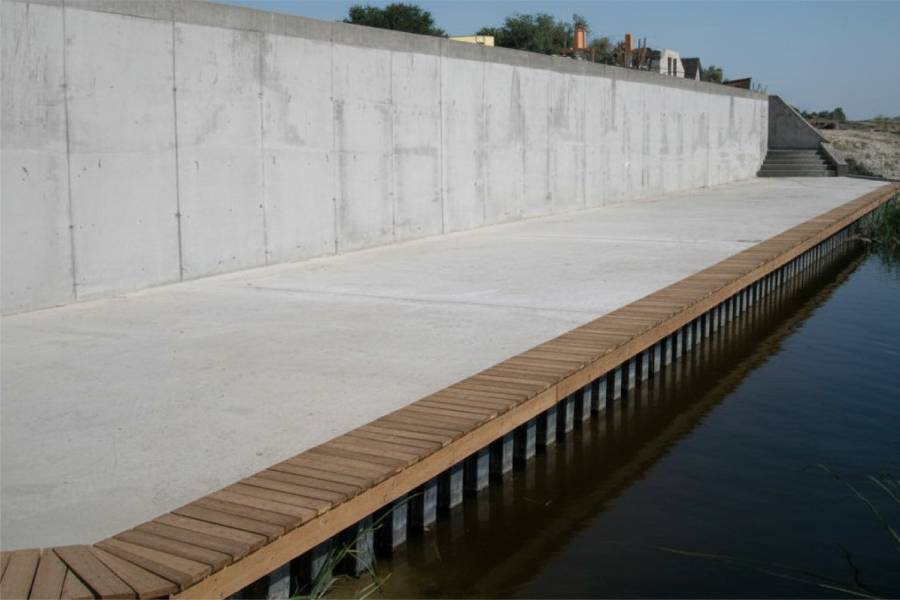
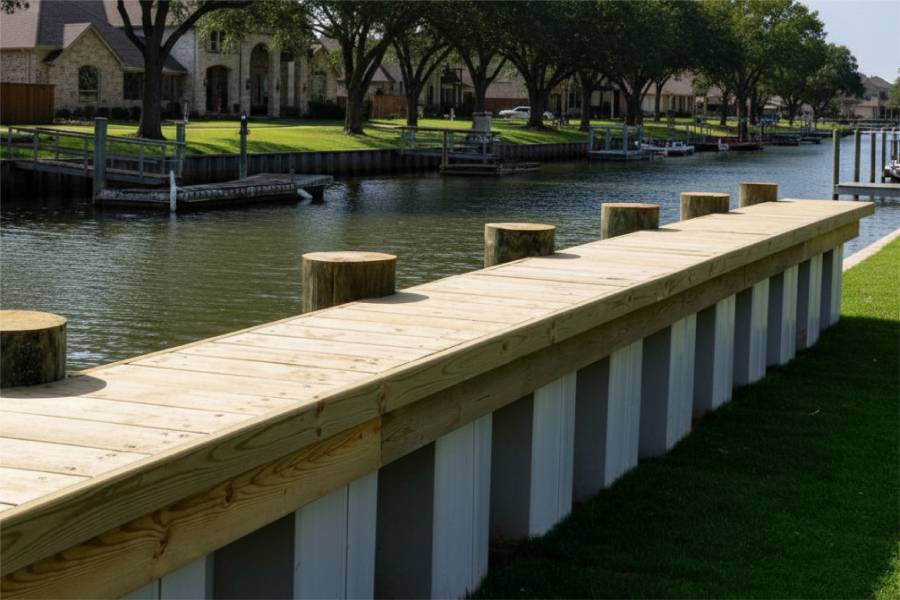
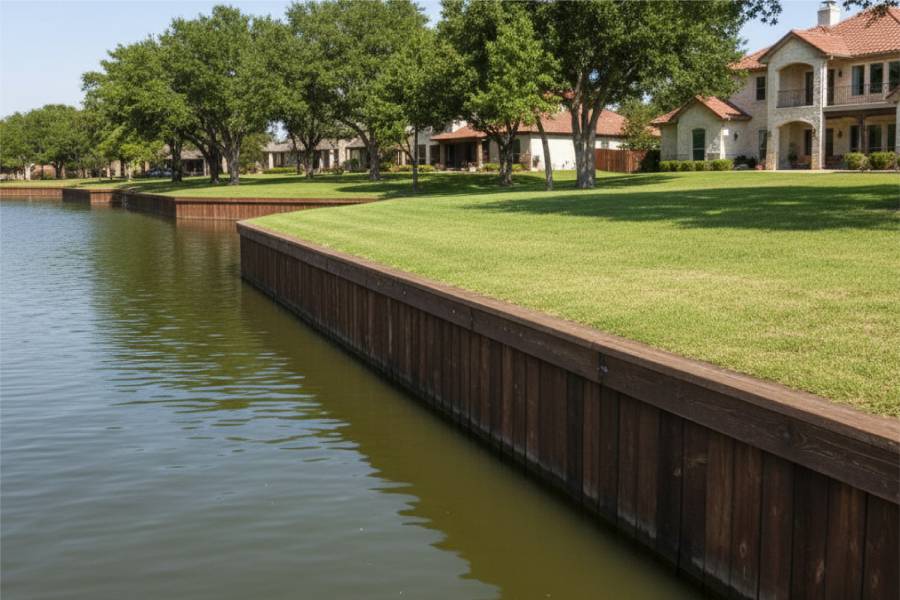
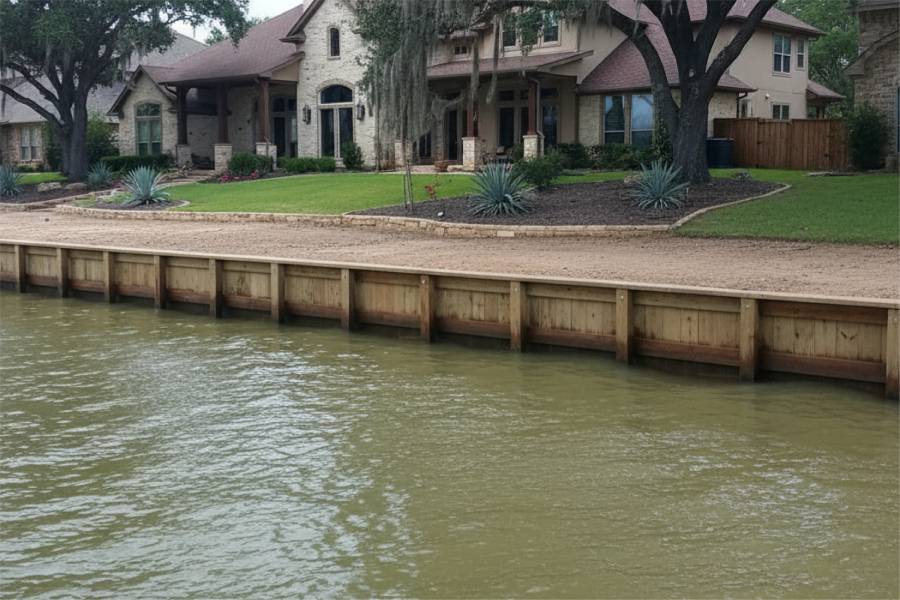
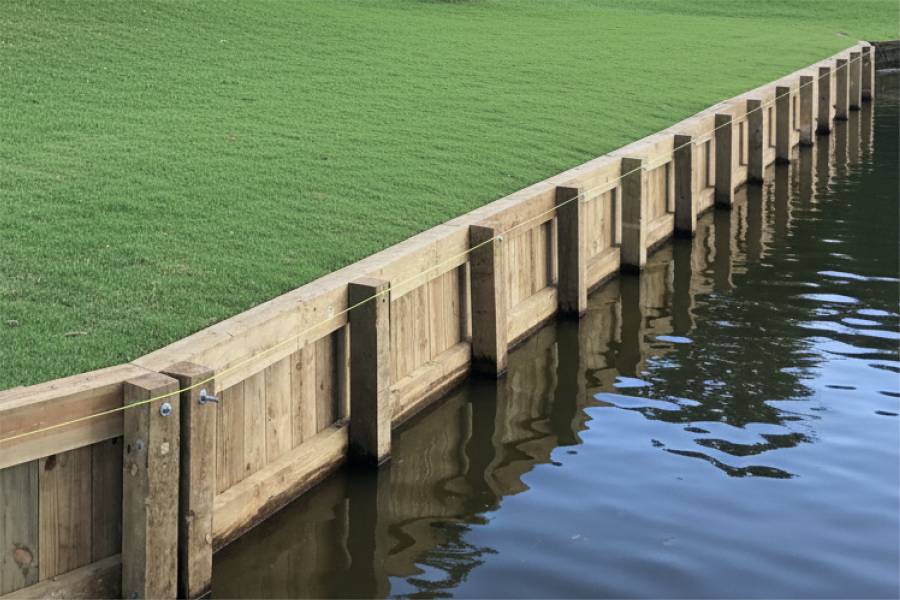
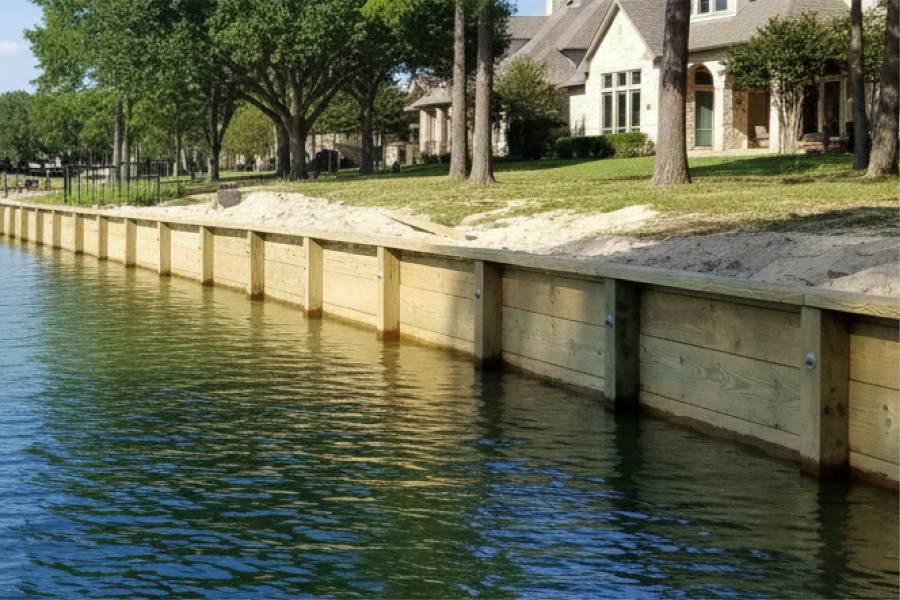
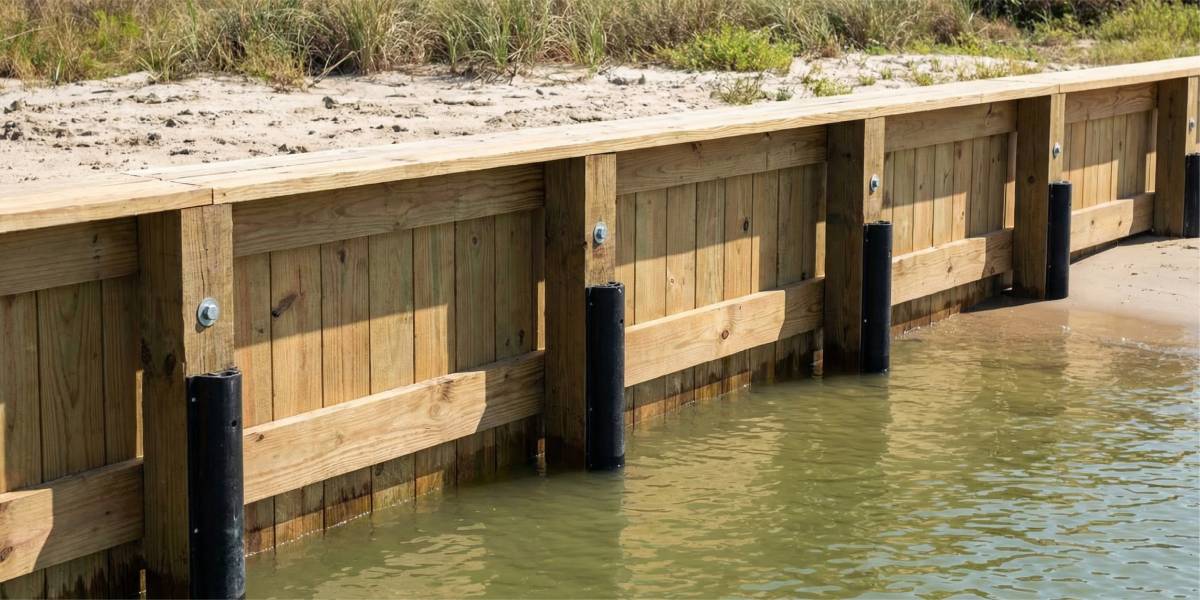
In Alabama, timber seawalls are often chosen for balanced cost and functional shoreline protection on many waterfront properties. Practical starting option for Alabama lake-front and protected bay shoreline properties.

labor and materials
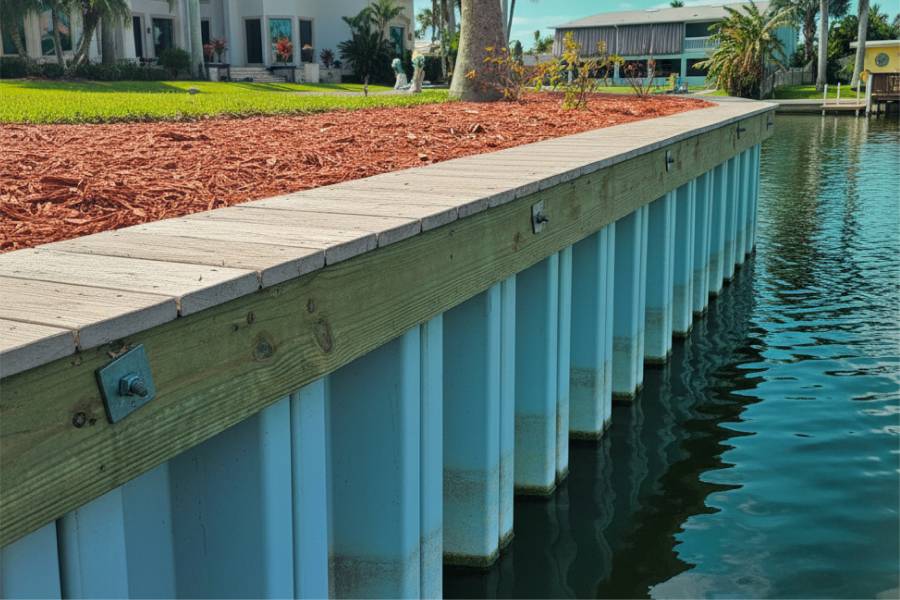
In Alabama, vinyl seawalls are a modern alternative designed for long-term shoreline defense and low upkeep. Durable low-upkeep seawall for Alabama coastal and inland waterfront properties.

labor and materials
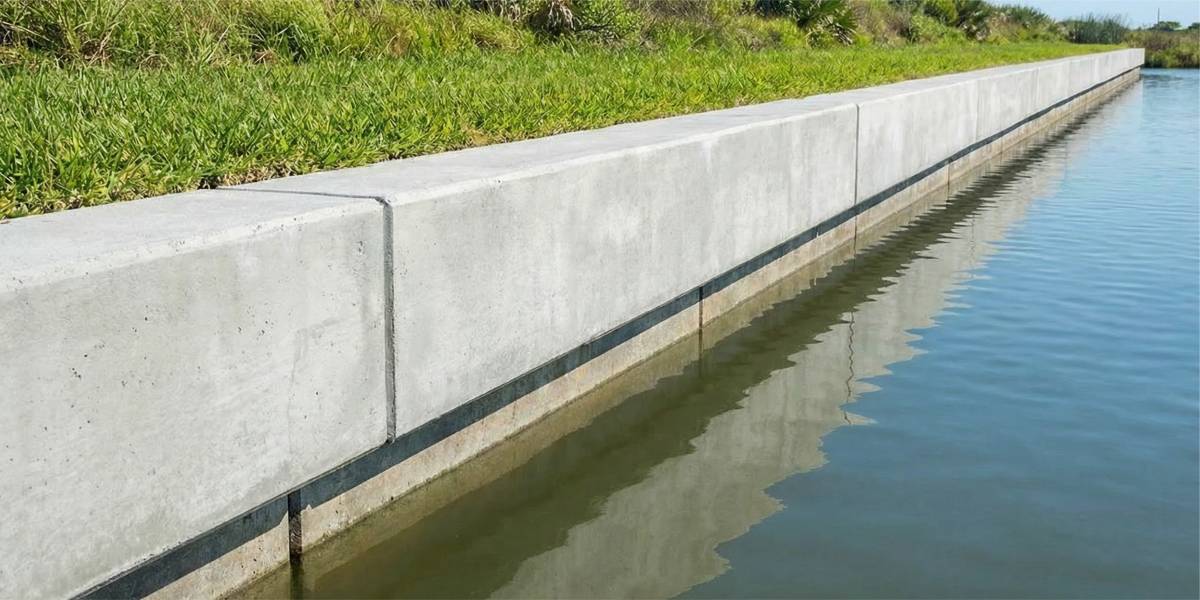
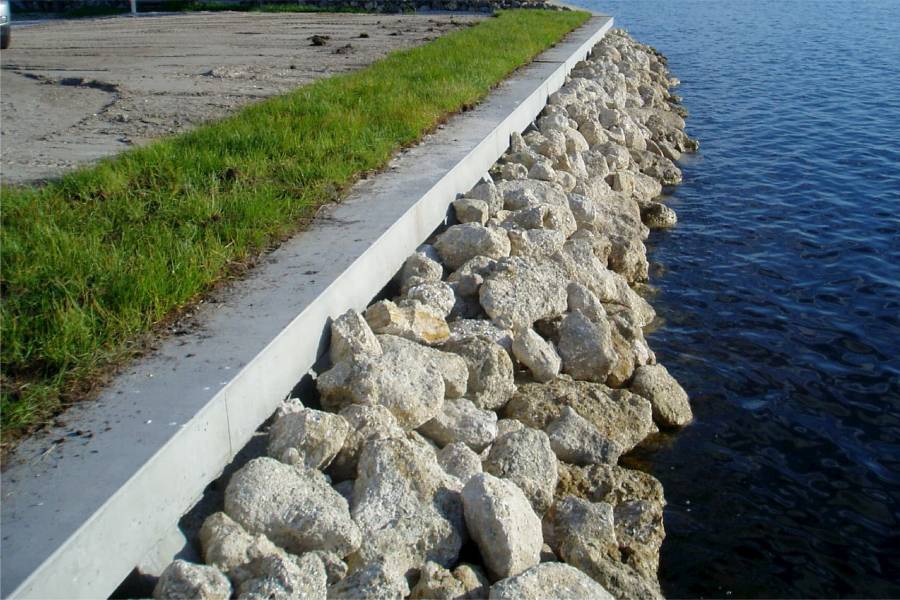
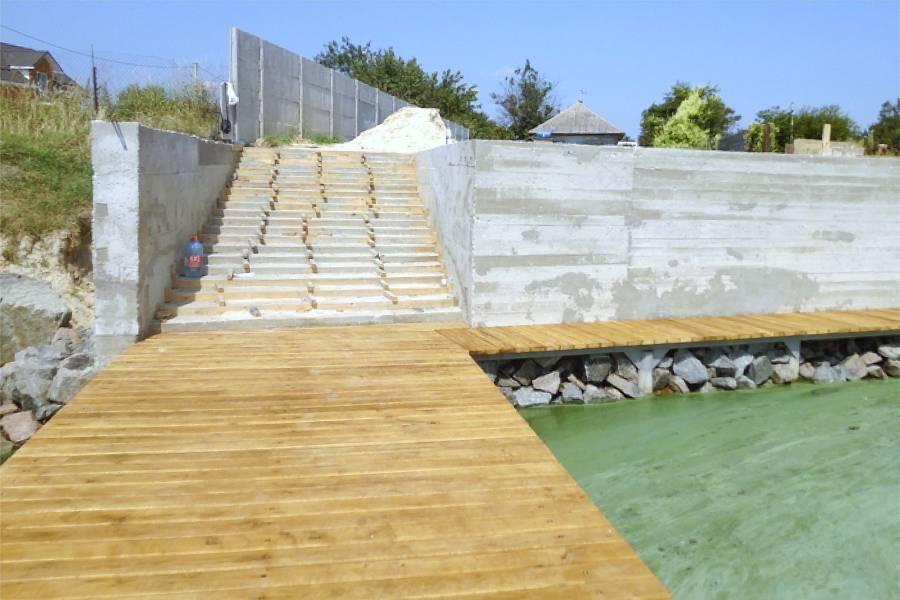
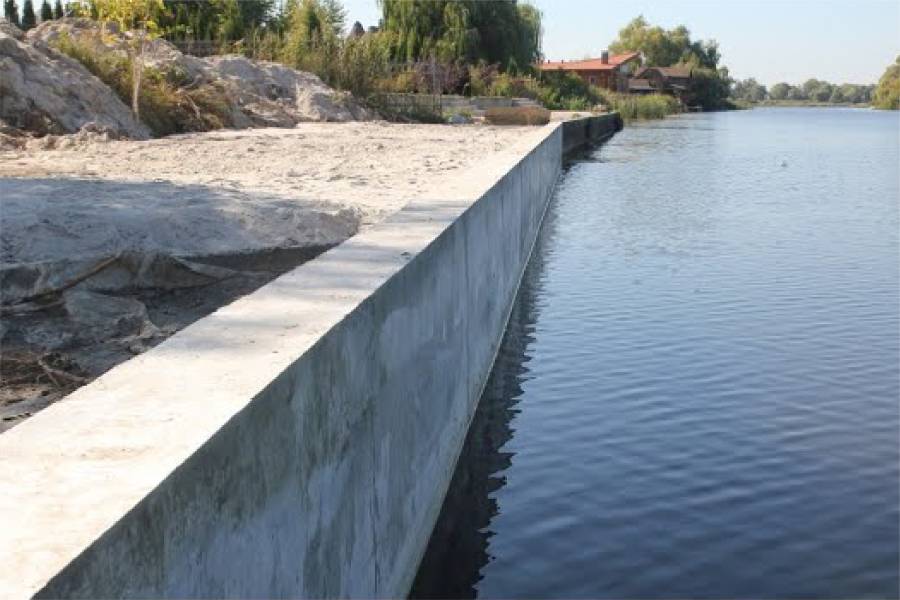
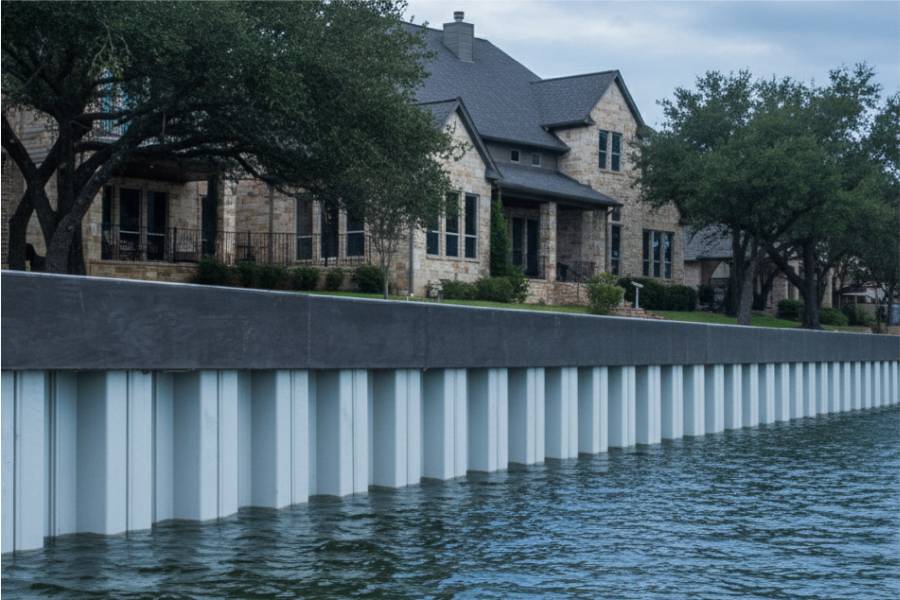
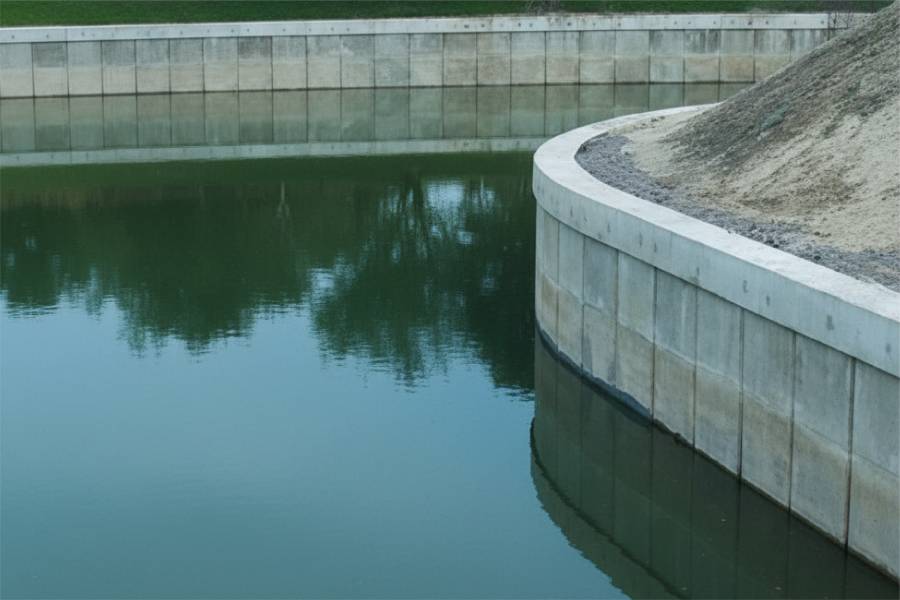
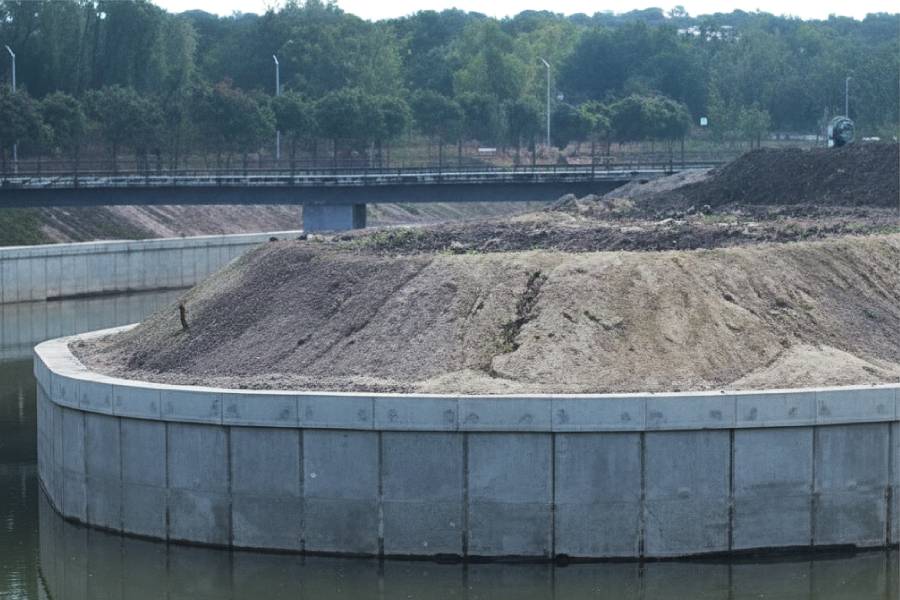
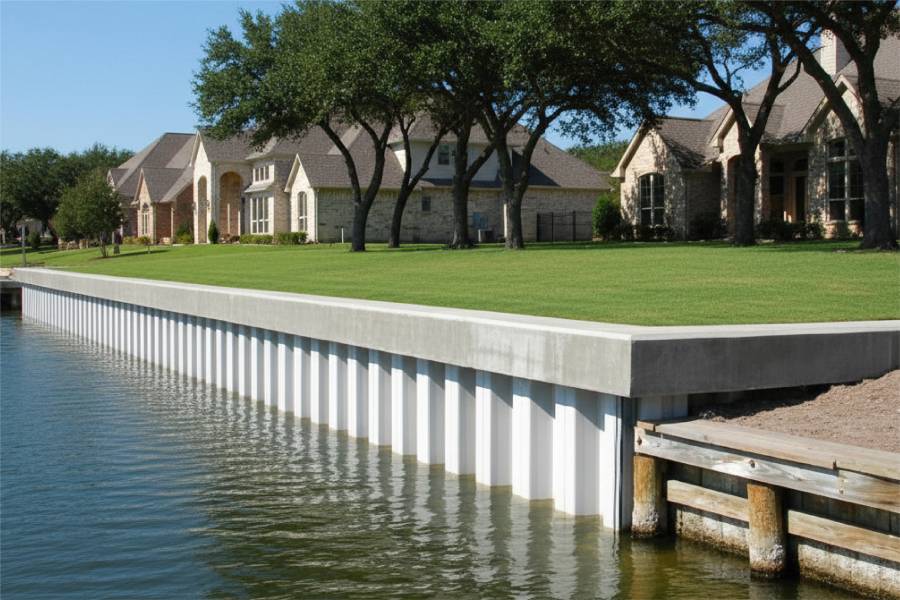
High-strength concrete seawalls in Alabama offer stable protection when you want a durable, long-term shoreline barrier. Maximum-strength protection for Alabama Gulf Coast and high-wave shoreline zones.

labor and materials
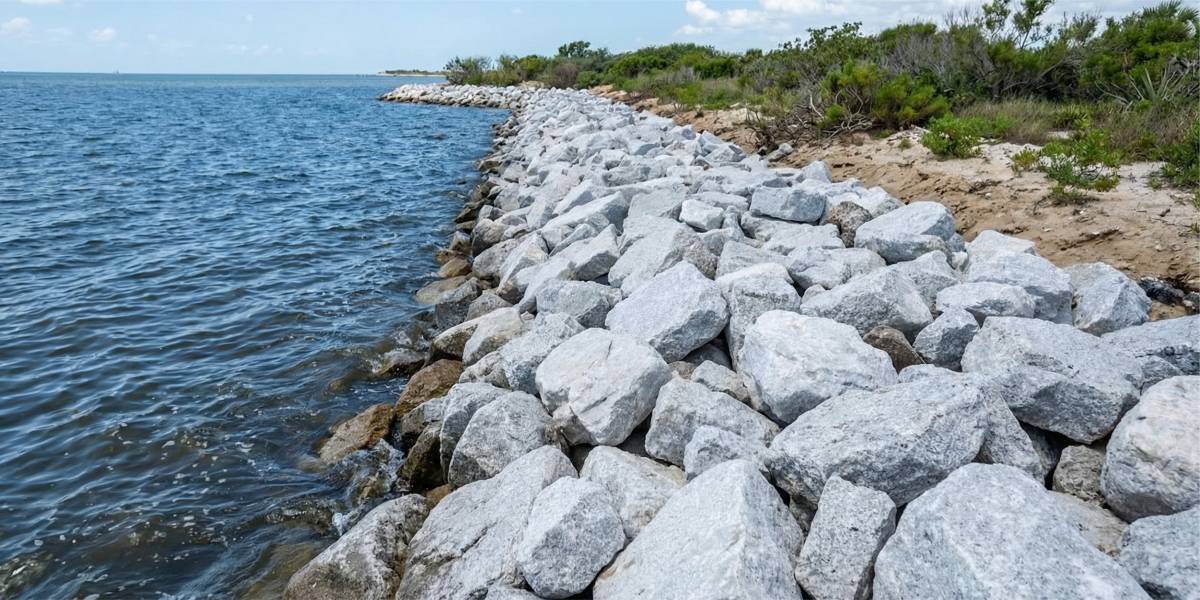
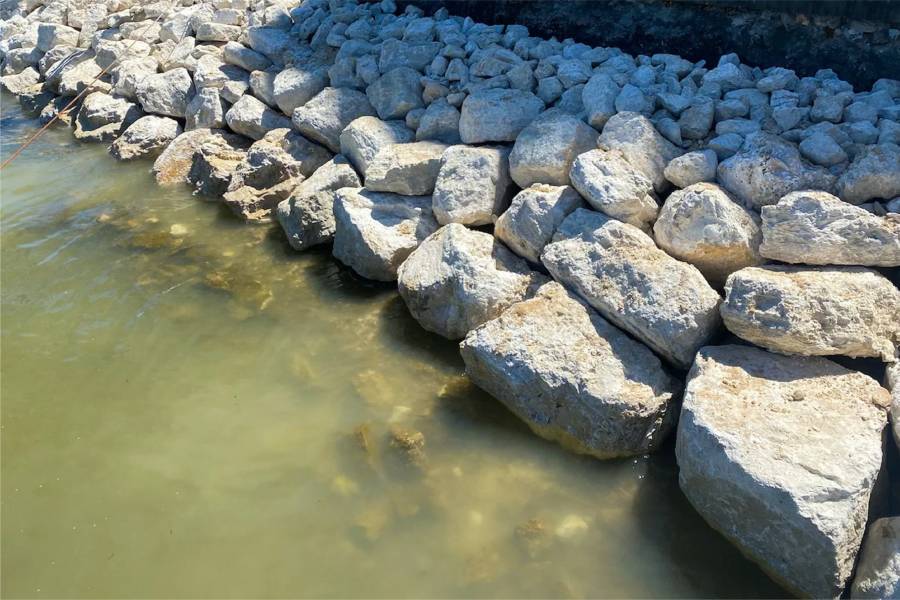
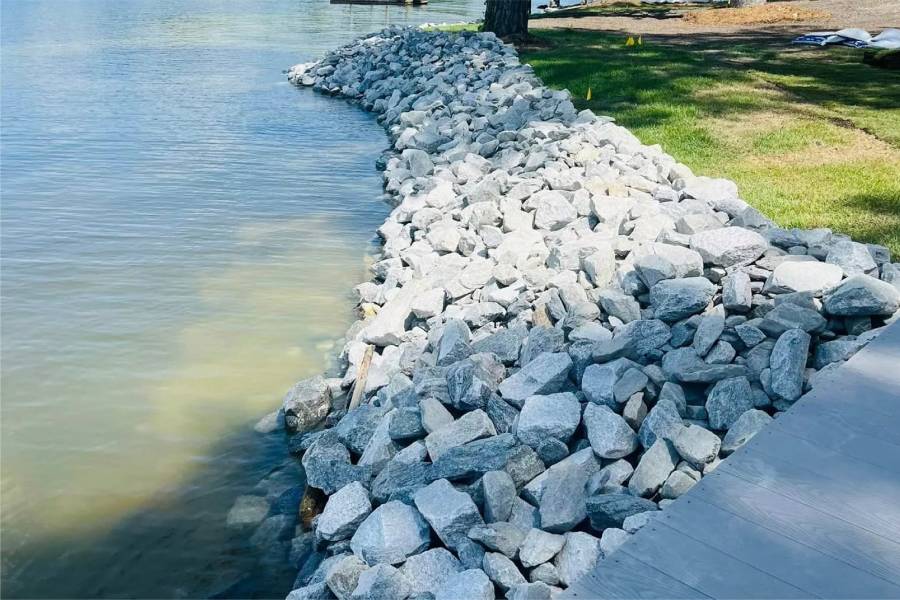
In Alabama, stone and boulder seawalls create durable shoreline reinforcement while keeping a natural waterfront appearance. Natural wave energy absorption on Alabama coastal and open lake-front sites.

labor and materials
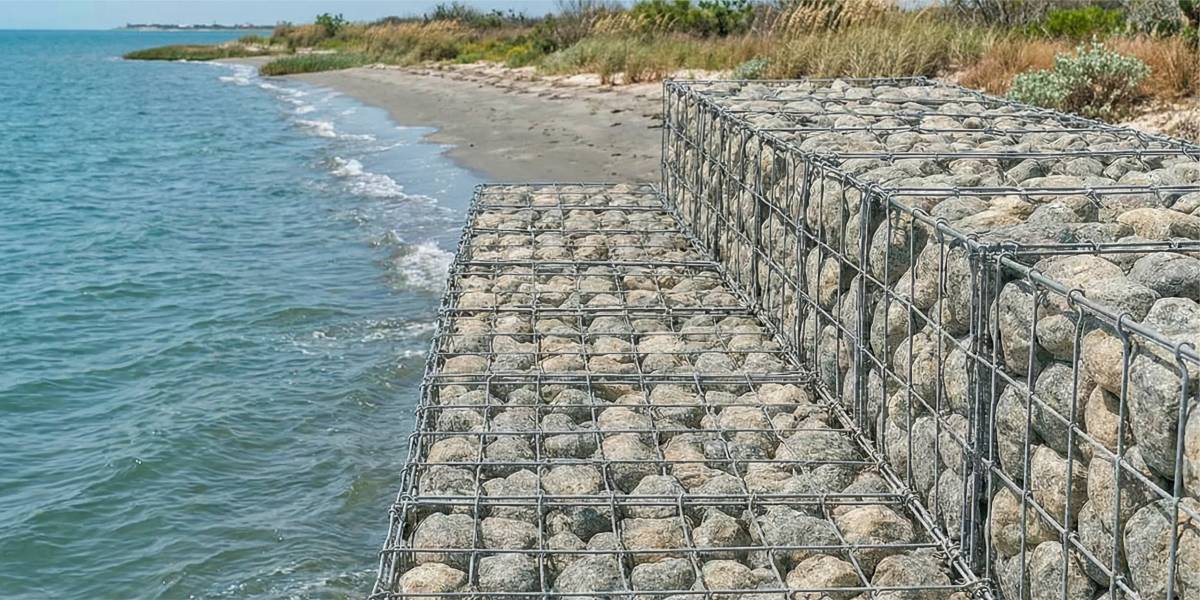
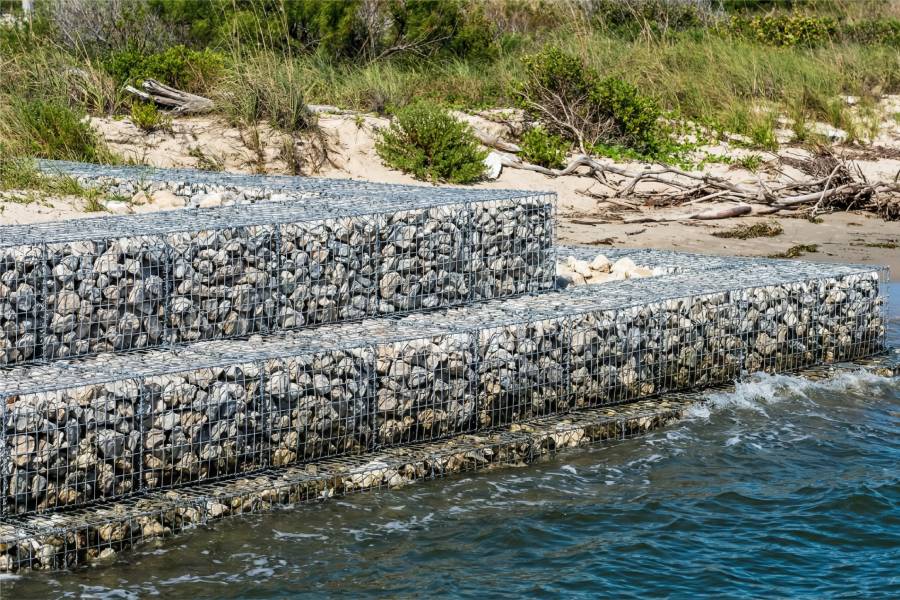
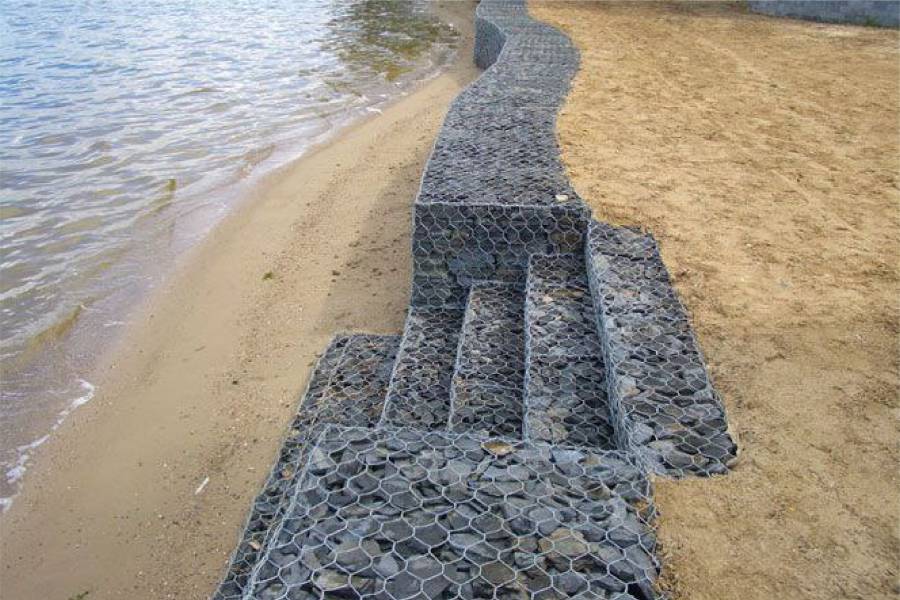
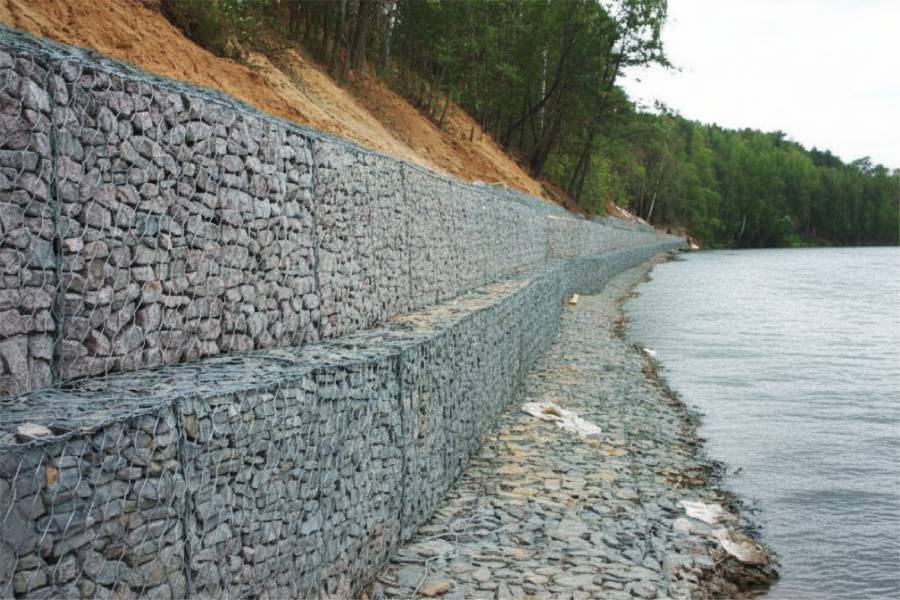
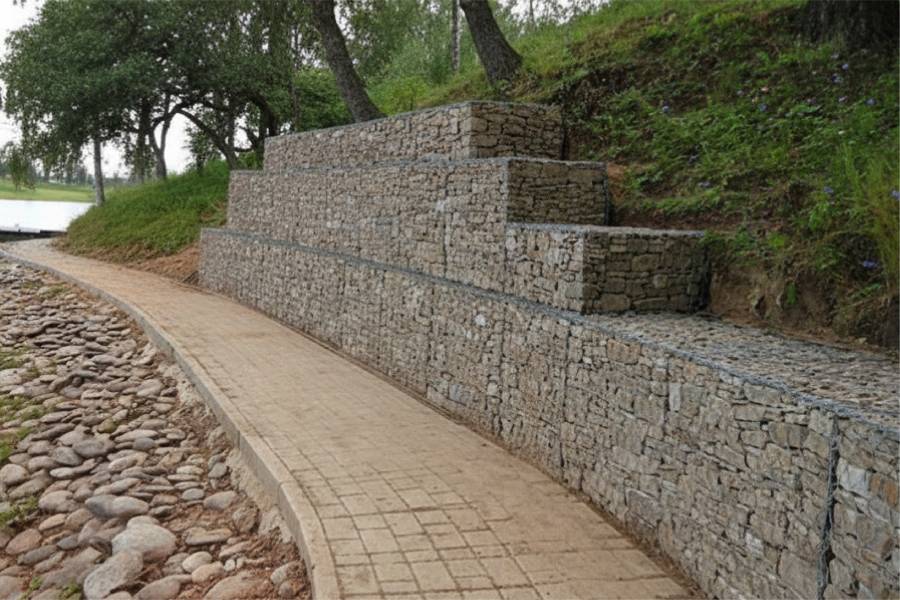
Gabion seawalls in Alabama combine stone fill with structural flexibility to help stabilize erosion-prone shoreline edges. Flexible erosion control on Alabama tidal shorelines and lake-edge properties.

labor and materials
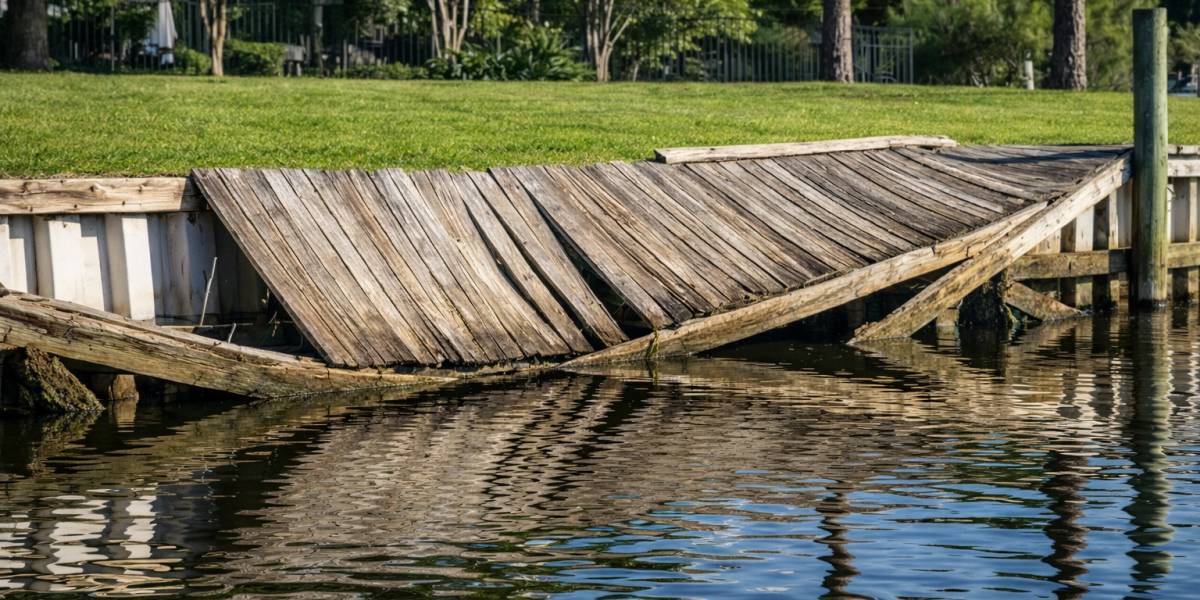
Seawall repair across Alabama: structural restoration and reinforcement work to keep shoreline protection functioning properly. Covers Alabama hurricane aftermath, Gulf Coast erosion, and storm wave damage repairs.
Browse our Alabama seawall projects showcasing shoreline protection work built to reduce wave-driven erosion and stabilize the shoreline edge for waterfront properties. Alabama waterfront sites include coastal-adjacent locations and inland lakes, where dependable access and shoreline protection depend on site conditions, exposure, and safe construction practices. This portfolio includes examples of seawall construction, seawall repair, and upgrade scopes that focus on shoreline stability, reliable land support behind the wall, and practical performance in real water conditions. Whether you need a new installation, targeted repairs, or reinforcement where an existing wall shows erosion, settlement, or movement, these projects illustrate common layouts and finished outcomes. Send us your photos and Alabama location to ask a question or get a free cost estimate for your seawall project.


Seawall construction pricing in Alabama by material:
Wood seawalls: from $150 per linear foot. Economical protection for moderate-wave environments on Alabama's inland water bodies.
Vinyl seawalls: from $200 per linear foot. Corrosion-resistant and UV-stable — excellent choice for Alabama's Mobile Bay coastal and inland lake environment.
Concrete seawalls: from $300 per linear foot. Monolithic reinforced walls providing maximum strength against hurricane impacts, saltwater corrosion at Mobile Bay, and diverse soil conditions across lake regions.
Stone seawalls: from $150 per linear foot. Natural boulders that absorb wave energy with minimal environmental disruption.
Gabion seawalls: from $250 per linear foot. Rock-filled wire cages offering flexible, drainage-friendly protection along Alabama's varied shorelines.
Seawall repair: from $120 per linear foot. Restoration of damaged panels, anchor systems, and toe protection.
While the terms are often used interchangeably, there are functional differences relevant to Alabama waterfront projects:
Seawalls are designed primarily to resist wave action and protect against erosion from open water — critical in Alabama's coastal zones along Mobile Bay saltwater, coastal zones, and freshwater lakes.
Bulkheads focus more on retaining soil behind the wall with secondary wave protection. More common on calmer inland Alabama lake and river properties.
In practice, Alabama property owners near Mobile Bay, Mobile, Daphne, Fairhope, Orange Beach, Gulf Shores, Lake Martin, Guntersville Lake, Smith Lake, Birmingham, Montgomery often need structures that serve both functions. Shore Protect Team engineers the right solution for your specific site and exposure level.
The right choice depends on where in Alabama your property is located:
Concrete is the top recommendation for Gulf-exposed or high-wave coastal areas in Alabama. It withstands hurricane impacts, saltwater corrosion at Mobile Bay, and diverse soil conditions across lake regions better than any other material and requires the least long-term maintenance.
Vinyl performs excellently across most Alabama environments — resistant to UV, corrosion, and saltwater. Ideal for both coastal and freshwater applications.
Stone and gabion are natural-looking solutions that work well along Alabama lake shores and river banks where wave energy is moderate.
Wood is a cost-effective option for sheltered freshwater sites in Alabama away from storm surge zones.
Key cost drivers for seawall projects across Alabama: Material — wood and stone from $150/ft, vinyl from $200/ft, gabion from $250/ft, concrete from $300/ft. Alabama Gulf Coast seawall design must account for hurricane surge and Mobile Bay tidal cycles; TVA lake seawalls handle regulated pool fluctuations. Wall height and embedment depth: deeper embedment in Alabama's soil conditions adds to material and labor costs. Access conditions at your specific Alabama location also affect pricing. Shore Protect Team provides site-specific estimates after evaluation.
Seawall longevity in Alabama varies by material and exposure to Mobile Bay coastal and inland lake environment:
Wood: 20–35 years on Alabama freshwater sites; shorter without treatment in saltwater zones.
Vinyl: 40–50 years across most Alabama environments — resists hurricane impacts, saltwater corrosion at Mobile Bay, and diverse soil conditions across lake regions without paint or sealing.
Concrete: 50–75+ years. The most durable choice for Alabama's coastal areas exposed to storm surge and wave impact.
Stone and gabion: 30–60 years. Regular inspection of wire cages is advised after Alabama's storm events.
Repair (from $120/ft) is appropriate when: isolated panel cracking, minor anchor loosening, localized scour at the wall toe, or surface deterioration on otherwise structurally sound Alabama seawalls.
Replacement is necessary when: major structural failure, widespread bowing, repeated storm breaches in the same sections, or end-of-life materials that can no longer be effectively patched.
Shore Protect Team provides post-storm assessments throughout Mobile Bay, Mobile, Daphne, Fairhope, Orange Beach, Gulf Shores, Lake Martin, Guntersville Lake, Smith Lake, Birmingham, Montgomery and across Alabama to determine the most cost-effective path forward.
Shore Protect Team LLC provides seawall construction, repair, and maintenance services across Alabama, including Mobile Bay, Mobile, Daphne, Fairhope, Orange Beach, Gulf Shores, Lake Martin, Guntersville Lake, Smith Lake, Birmingham, Montgomery.
We serve residential homeowners, commercial property managers, marina operators, and municipal clients dealing with Alabama's varied Mobile Bay coastal and inland lake environment conditions. Contact us for a free on-site evaluation.
Yes. Alabama coastal seawalls require ADEM permits; Mobile Bay and Gulf Shore structures below Mean High Water need Army Corps Section 10 permits. Requirements vary by water body type and proximity to navigable water or wetlands. Unauthorized seawall construction on Alabama waterways can result in removal orders and fines. Shore Protect Team manages permit coordination for all seawall clients across Alabama — we handle the paperwork so construction can proceed without delays.
Our seawall work in Alabama covers new seawall construction, panel replacement, toe repair, drainage restoration, and cap work. The process starts with a review of your Mobile Bay and coastal inlet properties site to confirm scope and select materials suited to tidal influence near Mobile Bay and TVA reservoir drawdown cycles.
We handle seawall permits coordination with ADEM and Army Corps of Engineers where required, plus material procurement, installation, and site cleanup. If your project combines new construction and repair of an existing seawall, we assess both in the same visit.
To get started, send us your Alabama property address, a description of the seawall project, and photos of the wave-facing side, any visible undercutting or toe erosion, and the top cap. Detailed photos help us assess scope without an immediate site visit.
We review the information and provide a free preliminary estimate for your Mobile Bay and coastal inlet properties property. For larger projects near Lake Martin, we may recommend an on-site assessment before finalizing scope and price.
Seawall repairs typically take 3–5 days. New seawall construction may run 2–4 weeks based on panel count.
In Alabama, tidal scheduling in Mobile Bay and drawdown windows on TVA reservoirs can affect the start date. We plan around these conditions and provide a specific timeline once we review your site details. For seawall projects, we factor in tidal windows and wave conditions that affect panel installation.