labor and materials
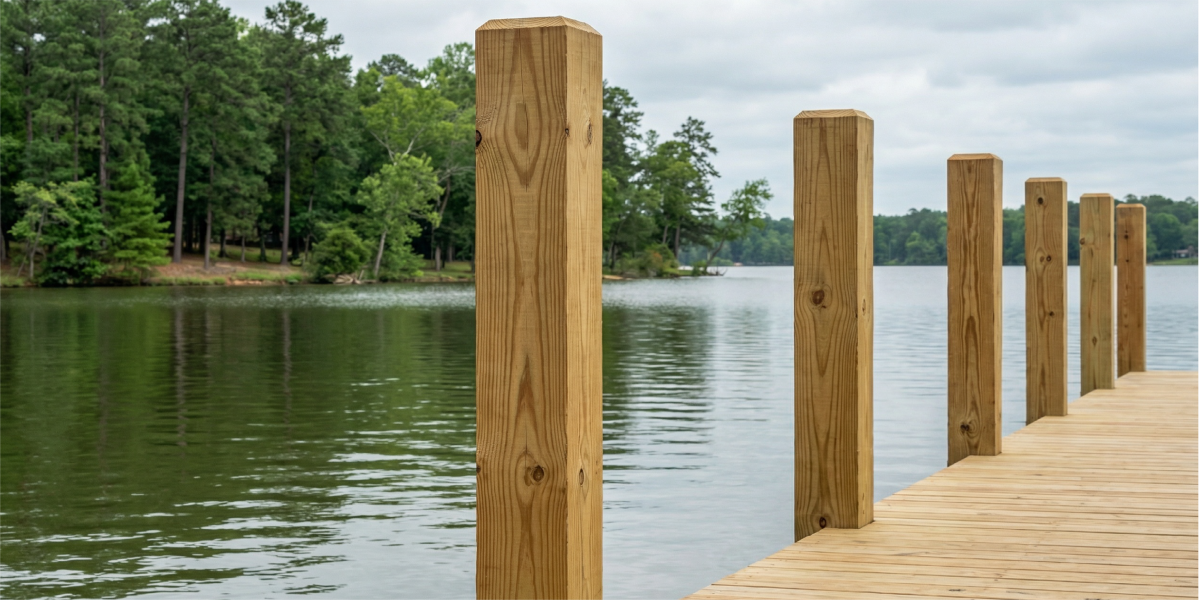
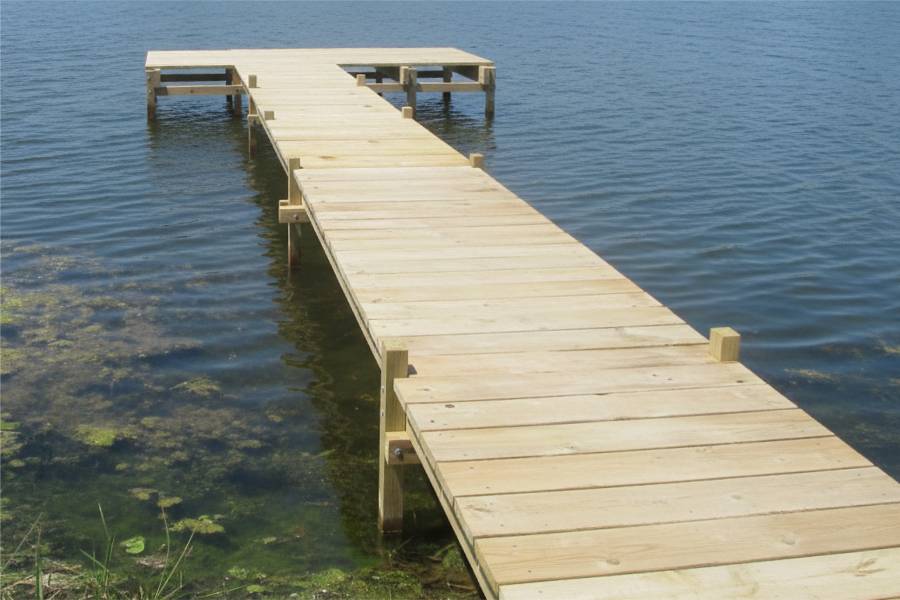
For natural, reliable, and durable support of waterfront structures. Eco-friendly material, high resistance in aquatic environments, and harmonious appearance for any waterfront project

labor and materials
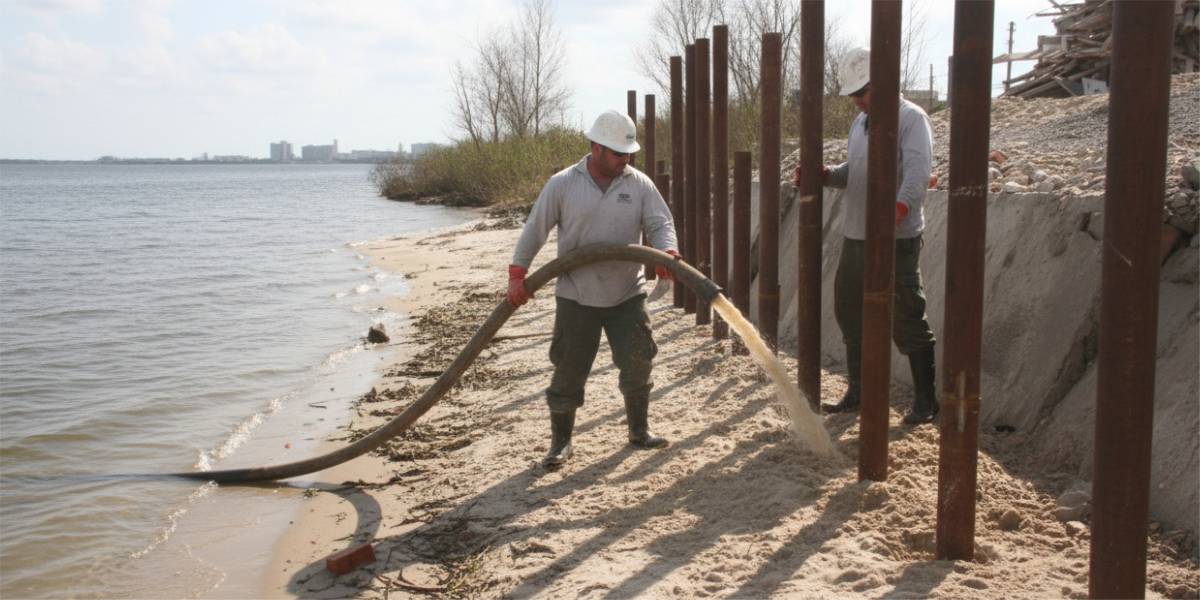
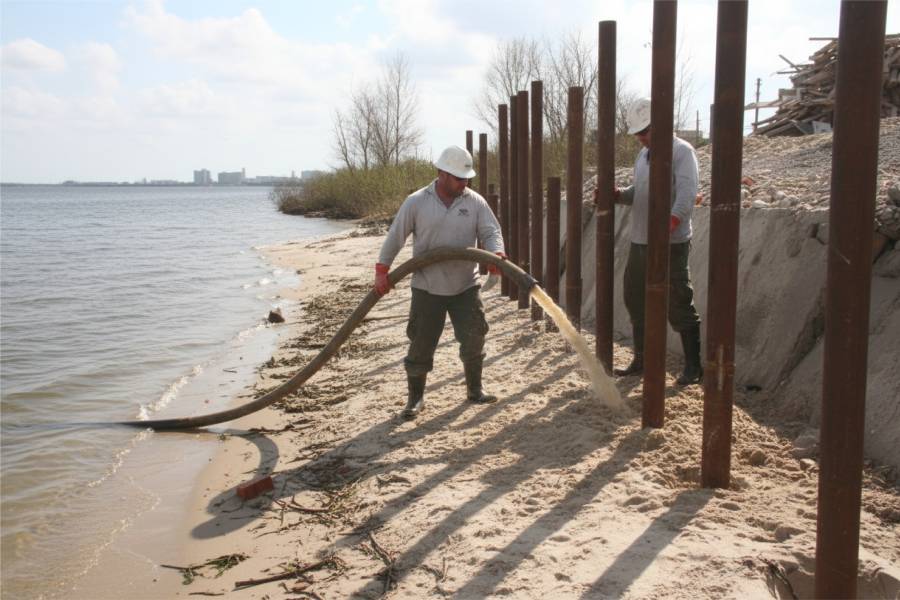
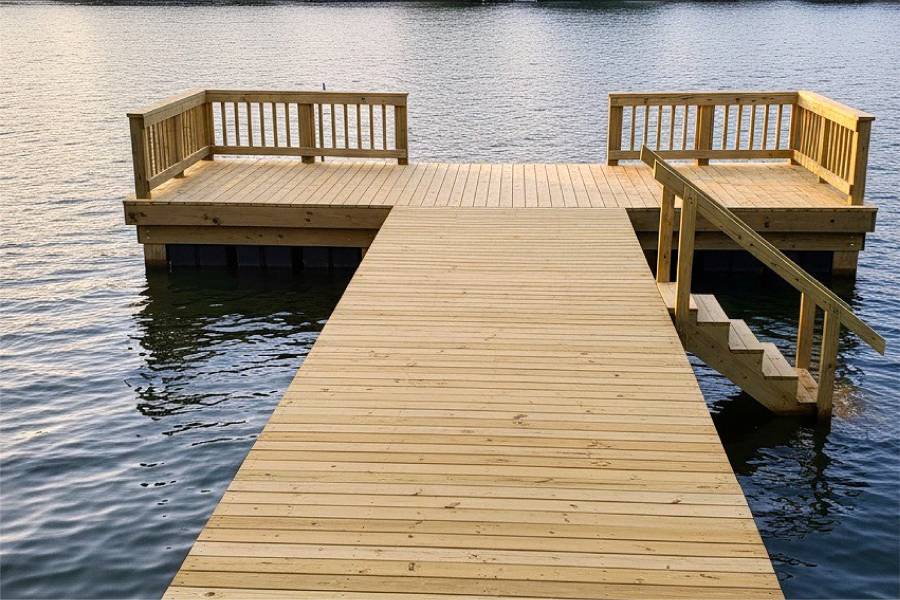
For reliable support of any waterfront structures. Pilings provide high strength, corrosion resistance, and durability even in challenging soils and high water levels
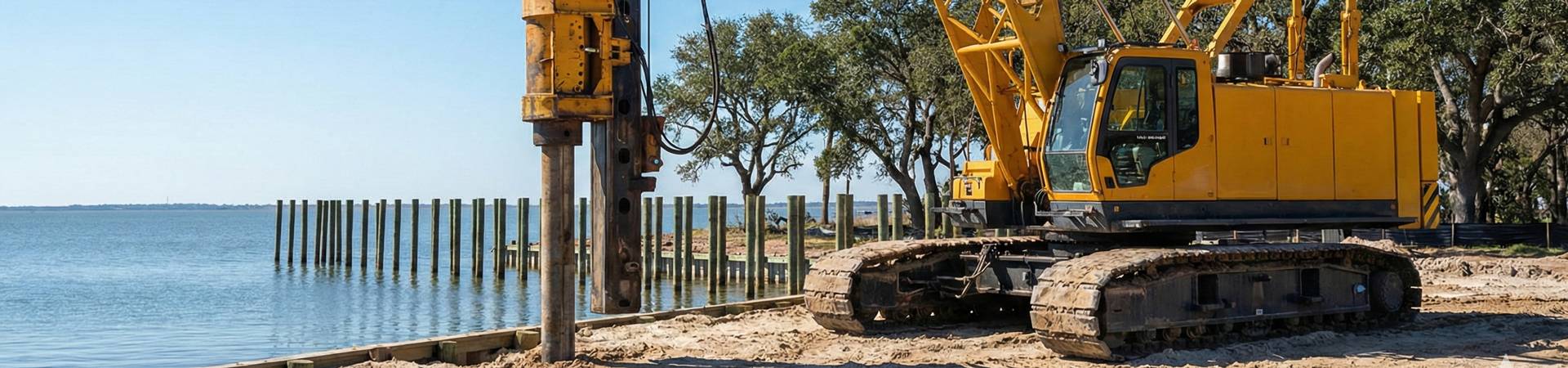
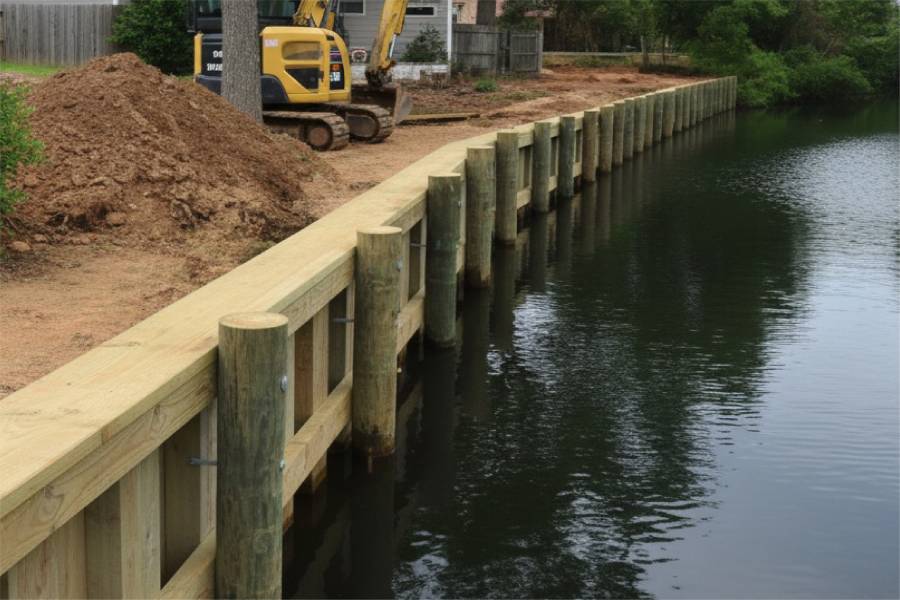
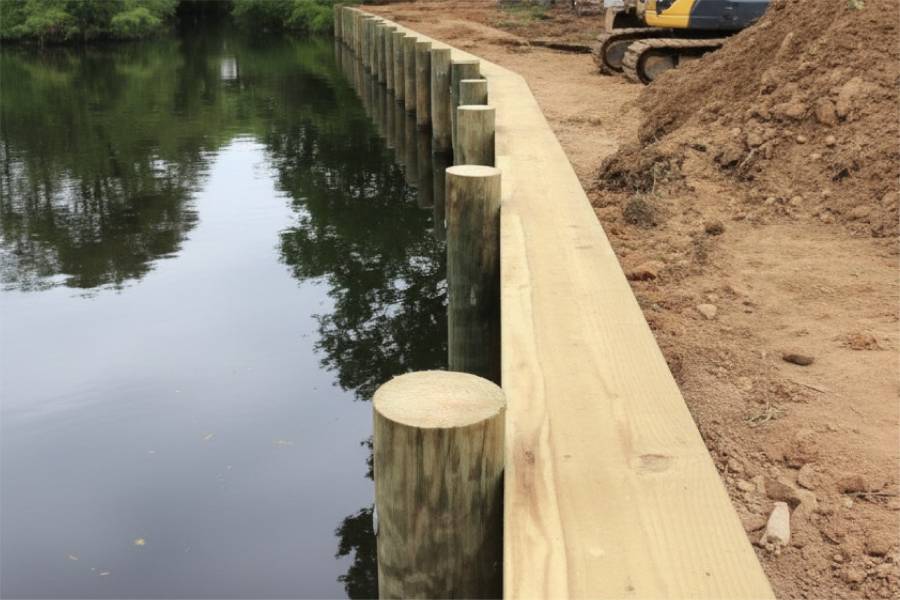
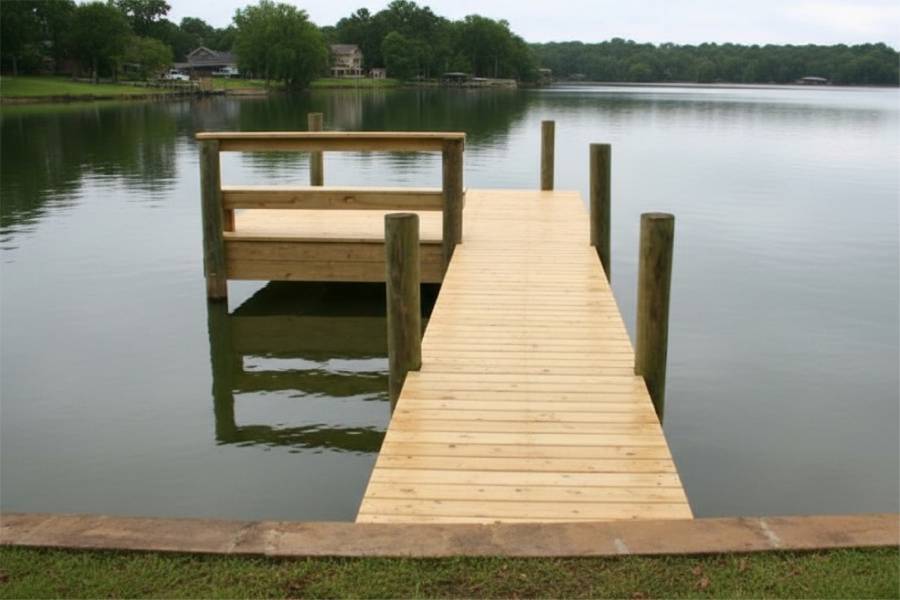
View the gallery of completed projects where pile installation is the foundation of reliable waterfront structures. Among completed work are projects with wood, steel, concrete, and helical piles for piers, docks, bulkheads, and commercial marinas. As specialists with professional equipment, we drive piles to proper depth considering soil type, ensuring load-bearing capacity and durability of the entire structure. Whether you're planning new structure construction, need installation cost estimate, or old pile extraction - our portfolio confirms the precision and quality of work that creates a solid foundation for waterfront properties on lakes, rivers, and waterfront areas in Texas, Louisiana, Oklahoma, Arkansas, Mississippi, and Alabama.


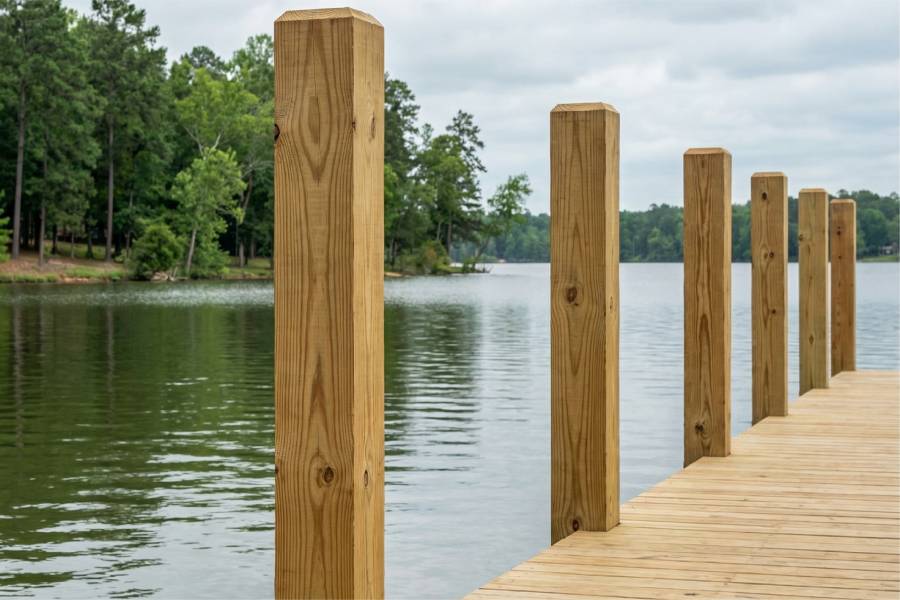
Wood piles: From $150 per linear foot. Treated timber piles for natural, reliable, and durable support of waterfront structures. Eco-friendly material with high stability in aquatic environment and harmonious appearance.
Steel H-piles: From $150 per linear foot. Steel piles for structures requiring maximum load-bearing capacity. Used for heavy piers and commercial marinas.
Helical piles: From $150 per linear foot. Screwed into ground without impact loads. Optimal for sensitive soils and sites where impact methods cannot be used.
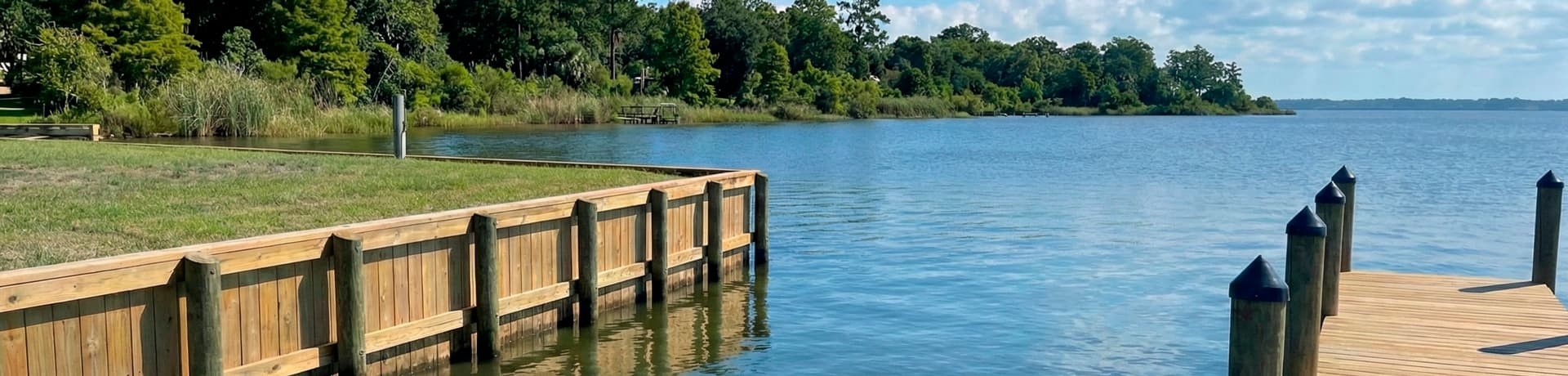
Concrete supports: From $150 per linear foot. Concrete piles for maximum strength and durability. Applied in coastal areas with aggressive environment.
Wood piles: Optimal for private piers and docks on freshwater lakes and rivers. Eco-friendly, blend harmoniously into natural landscape. High stability in aquatic environment with proper treatment.
Steel H-piles: Necessary for high-load structures — commercial marinas, heavy boat lifts, shoreline reinforcements. Maximum load-bearing capacity in all soils.

Helical piles: Ideal for sites with sensitive soils or proximity to existing structures. Screwed in without vibration and impacts, don't damage surrounding structures.
Concrete supports: Essential in Gulf Coast saltwater areas. Resistant to corrosion and aggressive environment. Maximum durability for bulkheads and seawalls.
Pile type: Base cost from $150 per piece for all pile types. Difference in soil characteristics and installation method.
Soil characteristics: Sandy and silty soils are easier for driving. Clay soils require more effort. Bedrock requires pre-drilling which increases work time.
Penetration depth: Linear feet determine cost. Shallow water bodies require 8-12 foot piles. Deep coastal areas need 15-20+ foot piles to reach bearing layer.
Soil bearing capacity: Weak soils require deeper pile penetration to ensure reliability. Dense soils allow shorter piles.
Structure load: Light private piers require fewer piles. Heavy commercial marinas and large boat lifts need more supports.
Installation method: Hydraulic hammers are faster for standard soils. Vibro-drivers are more effective in dense soils. Drilling rigs are necessary for bedrock — this is more expensive.
Site accessibility: Working from shore is cheaper. Installation from water requires barges and pontoons which increases cost by 30-40%.
Water body depth: Shallow water allows working while standing in water. Deep areas require special equipment and increase work complexity.
Pile quantity: Large projects with many piles may receive per-foot discount due to equipment mobilization savings.
Shore Protect Team LLC performs professional pile driving across six U.S. states on all types of water bodies — from shallow lakes to deep coastal areas.
Texas: Lake areas — Lake Conroe, Lake Houston, Lake Livingston, Cedar Creek Lake (pile installation for private piers and docks). Greater Houston Area — Clear Lake, Kemah, Seabrook, Nassau Bay (piles for commercial marinas and boat lifts). Gulf Coast waterfront areas — Galveston Bay, Galveston Island, Freeport, Port Aransas (concrete supports for saltwater shoreline reinforcements). River areas — Trinity River, San Jacinto River. Cities — Houston metro, Katy, Sugar Land, Missouri City, Pearland, Baytown.
Louisiana: Lake Pontchartrain — Mandeville, Slidell (pile installation in silty soils). New Orleans metro, Baton Rouge. Gulf Coast waterfront areas — piles for bulkheads and seawalls in aggressive saltwater environment. Lafayette, Lake Charles. We work with various soil types — sand, clay, silt.
Oklahoma: Lake areas — Lake Texoma, Grand Lake o' the Cherokees, Lake Eufaula (wood piles for private piers). Oklahoma City, Tulsa area. Specialization in pile installation in sandy and clay soils.
Arkansas: Lake Ouachita, Lake Hamilton, Hot Springs area (piles for lake docks and piers). Little Rock region. River areas requiring pile installation in various soil conditions.
Mississippi: Gulf Coast waterfront areas — Biloxi, Gulfport (steel H-piles and concrete supports for commercial projects). Jackson area. We work with bedrock and challenging soils.
Alabama: Mobile Bay and coastal areas — Mobile, Daphne, Fairhope, Orange Beach, Gulf Shores (concrete supports and steel H-piles for saltwater shoreline reinforcements, piles for commercial marinas). Lake areas — Lake Martin, Guntersville Lake, Smith Lake (wood piles for private piers and docks). Birmingham, Montgomery, Huntsville, Tuscaloosa. We work with various soil types.
We use professional equipment for pile driving and drilling in all soil types. We conduct preliminary bottom survey, determine soil bearing capacity, and calculate required penetration depth. We apply hydraulic hammers, vibro-drivers, and drilling rigs depending on site conditions. We ensure vertical installation accuracy within 1 degree. We install piles for private piers, commercial marinas, boat lifts, and shoreline reinforcements.