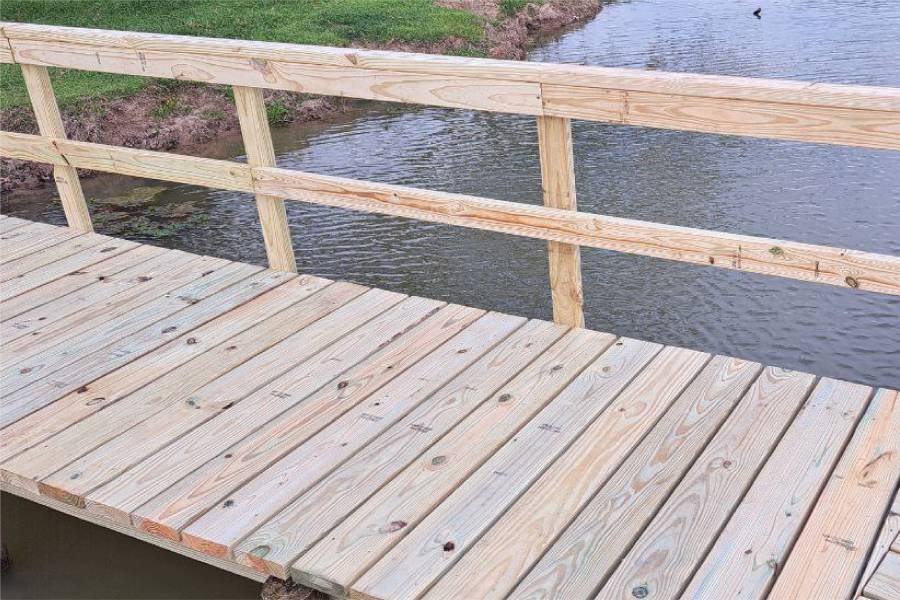
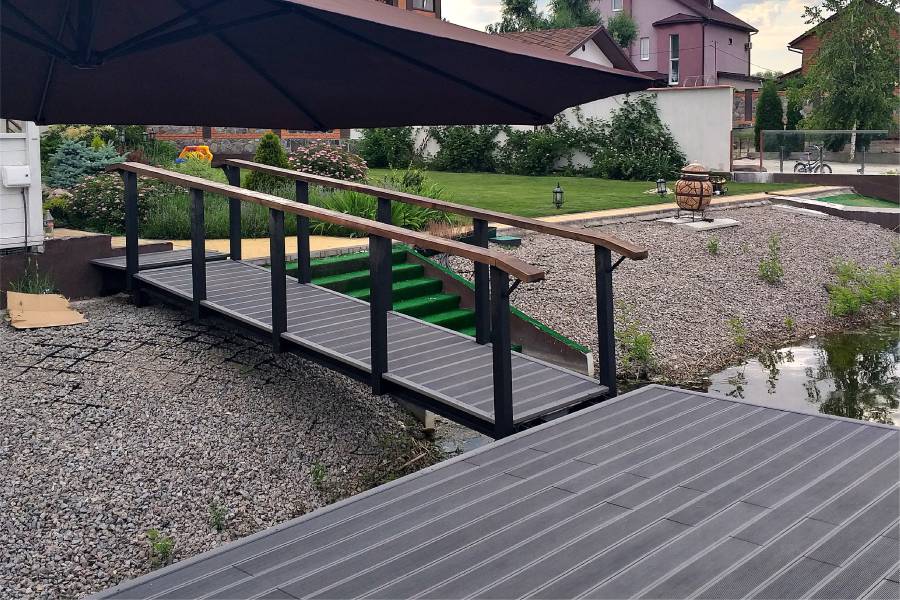
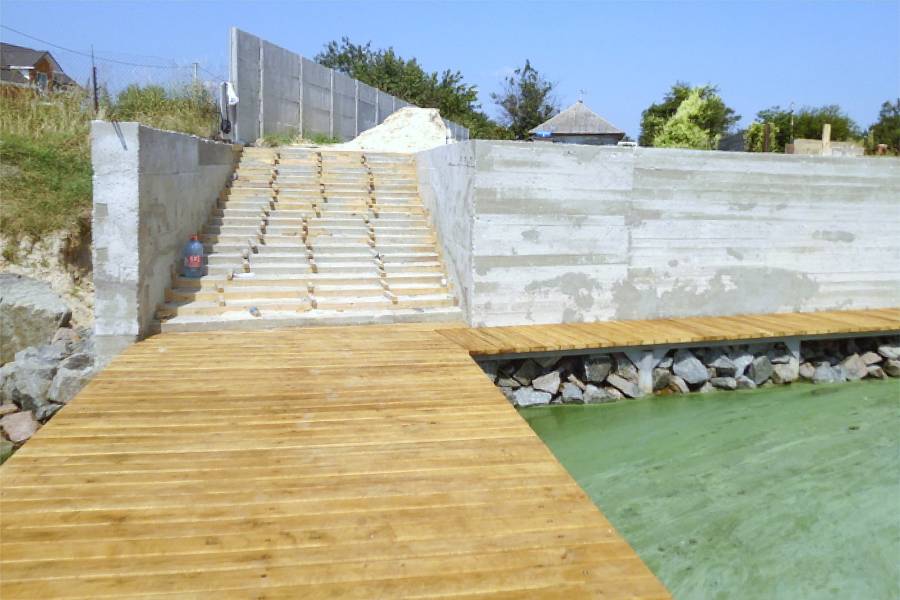
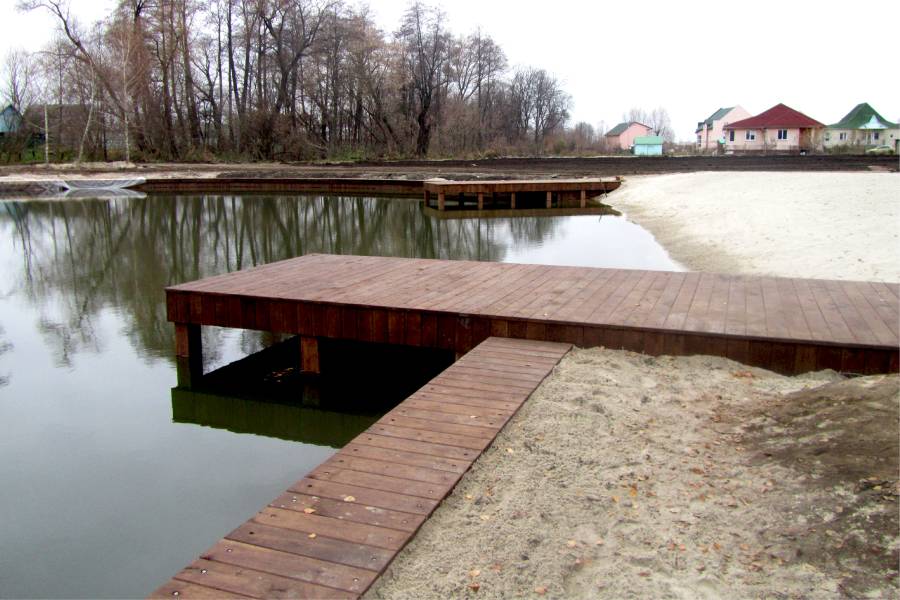
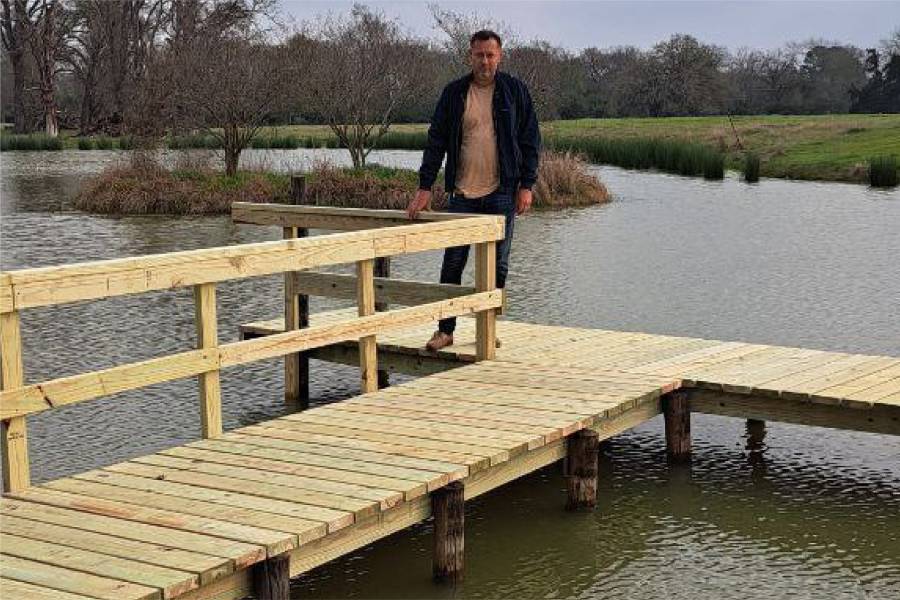
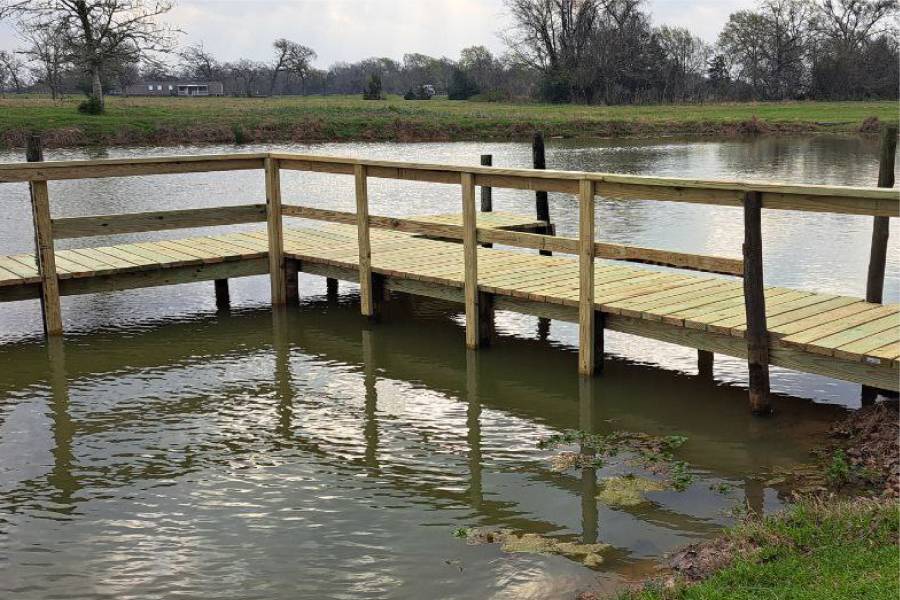
A pier improves access and usability for waterfront properties in Louisiana, whether the site is on a lake, bayou, canal, or coastal waterway. Good pier design starts with how you will use the structure and what the shoreline conditions demand.
Shore Protect Team LLC provides pier construction and repair in Louisiana for residential and commercial waterfront locations. We plan structure support and address repairs when components weaken, settle, or show damage from water exposure.
Share your location and photos for a free consultation. We will help define the best next steps for a Louisiana pier project.

labor and materials
Serving Louisiana bayous, canals, lakes, and coastal waterways. In Louisiana, we build functional piers from multiple material types - from traditional wood to aluminum, composite, and concrete systems on supported foundations. Built for Louisiana bayou depths, tidal ranges, and varied waterfront access needs.

labor and materials
Serving Louisiana bayous, canals, lakes, and coastal waterways. For Louisiana piers, repair work can include deck board replacement, support reinforcement, and component upgrades to restore structural integrity. Restores Louisiana pier safety after hurricane impact, rot, or piling movement.
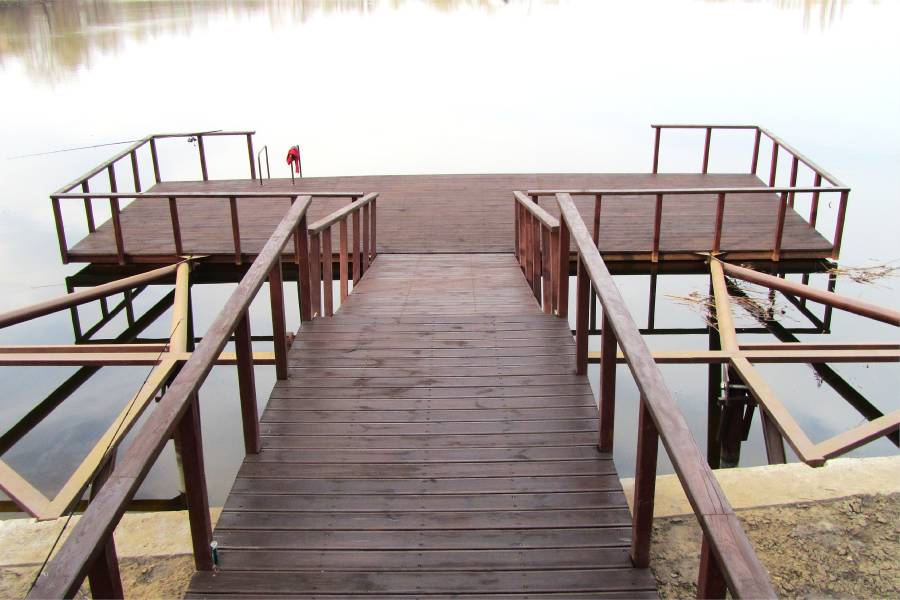
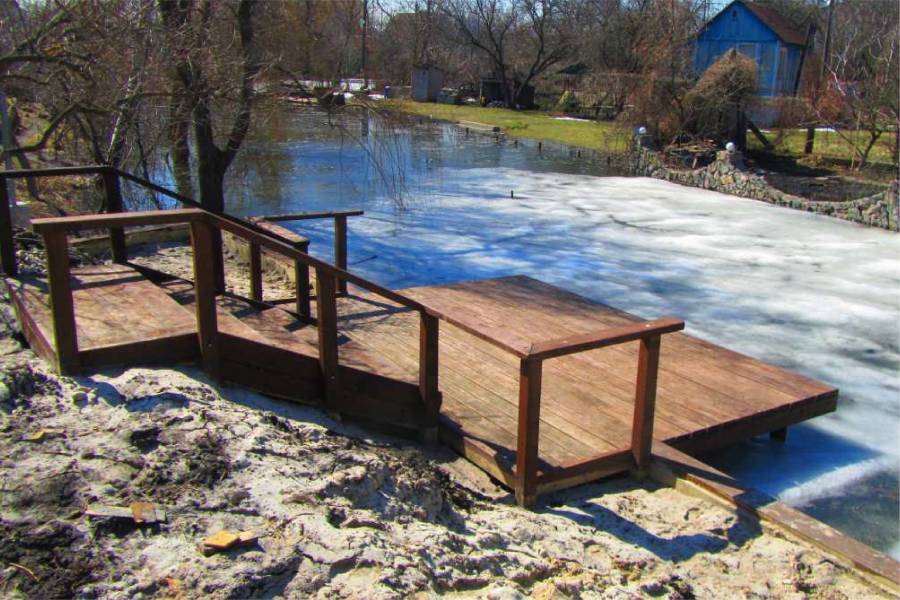
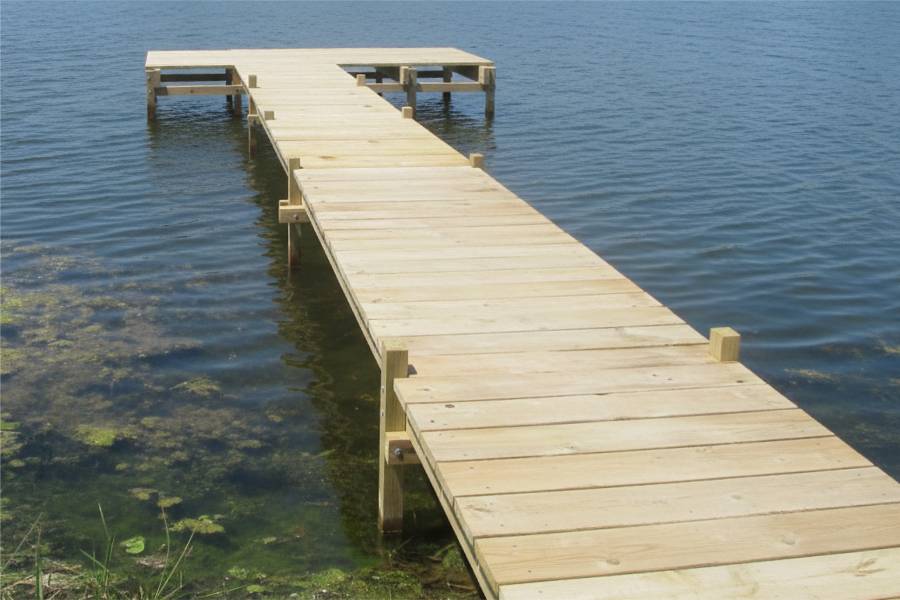
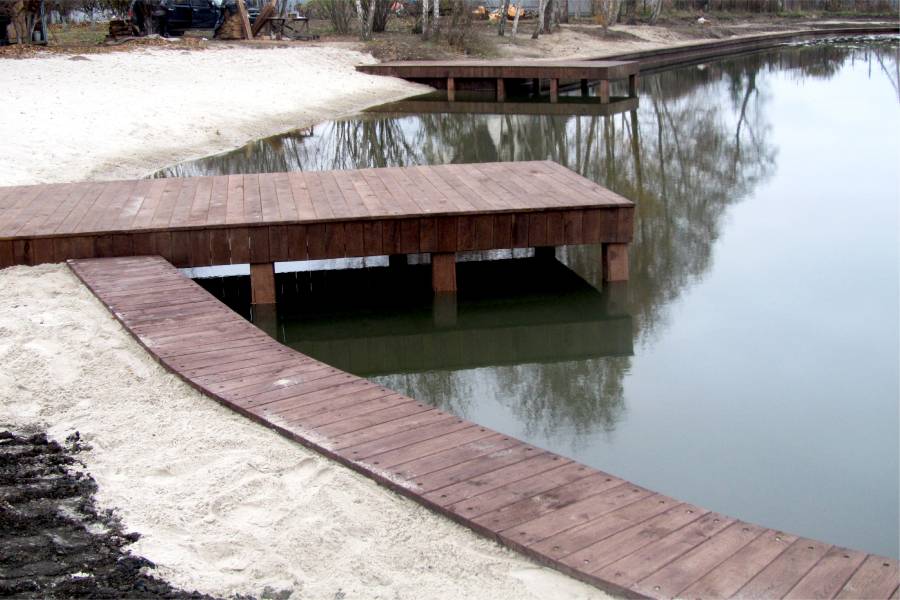
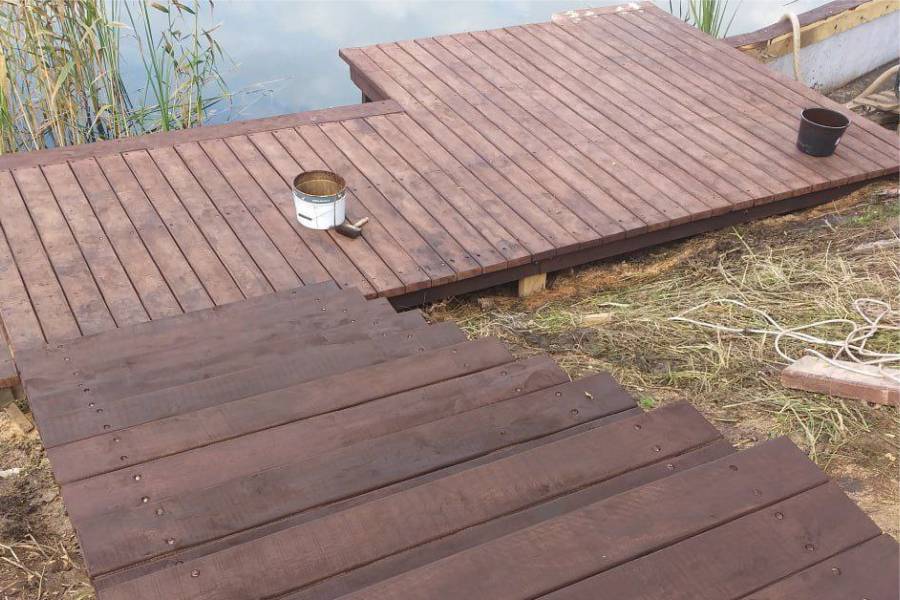
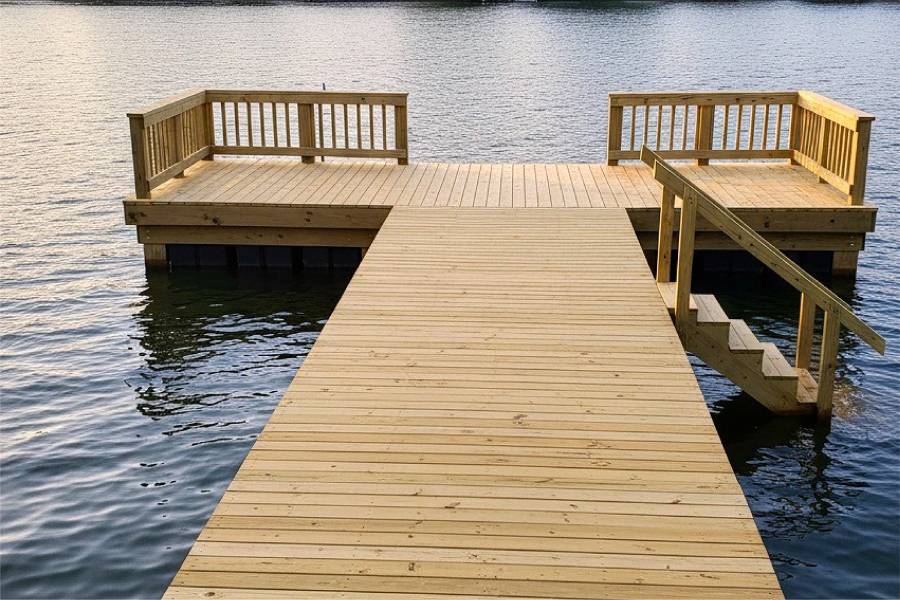
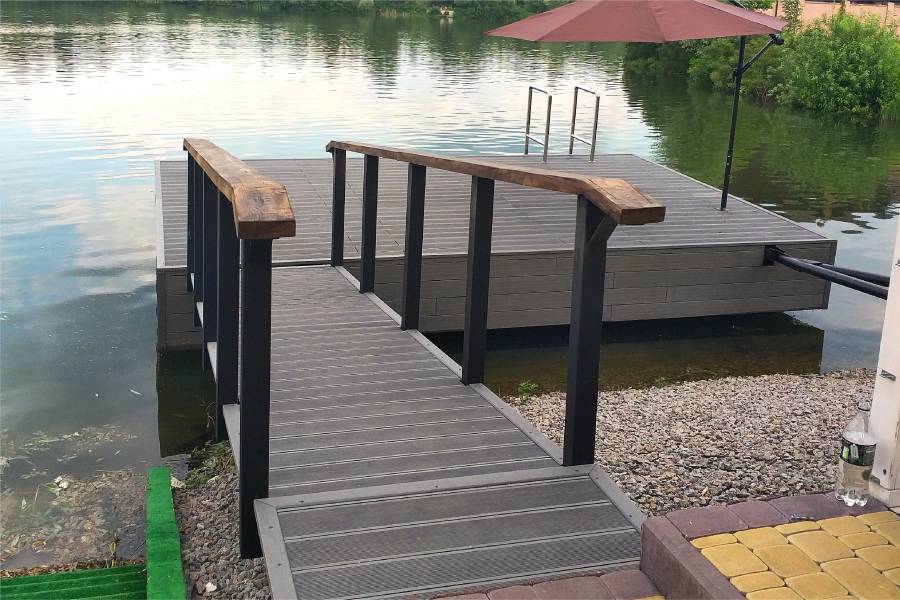
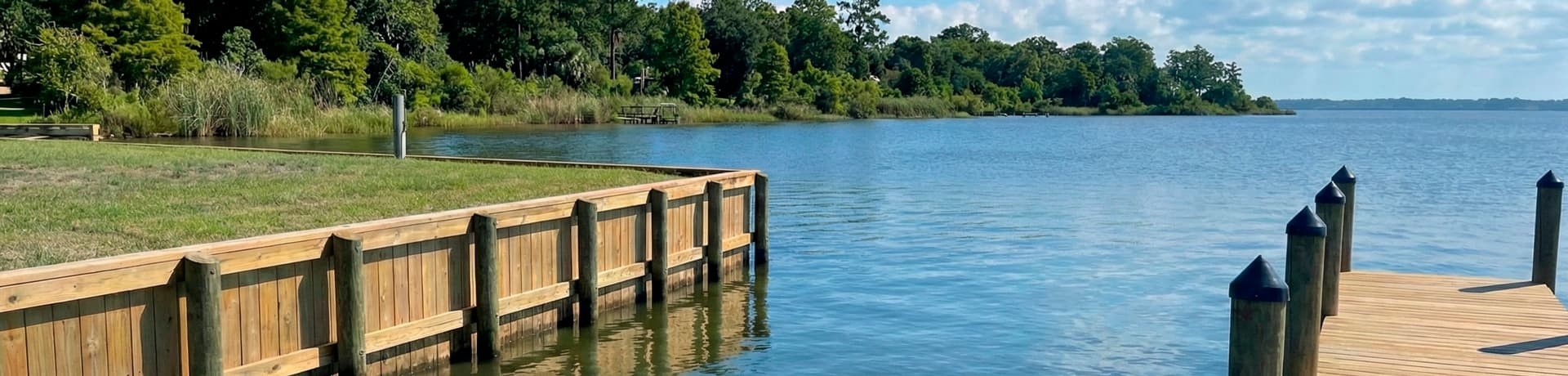
View our Louisiana pier projects featuring completed builds and repairs that improve waterfront access and day-to-day usability on lakes, rivers, bays, canals, and other shoreline settings. Louisiana waterfront work often involves canals, bayous, tidal influences, and soft shoreline areas where bank stability and water movement require careful planning and durable construction. This portfolio highlights pier construction and pier repair scopes that prioritize safe access, stable structural support, and a layout that fits how the property will be used. Whether you are planning a new pier, expanding an existing footprint, or restoring a structure affected by wear, movement, or water exposure, these examples show practical outcomes and common configuration choices. Contact us to ask a question or request a free estimate — we review your Louisiana shoreline conditions and pier scope before any work begins.


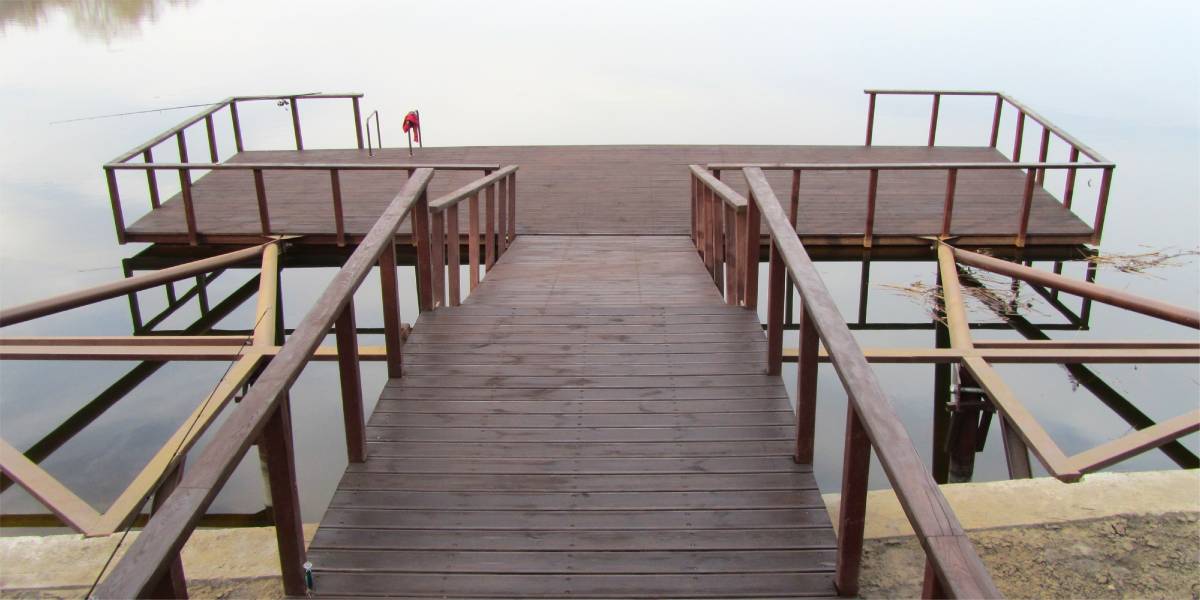
Pier construction in Louisiana starts from $20 per square foot for new construction and $20 per square foot for repair. Louisiana's soft soils require longer piles driven to bearing depth, adding 15–25% to pier foundation costs vs. firmer bottom states. Final cost depends on pier size, material selection, water depth, and bottom conditions at your specific Louisiana location. Shore Protect Team provides detailed estimates after an on-site assessment.
Material selection for piers in Louisiana depends on water body type and intended use:
Wood (pressure-treated lumber or cedar): Traditional and cost-effective. Best suited for Louisiana's freshwater lakes and rivers away from saltwater exposure.
Composite decking: Maintenance-free and rot-resistant. Optimal for Louisiana properties with heavy foot traffic and all water body types including bayous, Lake Pontchartrain, Gulf Coast tidal zones.
Aluminum frames: Lightweight, corrosion-resistant, and ideal for Louisiana's saltwater zones. No painting or sealing required.
Concrete: Maximum strength for commercial Louisiana marinas and yacht clubs bearing heavy equipment loads.
Metal pile structures: Steel pile frames provide deep-water reliability — suited for challenging bottom conditions found across Louisiana's varied waterways.
Key cost drivers for pier projects across Louisiana:
Pier size: Square footage directly determines material and labor volume. Small 20–30 ft private Louisiana piers cost significantly less than 100+ ft commercial structures.
Bottom conditions: Sandy bottoms allow fast pile driving. Clay and silt typical of many Louisiana lake shores require more effort. Rocky substrates in Louisiana's inland areas require drilling, adding 30–50% to pile installation cost.
Water depth: Shallow Louisiana lakes and rivers simplify work. Deep water requires longer piles and specialized equipment.
Wave and current exposure: Open Louisiana water bodies near bayous, Lake Pontchartrain, Gulf Coast tidal zones require reinforced structures with additional supports compared to sheltered coves.
Usage load: Piers for small fishing boats differ structurally and cost-wise from heavy-duty commercial Louisiana marina piers.
Site access: Remote Louisiana waterfront properties requiring equipment transport by water increase costs 20–40%.
Timeline for pier projects in Louisiana depends on size and site conditions: Small private piers (20–40 ft) — typically 2–5 days on standard bottom conditions. Medium piers (40–80 ft) — 5–10 days. Louisiana's soft alluvial bottoms require piles driven deeper to reach bearing layer — adding 1–3 days vs. firmer soil states. Commercial and large residential piers on Louisiana's major water bodies — 2–4 weeks depending on complexity. Weather windows, permit timing, and material delivery also affect the schedule.
Repair (from $20/sq ft) is the right choice when: individual deck boards are rotted, isolated beams need reinforcement, or select piles show deterioration while the main structure remains sound. Repair is typically 40–60% less expensive than full replacement.
Full replacement is needed when: structural piles are compromised throughout, repeated storm damage has affected the same sections, or the pier has exceeded its service life. Common after major Louisiana weather events affecting Lake Pontchartrain, Mandeville, Slidell, New Orleans metro, Baton Rouge, Lafayette, Lake Charles, Port Fourchon.
Shore Protect Team performs professional condition assessments across Louisiana to recommend the most cost-effective solution.
Yes. Pier construction in Louisiana typically requires permits from state environmental agencies and may need Army Corps of Engineers authorization for work on navigable waters. Requirements vary by water body and Louisiana jurisdiction.
Shore Protect Team manages the permitting process for pier projects across Lake Pontchartrain, Mandeville, Slidell, New Orleans metro, Baton Rouge, Lafayette, Lake Charles, Port Fourchon and throughout Louisiana, ensuring all work meets applicable environmental and structural standards.
Yes. Shore Protect Team LLC builds and repairs piers across Louisiana including Lake Pontchartrain, Mandeville, Slidell, New Orleans metro, Baton Rouge, Lafayette, Lake Charles, Port Fourchon.
We construct small private piers 20–30 ft long for residential homeowners and large commercial structures for Louisiana marinas and yacht clubs. We work on freshwater lakes, rivers, and bayous, Lake Pontchartrain, Gulf Coast tidal zones coastal areas. All work comes with up to a 5-year warranty.
In Louisiana waterfront construction, piers and docks serve related but distinct purposes:
Piers extend into the water primarily for access, fishing, and mooring — they are typically narrower and built to reach navigable depth.
Docks are broader platforms designed for vessel storage, loading, and multiple boat slips. They often include accessories like lifts, roofs, and utilities.
Shore Protect Team builds both structures throughout Louisiana, and many clients on bayous, Lake Pontchartrain, Gulf Coast tidal zones properties choose a combination of a pier walkway leading to a dock platform.
To get started, send us your Louisiana property address, a description of the pier project, and photos of the full pier, close-ups of any damaged decking, and piling connections at the waterline. Detailed photos help us assess scope without an immediate site visit.
We review the information and provide a free preliminary estimate for your Louisiana bayou and coastal lake properties property. For larger projects near Lake Pontchartrain, we may recommend an on-site assessment before finalizing scope and price.
Simple pier repairs take 1–2 days. New pier construction typically runs 1–2 weeks.
In Louisiana, wet season flooding and tidal access windows in bayou terrain can affect the start date. We plan around these conditions and provide a specific timeline once we review your site details. Pier projects often benefit from low-water periods that improve access to the substructure.