Bulkhead Construction and Repair Cost in Oklahoma

Oklahoma Bulkhead Cost - Budget Drivers and Material Options

Shoreline Retention for Oklahoma Lake Communities

Many waterfront properties in Oklahoma rely on a bulkhead to keep the shoreline stable and prevent soil loss into the water. Bulkheads are especially useful in lake communities where erosion can gradually reduce usable land and threaten shoreline edges.

Shore Protect Team LLC provides bulkhead construction and repair in Oklahoma, starting with a review of shoreline conditions and existing structure performance. We help define whether the project is best handled as repair, reinforcement, or full replacement based on the site.

Send your location and photos for a free consultation. We will help you plan an Oklahoma bulkhead solution for long-term shoreline support.

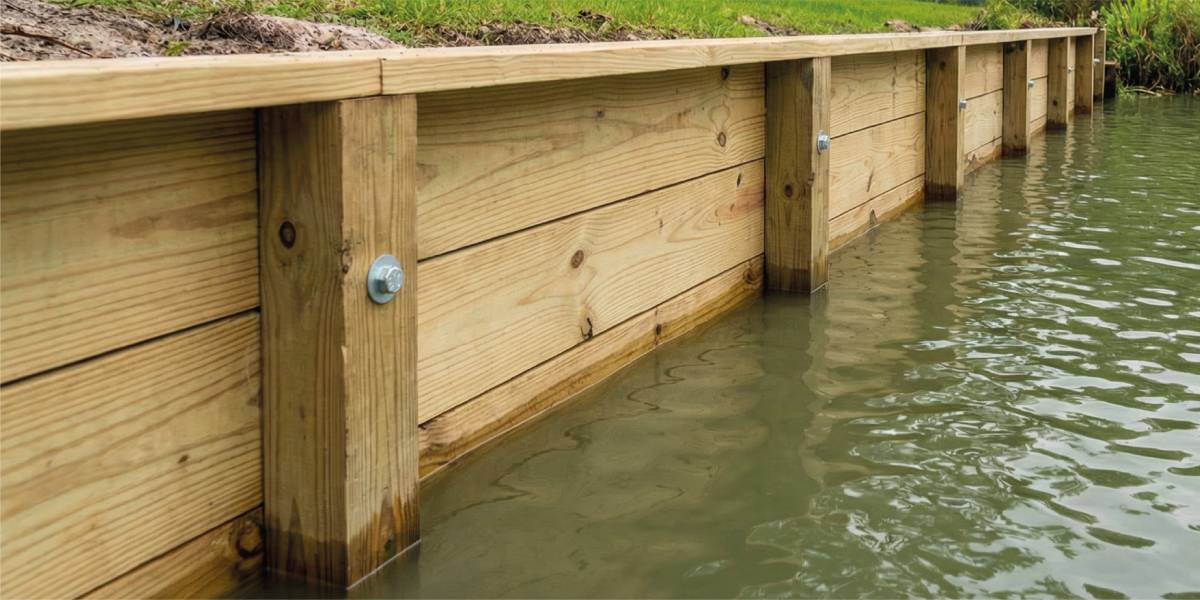
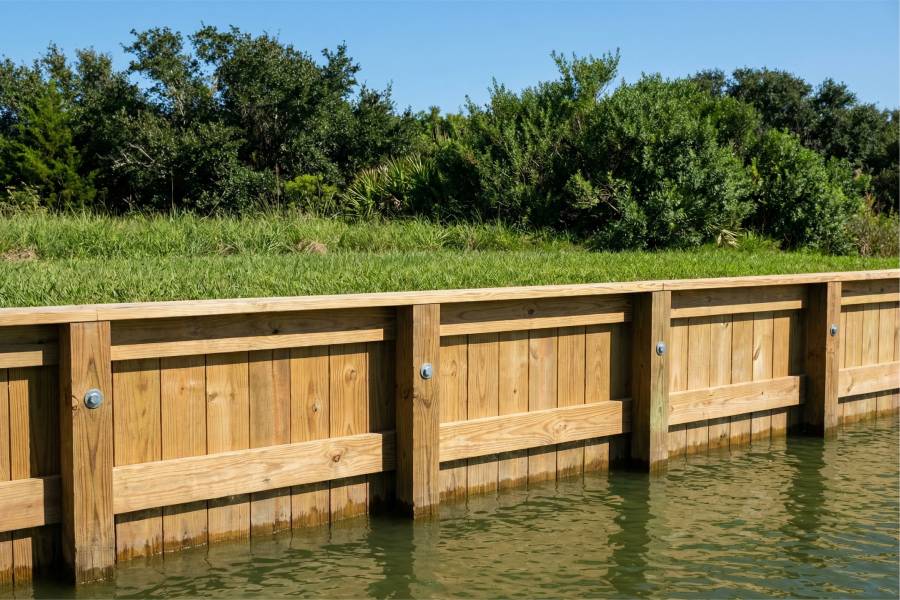
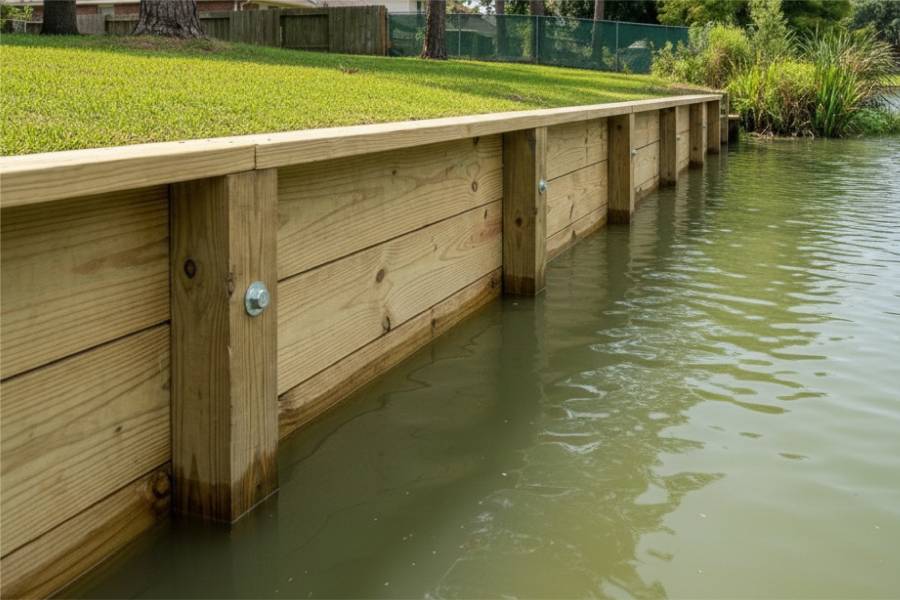
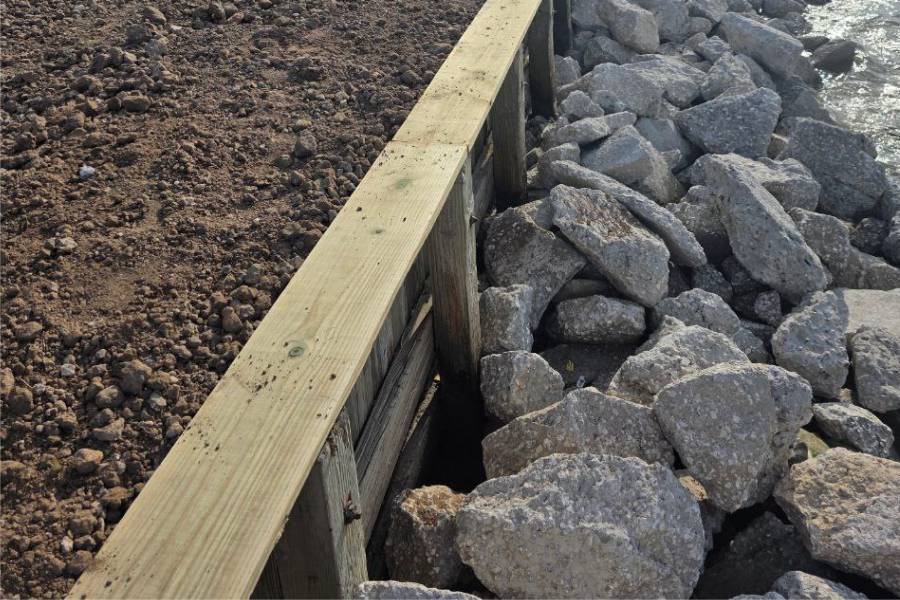
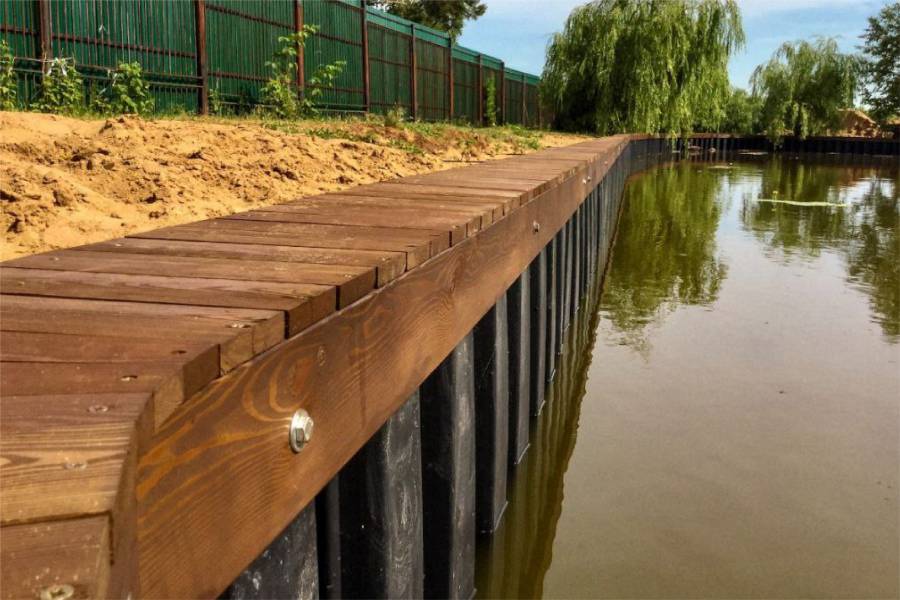
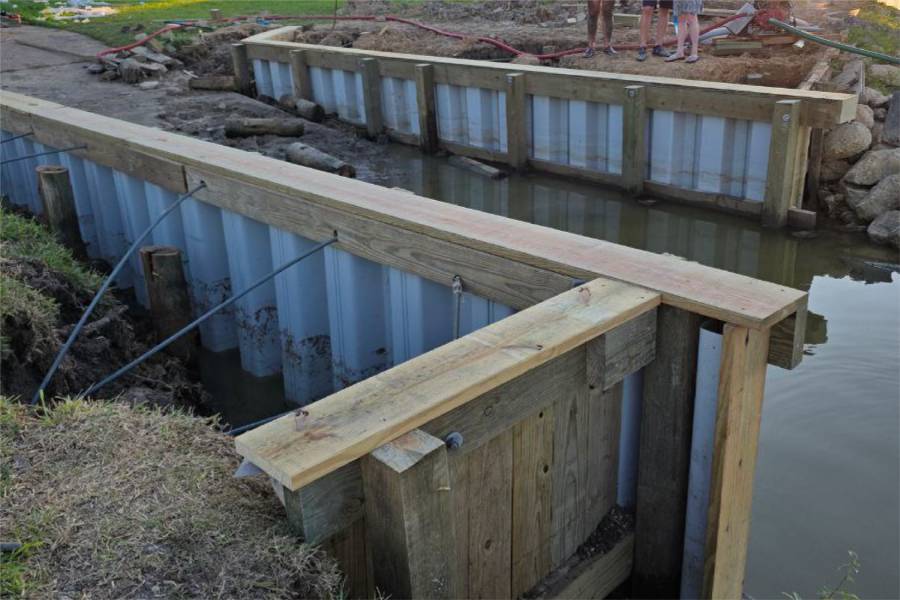
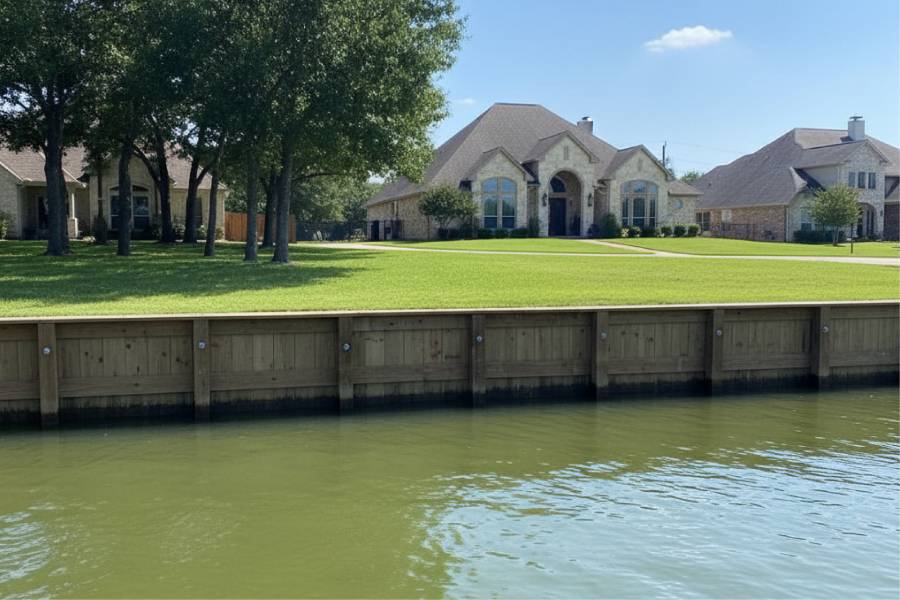
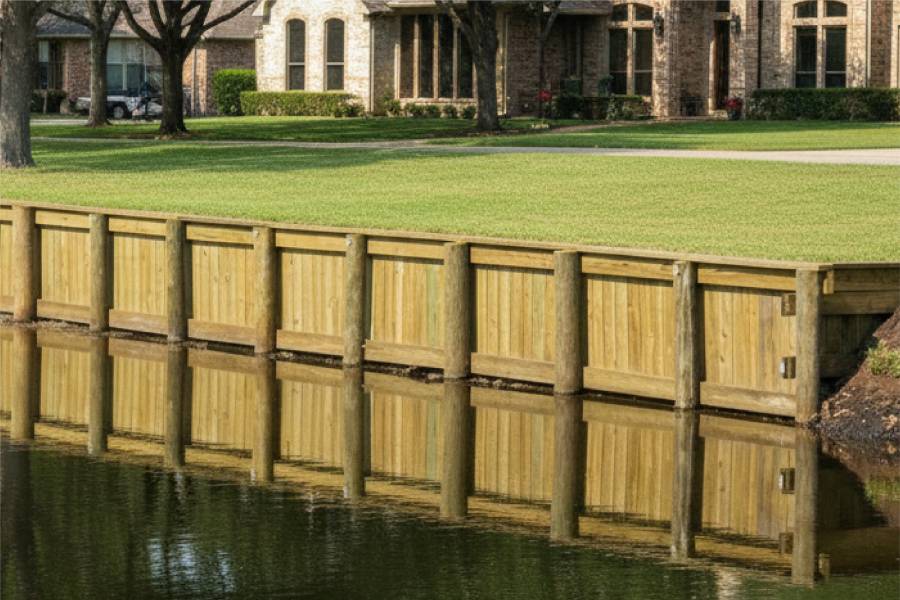
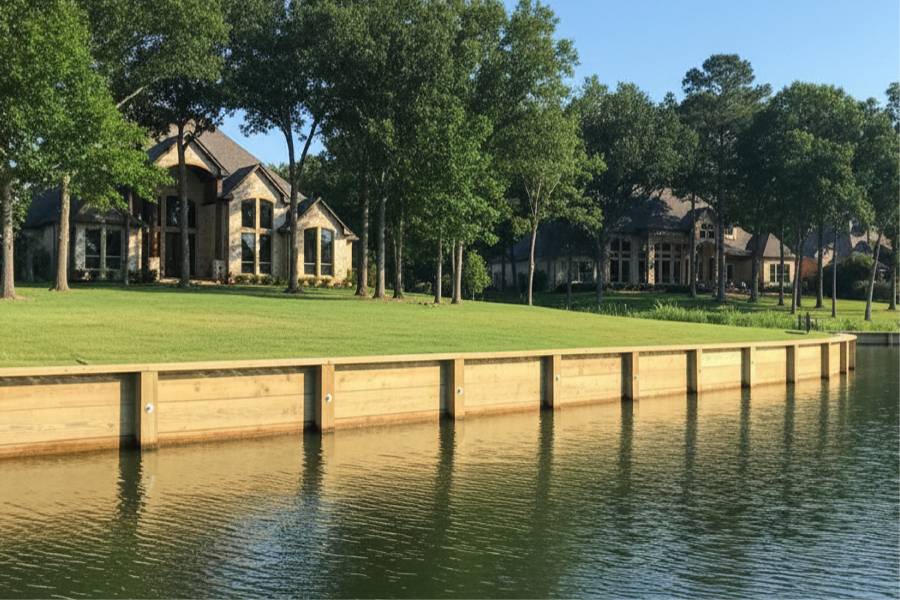
Wooden Bulkhead

Wooden Bulkheads

Cost Start at $150 per linear foot

labor and materials

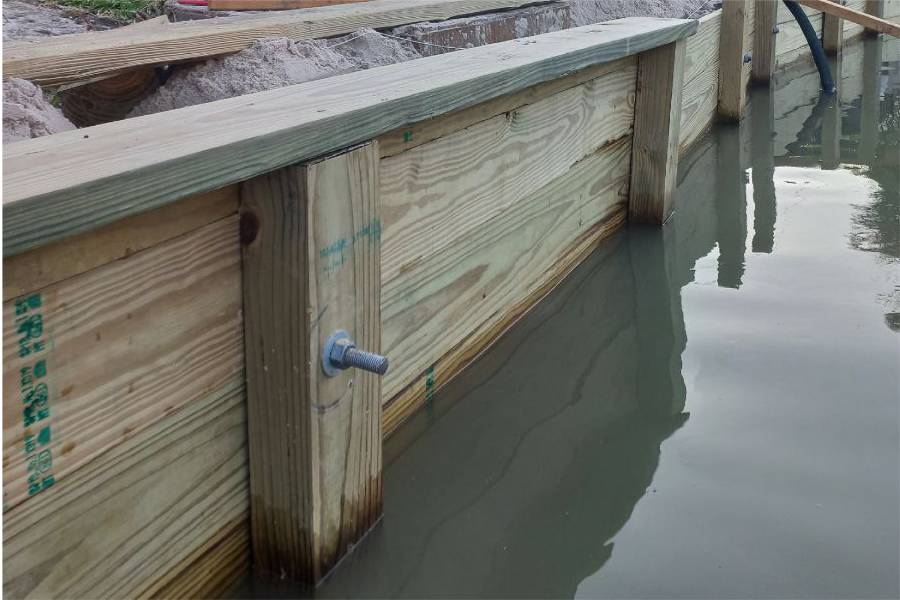
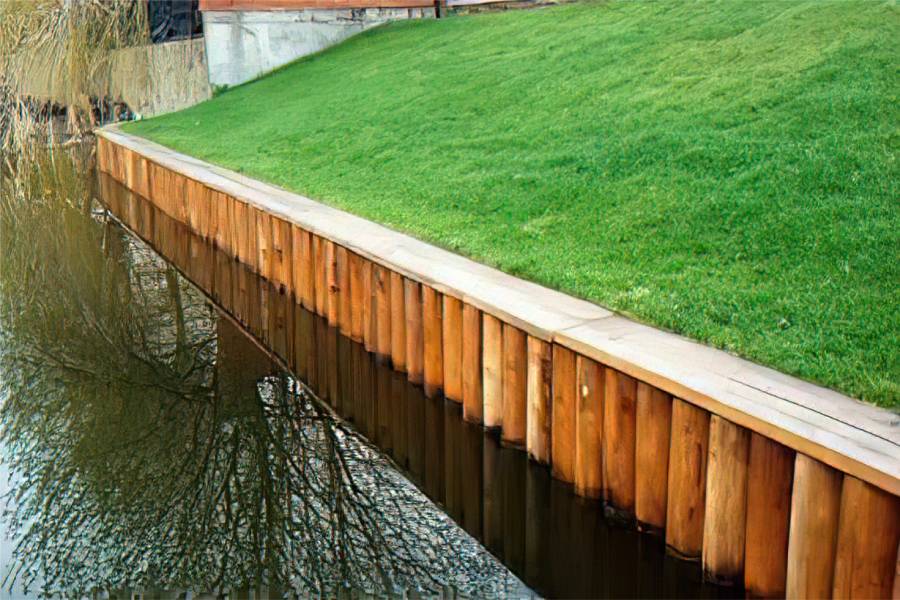
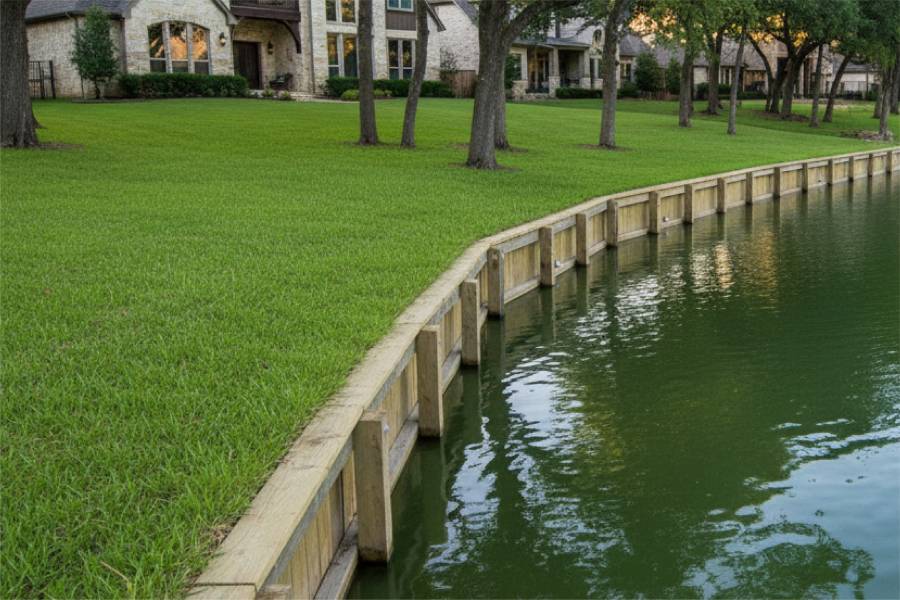
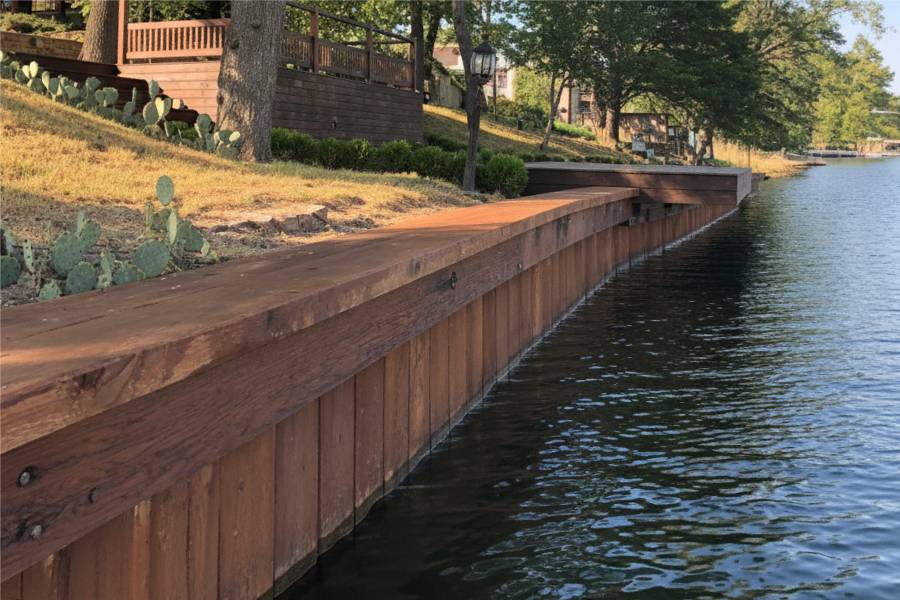
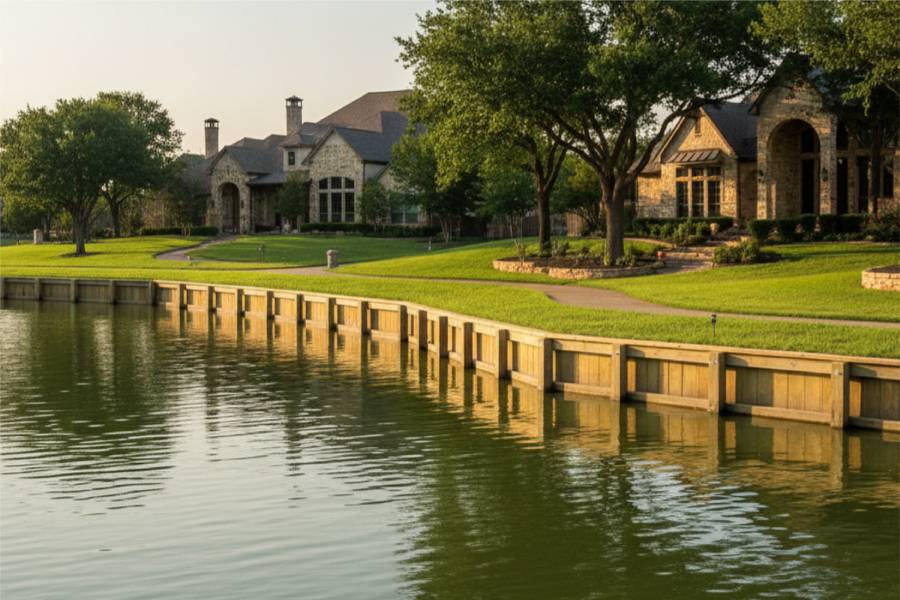
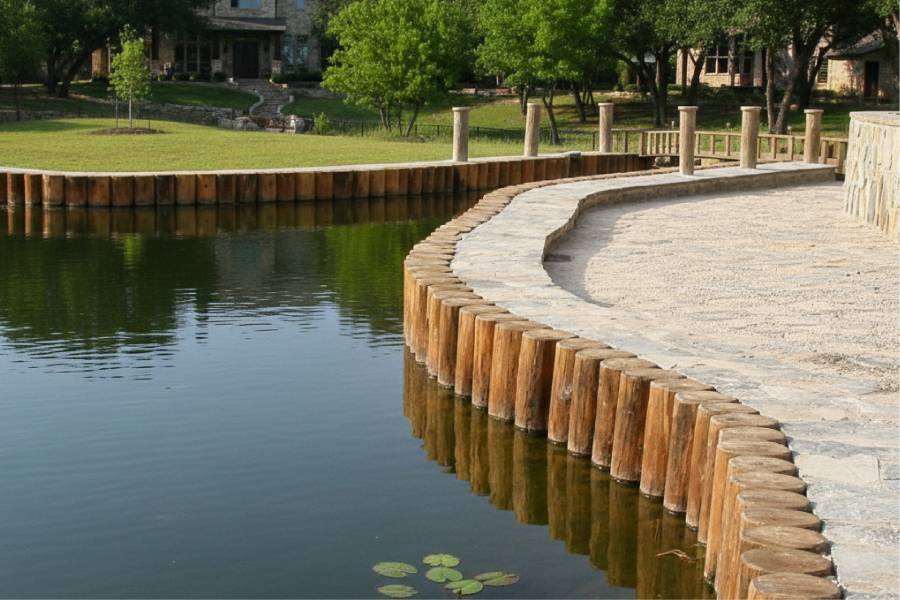
Wooden bulkheads in Oklahoma built from quality pressure-treated lumber, chosen when you want strong retention at an efficient upfront cost. Expected life - 40-50 years. A common choice for Oklahoma lake-front lots where budget and durability balance matters.

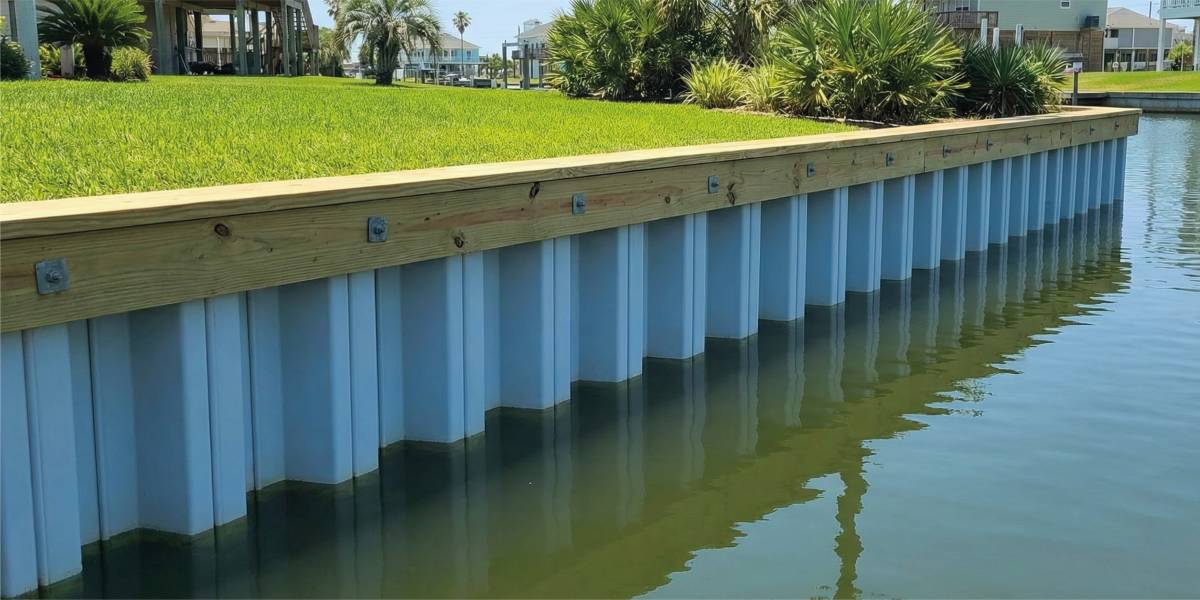
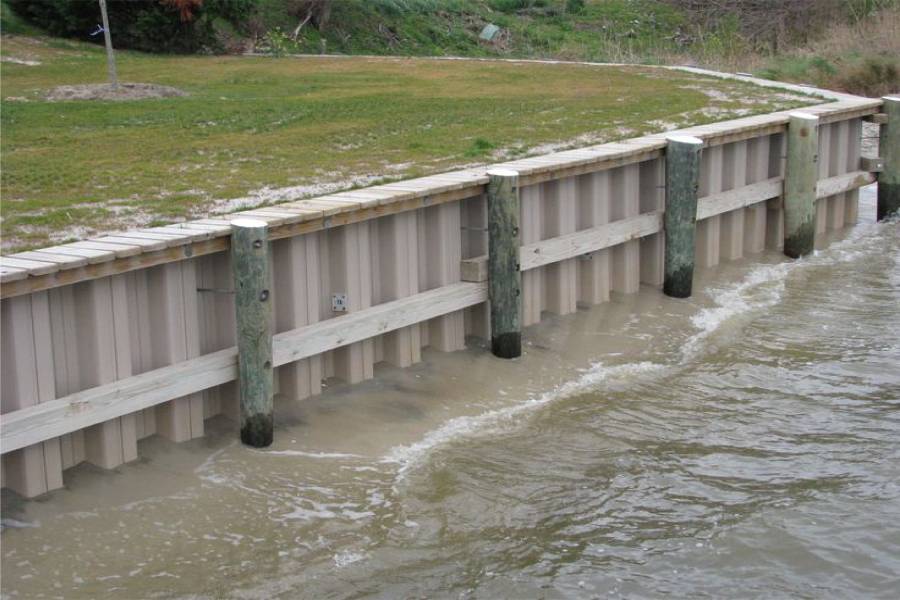
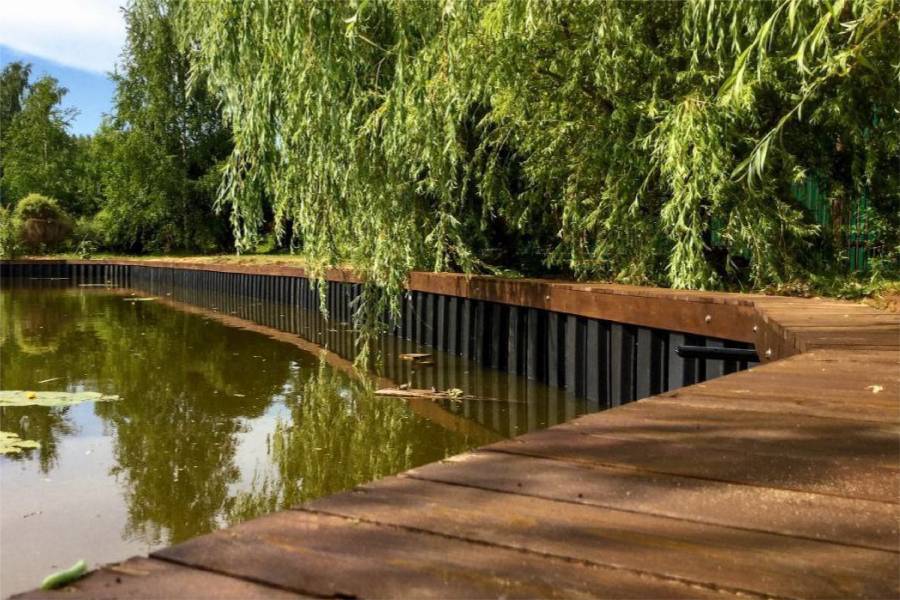
Vinyl Bulkhead

Vinyl Bulkheads

Cost Start at $200 per linear foot

labor and materials

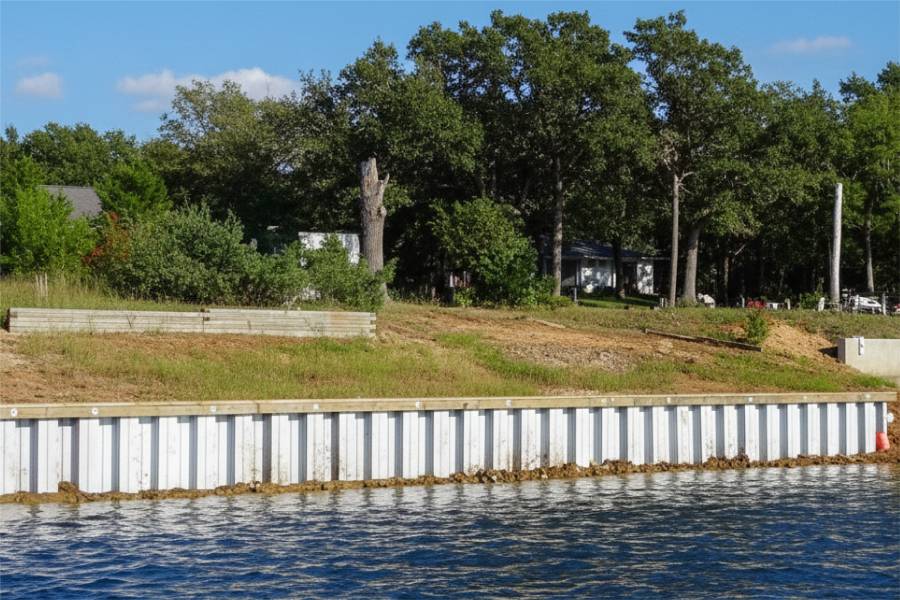
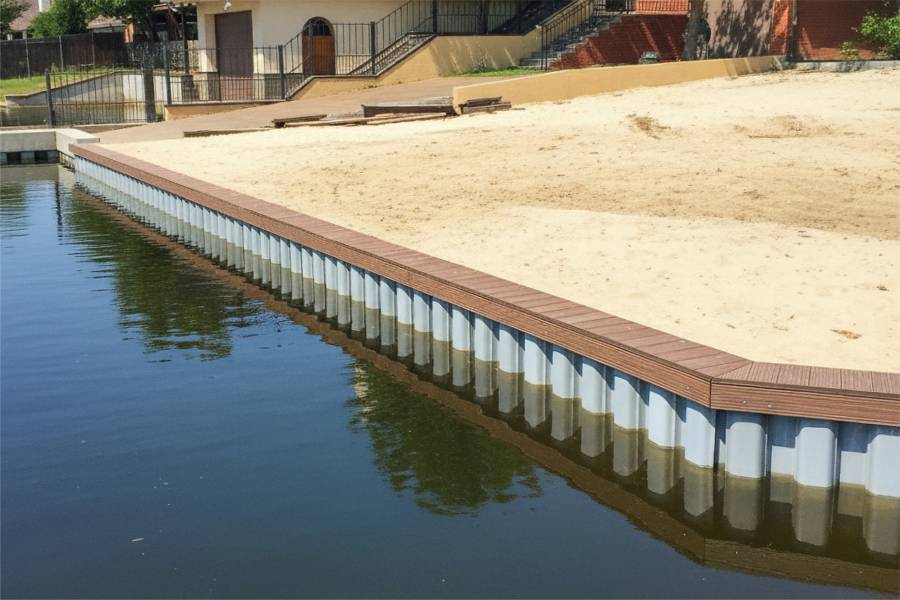
For Oklahoma waterfront projects, vinyl bulkheads are selected for durability and reduced maintenance needs compared to timber solutions. Low-maintenance performance suited to Oklahoma freshwater lake and reservoir conditions.

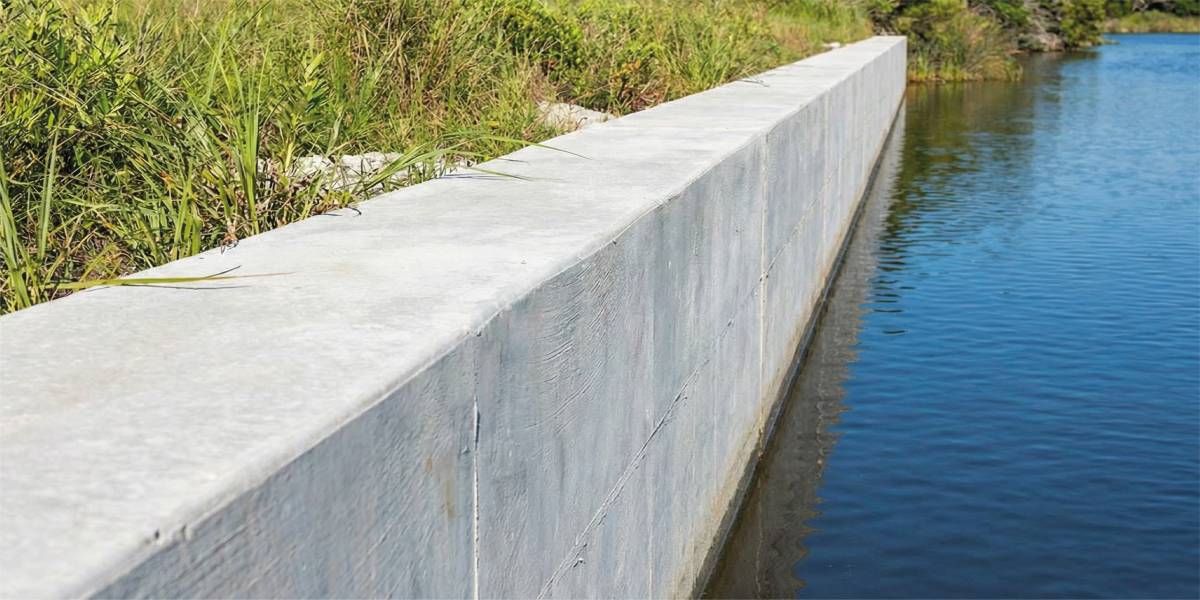
Concrete Bulkhead

Concrete Bulkheads

Cost Start at $300 per linear foot

labor and materials

For Oklahoma waterfront builds, reinforced concrete bulkheads deliver high durability and stable shoreline retention for long-term protection. Built for Oklahoma sites needing maximum shoreline rigidity and long service life.

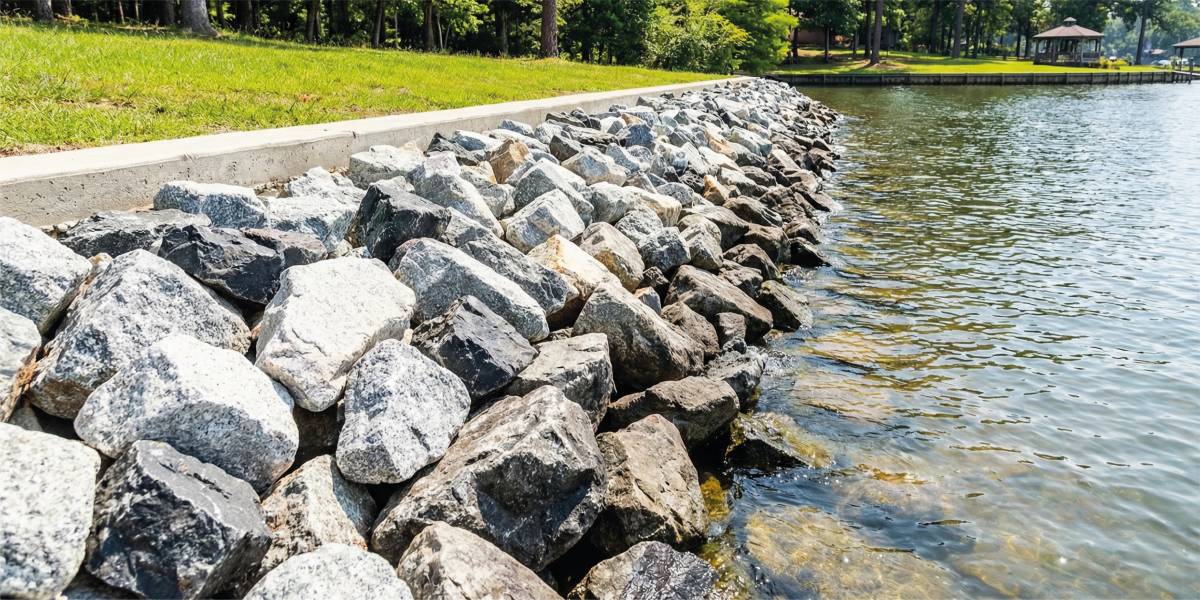
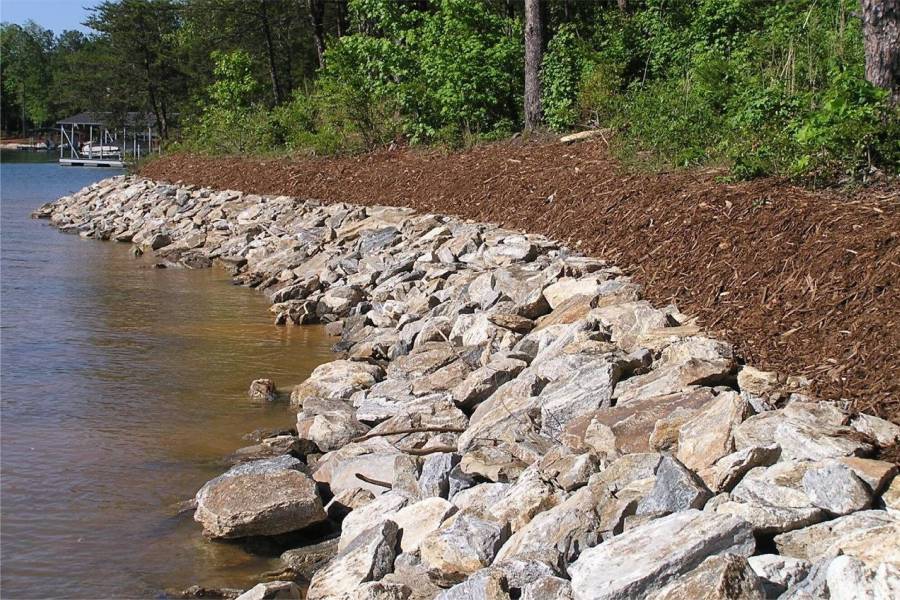
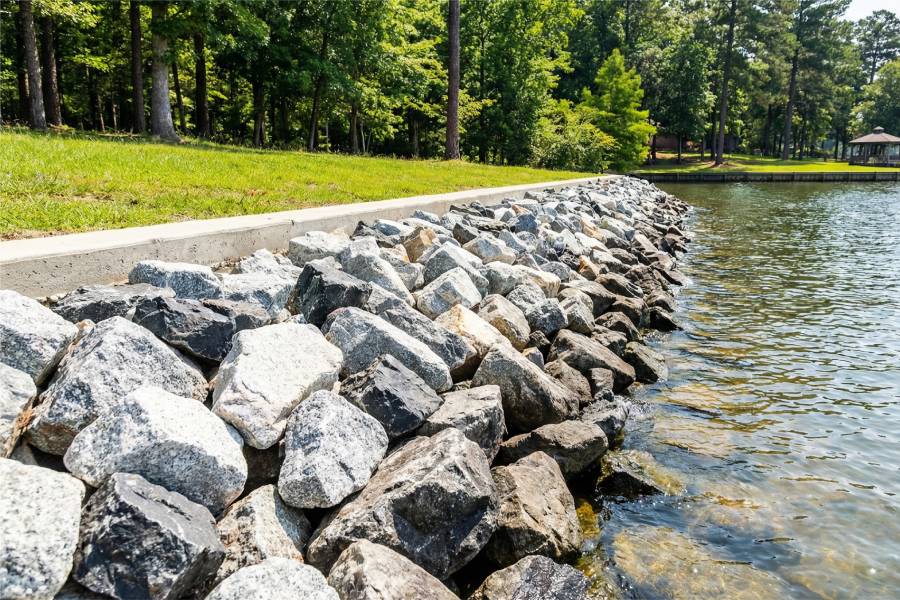
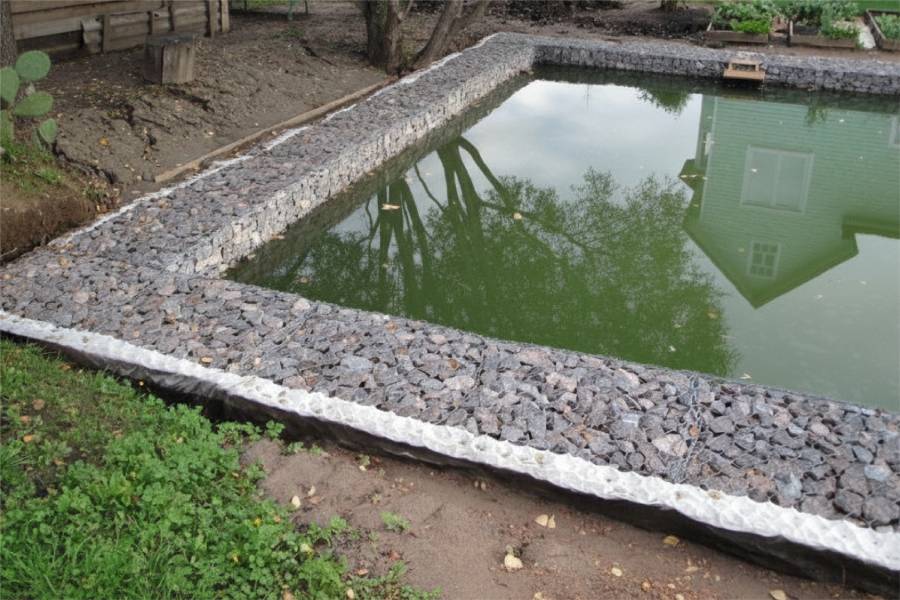
Rock Bulkheads

Stone and Boulder Bulkheads

Cost Start at $150 per linear foot

labor and materials

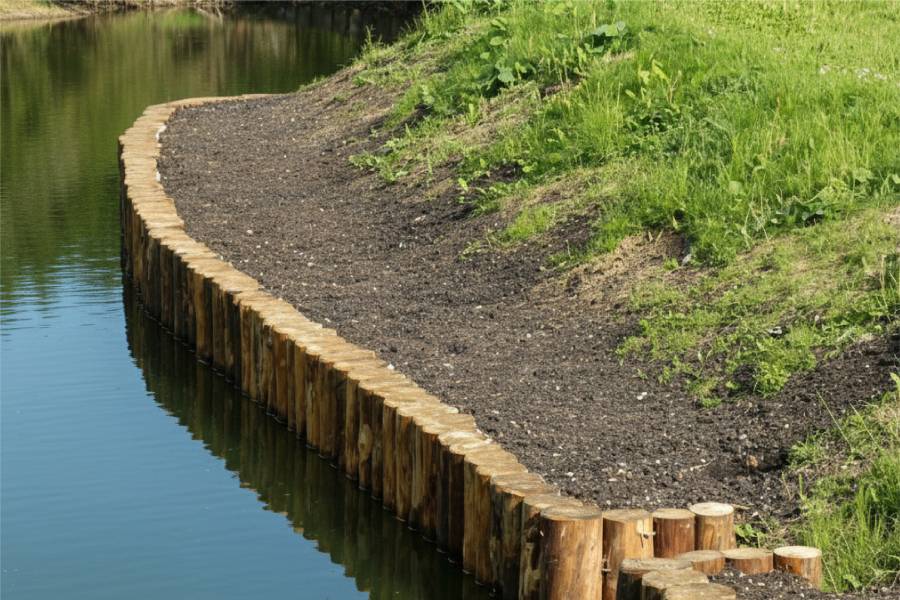
For Oklahoma waterfront edges, boulder-based protection helps break wave energy and stabilize banks using natural stone materials. Natural bank protection on Oklahoma lake edges and reservoir-front properties.

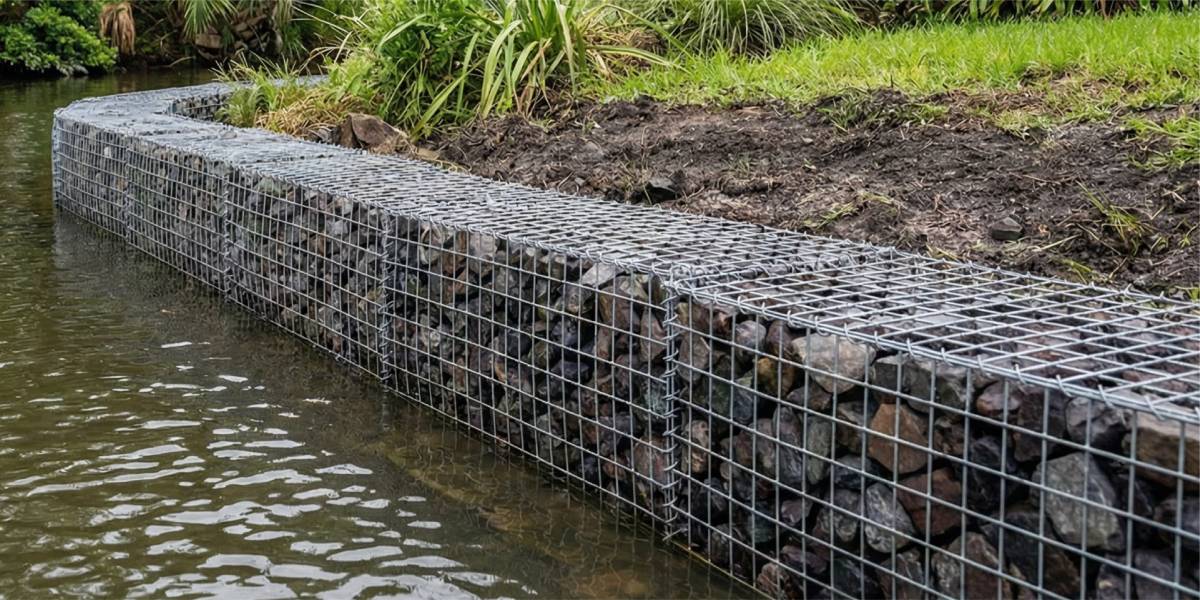
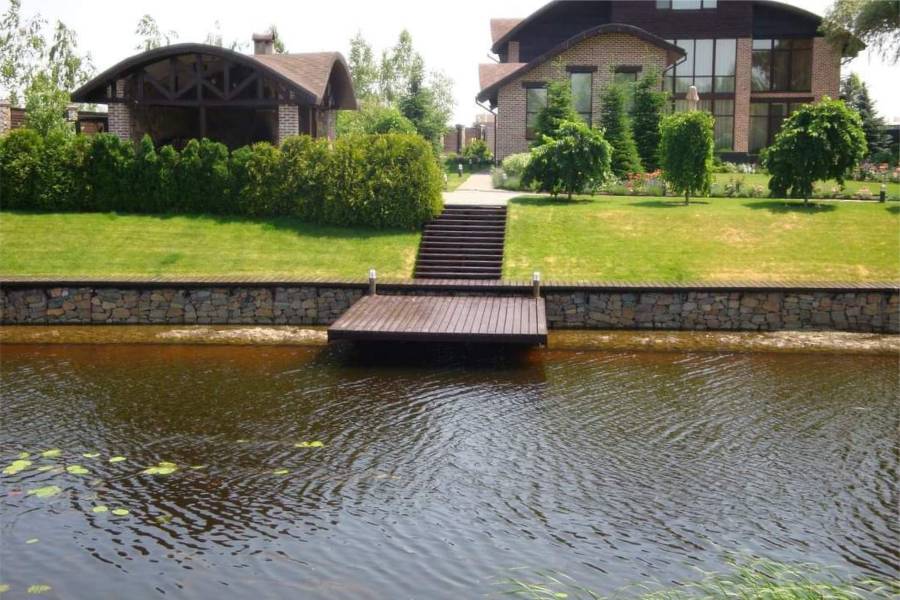
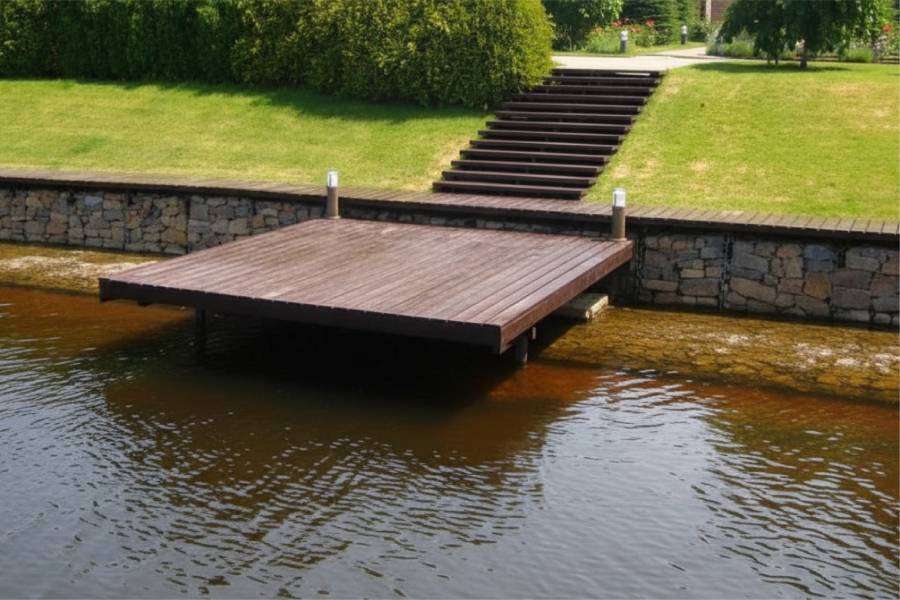
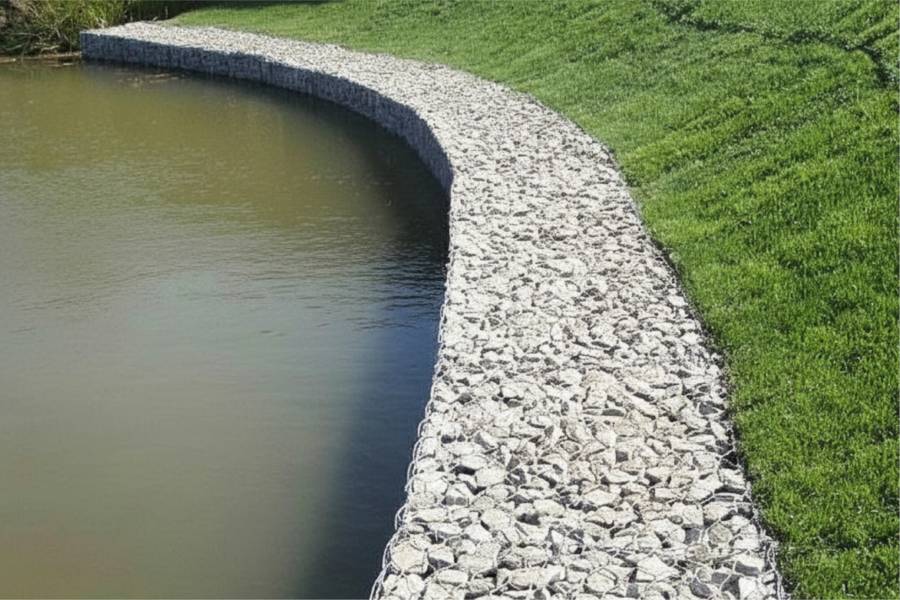
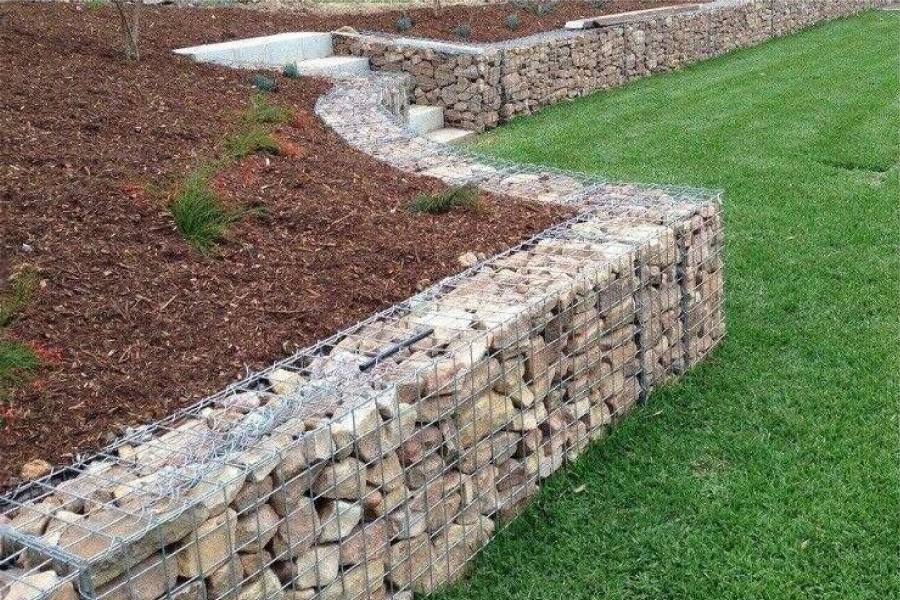
Gabions Bulkhead

Gabion Bulkheads

Cost Start at $200 per linear foot

labor and materials

Rock-filled gabion bulkheads for Oklahoma offer erosion control with natural water flow-through and construction flexibility. Handles Oklahoma lake level fluctuation and soft-bank erosion conditions well.

Repair Bulkheads

Bulkhead Repair

Cost Start at $100 per linear foot

labor and materials

In Oklahoma, we repair bulkheads by correcting damage, reinforcing weak areas, and handling anchor/tie-back work as needed. Addresses Oklahoma lake bank erosion, anchor failure, and seasonal storm damage.

Bulkhead Projects

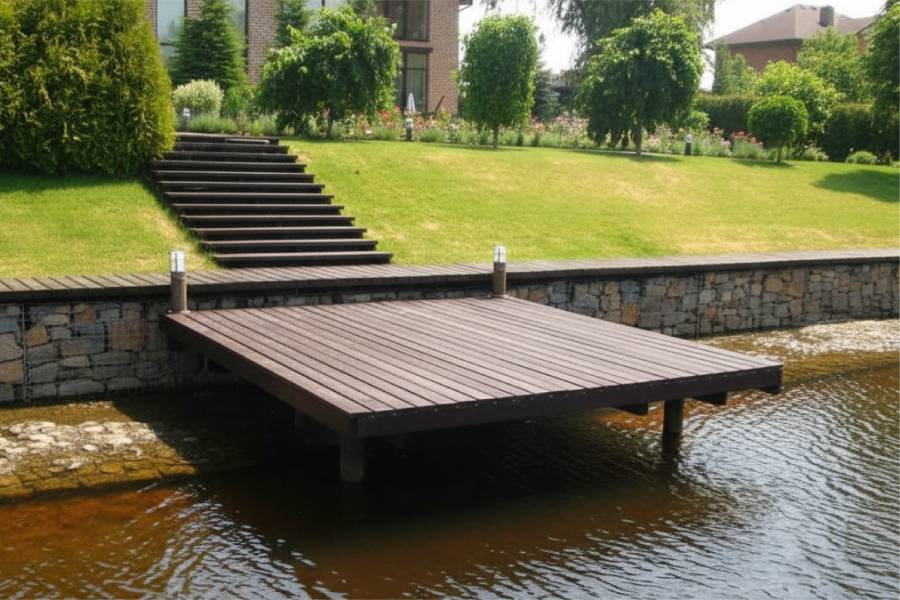
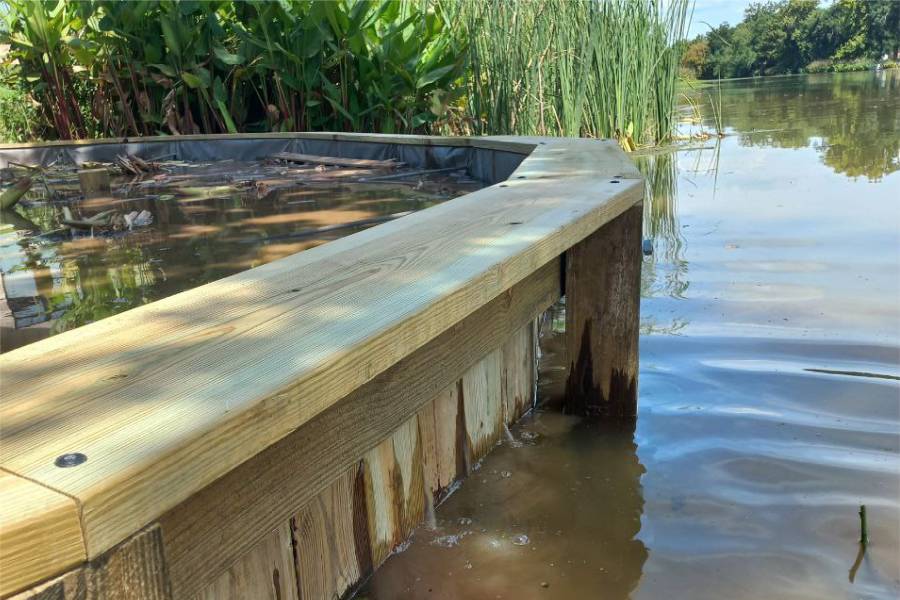
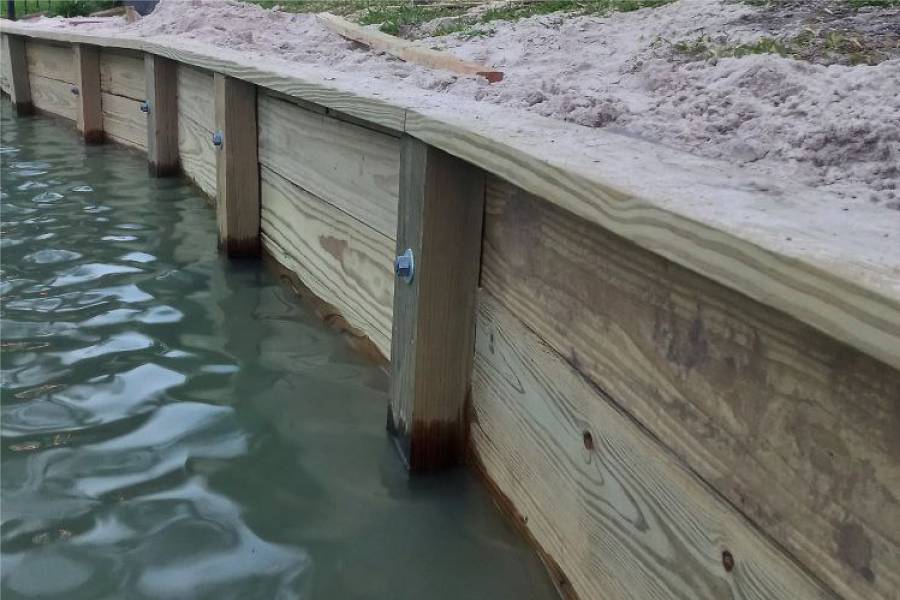
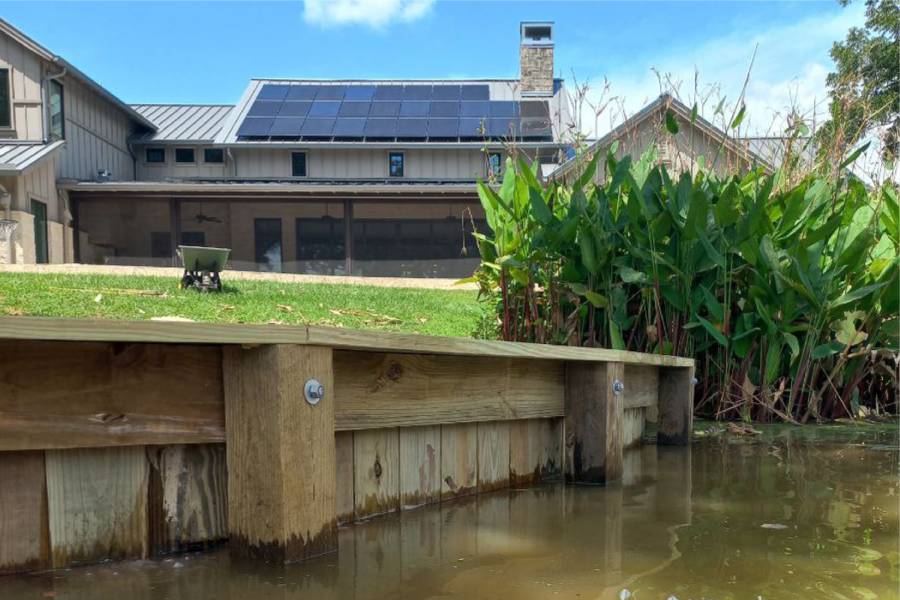
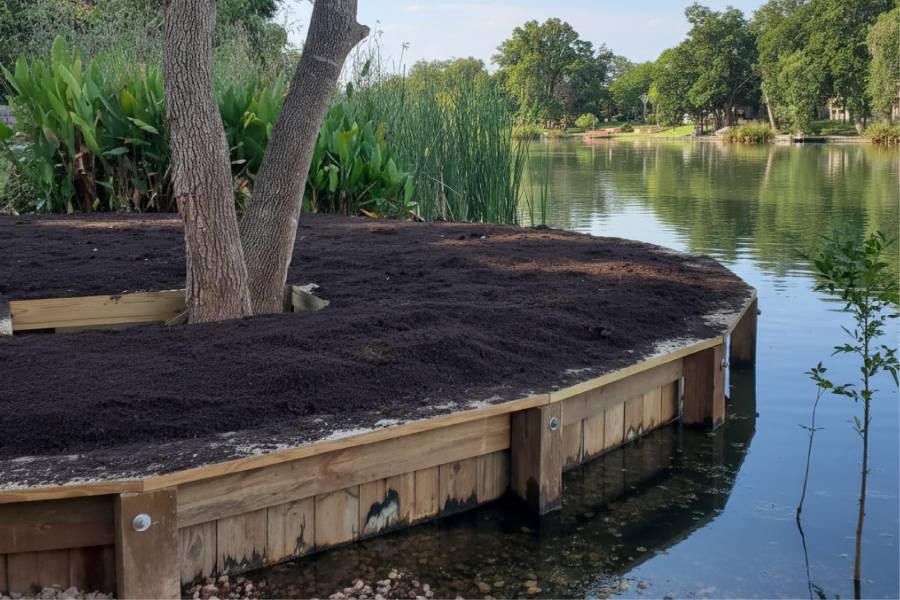
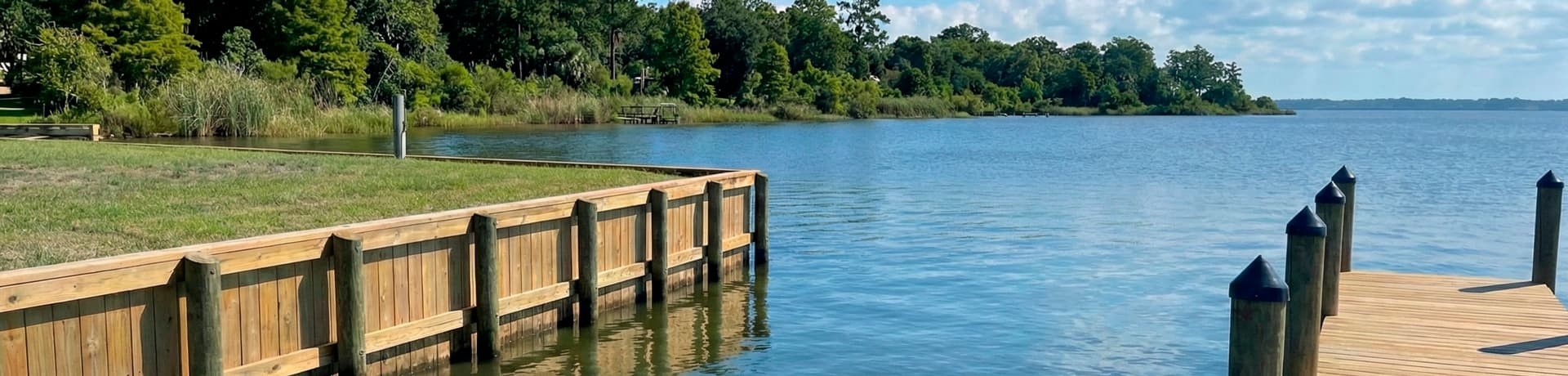
Explore our Oklahoma bulkhead projects to see how Shore Protect Team LLC supports shoreline retention and helps reduce ongoing erosion and soil loss on waterfront properties. Oklahoma projects are frequently lake-focused, where changing water levels, wakes, and shoreline slopes affect access structures and long-term shoreline stability. This gallery highlights completed bulkhead construction, bulkhead repair, and replacement scopes designed to keep land behind the wall stable, limit washout, and improve long-term shoreline performance. If you are comparing materials, reviewing repair vs replacement options, or planning a new build, these examples provide a practical look at typical project layouts, shoreline tie-ins, and finished results across different property types. Ask a question or request a free estimate — we will review your Oklahoma site photos and outline the best approach for your bulkhead project.


Bulkhead Construction and Repair Cost in Oklahoma

Trust the Professionals!

Get a free consultation and preliminary cost estimate
Bulkhead Construction and Repair Cost in Oklahoma

What does bulkhead construction cost in Oklahoma?

Bulkhead construction in Oklahoma starts at the following prices depending on material:

Wood bulkheads: from $150 per linear foot. Pressure-treated lumber suited for freshwater lakes and river systems with moderate wave activity.
Vinyl bulkheads: from $200 per linear foot. UV and corrosion-resistant panels requiring minimal upkeep — a popular choice along Oklahoma's freshwater lake and river environment.

Concrete bulkheads: from $300 per linear foot. Reinforced monolithic walls designed to withstand variable water levels, clay-heavy soils, and Oklahoma wind exposure.

Stone bulkheads: from $150 per linear foot. Natural boulders that dissipate wave energy while blending into Oklahoma's shoreline landscape.

Gabion bulkheads: from $200 per linear foot. Wire baskets filled with rock providing flexible protection and natural drainage.

Repair: from $100 per linear foot, depending on damage extent and material type.

Which bulkhead material works best for Oklahoma waterfront conditions?

Material choice depends heavily on your specific Oklahoma location:

Vinyl is the most popular low-maintenance solution across Oklahoma — resistant to variable water levels, clay-heavy soils, and Oklahoma wind exposure and UV degradation. Ideal for residential properties on freshwater lakes and river systems.

Concrete is recommended for high-energy coastal zones and areas exposed to freshwater lake and river environment. Provides the longest service life with minimal repair needs.

Wood suits budget-conscious projects on calmer freshwater sites away from intense wave action.

Stone and gabion are preferred where natural appearance matters and the shoreline benefits from permeable protection — common on Oklahoma lake properties.

What factors affect bulkhead construction cost in Oklahoma?

Several site-specific factors influence the final price of a bulkhead project in Oklahoma:

Material type: Ranges from $150/ft (wood, stone) to $300/ft (concrete). Each material is engineered for specific freshwater lake and river environment conditions.

Shoreline length: Longer runs require more material and labor. Projects over 100 linear feet may qualify for per-foot discounts.

Wave exposure: Open waterfront areas near freshwater lakes and river systems demand more robust structures, increasing engineering and material costs.

Soil type: Oklahoma's varied soils — from sandy coastal deposits to expansive clays inland — affect foundation depth and pile requirements.

Drainage systems: Proper drainage prevents hydrostatic pressure buildup behind the wall. Adding drainage pipes and geotextile adds $15–30 per linear foot.

Site accessibility: Properties on remote lakeshores or narrow Oklahoma waterways may require equipment barged in, increasing costs 20–40%.

Permit requirements: Oklahoma waterfront permits and environmental reviews vary by jurisdiction and water body type.

How long does a bulkhead last in Oklahoma?

Service life depends on material and exposure to Oklahoma's specific freshwater lake and river environment:

Wood bulkheads: 20–40 years with regular maintenance. Shorter life in saltwater or high-UV zones without treatment.

Vinyl bulkheads: 40–50 years. Highly resistant to variable water levels, clay-heavy soils, and Oklahoma wind exposure — one of the longest-lasting choices for Oklahoma waterfront properties.

Concrete bulkheads: 50+ years. Best long-term investment for areas subject to freshwater lake and river environment.

Stone and gabion: 30–50+ years depending on fill quality and water energy levels.

Regular inspection — especially after Oklahoma's storm events — extends the service life of any bulkhead significantly.

When does a bulkhead in Oklahoma need repair vs. full replacement?

Knowing when to repair vs. replace saves significant money for Oklahoma property owners:

Repair (from $100/ft): Cracking in isolated panels, minor tiebacks loosening, surface erosion behind the wall, or rotted boards in otherwise sound wood bulkheads. Repair is typically 40–60% cheaper than replacement.

Replacement: Structural failure across multiple panels, significant bulging indicating soil pressure loss, repeated storm damage at the same sections, or end-of-life materials that can no longer be spot-patched.

After major Oklahoma weather events affecting Lake Texoma, Grand Lake o' the Cherokees, Lake Eufaula, Oklahoma City area, Tulsa, we recommend a professional inspection to determine whether emergency repair or full replacement is the right course of action.

Does Shore Protect Team work across all of Oklahoma?

Yes. Shore Protect Team LLC provides bulkhead construction and repair services throughout Oklahoma, including Lake Texoma, Grand Lake o' the Cherokees, Lake Eufaula, Oklahoma City area, Tulsa.

We work on private residential properties, commercial waterfronts, marinas, and municipal shoreline protection projects. Our crew is equipped to handle the unique variable water levels, clay-heavy soils, and Oklahoma wind exposure found across different Oklahoma regions.

Contact us for a site visit and free estimate tailored to your specific Oklahoma location and shoreline conditions.

Do I need a permit to build a bulkhead in Oklahoma?

In most Oklahoma waterfront jurisdictions, yes — permits are required for new bulkhead construction and major repairs. Requirements vary by water body type, project size, and local regulations.

Shore Protect Team assists clients with the permit process for properties across Lake Texoma, Grand Lake o' the Cherokees, Lake Eufaula, Oklahoma City area, Tulsa and throughout Oklahoma. We prepare documentation, coordinate with local authorities, and ensure all work meets applicable environmental and structural codes.

Unpermitted construction in Oklahoma can result in fines and mandatory removal — professional guidance from the start saves time and money.

How do I prepare my Oklahoma property for bulkhead construction?

A few steps before our crew arrives at your Oklahoma property help the project run smoothly. Clear the work zone: remove boats, outdoor furniture, and obstacles within 10–15 feet of the shoreline. Note the current reservoir level relative to the Army Corps pool stage chart — seasonal drawdown timing affects optimal installation windows on Oklahoma lakes. Note the waterline and any signs of active erosion — photos taken before we arrive are valuable for planning. Shore Protect Team will handle the rest, including equipment access and final site cleanup after installation.

What does Bulkheads work include in Oklahoma?

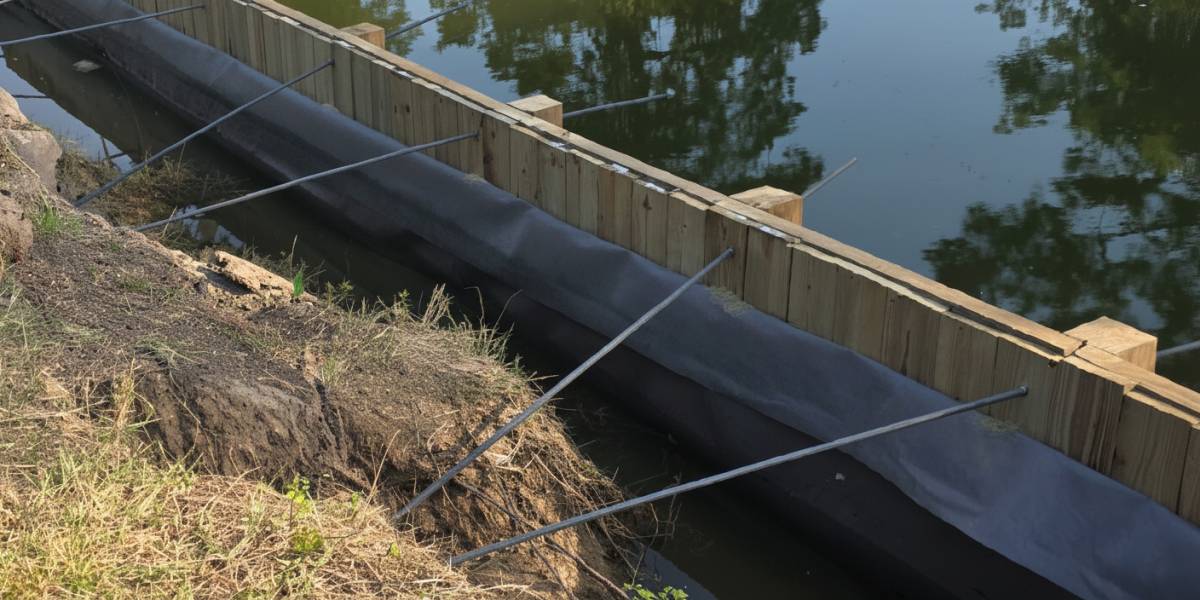
Our bulkhead work in Oklahoma covers new construction, panel repair, tie-rod replacement, and cap restoration for vertical shoreline retention. The process starts with a review of your reservoir shorelines site to confirm scope and select materials suited to wind-driven wave action and reservoir water level fluctuations.

We handle shoreline structure permits coordination with Oklahoma Water Resources Board where required, plus material procurement, installation, and site cleanup. If your project combines new construction and repair of an existing bulkhead, we assess both in the same visit.

What is your typical process for Bulkheads projects in Oklahoma?

To get started, send us your Oklahoma property address, a description of the bulkhead project, and photos of the full shoreline face, any leaning or cracking, and the cap along the top. Detailed photos help us assess scope without an immediate site visit.

We review the information and provide a free preliminary estimate for your reservoir shorelines property. For larger projects near Lake Eufaula, we may recommend an on-site assessment before finalizing scope and price.

What affects the schedule for Bulkheads construction in Oklahoma?

Bulkhead repair jobs can be completed in 2–4 days. New construction runs 1–3 weeks depending on linear footage and material.

In Oklahoma, low water periods that improve equipment access to reservoir shorelines can affect the start date. We plan around these conditions and provide a specific timeline once we review your site details. For bulkhead projects, our crews prioritize post-storm emergency assessments and material staging.

What maintenance is typically needed for Bulkheads in Oklahoma?

For bulkheads on reservoir shorelines, wind-driven wave action on Oklahoma reservoirs gradually loosens tie-rods and erodes the soil behind panels. The most important steps: inspect tie-rods, cap boards, and weep holes annually; clear debris after storms.

We recommend a professional inspection every 1-2 years for structures in high-exposure locations. Catching small issues early is significantly less costly than addressing structural failure. For bulkheads, pay particular attention to tie-rod exposure, weep holes, and cap integrity.

Close
Close
loading